





Achieve energy independence for motorhomes in 2026
Discover how UK motorhome owners can achieve true energy independence in 2026 through lithium batteries, solar power, and proven off-grid strategies for unlimited travel freedom.
Many UK motorhome owners believe they must depend on campsite hookups or noisy generators for power. This misconception limits travel freedom and increases costs unnecessarily. Energy independence through renewable solutions like lithium battery systems and solar panels transforms motorhome experiences, enabling sustainable off-grid adventures across Britain and beyond. This guide explores practical steps, essential components, and proven strategies to achieve genuine energy autonomy in your motorhome, freeing you from external power constraints whilst reducing environmental impact and operational expenses.
Table of Contents
- Understanding Energy Needs And Challenges In Motorhomes
- Key Components Of Off-Grid Energy Systems For Motorhomes
- Planning And Installing Your Motorhome Energy Independence System
- Maximising Off-Grid Power Efficiency And Extended Freedom
- Explore Skyenergi’s Energy Solutions For Motorhomes
Key takeaways
| Point | Details |
|---|---|
| Energy independence benefits | Renewable systems eliminate campsite dependency, reduce costs, and enable unlimited off-grid travel freedom |
| Lithium batteries advantage | Superior capacity, lighter weight, and longer lifespan compared to traditional lead-acid alternatives |
| Solar power essentials | MPPT controllers and properly sized panels harvest energy efficiently even in UK weather conditions |
| System planning matters | Careful energy assessment and component selection prevent costly mistakes and optimise performance |
| Ongoing optimisation | Smart energy habits and regular maintenance extend system life and maximise off-grid duration |
Understanding energy needs and challenges in motorhomes
Before investing in renewable energy systems, you must understand your actual power consumption. Motorhome energy needs vary widely, with lighting, appliances, and heating as main consumers. A typical UK motorhome uses between 50 and 150 amp-hours daily, depending on equipment and usage patterns. Water pumps, refrigerators, heating fans, and entertainment systems create continuous drain, whilst occasional loads like microwaves or hair dryers spike demand significantly.
Relying on campsite hookups creates multiple frustrations. Availability becomes limited during peak seasons, forcing you to book sites months ahead or accept inferior locations. Many remote beauty spots lack electrical infrastructure entirely, excluding you from Britain’s most spectacular camping destinations. Hookup fees add £5 to £15 nightly, accumulating to hundreds of pounds annually for regular travellers.
Gas generators present their own problems. Noise disturbs fellow campers and violates site rules at many locations. Fuel costs mount quickly, petrol prices fluctuating unpredictably. Maintenance demands regular attention, and mechanical failures leave you stranded without power. Environmental concerns grow as emissions contribute to local pollution, conflicting with the natural settings most motorhome owners cherish.
Common energy drains include:
- LED lighting consuming 10 to 30 watts per fixture
- Compressor refrigerators drawing 40 to 60 watts continuously
- Water pumps using 50 to 80 watts during operation
- Diesel heating fans requiring 20 to 50 watts
- Phone and laptop charging adding 20 to 100 watts
- Entertainment systems consuming 30 to 100 watts
Pro Tip: Install a battery monitor with Bluetooth connectivity to track real-time consumption patterns. This reveals which appliances drain power fastest, allowing you to adjust habits and prioritise upgrades for maximum efficiency gains.
Independent renewable power systems eliminate these constraints. Solar panels harvest free energy daily, lithium batteries store it efficiently, and modern controllers optimise every watt. You gain genuine freedom to explore without compromise, reducing costs whilst embracing sustainable travel practices that align with environmental values increasingly important to UK motorhome communities.
Key components of off-grid energy systems for motorhomes
Building energy independence requires understanding four essential technologies working together seamlessly. Each component plays a distinct role, and selecting quality equipment matched to your needs determines system success.
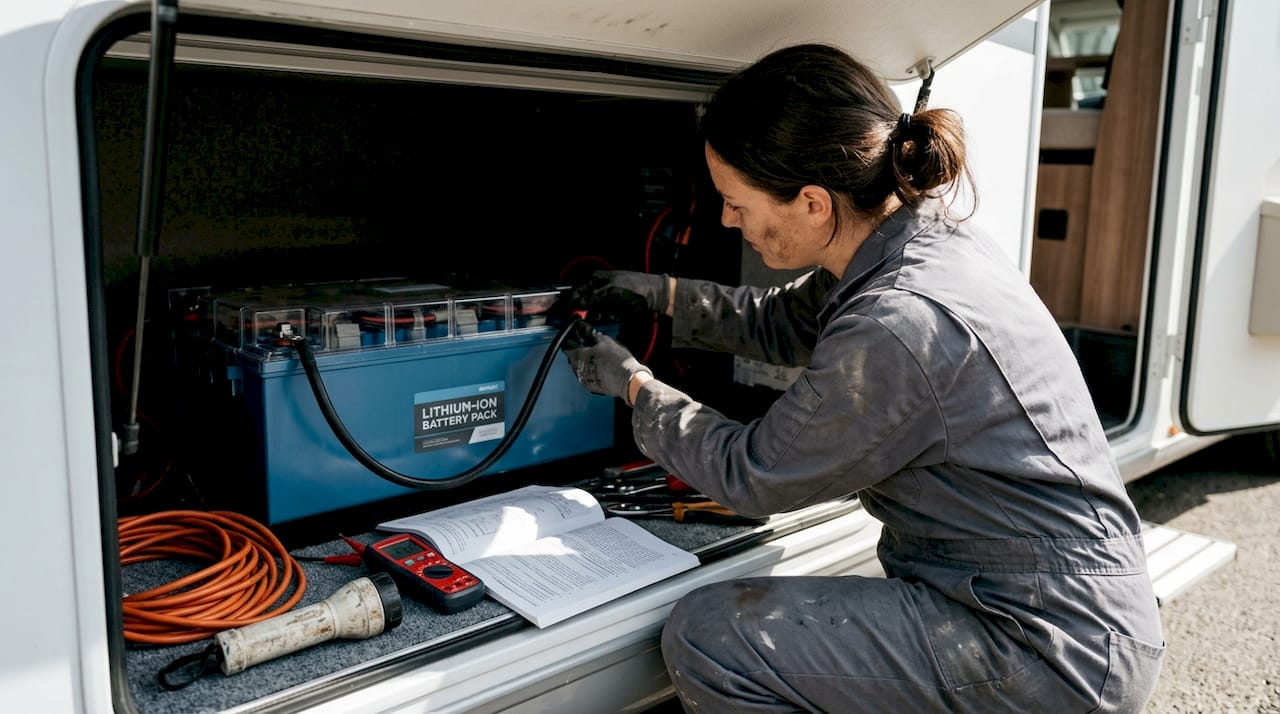
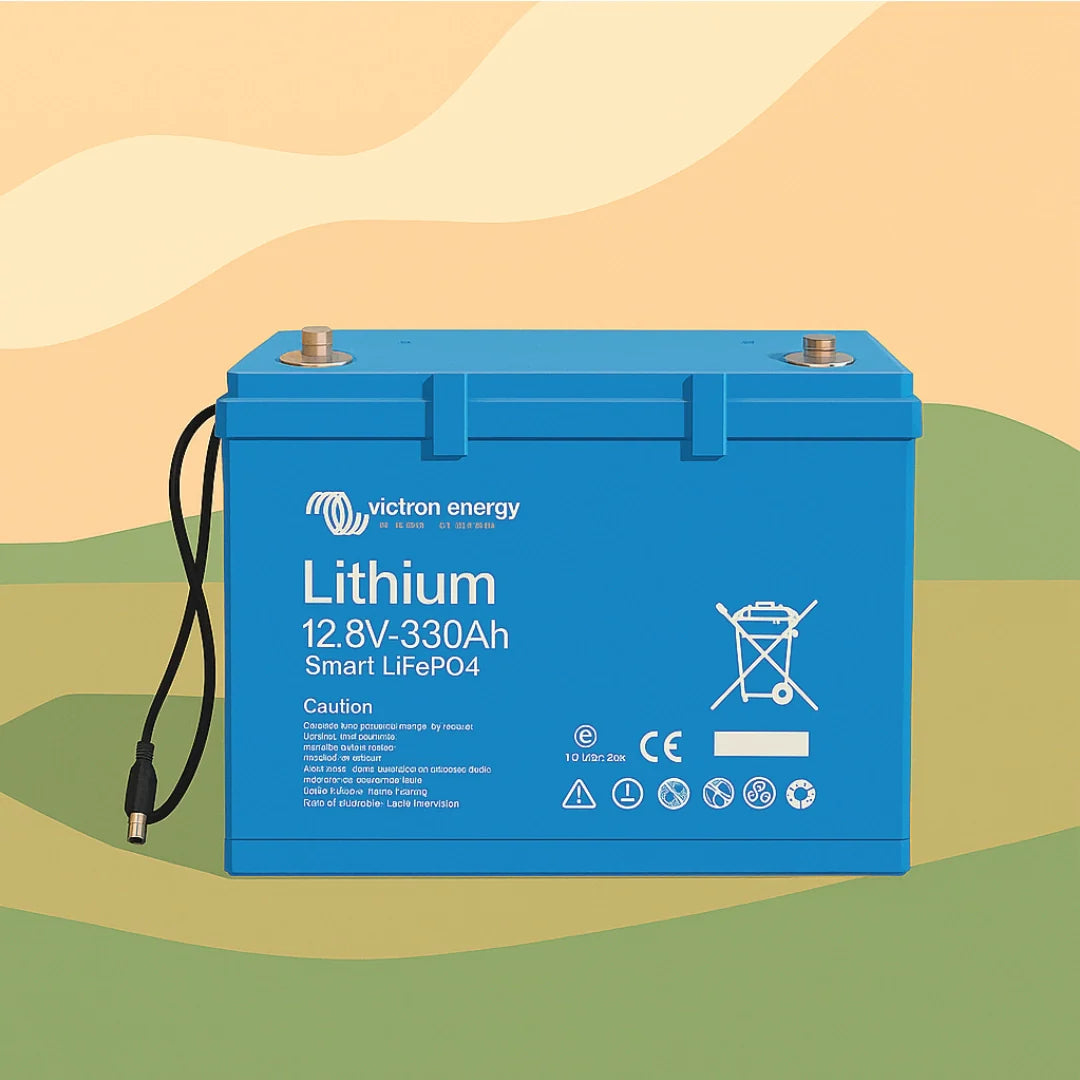
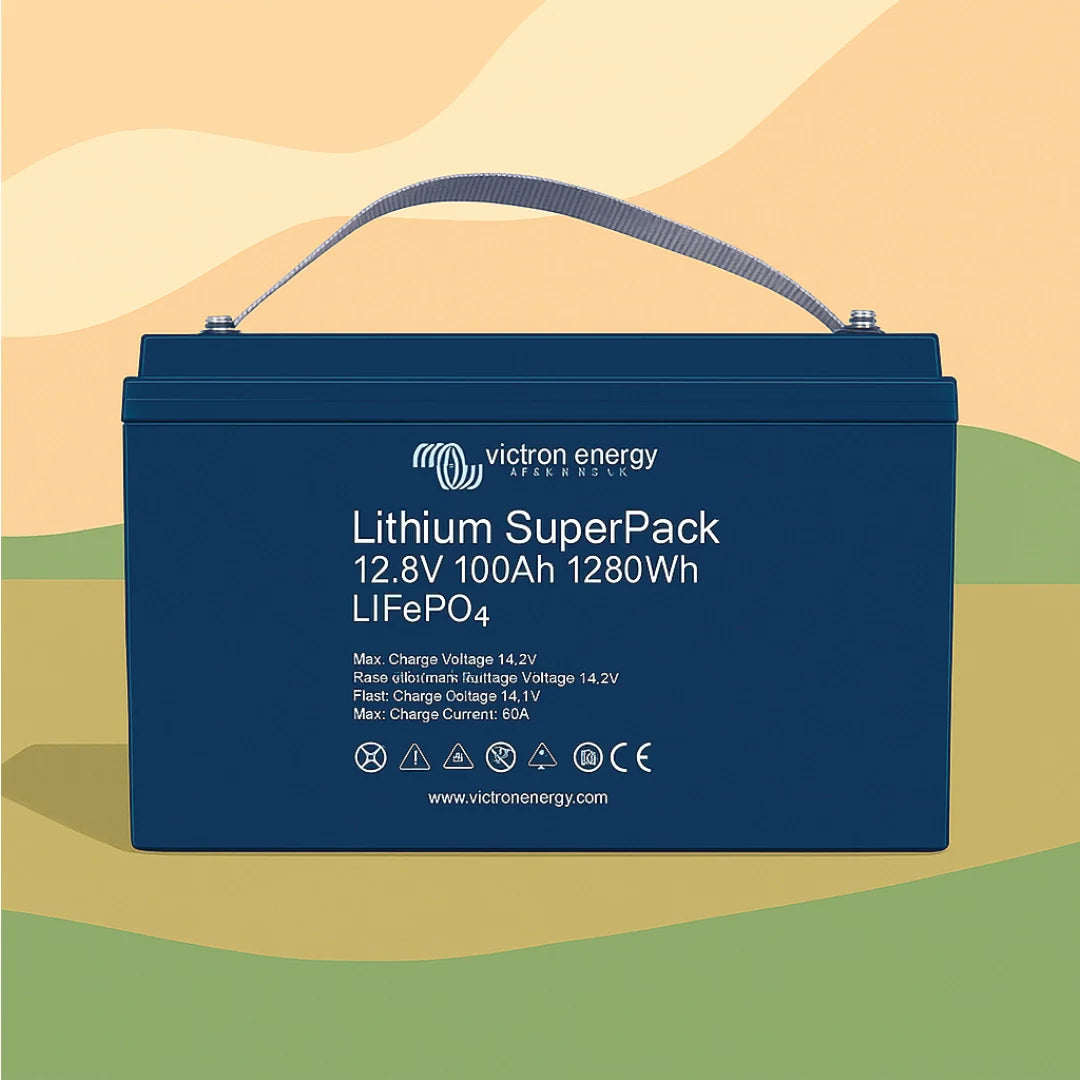
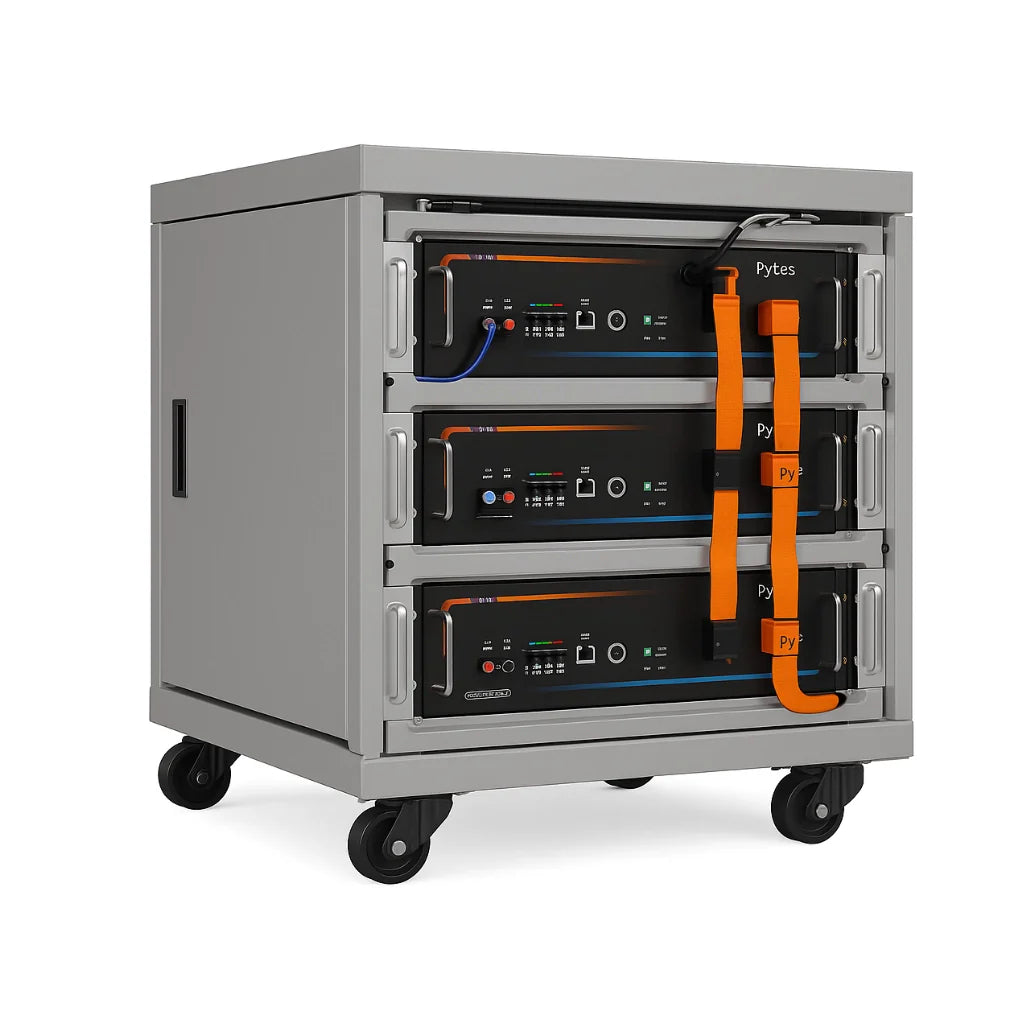
Lithium batteries provide longer life, lighter weight, and deeper discharge than traditional lead-acid batteries. Lithium iron phosphate (LiFePO4) chemistry offers exceptional safety and cycle life exceeding 3,000 charges. You can discharge them to 20% capacity without damage, accessing 80% of rated storage compared to just 50% with lead-acid alternatives. Weight savings reach 60%, crucial for motorhomes where every kilogram affects handling and fuel economy. Integrated battery management systems protect against overcharge, over-discharge, and temperature extremes whilst enabling Bluetooth monitoring of voltage, current, and state of charge.
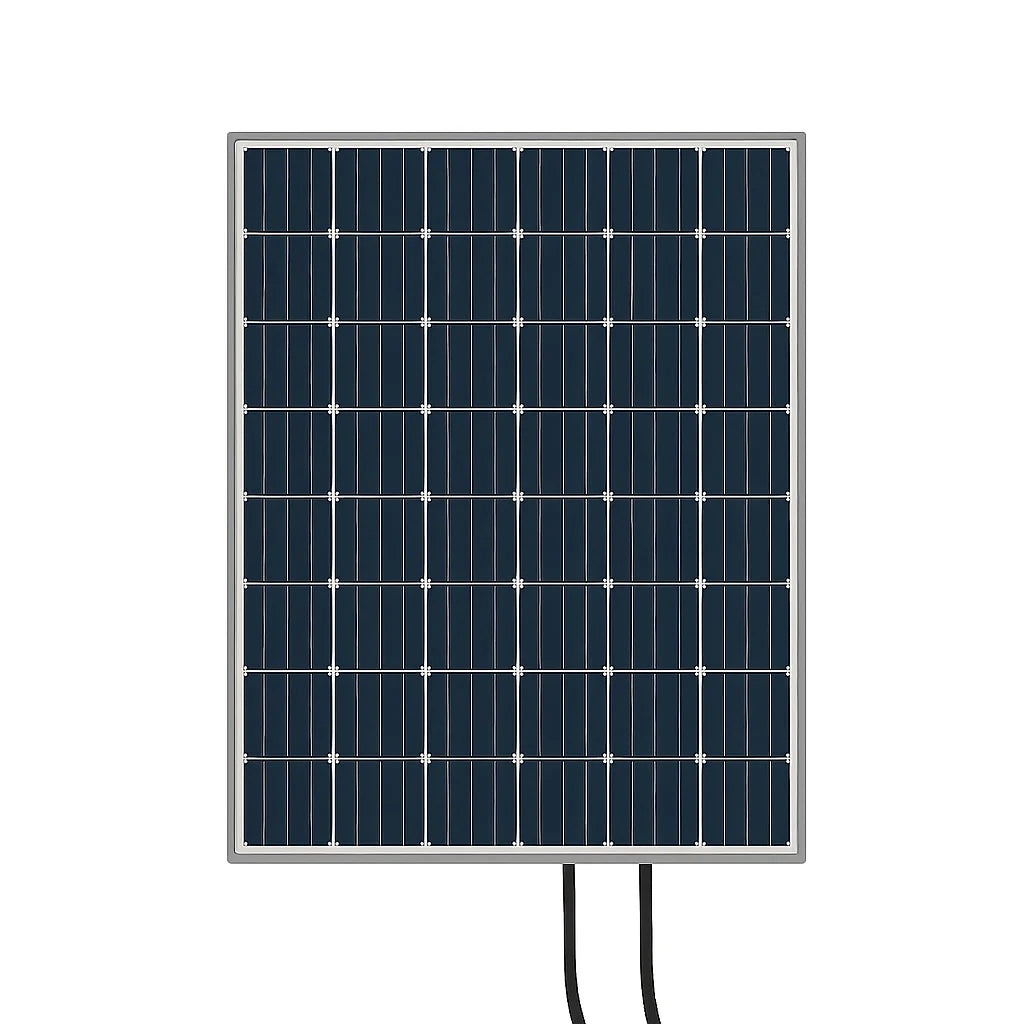
Solar panels convert sunlight into electricity silently and reliably. Monocrystalline panels offer superior efficiency, generating more power per square metre than polycrystalline alternatives. UK weather presents challenges, but modern panels perform surprisingly well in cloudy conditions, producing 10% to 25% of rated output even on overcast days. Roof-mounted installations typically accommodate 300 to 600 watts, sufficient for most motorhome needs when combined with adequate battery storage. Flexible panels suit curved roofs, whilst rigid framed versions provide better longevity and easier mounting.
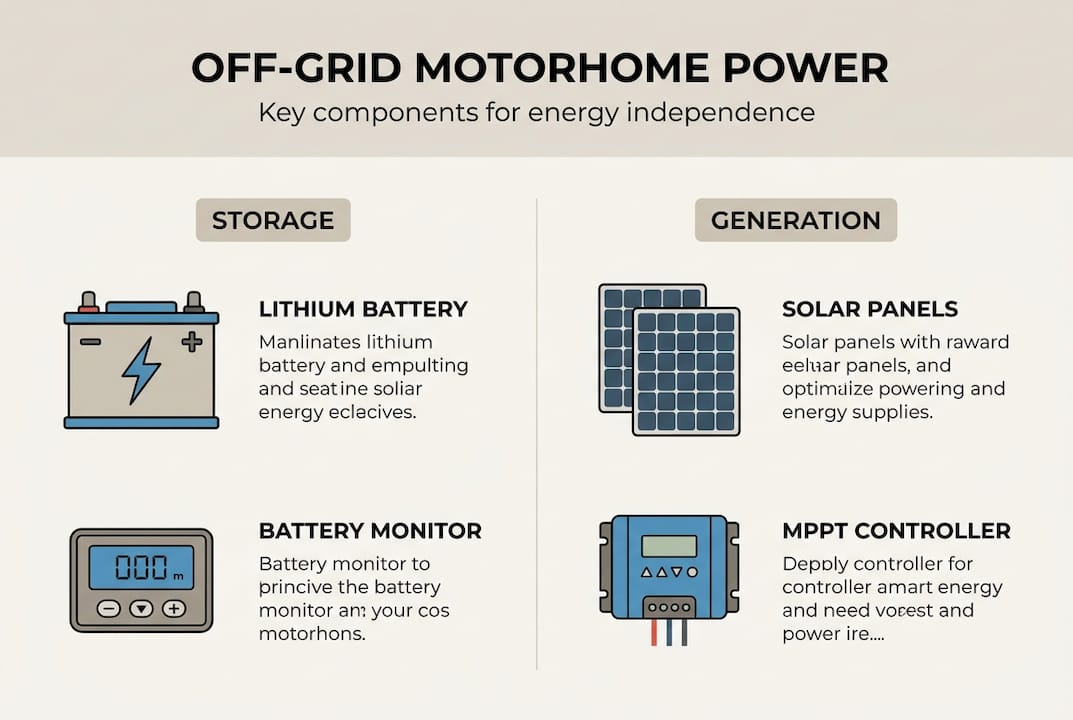
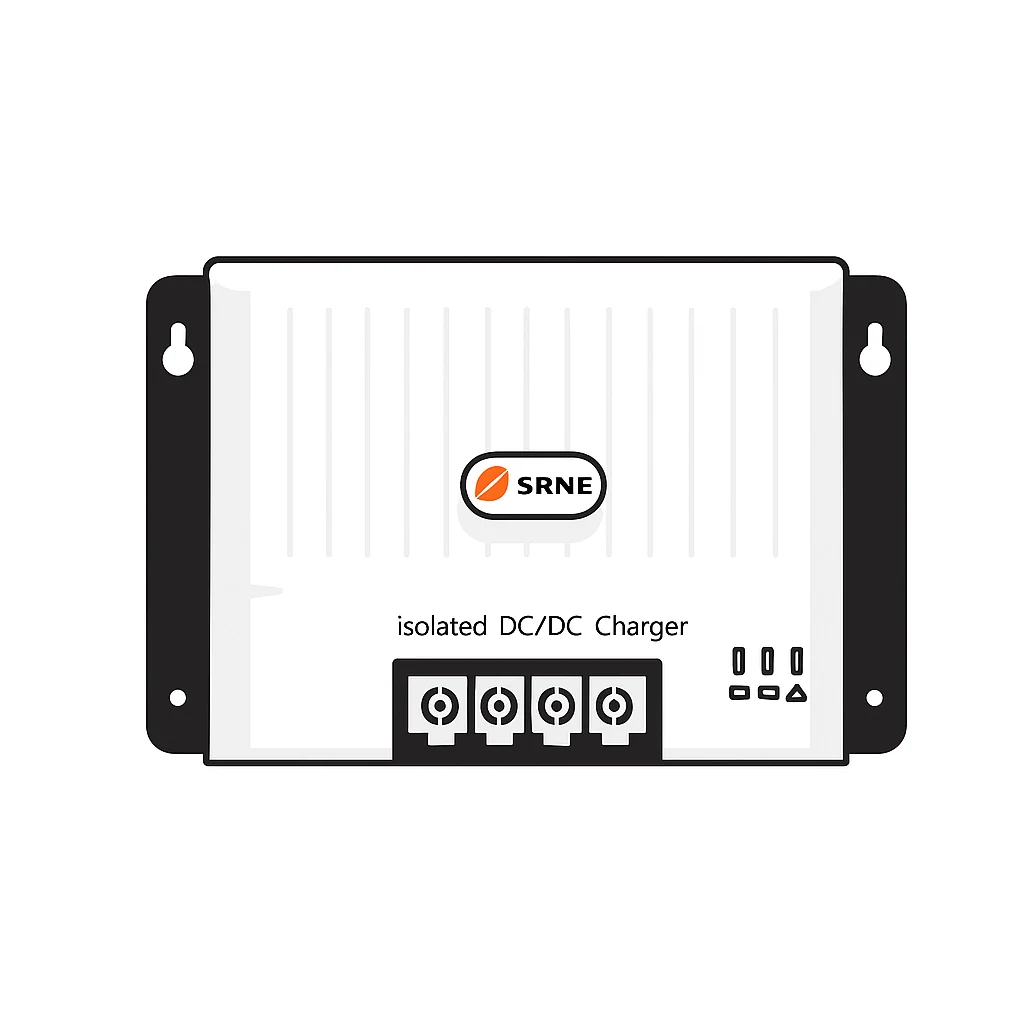
MPPT charge controllers optimise solar energy harvest efficiently in UK conditions. Maximum power point tracking technology extracts 20% to 30% more energy than basic PWM controllers by continuously adjusting voltage and current to match panel output with battery requirements. Quality MPPT units include Bluetooth monitoring, programmable charging profiles for different battery types, and temperature compensation ensuring optimal charging regardless of ambient conditions.
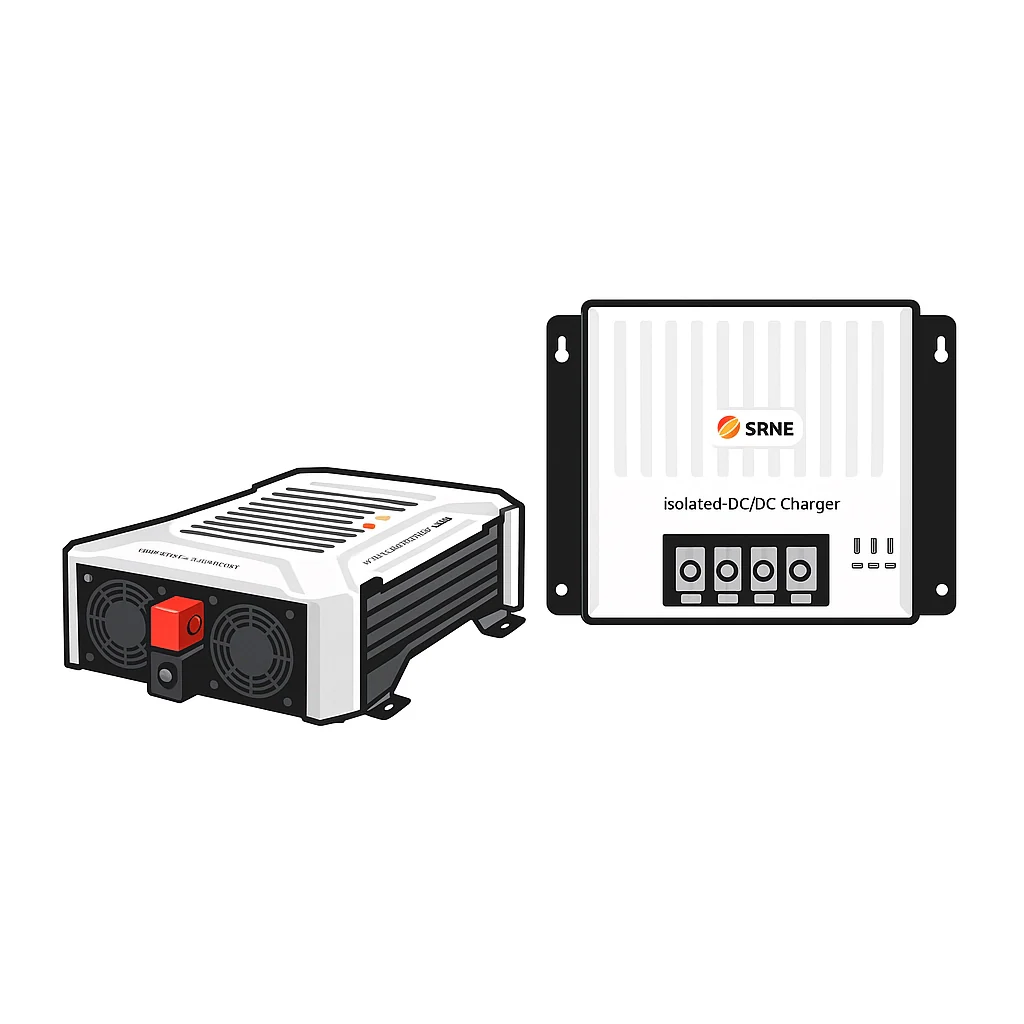
Pure sine wave inverters convert 12V or 24V battery power into 230V AC electricity matching mains quality. Sensitive electronics like laptops, TVs, and medical equipment require clean sine wave power to function properly and avoid damage. Inverter sizing depends on your largest simultaneous loads, typically ranging from 1,000 to 3,000 watts for motorhomes. Remote control panels allow convenient operation without accessing the inverter location.
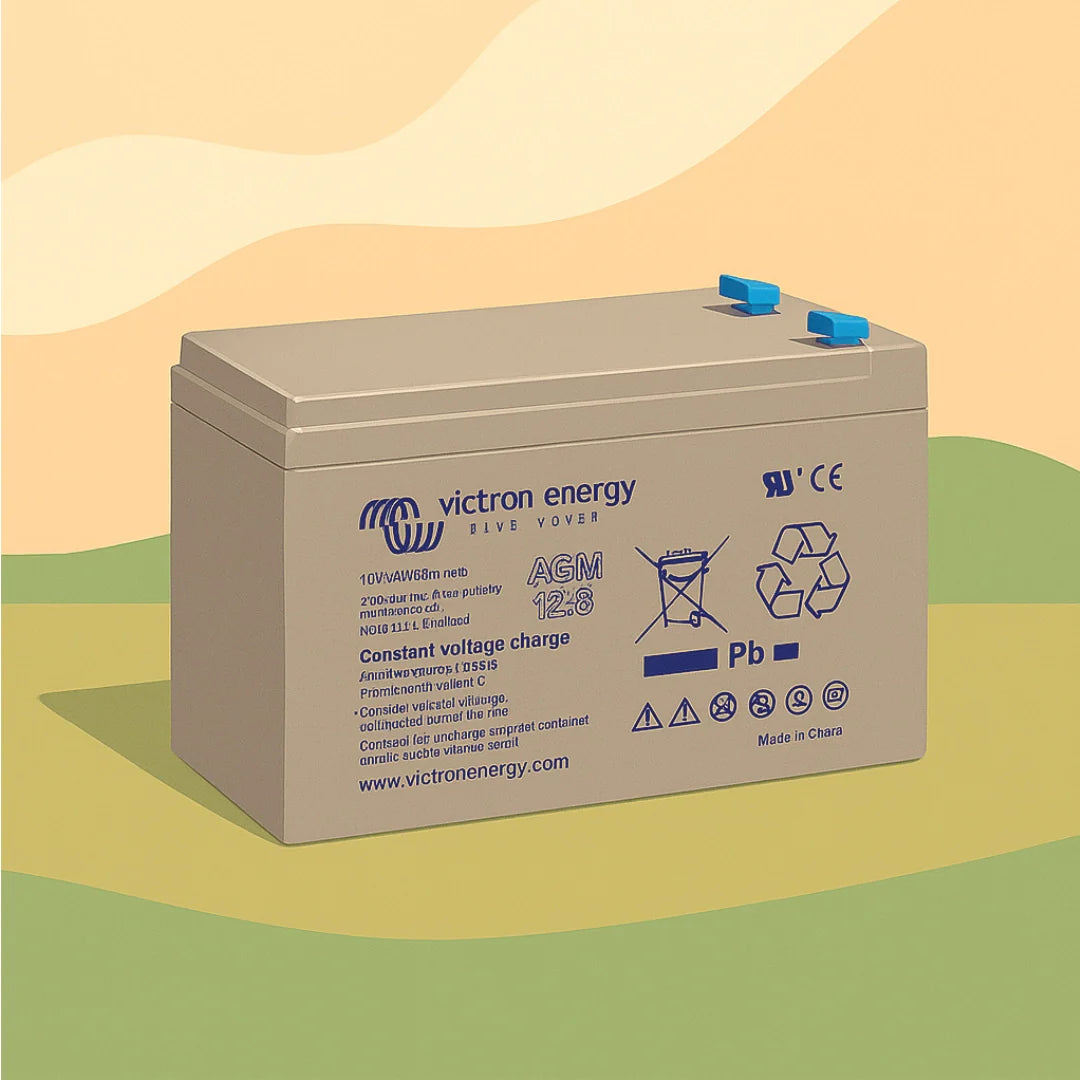
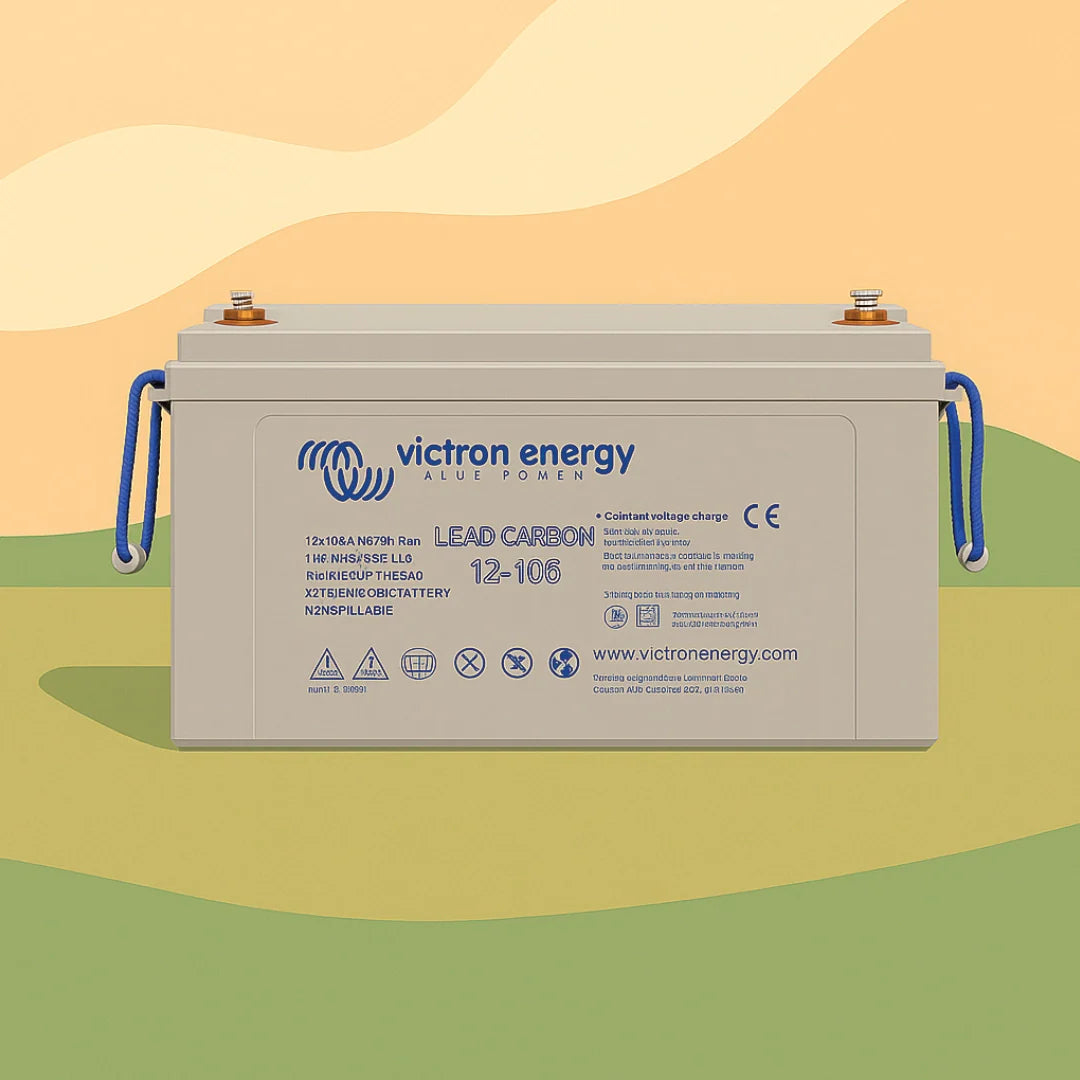
| Battery Type | Cost per kWh | Weight (100Ah) | Usable Capacity | Lifespan (Cycles) |
|---|---|---|---|---|
| Lead-acid | £80-120 | 30kg | 50% | 300-500 |
| AGM | £120-180 | 28kg | 50% | 400-600 |
| Lithium LiFePO4 | £300-450 | 12kg | 80% | 3,000-5,000 |
Essential solar system components include:
- Solar panels with appropriate wattage for roof space
- MPPT charge controller sized for panel array
- Battery bank providing adequate storage capacity
- Pure sine wave inverter matching peak loads
- Cable sizing appropriate for current and distance
- Isolation switches and circuit protection
- Monitoring displays for system visibility
Pro Tip: Calculate daily consumption in amp-hours, then multiply by three for battery capacity and by 1.5 for solar panel wattage. This provides comfortable margins for cloudy weather and seasonal variations, preventing frustration from undersized systems that fail to meet real-world demands.
Planning and installing your motorhome energy independence system
Successful renewable energy systems begin with thorough planning. Proper planning is essential to optimise system performance and avoid costly mistakes during installation. Rushing into purchases without assessment leads to mismatched components, inadequate capacity, and expensive corrections later.
Follow this planning checklist:
- Audit current energy consumption by listing every appliance with its wattage and daily usage hours
- Calculate total daily amp-hour requirements accounting for inefficiencies and future additions
- Determine available roof space for solar panels considering vents, aerials, and shading obstacles
- Assess battery mounting locations considering weight distribution, ventilation, and accessibility
- Identify inverter placement near main electrical distribution for efficient cable runs
- Research UK regulations regarding electrical installations and gas safety zones
- Budget for quality components recognising that cheaper alternatives often fail prematurely
Installation demands careful attention to safety and best practices. Electrical work in motorhomes operates under specific regulations, particularly regarding installations near gas appliances and sleeping areas. Battery locations require ventilation even though lithium chemistry produces minimal gases. Cable sizing must handle maximum current without voltage drop, typically requiring larger gauges than domestic installations due to 12V operation.
Solar panel mounting involves:
- Cleaning roof surface thoroughly before adhesive application
- Using appropriate sealant rated for vehicle movement and temperature extremes
- Running cables through existing roof penetrations when possible
- Securing cables against vibration using proper clips and conduit
- Angling panels slightly to shed water and debris
Battery installation considerations include:
- Securing batteries against movement during travel
- Providing adequate ventilation despite minimal gas production
- Keeping batteries away from heat sources and sleeping areas
- Using appropriate gauge cables with proper crimped terminals
- Installing fuses or circuit breakers close to battery terminals
Inverter integration requires connecting to your distribution board through appropriate protection devices. Many installers position inverters near batteries to minimise DC cable lengths, then run AC cables to a dedicated consumer unit. This approach simplifies wiring and improves safety by keeping high current DC runs short.
Ongoing maintenance keeps systems performing optimally. Clean solar panels quarterly to remove dirt, bird droppings, and pollen reducing output. Check all electrical connections annually, tightening any that show signs of looseness or corrosion. Monitor battery health through built-in displays, watching for capacity degradation or cell imbalances requiring attention. Inspect cable routing periodically, ensuring vibration hasn’t caused chafing or loosened fixings.
Troubleshooting common issues becomes straightforward with proper monitoring equipment. Low charging rates often indicate dirty panels or shading problems. Rapid battery discharge suggests parasitic loads from appliances left on inadvertently. Inverter faults typically result from overloading or poor ventilation causing thermal shutdowns.
UK regulations for motorhome electrical installations remain relatively light compared to fixed dwellings, but you should follow IET wiring regulations principles. Gas safety zones prohibit certain electrical equipment near gas appliances. If uncertain about any aspect, consult qualified technicians familiar with leisure vehicle systems. Many owners successfully complete installations themselves after research, whilst others prefer professional fitting for peace of mind and insurance compliance.
For additional guidance on solar panel maintenance, external resources provide detailed cleaning and care procedures extending panel lifespan and maintaining peak efficiency throughout ownership.
Maximising off-grid power efficiency and extended freedom
Installing renewable energy systems represents just the beginning. Careful energy management and monitoring significantly extend time off-grid and reduce system wear. Smart habits and strategic choices multiply the benefits of your investment, enabling longer adventures without compromising comfort.
Energy-efficient appliances dramatically reduce consumption. Replace halogen bulbs with LED alternatives saving 80% to 90% power for equivalent brightness. Modern compressor refrigerators consume half the energy of absorption models whilst providing superior cooling performance. Induction hobs heat faster than resistance elements whilst wasting less energy as heat. When replacing any appliance, prioritise efficiency ratings even if initial costs run slightly higher, as savings accumulate quickly.
Battery state monitoring prevents damage and extends lifespan. Lithium batteries tolerate deep discharge better than lead-acid types, but regularly draining below 20% capacity accelerates degradation. Monitor voltage and state of charge through Bluetooth apps, recharging when levels drop to 30% or 40% rather than waiting for complete depletion. Temperature extremes also affect performance, so avoid leaving batteries in freezing conditions or exposing them to excessive heat.
Expandable energy storage solutions provide flexibility for varying trip lengths. Start with adequate capacity for typical weekend trips, then add parallel battery banks for extended touring. Quality lithium batteries support series and parallel configurations, allowing you to scale storage as needs evolve without replacing existing components. This modular approach spreads costs whilst ensuring you never invest in excess capacity sitting unused.
Daily habits enhancing system longevity include:
- Charging devices during peak solar production hours rather than overnight
- Running high-power appliances sequentially instead of simultaneously
- Parking to maximise solar panel sun exposure when possible
- Switching off phantom loads from devices in standby mode
- Using gas for cooking and heating when electricity supplies run low
- Monitoring weather forecasts to anticipate low solar production periods
Pro Tip: Clean solar panels every morning during extended trips. Dew and overnight condensation attract dust and pollen, reducing output by 5% to 15%. A quick wipe with a damp cloth takes two minutes but recovers significant generating capacity, especially during marginal weather when every watt counts.
Shading dramatically impacts solar output. Even partial shade across one panel can reduce array production by 50% or more with series-wired systems. Park strategically to avoid tree shadows, and consider panel placement during installation to minimise shading from roof fixtures like aerials and vents. Some MPPT controllers offer multiple input channels, allowing independent panel strings that maintain output when individual panels experience shading.
“Energy independence isn’t about generating maximum power, it’s about matching generation to realistic consumption through smart habits and appropriate equipment choices. The most successful off-grid motorhome owners focus on efficiency first, then scale their systems to meet actual needs rather than theoretical maximums.”
Regular system checks catch problems early. Inspect cable connections monthly during active travel seasons, watching for corrosion or looseness indicating poor initial installation. Monitor charging performance through controller displays, noting any significant drops suggesting panel soiling or component faults. Track battery capacity over time, as gradual degradation signals approaching replacement needs before unexpected failures strand you without power.
Seasonal adjustments optimise year-round performance. Winter’s lower sun angles and shorter days reduce solar harvest significantly, so adjust expectations and modify consumption accordingly. Summer abundance allows liberal appliance use and opportunities to fully charge batteries, preparing for subsequent cloudy periods. Understanding these patterns prevents frustration and helps you plan trips around realistic energy availability.
Explore Skyenergi’s energy solutions for motorhomes
Achieving genuine energy independence requires quality components engineered for reliability. Skyenergi supplies proven renewable energy systems specifically designed for UK motorhome applications, combining performance with practical value. Our range includes complete turnkey solutions and individual components for custom installations, all backed by technical support from specialists understanding off-grid power challenges.
The solar power & electrics system 3kVa inverter delivers comprehensive off-grid capability in one integrated package. This complete system includes inverter-charger, battery-to-battery charging, and monitoring, providing everything needed for energy independence. For those seeking premium performance, the Victron Energy EasySolar-II system combines legendary Victron reliability with advanced monitoring and control features.
Solar charging begins with quality panels and controllers. Our Victron 610 watt solar panel & MPPT controller package provides optimal energy harvest with professional-grade components and optional battery integration. Every product features detailed specifications and installation guidance, whilst our team offers consultation helping you select systems matching your specific requirements and budget.
FAQ
What is energy independence for motorhomes?
Energy independence means generating and storing your own electrical power without relying on external sources like campsite hookups or generators. It allows motorhome users freedom to travel and camp off-grid comfortably, accessing remote locations whilst maintaining modern conveniences. Renewable systems using solar panels and lithium batteries provide reliable power for lighting, refrigeration, heating, and entertainment throughout extended trips.
How do lithium batteries improve energy independence?
Lithium batteries offer higher capacity, longer lifespan, and lighter weight than lead-acid batteries, storing more energy in less space. They enable more reliable and efficient energy storage for longer off-grid use, tolerating deeper discharge without damage. Modern lithium systems include intelligent battery management and Bluetooth monitoring, allowing you to track performance and optimise usage patterns for maximum autonomy between charging cycles.
Can solar panels provide enough power for long trips?
Solar panels sized appropriately with MPPT controllers can often sustain typical motorhome energy needs on longer trips, especially during summer months. Battery storage capacity and energy management habits also influence off-grid duration significantly. A well-designed system with 400 to 600 watts of panels and 200 to 400 amp-hours of lithium storage supports indefinite off-grid camping for moderate consumption patterns, recharging fully during sunny periods.
What are the best practices for maintaining off-grid energy systems?
Regularly clean solar panels and check electrical connections to maintain optimal performance and prevent failures. Monitor battery health through integrated displays and avoid frequent deep discharges below 20% capacity. Inspect wiring and secure mounts yearly to prevent vibration damage and ensure safe operation. Following manufacturer guidelines for specific components extends system lifespan and maximises your renewable energy investment returns.
Recommended
Prev post

Best 6 Solar Battery Systems for Campervans 2026
Updated on 21 March 2026
Next post

Examples of leisure battery setups for off-grid UK vehicles
Updated on 19 March 2026


