





Off-Grid Power Systems: Enhancing Energy Freedom
Off-grid power systems for UK campervans and boats explained: learn what they are, how they work, top technologies, and key safety and cost factors.
Setting out across the British countryside or exploring hidden coastal spots by boat means energy freedom is more than a convenience—it is a necessity. The right off-grid power system lets you charge devices, keep appliances running, and enjoy true independence without relying on campsites or marinas. Discover how a well-designed off-grid power system can provide both reliability and flexibility, keeping your adventures uninterrupted wherever your journey takes you.
Table of Contents
- Off-Grid Power Systems Defined For Mobile Living
- Types And Key Components Of Off-Grid Setups
- How Off-Grid Systems Operate And Integrate
- Choosing The Right System For Your Needs
- Costs, Common Pitfalls, And UK Safety Standards
Key Takeaways
| Point | Details |
|---|---|
| Component Selection is Crucial | Choose components that match your energy consumption needs and environmental conditions for optimal performance. |
| Invest in Quality Systems | While initial costs may be high, investing in advanced lithium-ion systems can lead to better long-term value and reliability. |
| Regular Maintenance Matters | Schedule annual system checks and service to ensure compliance with UK safety standards and maintain system efficiency. |
| Plan for Power Demands | Conduct a comprehensive energy audit before installation to accurately assess total power requirements and allow for unexpected demands. |
Off-Grid Power Systems Defined for Mobile Living
Off-grid power systems represent a revolutionary approach to energy independence for mobile living enthusiasts, particularly those navigating the unique challenges of campervans, motorhomes, and boats across the United Kingdom. These sophisticated energy solutions enable travellers to generate, store, and manage electricity completely independently from traditional power grid infrastructure.
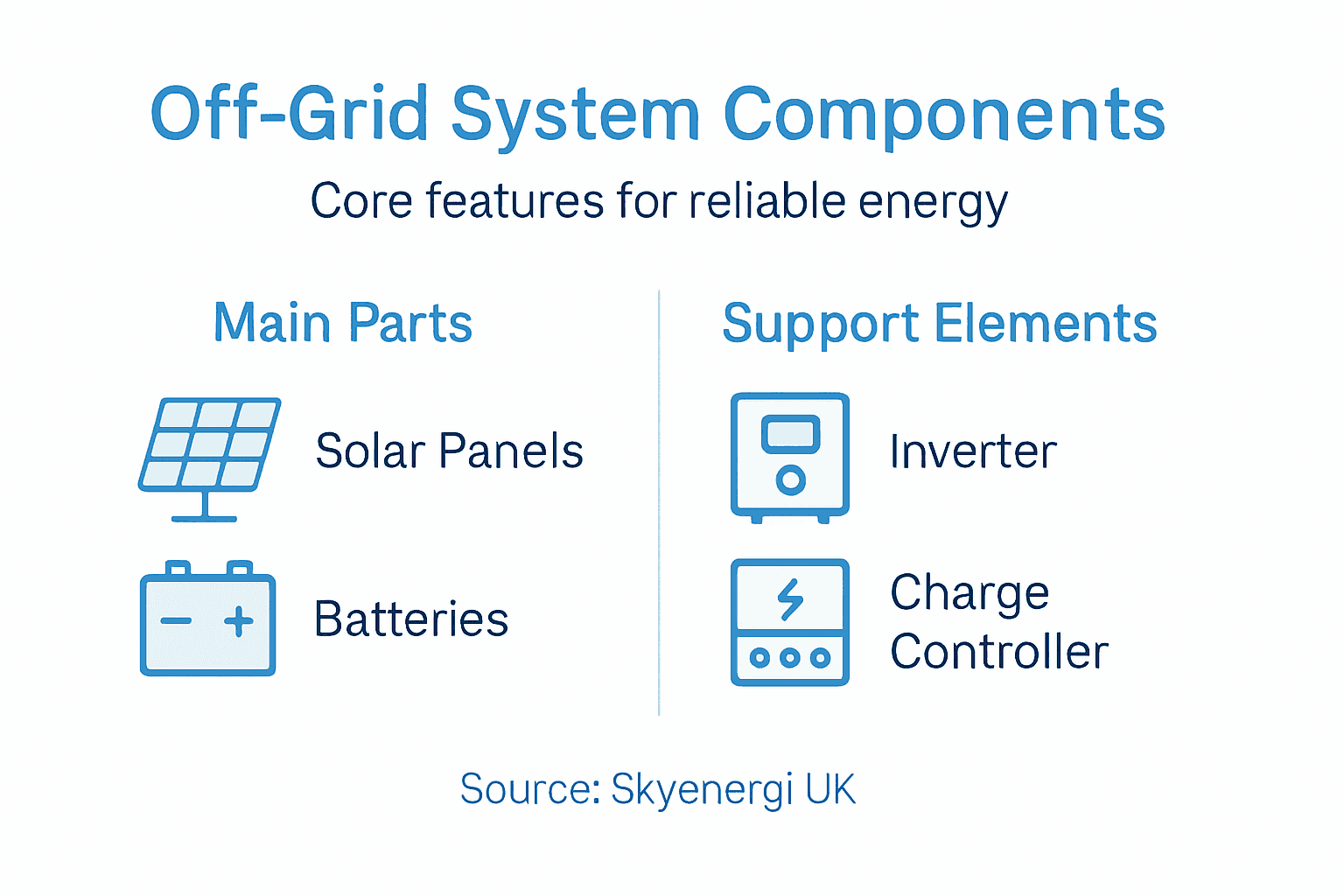
At its core, an off-grid power system consists of several critical components that work harmoniously to provide reliable electricity during mobile adventures:
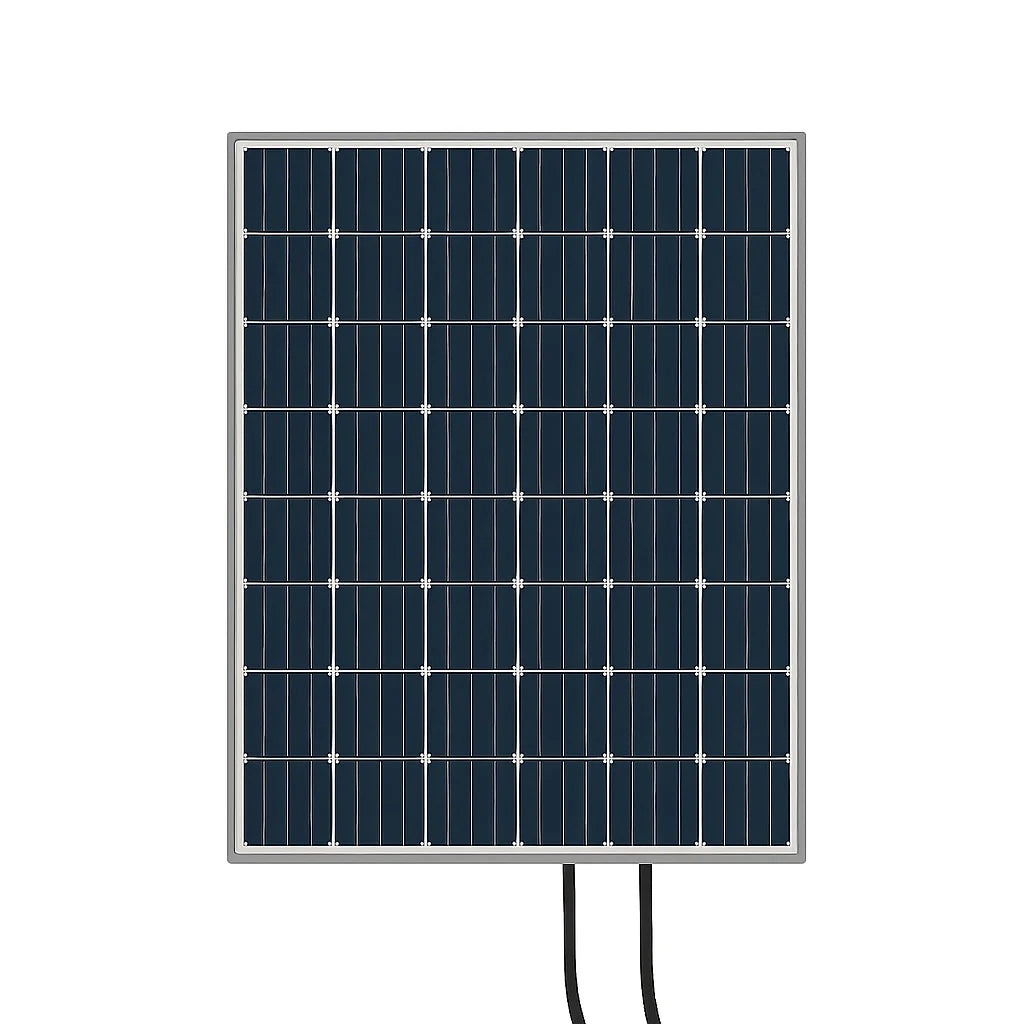
- Solar panels: Capture renewable energy from sunlight
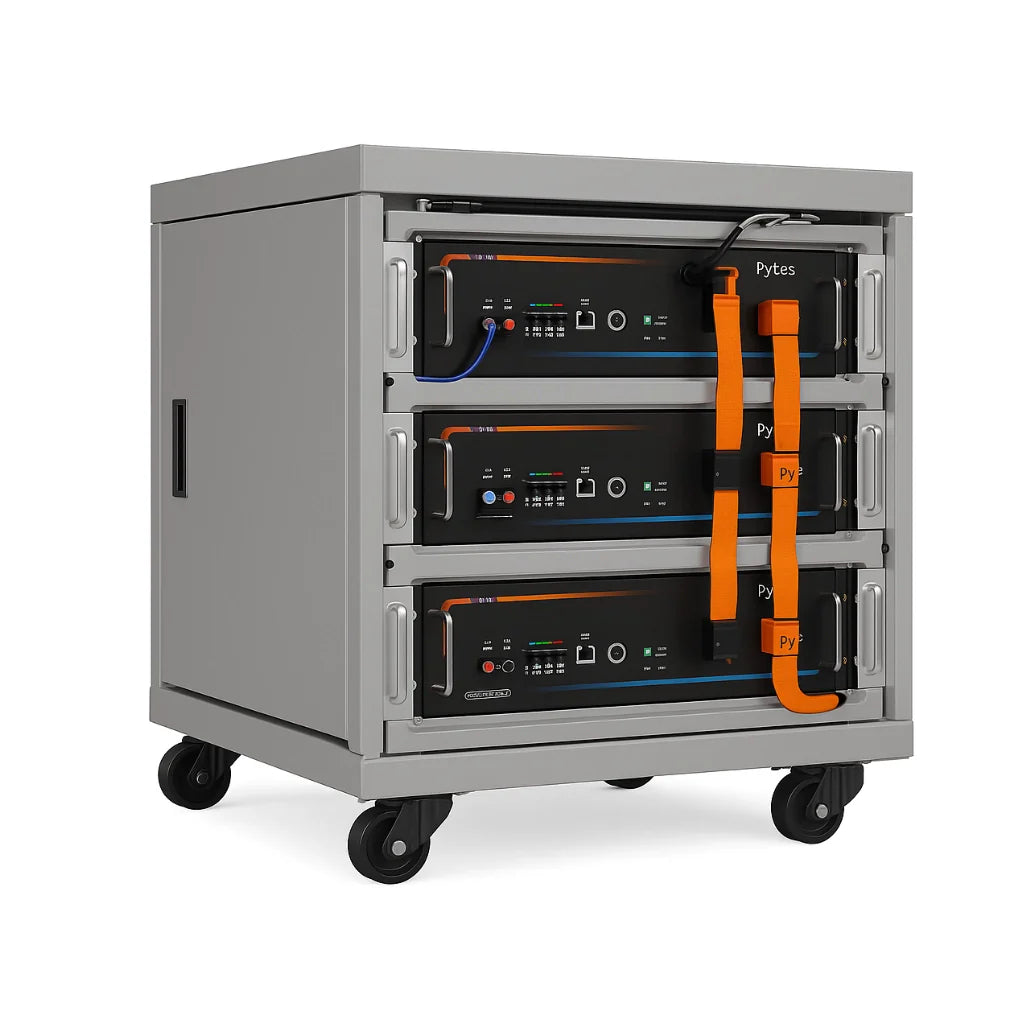
- Battery storage: Store generated electricity for later use
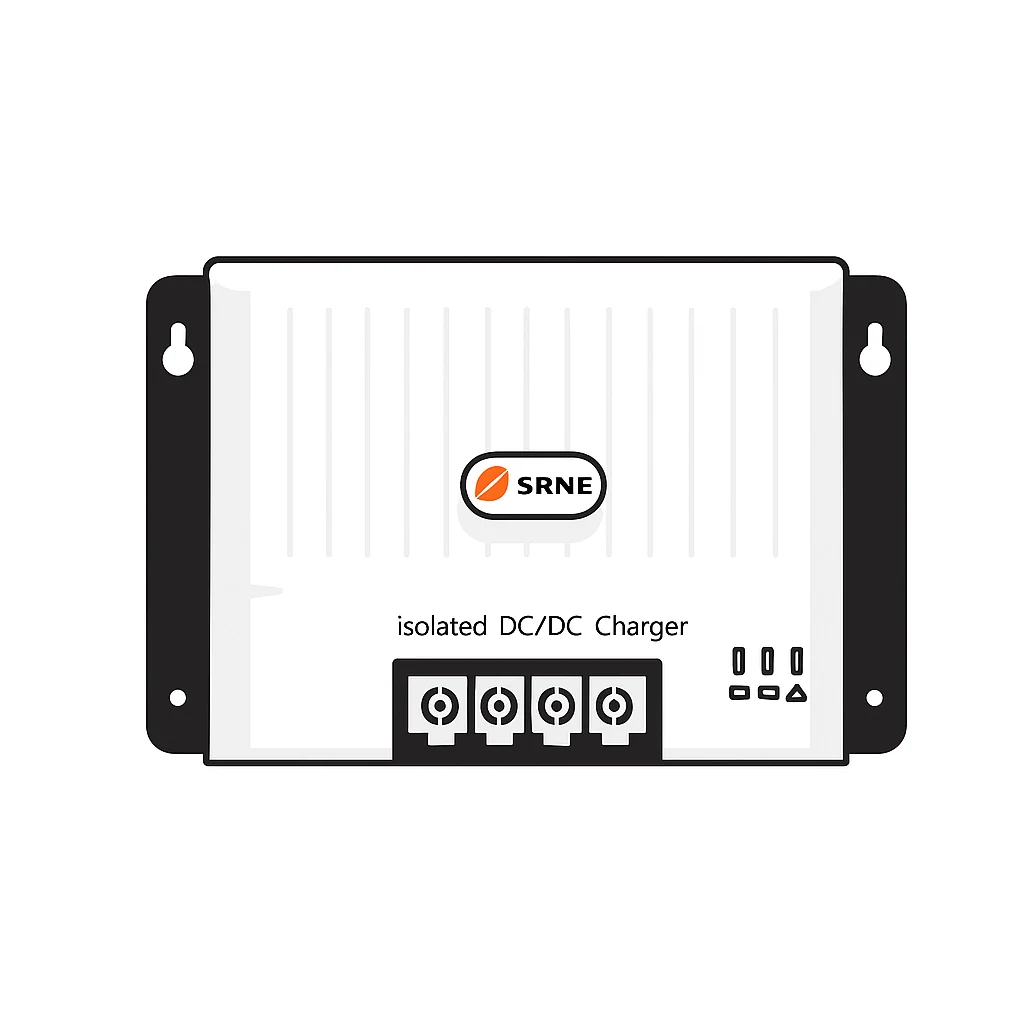
- Charge controllers: Regulate electricity flow and prevent battery damage
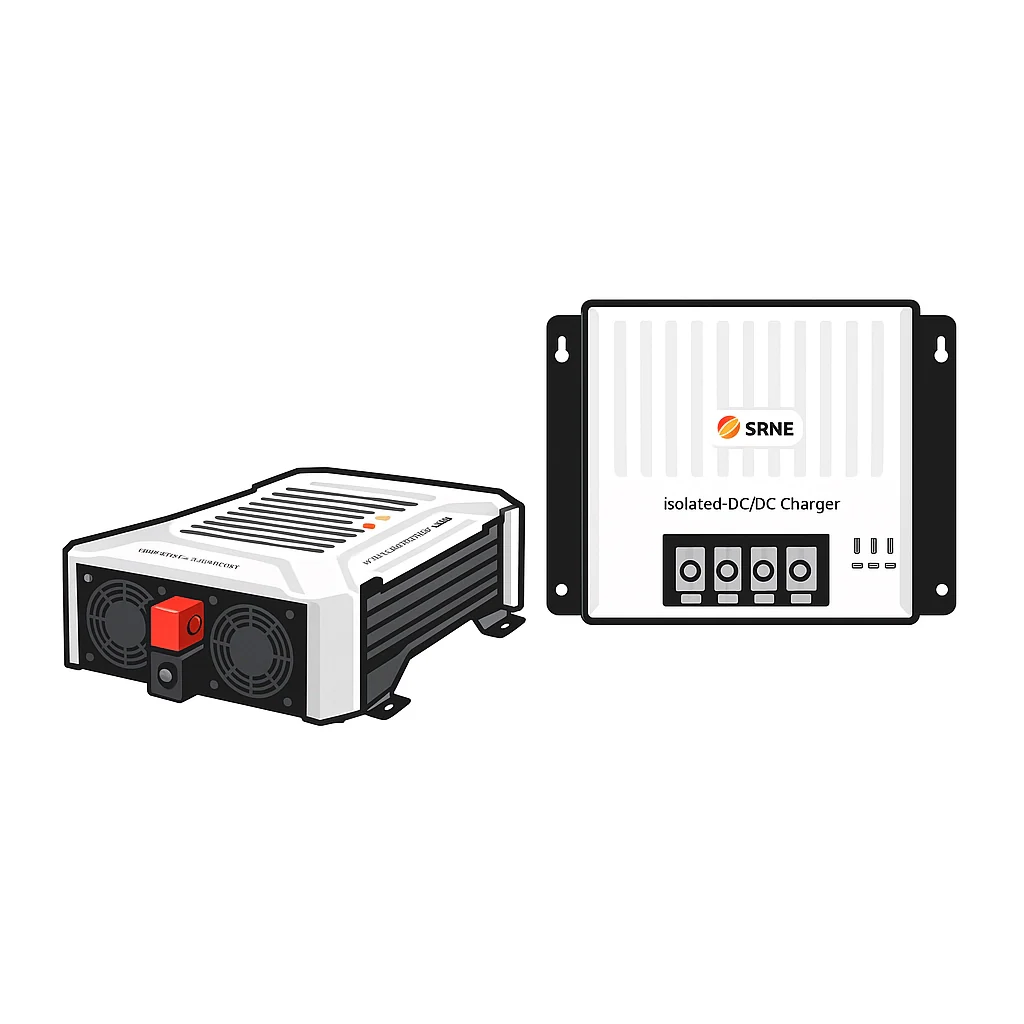
- Inverters: Convert stored DC power into usable AC power for appliances
- Distribution systems: Manage power allocation across different electrical circuits
The fundamental goal of these systems is to create a complete energy storage solution that offers maximum flexibility and reliability. Unlike traditional power setups, off-grid systems are designed to function seamlessly in variable environments, from remote campsites to coastal moorings.
Mobile living enthusiasts require power systems that can withstand diverse conditions while providing consistent performance. This means selecting components capable of handling temperature fluctuations, vibrations from travel, and potential moisture exposure. Modern off-grid power systems incorporate advanced battery management technologies that monitor system health in real-time, ensuring optimal performance and longevity.
Pro tip: When designing an off-grid power system, always calculate your total energy consumption and select components with a 20-30% capacity buffer to account for unexpected power needs.
Types and Key Components of Off-Grid Setups
Off-grid power systems for mobile living encompass diverse configurations designed to provide reliable electricity in remote or mobile environments. These sophisticated setups integrate multiple energy generation and storage technologies to ensure consistent power supply for campervans, motorhomes, and boats across challenging British terrains and weather conditions.
Traditionally, off-grid systems include several critical components that work in synergy:
- Solar panels: Primary renewable energy generation source
- Battery banks: Energy storage and distribution centre
- Charge controllers: Regulate electricity flow and protect batteries
- Inverter systems: Convert stored DC power to usable AC electricity
- Backup generators: Provide additional power during low renewable energy periods
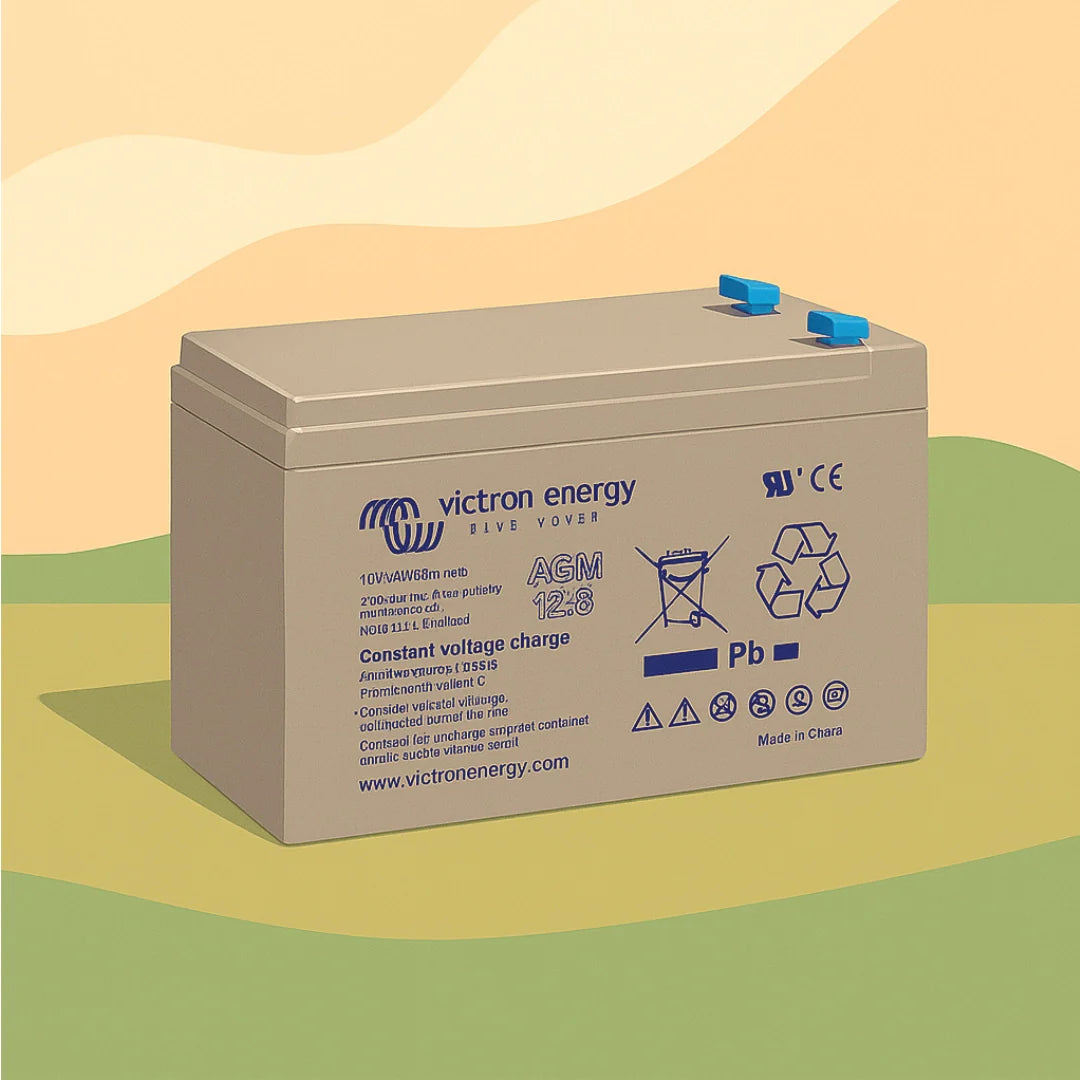
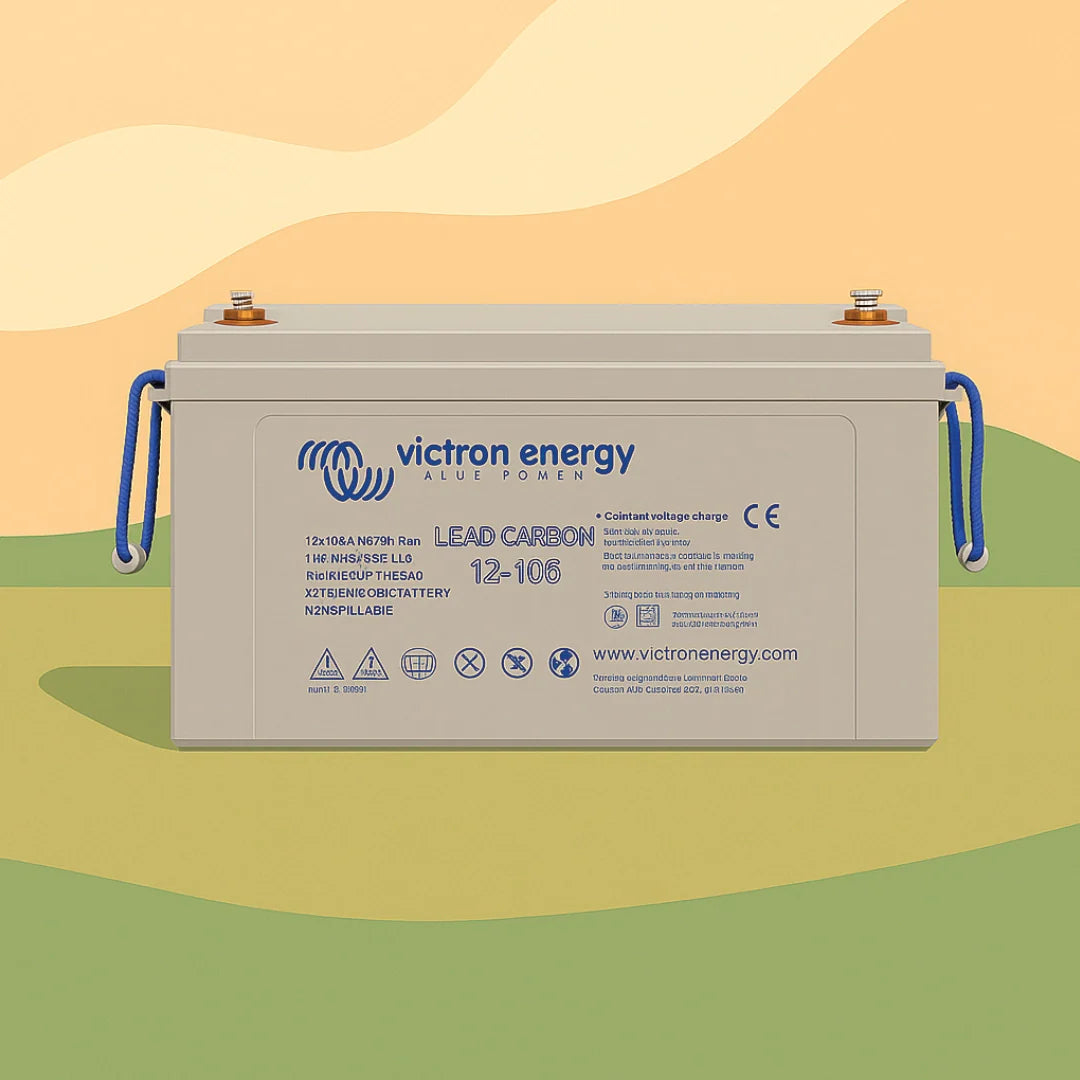
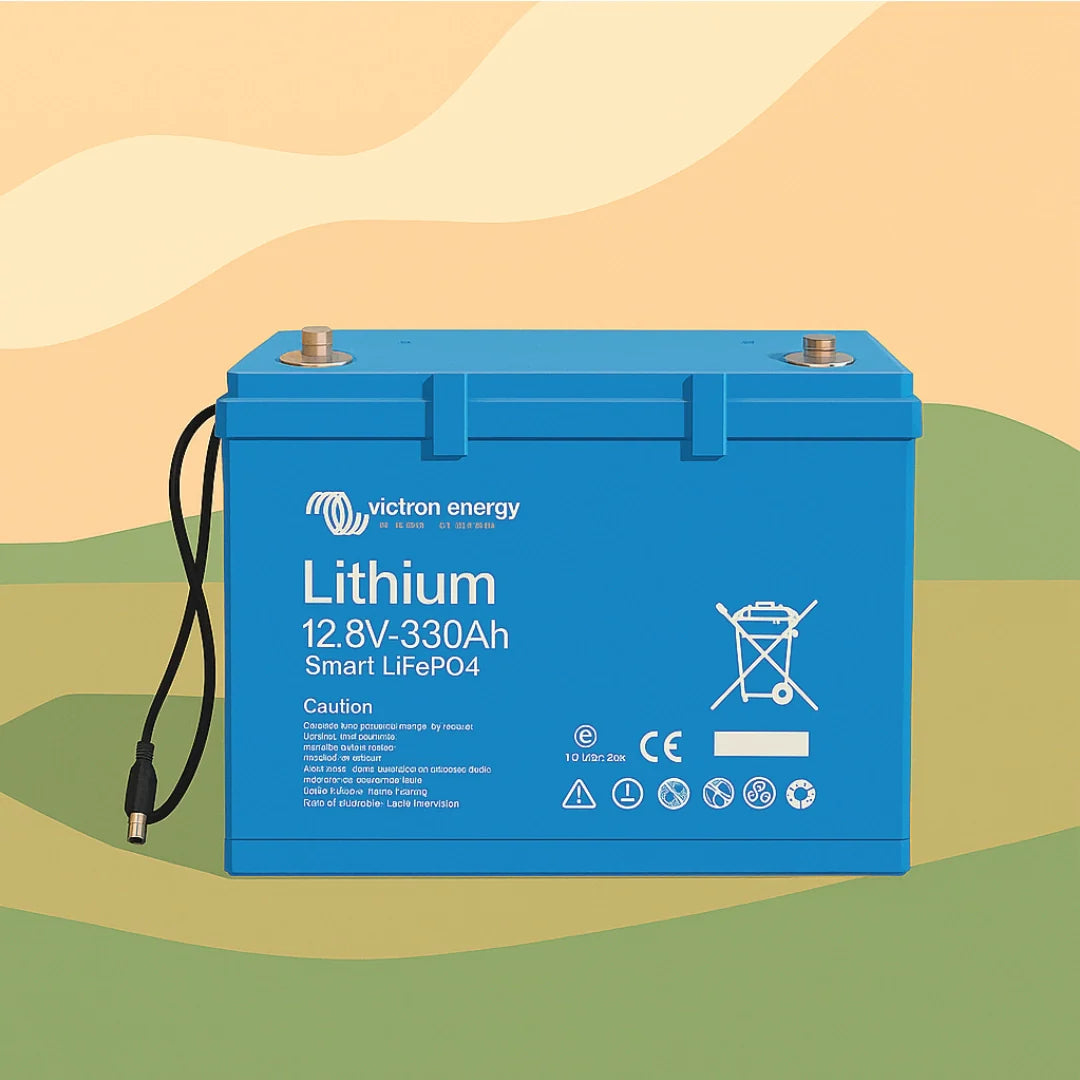
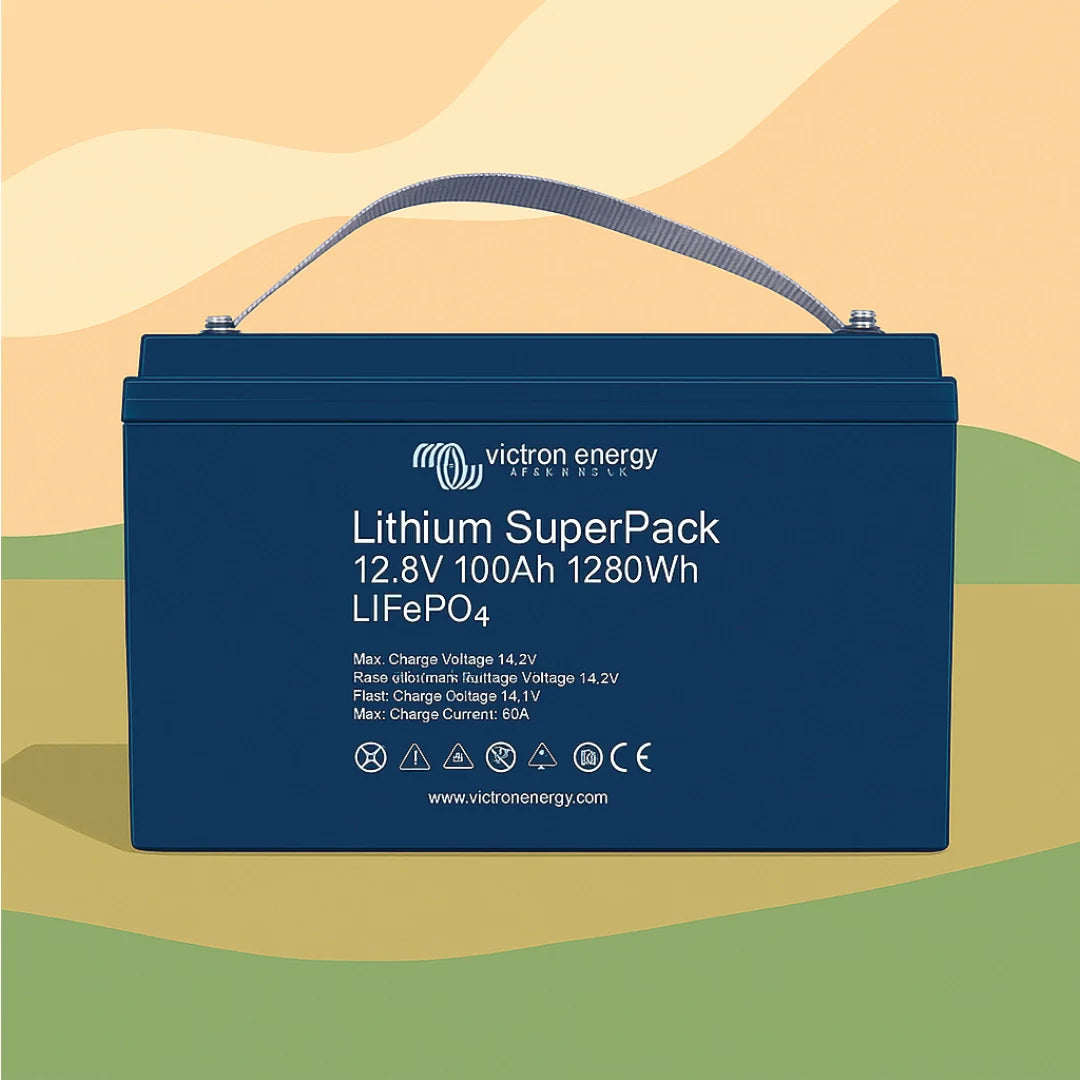
The most common battery systems for UK campervans typically incorporate lithium-ion or advanced lead-acid technologies. These battery types offer varying performance characteristics, with lithium-ion batteries providing superior energy density, faster charging, and longer operational lifecycles compared to traditional lead-acid alternatives.
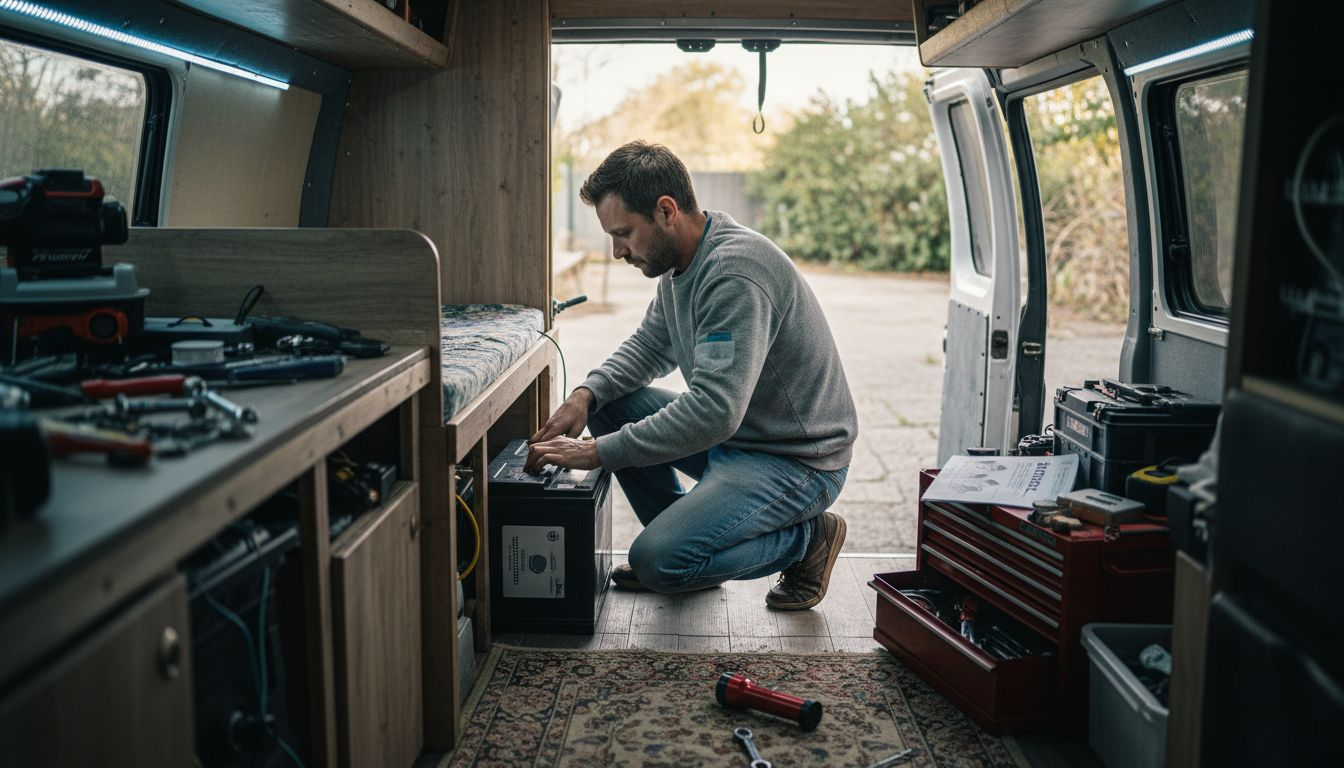
Here’s a quick comparison of typical battery technologies used in UK campervan off-grid systems:
| Battery Type | Energy Density | Charging Speed | Lifespan |
|---|---|---|---|
| Lithium-ion | High | Rapid (2-4 hours) | 8-10 years |
| Lead-acid | Medium | Slow (6-10 hours) | 3-5 years |
| AGM (Absorbed Glass Mat) | Medium | Moderate (5-8 hours) | 4-7 years |
Each off-grid power system requires careful component selection and integration to meet specific energy demands. Factors such as total power consumption, available charging sources, environmental conditions, and budget constraints play crucial roles in determining the most suitable configuration. Advanced systems now incorporate intelligent battery management technologies that monitor system performance, predict potential issues, and optimise energy distribution in real-time.
Pro tip: When designing an off-grid power setup, always conduct a comprehensive energy audit to accurately assess your total power requirements and select components that provide a 20-30% capacity buffer.
How Off-Grid Systems Operate and Integrate
Off-grid power systems represent a complex ecosystem of energy generation, storage, and distribution technologies designed to provide independent electrical power for mobile living environments. These sophisticated setups transform renewable energy sources into reliable electricity, enabling users to maintain power autonomy in diverse and challenging conditions across the United Kingdom.
The operational workflow of off-grid systems involves several critical stages:
- Energy generation: Collecting power through solar panels or alternative renewable sources
- Energy conversion: Transforming collected energy into usable electrical current
- Energy storage: Preserving excess electricity in battery banks
- Energy management: Regulating power distribution and consumption
- Intelligent monitoring: Tracking system performance and health
Solar panel systems for independent power fundamentally operate by converting sunlight directly into electrical energy through photovoltaic cells. These panels generate direct current (DC) electricity, which is then processed through charge controllers to prevent battery overcharging and optimise energy transfer efficiency.
Modern off-grid systems incorporate advanced battery management technologies that enable real-time monitoring, predictive maintenance, and intelligent power distribution. These systems can automatically switch between different power sources, prioritise energy conservation, and provide detailed performance analytics to users, ensuring maximum reliability and efficiency in mobile living environments.
Pro tip: Always design your off-grid power system with a 30% additional capacity buffer to accommodate unexpected energy demands and potential system inefficiencies.
Choosing the Right System for Your Needs
Selecting an appropriate off-grid power system requires careful consideration of your specific mobile living requirements, energy consumption patterns, and long-term performance expectations. The diversity of available technologies means that no single solution fits every campervan, motorhome, or boat owner across the United Kingdom.
Key factors to evaluate when choosing an off-grid power system include:
- Energy consumption: Total watts required daily
- Vehicle type and size: Space available for installation
- Typical usage scenarios: Weekend trips vs. extended travel
- Budget constraints: Initial investment and long-term maintenance costs
- Environmental conditions: Temperature range, humidity levels
The battery management systems for off-grid performance play a critical role in determining overall system reliability and efficiency. Lithium-based systems typically offer superior performance, with longer lifecycles, faster charging capabilities, and more consistent power delivery compared to traditional lead-acid alternatives.
Ultimately, the ideal off-grid power system should provide a seamless balance between energy generation capacity, storage efficiency, and power management intelligence. This requires a holistic approach that considers not just individual component specifications, but how these elements work together to create a robust, adaptable energy ecosystem for mobile living environments.
Pro tip: Conduct a detailed energy audit of your specific vehicle and lifestyle needs before investing, measuring actual power consumption across all anticipated electrical devices and accounting for potential future upgrades.
Costs, Common Pitfalls, and UK Safety Standards
Off-grid power systems for mobile living represent a significant financial investment that requires careful planning and comprehensive understanding of potential challenges and regulatory requirements. UK-based vehicle owners must navigate a complex landscape of technical specifications, safety standards, and economic considerations to ensure a successful and compliant energy solution.
Key financial and operational considerations include:
- Initial system costs: Ranging from £2,000 to £10,000 depending on complexity
- Component lifecycle: Expected durability and replacement expenses
- Maintenance requirements: Annual servicing and potential repair costs
- Performance degradation: Expected efficiency reduction over time
- Insurance and compliance: Additional potential expenses
Decarbonising off-grid home energy systems reveals that upfront costs remain the primary barrier for many UK consumers. Lithium battery systems, while more expensive initially, often provide better long-term value through longer operational lifespans and superior performance characteristics compared to traditional lead-acid alternatives.
UK safety standards mandate rigorous electrical installation protocols, requiring off-grid systems to comply with specific electrical certification requirements. These regulations ensure system integrity, protect against potential electrical hazards, and provide a framework for professional installation and maintenance across mobile living environments.
To help with budgeting, here is a summary of key cost and maintenance aspects for off-grid power systems:
| Consideration | Typical Cost Range | Long-Term Impact |
|---|---|---|
| Initial installation | £2,000-£10,000 | Determines upfront investment |
| Annual maintenance | £100-£300 | Ensures warranty and longevity |
| Battery replacement | £500-£2,000 | Needed every 5-10 years |
| Professional checks | £100-£200/year | Required for UK compliance |
Pro tip: Always budget for professional installation and annual system checks to maintain warranty coverage and ensure optimal performance of your off-grid power system.
Discover Reliable Off-Grid Power Solutions with Skyenergi
Navigating the challenges of complete energy independence requires a system that is not only robust but also intelligent. This article highlights the importance of selecting energy storage solutions with advanced battery management and sufficient capacity buffers to handle your specific mobile living needs. If you want to avoid common pitfalls such as unexpected power shortages, inefficient battery performance, or installation issues, a trusted supplier specialising in high-performance lithium battery systems can make all the difference.
At Skyenergi, we understand these critical pain points and offer a carefully engineered range of off-grid power products tailored for UK campervans, motorhomes, marine craft, and residential settings. Our solutions feature intelligent battery management systems with Bluetooth monitoring for real-time insights into system health and performance. We provide lithium leisure batteries, solar charging accessories, and turnkey systems designed to maximise your energy freedom and peace of mind.
Explore how our reliable products can elevate your off-grid experience today
Take control of your energy independence and avoid costly surprises by choosing the right components with Skyenergi. Visit our website now to find tailored off-grid power solutions that match your needs and budget. Learn more about our expandable energy storage systems and why investing in battery management technology is essential for long-term system performance.
Frequently Asked Questions
What are the key components of an off-grid power system?
An off-grid power system typically consists of solar panels, battery storage, charge controllers, inverters, and distribution systems. These components work together to generate, store, and manage electricity independently from the traditional power grid.
How do off-grid power systems operate?
Off-grid systems operate by generating electricity through renewable sources like solar panels, converting this energy for use, storing excess electricity in battery banks, and managing power distribution to meet consumption needs. Advanced battery management technologies enhance efficiency and reliability.
What types of batteries are commonly used in off-grid systems for campervans?
Common battery types for off-grid systems in campervans include lithium-ion, lead-acid, and AGM (Absorbed Glass Mat). Lithium-ion batteries generally offer higher energy density, faster charging, and longer lifespans compared to lead-acid alternatives.
What considerations should I keep in mind when designing an off-grid power system?
When designing an off-grid power system, consider total energy consumption, available installation space, typical usage scenarios, budget constraints, and environmental conditions. Conducting a comprehensive energy audit will help accurately assess power requirements.
Recommended
- Expandable Energy Storage Systems: Off-Grid Power Made Simple – Skyenergi
- 7 Key Advantages of Home Solar Systems for UK Homeowners – Skyenergi
- 7 Benefits of Solar Battery Integration for UK Campervans – Skyenergi
- Home Energy Storage: Powering Off-Grid UK Living – Skyenergi
- How to Boost Mobile Signal in Rural Areas
Prev post

Advantages of Solar Charging for Off-Grid Living
Updated on 10 February 2026
Next post

Battery Monitoring Technology: Powering UK Adventures
Updated on 08 February 2026


