





Solar charging for boat owners: reliable UK energy solutions 2026
Discover how modern MPPT technology and shingled panels deliver reliable solar charging for UK boats, cutting costs whilst providing silent, eco-friendly power on British waterways.
Many UK boat owners dismiss solar charging as impractical due to cloudy skies, yet modern MPPT controllers and shingled panel technology now harvest up to 30% more energy even under overcast conditions. This guide reveals how advanced solar systems deliver genuine energy independence on British waterways, cutting fuel costs whilst providing silent, eco-friendly power for everything from navigation to overnight comfort.
Table of Contents
- Introduction To Solar Charging For Boats
- Types Of Marine Solar Panels And Their Suitability
- Solar Charge Controllers: Mppt Vs Pwm Explained
- Sizing Solar Arrays And Battery Banks For Your Boat
- Uk Regulations And Safety Standards For Solar Boat Installations
- Common Misconceptions About Solar Charging On Boats
- Maintenance, Battery Management, And Practical Tips
- Future Trends And Innovations In Marine Solar Charging
- Discover Efficient Solar Charging Systems For Your Boat
- Frequently Asked Questions
Key takeaways
| Point | Details |
|---|---|
| Advanced technology overcomes UK weather | Modern MPPT controllers and shingled solar panels extract significantly more power under diffuse light conditions typical of British waterways. |
| Panel selection depends on boat design | Rigid monocrystalline suits flat surfaces whilst flexible ETFE-coated panels work for curved yacht roofs. |
| System sizing requires energy auditing | Calculate daily Amp-hour consumption to determine appropriate solar array wattage and battery bank capacity. |
| UK compliance ensures safety and legality | Installations must meet ISO 9001, ISO 14001, BS 7671 regulations, and Marine Equipment Directive standards. |
| Regular maintenance extends system life | Panel cleaning, connection checks, and Bluetooth monitoring maintain peak efficiency and prevent costly failures. |
Introduction to solar charging for boats
Solar charging in the marine context means converting sunlight into electrical energy to power onboard systems without running engines or connecting to shore power. For UK boat owners navigating inland waterways and coastal routes, this technology provides a practical path to energy self-sufficiency.
Demand for silent, off-grid power continues rising across British canals, rivers, and marinas. Boat owners increasingly recognise that solar charging reduces reliance on fossil fuels and noisy generators whilst offering cost and environmental benefits. The appeal extends beyond environmental responsibility to tangible improvements in onboard comfort and reduced running expenses.
Key benefits include:
- Elimination of generator noise pollution
- Significant reduction in diesel fuel costs for battery charging
- Lower carbon footprint for recreational boating
- True energy independence when moored in remote locations
- Minimal ongoing operating costs after initial installation
UK conditions present specific challenges. Variable sunlight levels, frequent cloud cover, and limited mounting space on narrowboats and yachts require thoughtful system design. Traditional solar panels struggled in these conditions, reinforcing misconceptions about viability.
Modern technology changes this equation entirely. Maximum Power Point Tracking controllers extract usable energy from diffuse light that older systems wasted. Shingled cell designs maintain output when partial shade falls across panels, a common scenario on tree-lined canals. These advances make solar charging genuinely practical for British boating.
“The combination of MPPT technology and improved panel efficiency transforms solar charging from a marginal supplement to a primary energy source for many UK boat owners.”
Types of marine solar panels and their suitability
Selecting appropriate solar panels determines system performance and longevity. Marine environments demand durability beyond typical residential installations, with panels facing moisture, vibration, and sometimes physical impact.
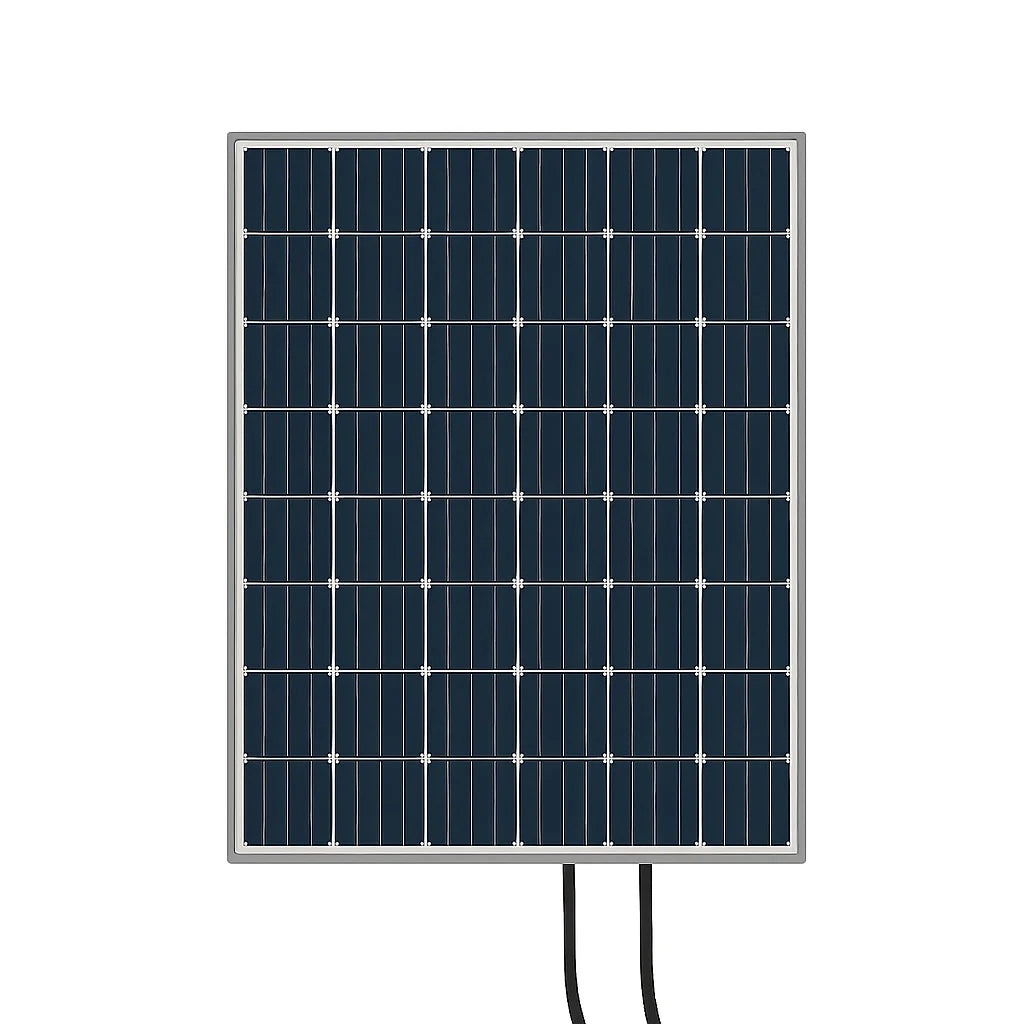
Rigid monocrystalline panels represent the gold standard for most UK applications. These panels deliver superior efficiency, typically 18-22%, converting more sunlight per square metre than alternatives. Rigid monocrystalline panels last over 20 years and handle heat well, making them ideal for narrowboats and yachts with flat solar arches or cabin roofs. The aluminium frames provide structural integrity for permanent mounting, whilst the glass surface optimises light transmission and heat dissipation.
Flexible solar panels with ETFE coating offer different advantages. The lightweight, thin-film construction bends to curved surfaces, fitting yacht coach roofs and areas where rigid panels cannot mount. Flexible ETFE-coated panels offer UV and scratch resistance, extending lifespan and suiting yachts with curved roofs despite having shorter overall longevity than rigid alternatives. Expect 10-15 years from quality flexible panels, less than rigid but still representing solid value.
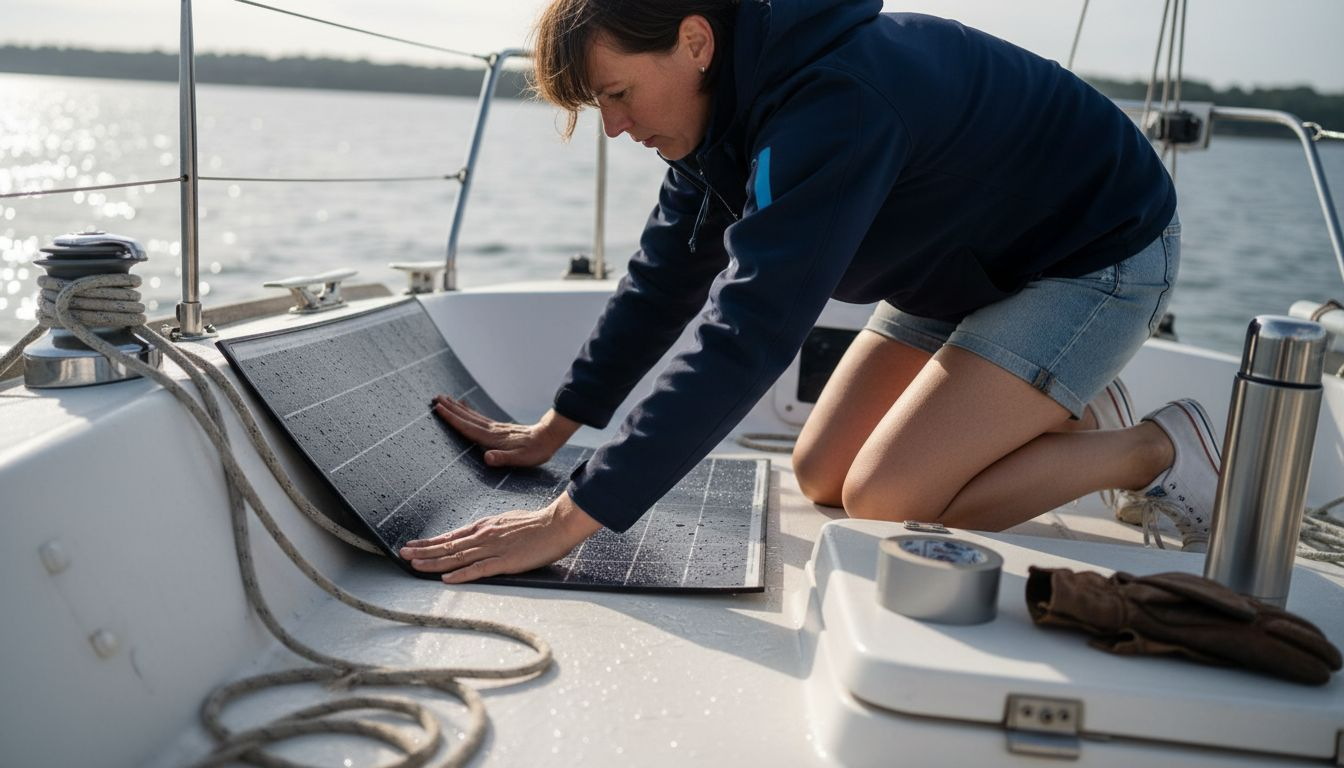
Shingled solar cell technology benefits UK boaters particularly. Traditional panels with visible gaps between cells lose output when shade falls across those gaps. Shingled cells overlap like roof tiles, allowing current to flow around shaded sections. This design maintains higher output during the partial shading common when moored under trees or bridges.
| Panel type | Lifespan | Efficiency | Installation ease | Durability | Ideal use case |
|---|---|---|---|---|---|
| Rigid monocrystalline | 20-25 years | 18-22% | Moderate (requires mounting frame) | Excellent | Narrowboats, yachts with flat surfaces |
| Flexible ETFE | 10-15 years | 15-18% | Easy (adhesive backing) | Good | Curved yacht roofs, limited space |
| Shingled cell (rigid) | 20-25 years | 19-23% | Moderate | Excellent | Tree-lined moorings, variable shade |
Pro Tip: Match panel type to boat profile and typical mooring conditions for optimal performance. Narrowboat owners on open waterways gain most from rigid panels, whilst yacht sailors benefit from flexible options on curved surfaces.
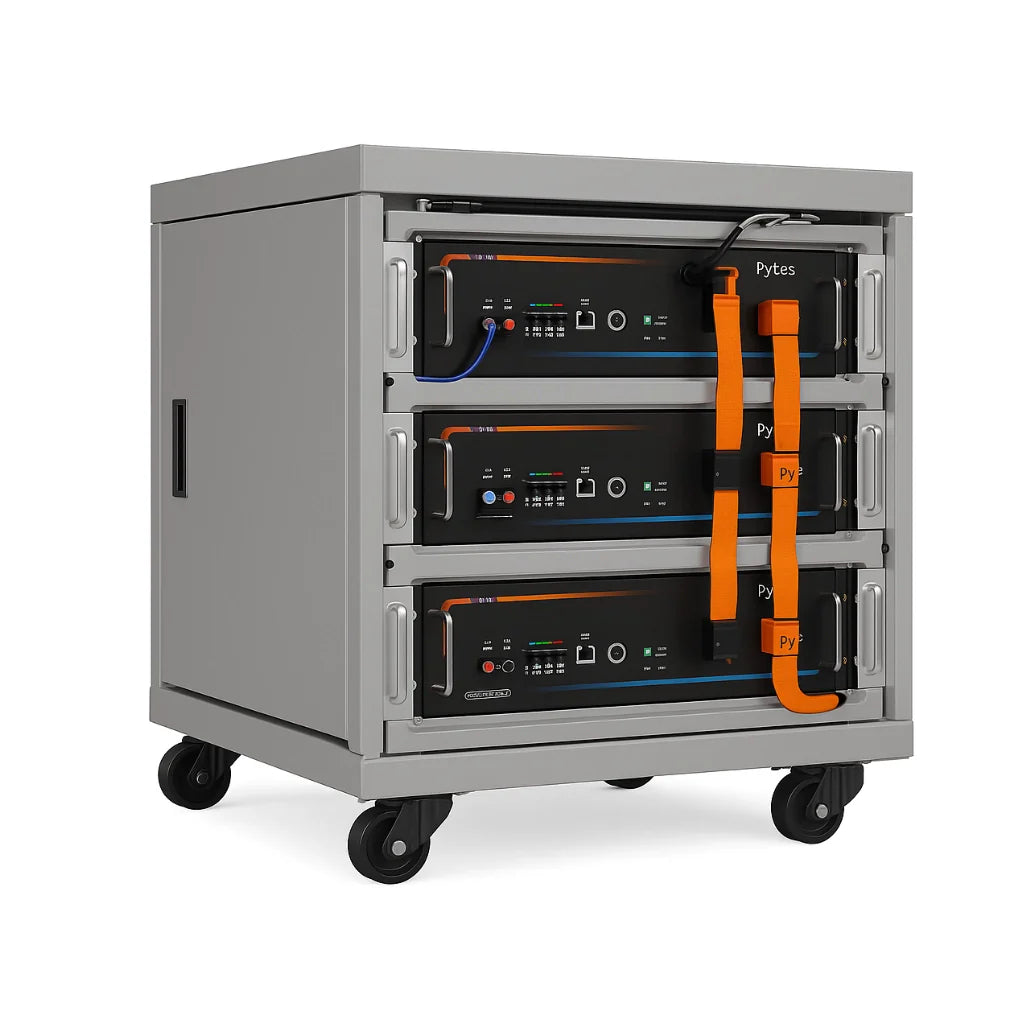
Integration with quality lithium batteries for boats ensures captured solar energy stores efficiently. Proper panel selection combined with effective charging strategies detailed in solar charging tips for UK applications maximises return on investment.
Solar charge controllers: MPPT vs PWM explained
Solar charge controllers manage the electrical flow between panels and batteries, preventing overcharging whilst optimising energy harvest. This component profoundly impacts system efficiency, especially under variable UK light conditions.
Pulse Width Modulation controllers represent older technology still found in budget systems. PWM controllers essentially connect panels directly to batteries when charging is needed, pulling panels down to battery voltage. This approach wastes the higher voltage modern panels produce, particularly problematic when sunlight is weak.
Maximum Power Point Tracking technology revolutionises energy capture. MPPT controllers continuously adjust electrical resistance to extract maximum power from panels regardless of light intensity or battery voltage. MPPT charge controllers can harvest up to 30% more power than PWM controllers under typical UK overcast conditions. This efficiency gain often means the difference between adequate and inadequate charging.
How MPPT delivers superior performance:
- Tracks the optimal voltage-current combination as light levels change throughout the day
- Converts excess panel voltage into additional charging current
- Maintains efficient operation even when panels run considerably hotter or cooler than rated temperature
- Adapts to partial shading by finding the best operating point for remaining illuminated cells
The cost difference between PWM and MPPT narrows each year, making MPPT the logical choice for new installations. Initial savings from PWM rarely justify the ongoing efficiency loss, particularly when panel space is limited.
Pro Tip: Upgrading to MPPT is often the most cost-effective system efficiency improvement. Boat owners with existing PWM systems can retrofit MPPT controllers without changing panels, immediately boosting energy harvest.
Understanding MPPT importance for off-grid systems helps boat owners appreciate why this technology has become standard in quality marine installations.
“MPPT controllers function like intelligent gearboxes, constantly optimising the power transfer between solar panels and batteries to extract every available watt, crucial for maximising limited UK sunlight.”
Sizing solar arrays and battery banks for your boat
Proper system sizing balances daily energy consumption with realistic solar generation and adequate battery storage. Undersized systems leave owners disappointed, whilst oversizing wastes money and precious mounting space.
Start with a comprehensive energy audit:
- List every electrical device onboard with its power consumption (watts or amps)
- Estimate realistic daily usage hours for each device
- Calculate total daily consumption in Amp-hours (Ah) at your battery voltage
- Add 20% safety margin for unexpected usage and efficiency losses
A typical UK narrowboat consumes around 80 Amp-hours daily, guiding effective solar and battery system sizing. This figure includes lighting, water pumps, phones, laptops, and entertainment systems. Liveaboard boats with refrigeration or heating systems require considerably more.
Solar array sizing accounts for UK’s limited annual sunshine. Southern England averages roughly 3-4 peak sun hours daily across the year, less in winter, more in summer. Northern Scotland sees even less. Calculate required panel wattage by dividing daily Amp-hour consumption by average peak sun hours, then multiply by battery voltage.
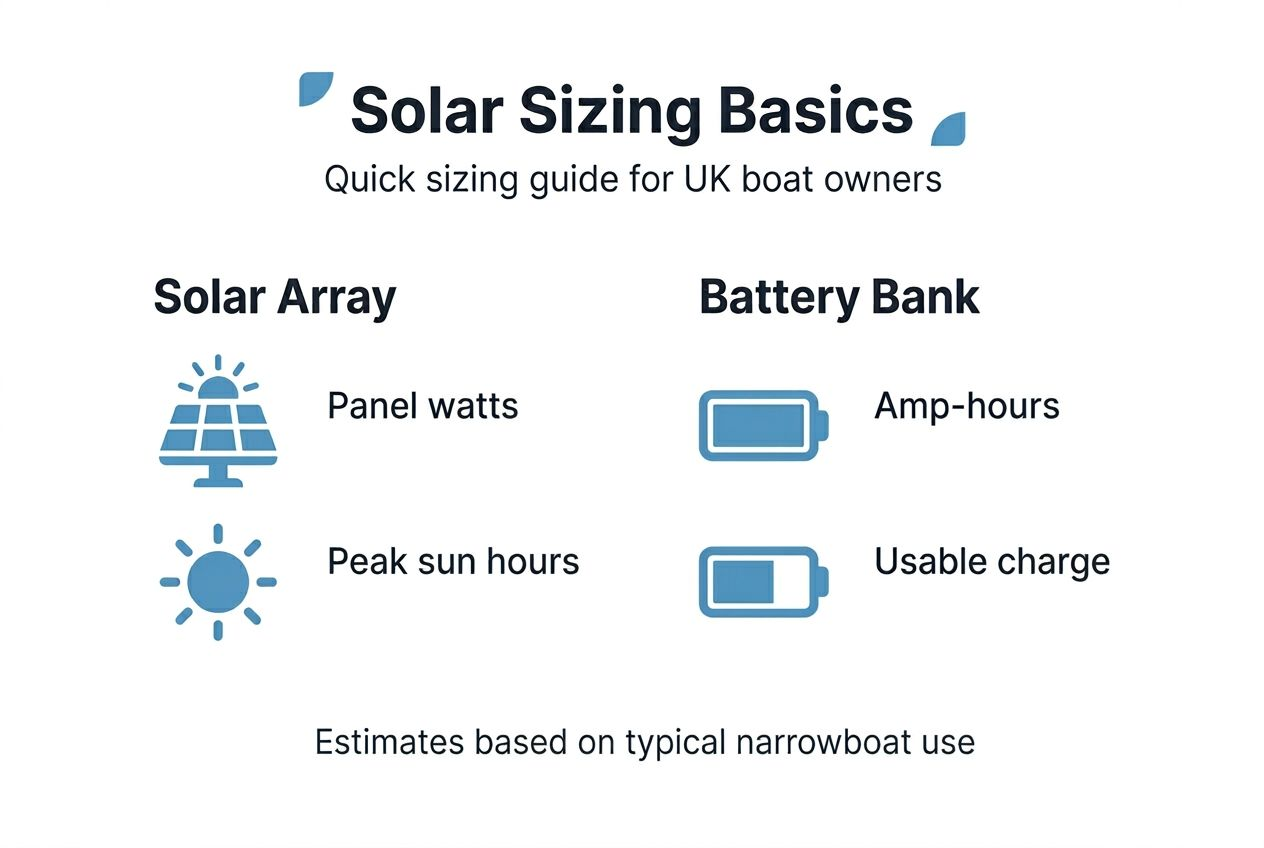
Example: 80Ah daily consumption ÷ 3.5 peak hours = 23A charging current needed. At 12V: 23A × 12V = 276W minimum panel capacity. Adding the 20% safety margin suggests 330W installed capacity.
| Daily consumption (Ah @ 12V) | Recommended solar array | Minimum battery bank | Ideal battery bank |
|---|---|---|---|
| 40-60 Ah | 200-250W | 100Ah | 200Ah |
| 60-100 Ah | 300-400W | 200Ah | 300Ah |
| 100-150 Ah | 450-600W | 300Ah | 400Ah |
| 150-200 Ah | 650-800W | 400Ah | 600Ah |
Battery bank sizing requires understanding usable capacity. Lead-acid batteries should only discharge to 50% to preserve lifespan, meaning a 200Ah bank provides just 100Ah usable. Lithium batteries safely discharge to 80-90%, offering more usable capacity from smaller, lighter banks. For reliability, size battery storage to provide 2-3 days of consumption without solar input.
Pro Tip: Balance system size with available mounting space and budget constraints. Start with adequate battery capacity and modest solar, then expand panels as budget allows rather than compromising battery quality.
Detailed guidance on marine battery systems helps boat owners select appropriate storage solutions for their specific requirements.
UK regulations and safety standards for solar boat installations
Compliance with British maritime regulations ensures installations are safe, legal, and insurable. Cutting corners on standards risks serious safety incidents and potential insurance claim rejection.
Key standards governing marine electrical installations:
- ISO 9001 quality management systems for manufacturing and installation processes
- ISO 14001 environmental management ensuring sustainable practices
- BS 7671 electrical wiring regulations covering safe circuit design and installation
- Marine Equipment Directive compliance for safety-critical maritime equipment
UK marine solar installations must comply with ISO 9001, ISO 14001, and BS 7671 regulations to ensure safety and environmental responsibility. These standards address everything from cable sizing and circuit protection to proper earthing and isolation switches.
The Marine Equipment Directive (MED) applies particularly to commercial vessels but represents best practice for recreational boats. MED-compliant components undergo rigorous testing for marine environmental resistance, including salt spray, vibration, and temperature extremes.
Local marina and mooring regulations often impose additional requirements. Some marinas restrict panel mounting methods to preserve aesthetic uniformity. Canal & River Trust moorings may require specific approvals for permanent installations. Always check local rules before purchasing equipment.
Consequences of non-compliance extend beyond legal issues. Improperly installed systems create fire risks from inadequate cable sizing or missing overcurrent protection. Water ingress through poorly sealed penetrations damages expensive electronics. Insurance companies scrutinise electrical installations after incidents, potentially denying claims for non-compliant work.
Professional installation or verification provides peace of mind. Qualified marine electricians understand applicable standards and can certify installations meet requirements. For DIY installers, having completed work inspected and certified by a professional proves compliance should questions arise.
Common misconceptions about solar charging on boats
Several persistent myths discourage UK boat owners from adopting solar technology. Addressing these misconceptions with current facts helps owners make informed decisions.
Myth: Solar charging proves unreliable in cloudy UK weather. Modern technology transforms this outdated concern. MPPT charge controllers and shingled panels improve solar output by up to 30% even under UK diffuse light conditions, disproving unreliability myths. Whilst sunny days obviously generate more power, properly sized systems produce useful charging even under overcast skies.
Myth: Flexible panels always perform poorly compared to rigid alternatives. Quality flexible panels with ETFE coatings now offer respectable efficiency and durability. The gap narrows each year as manufacturing improves. Flexible panels suit specific applications where rigid mounting is impractical, providing good value despite shorter lifespans.
Myth: Solar can completely replace all other charging methods. This oversimplification ignores practical realities. Solar excels as the primary charging source during fair weather and modest consumption, but most UK boat owners benefit from hybrid systems. Combining solar with alternator charging whilst cruising and occasional shore power connection provides genuine energy security. Relying solely on solar risks inadequate charging during prolonged poor weather or unexpected high consumption.
Realistic expectations matter. Winter solar generation drops to 20-30% of summer output in much of the UK. Boats with high consumption may need supplementary charging November through February. Planning for seasonal variation prevents disappointment.
“Modern solar technology has matured from a marginal supplement to a robust primary charging source for most UK recreational boating scenarios, provided systems are properly sized and realistic expectations maintained.”
Understanding MPPT benefits helps owners appreciate how current technology overcomes historical limitations that shaped these persistent misconceptions.
Maintenance, battery management, and practical tips
Regular maintenance preserves system performance and prevents premature component failure. Fortunately, solar installations require minimal ongoing attention compared to generators or other charging equipment.
Essential maintenance tasks:
- Clean panel surfaces monthly to remove dirt, bird droppings, and salt spray that reduce output
- Inspect all electrical connections quarterly for corrosion, particularly in coastal environments
- Check cable routing annually to ensure no chafing or damage from vibration
- Verify battery compartment ventilation remains unobstructed, crucial for lithium battery longevity
- Test earth connections yearly to maintain electrical safety
Panel cleaning requires only fresh water and a soft cloth. Avoid abrasive cleaners that scratch protective coatings. Salt accumulation in coastal areas demands more frequent cleaning as even thin deposits significantly reduce light transmission.
Proper ventilation extends lithium battery life by up to 25% by preventing heat accumulation during charging. Ensure battery compartments have adequate air circulation, particularly important during summer when combined solar charging and warm ambient temperatures raise battery temperatures.
Bluetooth-enabled battery monitoring transforms system management. Modern battery management systems transmit real-time data to smartphones, showing:
- Current charge and discharge rates
- State of charge percentage
- Battery temperature
- Historical consumption patterns
- Cell balancing status for lithium batteries
This visibility enables proactive management, alerting owners to problems before they cause failures. Monitoring consumption patterns helps identify inefficient devices worth replacing or usage habits worth changing.
Pro Tip: Adopt scheduled maintenance to reduce unexpected downtime. A simple annual check during winter layup catches developing issues before the busy boating season begins.
Exploring Bluetooth battery monitoring options helps boat owners select appropriate monitoring solutions. Implementing a lithium battery maintenance workflow ensures long-term reliability. Understanding why battery management systems matter clarifies their role in modern marine electrical installations.
Future trends and innovations in marine solar charging
Emerging technologies promise to enhance solar charging capabilities for UK boat owners over the coming years. Staying informed about developments helps owners plan future upgrades strategically.
Floating solar charging hubs represent an exciting infrastructure development. Floating solar charging hubs are in development in the UK to extend electric boat ranges, with full-scale demonstrations expected by 2028. These installations provide charging points along popular cruising routes, supplementing onboard solar for electric propulsion boats. The concept could expand to support hybrid vessels needing top-up charging during extended cruises.
Hybrid energy solutions continue evolving. Integration between solar, shore power, and alternator charging becomes increasingly sophisticated. Modern charge controllers automatically select optimal charging sources and manage multiple inputs simultaneously. Future systems will incorporate predictive algorithms using weather forecasts to optimise battery management.
Key innovations to monitor:
- Higher efficiency panels approaching 25% conversion rates for improved output per square metre
- Transparent solar films allowing window integration without blocking views
- Solid-state batteries offering higher energy density in smaller spaces
- Wireless charging systems eliminating cable connections between components
UK government funding for clean marine technology accelerates development. Grants supporting electric and hybrid propulsion indirectly benefit solar charging infrastructure. The marine leisure sector increasingly recognises solar as essential rather than optional equipment.
Research timelines suggest commercially viable transparent solar windows within 3-5 years, potentially adding charging capacity without sacrificing boat aesthetics. Solid-state batteries may reach marine markets by 2028-2030, offering double the energy storage in equivalent space.
Boat owners planning long-term ownership should consider future expandability when installing systems now. Selecting controllers and wiring capable of handling increased panel capacity allows easy upgrades as technology improves and prices fall.
Discover efficient solar charging systems for your boat
Skyenergi supplies marine-grade solar power and electrical systems specifically designed for UK boating applications. Our range features modern MPPT charge controllers and intelligent battery management systems that extract maximum performance even under challenging British weather conditions.

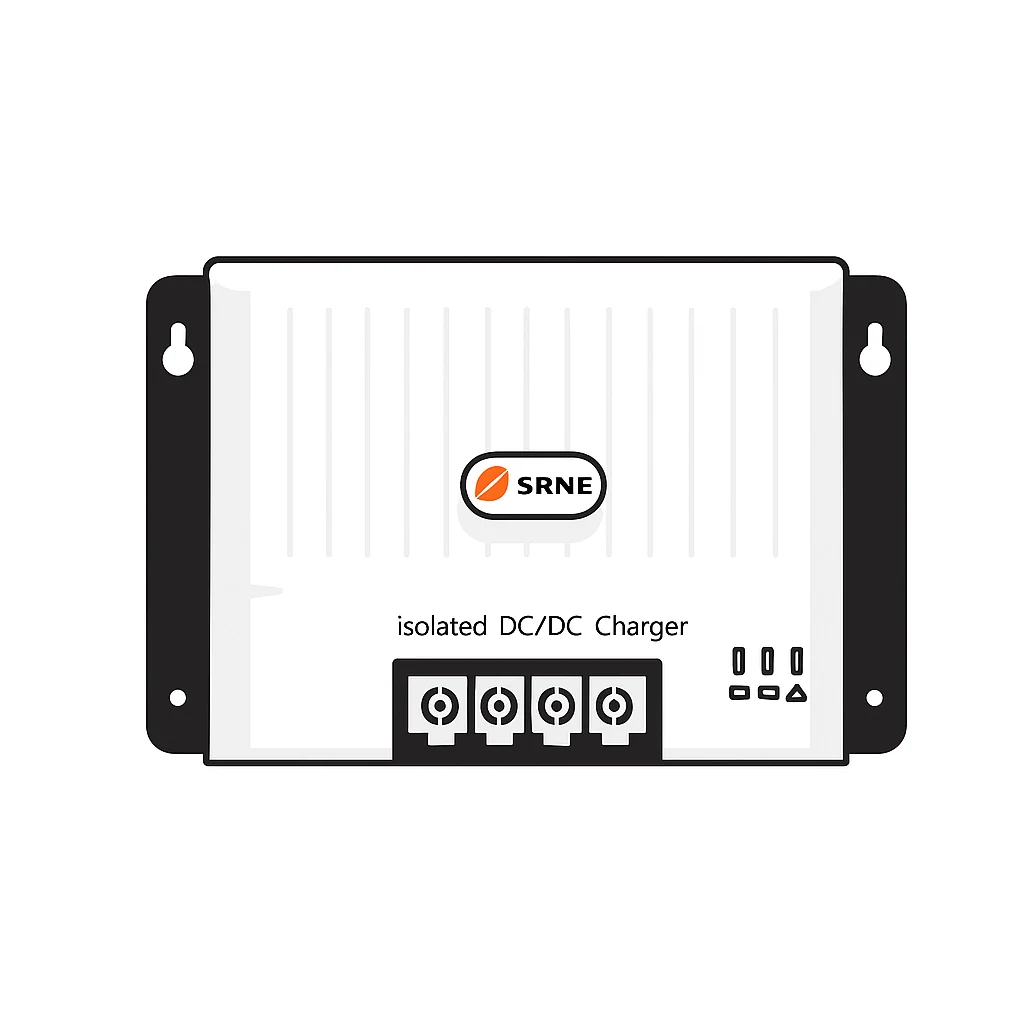
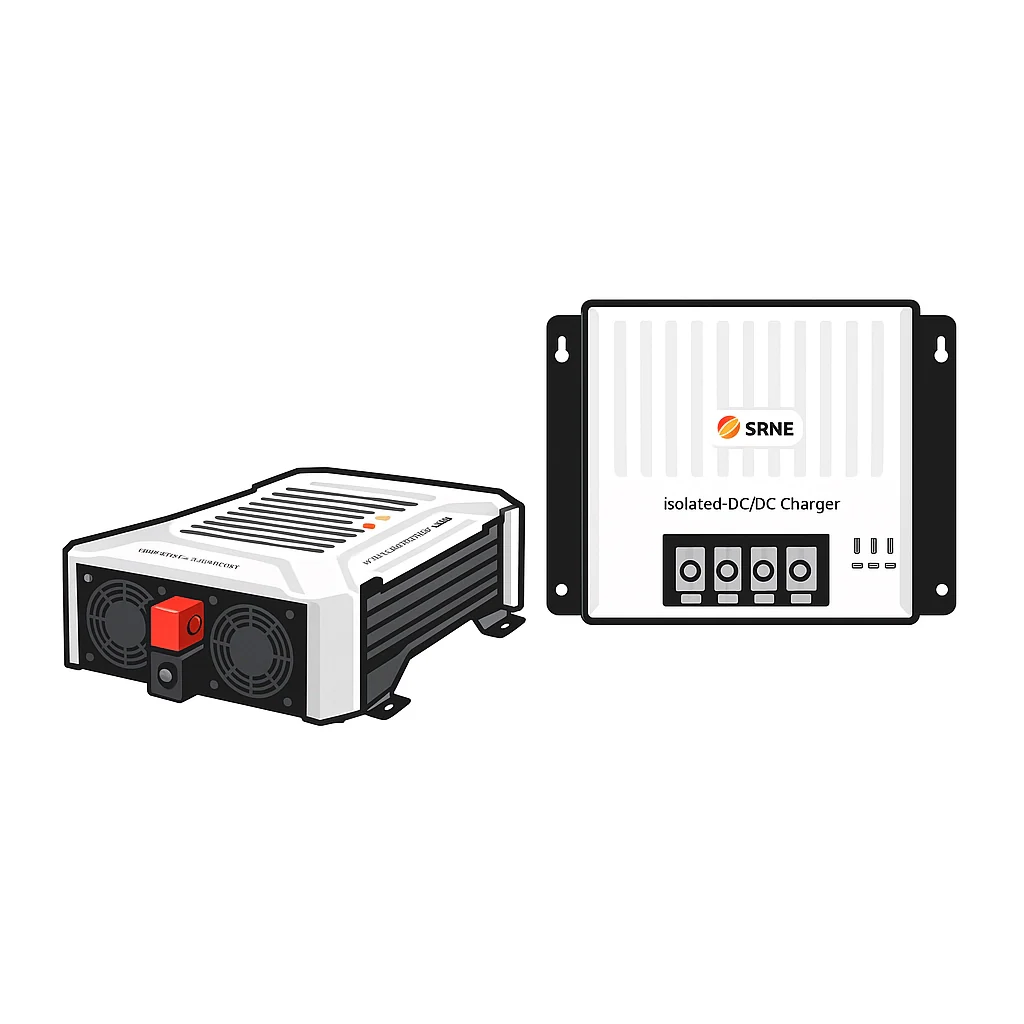
Explore complete solar charging solutions like our Solar Power Electrics System with 3kVA inverter charger, featuring integrated battery-to-battery charging and comprehensive monitoring. For advanced requirements, the Victron Energy EasySolar-II MPPT system delivers professional-grade performance with remote monitoring capabilities. Our expert team provides personalised consultation to design systems matching your specific boat type and energy requirements. Contact Skyenergi today to enhance your marine energy independence.
Frequently asked questions
Can solar panels fully power a boat in the UK?
Solar panels alone rarely meet all power needs due to UK weather variability and seasonal sunlight changes. Hybrid systems combining solar with alternator charging whilst cruising and occasional shore power deliver the most reliable energy supply. Properly sized solar arrays significantly reduce dependence on fossil fuels and shore connections, often covering 70-90% of consumption during the April-September boating season.
How do I maintain my marine solar charging system effectively?
Regularly clean panels with fresh water to remove dirt and salt deposits that reduce output. Check electrical connections quarterly for corrosion, particularly in coastal environments, and ensure battery compartment ventilation remains unobstructed. Use Bluetooth-enabled monitoring tools for real-time system health tracking, enabling proactive maintenance before minor issues become costly failures.
Are flexible solar panels suitable for all types of UK boats?
Flexible panels are ideal for yachts with curved surfaces or limited flat mounting space but typically have shorter lifespans than rigid alternatives. ETFE coatings improve durability and UV resistance, making modern flexible panels practical for many UK marine applications. Narrowboats with flat roofs generally benefit more from rigid monocrystalline panels offering superior longevity. Match panel type to your specific boat geometry and typical mooring conditions, considering integration with quality lithium batteries designed for marine use.
What UK regulations must I comply with for solar installations on boats?
Installations must follow ISO 9001, ISO 14001, and BS 7671 wiring regulations, along with Marine Equipment Directive standards for safety-critical components. These cover quality management, environmental responsibility, electrical safety, and marine-specific requirements. Consult local marina rules before installation, as some facilities impose additional mounting or aesthetic requirements. Professional installation or verification ensures compliance and maintains insurance validity.
Recommended
Prev post

Solar power terminology explained for UK leisure vehicle owners
Updated on 09 March 2026
Next post

Lithium battery trends 2026: UK energy independence
Updated on 07 March 2026


