





Lithium Leisure Batteries – Unlocking UK Off-Grid Power
Lithium leisure batteries for UK campervans: explore differences from lead-acid, key safety features, installation needs and real-world cost savings.
More than 80 percent of British campervan owners say reliable off-grid power is crucial for their road adventures. Long weekends exploring the Scottish Highlands or escaping to quieter Welsh coastal spots demand energy solutions that keep pace with modern travel needs. This guide highlights why lithium leisure batteries are becoming the top choice for British motorhome enthusiasts by offering lightweight performance, longer lifespan, and smart features that deliver genuine energy independence far from the usual campsites.
Table of Contents
- What Are Lithium Leisure Batteries?
- Types, Chemistry And Key Variations
- Essential Features And Smart Technology
- Installation, Compatibility And Safety
- Cost, Longevity And Value Comparison
Key Takeaways
| Point | Details |
|---|---|
| Lithium Leisure Batteries Offer Superior Advantages | These batteries are lighter, charge faster, and have a longer lifespan compared to traditional lead-acid options, making them ideal for campervans. |
| Diverse Lithium Chemistries Exist | Different lithium battery types, such as LiFePO4 and NMC, provide varied performance characteristics, affecting safety and cost. |
| Smart Technology Enhances Performance | Integrated battery management systems monitor and optimise battery health, enabling precise energy usage tracking. |
| Installation and Compatibility Are Crucial | Ensure proper installation by consulting professionals and verifying compatibility with existing electrical systems to maximise safety and efficiency. |
What Are Lithium Leisure Batteries?
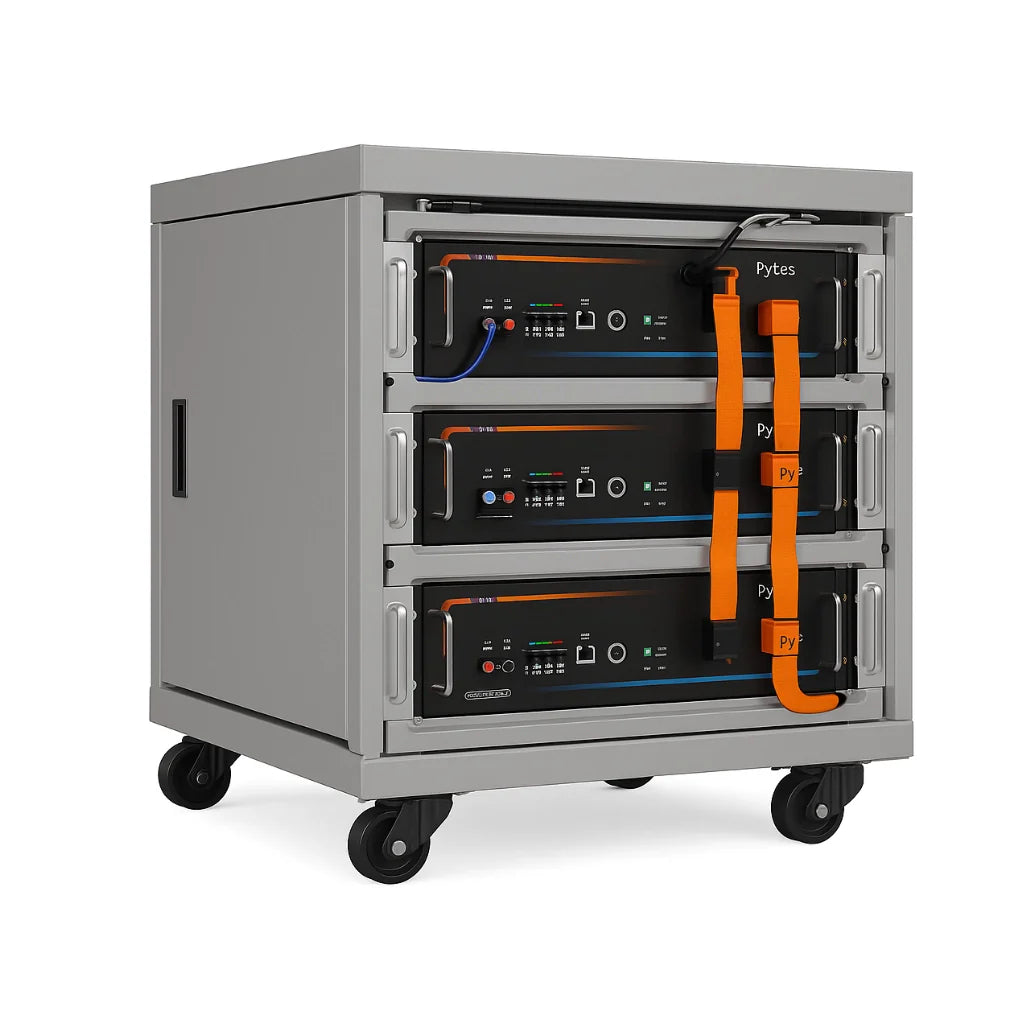
Lithium leisure batteries represent a cutting-edge power solution designed specifically for off-grid travel and mobile living in campervans and motorhomes across the United Kingdom. These advanced energy storage devices leverage lithium-ion technology to provide campervan owners with reliable, efficient, and lightweight power sources that significantly outperform traditional lead-acid alternatives. Lithium is a critical raw material extensively used in rechargeable batteries, making it essential for modern off-grid power systems.
At their core, these batteries work through a sophisticated electrochemical process where lithium ions move between the battery’s anode and cathode. Lithium batteries utilize lithium as an anode material due to its remarkable properties, including high electronegativity and exceptionally low density. This unique composition allows lithium leisure batteries to deliver superior performance characteristics compared to traditional battery technologies.
Key advantages of lithium leisure batteries for UK campervan enthusiasts include:
- Significantly lighter weight compared to lead-acid batteries
- Faster charging capabilities
- Longer overall lifespan
- Higher energy density
- More consistent power output
- Better performance in varied temperature conditions
Pro tip: When selecting a lithium leisure battery, always verify its compatibility with your specific campervan electrical system and consider your typical energy consumption patterns to ensure optimal performance.
Types, Chemistry and Key Variations
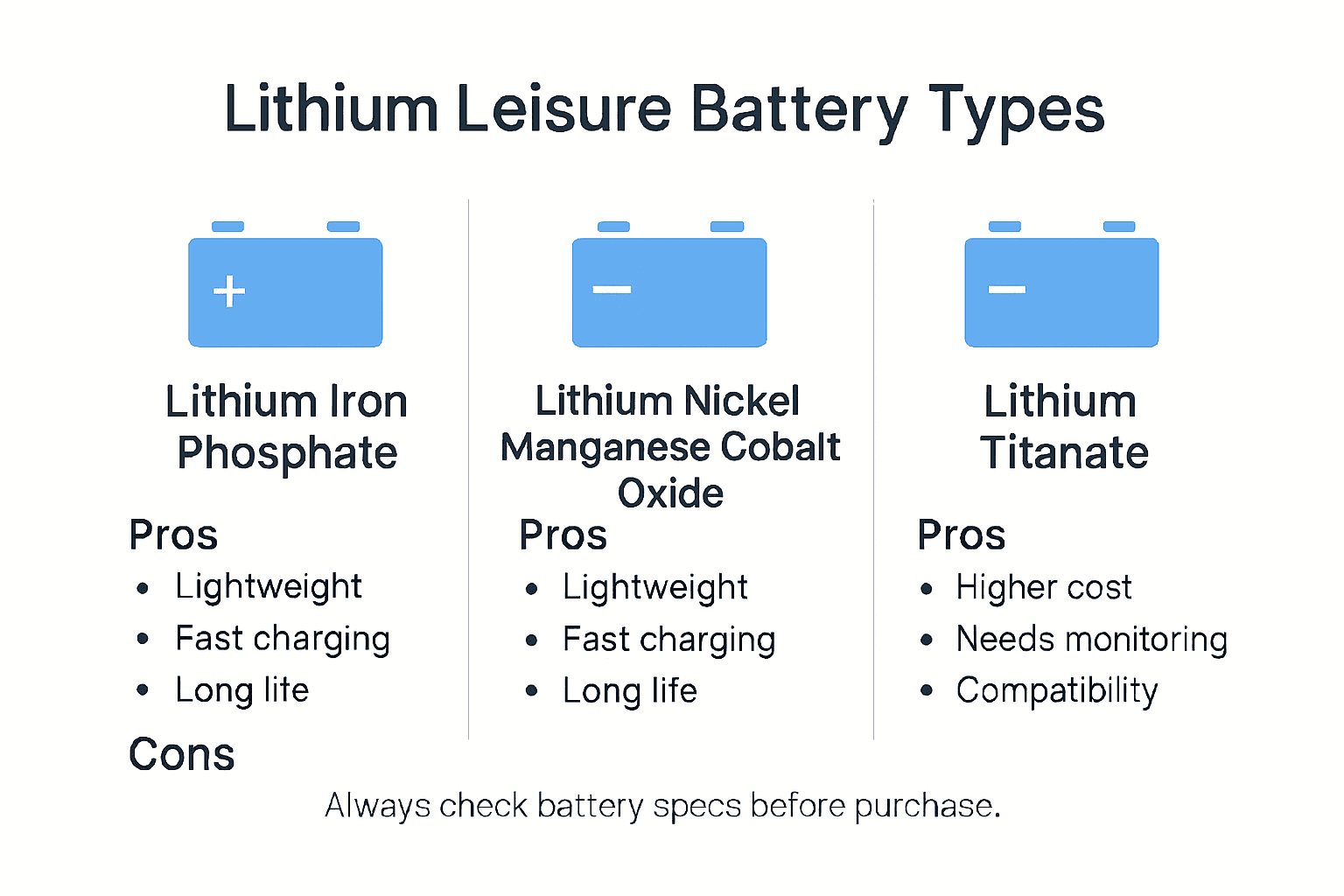
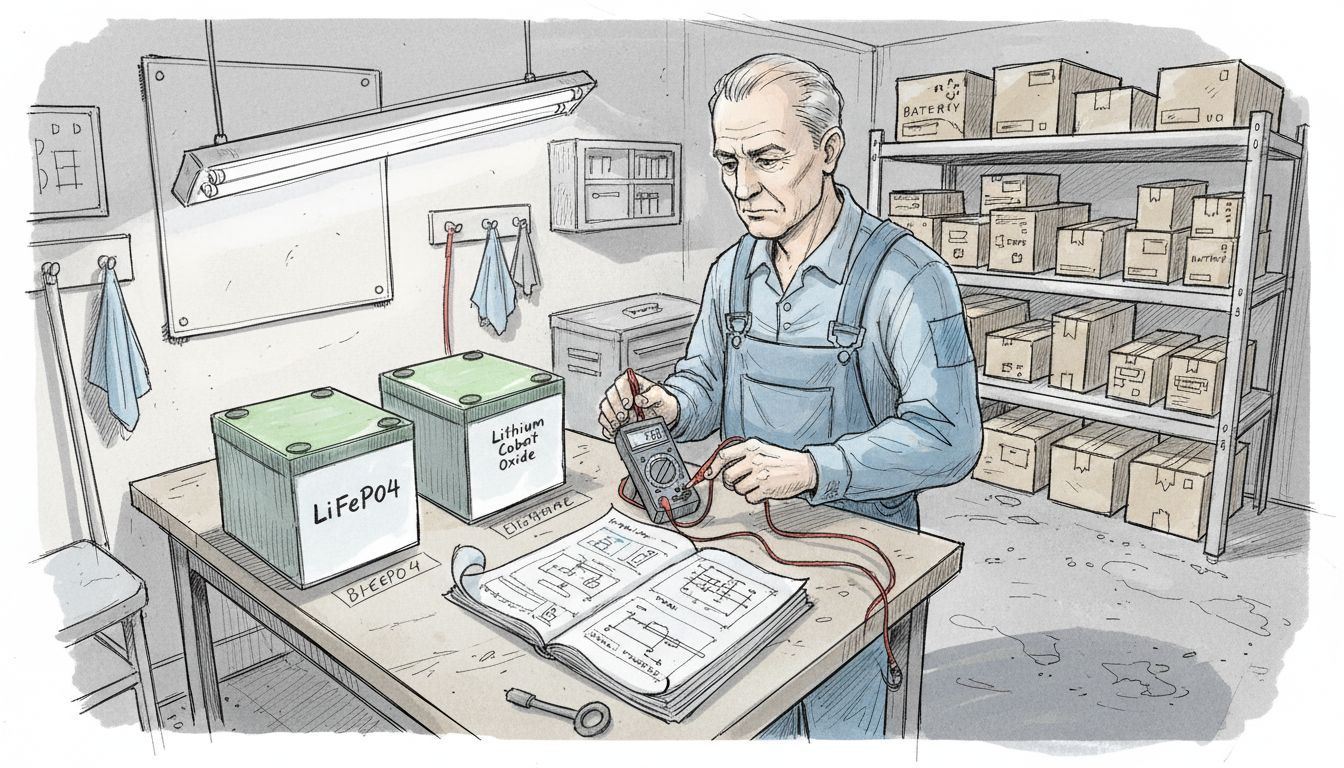
Lithium leisure batteries encompass several distinct chemical compositions, each offering unique performance characteristics for campervan and motorhome applications. There are several types of lithium battery chemistries that utilise intercalation electrodes, where lithium ions dynamically move between electrodes during charging and discharging processes. The primary variations include lithium cobalt oxide (LiCoO2), lithium nickel oxide (LiNiO2), and lithium manganese oxide (LiMn2O4) configurations, each presenting different trade-offs in cost, stability, and performance potential.
Emergent battery technologies are expanding the horizons of lithium power solutions for off-grid enthusiasts. Lithium-sulfur batteries represent a novel variant offering promising advantages, including potentially lighter weight and more economical production compared to conventional lithium-ion technologies. These advanced batteries operate through conversion mechanisms involving lithium’s direct reaction with sulfur, forming lithium-containing polysulfides that enable higher energy densities.
Key variations in lithium leisure battery chemistries include:
- Lithium Cobalt Oxide (LiCoO2): High energy density
- Lithium Manganese Oxide (LiMn2O4): Enhanced thermal stability
- Lithium Iron Phosphate (LiFePO4): Excellent safety profile
- Lithium Nickel Manganese Cobalt Oxide (NMC): Balanced performance
- Lithium Titanate (LTO): Rapid charging capabilities
Pro tip: Consult with a professional battery specialist to determine the most suitable lithium battery chemistry for your specific campervan power requirements and usage patterns.
Here is a comparison of common lithium leisure battery chemistries used in campervans:
| Chemistry Type | Safety Profile | Typical Use Case | Relative Cost |
|---|---|---|---|
| LiFePO4 | Excellent safety, stable | Long-term, high cycles | Moderate |
| NMC | Balanced safety and capacity | General leisure vehicles | Moderate-High |
| LiCoO2 | Moderate safety, high energy | Space-constrained systems | High |
| LTO | Extreme safety, fast charging | Rapid-charge applications | High |
| LiMn2O4 | Enhanced thermal stability | High temperature environments | Moderate |
Essential Features and Smart Technology
Lithium leisure batteries represent a sophisticated power solution for modern campervans, integrating advanced smart technologies to ensure optimal performance and safety. Key features of lithium-ion leisure batteries include their high energy density, lightweight design, and advanced rechargeability, making them an ideal choice for off-grid power systems. The integration of intelligent battery management systems (BMS) transforms these power units from simple energy storage devices into sophisticated electronic components capable of real-time monitoring and self-protection.
Smart technology integration involves comprehensive systems that monitor battery state, charge levels, and temperature to prevent potentially dangerous conditions. These advanced management systems provide campervan owners with unprecedented insight into their power infrastructure, enabling precise tracking of energy consumption, charging cycles, and overall battery health through intuitive interfaces and smartphone applications.
Key smart technology features in modern lithium leisure batteries include:
- Bluetooth connectivity for real-time monitoring
- Precision temperature management
- Overcharge and undercharge protection
- Cell-level performance tracking
- Automatic balancing of battery cells
- Remote diagnostic capabilities
- Energy consumption analytics
Pro tip: Invest in a lithium leisure battery with comprehensive battery management systems and smartphone connectivity to maximise your understanding of power usage and extend battery longevity.
Installation, Compatibility and Safety
Proper installation of lithium leisure batteries requires meticulous attention to manufacturer instructions and system compatibility, ensuring safe and efficient integration into campervan electrical systems. Successful deployment involves verifying electrical specifications, understanding load requirements, and confirming direct compatibility with existing power infrastructure. Campervan owners must carefully assess their vehicle’s electrical architecture to prevent potential integration challenges that could compromise battery performance or safety.
Safe handling and installation emphasise the critical importance of purchasing from reputable manufacturers and ensuring professional installation. The process involves comprehensive checks including polarity verification, physical damage assessment, and ensuring appropriate environmental conditions. Professional technicians can provide crucial guidance on correct mounting, electrical connection, and potential system modifications required to accommodate advanced lithium leisure battery technologies.
Key safety and compatibility considerations include:
- Precise voltage matching with existing electrical systems
- Appropriate mounting location with thermal protection
- Proper ventilation and temperature management
- Compatibility with existing charging infrastructure
- Correct cable sizing and connection protocols
- Protection against mechanical stress and vibration
- Compliance with manufacturer’s installation guidelines
Pro tip: Always consult a professional automotive electrician specialising in leisure vehicle systems to ensure your lithium battery installation meets all safety and performance standards.
Cost, Longevity and Value Comparison
The cost of lithium leisure batteries represents a significant investment for campervan owners, with typical lifespans ranging between 5-10 years depending on usage patterns and maintenance practices. While initial purchase prices are notably higher compared to traditional lead-acid batteries, the long-term financial benefits become increasingly apparent through reduced energy costs, enhanced performance, and extended operational capabilities. Careful consideration of energy consumption requirements and intended usage can help justify the upfront expenditure.
Emerging battery technologies are poised to revolutionise value propositions in the leisure battery market, with potential advancements promising lighter weight configurations and improved energy storage capabilities. These innovations could significantly reduce environmental impact while simultaneously improving overall performance metrics. The total cost of ownership extends beyond mere purchase price, encompassing factors such as charging efficiency, maintenance requirements, and potential energy savings over the battery’s operational lifetime.
Key comparative factors for evaluating lithium leisure battery value include:
- Initial purchase cost
- Expected operational lifespan
- Energy efficiency
- Maintenance requirements
- Charging speed and compatibility
- Weight and installation complexity
- Performance in diverse environmental conditions
- Potential energy cost savings
Pro tip: Calculate your anticipated energy usage and compare long-term savings against initial investment to determine the most cost-effective lithium leisure battery solution for your specific campervan requirements.
The table below summarises the cost, lifespan, and practical value elements of lithium versus lead-acid leisure batteries for campervans:
| Battery Type | Average Lifespan (Years) | Initial Investment | Maintenance Needs |
|---|---|---|---|
| Lithium-ion | 5-10 | High, premium | Low, minimal checks |
| Lead-acid | 2-4 | Low, affordable | Frequent topping up, routine checks |
Power Your UK Campervan Adventures with Advanced Lithium Batteries from Skyenergi
Understanding the challenges that UK campervan owners face with traditional lead-acid batteries such as heavy weight, limited lifespan, and slow charging is essential. Lithium leisure batteries offer remarkable solutions with lightweight design, faster charging, and superior energy density. However, choosing the right battery chemistry and ensuring seamless system compatibility can feel overwhelming. Skyenergi specialises in providing high-performance lithium battery systems engineered specifically for off-grid power needs like yours. Our products incorporate intelligent battery management systems that offer real-time monitoring and enhanced safety, helping you overcome installation and performance challenges with confidence.
Experience the difference of tailored energy storage solutions crafted for campervans, motorhomes, and leisure vehicles. Discover how our range from trusted brands, including turnkey systems from SRNE and smart components compatible with Victron, can unlock the full potential of your off-grid lifestyle. Explore reliable, efficient, and lightweight lithium leisure batteries designed to match your energy consumption patterns and ensure maximum longevity. Visit Skyenergi to explore these solutions and equip your campervan with power you can trust.
Elevate your off-grid journeys today by choosing expert-backed lithium battery systems. Act now to enjoy lightweight, safer, and longer-lasting energy storage with Skyenergi’s renewable energy solutions built for the UK campervan enthusiast.
Explore Skyenergi lithium battery solutions
Learn about advanced battery management technology
Find your ideal campervan power system
Frequently Asked Questions
What are the advantages of lithium leisure batteries over traditional lead-acid batteries?
Lithium leisure batteries are significantly lighter, have faster charging capabilities, longer lifespans, and higher energy density compared to lead-acid batteries. They also provide more consistent power output and perform better in varied temperature conditions.
How do I choose the right lithium battery chemistry for my campervan?
Consider your specific power requirements and usage patterns. Lithium Cobalt Oxide offers high energy density, while Lithium Iron Phosphate provides excellent safety. Consulting a professional battery specialist can help you identify the most suitable type for your needs.
What are the essential features of modern lithium leisure batteries?
Modern lithium leisure batteries often include advanced battery management systems with Bluetooth connectivity for real-time monitoring, precision temperature management, overcharge protection, and automatic cell balancing to optimise performance and safety.
How can I ensure safe installation of a lithium leisure battery in my campervan?
Ensure that you follow manufacturer instructions carefully, verify compatibility with your existing electrical system, and consider professional installation. Key factors include proper voltage matching, secure mounting with thermal protection, and compliance with safety guidelines.
Recommended
Prev post

Benefits of SRNE Eco System for UK Campervans
Updated on 06 January 2026
Next post

Best 4 srne saa Benefits – Expert Comparison 2026
Updated on 04 January 2026


