





Energy storage upgrade ideas for leisure and off-grid
Discover innovative energy storage upgrade ideas for leisure and off-grid living, boosting capacity and efficiency for your adventures.
Energy storage upgrades are defined as modifications to existing power systems that increase usable battery capacity, improve charge efficiency, or add intelligent management to leisure vehicles, boats, and off-grid setups. The core technologies driving these upgrades include lithium iron phosphate (LiFePO4) batteries, hybrid inverter-chargers, MPPT charge controllers, and AI-assisted battery management systems. Whether you are fitting out a campervan, upgrading a narrowboat, or building a remote cabin system, the right combination of battery chemistry, coupling method, and smart control hardware determines how far your power independence actually goes. This article covers the most practical energy storage upgrade ideas available in 2026.
1. Upgrade to lithium iron phosphate (LiFePO4) batteries
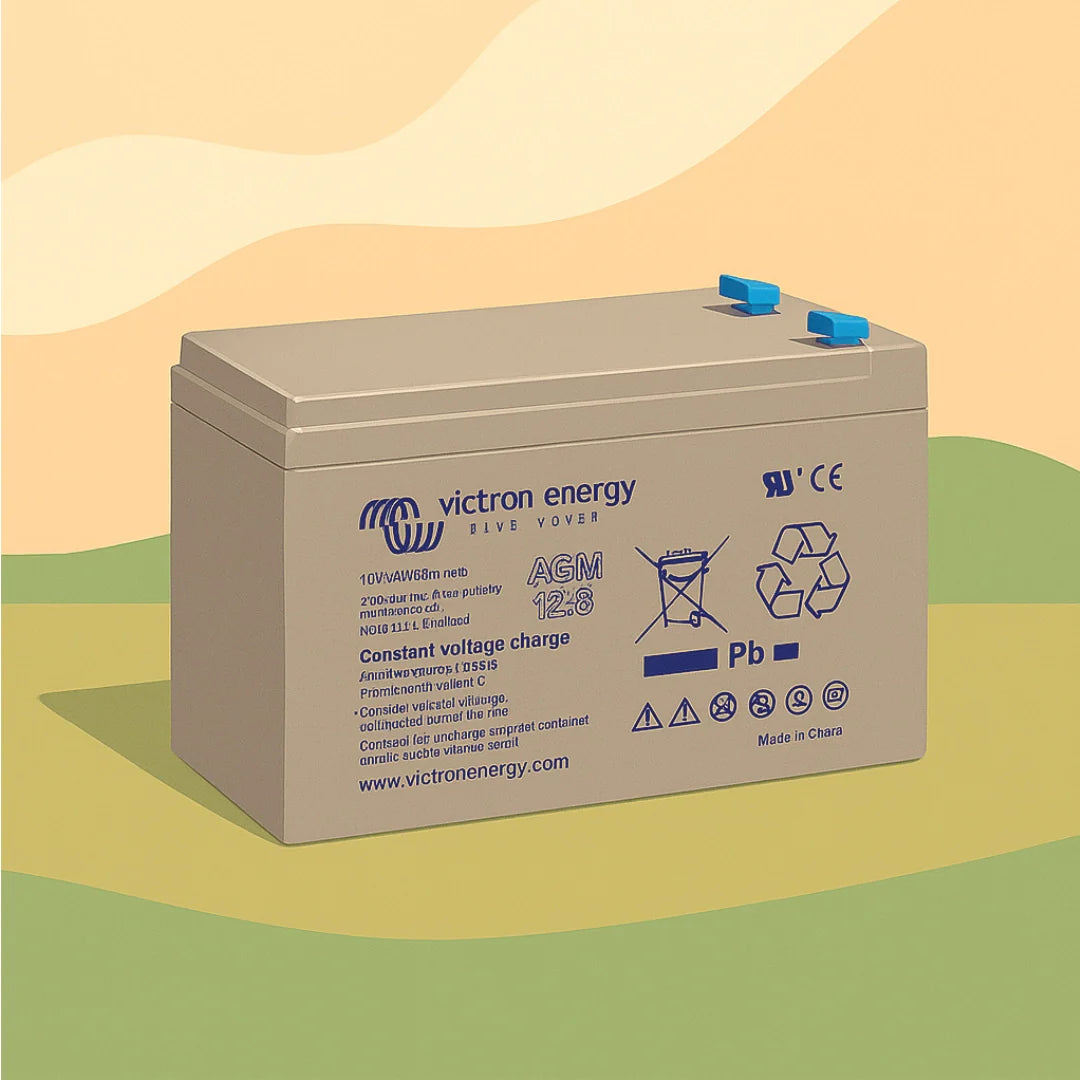
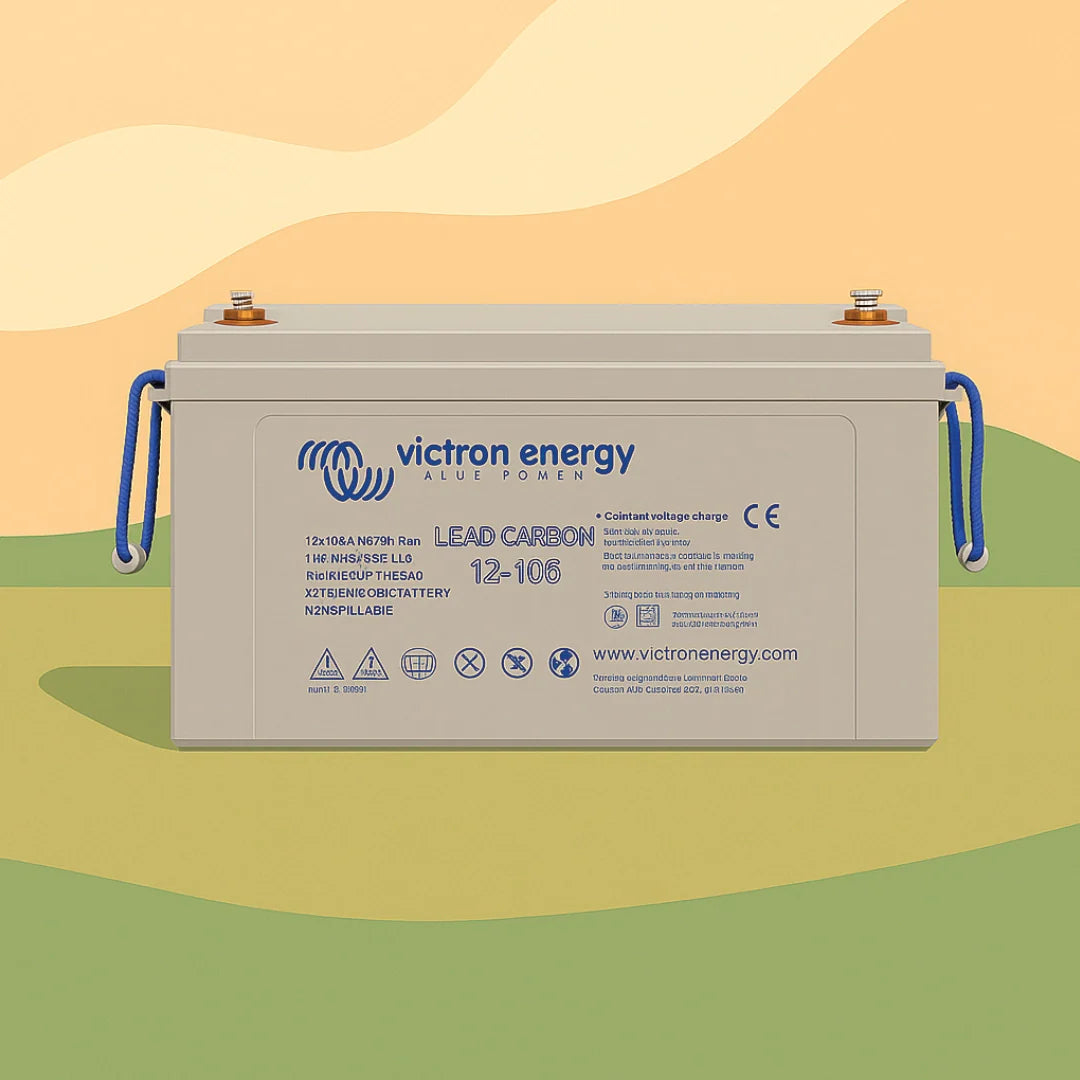
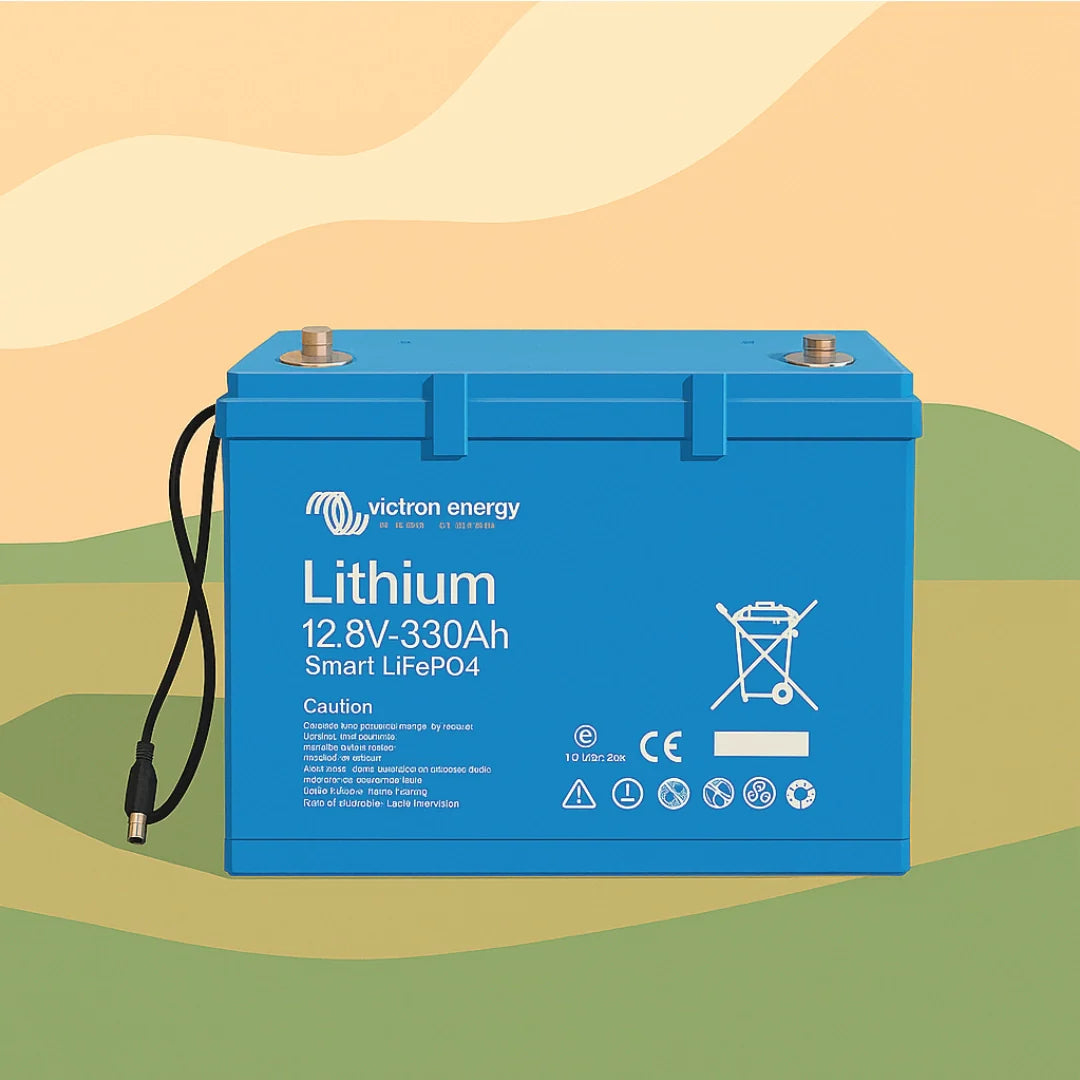
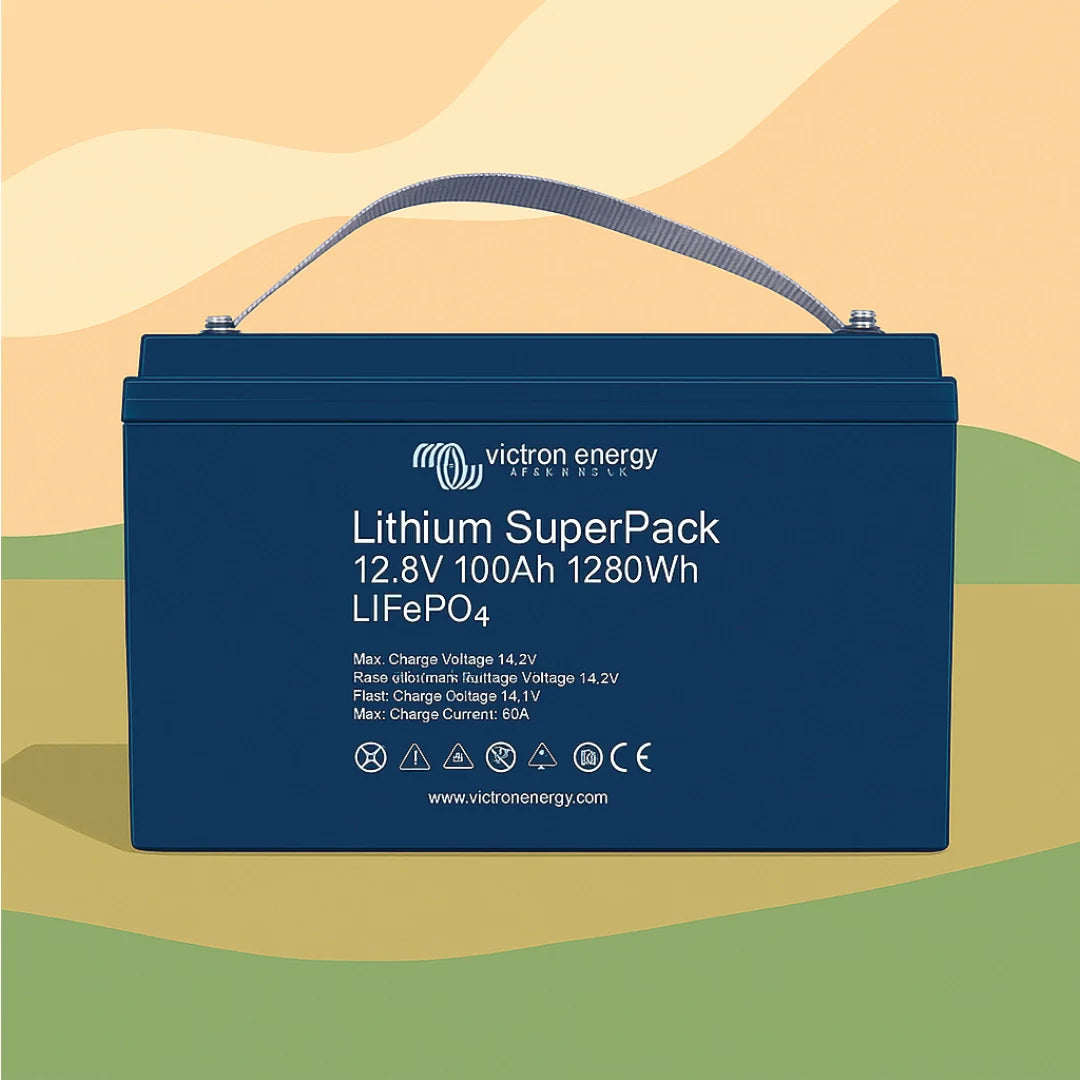
LiFePO4 is the most widely adopted battery chemistry for leisure and off-grid upgrades, and for good reason. It offers a depth of discharge (DoD) of 80 to 100%, compared to 50% for lead-acid, which means you get significantly more usable energy from the same rated capacity. Cycle life typically exceeds 3,000 to 5,000 full cycles, making it a long-term investment rather than a recurring cost.
- High DoD: 80 to 100% usable capacity versus 50% for AGM or lead-acid
- Long cycle life: 3,000 to 5,000 cycles at 80% DoD
- Thermal stability: Lower fire risk than NMC lithium chemistries
- Built-in BMS: Most units include a battery management system with Bluetooth monitoring
For campervans and motorhomes, LiFePO4 also saves significant weight. A 100Ah LiFePO4 battery typically weighs around 12 to 14kg versus 25 to 30kg for an equivalent AGM. You can read more about the key lithium battery features that matter most for dependable off-grid use.
Pro Tip: When comparing LiFePO4 batteries, check the continuous discharge current rating, not just the capacity. A 100Ah battery with a 50A continuous limit will struggle to power a 1,000W inverter at full load.

2. Consider sodium-ion batteries for extreme climates
Sodium-ion batteries offer promising cold-weather performance and price stability, making them suitable for off-grid or extreme climate setups. Unlike LiFePO4, sodium-ion cells retain capacity more reliably at temperatures below 0°C, which matters for winter liveaboards or highland off-grid cabins. They also avoid lithium and cobalt in their chemistry, reducing exposure to commodity price swings.
The technology is still maturing, so energy density is lower than LiFePO4 at present. For most leisure vehicle applications, LiFePO4 remains the practical default. However, if your setup operates in consistently cold conditions or you are planning a system with a 10-plus year horizon, sodium-ion deserves serious consideration as part of your energy storage expansion ideas.
3. Choose between AC coupling and DC coupling
The coupling method you choose determines how your battery storage integrates with an existing solar array or shore power supply. AC coupling is preferred for existing systems because it retains the original solar inverter, costs £8,000 to £14,000 for a typical retrofit, and achieves 90 to 95% round-trip efficiency. DC coupling replaces the inverter with a hybrid unit, delivers marginally higher efficiency, and suits systems where the existing inverter is ageing or undersized.
| Factor | AC coupling | DC coupling |
|---|---|---|
| Existing inverter | Retained | Replaced with hybrid unit |
| Round-trip efficiency | 90 to 95% | 95 to 98% |
| Upfront cost | Lower | Higher |
| Best for | Working inverter, retrofit | New build or inverter replacement |
| Installation complexity | Moderate | Higher |
Permitting and utility approval can take 4 to 10 weeks, with physical installation itself completed in 1 to 2 days. Plan your project timeline around the approval process, not the installation day.
Pro Tip: If your existing inverter is more than seven years old, DC coupling often makes more financial sense. You avoid paying to integrate ageing hardware that may fail within the battery’s lifespan.
4. Size your battery bank to actual load, not panel output
Battery sizing is one of the most common points where upgrades underperform. The correct formula is: required capacity (kWh) divided by your target depth of discharge gives the minimum battery bank size. A DoD of 50 to 80% is recommended to protect battery health and extend cycle life. Pushing LiFePO4 to 100% DoD regularly shortens its lifespan noticeably.
Start by calculating your evening and overnight consumption. If you use 2kWh between sunset and sunrise, and you want to limit DoD to 80%, you need a minimum of 2.5kWh of usable capacity. Add a 20% buffer for seasonal variation and you arrive at a 3kWh bank as a practical minimum. For a campervan energy storage setup running a compressor fridge, lighting, and phone charging, a 100 to 200Ah LiFePO4 bank at 12V covers most users comfortably.
| Load profile | Recommended bank size | Target DoD |
|---|---|---|
| Lighting and phone charging only | 50 to 100Ah at 12V | 80% |
| Fridge, lighting, and USB devices | 100 to 200Ah at 12V | 80% |
| Fridge, inverter, and heating | 200 to 300Ah at 12V | 70 to 80% |
| Full off-grid cabin | 5 to 15kWh at 48V | 50 to 80% |
5. Check your inverter’s charge current limit
Many users upgrade their battery bank but overlook a critical constraint: the inverter-charger amp limit is often the system bottleneck in off-grid setups, not the battery size. If your inverter-charger is rated at 30A and your new 200Ah LiFePO4 battery can accept 100A, you are charging at 15% of its potential rate. The larger battery does not help if the charging path is restricted.
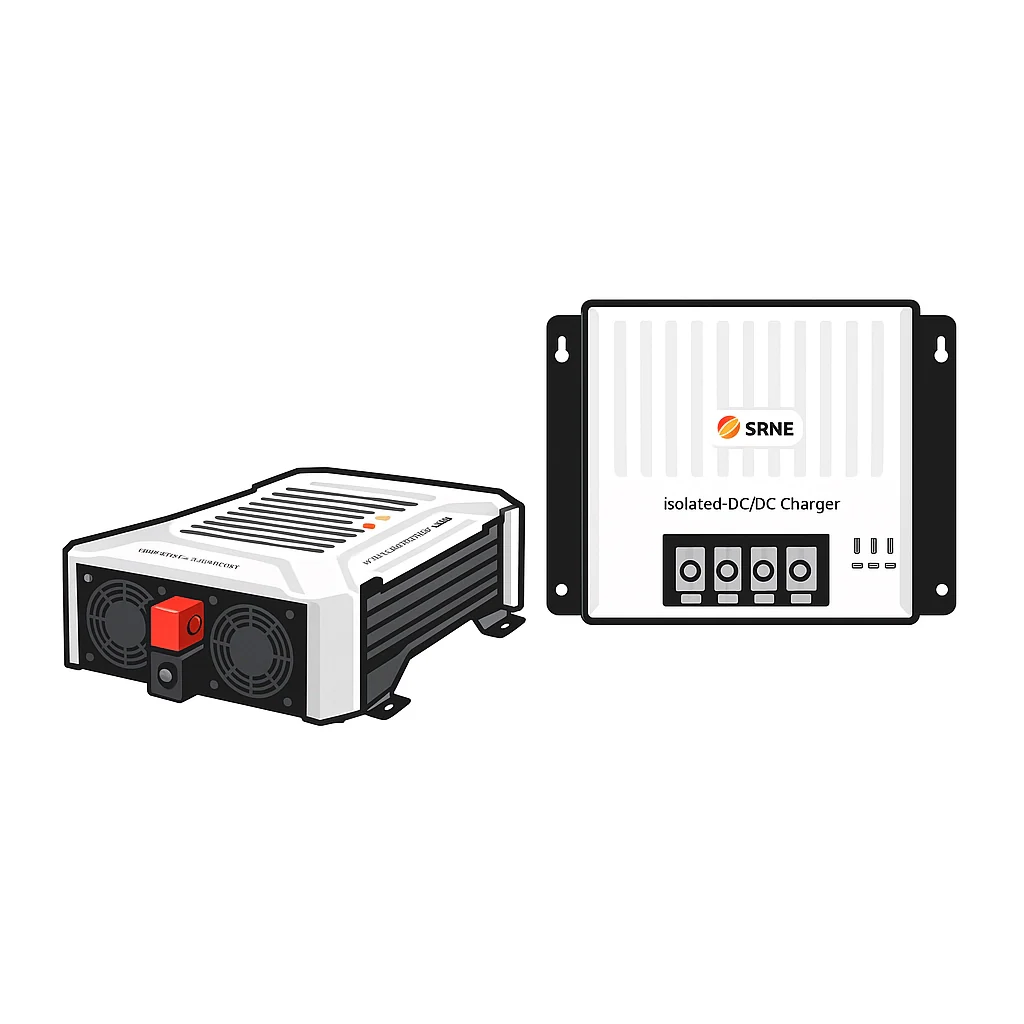
Before purchasing a larger battery bank, check the maximum charge current your inverter or DC-DC converter can deliver. Victron MultiPlus and Quattro units publish clear charge current ratings, and Skyenergi stocks Victron-compatible components specifically to avoid this mismatch. Upgrading the charge controller or inverter-charger alongside the battery is often the more effective investment.
6. Install a smart MPPT charge controller
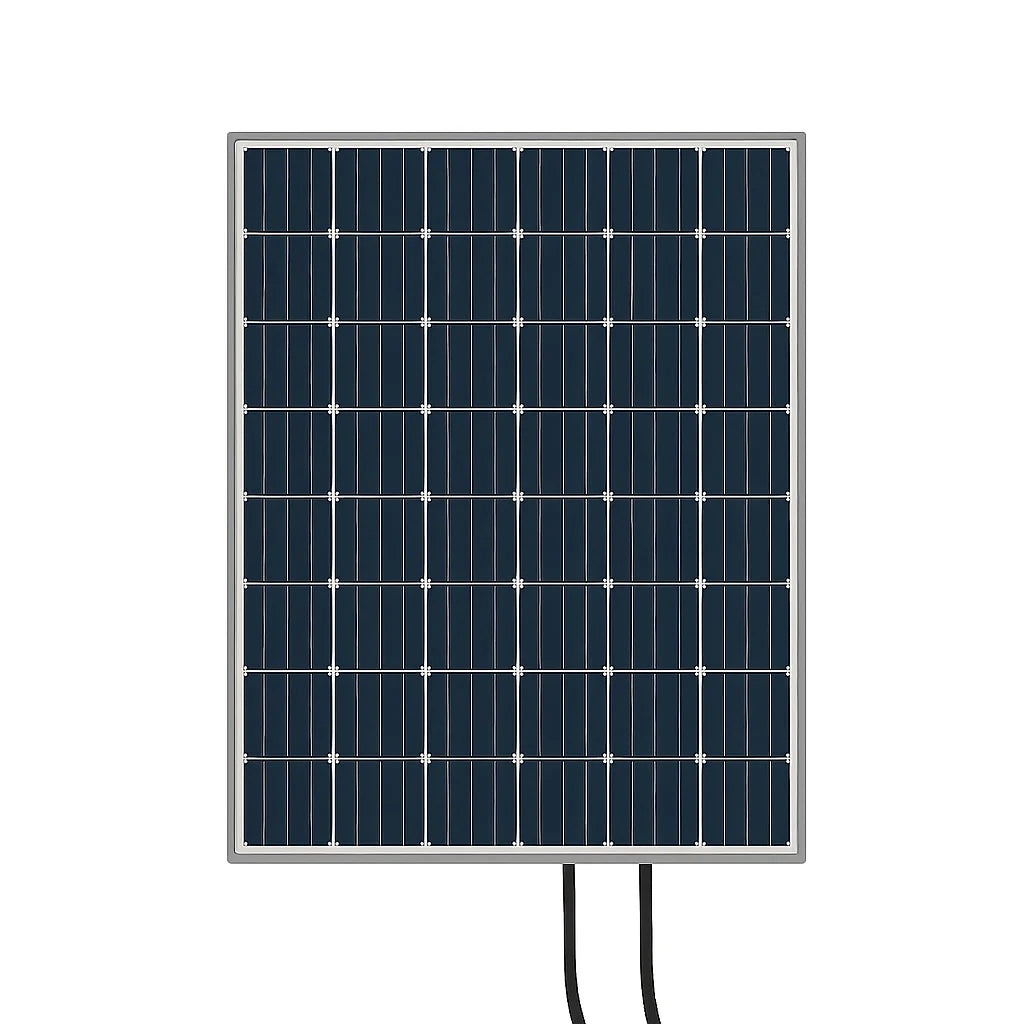
An MPPT (Maximum Power Point Tracking) charge controller extracts significantly more energy from a solar array than a PWM controller, particularly in low-light or cold conditions. For a 200W panel array, an MPPT controller can recover 20 to 30% more energy on overcast days compared to PWM. This directly extends how long your battery bank lasts between charges.
Smart MPPT controllers from Victron, such as the SmartSolar range, add Bluetooth connectivity and integrate with the VictronConnect app for real-time monitoring. This matters for off-grid power management because you can track state of charge, charge history, and fault codes without physical inspection. For boats and campervans where access to the battery compartment is restricted, remote monitoring is a practical necessity rather than a luxury.
7. Add AI-assisted energy management
Hybrid energy storage systems with AI-optimised dispatch improve return on investment by 12 to 27% over traditional setups. That figure reflects the difference between a battery that simply stores and releases energy versus one that responds to usage patterns, tariff structures, and weather forecasts. For off-grid users, AI management means the system prioritises charging during peak solar hours and reserves capacity for high-consumption evening periods.
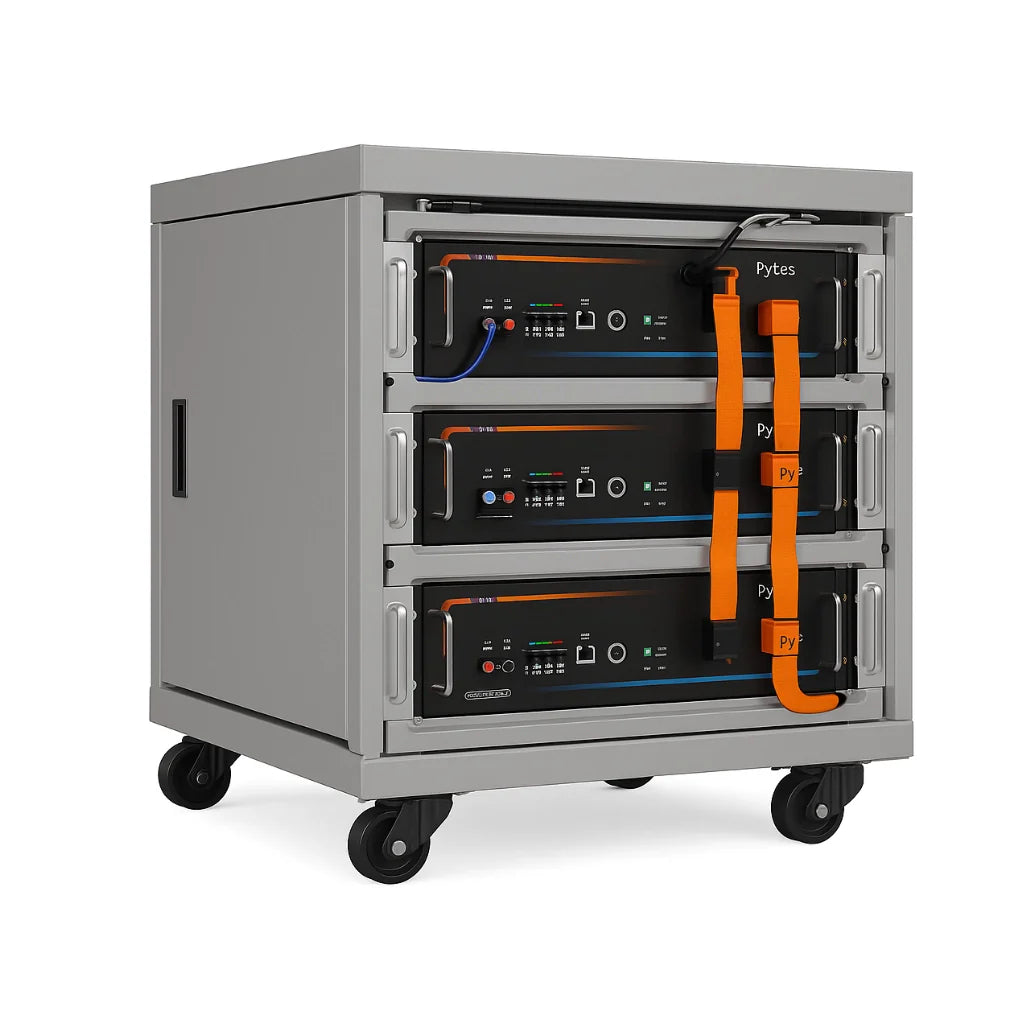
AI-enhanced battery management also improves forecast accuracy by 15 to 98%, depending on the system and data inputs. In practical terms, this reduces the frequency of low-battery events and extends battery lifespan by avoiding unnecessary deep discharges. Systems like Pytes home energy storage, which Skyenergi distributes, include intelligent management features that adapt to your consumption profile over time.
- Time-of-use optimisation: Charges during low-tariff periods, discharges during peak rates
- Predictive dispatch: Adjusts based on weather forecasts and historical usage
- Fault detection: Identifies cell imbalance or degradation before it causes failure
- Remote monitoring: Bluetooth and app-based visibility for real-time system health
8. Use a critical loads subpanel to avoid panel upgrades
Installing a critical loads subpanel often avoids expensive whole-panel upgrades and simplifies isolating essential circuits for backup power. Subpanels typically cost £1,200 to £2,400, compared to a full panel upgrade which can run to £4,000 or more. For residential off-grid setups or home battery solutions, this is one of the most cost-effective installation decisions you can make.
The subpanel approach isolates circuits such as the fridge, lighting, and router onto a dedicated backup supply, while non-critical loads remain on the main grid connection. This is directly applicable to leisure vehicle builds too: a secondary distribution board for essential 12V circuits keeps the system manageable and reduces wiring complexity. For a detailed walkthrough of compliant installation approaches, the energy storage installation workflow guide covers UK campervan setups specifically.
9. Budget accurately for retrofit costs
Retrofitting costs 10 to 15% more than new installations due to added wiring and integration complexity. This premium is often underestimated at the planning stage. For a residential AC-coupled retrofit, total project costs typically run from £8,000 to £18,000 depending on battery capacity, coupling method, and whether panel or wiring upgrades are needed.
- Battery and inverter hardware: The largest single cost, typically 60 to 70% of total
- Conduit runs and wiring: Often underestimated, especially in older vehicles or properties
- Permitting and compliance: NEC 2023 Article 706 and UL 9540A apply to battery retrofits in many jurisdictions
- Installer premium: Budget 10 to 15% above a new-build equivalent for retrofit labour
- Critical loads subpanel: Add £1,200 to £2,400 if required
Pro Tip: Get a site assessment before requesting quotes. Installers who assess your existing wiring, panel capacity, and inverter compatibility will give you accurate figures. Those who quote without a site visit frequently underestimate the retrofit complexity.
Payback periods for upgraded systems range from 4.2 to 10.74 years, influenced by energy prices, tariff structures, and how intelligently the system dispatches stored energy. AI-assisted systems consistently sit at the lower end of that range.
Key takeaways
Effective energy storage upgrades depend on matching battery chemistry, coupling method, and charge hardware to your actual load profile rather than simply maximising capacity.
| Point | Details |
|---|---|
| LiFePO4 is the default upgrade choice | High DoD, long cycle life, and built-in BMS make it the most practical option for leisure and off-grid use. |
| Coupling method affects cost and efficiency | AC coupling suits working inverters; DC coupling is better when the inverter needs replacing anyway. |
| Inverter charge current is often the bottleneck | Check the inverter-charger amp limit before buying a larger battery bank. |
| AI dispatch improves ROI by 12 to 27% | Smart management systems pay back faster than passive storage by responding to usage patterns and tariffs. |
| Subpanels reduce installation cost | A critical loads subpanel at £1,200 to £2,400 often avoids a full panel upgrade costing £4,000 or more. |
What I have learned from real-world storage upgrades
Most people approach a storage upgrade by asking “how much capacity do I need?” That is the wrong starting question. The right question is “what is limiting my system right now?” In my experience, the answer is almost never the battery itself. It is the charge controller, the inverter’s charge current ceiling, or the wiring between components.
I have seen 200Ah LiFePO4 banks installed on campervans where the DC-DC charger was rated at 20A. The battery took 10 hours to charge from 20% state of charge. The owner thought the battery was faulty. It was not. The charging path was simply too narrow for the bank size.
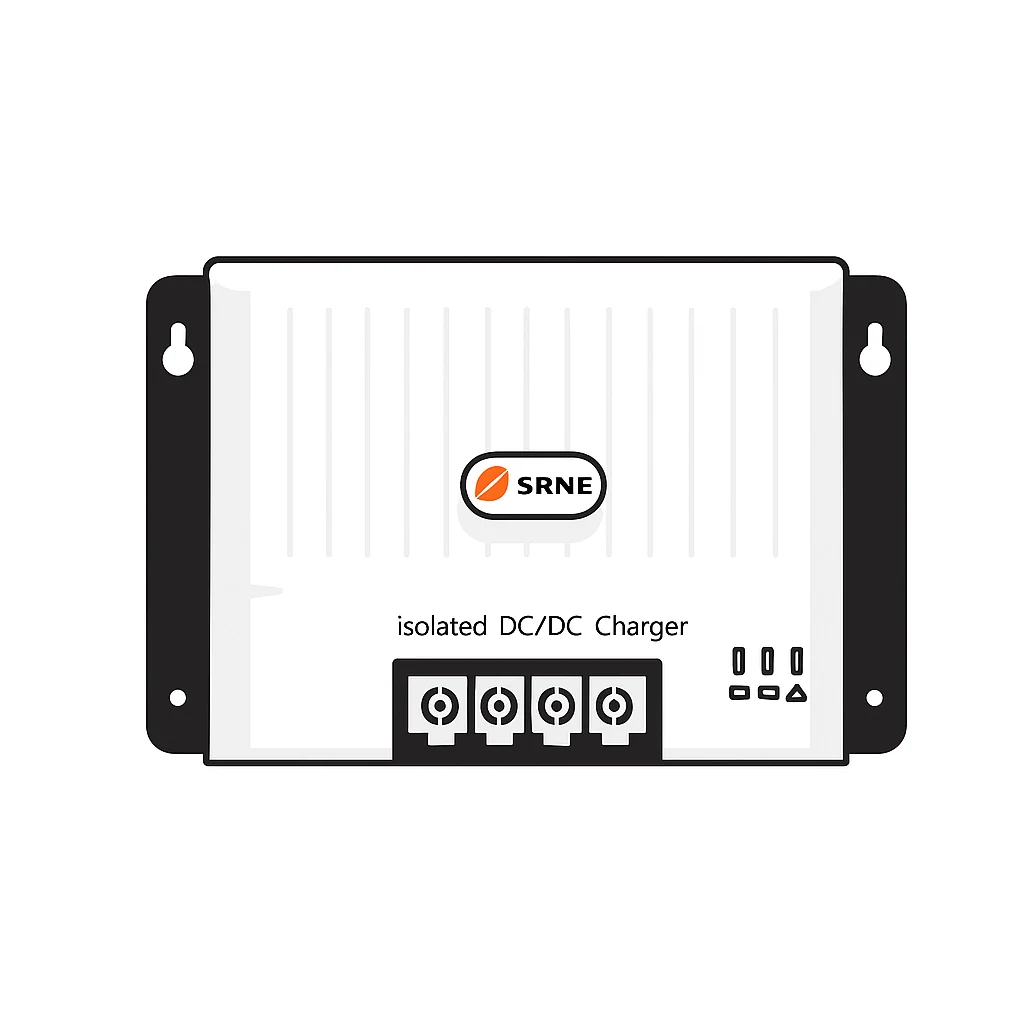
The other pattern I see repeatedly is oversizing for worst-case scenarios. Someone plans for a two-week off-grid trip in January and sizes the entire system around that. For the other 48 weeks of the year, they are carrying unnecessary weight and cost. A better approach is to size for your typical use case and plan for expandability. LiFePO4 banks in parallel configurations and modular systems like those from Pytes or SRNE allow you to add capacity later without replacing the core hardware.
AI-assisted management is not a luxury for large residential systems. Even basic smart MPPT controllers with Bluetooth monitoring change how you interact with your system. You stop guessing and start making decisions based on actual data. That shift alone improves battery longevity because you catch problems early.
— John
Victron solar and MPPT controllers for your upgrade

Skyenergi stocks the Victron 610W solar panel and Smart MPPT controller bundle, designed for leisure vehicles and off-grid setups where charging efficiency and system integration matter. The Victron SmartSolar MPPT controller connects via Bluetooth to VictronConnect, giving you real-time charge data and system health monitoring. Combined with a LiFePO4 battery bank, this pairing covers the two most impactful hardware upgrades in a single purchase. Visit the product page for full specifications, cable and mounting options, and battery add-on choices.
FAQ
What is the best battery type for a campervan upgrade?
LiFePO4 (lithium iron phosphate) is the most practical choice for campervans, offering 80 to 100% usable depth of discharge and a cycle life of 3,000 to 5,000 cycles. It is lighter than AGM and safer than NMC lithium chemistries.
What depth of discharge should I set for my leisure battery?
A DoD of 50 to 80% is recommended to protect battery health and extend lifespan. Configuring your inverter’s DoD limit is as important as the battery specification itself.
How long does a battery storage retrofit take?
Physical installation typically takes 1 to 2 days, but permitting and approval can extend the total project timeline to 4 to 10 weeks depending on your location and system type.
Is AC or DC coupling better for an existing solar system?
AC coupling is generally better for systems with a working inverter, as it avoids replacement costs and achieves 90 to 95% round-trip efficiency. DC coupling suits setups where the inverter is ageing or being replaced as part of the upgrade.
How do I avoid oversizing my battery bank?
Calculate your actual overnight consumption, divide by your target DoD (0.8 is a practical figure), then add a 20% seasonal buffer. Check the battery sizing guide for leisure vehicles to match bank size to your specific load profile.
Recommended
Prev post

The role of solar array capacity in off-grid systems
Updated on 12 June 2026
Next post

Solar panel sizing explained: a practical 2026 guide
Updated on 10 June 2026


