


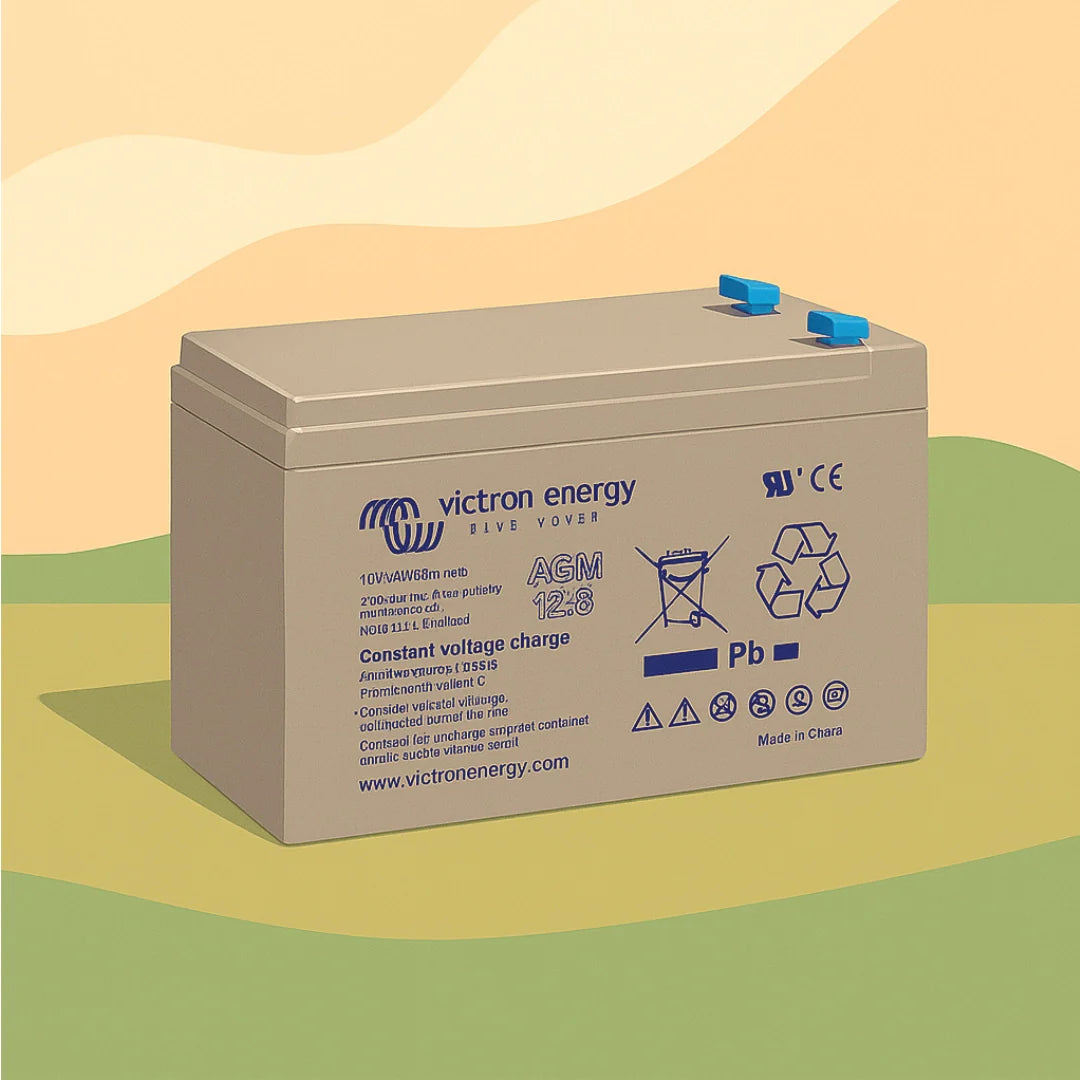
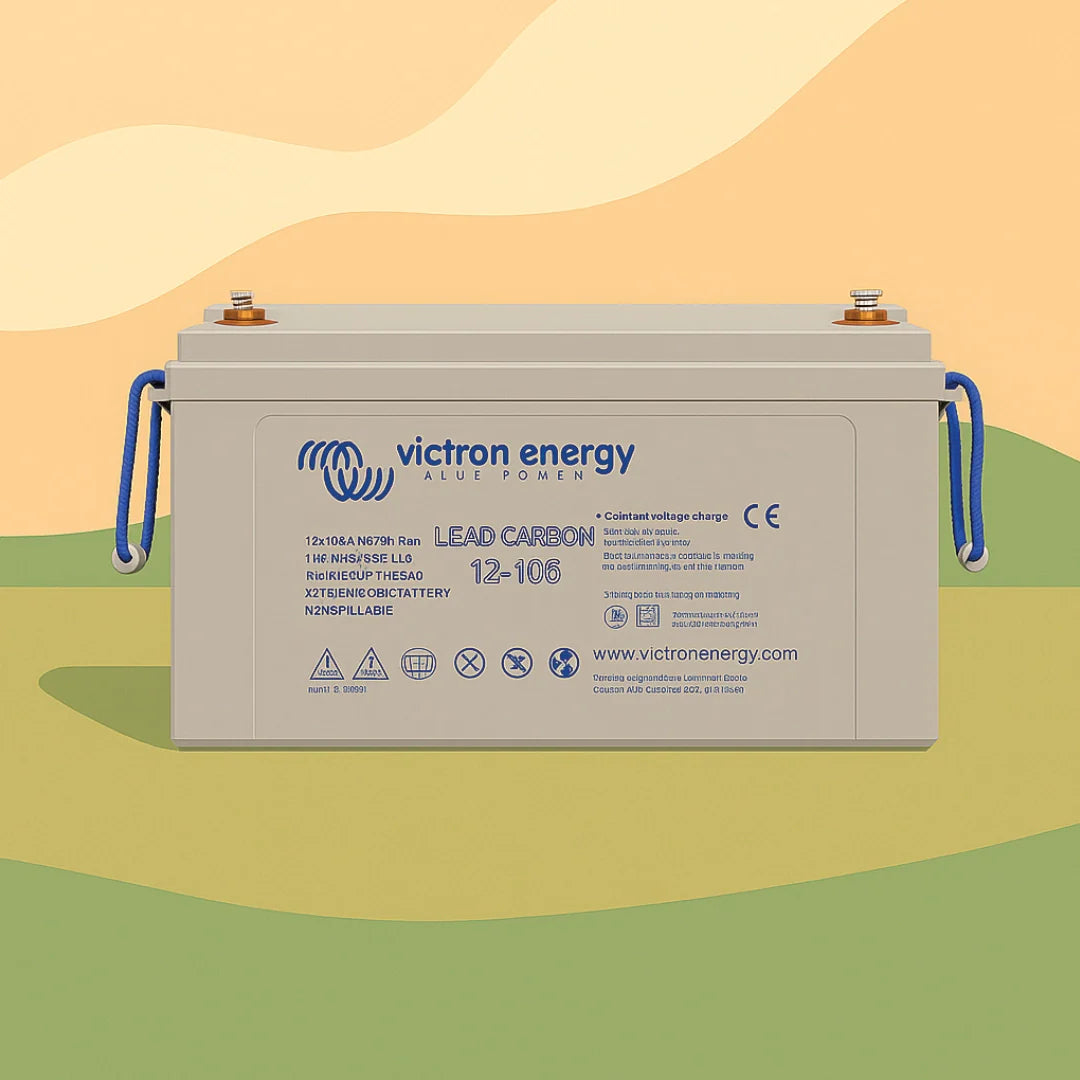
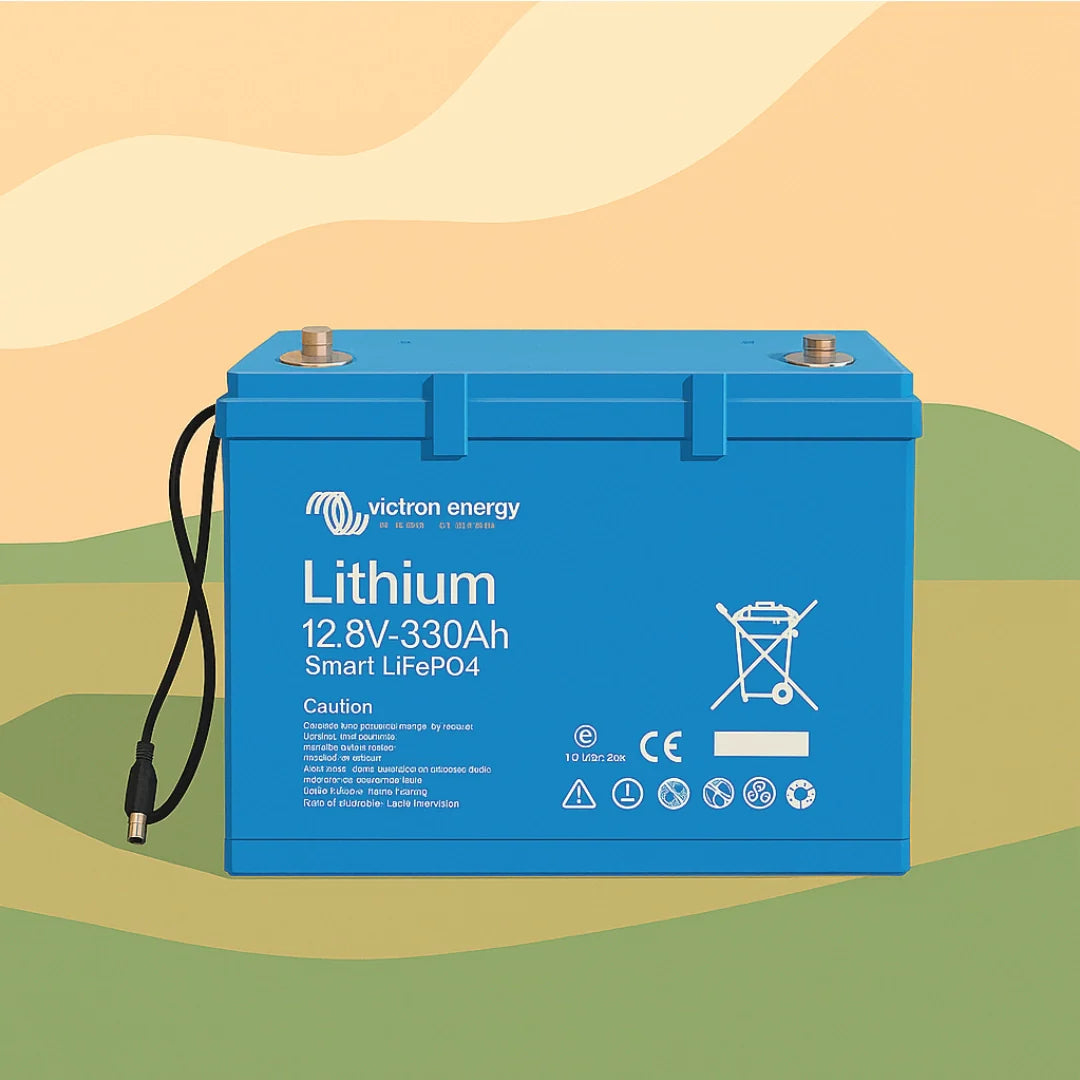
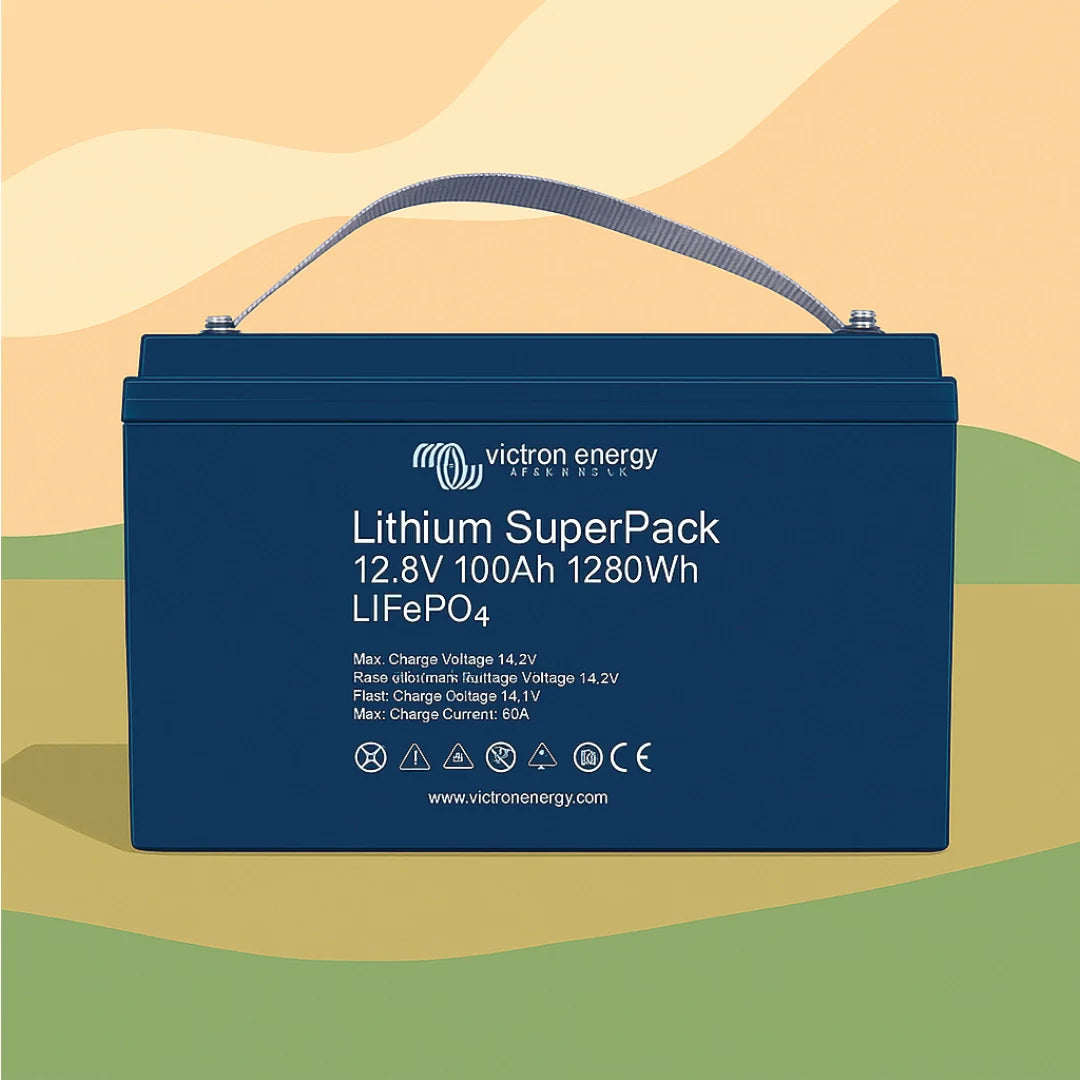



What Is a Lithium Leisure Battery and Why It Matters
Lithium leisure battery explained: discover how it powers campervans, key features vs lead-acid, maintenance, safety, and real UK-life benefits.
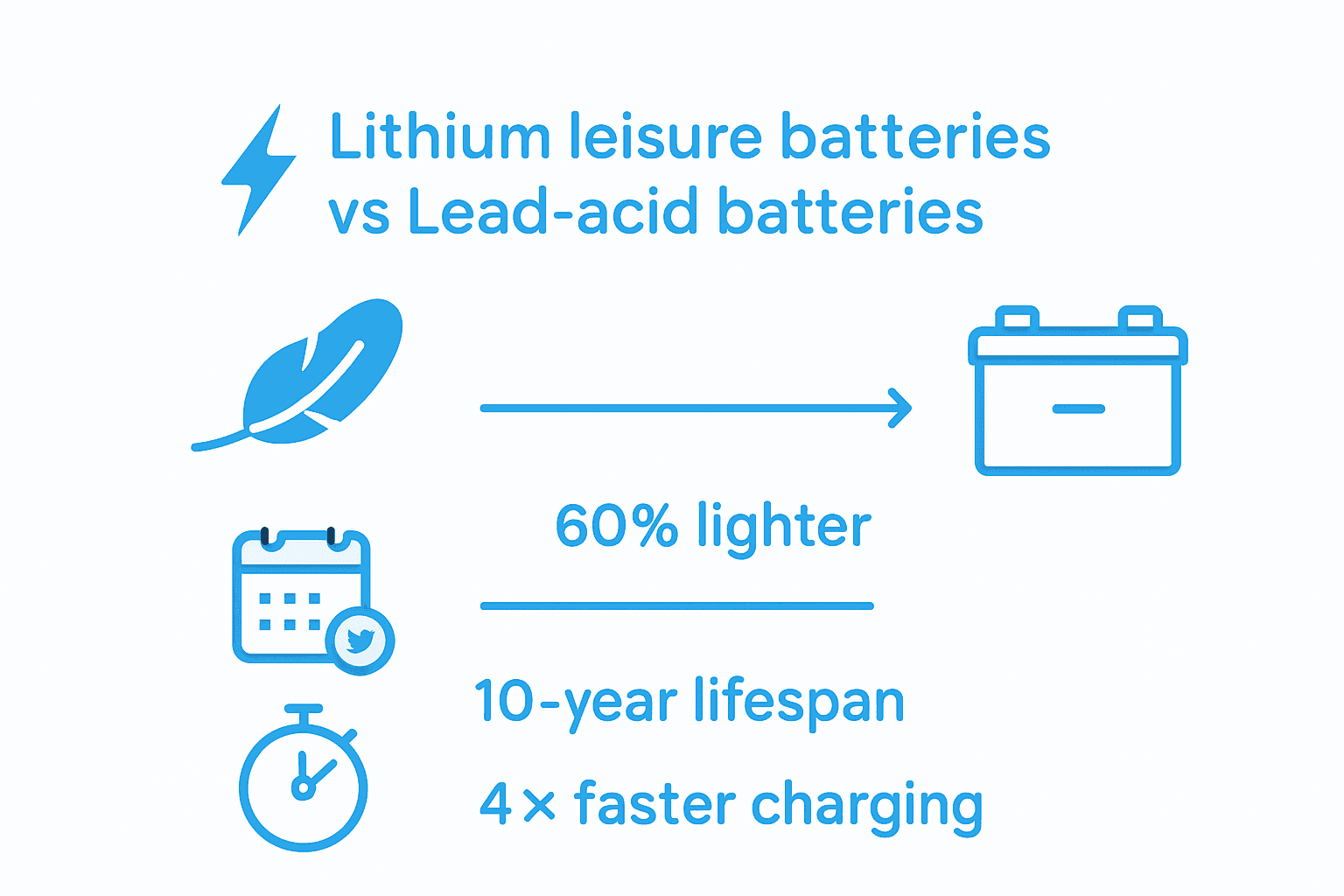
Most british travellers are surprised to discover that lithium leisure batteries typically weigh about 60 percent less than traditional lead-acid options. This matters more than ever for those looking to maximise vehicle efficiency and power on the road or water. Understanding the major advantages and myths behind these high-performance batteries helps ensure you get safe, reliable energy for your adventures without unnecessary weight or cost.
Table of Contents
- Lithium Leisure Battery Defined and Debunked
- Differences Between Lithium and Lead-Acid Batteries
- How Lithium Leisure Batteries Power Your Vehicle
- Charging, Monitoring, and Maintenance Essentials
- Risks, Lifespan, and Cost Implications Compared
Key Takeaways
| Point | Details |
|---|---|
| Superior Performance | Lithium leisure batteries offer up to 10 times the lifespan and 4-5 times faster charging compared to lead-acid batteries. |
| Weight Advantage | Weighing approximately 60% less than equivalent lead-acid batteries, lithium options significantly reduce vehicle load. |
| Lower Maintenance | These batteries require minimal maintenance and deliver consistent power output, enhancing overall system efficiency. |
| Financial Savvy | Despite higher initial costs, the extended lifecycle and reduced upkeep make lithium batteries a cost-effective long-term investment. |
Lithium Leisure Battery Defined and Debunked
A lithium leisure battery represents a cutting-edge power storage solution designed specifically for mobile and recreational applications like campervans, motorhomes, boats, and off-grid setups. Unlike traditional lead-acid batteries, these advanced energy storage systems leverage lithium-ion technology to deliver superior performance, longevity, and efficiency for leisure vehicle enthusiasts.
The fundamental difference between lithium leisure batteries and conventional alternatives lies in their chemical composition and energy characteristics. Lithium versus traditional battery technologies reveal remarkable advantages in weight, charging speed, and overall energy density. Lithium batteries typically weigh approximately 60% less than equivalent lead-acid batteries, providing significant weight reduction for mobile applications without compromising power output.
Key characteristics of lithium leisure batteries include:
- Substantially longer operational lifespan (up to 10 years)
- Faster charging capabilities
- Deeper discharge rates without performance degradation
- Consistent power output throughout discharge cycle
- Enhanced energy efficiency
- Reduced maintenance requirements
Pro Tip: Battery Selection Strategy: Always match your lithium leisure battery’s specifications precisely with your vehicle’s electrical system requirements, considering factors like voltage, capacity, and charging infrastructure to ensure optimal performance and longevity.
Performance Considerations
When evaluating lithium leisure batteries, understanding their technical specifications becomes crucial. These batteries offer significant advantages in real-world scenarios, particularly for adventurers and off-grid enthusiasts seeking reliable, lightweight power solutions. Their advanced battery management systems provide intelligent monitoring and protection, ensuring safe and consistent energy delivery across diverse environmental conditions.

Pro Tip: Maintenance Wisdom: Invest in a compatible battery management system and regularly monitor your lithium leisure battery’s performance to maximise its lifespan and maintain peak operational efficiency.
Differences Between Lithium and Lead-Acid Batteries
The landscape of leisure battery technology has dramatically transformed with the emergence of lithium-based systems, presenting stark contrasts with traditional lead-acid batteries. Lithium batteries represent a quantum leap in energy storage, offering unprecedented performance characteristics that fundamentally challenge conventional power storage approaches for mobile and recreational applications.
Comprehensive battery technology comparisons reveal critical distinctions between these two battery technologies. Lithium batteries demonstrate remarkable advantages in weight, energy density, and operational efficiency. While lead-acid batteries have been the industry standard for decades, they suffer from significant limitations including substantial weight, slower charging times, and restricted depth of discharge.
Key comparative differences include:
- Weight: Lithium batteries weigh approximately 60% less than equivalent lead-acid batteries
- Charging Speed: Lithium batteries charge 4-5 times faster than traditional lead-acid alternatives
- Lifecycle: Lithium batteries offer up to 10 times longer operational lifespan
- Depth of Discharge: Lithium batteries can be discharged up to 80-90% without performance degradation
- Energy Efficiency: Higher energy conversion rates with minimal power loss
The performance metrics of lithium batteries make them particularly attractive for leisure vehicle owners seeking reliable, lightweight, and efficient power solutions. Battery technology advancements demonstrate that lithium batteries can support extended off-grid stays with multiple appliances, providing consistent and dependable power across diverse environmental conditions.
Performance Implications
Beyond technical specifications, the practical implications of choosing lithium over lead-acid batteries are profound. Lithium batteries provide intelligent battery management systems that monitor performance, protect against overcharging, and ensure optimal energy distribution. This technological sophistication translates into enhanced reliability, reduced maintenance requirements, and greater overall system efficiency for leisure vehicle enthusiasts.
Pro Tip: Battery Selection Strategy: Carefully evaluate your specific energy requirements, considering factors like anticipated power consumption, charging infrastructure, and environmental conditions before selecting between lithium and lead-acid battery technologies.
To help you quickly distinguish between lithium and lead-acid batteries for leisure vehicles, consider the following head-to-head comparison:
| Attribute | Lithium Leisure Battery | Lead-Acid Battery |
|---|---|---|
| Typical Weight | Very lightweight, easy to handle | Heavy, increases vehicle load |
| Charging Time | Rapid charging (2-3 hours) | Slow charging (8-12 hours) |
| Discharge Depth | Up to 90% usable capacity | 50% recommended for longevity |
| Maintenance | Minimal maintenance required | Regular checks and topping-up |
| Cost Over 10 Years | Cost-effective long term | Higher replacing and upkeep costs |
| Environmental Impact | More recyclable components | Contains hazardous lead and acid |
How Lithium Leisure Batteries Power Your Vehicle
Lithium leisure batteries represent a sophisticated power management solution that transforms how mobile vehicles generate, store, and utilise electrical energy. These advanced battery systems provide a comprehensive approach to powering multiple electrical components simultaneously, ensuring consistent and reliable performance across diverse operational environments.
The intricate power delivery mechanism of lithium leisure batteries involves several critical technological innovations. Advanced battery cell technologies enable precise energy distribution, allowing leisure vehicles to support increasingly complex electrical demands with unprecedented efficiency. Unlike traditional power storage systems, lithium batteries can manage high-drain scenarios without experiencing significant voltage drop or performance degradation.
Key power delivery characteristics include:
- Consistent voltage output across discharge cycle
- Rapid charging capabilities
- Enhanced energy density
- Minimal internal resistance
- Intelligent power management systems
- Adaptive load balancing
Real-world battery performance testing demonstrates that lithium leisure batteries maintain exceptional power stability even under extreme operational conditions. This reliability ensures that critical vehicle systems remain functional, whether navigating challenging terrains or supporting extended off-grid adventures.
Electrical System Integration
Modern lithium leisure batteries integrate seamlessly with sophisticated vehicle electrical architectures, providing intelligent power management through advanced battery management systems. These systems continuously monitor cell temperature, state of charge, and overall battery health, enabling proactive performance optimisation and preventing potential electrical system failures.
Pro Tip: Power Management Strategy: Invest in a comprehensive battery monitoring system that provides real-time insights into your lithium leisure battery’s performance, enabling you to maximise energy efficiency and prevent unexpected power interruptions during your travels.
Charging, Monitoring, and Maintenance Essentials
Lithium leisure battery maintenance represents a sophisticated approach to energy management that goes beyond traditional battery care strategies. Modern lithium battery systems integrate advanced technologies that dramatically simplify monitoring and maintenance processes, ensuring optimal performance and longevity for leisure vehicle owners.
Advanced battery charging technologies enable unprecedented flexibility in power management, allowing lithium leisure batteries to accept higher charging currents from diverse sources like solar panels and DC-DC converters. This capability means faster charging times and more efficient energy replenishment compared to traditional battery systems.
Key maintenance and monitoring strategies include:
- Regular state of charge (SOC) tracking
- Temperature monitoring
- Avoiding complete discharge
- Using compatible charging systems
- Implementing periodic health checks
- Maintaining appropriate storage conditions
Battery monitoring insights reveal the importance of understanding your battery’s state of charge and health. Intelligent Battery Management Systems (BMS) continuously monitor critical parameters, providing real-time data about voltage, temperature, and overall battery performance.
Performance Optimization
Proper charging techniques are crucial for maximising lithium leisure battery performance. Utilising smart chargers with specific lithium battery profiles ensures precise voltage control, prevents overcharging, and maintains battery health. These advanced charging systems adapt to the battery’s specific characteristics, providing tailored charging protocols that extend battery life and maintain peak performance.
Pro Tip: Battery Health Strategy: Invest in a comprehensive battery monitoring system that offers Bluetooth connectivity and real-time performance tracking, enabling you to proactively manage your lithium leisure battery’s health and prevent potential performance issues.
Here is a summary of the essential features to seek when selecting a lithium leisure battery management system:
| Feature | Description | Practical Benefit |
|---|---|---|
| Temperature Monitoring | Tracks cell temperatures in real-time | Prevents overheating and extends life |
| State of Charge Tracking | Measures battery charge status | Helps plan energy usage and charging |
| Fault Detection | Alerts users to potential issues | Minimises risk of breakdowns |
| Compatibility | Works with various solar/DC chargers | Offers flexibility for upgrades |
Risks, Lifespan, and Cost Implications Compared
Understanding the comprehensive landscape of lithium leisure battery economics requires a nuanced examination of performance, safety, and long-term financial implications. These advanced energy storage systems present a complex balance between innovative technological advantages and potential operational considerations that every leisure vehicle owner must carefully evaluate.
Lithium battery technology analysis reveals critical safety parameters that potential users must comprehend. While lithium batteries offer exceptional energy density and performance characteristics, they simultaneously present specific risk profiles related to their chemical composition. The flammable electrolyte and potential for thermal runaway necessitate sophisticated battery management systems and careful handling protocols.
Key risk and economic considerations include:
- Higher upfront investment costs
- Superior long-term performance
- Enhanced energy efficiency
- Potential thermal management requirements
- Extended operational lifespan
- Advanced safety monitoring needs
Comprehensive battery economic evaluation demonstrates that despite higher initial purchase prices, lithium leisure batteries deliver substantial economic advantages. Their extended lifecycle, reduced maintenance requirements, and superior energy performance often translate to significant cost savings over traditional battery technologies.
Financial and Performance Analysis
The total cost of ownership for lithium leisure batteries extends far beyond initial purchase price. Advanced battery management systems, reduced weight, faster charging capabilities, and dramatically longer operational lifespans contribute to a compelling economic argument. Intelligent users recognise that investing in high-quality lithium technology represents a strategic long-term financial decision rather than merely an expensive upfront purchase.
Pro Tip: Investment Strategy: Conduct a comprehensive total cost of ownership analysis, considering not just purchase price but also expected lifecycle, maintenance costs, and performance characteristics before selecting your lithium leisure battery.
Discover the Power and Reliability of Skyenergi Lithium Leisure Batteries
The article highlights the challenges of finding a lightweight, long-lasting, and fast-charging power solution for leisure vehicles. If you are seeking to overcome concerns about battery weight, limited lifespan, slow charging, or complex maintenance, Skyenergi offers expertly engineered lithium leisure battery systems designed precisely for these needs. Embrace advanced lithium-ion technology that delivers consistent voltage output, intelligent battery management, and rapid charging capabilities to keep your campervan or motorhome powered on every adventure.
Explore our complete range of high-performance lithium batteries and renewable energy solutions at Skyenergi. Benefit from intelligent battery monitoring with Bluetooth connectivity, robust safety features, and integration-ready components that maximise your energy independence. Don’t wait to upgrade your setup and experience the practical advantages and long-term savings offered by Skyenergi’s lithium leisure batteries. Start powering your journeys smarter today by visiting Skyenergi Lithium Leisure Batteries and take the next step toward reliable off-grid freedom.
Frequently Asked Questions
What is a lithium leisure battery?
A lithium leisure battery is an advanced power storage solution designed for recreational applications such as campervans and boats. It uses lithium-ion technology, offering superior performance, longevity, and efficiency compared to traditional lead-acid batteries.
What are the benefits of using lithium leisure batteries over lead-acid batteries?
Lithium leisure batteries are significantly lighter (about 60% less), charge faster (4-5 times quicker), and have a longer operational lifespan (up to 10 times longer). They can also be discharged more deeply without affecting performance, making them more efficient for leisure applications.
How do I ensure optimal performance from my lithium leisure battery?
To maximise performance, match the battery specifications with your vehicle’s electrical system, monitor the battery’s state of charge, and use a compatible battery management system for real-time insights into its performance and health.
What maintenance is required for lithium leisure batteries?
Lithium leisure batteries require minimal maintenance. Key practices include monitoring the state of charge, tracking temperature, avoiding complete discharges, and using appropriate charging systems to ensure longevity and peak performance.
Recommended
Prev post

Top Home Energy Storage Systems – Expert Comparison 2025
Updated on 18 December 2025
Next post

SRNE SAA 3-in-1 MPPT: The All-In-One Power Solution for Campervans, Off-Grid, and Mobile Systems
Updated on 08 December 2025


