





Expandable power systems: energy independence in 2026
Learn how expandable lithium power systems work, how to scale them safely, and how to choose the right setup for your UK campervan or off-grid lifestyle.
TL;DR:
- Expandable lithium systems allow users to grow capacity over time instead of large fixed setups.
- Proper parallel connection requires matching batteries, equal cable lengths, and individual fusing for safety.
- LiFePO4 batteries offer high efficiency, long cycle life, and safer operation compared to lead-acid systems.
Most campervan and motorhome owners assume their battery setup is fixed from day one. Buy a battery, wire it in, and live with whatever capacity that gives you. That mindset is outdated. Modern expandable lithium power systems let you start small and grow your capacity as your needs change, whether that’s adding a second battery in your van or scaling up to a full off-grid home storage bank. This guide explains what expandable systems are, how they work electrically, what to watch out for, and how to choose the right setup for UK conditions.
Table of Contents
- What are expandable power systems?
- How expandable modular battery systems work
- Charging, efficiency, and cycle life
- Challenges, limits, and advanced tips
- Choosing the right expandable system for your needs
- Why expandable power systems are the future for UK leisure and off-grid adventures
- Explore modular power: start your system with Skyenergi
- Frequently asked questions
Key Takeaways
| Point | Details |
|---|---|
| Modular expansion | Expandable systems grow as your power needs increase, giving ultimate flexibility for leisure and off-grid use. |
| Battery management safety | A modern BMS ensures lithium expansion is both safe and reliable for daily adventure or backup. |
| Maximum efficiency | Top lithium expandables offer 92-98% energy efficiency and thousands of cycles, outpacing old lead-acid units. |
| UK-ready solutions | Victron, EcoFlow, and Bluetti offer setups tailored for UK vehicles and homes, including cold-weather operation. |
| Custom or plug-and-play | Choose between easy-to-fit portable stations or bespoke modular builds based on your technical skills and mobility needs. |
What are expandable power systems?
An expandable power system is one where capacity can be increased after the initial install, without replacing everything from scratch. Rather than buying the biggest battery bank you think you’ll ever need, you start with a base unit and add to it over time.
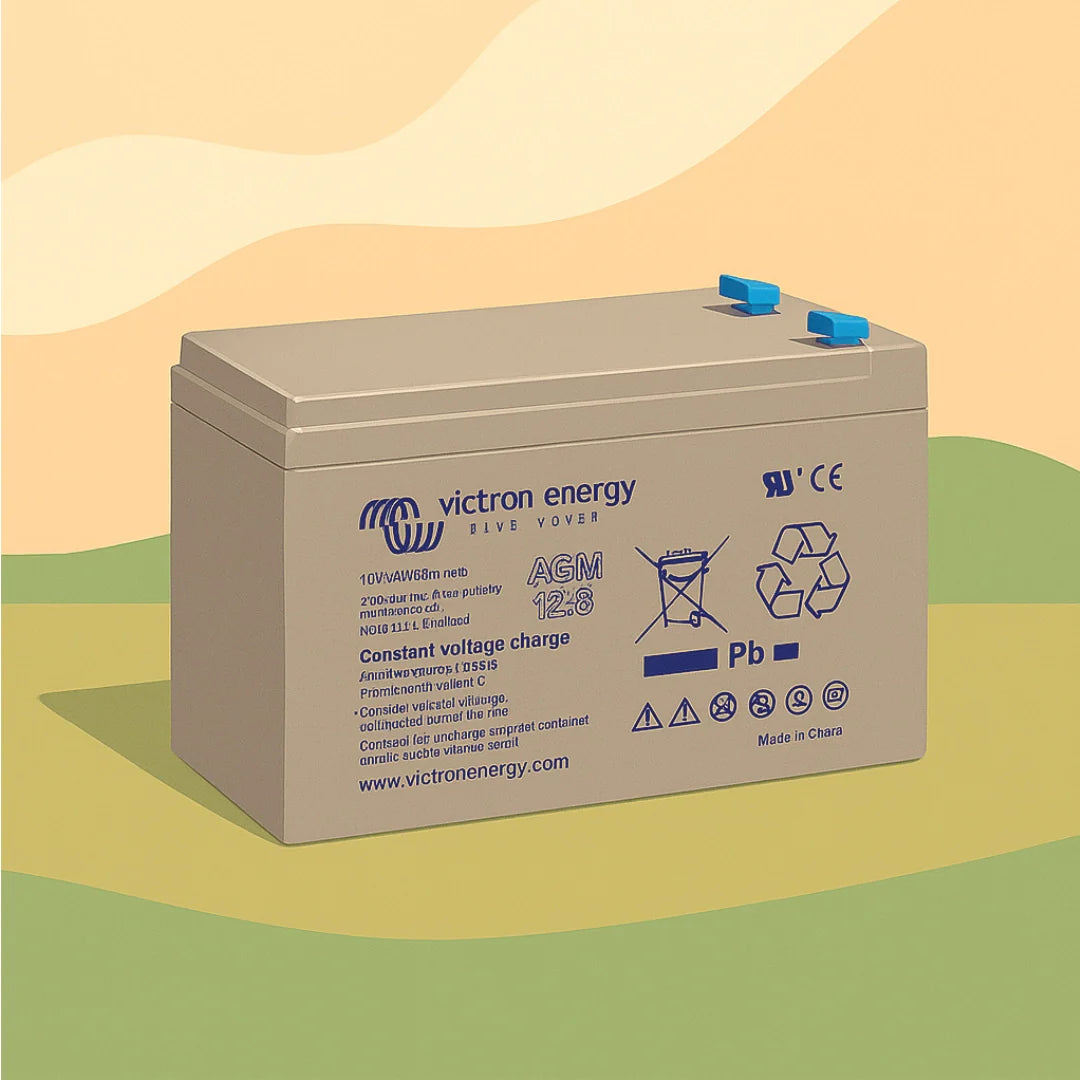
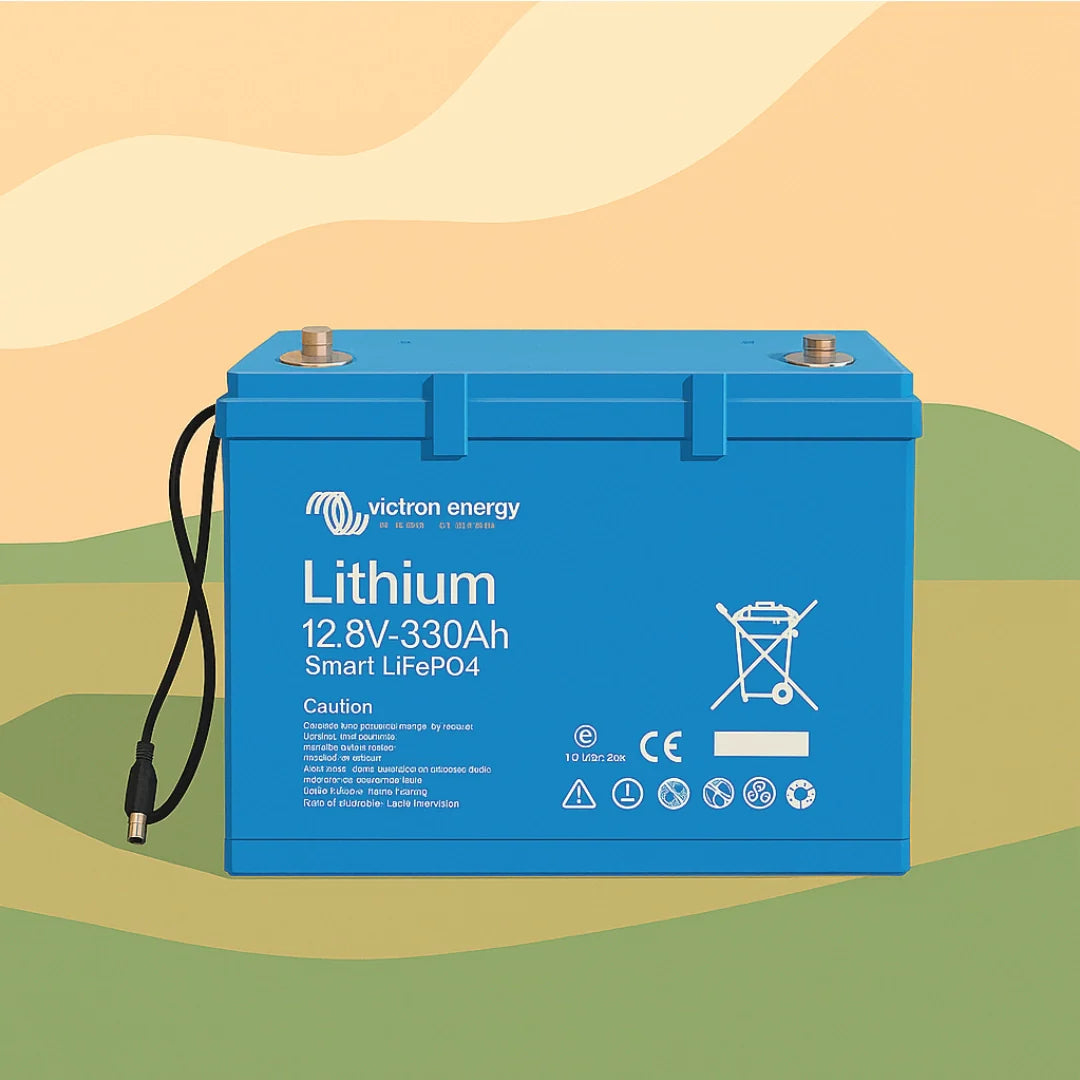
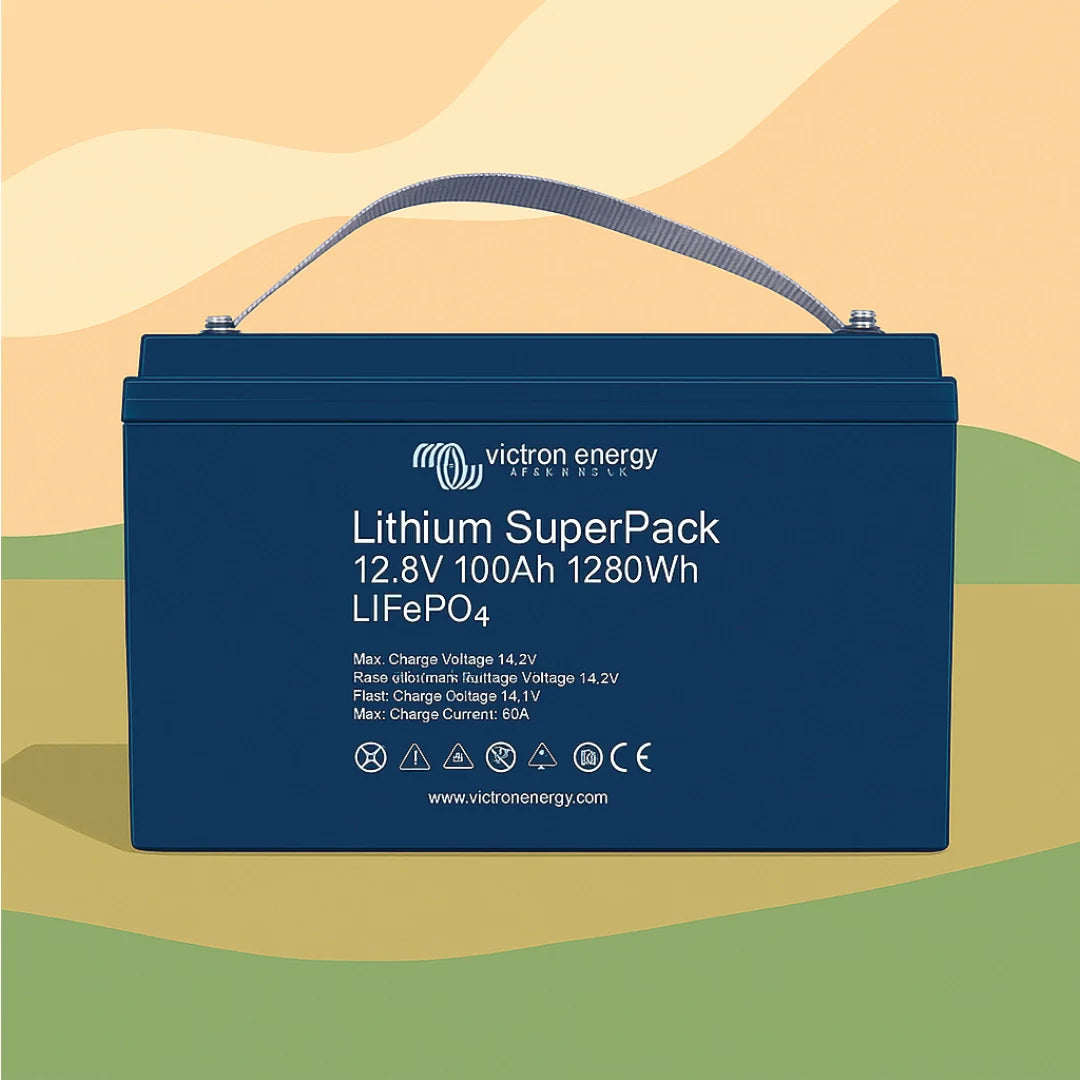
Expandable lithium power systems consist of modular LiFePO4 battery setups that allow users to start with a base unit, such as a 100 to 200Ah battery or 2kWh power station, and add capacity via parallel battery connections or dedicated expansion packs. This is a significant departure from traditional lead-acid setups, which are rarely designed with expansion in mind and degrade rapidly when new cells are mixed with aged ones.
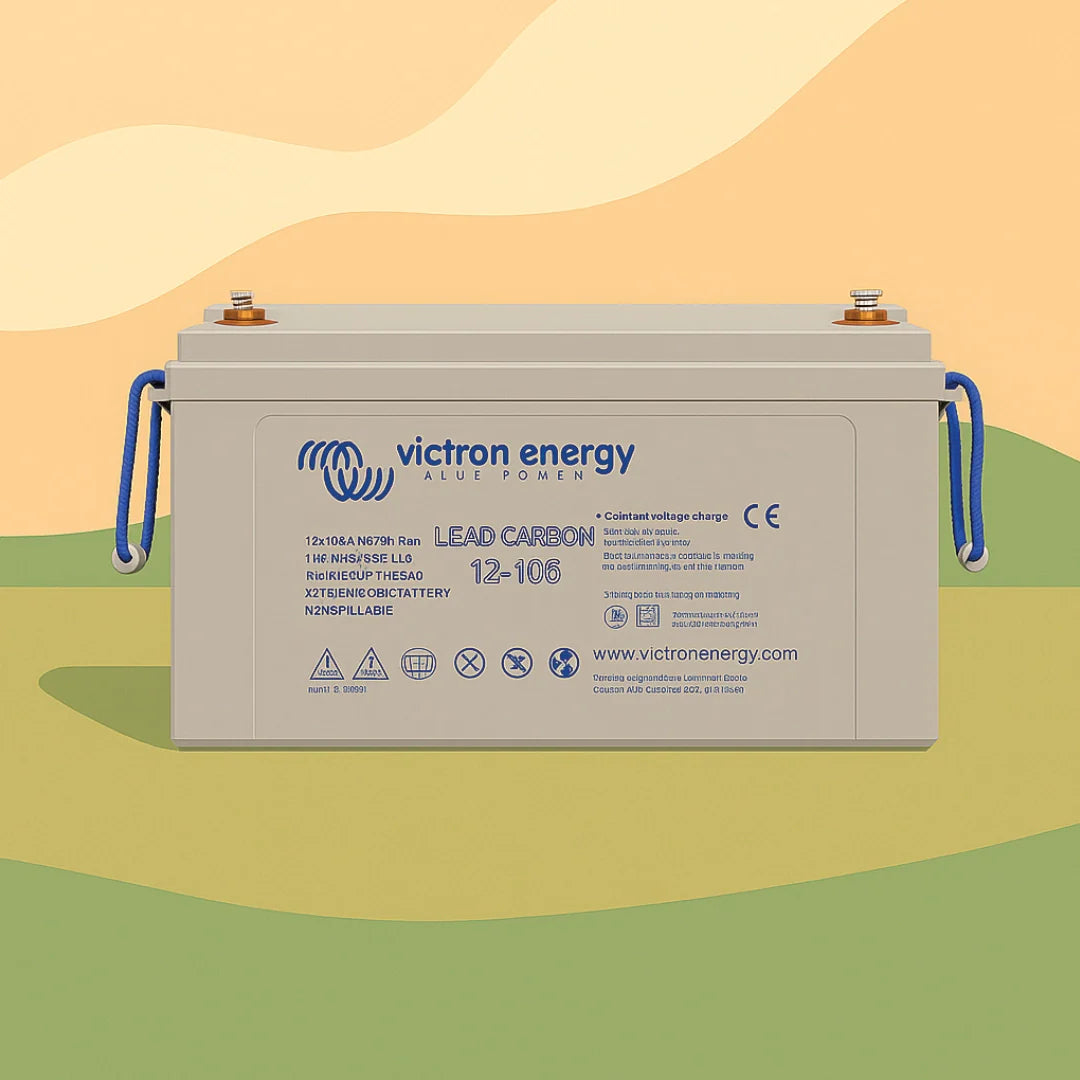
The core difference between fixed and expandable systems comes down to battery chemistry and system architecture. Lead-acid batteries are sensitive to mixing, heavy, and inefficient. LiFePO4 batteries, by contrast, have a flat discharge curve, excellent cycle life, and are purpose-built for modular use. Understanding the different lithium battery types helps you choose a base chemistry that supports future expansion from the start.
Here are the most common expansion approaches available to UK buyers:
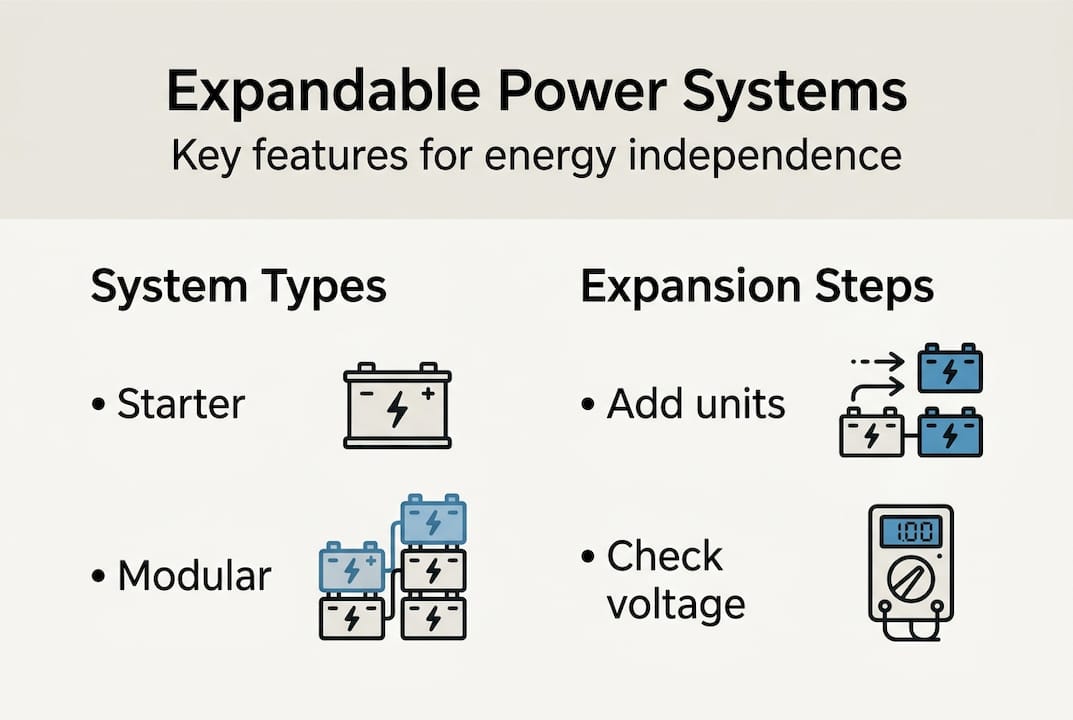
- Entry-level starter kits: A single 100Ah LiFePO4 battery with a basic BMS, suitable for weekend use
- Mid-range expandable banks: Two to four batteries in parallel, giving 200 to 400Ah and enough for extended off-grid trips
- Power station ecosystems: Brands like EcoFlow and Bluetti offer base units with proprietary expansion battery ports
- Custom modular builds: Victron or LithiumPro-based setups with busbars, smart BMS, and full Bluetooth monitoring
- Home-scale storage: Systems scaling to 10kWh and beyond, suitable for residential backup or full off-grid living
The table below compares typical system sizes and use cases:
| System size | Typical capacity | Best suited for |
|---|---|---|
| Starter | 100Ah / 1.3kWh | Weekend campervan use |
| Mid-range | 200 to 400Ah / 2.5 to 5kWh | Extended touring or liveaboards |
| Large modular | 400Ah+ / 5 to 10kWh | Full-time off-grid or home backup |
| Power station | 2 to 4kWh with expansion port | Portable use, home backup, overlanding |
For those exploring portable station options, all-in-one units with expansion ports offer a plug-and-play route without requiring wiring knowledge.
How expandable modular battery systems work
Expansion is not simply a matter of plugging in another battery and hoping for the best. There are specific electrical requirements that determine whether a parallel expansion is safe and balanced.
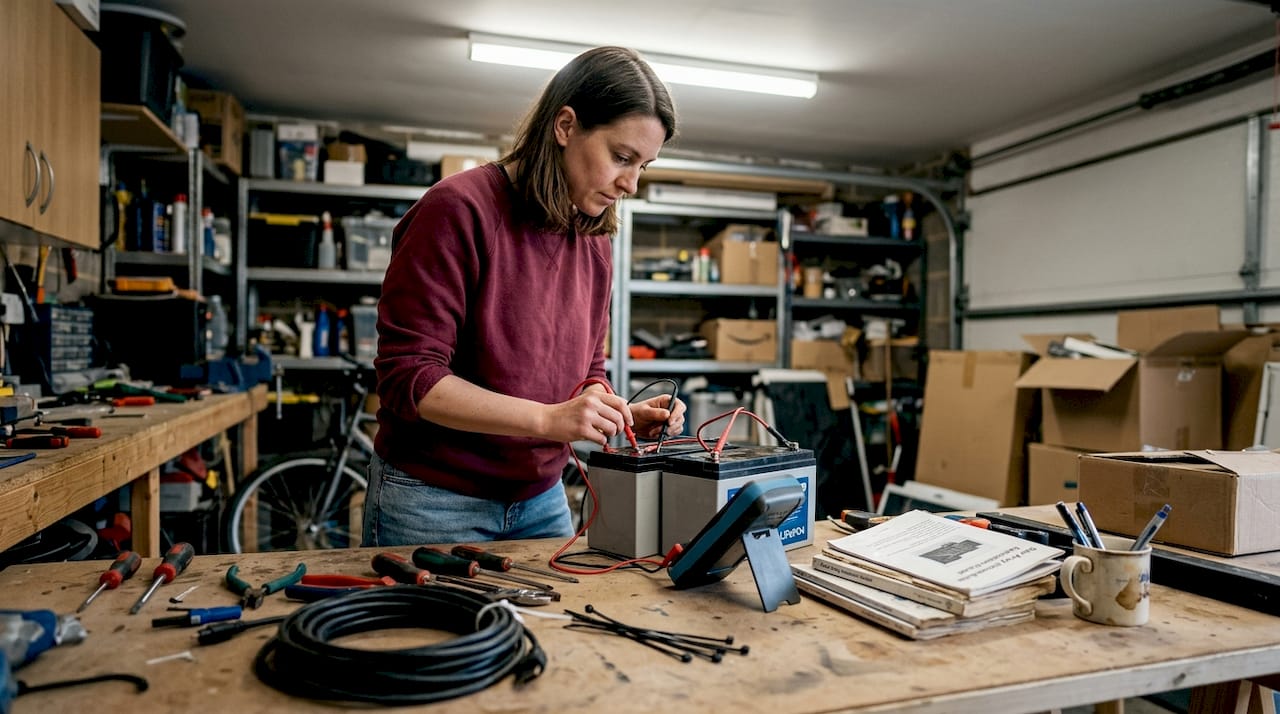
Batteries connect in parallel using busbars for three or more units, or diagonally for two; power stations use proprietary ports and cables. The diagonal connection method for two batteries ensures that current draw is distributed evenly across both units, preventing one battery from doing the bulk of the work.
For custom modular setups, the process generally follows these steps:
- Match your batteries: Same brand, model, age, and state of charge before connecting
- Use a busbar: For three or more batteries, a positive and negative busbar distributes load evenly
- Use equal cable lengths: This is critical. Unequal cable lengths cause resistance differences and uneven current sharing
- Check BMS compatibility: Each battery’s BMS must be able to communicate or at minimum tolerate parallel operation
- Fuse each battery individually: Every parallel connection requires its own inline fuse at the battery terminal
- Monitor after connection: Use a shunt or Bluetooth BMS to verify balanced charging and discharge
For more detail on setting up expandable lithium systems in campervans, including wiring diagrams and component selection, the full setup guide covers each stage practically.
The role of battery management explained in depth, but in short: a BMS handles cell balancing, overvoltage and undervoltage protection, temperature cutoffs, and in advanced units, inter-battery communication. Without a functioning BMS in each unit, parallel expansion becomes a safety risk.
Pro Tip: When adding a second battery in parallel, charge both to exactly the same voltage before connecting. A difference of even 0.2V can cause a high inrush current that trips BMS protections or damages cells.
For parallel battery setups with LiFePO4 chemistry, the connection method and cable routing matter as much as the battery spec itself.
Charging, efficiency, and cycle life
One of the strongest selling points of expandable LiFePO4 systems is how efficiently they charge and how long they last. These are not abstract specs. They translate directly into how much you spend over several years of use.
Modern expandable systems support multiple charging inputs simultaneously:
- Solar via MPPT controller: The most common source for off-grid and touring use, ideal for top solar battery systems in campervans
- AC mains charger: For shore power connections at campsites or at home
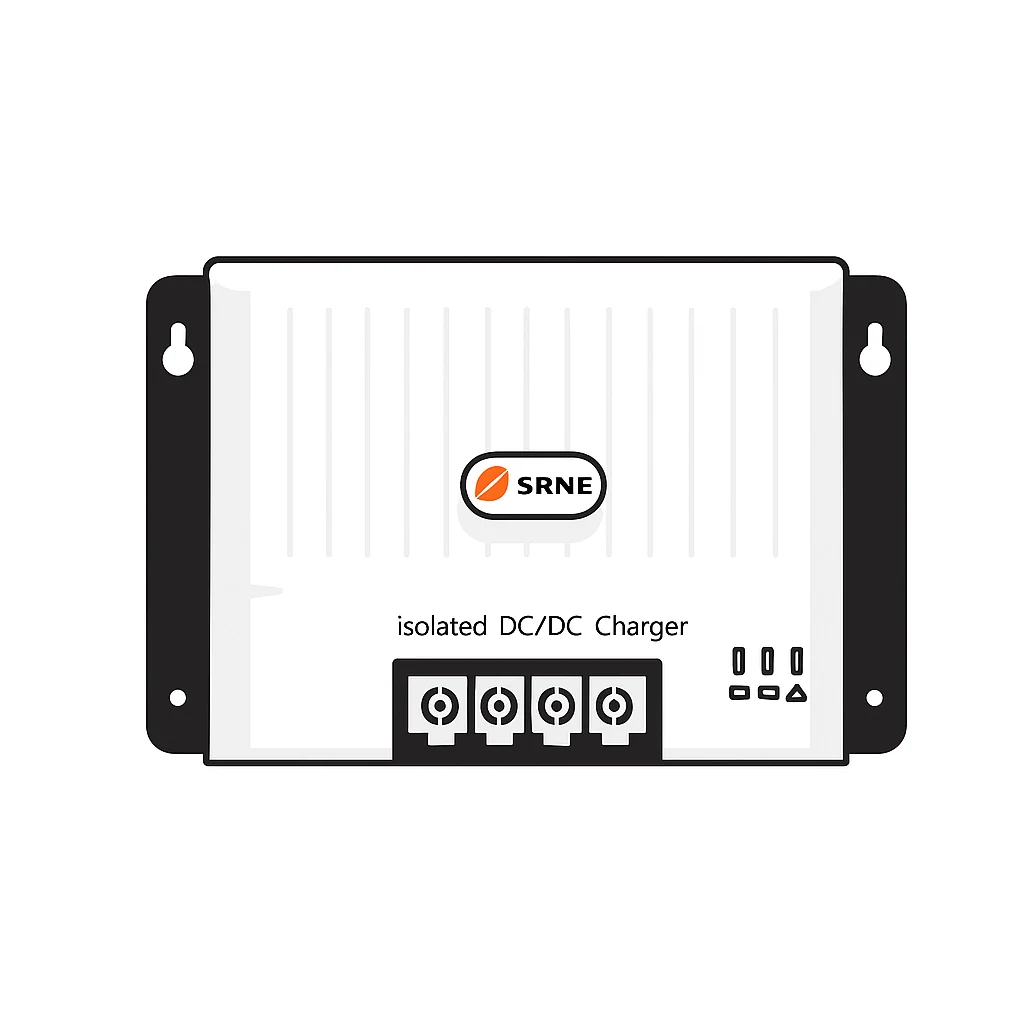
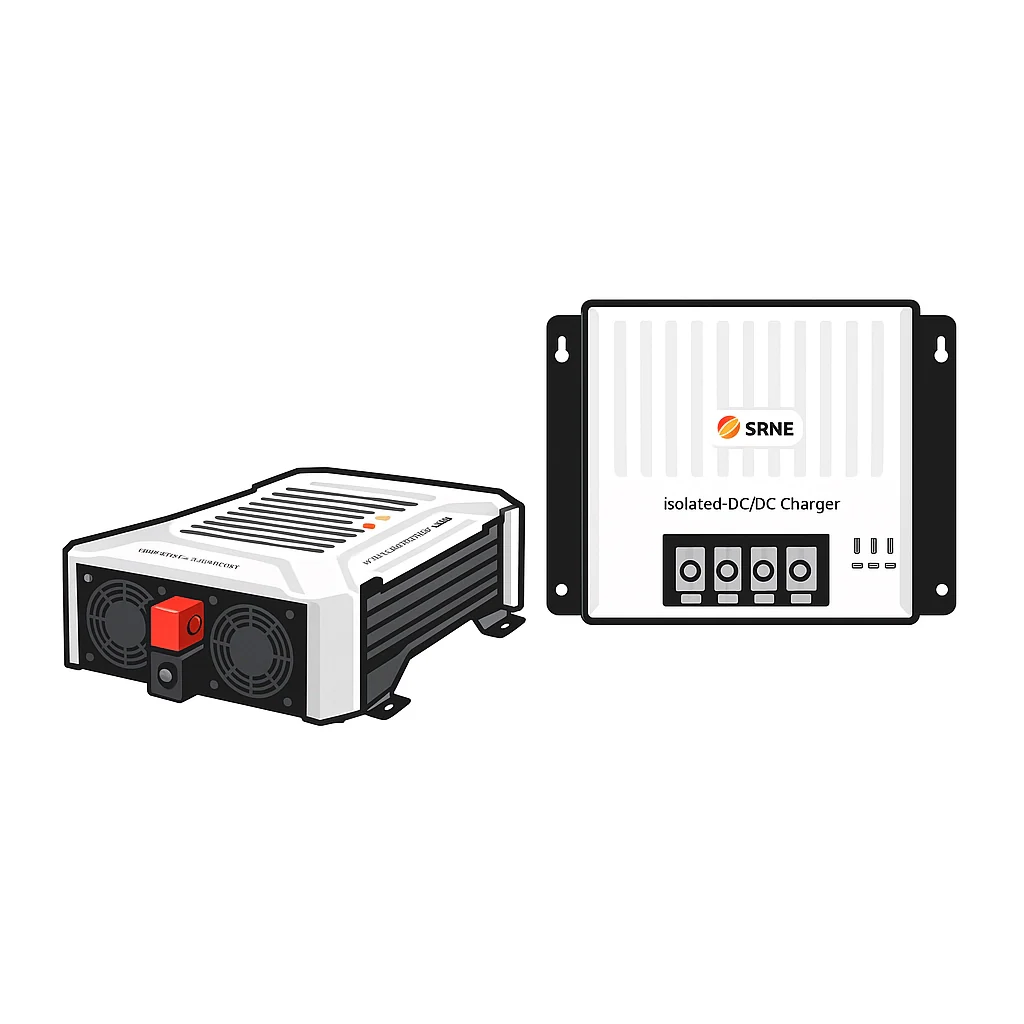
- DC to DC charger: Charges from the vehicle alternator while driving, without damaging the starter battery
- Expansion pack tap: On units like the Bluetti AC200MAX, expansion batteries charge from and discharge into the main unit automatically
LiFePO4 systems achieve 95 to 98% efficiency with 3000 to 8000 cycles at 80% depth of discharge. Compare that with lead-acid, which typically delivers 50 to 80% usable capacity and 300 to 500 cycles. The practical implication: a quality LiFePO4 bank could last 10 or more years with daily use.
| Metric | LiFePO4 | Lead-acid |
|---|---|---|
| Usable capacity | 80 to 100% | 50% |
| Cycle life | 3000 to 8000 | 300 to 500 |
| Round-trip efficiency | 95 to 98% | 70 to 85% |
| Cold weather tolerance | Moderate | Poor |
| Weight per kWh | Lower | Higher |
The Bluetti AC200MAX efficiency is rated at approximately 92% system-wide, which accounts for inverter losses. Raw cell efficiency in LiFePO4 is higher, but total system efficiency depends on inverter quality and load type.
In UK winter conditions, solar input drops significantly. Shorter daylight hours and frequent cloud cover mean you may generate only 20 to 40% of summer solar yield. A well-designed expandable system compensates by integrating alternator charging for touring days and mains charging when on a pitch. Larger capacity banks also buffer more energy from good days to cover poor ones.
Challenges, limits, and advanced tips
Expandable systems are not without their complications. Understanding the common failure points helps you avoid expensive mistakes.
The most frequent error is mixing batteries of different ages, brands, or charge states in a parallel bank. Matching batteries in age, type, and SOC is essential to avoid imbalance; wider state-of-charge windows increase irreversible expansion in LFP cells, and cold temperatures significantly affect charging performance. This is especially relevant in the UK, where temperatures regularly drop below 5°C in winter months.
Here are the most common issues and how to address them:
- Mismatched SOC on connection: Causes surge current, trips BMS, risks cell stress. Always balance before connecting.
- Unequal cable lengths: Even a 10cm difference in cable run creates resistance asymmetry. Use identical gauge and identical length cables.
- No individual fusing: Every battery in a parallel bank needs its own fuse. A short on one unit without a fuse can drain or damage the others.
- BMS incompatibility: Some BMS units from different manufacturers conflict when paralleled. Use matched batteries or a shared BMS architecture.
- Assuming ‘plug and play’ means zero config: Even proprietary expansion systems like EcoFlow’s require firmware updates and compatibility checks between generations.
The assumption that any two LiFePO4 batteries of the same voltage can simply be paralleled is one of the most persistent and costly misunderstandings in DIY van builds.
For a thorough battery safety breakdown covering protection circuits, fusing, and safe cabling practices, including a safe lithium battery install walkthrough, both guides are worth reviewing before any parallel expansion.
For those who prefer a visual reference, this
Pro Tip: Before expanding your bank, use a multimeter to confirm each battery is within 0.05V of the others. This is the safest threshold for parallel connection without risking BMS trips.
Choosing the right expandable system for your needs
With practical knowledge in hand, the next decision is which system type fits your actual situation. There are two broad categories: plug-and-play power stations and custom modular builds.
Key advantages of each approach:
- Power stations (EcoFlow, Bluetti): Simple to set up, no wiring required, expandable via dedicated ports, suitable for home backup and casual camping. Portable systems are easier to deploy but tend to be heavier and less customisable than modular builds, whereas custom Victron or LithiumPro setups are lighter per kWh and integrate better with vehicle electrics, but require wiring experience.
- Modular builds (Victron, LithiumPro): More weight-efficient, better suited to 12V or 24V vehicle systems, fully Victron-compatible with MPPT controllers and DC to DC chargers, scalable to large capacities with superior monitoring via Victron GX devices.
For UK use cases, consider the following:
- Occasional weekender: A 100 to 200Ah starter kit or a Bluetti AC200MAX with expansion battery is sufficient and straightforward
- Full-time touring or liveaboard: A custom modular 24V system with 300 to 400Ah, MPPT solar, and alternator charging gives the best range and reliability
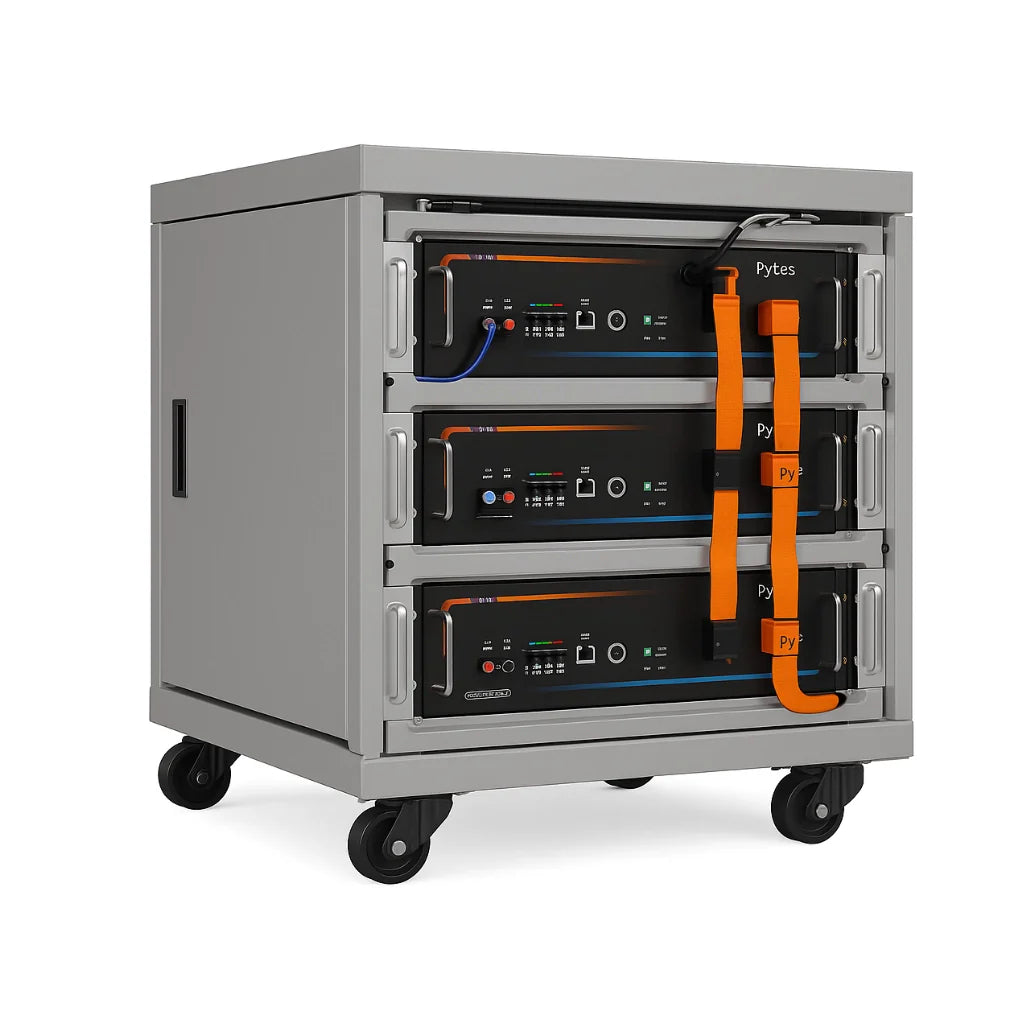
- Home battery backup: Larger proprietary systems or Pytes-style rack batteries offer the cleanest solution with minimal DIY
- Winter use: Prioritise batteries with heated cell options or BMS low-temperature protection; alternator and mains charging become more important than solar
The long-term cost case for LiFePO4 over lead-acid is strong. The lithium battery benefits in terms of cycle life, weight, and usable capacity mean a higher upfront cost is typically recovered within three to four years of regular use. For a broader portable system comparison across brands, independent reviews can help narrow down models by budget and use case.
Pro Tip: If you’re unsure whether to go portable or modular, start with a portable system for a season. The hands-on experience of managing real energy use will make your next decision much more informed.
Why expandable power systems are the future for UK leisure and off-grid adventures
The old approach to leisure vehicle power was simple: calculate your maximum expected load, build a battery bank 20% bigger than that, and never touch it again. The problem is that nobody’s energy use stays the same. Trips get longer, technology changes, and what worked for a weekend van starts to fall short for a full-time travelling setup.
Modularity resolves this by separating the question of “what do I need now” from “what might I need later.” You only pay for present capacity while keeping future expansion as an option. The role of lithium batteries in enabling this shift is significant. Without LiFePO4 chemistry’s tolerance for parallel operation and its flat discharge characteristics, modular expansion at the leisure vehicle scale would not be practical.
The next development will likely be smarter BMS networks that communicate across battery units automatically, adjusting balancing and load sharing in real time. As smart grid technology filters into leisure and residential storage, expandable systems will become easier to manage and more tightly integrated with solar generation data.
For anyone serious about energy independence, the modular approach is not just a feature. It is the architecture that makes independence sustainable.
Explore modular power: start your system with Skyenergi
If you’re ready to build or expand an off-grid or leisure vehicle power system, Skyenergi supplies Victron-compatible lithium batteries, MPPT controllers, DC to DC chargers, and complete solar and battery bundles designed for UK campervans, motorhomes, and home setups.
Our range includes Victron solar and expansion kits that pair solar panels with smart MPPT charge controllers and compatible battery options. For those wanting a more complete solution, full solar electrics packages include inverter chargers, battery-to-battery chargers, and system monitoring in a single bundle. Explore the full range on the Skyenergi website and build a system that grows with you.
Frequently asked questions
Can you mix different battery brands or ages in an expandable system?
It’s strongly recommended to use identical batteries in age, type, and state of charge. Mismatched batteries cause cell imbalance that can accelerate degradation and create safety risks across the whole bank.
Is expandable lithium safer than traditional lead-acid systems?
Yes. Modern LiFePO4 batteries with a built-in BMS are significantly safer than lead-acid equivalents. They also offer longer lifespan and better efficiency across thousands of cycles.
How does UK winter affect expandable power systems?
Cold temperatures limit both solar generation and battery charging rates. In winter, alternator or mains charging becomes the primary input, and batteries with low-temperature protection or heated cells are advisable for reliable performance.
What is the typical lifespan of expandable lithium batteries?
Quality LiFePO4 cells deliver 3000 to 8000 cycles at 80% depth of discharge, which translates to many years of daily use before any significant capacity loss.
Recommended
- Expandable Energy Storage Systems: Off-Grid Power Made Simple – Skyenergi
- Expandable motorhome energy: modular power for off-grid UK travel – Skyenergi
- Achieve energy independence for motorhomes in 2026 – Skyenergi
- Lithium battery trends 2026: UK energy independence – Skyenergi
- Electric vehicle repair trends: Stay ahead in 2026
Prev post

Deep cycle batteries: reliable energy for leisure vehicles
Updated on 25 April 2026
Next post

Troubleshoot lithium leisure battery systems: 6 key steps
Updated on 23 April 2026


