


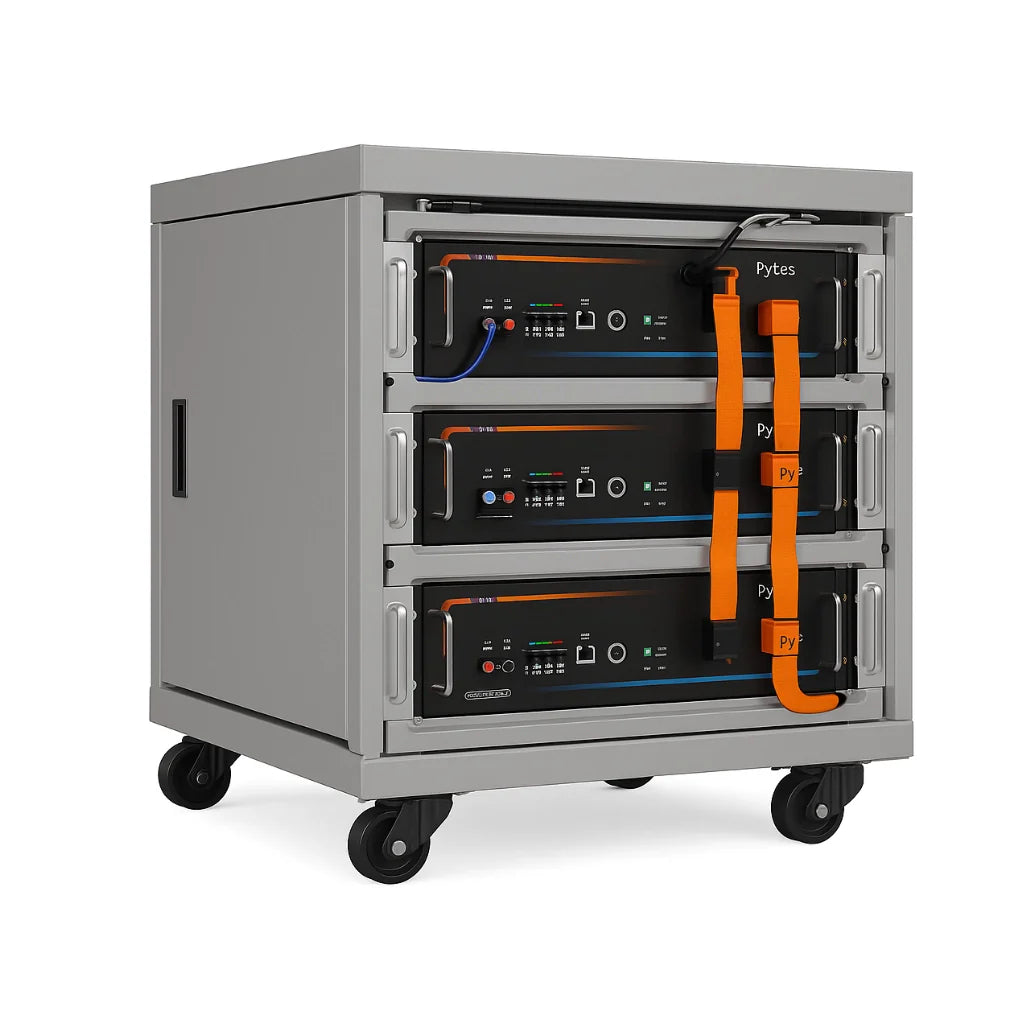



Deep cycle batteries: reliable energy for leisure vehicles
Learn how deep cycle batteries power campervans, motorhomes, and boats. Compare AGM, gel, and lithium options to choose the best battery for off-grid use.
TL;DR:
- Deep cycle batteries deliver sustained power suitable for off-grid applications and feature thicker internal plates.
- Lithium batteries have a much longer cycle life and higher usable DoD than lead-acid options.
- Proper system design, installation, and charging are crucial for battery performance and longevity.
Not all batteries are created equal. If you have ever plugged in a kettle in your campervan and watched the voltage drop alarmingly, you will understand why the type of battery matters enormously. Deep cycle batteries are specifically engineered to deliver sustained power over long periods, making them the backbone of any serious off-grid setup. This article covers what deep cycle batteries are, the main types available, how their performance compares, and how to choose the right one for your campervan, motorhome, or boat.
Table of Contents
- What makes a deep cycle battery unique?
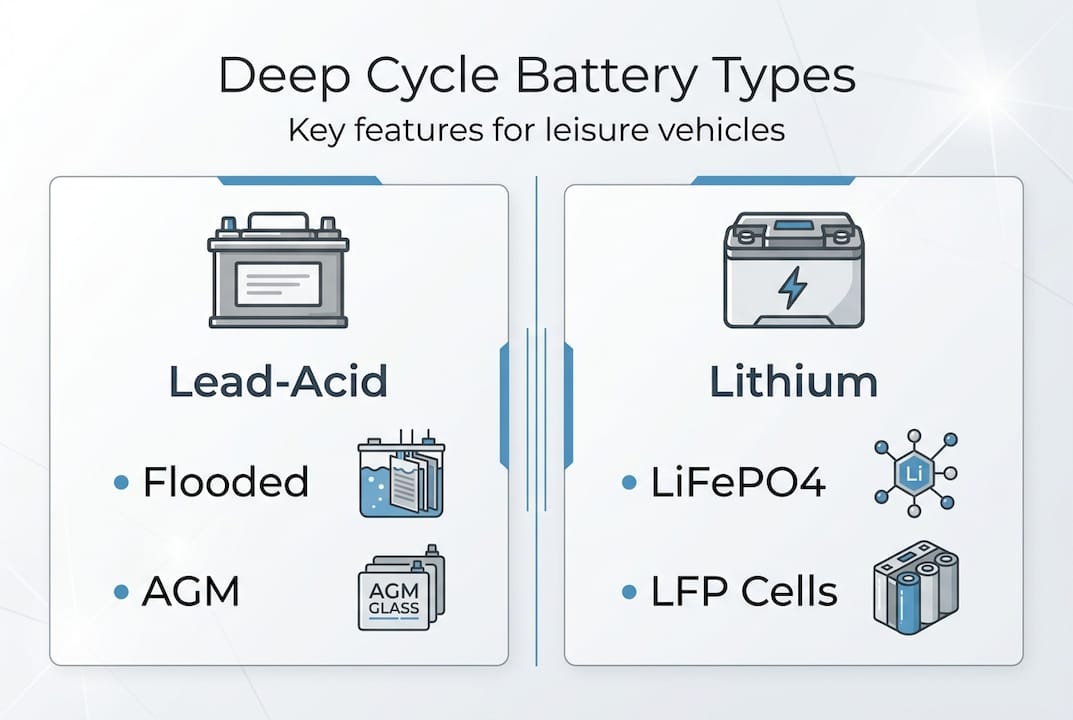
- Types of deep cycle batteries for leisure vehicles
- Performance and cycle life: How long do deep cycle batteries last?
- Practical applications: Powering campervans, motorhomes, and boats
- What most guides don’t tell you about deep cycle batteries
- Find your ideal deep cycle battery system
- Frequently asked questions
Key Takeaways
| Point | Details |
|---|---|
| Deep cycle batteries power longer off-grid trips | Deep cycle batteries are designed for repeated discharges, enabling leisure vehicles to run appliances off-grid for extended periods. |
| Lithium outlasts AGM by fourfold | Lithium batteries can deliver thousands more cycles and save weight compared to AGM, making them the best choice for frequent travellers. |
| Choose battery type based on your usage | Pick AGM for affordable, moderate energy demands or lithium for maximum longevity and performance in campervans and boats. |
| Proper charging extends battery life | Using compatible chargers and avoiding over-discharge are proven methods to maximise any deep cycle battery’s service life. |
| Pair batteries with solar for true independence | Combining deep cycle batteries with solar systems ensures reliable power for leisure vehicles without relying on external sources. |
What makes a deep cycle battery unique?
Most people assume a battery is a battery. That assumption can be costly. A standard car battery is built to deliver a short, sharp burst of current to start an engine. Once the engine runs, the alternator takes over. Deep cycle batteries work completely differently.
A deep cycle battery is a lead-acid battery designed for repeated deep discharges up to 50-80% DoD and recharges, providing sustained power over extended periods, unlike starting batteries optimised for short high-current bursts. DoD stands for Depth of Discharge, meaning the percentage of capacity you use before recharging. The higher the usable DoD, the more energy you can actually access.
The key to this capability lies in the internal construction. Deep cycle batteries feature thicker lead plates doped with antimony for durability during deep cycling, converting electrical energy to chemical and back reversibly in secondary cells. Thicker plates withstand the stress of repeated charge and discharge cycles without degrading quickly.
Here is what sets deep cycle batteries apart from starting batteries:
- Thicker internal plates for sustained discharge tolerance
- Higher DoD rating (50-80% usable capacity vs 10-20% for starter batteries)
- Slower discharge rates suited to powering appliances over hours
- Greater cycle count before significant capacity loss occurs
- Antimony or calcium plate doping for improved durability
Understanding familiar solar battery terms such as capacity (Ah), DoD, and cycle life will help you make a more informed purchase decision.
“A deep cycle battery can deliver consistent power to run lighting, fridges, and devices for hours at a time. A starter battery, used the same way, would fail within days.”
Pro Tip: Never regularly discharge any deep cycle battery below its rated DoD limit. For AGM batteries, staying above 50% remaining capacity meaningfully extends service life.
Types of deep cycle batteries for leisure vehicles
With a solid understanding of deep cycle batteries, let us look at the options available for leisure vehicles. Four main chemistries dominate the market, each with distinct trade-offs.
| Battery type | Typical cycle life | Usable DoD | Weight | Best suited for |
|---|---|---|---|---|
| Flooded lead-acid | 200-500 cycles | 50% | Heavy | Budget static setups |
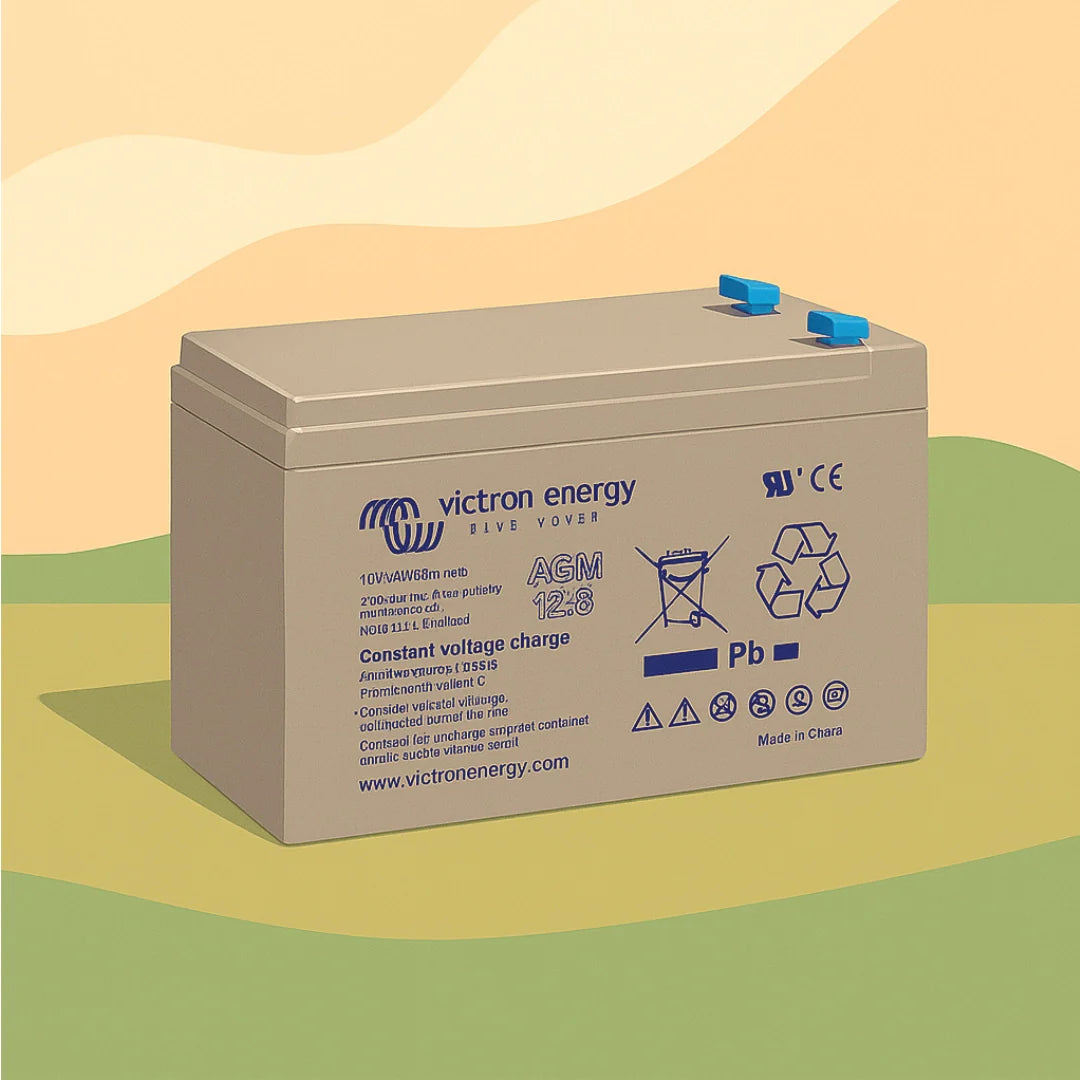
| AGM | 300-600 cycles | 50% | Heavy | Campervans, motorhomes |
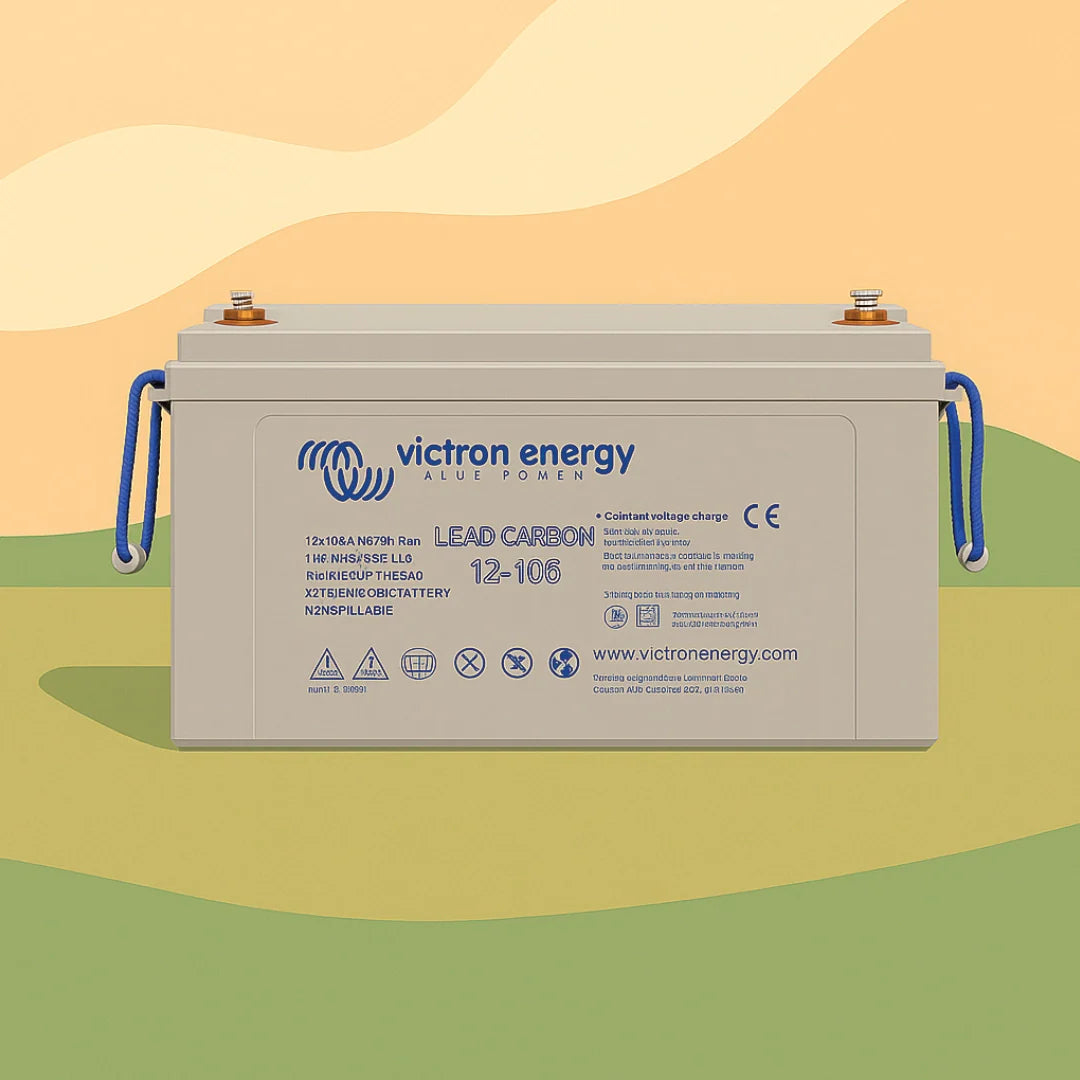
| Gel | 500-1000 cycles | 50-60% | Heavy | Marine, static use |
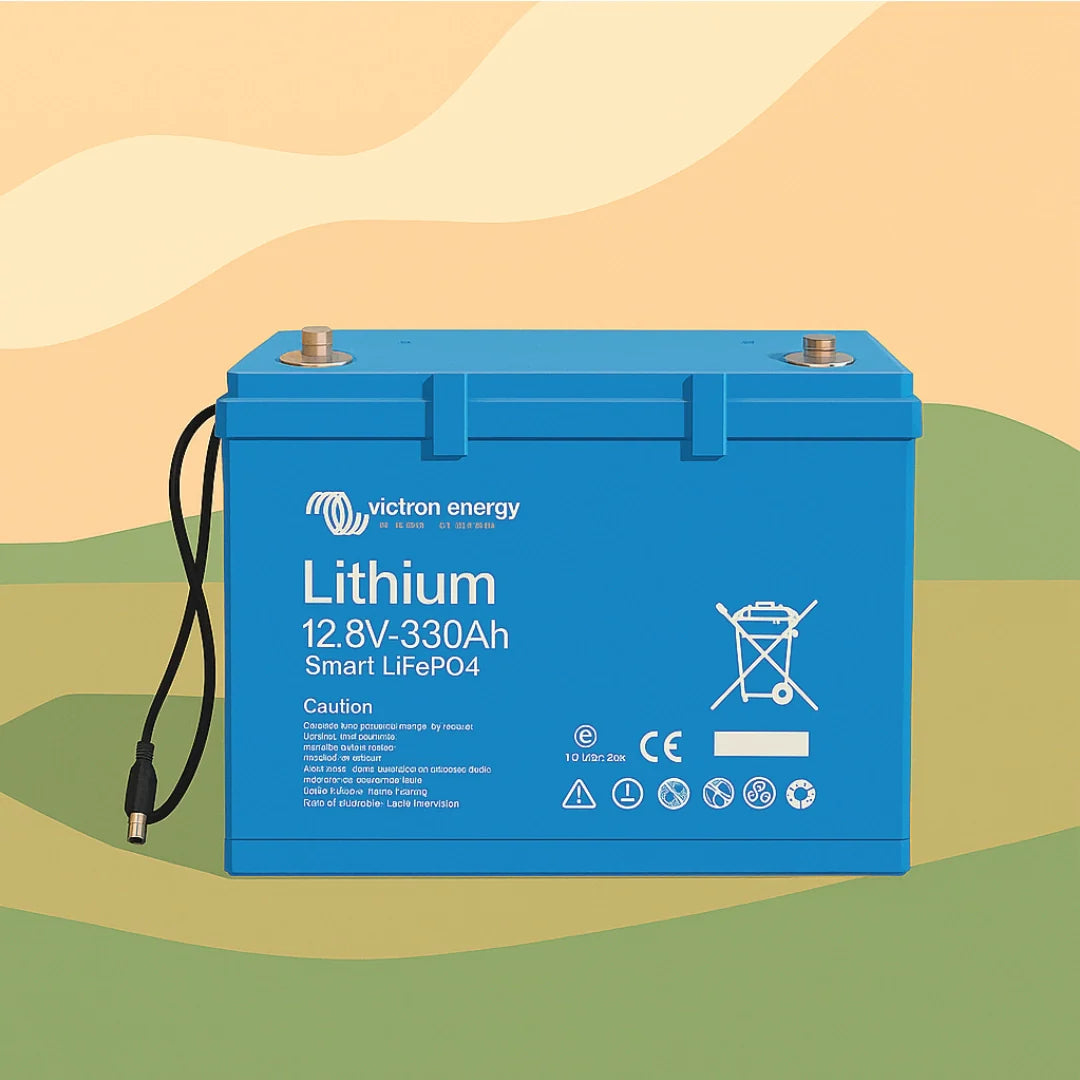
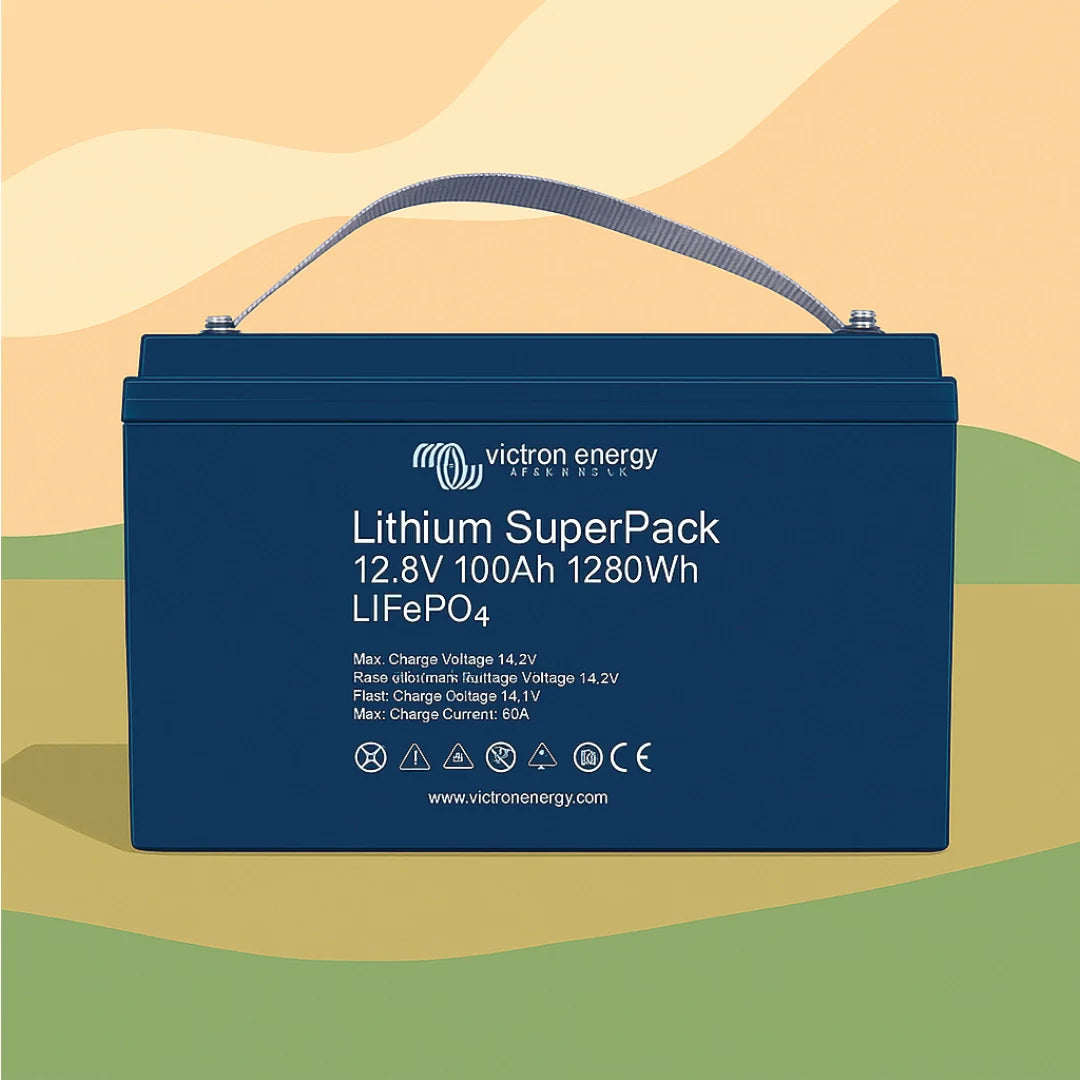
| Lithium (LiFePO4) | 2000-6000+ cycles | 80-90% | Light | All leisure applications |
For leisure vehicles, AGM is popular for campervans and motorhomes delivering 300-600 cycles at 50% DoD, while lithium is preferred for weight savings and longevity offering 2000-6000+ cycles at 80% DoD.
Here is a simple step-by-step guide to choosing the right type:
- Define your budget. Lithium costs more upfront but saves money long-term through cycle life.
- Calculate your daily energy use. Add up the wattage of all appliances and how many hours you run them.
- Consider your space and weight limits. Lithium is significantly lighter for the same capacity.
- Check charging compatibility. Lithium requires a compatible charger and ideally a BMS.
- Assess your discharge pattern. Frequent, deep discharges favour lithium. Occasional use may suit AGM.
Explore the key lithium battery features that make LiFePO4 particularly well-suited to leisure vehicles, or read a direct lithium vs lead acid comparison for a cost-focused breakdown. If you prefer a sealed, low-maintenance option for marine or static use, a gel battery option from Victron Energy is worth considering.
Performance and cycle life: How long do deep cycle batteries last?
Once you know your battery options, understanding performance and longevity helps you plan your energy needs properly. Cycle life is the single most useful metric when comparing battery value.

| Battery chemistry | Cycle life | DoD rating | Approx. lifespan |
|---|---|---|---|
| Flooded lead-acid | 200-500 | 50% | 2-4 years |
| AGM | 300-1200 | 50% | 3-6 years |
| Gel | 500-1000 | 60% | 4-7 years |
| LiFePO4 lithium | 4000-6000+ | 80-90% | 10-15 years |
Key benchmark: Lead-acid/AGM batteries deliver 300-1200 cycles at 50% DoD, while lithium achieves 4000-6000+ cycles at 80-90% DoD. In real-world testing, LiFePO4 retained 95% capacity after 525 cycles at 90% DoD, which is a remarkable result.
These figures translate directly into pounds spent over time. A lithium battery costing three times an AGM equivalent but lasting five to eight times longer is almost always the better financial decision over a multi-year ownership period.
Factors that affect real-world battery life include:
- Temperature: Cold UK winters reduce effective capacity temporarily; extreme heat causes permanent degradation
- Charge method: Using the wrong charger profile accelerates plate damage in AGM and gel batteries
- Consistent over-discharge: Regularly exceeding rated DoD shortens cycle count sharply
- Storage state: Storing a lead-acid battery partially discharged causes sulphation damage
Read about lithium battery benefits for a detailed look at why LiFePO4 chemistry outperforms alternatives over time. If you experience capacity loss or irregular behaviour, battery troubleshooting guidance can help identify whether the issue is the battery, the charger, or the system design.
Practical applications: Powering campervans, motorhomes, and boats
With performance benchmarks in hand, it is worth looking at how deep cycle batteries perform in real leisure vehicle scenarios. The theory only matters if it works on the road or water.
Typical loads in a campervan or motorhome include:
- 12V compressor fridge: 40-60Ah per day depending on ambient temperature
- LED lighting: 5-15Ah per day for a full evening
- Phone and device charging: 5-10Ah per day
- Diesel heater fan: 5-15Ah per day depending on model
- Laptop or inverter use: 20-60Ah per day depending on load
A typical weekend setup might require 100-150Ah of usable battery capacity. With an AGM battery at 50% DoD, you would need a 200-300Ah bank. With lithium at 80% DoD, a 150Ah battery covers the same load with less weight and less space.
AGM is popular for campervans and motorhomes delivering 300-600 cycles at 50% DoD, while lithium suits those prioritising weight savings and longevity with 2000-6000+ cycles at 80% DoD.
For marine use, vibration resistance and sealed construction matter as much as cycle life. AGM and lithium both perform well in this environment. Flooded batteries are generally unsuitable for enclosed boat compartments due to off-gassing.
For larger off-grid builds, pairing batteries with portable power stations and solar charging can create a fully autonomous energy system. A proper battery management system adds real-time monitoring and protection against over-discharge, overcharge, and cell imbalance.
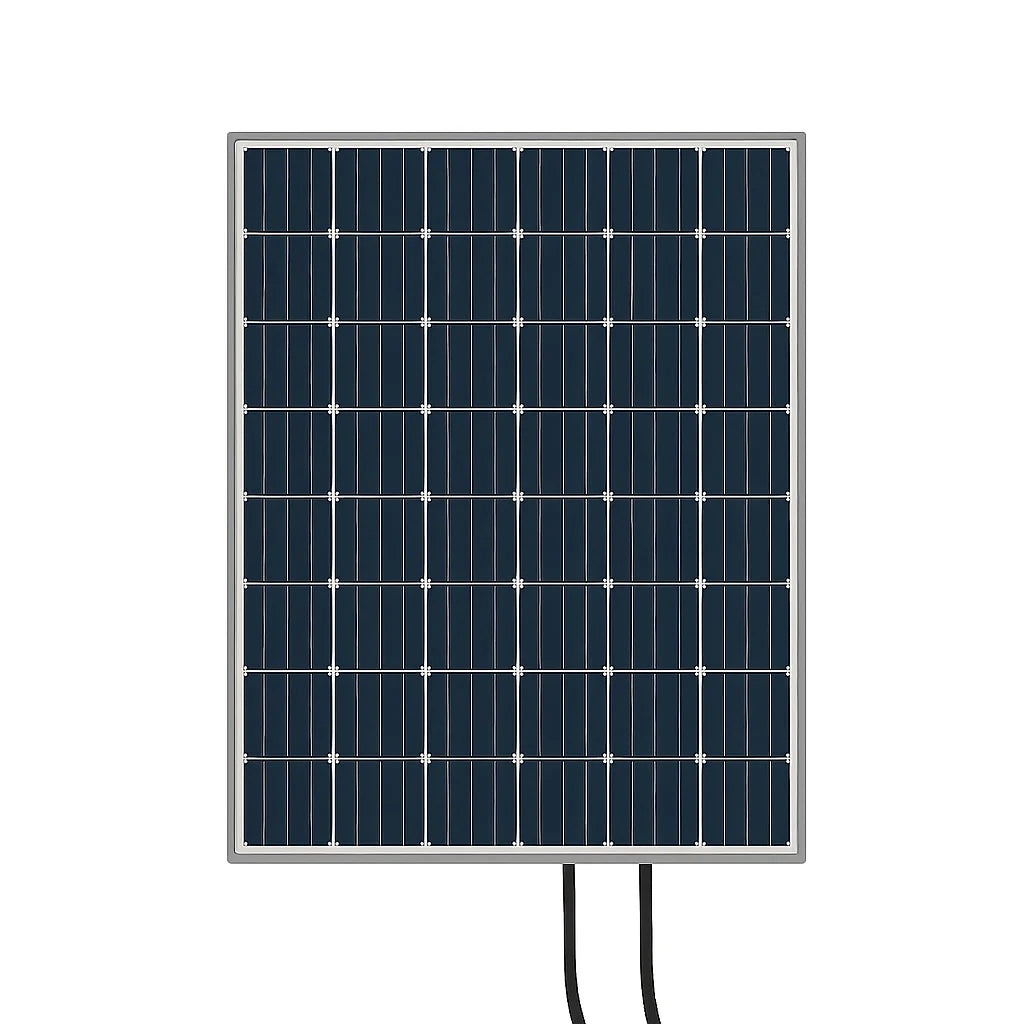
Pro Tip: Pair your deep cycle battery bank with a solar panel array and MPPT controller. Even a modest 200W panel can replenish 80-100Ah on a clear UK summer day, significantly extending your off-grid capability without running an engine or generator.
What most guides don’t tell you about deep cycle batteries
Most articles focus on chemistry comparisons and cycle life tables. That information is useful. But the decisions that actually determine whether your battery system works well over years are rarely discussed.
Buyers consistently underestimate the role of installation quality and charging accuracy. A premium lithium battery paired with a cheap, incompatible charger will underperform and age prematurely. The battery is only as good as the system around it. Similarly, battery performance varies considerably by ambient temperature, usage frequency, and discharge depth in practice versus design specification.
The lithium vs lead acid conversation is often framed purely around upfront price. The smarter question is total cost per cycle over your ownership period. By that measure, lithium wins in the vast majority of leisure vehicle use cases, even for moderate users.
When evaluating any battery, ask three questions: What is the warranted cycle count at your intended DoD? Does the system include a quality BMS with Bluetooth monitoring? And what charging profile does the manufacturer specify? These three answers will tell you more than any specification sheet headline.
Find your ideal deep cycle battery system
Skyenergi supplies a range of deep cycle battery systems built specifically for campervans, motorhomes, and marine use. Whether you are starting from scratch or upgrading an existing setup, there are solutions designed to match your energy requirements and vehicle type.
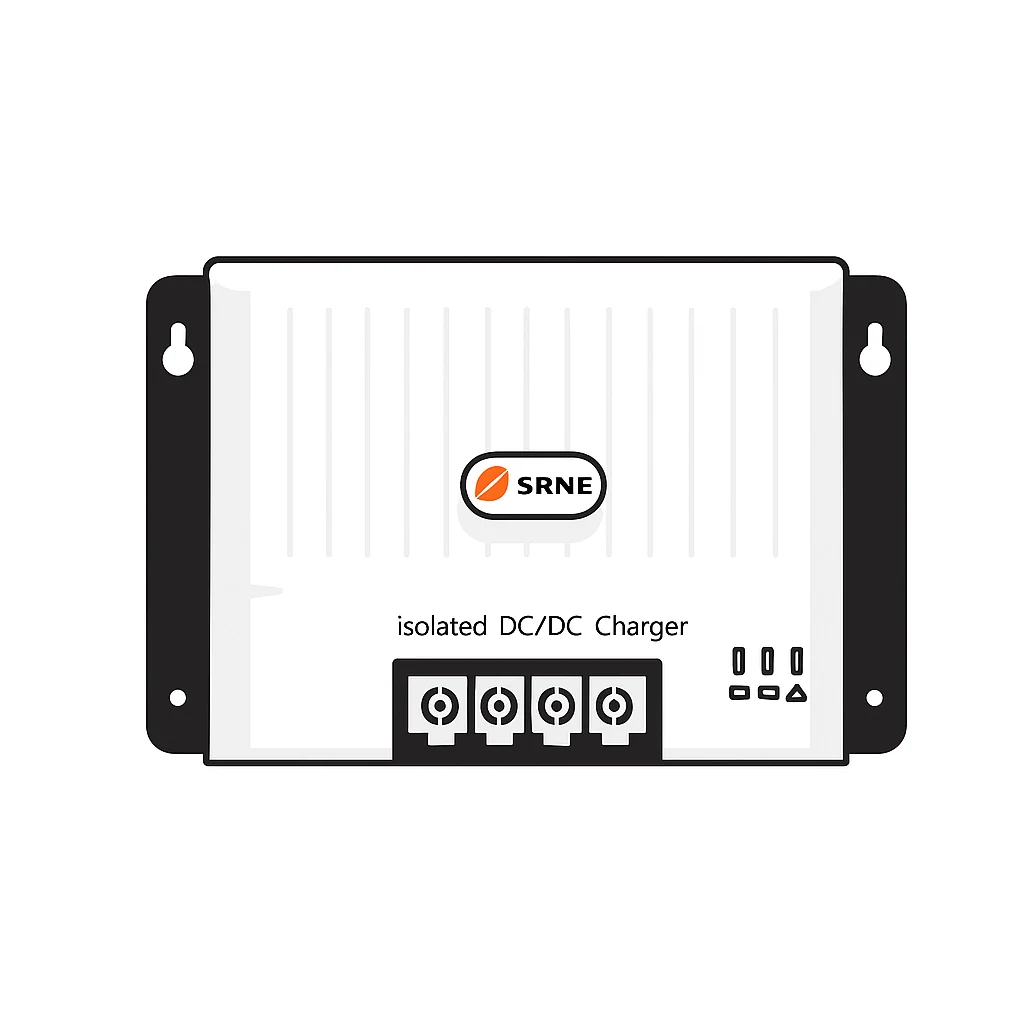
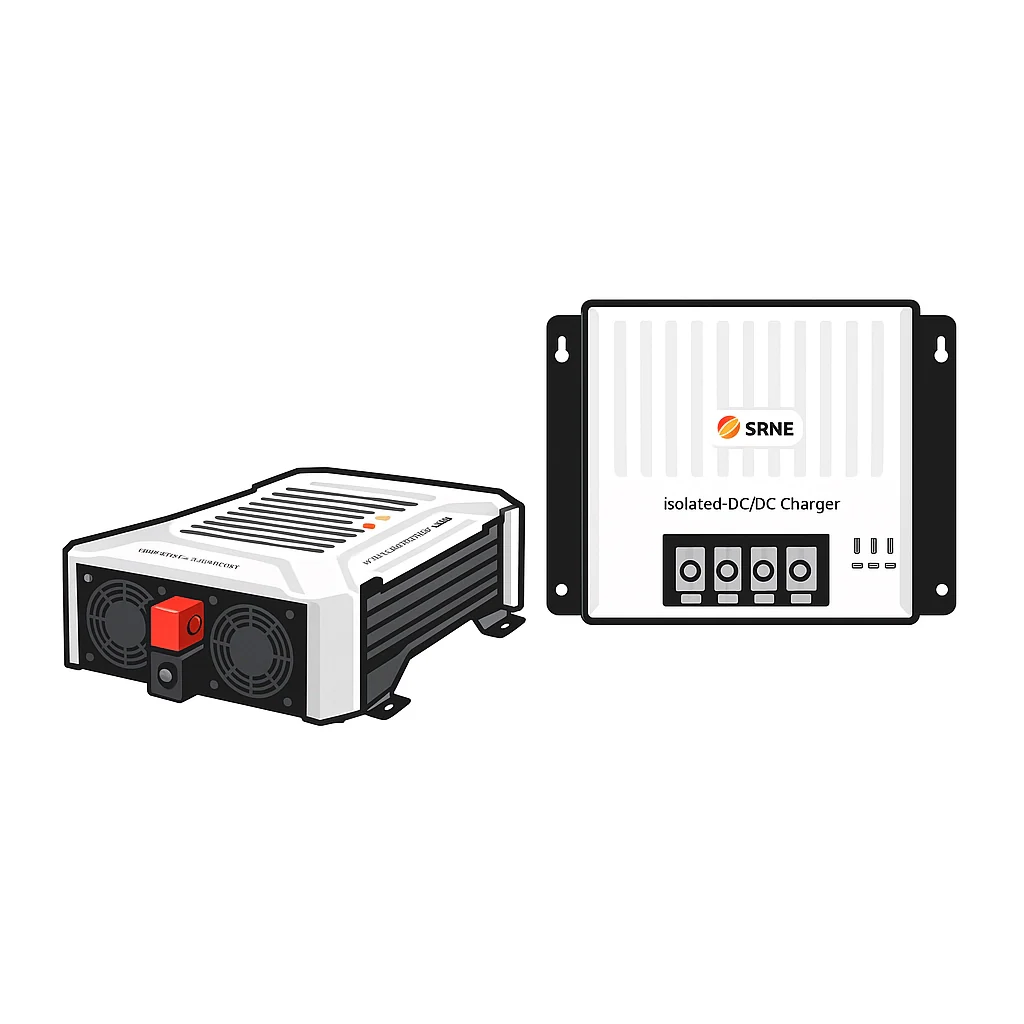
For those building a complete energy system, the solar power system combines a 3kVA inverter charger with a battery-to-battery charger and monitoring in a single turnkey package. If solar charging is the priority, the solar panel kit from Victron delivers 610 watts with a Smart MPPT controller, cabling, and mounting hardware. Browse the full range to find the right fit for your setup.
Frequently asked questions
Can I use a standard car battery in my campervan for appliances?
No. Car batteries are not designed for repeated deep discharges and will fail quickly when used to power appliances. Always use a dedicated deep cycle battery for leisure vehicle applications.
How do I choose between AGM and lithium batteries?
Lithium batteries offer longer cycle life and significant weight savings, while AGM batteries are a cost-effective choice for moderate or occasional use. Consider your total budget over several years, not just the purchase price.
How long does a typical deep cycle battery last?
AGM batteries deliver 300-1200 cycles at 50% DoD, while lithium can exceed 4000 cycles at 80-90% DoD. Actual lifespan depends heavily on charge management and how consistently you respect the rated DoD limit.
Do deep cycle batteries need special chargers?
Yes. Each chemistry requires a specific charge profile. Using a standard charger on a lithium battery, or vice versa, risks damage and shortened service life. Always use a charger rated for the battery type installed in your system.
Are deep cycle batteries safe for marine use?
Yes. AGM batteries are well-suited to marine environments due to their sealed, vibration-resistant construction and strong cycle performance. Lithium is also an excellent choice for marine applications where weight reduction is a priority.
Recommended
- Types of Leisure Batteries – Powering Off-Grid Life – Skyenergi
- What is a leisure battery? Your complete campervan guide – Skyenergi
- Examples of leisure battery setups for off-grid UK vehicles – Skyenergi
- Why reliable battery monitoring matters for leisure vehicles – Skyenergi
- Maintain your travel trailer: tips for 2026 performance
Prev post

Van life battery wiring: complete guide for UK campervans
Updated on 26 April 2026
Next post

Expandable power systems: energy independence in 2026
Updated on 24 April 2026


