





Top lithium battery features for reliable off-grid power
Discover the top lithium battery features for off-grid leisure vehicles. Compare capacity, cycle life, BMS, and charging specs to make the right choice.
TL;DR:
- Choose lithium batteries based on capacity, cycle life, BMS, charging speed, and safety certifications.
- High cycle life and proper BMS are essential for safety and long-term durability.
- Match battery features to real usage needs rather than chasing maximum specifications.
Picking the right lithium battery for a campervan, motorhome, or caravan is harder than it looks. Manufacturers market hundreds of models to UK leisure vehicle owners, each claiming superior performance, longer life, or smarter technology. The reality is that features vary significantly, and the wrong choice can leave you underpowered at the worst possible moment. This guide cuts through the noise and focuses on the criteria that genuinely matter: capacity, cycle life, battery management, charging speed, and integration. By the end, you will know exactly what to look for and what to ignore.
Table of Contents
- How to evaluate top lithium battery features
- High-capacity storage and cycle life
- Battery management systems (BMS) and safety
- Fast charging, integration, and future-proofing
- Why ‘headline features’ aren’t always the best choice
- Find the right lithium battery and off-grid system
- Frequently asked questions
Key Takeaways
| Point | Details |
|---|---|
| Prioritise real capacity | Choose batteries with ample usable capacity and cycle life for sustained off-grid reliability. |
| Insist on BMS safety | A quality battery management system is essential for protection and longevity. |
| Check charge integration | Fast charging, future-ready connectivity, and app controls add convenience and value. |
| Avoid feature overload | Focus on the features you’ll use—not just the highest numbers or flashy extras. |
How to evaluate top lithium battery features
Not all lithium batteries are built for the same job. A battery designed for industrial storage behaves very differently from one engineered for a 2026 leisure vehicle setup. Before comparing models, it helps to define a clear set of selection criteria so you are comparing like for like.
Lithium battery advantages over traditional alternatives are well documented. Lithium batteries provide more usable capacity and better long-term performance compared to lead acid alternatives. That said, not every lithium battery is equal. Understanding the pros and cons of lithium batteries helps narrow the field before you spend a penny.
Here are the core criteria to assess:
- Capacity (usable kWh or Ah): The real-world energy available after accounting for depth of discharge (DoD)
- Cycle life: How many charge and discharge cycles before capacity degrades significantly
- Built-in Battery Management System (BMS): Essential for safety and longevity
- Fast charging compatibility: Measured by C-rate; higher means faster recharge
- Safety certifications: Third-party testing such as UN38.3 or IEC 62619
- Weight and physical size: Critical for compact vehicles with limited space
- Warranty and after-sales support: Especially important for UK buyers
A lithium vs lead acid comparison confirms that lithium wins on nearly every metric for leisure use, but the gap between budget and premium lithium models is still considerable.
Pro Tip: Before comparing specs, map out your typical use case. Weekend trips have very different demands from extended off-grid travel. Prioritise the criteria that match your most frequent scenarios rather than chasing the highest numbers across the board.
One common pitfall is focusing on headline capacity figures. A battery advertised as 200Ah may only deliver 160Ah of usable energy at its rated DoD. Always check the usable capacity, not the gross figure.
High-capacity storage and cycle life
With criteria in mind, the first features to compare are how much energy you get and how long the battery will really last.
Capacity is measured in amp-hours (Ah) or kilowatt-hours (kWh). It determines how long you can run high-demand devices such as inverters, compressor fridges, or induction hobs before needing to recharge. A 100Ah battery at 12V holds roughly 1.2kWh of energy. At 80% DoD, you access around 960Wh in practice.
Cycle life is equally important for cost-effectiveness. Lithium batteries typically offer 2000 to 5000 cycles at 80% depth of discharge, outperforming lead acid by up to ten times. Some premium LiFePO4 models push beyond 6000 cycles. Over a ten-year ownership period, that translates to a much lower cost per cycle than any lead acid equivalent.
Refer to this sample comparison for context:
| Battery type | Capacity | Cycle life (80% DoD) | Weight |
|---|---|---|---|
| Standard AGM lead acid | 100Ah / 1.2kWh | 300 to 500 cycles | 28 kg |
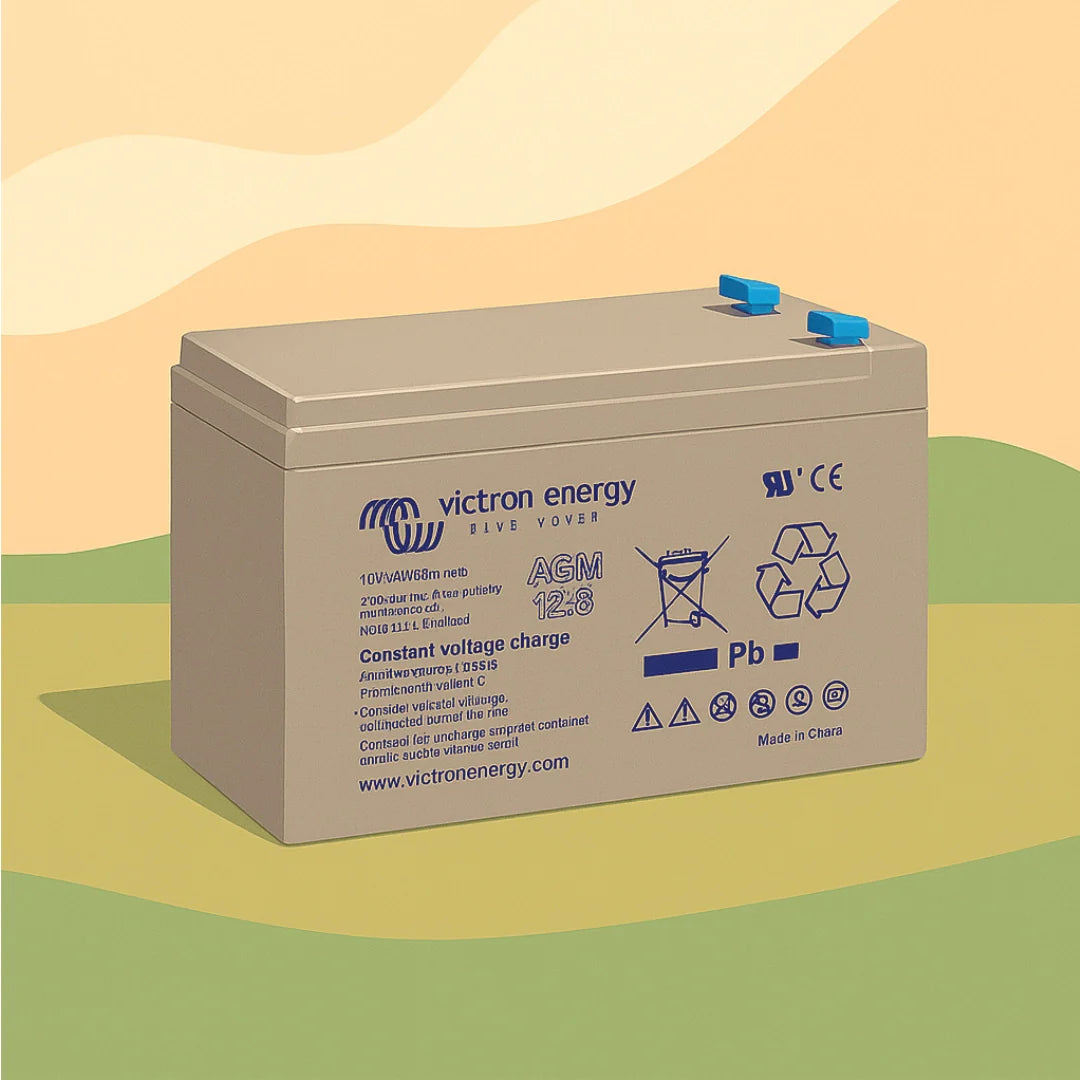
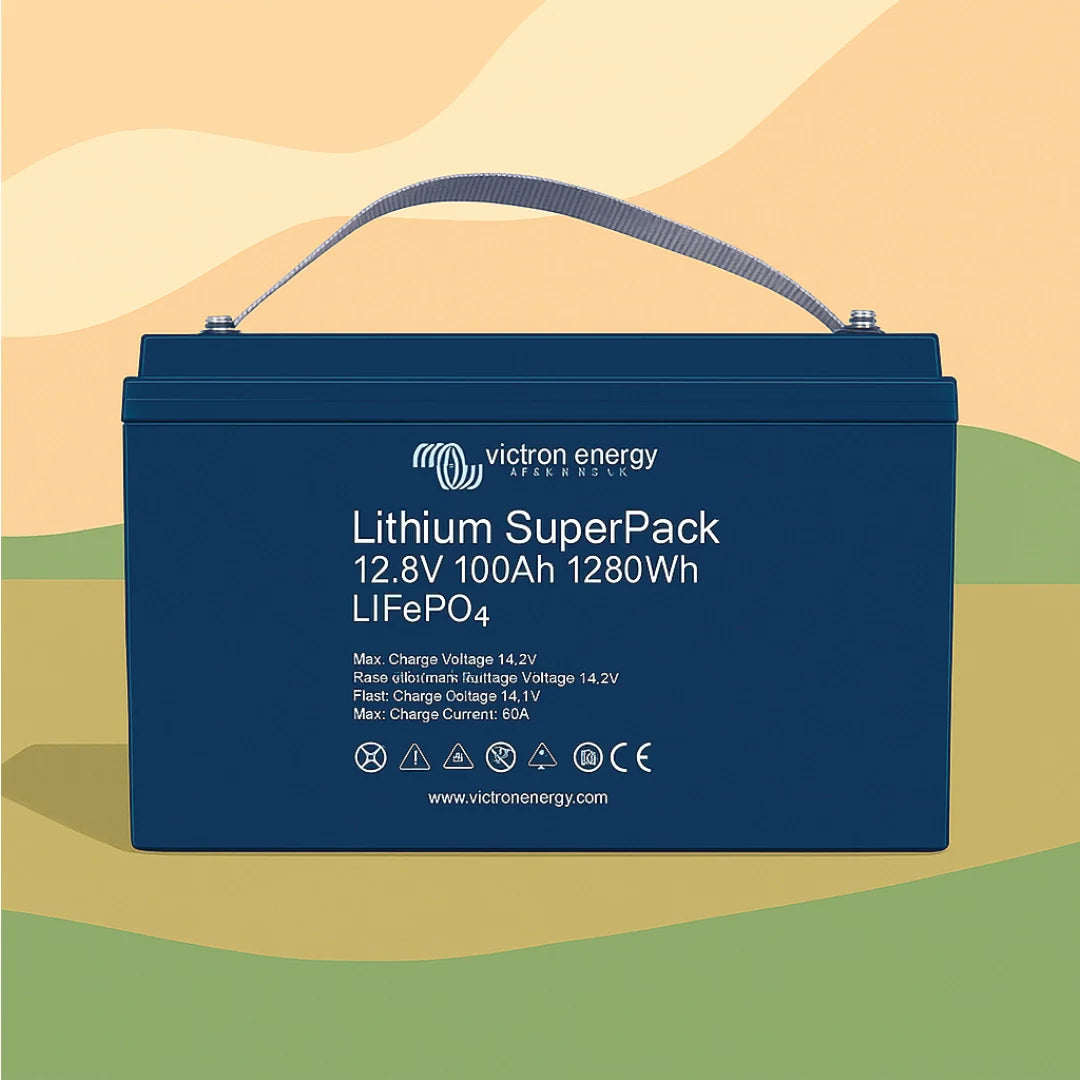
| Entry-level lithium (LiFePO4) | 100Ah / 1.28kWh | 2000 cycles | 12 kg |
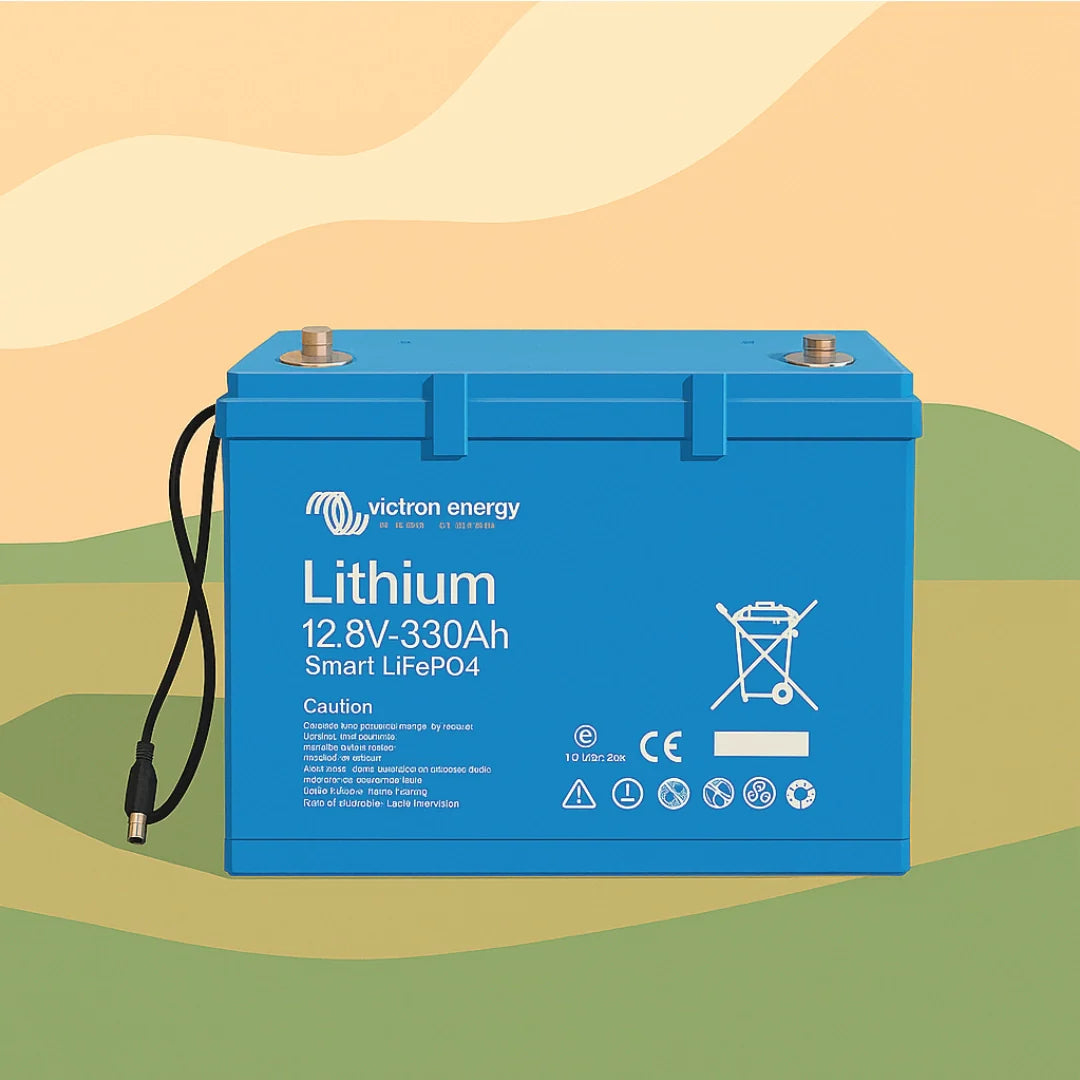
| Mid-range LiFePO4 | 200Ah / 2.56kWh | 3500 cycles | 22 kg |
| Premium LiFePO4 | 200Ah / 2.56kWh | 5000 to 6000 cycles | 20 kg |
For a full battery comparison guide covering current models, specifications, and pricing, that resource is worth bookmarking.
To estimate your capacity needs, follow these steps:
- List every electrical device you plan to run (fridge, lighting, phone charging, water pump, etc.)
- Note the wattage and estimated daily run time for each
- Calculate total daily watt-hours (watts x hours)
- Add a 20% reserve factor to account for inefficiencies and unexpected loads
- Divide by your battery voltage to get the minimum Ah required
For example, a typical campervan setup running a 50W fridge for 24 hours, LED lighting for 4 hours, and phone charging adds up to roughly 1400Wh per day. With a 20% reserve, you need around 1680Wh, or approximately 140Ah at 12V. The Caravan Club’s guide on lithium cycle life provides additional real-world benchmarks worth reviewing.

Top lithium models provide 2000 to 6000 cycles at 80% DoD, making them the clear choice for long-term off-grid reliability.
Battery management systems (BMS) and safety
Next, safety is paramount. A good battery management system is non-negotiable for any leisure vehicle setup.
A BMS is the electronic circuit that monitors and protects each cell within the battery pack. Without one, lithium cells are vulnerable to overcharging, deep discharge, and thermal runaway. A well-engineered BMS handles all of this automatically, in the background, without any input from the user.
Key protections a quality BMS should include:
- Overcharge protection: Cuts charging current when cells reach maximum voltage
- Short-circuit shutoff: Instantly disconnects load during a fault condition
- Thermal regulation: Monitors cell temperature and limits operation in extreme heat or cold
- Low-temperature charge cutoff: Prevents charging below 0°C, which can permanently damage lithium cells
An advanced BMS can extend battery life by up to 70% by preventing overcharging, overheating, and over-discharging. That is a significant gain in longevity from a single built-in component.
Understanding the full role of battery management systems in energy storage is useful if you are planning a more complex setup. For those new to lithium, the importance of BMS in everyday operation is covered in detail on the Skyenergi blog.
‘A quality BMS is your silent guardian. It keeps your power safe and reliable, even when conditions are far from ideal.’
Real-world failure modes without a BMS include cell swelling, capacity loss, and in extreme cases, fire risk. Safety certifications such as UN38.3, IEC 62619, and CE marking signal that a battery has passed independent testing. The safety advantages of lithium over older chemistries are well established, but only when the BMS is properly implemented.
Pro Tip: If you are self-installing, insist on batteries with third-party certified BMS. Manufacturer self-certification alone is not sufficient evidence of quality in a safety-critical application.
Fast charging, integration, and future-proofing
With fundamentals covered, it is smart to weigh advanced features that could save you time or make life easier in future.
Charging rate is expressed as a C-rate. A 1C rate means a 100Ah battery charges fully in one hour. A 0.5C rate takes two hours. For leisure vehicles, faster charging from solar panels or a DC-to-DC charger means less time waiting and more usable energy during short stops.
Key advanced features to look for:
- Fast charging support: At least 0.5C to 1C for practical solar and alternator recharging
- Solar integration: Compatibility with MPPT controllers for efficient panel input
- Remote monitoring apps: Bluetooth or Wi-Fi connectivity for real-time state-of-charge data
- Modular expansion: The ability to add batteries in parallel or series as your system grows
New lithium battery trends centre on higher charging rates, smart connectivity, and remote monitoring, enabling more seamless integration with solar and vehicle electrics. This is the direction the market is moving, and choosing a battery that supports these features now avoids an expensive upgrade later.
Here is a head-to-head comparison of common feature sets:
| Feature | Budget LiFePO4 | Mid-range LiFePO4 | Premium smart LiFePO4 |
|---|---|---|---|
| Max charge rate | 0.2C | 0.5C | 1C |
| Bluetooth monitoring | No | Optional | Yes |
| Solar MPPT compatible | Yes | Yes | Yes |
| Modular expansion | Limited | Yes | Yes |
| App integration | No | Basic | Full |
For a detailed expert battery comparison of current models available in the UK, that resource covers specifications side by side. Remote monitoring in particular is underrated. The RAC’s overview of remote monitoring explains how real-time data helps owners avoid unexpected power failures. Knowing your state of charge before you park up for the night is genuinely useful.
Why ‘headline features’ aren’t always the best choice
Having covered what to look for, it is also worth reconsidering what matters most beyond mere numbers.
The battery market is full of impressive specifications. Enormous capacity figures, ultra-fast charge rates, and extensive app features all look compelling on a product page. In practice, many UK leisure vehicle owners never use most of those capabilities. A compact campervan with limited roof space for solar panels will not benefit from a battery that supports 1C charging if the solar input rarely exceeds 0.2C anyway.
Batteries with the highest capacity figures often sacrifice on weight, footprint, or require complex installations, which does not suit compact vehicles. Chasing specifications can lead to overspending on features that create installation headaches rather than solving real problems.
The battery maintenance pitfalls associated with oversized or poorly matched systems are worth understanding before you commit to a purchase. Build quality, reputable UK-based support, and clear installation guidance often matter more than the highest spec on the market.
Pro Tip: Choose features you will actually use. A well-built 100Ah battery with solid warranty support will outperform a 200Ah battery with poor documentation and no accessible technical help.
Find the right lithium battery and off-grid system
Armed with this knowledge, you can make an informed, future-ready battery choice. Here is where to start.
Skyenergi supplies complete, compatible energy systems for UK leisure vehicles, from individual lithium batteries to fully integrated solar and inverter kits. The solar power electrics system includes a 3kVA inverter charger, DC-to-DC charger, and monitoring in a single turnkey package. For higher-output setups, the Victron Energy EasySolar-II system combines MPPT solar charging with a 5000W inverter and GX monitoring. All products are backed by UK-based support and clear technical guidance. Visit Skyenergi battery systems to browse the full range, check specifications, or get in touch with the team.
Frequently asked questions
How many years can a lithium battery last in a leisure vehicle?
Lithium batteries in well-managed leisure vehicles typically last 10 to 15 years, thanks to high cycle life and built-in protections. Top lithium batteries offer 2000 to 5000 cycles at 80% depth of discharge, resulting in decade-long life spans.
Is a battery management system (BMS) essential for off-grid lithium batteries?
Yes, a built-in BMS is critical for safety, longer battery lifespan, and worry-free operation in leisure vehicles. A BMS can extend battery life up to 70% and prevents catastrophic failures from overcharging or thermal events.
What charging speed should I look for in a lithium leisure battery?
Look for batteries that support at least 0.5C to 1C charging rates to ensure fast, safe recharging from solar or alternator sources. Latest trends highlight increased charging rates and compatibility with multiple charging sources as standard in 2026 models.
Do higher capacity batteries always mean better off-grid performance?
Not always. It is important to balance capacity against weight, space, charging infrastructure, and actual use patterns. Excessively large batteries may be overkill and difficult to install in compact leisure vehicles.
Recommended
- 7 Key Benefits of Lithium Batteries for Off-Grid Living – Skyenergi
- Lithium Battery Maintenance Workflow for Off-Grid Systems – Skyenergi
- Best Lithium Batteries 2025 – Expert Comparison 2026 – Skyenergi
- Solar Battery Terms Explained: Power for Off-Grid Life – Skyenergi
- PNW Solar Batteries: What Homeowners Need to Know
Prev post

Top 6 grealpha.com alternatives 2026
Updated on 20 April 2026
Next post

Off-grid power terminology: UK energy independence guide
Updated on 17 April 2026


