





What is a leisure battery? Your complete campervan guide
Discover what leisure batteries are, compare types like lithium vs AGM, and learn how to choose and maintain the right battery for your UK campervan's off-grid power needs.
If you’ve ever felt confused about whether your campervan needs a leisure battery or wondered why your lights dim after a few hours off-grid, you’re not alone. Many UK leisure vehicle owners struggle to understand what leisure batteries actually do and how they differ from the starter battery under the bonnet. A leisure battery powers your appliances, lighting, and devices without draining the battery that starts your engine, making it essential for comfortable off-grid adventures. This guide clarifies what leisure batteries are, compares the main types available, and shows you how to choose and maintain the right one for your campervan lifestyle.
Table of Contents
- Key takeaways
- What is a leisure battery and why is it essential?
- Types of leisure batteries and their comparative benefits
- How to choose the right leisure battery for your campervan
- Maintaining and optimising your leisure battery’s performance
- Explore our leisure battery solutions
- What is a leisure battery?
Key Takeaways
| Point | Details |
|---|---|
| Role of leisure battery | A leisure battery is a deep cycle unit that powers appliances and lights while keeping the starter battery charged for the engine. |
| Battery types compared | Flooded lead acid, AGM and LiFePO4 offer different costs, maintenance needs and performance, so the best choice depends on budget and how you use electricity. |
| Maintenance requirements | Flooded batteries need regular distilled water checks and ventilation, whereas AGM and LiFePO4 require little or no maintenance. |
| Sizing and usage guidance | Estimate daily amp hours for each appliance and multiply by 1.5 to account for inefficiencies and keep the battery above 50 per cent to extend its life. |
What is a leisure battery and why is it essential?
A leisure battery is a deep-cycle battery designed to provide a steady flow of power over extended periods, unlike a starter battery that delivers short, high-current bursts to start your engine. In campervans and motorhomes, leisure batteries provide stable power for appliances without draining the starter battery, ensuring you can run lights, fridges, water pumps, and entertainment systems while parked up without risking a flat starter battery in the morning. This separation of power systems is fundamental to comfortable off-grid living.
Leisure batteries excel at being discharged and recharged repeatedly, a process called deep cycling. Starter batteries, by contrast, suffer damage if regularly discharged below 80% capacity. A typical UK campervan leisure battery ranges from 75Ah to 200Ah capacity, with lithium variants offering higher usable capacity in smaller, lighter packages. Understanding this distinction helps you avoid the common mistake of trying to power appliances from your starter battery, which leads to premature battery failure and potential breakdown.
Common uses for leisure batteries in UK campervans include:
- Powering LED lighting systems throughout the vehicle
- Running 12V compressor fridges for food storage
- Charging mobile phones, tablets, and laptops via USB or inverters
- Operating water pumps for sinks and showers
- Powering heating systems and ventilation fans
Pro Tip: Calculate your daily power consumption in amp-hours before choosing a leisure battery. Add up the current draw of each appliance multiplied by hours of use, then multiply by 1.5 to account for inefficiencies and avoid depleting your battery below 50%, which extends its lifespan significantly.
Types of leisure batteries and their comparative benefits
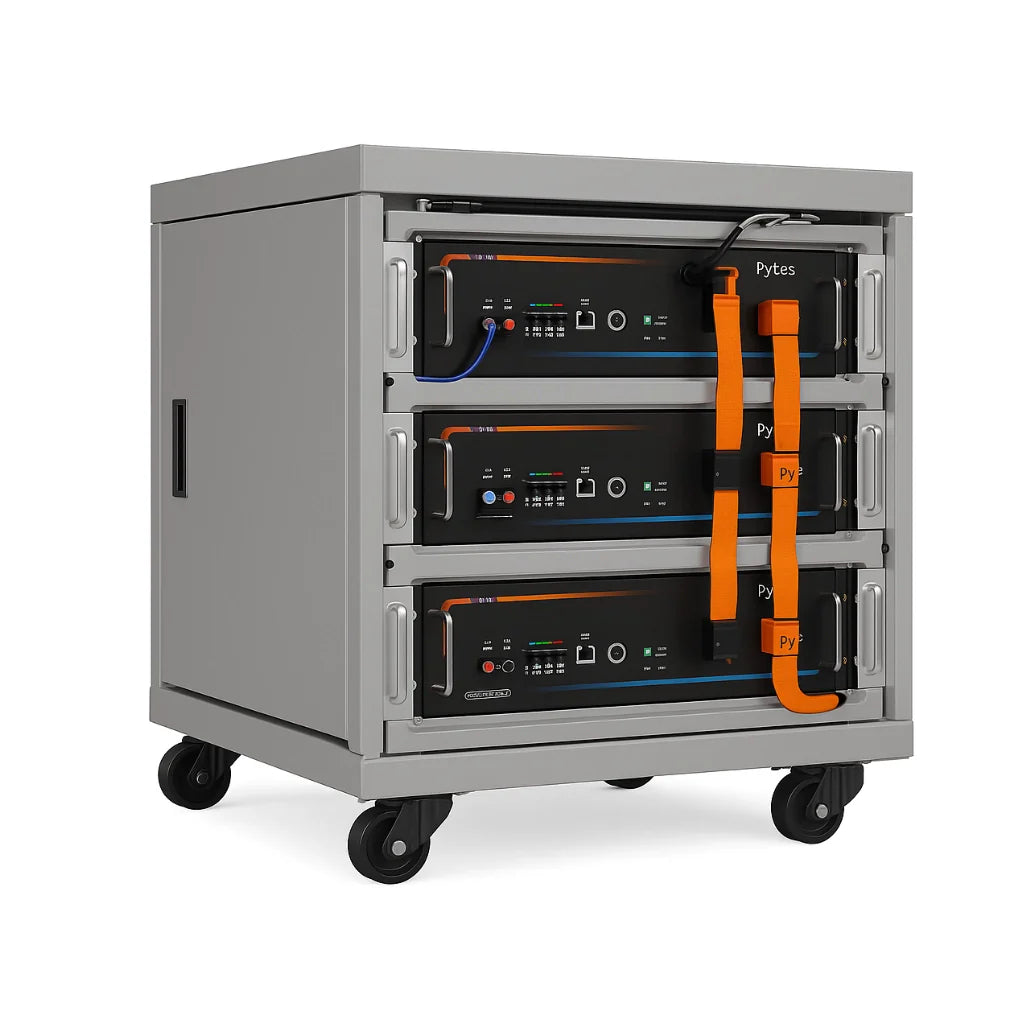
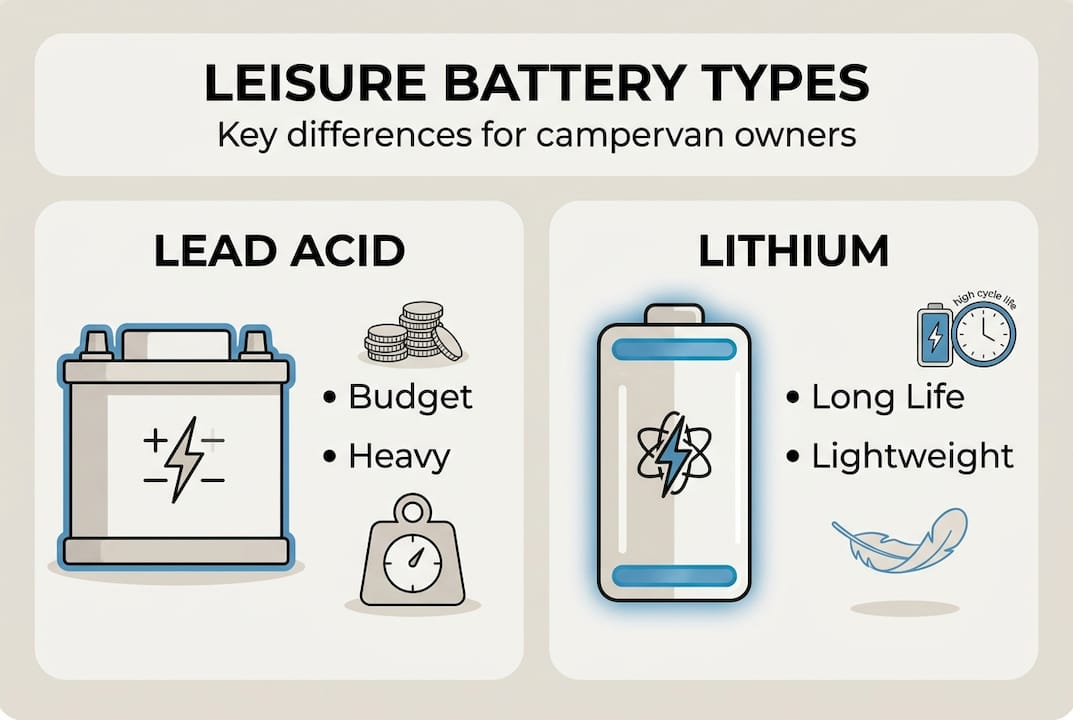
The three main leisure battery types available to UK campervan owners are flooded lead acid, absorbent glass mat (AGM), and lithium iron phosphate (LiFePO4). Each chemistry offers distinct advantages depending on your budget, usage patterns, and performance requirements. Lithium batteries offer longer life and lighter weight but at a higher initial cost compared to lead acid, making the choice between them a balance of upfront investment versus long-term value.
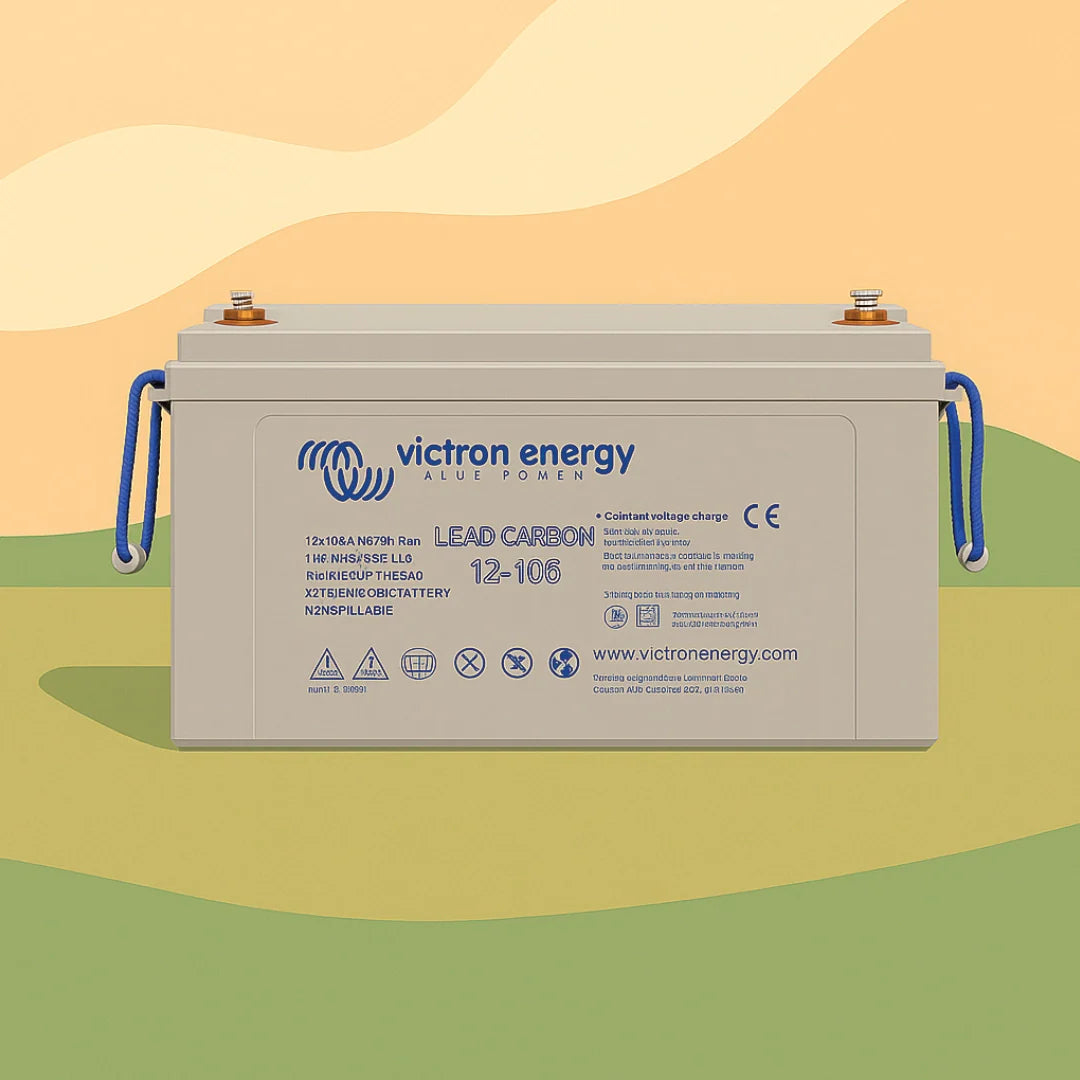
Flooded lead acid batteries represent the traditional, budget-friendly option. They require regular maintenance including topping up with distilled water and ensuring adequate ventilation due to hydrogen gas production during charging. These batteries typically last 3 to 5 years with proper care and should not be discharged below 50% capacity to avoid damage. Their main advantages are low initial cost and widespread availability, but they’re heavy and less efficient than modern alternatives.

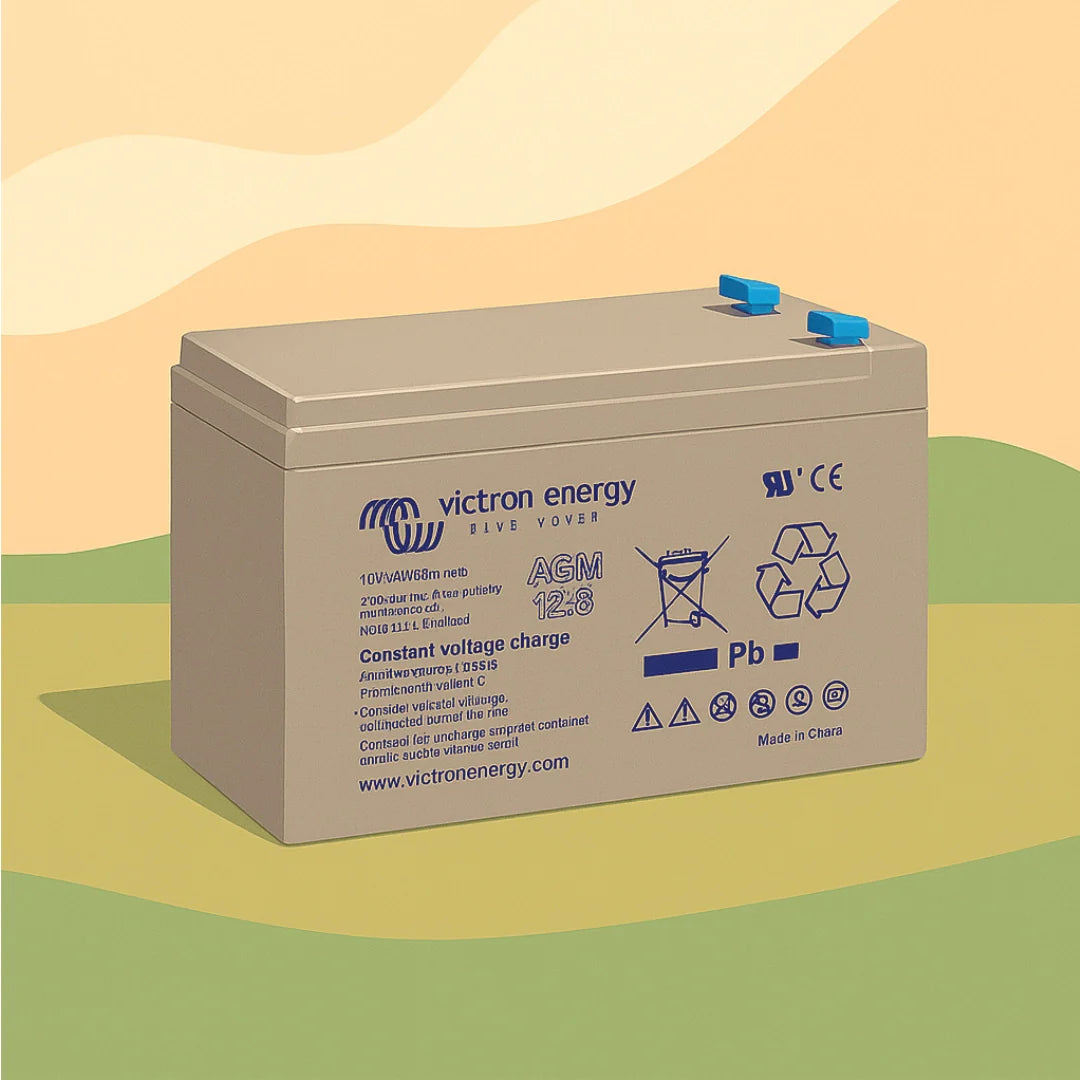
AGM batteries use absorbed electrolyte in glass mat separators, eliminating the need for maintenance and allowing installation in any orientation. They handle vibration better than flooded batteries, making them popular in motorhomes travelling on rough roads. AGM batteries charge faster than flooded types and tolerate deeper discharges, though they still perform best when kept above 50% charge. They cost more than flooded batteries but less than lithium, positioning them as a middle-ground option for many UK leisure vehicle owners.
| Battery type | Typical lifespan | Usable capacity | Weight (100Ah) | Maintenance | Approximate cost |
|---|---|---|---|---|---|
| Flooded lead acid | 3-5 years | 50% | 30kg | Regular | £150-£250 |
| AGM | 4-7 years | 70% | 28kg | None | £250-£400 |
| Lithium (LiFePO4) | 8-12 years | 95% | 12kg | None | £600-£1200 |
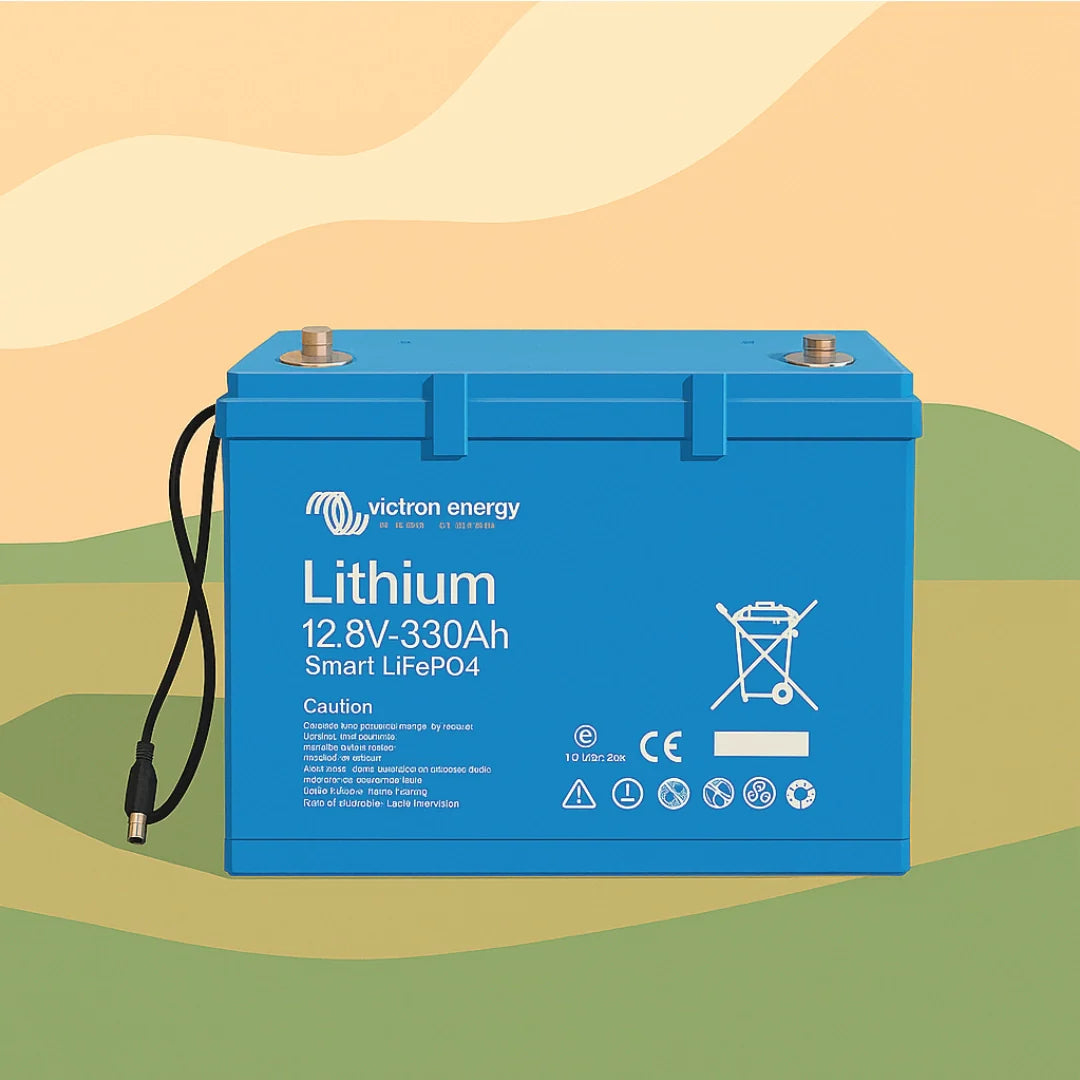
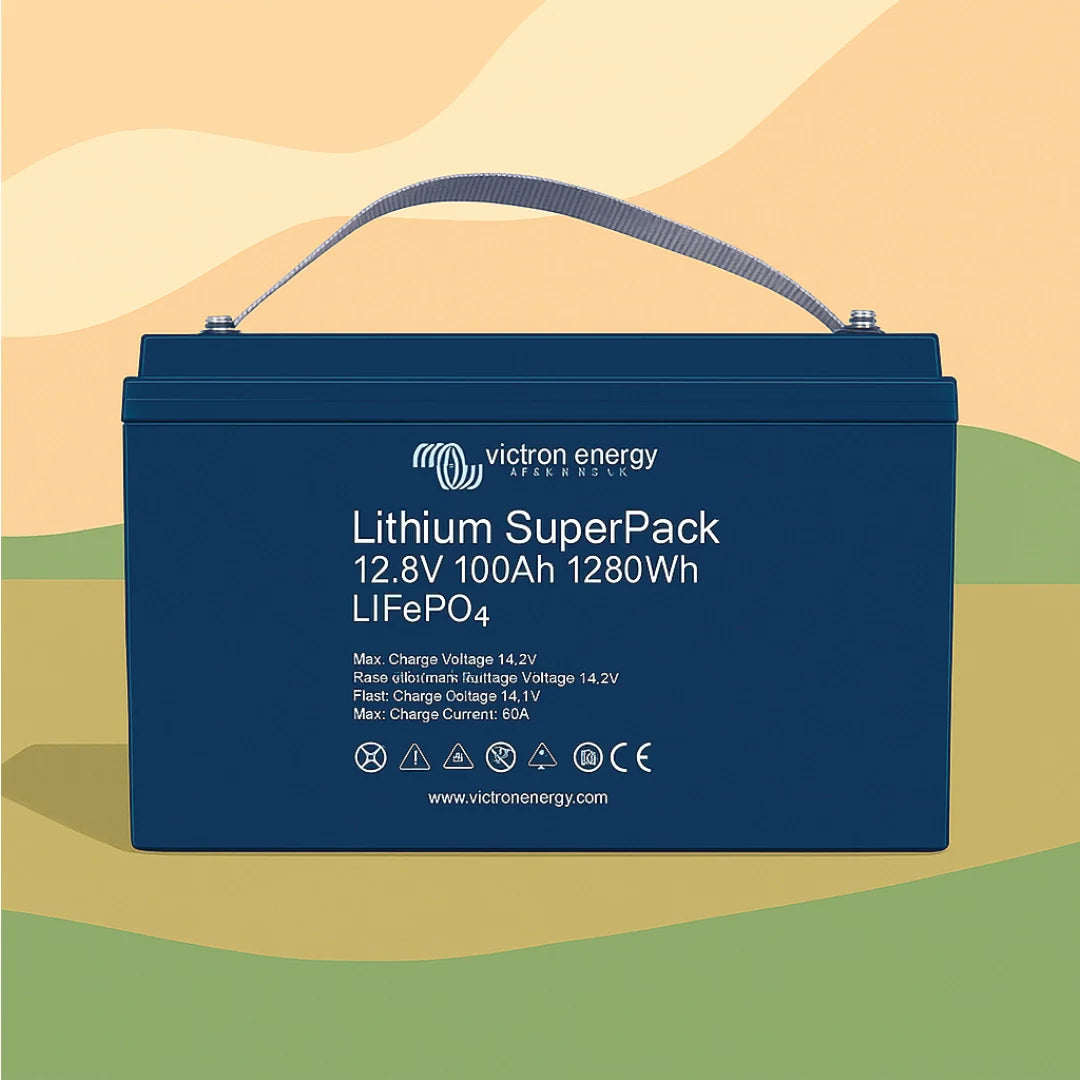
Lithium batteries revolutionise campervan power systems with exceptional performance characteristics. They deliver 95% usable capacity compared to 50% for lead acid, effectively doubling your available power from the same rated capacity. Lithium batteries weigh roughly one-third as much as equivalent lead acid batteries, freeing up payload for other equipment. They charge much faster, tolerate thousands of charge cycles, and maintain consistent voltage output until nearly depleted. The main drawback remains their higher purchase price, though falling costs and longer lifespan increasingly favour lithium for serious off-grid users.
Pro Tip: Consider total cost of ownership rather than just purchase price. A £800 lithium battery lasting 10 years with 95% usable capacity often proves cheaper per year than replacing £300 AGM batteries every 5 years while getting only 70% usable capacity.
Environmental factors also influence battery choice. Lithium batteries contain no lead or acid, making them safer to handle and easier to recycle. Lead acid batteries require careful disposal but benefit from established recycling infrastructure in the UK. For those exploring types of leisure batteries, understanding these trade-offs helps match battery chemistry to your specific camping style and environmental values. Weekend campers with modest power needs may find AGM batteries perfectly adequate, while full-time van lifers benefit enormously from lithium’s superior performance. The comparison between lithium vs AGM for campervans ultimately depends on how intensively you use your vehicle and how much you value weight savings and charging speed.
How to choose the right leisure battery for your campervan
Selecting the optimal leisure battery requires matching capacity, chemistry, and charging infrastructure to your specific power requirements and usage patterns. Start by calculating your daily energy consumption, then choose a battery that provides adequate capacity without excessive weight or cost. Choosing the correct capacity and chemistry ensures reliable off-grid power and prolongs battery life, making this initial assessment crucial for long-term satisfaction.
Follow these steps to determine your ideal leisure battery:
- List every appliance you’ll power from the leisure battery with its current draw in amps and typical daily usage hours
- Multiply amps by hours for each device to get amp-hours consumed, then sum all devices for total daily consumption
- For lead acid or AGM batteries, double this figure since you should only discharge to 50%, or multiply by 1.2 for lithium batteries
- Add 20% buffer for inefficiencies, cold weather performance reduction, and future power needs
- Compare this calculated capacity against available battery sizes, considering physical dimensions and weight restrictions in your installation space
- Evaluate your charging sources, solar panel capacity, alternator charging capability, and access to mains hookups
- Balance initial budget against long-term value, factoring in replacement frequency and performance requirements
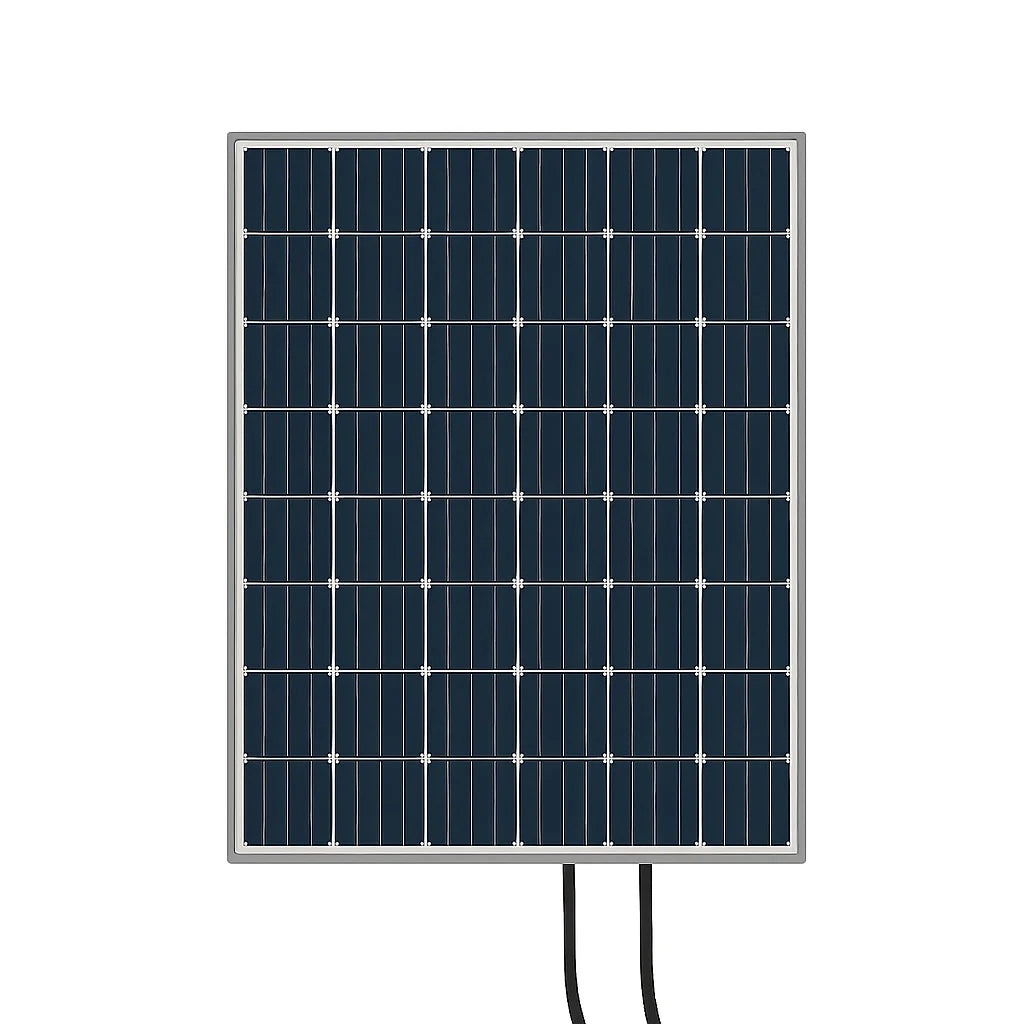
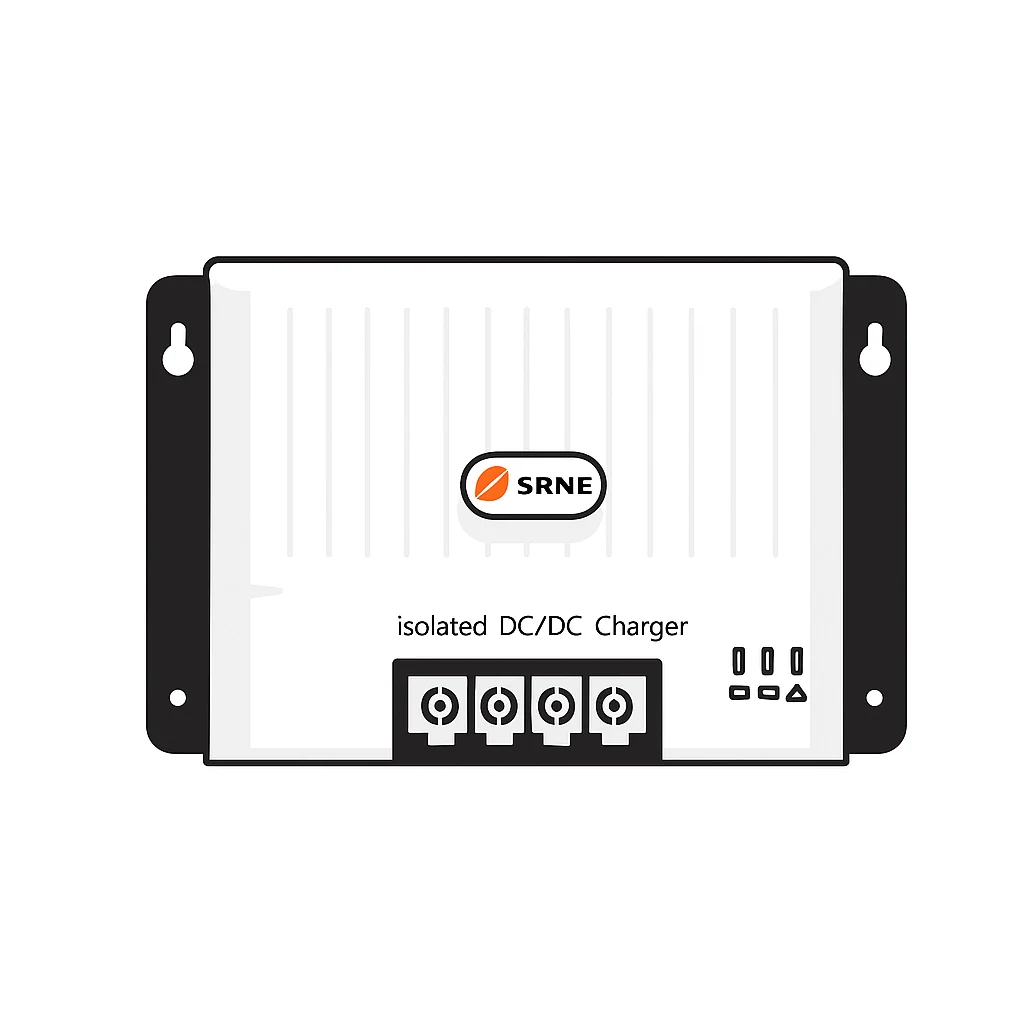
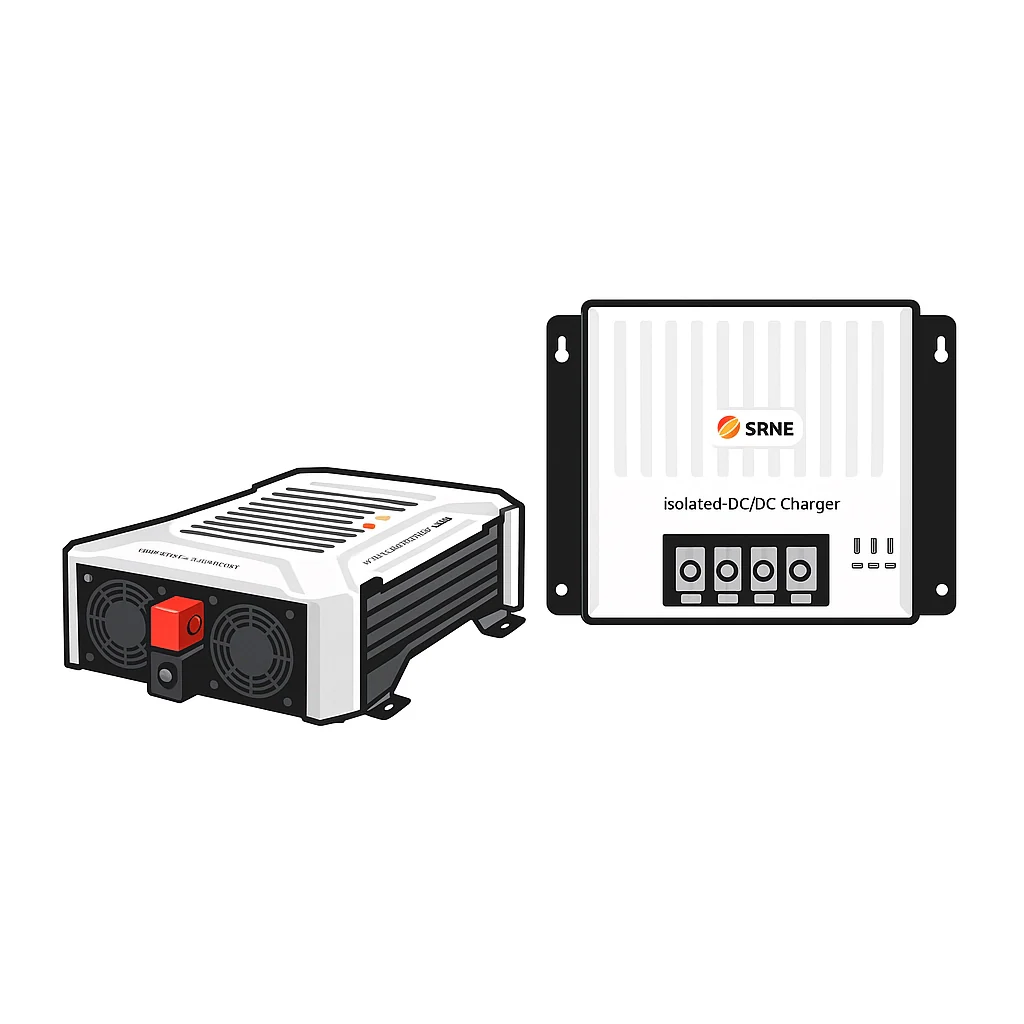
Your charging system significantly influences battery choice. Solar panels work excellently with all battery types but require appropriate charge controllers matched to battery chemistry. MPPT controllers extract maximum power from panels and properly charge lithium batteries, while PWM controllers suit smaller systems with lead acid batteries. Alternator charging through a battery-to-battery charger efficiently replenishes leisure batteries while driving, particularly important for touring rather than static camping. Lithium batteries accept charge much faster than lead acid types, reducing generator running time or allowing smaller solar arrays.
Physical installation constraints often prove decisive. Measure your battery compartment carefully, accounting for ventilation requirements with lead acid batteries and ensuring adequate clearance for cable connections. Lithium batteries’ compact size and lighter weight allow installation in locations impossible for heavy lead acid batteries, potentially improving weight distribution. Some campervans benefit from multiple smaller batteries connected in parallel rather than one large unit, providing installation flexibility and redundancy.
Budget considerations extend beyond purchase price. Calculate cost per usable kilowatt-hour over expected lifespan to compare true value. A £900 lithium battery providing 100Ah usable capacity for 10 years costs £90 per year, while a £350 AGM battery providing 70Ah usable capacity for 5 years costs £70 per year but delivers less power. Factor in the value of weight savings, faster charging, and reduced maintenance when comparing options. Many UK campervan owners find lithium batteries justify their premium for full-time or frequent use, while occasional weekend campers achieve adequate performance from quality AGM batteries.
For those researching off-grid leisure battery setups, examining real-world installations reveals how other campervan owners balance these factors. Common configurations include 100Ah lithium for minimalist setups, 200Ah lithium for couples with moderate power use, and 300Ah or more for families or those working remotely from their vehicles. Matching battery capacity to realistic usage prevents both the frustration of insufficient power and the waste of carrying excess capacity you’ll never use.
Maintaining and optimising your leisure battery’s performance
Proper maintenance and charging practices dramatically extend leisure battery lifespan while ensuring reliable power when you need it most. Different battery chemistries require specific care, but universal principles apply across all types. Proper maintenance extends battery lifespan and maximises performance in off-grid conditions, making attention to charging habits and storage conditions worthwhile investments of time.
Charging best practices vary by battery type but share common themes. Always use chargers designed for your specific battery chemistry, as incorrect charging profiles damage batteries and void warranties. Lead acid and AGM batteries benefit from periodic equalisation charges that balance cell voltages, while lithium batteries require chargers with appropriate voltage limits to prevent overcharging. Avoid leaving batteries in partial states of charge for extended periods, as this promotes sulphation in lead acid types and can unbalance lithium cells.
Key maintenance practices include:
- Monitor battery voltage regularly using a battery monitor or Bluetooth-enabled battery management system to track state of charge accurately
- Recharge batteries promptly after use rather than leaving them discharged, which accelerates degradation in all chemistries
- Keep battery terminals clean and tight, checking connections monthly for corrosion or looseness that increases resistance
- Ensure adequate ventilation around batteries, particularly lead acid types that produce hydrogen gas during charging
- Store batteries fully charged in cool, dry locations during extended periods of non-use to minimise self-discharge and degradation
Temperature significantly affects battery performance and longevity. Lead acid batteries lose capacity in cold weather, delivering only 70% of rated capacity at freezing temperatures. Lithium batteries maintain performance better in cold conditions but may require heating for charging below freezing. High temperatures accelerate chemical reactions inside batteries, reducing lifespan, so avoid installing batteries in hot engine compartments or direct sunlight. Insulating battery boxes helps moderate temperature extremes in UK weather conditions.
Recognising signs of battery deterioration allows timely replacement before catastrophic failure. Reduced runtime between charges, difficulty accepting full charge, physical swelling or leakage, and sudden voltage drops under load all indicate battery problems. Lead acid batteries showing white sulphation on terminals or reduced electrolyte levels require attention. Modern lithium batteries with integrated battery management systems often provide diagnostic information via smartphone apps, alerting you to cell imbalances or temperature issues before they cause problems.
Pro Tip: Invest in a quality battery monitor that tracks amp-hours consumed and remaining capacity. This single addition transforms battery management from guesswork into precise monitoring, preventing unexpected power shortages and optimising charging decisions. Many monitors connect via Bluetooth, allowing you to check battery status from inside your campervan without opening compartments.
For detailed guidance on lithium battery maintenance, understanding both advantages and potential issues helps you maximise the substantial investment these batteries represent. While lithium batteries require less maintenance than lead acid types, respecting their charging parameters and monitoring cell balance ensures they deliver their full expected lifespan of 3000 to 5000 cycles.
Explore our leisure battery solutions
Now that you understand leisure battery fundamentals, types, selection criteria, and maintenance requirements, you’re ready to explore practical solutions for your campervan power system. Skyenergi specialises in high-performance lithium battery systems and complete off-grid power solutions designed specifically for UK leisure vehicles. Our product range includes lithium leisure batteries with integrated Bluetooth monitoring, allowing you to track performance and system health in real time from your smartphone.
Whether you’re building a new campervan electrical system or upgrading existing lead acid batteries to modern lithium technology, we offer complete solutions. Our solar power electrics system with 3kVA inverter charger provides turnkey integration of solar charging, battery management, and AC power conversion. For those seeking premium reliability, the Victron EasySolar II system combines industry-leading components in a compact package. We also stock essential accessories like the Victron Energy Interface MK3-USB for system configuration and monitoring. Our direct sourcing from manufacturers ensures competitive pricing on high-quality renewable energy solutions, helping you achieve greater energy independence on the road.
What is a leisure battery?
Can I use a car starter battery as a leisure battery?
No, starter batteries are engineered for delivering high current bursts to start engines, not the sustained discharge cycles required for powering appliances. Using a starter battery as a leisure battery leads to rapid failure because starter batteries lack the deep-cycle capability needed for repeated discharge and recharge. Leisure batteries feature thicker plates and different internal construction specifically designed for deep cycling, making them essential for reliable campervan power systems.
How long does a leisure battery last?
Leisure battery lifespan varies from 3 to 10 years depending on chemistry, usage patterns, and maintenance quality. Flooded lead acid batteries typically last 3 to 5 years, AGM batteries 4 to 7 years, while lithium batteries often exceed 8 to 12 years with proper care. Factors affecting longevity include depth of discharge, charging practices, temperature exposure, and cycle count, with lithium batteries tolerating 3000 to 5000 cycles compared to 300 to 500 for lead acid types.
What size leisure battery do I need for my campervan?
Battery capacity should match your daily power consumption with adequate margin for inefficiencies and future expansion. Calculate total amp-hours consumed by all appliances daily, then multiply by two for lead acid batteries or 1.2 for lithium to avoid excessive discharge. Most UK campervans use 100Ah to 200Ah capacity, with battery sizing depending on appliance load and camping duration between charges. Consider your charging sources and typical usage patterns when determining optimal capacity.
Can leisure batteries be charged by solar panels?
Yes, most leisure batteries charge effectively from solar panels when using appropriate charge controllers matched to battery chemistry. MPPT controllers maximise solar harvest and properly charge lithium batteries, while PWM controllers suit smaller systems with lead acid batteries. Solar charging provides sustainable off-grid power ideal for extended camping without mains hookup or excessive generator use. Panel sizing should account for UK weather conditions, typical daily consumption, and seasonal sunlight variation to ensure adequate charging throughout the year.
Recommended
Prev post

Campervan solar power guide: 200W+ for UK off-grid
Updated on 27 March 2026
Next post

Best 5 Campervan Lithium Batteries 2025
Updated on 25 March 2026


