





Types of Leisure Batteries – Powering Off-Grid Life
Learn about types of leisure batteries, key differences between AGM, gel, lead-acid, and lithium, and how to choose the best solution for UK campervans.
Finding dependable power solutions can feel overwhelming when you want true freedom on remote British roads or rugged Scottish coasts. Selecting the right leisure battery matters because not all options guarantee steady energy for lighting, refrigeration, or devices beyond the city grid. This guide explains what sets lithium leisure batteries apart, helping you make informed choices for enhancing comfort, reliability, and lasting independence during your UK campervan adventures.
Table of Contents
- What Is A Leisure Battery And How It Works
- Deep Cycle Vs. Starter Batteries Explained
- Main Types Of Leisure Batteries Compared
- Key Benefits Of Lithium Battery Technology
- Ncc Categories And Uk Battery Standards
- Common Pitfalls And Choosing The Right Type
Key Takeaways
| Point | Details |
|---|---|
| Leisure Battery Definition | A leisure battery is designed to provide sustained electrical power for campervans and off-grid applications, unlike automotive batteries which cater to short bursts for engine ignition. |
| Battery Types | Primary types include Lead-Acid, AGM, Gel, and Lithium-Ion, each with distinct features suited for varying power needs. |
| NCC Battery Standards | The National Caravan Council categorises leisure batteries into three classes (A, B, C), helping users choose according to their power consumption and usage frequency. |
| Avoiding Common Pitfalls | Careful selection is vital to avoid costly mistakes; always verify manufacturer specifications and ensure compatibility with your campervan’s electrical system. |
What Is a Leisure Battery and How It Works
A leisure battery is a specialized power storage device designed specifically for powering electrical equipment in campervans, motorhomes, boats, and other off-grid environments. Unlike standard automotive batteries that deliver short, high-powered bursts for engine starting, leisure batteries are engineered to provide sustained, steady electrical power over extended periods.
Leisure batteries come in various chemistries and configurations, each with distinct characteristics suited to different applications. The primary types include:
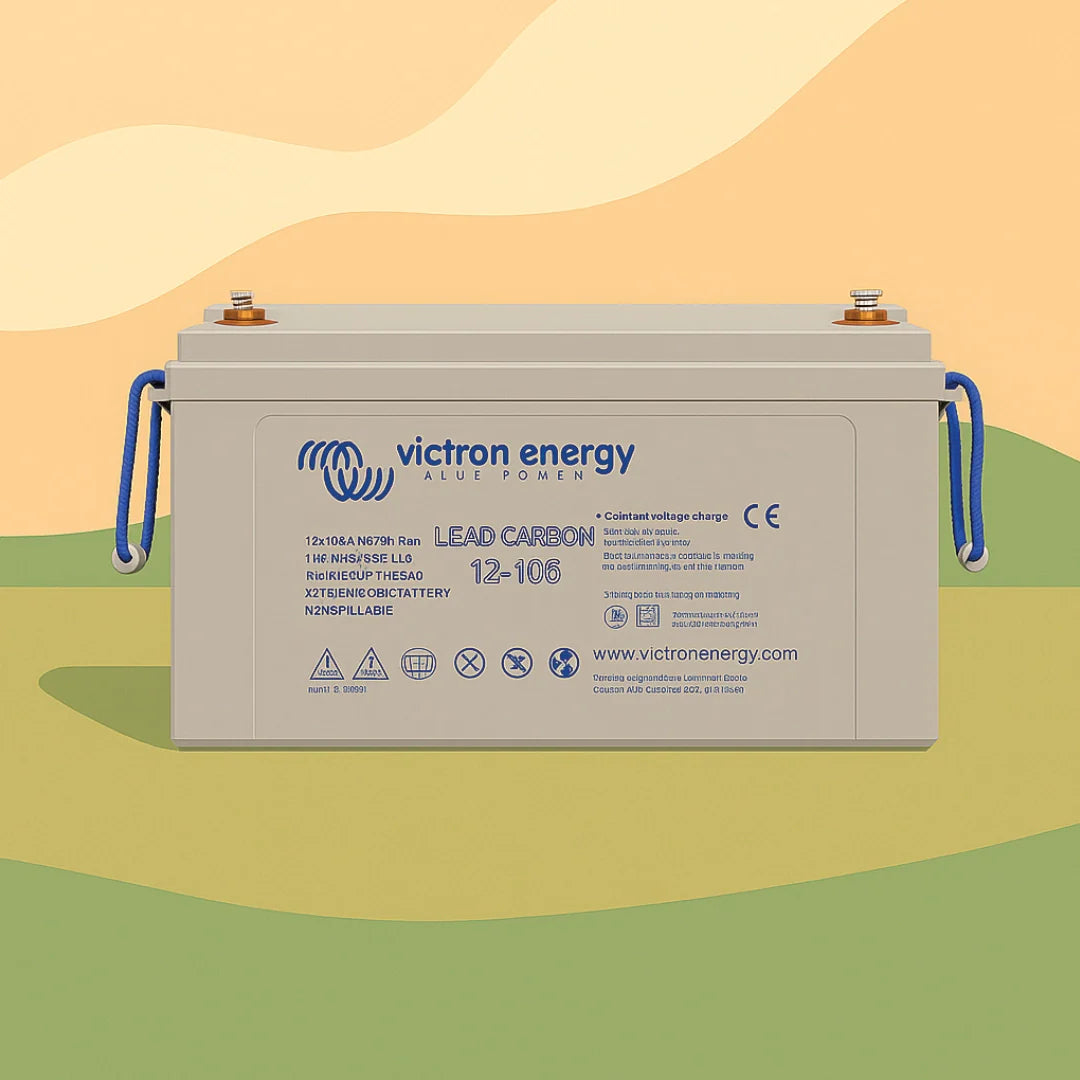
- Lead-Acid Batteries: Traditional and cost-effective
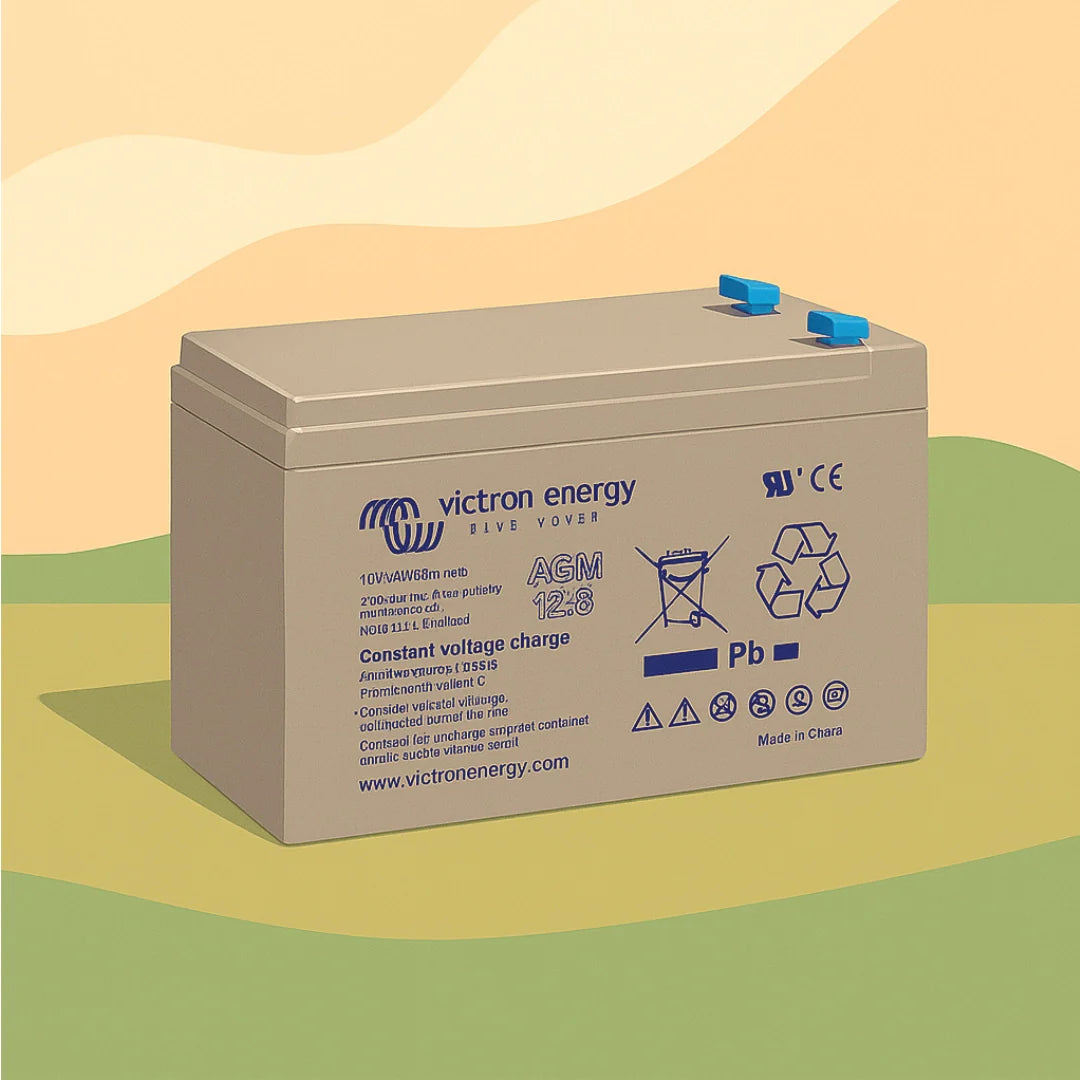
- AGM (Absorbent Glass Mat) Batteries: More advanced sealed design
- Gel Batteries: Maintenance-free with excellent deep-cycle performance
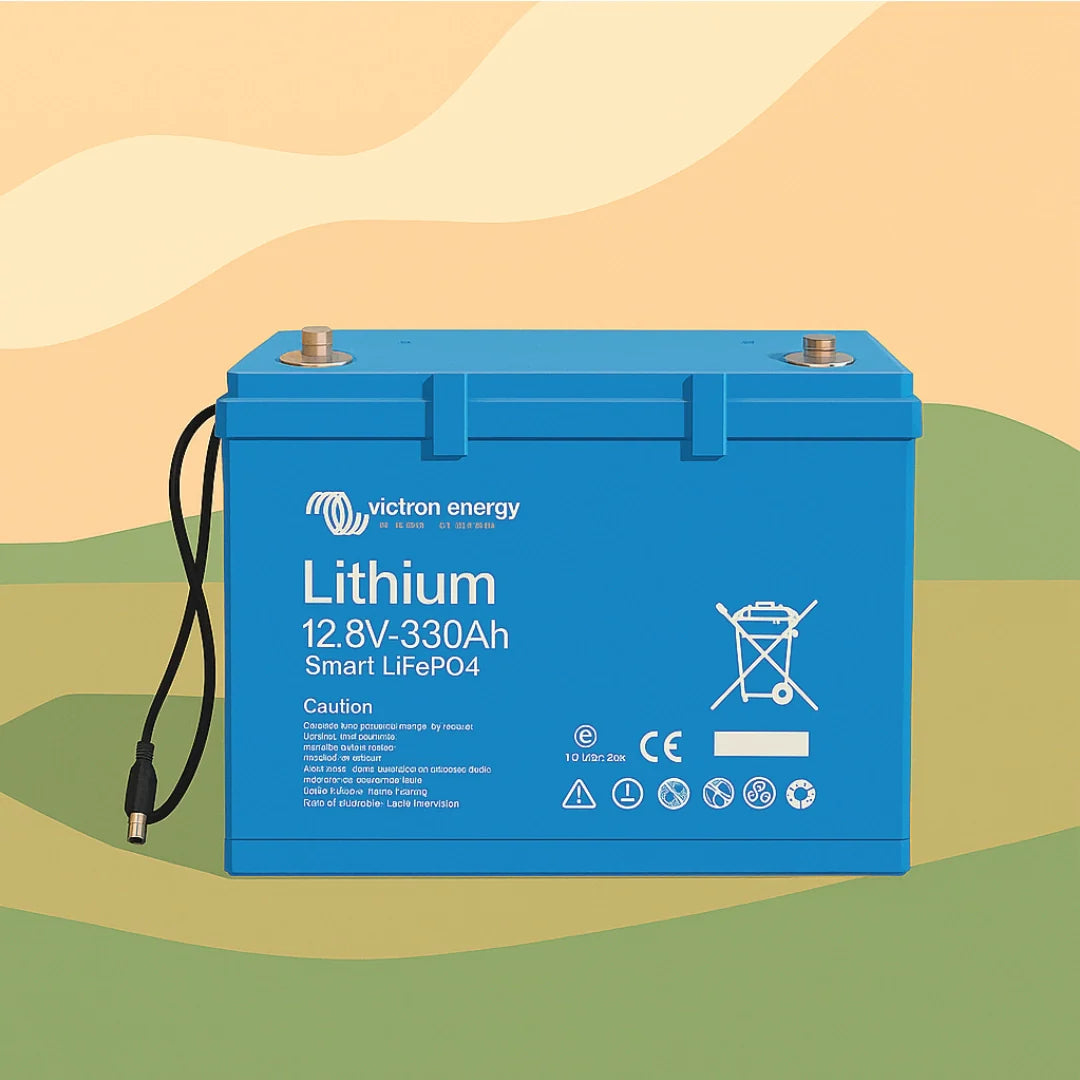
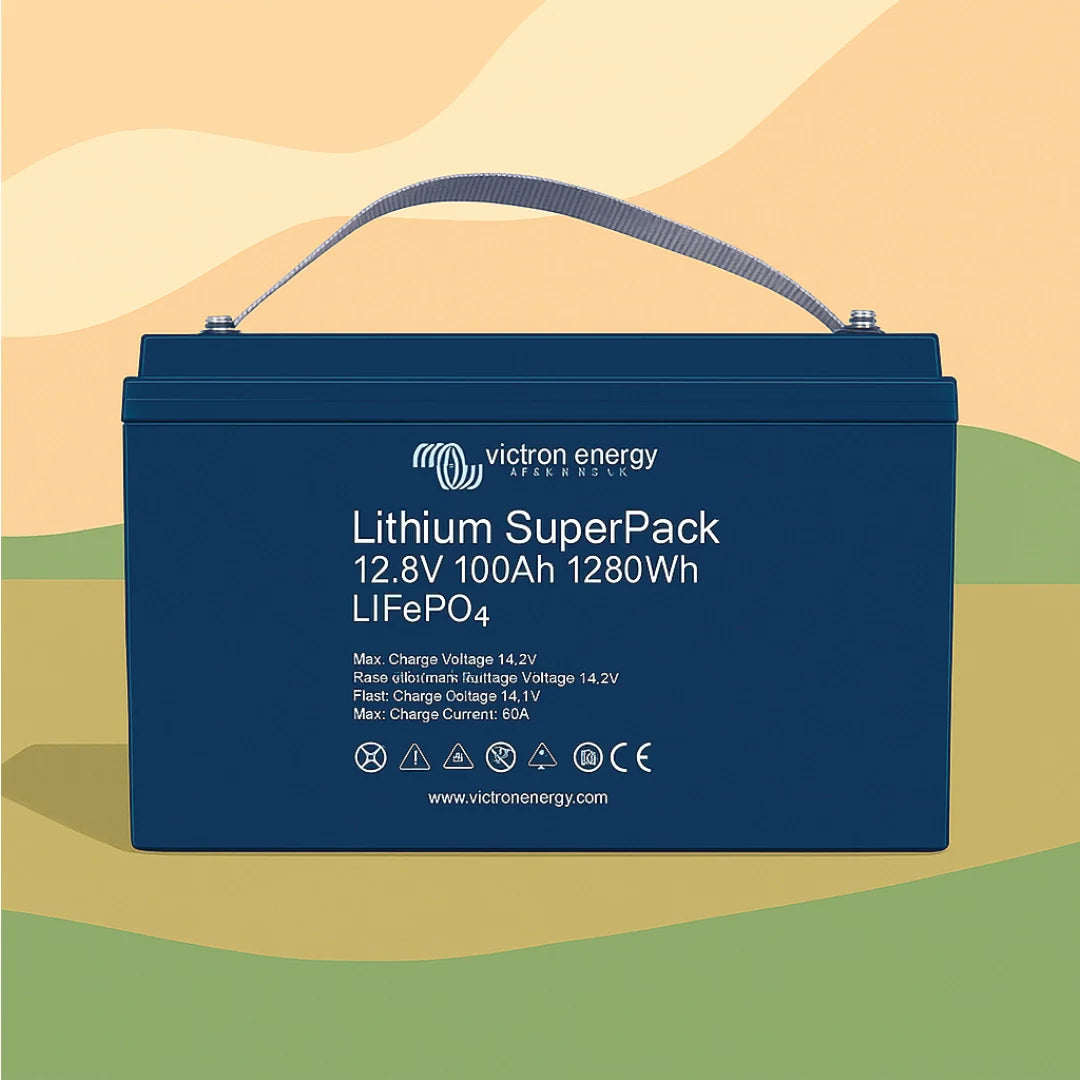
- Lithium-Ion Batteries: Modern, lightweight, and high-efficiency option
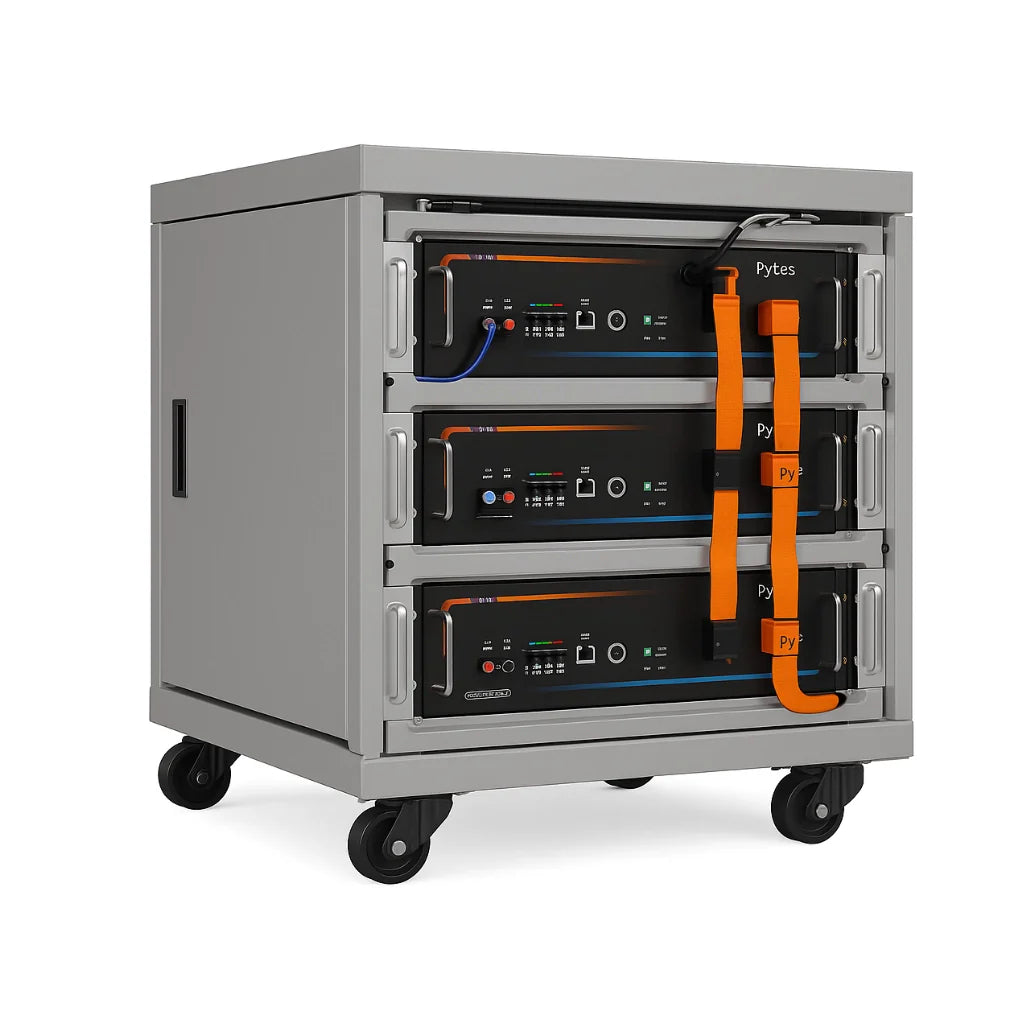
The core function of a leisure battery involves storing electrical energy and discharging it steadily to power onboard electrical systems like lighting, refrigeration, charging devices, and entertainment equipment. Lithium leisure batteries offer significant advantages compared to traditional lead-acid variants, including faster charging, longer lifespan, and superior energy density.
Modern leisure batteries are typically rated by their amp-hour (Ah) capacity, which indicates how much electrical current they can supply over a specific timeframe. For campervan owners, selecting the right battery involves carefully calculating total energy requirements and understanding the battery’s discharge and recharge characteristics.
Pro tip: Always match your leisure battery’s capacity to your specific power consumption needs, considering both peak and average electrical demands to ensure reliable off-grid performance.
Deep Cycle vs. Starter Batteries Explained
Understanding the fundamental differences between deep cycle and starter batteries is crucial for campervan owners seeking reliable power solutions. While both battery types store electrical energy, they are designed for dramatically different purposes and performance characteristics. Deep cycle batteries provide steady, moderate current specifically engineered for prolonged electrical equipment usage.
Starter batteries, typically found in automotive settings, are built to deliver short, intense bursts of high-powered current required for engine ignition. These batteries feature thinner, more numerous lead plates designed to produce maximum power in brief moments. Key characteristics include:
- Designed for rapid, high-current discharge
- Optimised for engine starting
- Limited depth of discharge (typically 2-5%)
- Short recovery time between starts
- Prone to damage if deeply discharged
In contrast, deep cycle batteries are constructed with thicker, fewer lead plates that can withstand repeated deep discharge cycles. Their design allows for sustained, steady power delivery across extended periods, making them ideal for powering electrical systems in campervans, boats, and off-grid environments. These batteries excel in scenarios requiring consistent, long-duration power:
- Powering lighting systems
- Running refrigeration units
- Charging electronic devices
- Supporting entertainment equipment
- Maintaining consistent electrical supply
Campervan owners typically require lithium batteries with superior deep cycle performance, which offer longer lifespans, faster charging, and greater energy density compared to traditional lead-acid variants. Understanding these differences helps in selecting the most appropriate battery for specific power requirements.
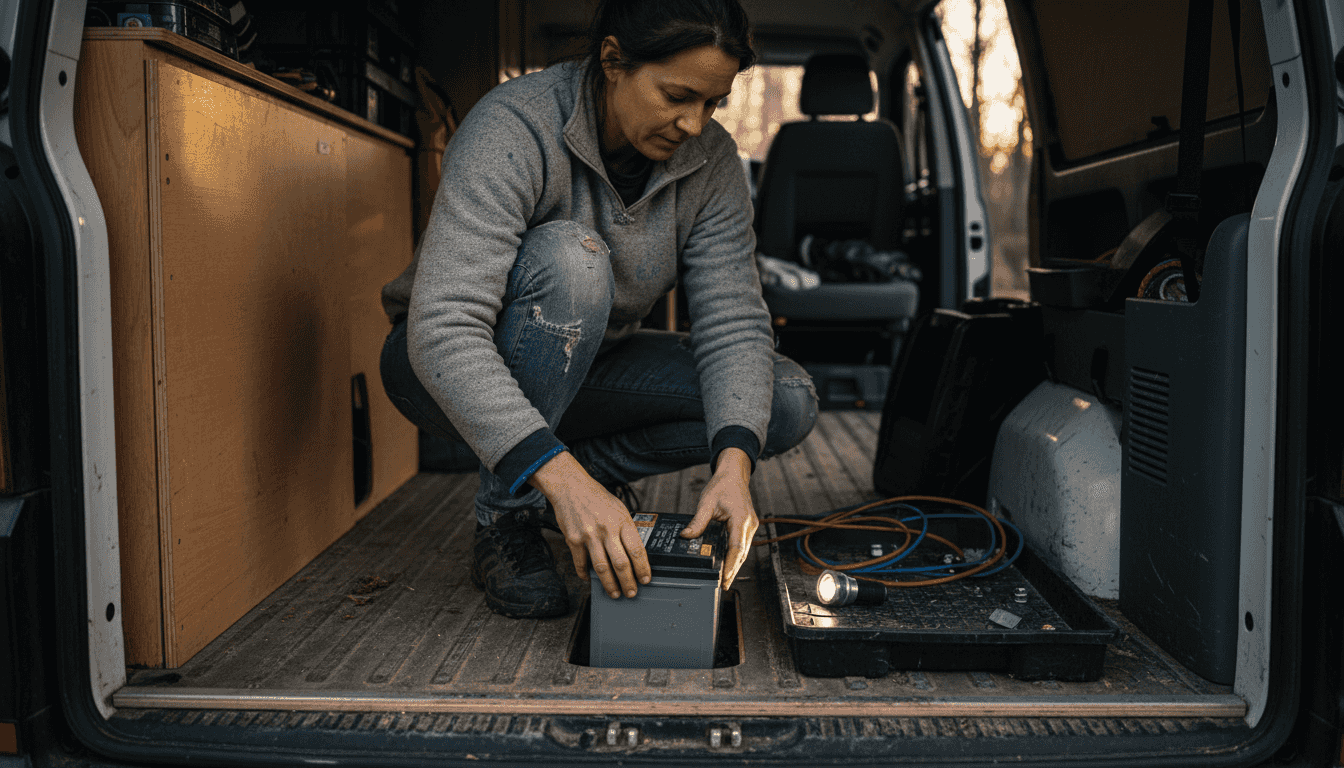
The following table summarises the core differences between deep cycle and starter batteries for quick reference:
| Aspect | Deep Cycle Battery | Starter Battery |
|---|---|---|
| Primary Function | Long-term equipment power supply | Engine ignition |
| Typical Discharge | Prolonged, steady rate | Short, powerful burst |
| Design Features | Thicker, fewer lead plates | Thinner, more numerous plates |
| Damage Risk | Withstands deep discharge cycles | Damaged by deep discharge |
| Best Use Case | Campervans, boats, off-grid use | Cars, vans, vehicle starting |
Pro tip: Always match your battery type precisely to your intended usage, considering discharge depth, recharge cycles, and total power consumption to maximise battery performance and longevity.
Main Types of Leisure Batteries Compared
Leisure batteries come in several distinct types, each offering unique characteristics tailored to different power requirements for campervans and off-grid applications. Lithium batteries represent the most advanced technology for modern campervan electrical systems, providing superior performance compared to traditional battery types.
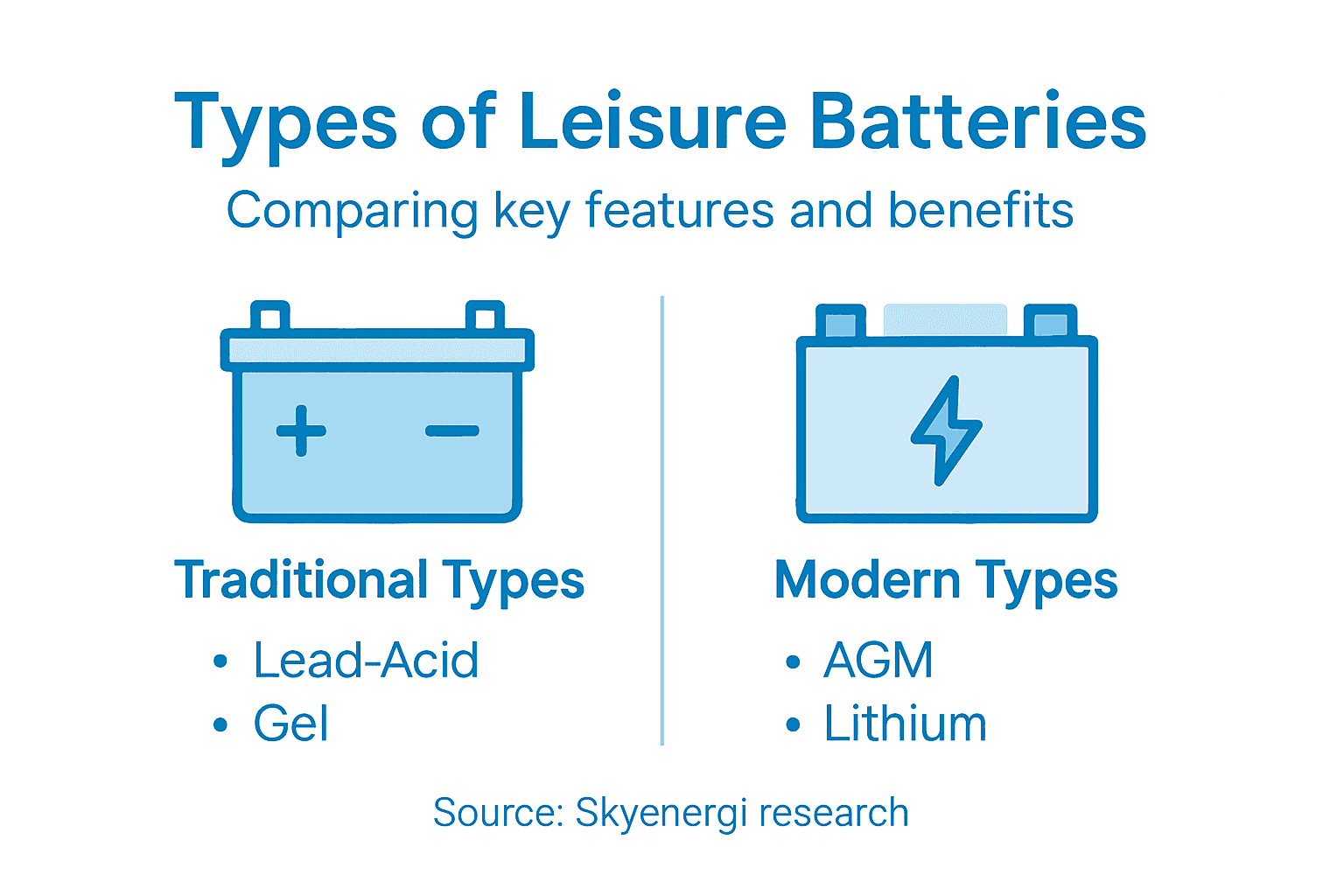
The primary types of leisure batteries include:
-
Lead-Acid Batteries
- Most traditional and cost-effective option
- Lower upfront cost
- Limited cycle life
- Heavier weight
- Require regular maintenance
-
AGM (Absorbent Glass Mat) Batteries
- Sealed design prevents spillage
- Better performance than standard lead-acid
- More resistant to vibration
- Moderate cost
- Reduced maintenance requirements
-
Gel Batteries
- Maintenance-free design
- Excellent deep-cycle performance
- Ideal for extreme temperature conditions
- Slower discharge rate
- Higher cost compared to lead-acid
-
Lithium-Ion Batteries
- Lightweight construction
- Longest lifespan
- Fastest charging capabilities
- Highest energy density
- Superior depth of discharge
Each battery type presents unique advantages and limitations, making the selection process crucial for campervan owners seeking reliable power solutions. The choice depends on factors such as budget, weight constraints, expected usage patterns, and desired performance characteristics.
Campervan enthusiasts increasingly prefer lithium batteries due to their exceptional energy efficiency and long-term reliability. These advanced batteries provide significantly more usable capacity, faster charging times, and substantially longer operational lifespans compared to traditional battery technologies.
Pro tip: Consider your specific power requirements, budget limitations, and intended usage when selecting a leisure battery, prioritising long-term performance over initial cost savings.
Key Benefits of Lithium Battery Technology
Lithium battery technology represents a revolutionary advancement in power storage for campervans and off-grid applications. Recent advancements highlight significant performance improvements that make these batteries increasingly attractive for modern mobile energy solutions.
The key benefits of lithium battery technology include:
-
Exceptional Energy Density
- Stores more power in smaller, lighter packages
- Significantly reduced weight compared to traditional batteries
- Enables more efficient use of limited campervan space
-
Extended Lifecycle Performance
- Dramatically longer operational lifespan
- Substantially more charge-discharge cycles
- Reduced long-term replacement costs
-
Rapid Charging Capabilities
- Faster charging times compared to traditional batteries
- Minimal energy loss during charging process
- Greater flexibility in power management
-
Superior Efficiency
- Higher usable capacity
- Consistent power output
- Minimal voltage drop during discharge
Lithium batteries deliver up to 80% more usable energy compared to traditional lead-acid batteries, transforming electrical system performance for campervan owners.
Campervan enthusiasts benefit from lithium battery advantages that extend beyond traditional power storage solutions. The technology offers unparalleled reliability, with intelligent battery management systems that protect against overcharging, temperature variations, and unexpected power fluctuations.
Pro tip: When selecting a lithium battery, prioritise systems with integrated battery management features and verify compatibility with your existing campervan electrical infrastructure.
NCC Categories and UK Battery Standards
The National Caravan Council (NCC) has established a comprehensive Verified Leisure Battery Scheme that provides critical guidance for campervan and motorhome electrical systems. This industry-standard classification helps consumers understand battery performance and suitability for different usage scenarios.
The NCC categorises leisure batteries into three distinct classes based on specific performance criteria:
-
Class A Batteries
- Designed for frequent off-grid usage
- Minimum 90Ah capacity
- Minimum 350 life cycles at 50% depth of discharge
- Ideal for extended travels without electrical hookups
-
Class B Batteries
- Suitable for medium power consumption
- Often used with occasional electrical hookups
- Minimum 90Ah capacity
- Minimum 200 life cycles at 50% discharge
-
Class C Batteries
- Targeted for low power consumption
- Primarily used with consistent electrical hookup
- Minimum 60Ah capacity
- Minimum 70 life cycles at 50% discharge
The NCC Verified Scheme ensures that batteries meet minimum performance standards, providing campervan owners with confidence in their electrical systems.
Understanding these categories helps campervan owners select batteries that match their specific energy requirements and usage patterns. Each classification represents a different level of electrical independence, allowing users to choose a battery that aligns with their travel style and power consumption needs.
Here’s a quick overview of NCC battery categories to aid selection:
| Category | Power Consumption Profile | Minimum Capacity | Typical Life Cycles |
|---|---|---|---|
| Class A | Frequent off-grid usage | 90Ah | 350 at 50% DOD |
| Class B | Occasional off-grid/mixed | 90Ah | 200 at 50% DOD |
| Class C | Low, with hookups | 60Ah | 70 at 50% DOD |
Pro tip: Always verify the NCC classification when purchasing a leisure battery, and match the battery class to your specific campervan usage and off-grid requirements.
Common Pitfalls and Choosing the Right Type
Navigating the leisure battery market requires careful consideration to avoid costly mistakes that can compromise your campervan’s electrical system. Buying cheap batteries can be a false economy with potentially significant long-term consequences for your off-grid power reliability.
Common pitfalls when selecting leisure batteries include:
-
Performance Misrepresentation
- Manufacturers overstating battery capabilities
- Deceptive weight and specification claims
- Reduced lead content in cheaper models
- Artificially inflated performance ratings
-
Compatibility Issues
- Mismatched battery type for specific usage
- Incorrect charging system integration
- Voltage and amperage inconsistencies
- Poor electrical system design
-
Maintenance Neglect
- Insufficient charging practices
- Irregular battery condition checks
- Improper storage techniques
- Ignoring manufacturer’s recommended protocols
Investing in high-quality batteries from reputable manufacturers ensures better reliability, longer lifespan, and more consistent performance across your campervan’s electrical systems.
Campervan owners should prioritise battery selection based on their specific power requirements, usage patterns, and long-term performance expectations. Understanding the nuanced differences between battery technologies helps prevent premature system failures and unexpected power interruptions during critical travel moments.
Pro tip: Always verify manufacturer specifications, request detailed performance documentation, and consult professional installers to ensure your chosen leisure battery matches your campervan’s exact electrical demands.
Discover the Perfect Leisure Battery Solution for Your Off-Grid Adventures
Choosing the right leisure battery is essential to power your campervan reliably and efficiently when off-grid. Whether you are seeking long-lasting deep cycle performance or advanced lithium technology with intelligent management systems, understanding the unique features and classifications discussed in the article is the first step to greater energy independence. Key challenges include avoiding misleading battery claims and matching battery capacity to your true power needs for seamless, uninterrupted off-grid living.
At Skyenergi we specialise in high-performance lithium leisure batteries and complete energy system solutions carefully engineered to meet the demands highlighted in this article. Our products feature intelligent battery management with Bluetooth monitoring so you can track your system’s health and performance in real time. Explore our range of reliable, well-tested batteries and accessories designed specifically for campervans, motorhomes, and marine applications.
Get started today and power your off-grid lifestyle with confidence. Visit Skyenergi to find the perfect battery solution tailored to your needs and avoid common pitfalls of cheap or incompatible batteries. Take control of your energy future now and experience long-lasting, dependable power wherever your journey leads.
Frequently Asked Questions
What is a leisure battery and how does it work?
A leisure battery is a power storage device designed to provide sustained electrical energy for off-grid applications, such as in campervans, boats, and motorhomes. Unlike starter batteries, which deliver short bursts of power, leisure batteries supply steady power for extended periods, powering systems like lighting and refrigeration.
What are the main types of leisure batteries?
The main types of leisure batteries include lead-acid batteries, AGM (Absorbent Glass Mat) batteries, gel batteries, and lithium-ion batteries. Each type offers different characteristics, benefits, and drawbacks, making it essential to select the one that best suits your power needs.
How do deep cycle batteries differ from starter batteries?
Deep cycle batteries are designed for prolonged power delivery, making them ideal for powering electrical systems like lighting and chargers in campervans. In contrast, starter batteries provide short, high-current bursts necessary for engine ignition. Deep cycle batteries can withstand deep discharges, while starter batteries can be damaged by them.
What are the benefits of using lithium leisure batteries?
Lithium leisure batteries offer several advantages, including a longer lifespan, faster charging capabilities, and higher energy density compared to traditional lead-acid batteries. They provide more usable energy, are lighter, and often come with integrated battery management systems for enhanced safety and performance.
Recommended
Prev post

Energy Storage Installation Process for Campervans UK
Updated on 20 February 2026
Next post

Top 6 Solar Battery Systems for Van Conversions 2026
Updated on 18 February 2026


