





The role of inverter chargers in off-grid systems
Discover the crucial role of inverter chargers in off-grid systems. Simplify power management and enhance your off-grid experience today!
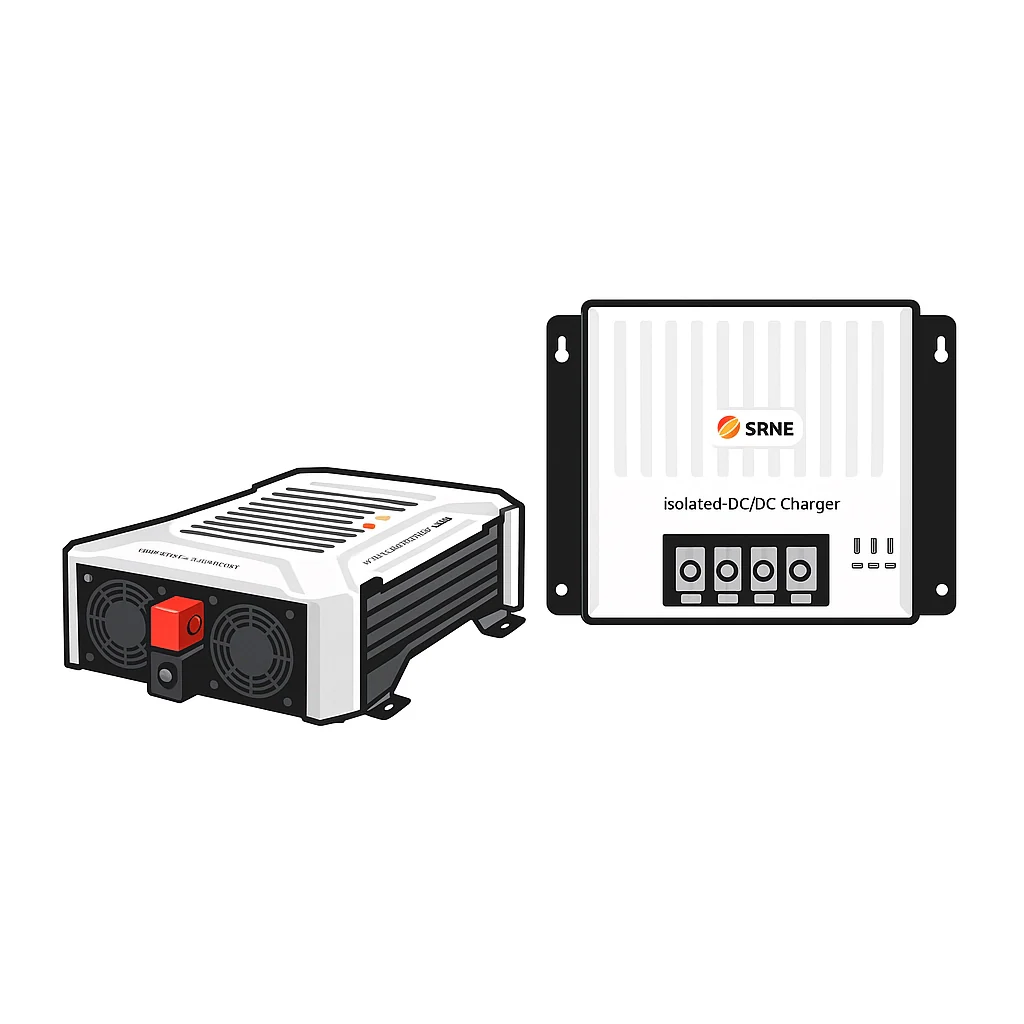
An inverter charger is a 3-in-1 device combining a pure sine wave inverter, a multi-stage battery charger, and an automatic transfer switch in a single unit. For campervan owners, motorhome builders, and off-grid renewable energy enthusiasts, this combination removes the need for three separate components and the wiring complexity that comes with them. Brands such as Victron and SRNE have made inverter chargers a standard component in modern mobile and off-grid builds. Understanding the role of inverter chargers means understanding how power is managed, converted, and maintained across an entire system, not just at a single point.
How do inverter chargers work and what functions do they perform?
An inverter charger operates across three distinct modes, each handling a different aspect of power management in your system.
-
Inverter mode. The unit draws DC power from your battery bank and converts it to AC power for household appliances. A pure sine wave output is critical here. Sensitive electronics such as laptops, medical devices, and variable-speed motor loads require clean AC waveforms. Modified sine wave units can damage these devices over time.
-
Charger mode. When shore power or a generator is connected, the unit switches to charging your batteries using a multi-stage charging profile. This typically covers bulk, absorption, and float stages. Each stage delivers the correct voltage and current for the battery’s state of charge, protecting cell chemistry and extending service life.
-
Automatic transfer switch (ATS) mode. The ATS detects when external AC power becomes available and transfers the load from the inverter to the mains or generator supply. This switching completes in 10 to 20 milliseconds, which is fast enough that most sensitive electronics do not register any interruption.
A fourth function worth noting is power assist, sometimes called load assist. When connected to a limited AC source such as a weak campsite hookup, the load assist function supplements the incoming AC with battery power during surge events. This prevents tripping the site’s circuit breaker when a high-draw appliance starts up.
Pro Tip: When sizing your inverter charger, account for startup surge loads, not just running wattage. A 2,000W unit may struggle to start a compressor fridge that draws 600W running but surges to 1,800W at startup.
Inverter charger vs separate units: what are the real benefits?
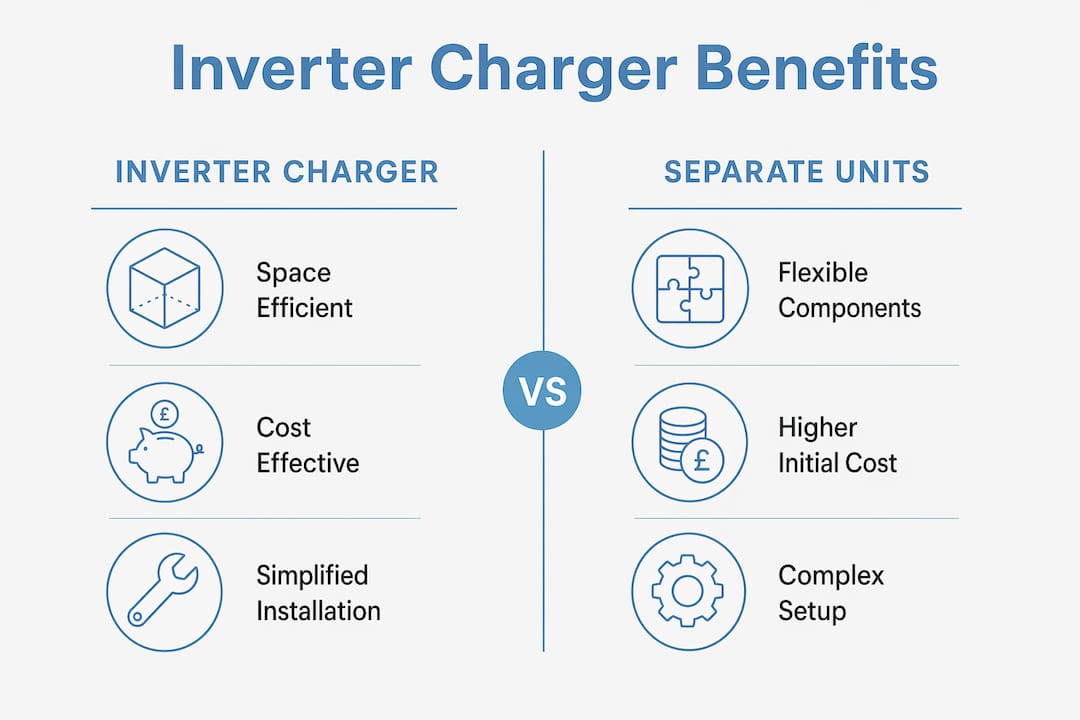
Standalone inverters require external chargers and manual transfer switches, adding wiring complexity and increasing the number of potential failure points. An integrated unit removes all three as separate concerns.
The practical advantages for RV and off-grid builds are significant:
- Space saving. Campervans and motorhomes have limited panel space. Replacing three separate units with one reduces the footprint considerably, freeing space for battery capacity or other components.
- Simplified wiring. Fewer devices mean fewer cable runs, fewer fuse points, and fewer connection joints. Each additional connection is a potential fault location. Reducing them improves long-term reliability.
- Automatic switching. Seamless automated power management removes the risk of human error during source transitions. You do not need to manually switch between inverter and shore power when arriving at a campsite.
- Integrated battery management. The charger section applies the correct profile for your battery chemistry, protecting cells from overcharge and undercharge. This directly affects battery lifespan.
- Renewable energy compatibility. Inverter chargers manage power flow intelligently across solar, generator, and shore power inputs, making them well-suited to hybrid renewable setups.
| Feature | Inverter charger | Separate inverter and charger |
|---|---|---|
| Space required | Single unit footprint | Three separate units |
| Wiring complexity | Low | High |
| Transfer switching | Automatic, 10 to 20ms | Manual or separate ATS required |
| Battery management | Integrated, multi-stage | Dependent on charger model |
| Renewable integration | Built-in coordination | Requires external management |
Pro Tip: If you are retrofitting an existing van build, an inverter charger is often the most practical upgrade. Replacing a basic inverter and a separate mains charger with a single unit typically reduces wiring faults and simplifies future troubleshooting.
How to match inverter charger settings to your battery type
Selecting the correct charging profile is the most overlooked step in inverter charger setup. Matching profiles to battery chemistry is critical for efficiency and safety. Using an AGM profile on a LiFePO4 battery, for example, will overcharge the lithium cells and degrade them prematurely.
Key configuration points to address during setup:
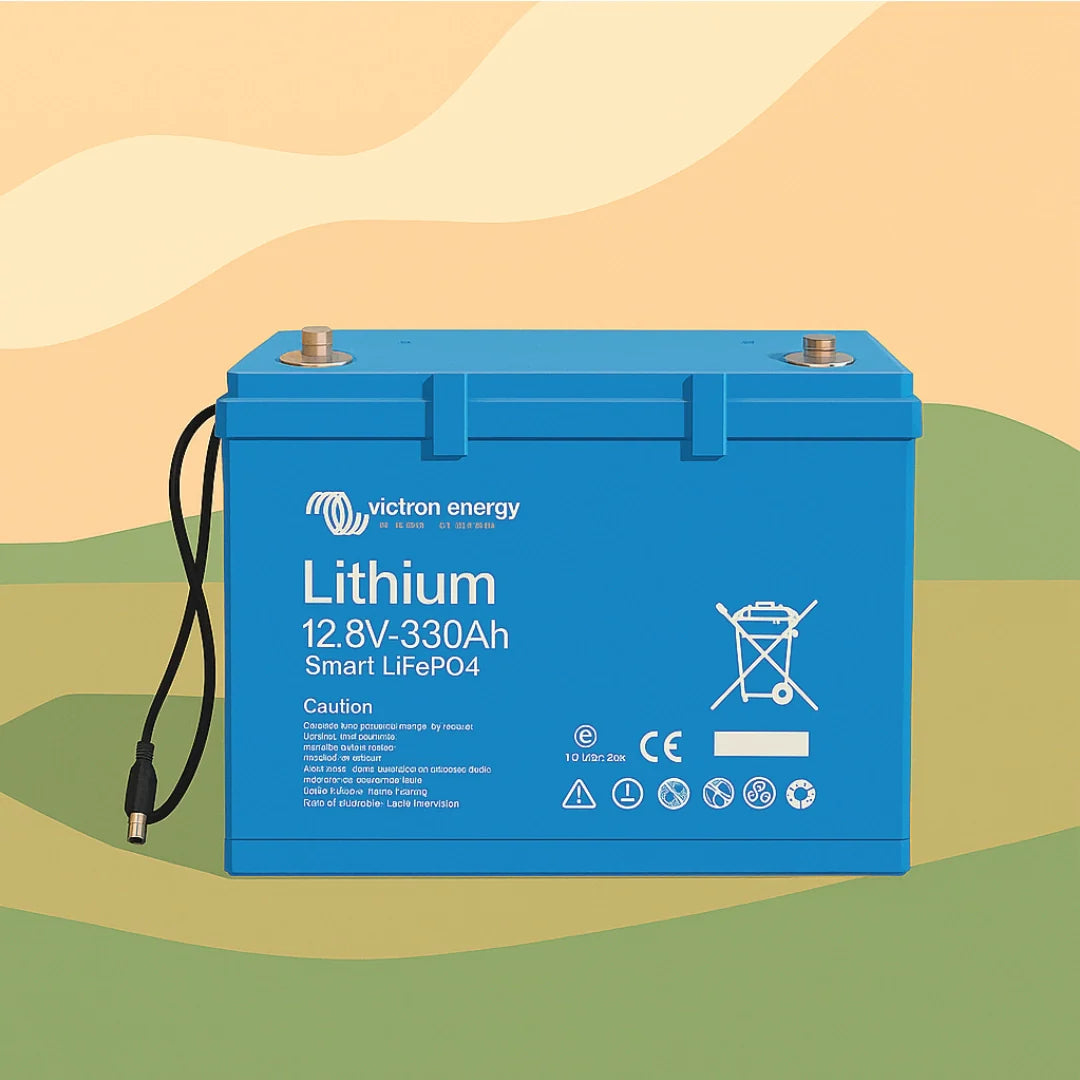
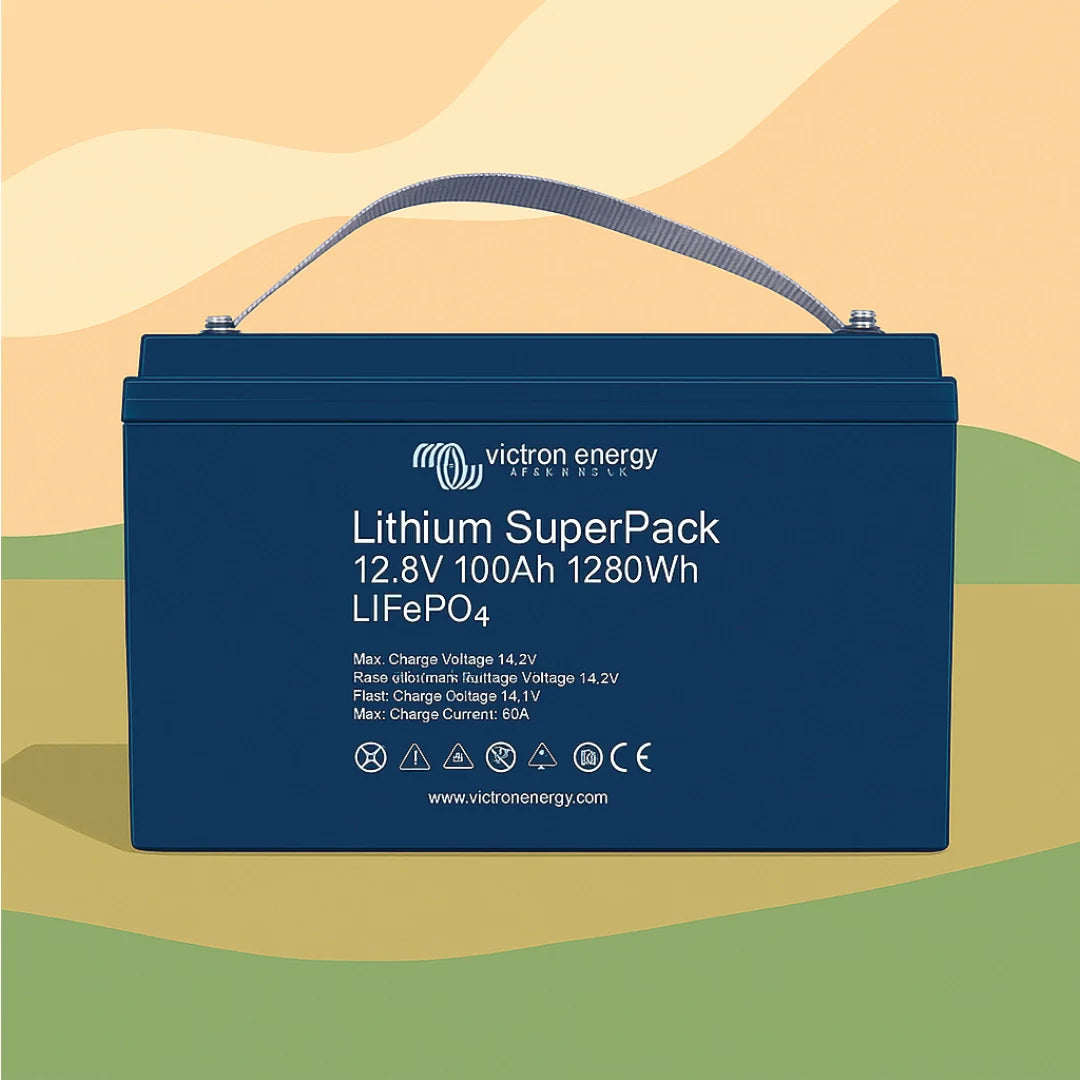
- LiFePO4 batteries require a lower absorption voltage (typically 14.2V to 14.6V for a 12V bank) and no float charge. Many inverter chargers now include a dedicated lithium profile. Confirm the unit supports this before purchasing.
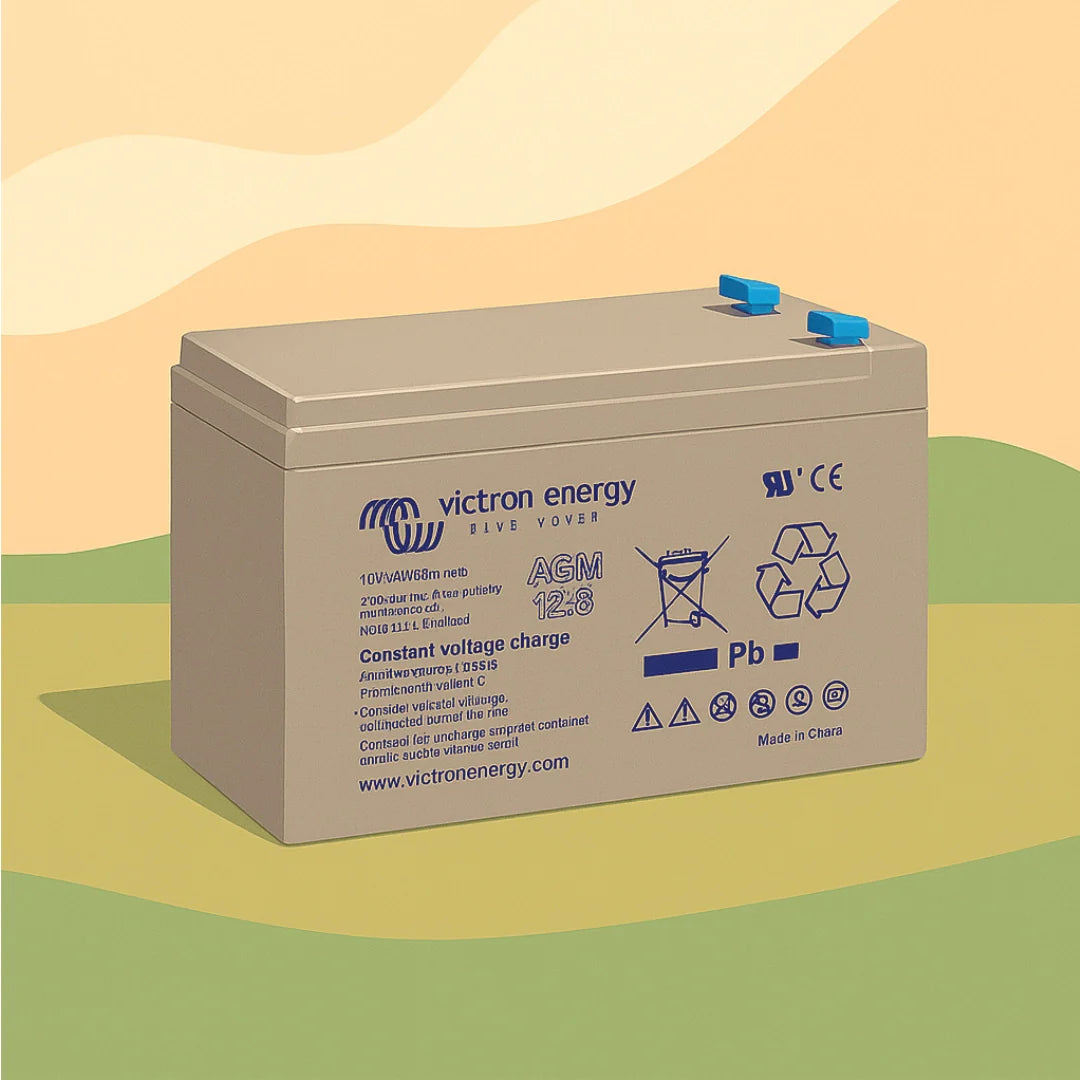
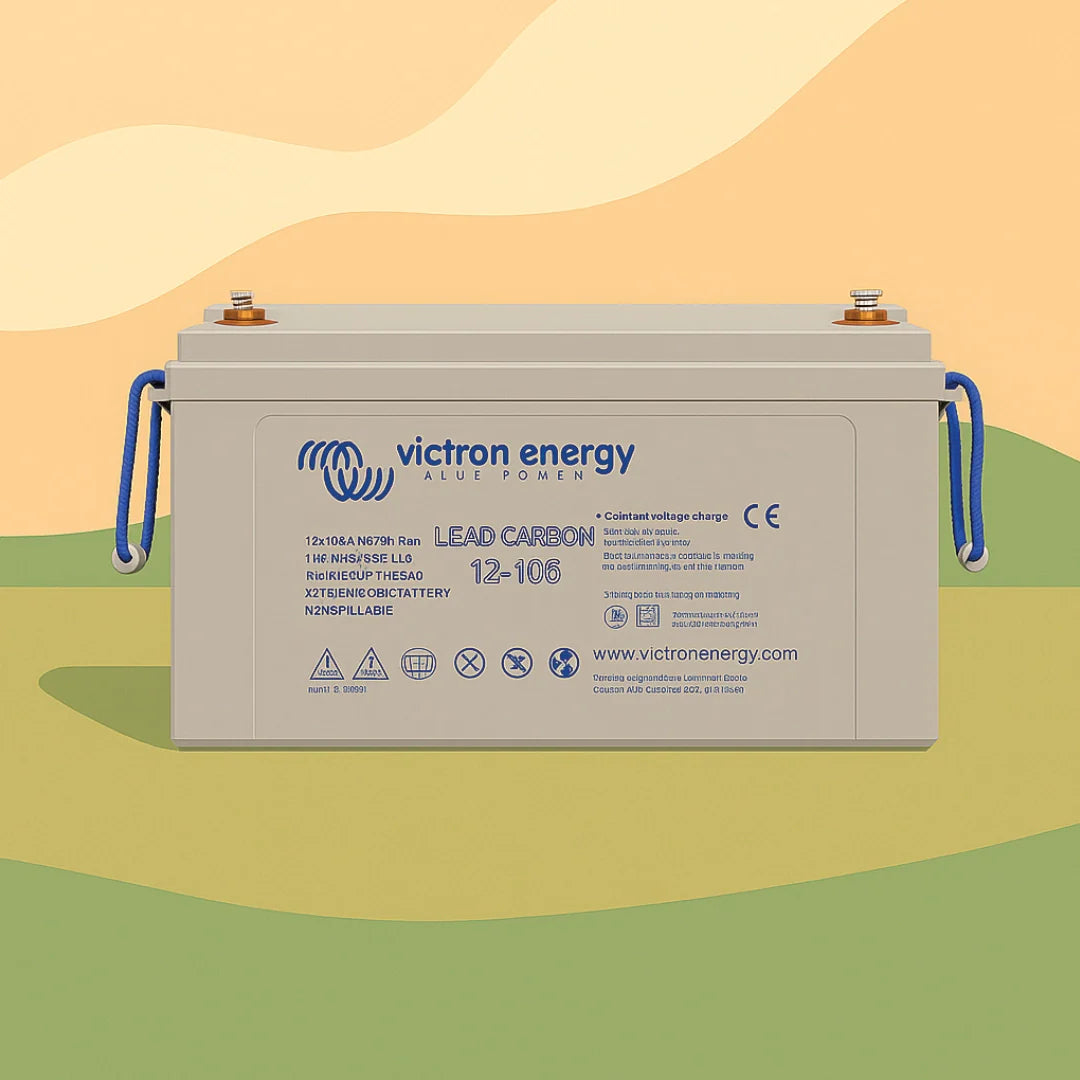
- AGM and gel batteries tolerate higher absorption voltages but are sensitive to overcharging. Set the float voltage correctly to avoid electrolyte loss.
- Flooded lead-acid batteries benefit from periodic equalisation charges. Check whether your inverter charger supports this function if you are running a flooded bank.
- Usable capacity planning. Lithium battery banks assume around 80% usable capacity as a standard planning figure. Size your inverter charger’s charge current to replenish this capacity within a reasonable timeframe when connected to shore power or a generator.
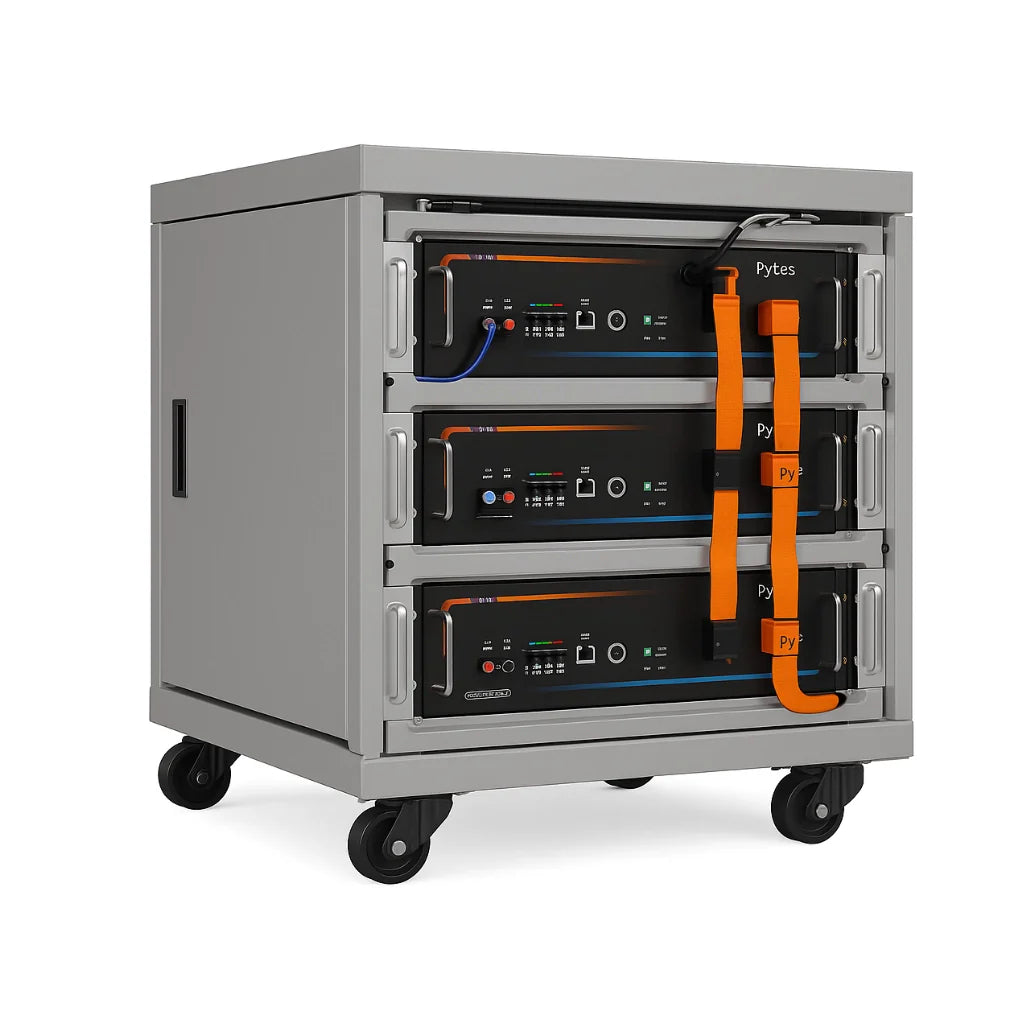
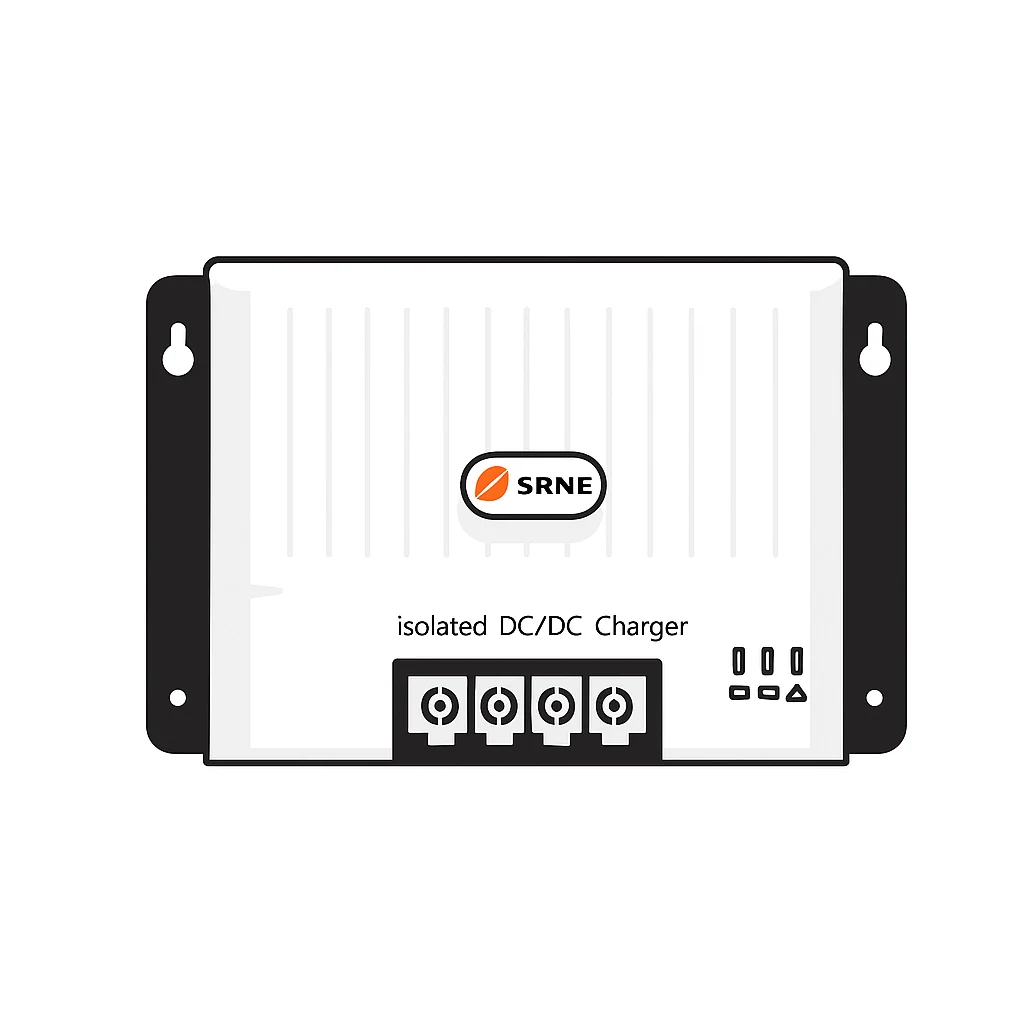
- Coordinating charge sources. Proper coordination between the inverter charger and other charge sources such as MPPT solar charge controllers and DC-DC chargers is non-negotiable. If multiple devices attempt to regulate battery voltage simultaneously, they can conflict and cause instability or damage. Set the inverter charger as the primary source and configure solar and alternator inputs to complement it.
- Neutral-to-ground bonding. Neutral-to-ground bonding must be correctly configured in mobile installations. When the inverter charger is in inverter mode, it must provide the neutral-to-ground bond. When shore power is connected, the bond should come from the shore supply. Incorrect bonding creates shock hazards and can trip RCDs.
Understanding how solar battery storage works alongside your inverter charger helps you configure charge priorities correctly and avoid voltage conflicts between devices.
What errors to avoid when installing and using inverter chargers
Most inverter charger failures in the field trace back to installation errors rather than product faults. The following are the most common and consequential mistakes.
- Undersized cabling. DC cables between the battery and inverter charger carry high current. Undersized cable creates resistance, heat, and voltage drop. Follow the manufacturer’s cable sizing guide precisely, and use appropriately rated fuses or circuit breakers at the battery end.
- Ignoring battery chemistry compatibility. As covered above, the wrong charging profile damages batteries. Always verify the unit supports your battery type before commissioning.
- Uncoordinated device settings. Running a Victron MPPT controller and an inverter charger without coordinating their voltage targets causes both devices to compete for regulation. Use a Victron Battery Monitor or a BMS with communication capability to manage this where possible.
- Skipping the power assist configuration. If you regularly use campsite hookups with limited amperage, configure the power assist threshold correctly. Without it, the inverter charger will not supplement the incoming supply during surges, and you will trip the site breaker repeatedly.
- Neglecting regular monitoring. Battery voltage, state of charge, and charge cycle data should be reviewed periodically. Many modern inverter chargers, including units in the SRNE range available through Skyenergi, support Bluetooth or remote monitoring. Use it.
Pro Tip: Commission your inverter charger on a bench or in a controlled environment before fitting it permanently. Run through each mode, check the ATS switching, and verify the charging profile against your battery manufacturer’s specifications. Fixing a configuration error before installation saves hours of troubleshooting later.
For a broader view of how inverters function in mobile builds, the role of inverters in campervans covers the fundamentals that apply equally to inverter charger installations.
Key takeaways
An inverter charger is the most efficient single component upgrade for any RV or off-grid system, combining power conversion, battery charging, and automatic source switching in one unit.
| Point | Details |
|---|---|
| 3-in-1 functionality | One unit replaces a standalone inverter, battery charger, and manual transfer switch. |
| Fast automatic switching | Transfer switching completes in 10 to 20 milliseconds, protecting sensitive electronics. |
| Battery profile matching | Selecting the correct profile for LiFePO4, AGM, or gel batteries directly affects lifespan and safety. |
| Charge source coordination | MPPT controllers and DC-DC chargers must be configured to complement, not conflict with, the inverter charger. |
| Power assist capability | Load assist supplements weak AC sources during surge events, preventing campsite breaker trips. |
Why inverter chargers are non-negotiable in modern off-grid builds
I have reviewed and installed a significant number of off-grid and mobile power systems over the years, and the pattern is consistent. Systems built around a quality inverter charger outperform those using separate components in almost every measurable way: fewer wiring faults, longer battery life, and far less owner intervention.
The misconception I encounter most often is that any inverter will do the same job. It will not. A standalone inverter without battery maintenance functions cannot manage the complexity of a modern renewable system. It converts power. That is all. An inverter charger actively manages the battery bank, responds to external power availability, and coordinates with solar and alternator inputs. These are fundamentally different roles.
The other overlooked advantage is the quality of the battery storage integration that a good inverter charger enables. A well-configured unit running the correct LiFePO4 profile will extend battery cycle life noticeably compared to a generic charger running an AGM profile on the same cells. That difference compounds over years of use.
My recommendation is straightforward: do not compromise on the inverter charger. It is the control centre of your power system. Buy a unit from a reputable manufacturer, configure it correctly for your battery chemistry, and coordinate it with every other charge source in your build. The SRNE RIC12 series and Victron MultiPlus range are both proven choices for this application in 2026.
— John
Explore inverter charger solutions from Skyenergi
Skyenergi supplies a range of inverter charger solutions built for campervans, motorhomes, and off-grid renewable setups.
The 3kVA solar power and electrics system from Skyenergi includes a 3kVA inverter charger, battery-to-battery charger, and system monitoring in a single turnkey package. For solar integration, the Victron 610W solar panel with Smart MPPT controller pairs directly with inverter charger setups to deliver a complete, coordinated charging system. Both options are available now at Skyenergi with direct manufacturer sourcing and competitive pricing.
FAQ
What is the main role of an inverter charger?
An inverter charger converts DC battery power to AC for appliances, charges the battery bank from an external AC source, and automatically switches between power sources. It performs all three functions in a single unit, removing the need for separate devices.
What is the difference between an inverter and an inverter charger?
A standalone inverter only converts DC to AC power and has no battery charging or automatic transfer switching capability. An inverter charger adds multi-stage battery charging and an automatic transfer switch, making it a complete power management solution.
Can an inverter charger work with solar panels?
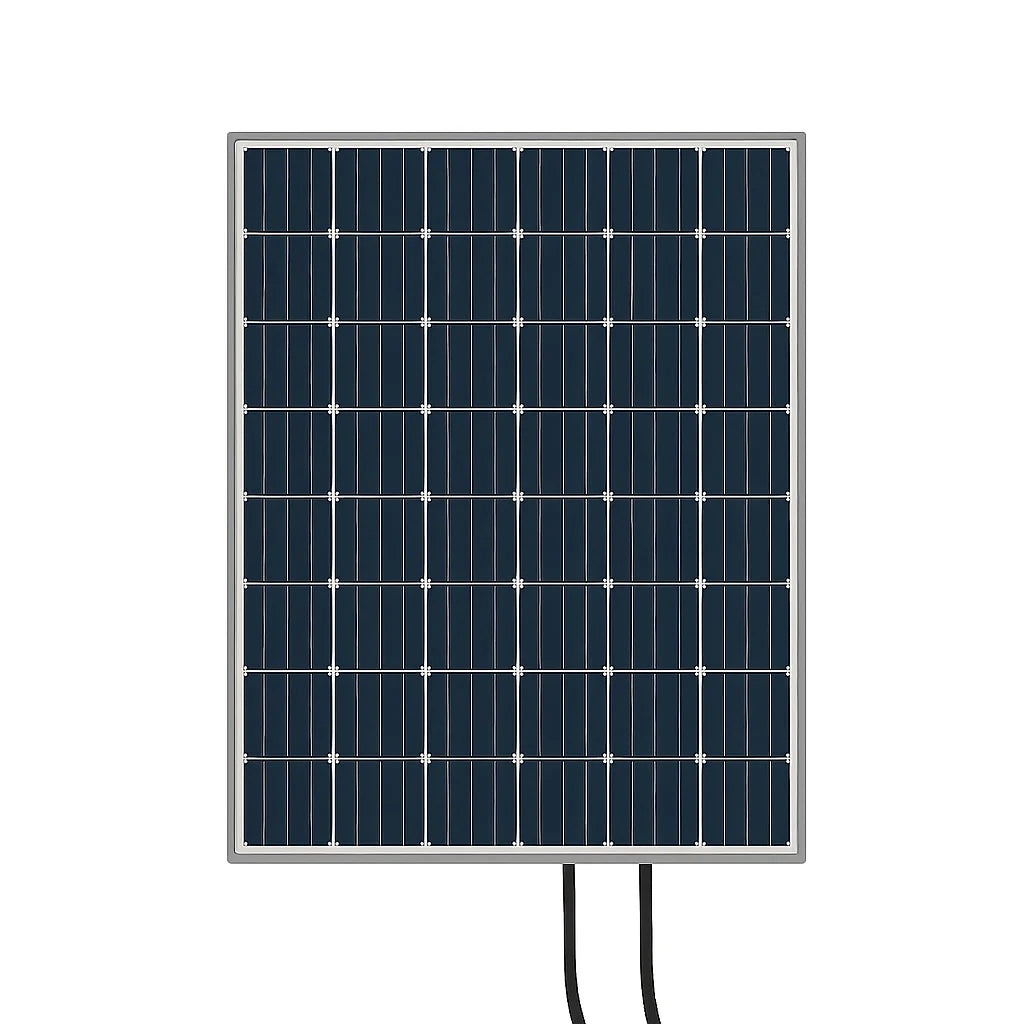
Yes. An inverter charger works alongside an MPPT solar charge controller to form a complete off-grid charging system. The two devices must be configured to avoid voltage conflicts, with the solar controller and inverter charger targeting compatible charge voltages for the battery bank.
How do I choose the right inverter charger for my battery type?
Confirm the unit supports a dedicated charging profile for your battery chemistry, whether LiFePO4, AGM, gel, or flooded lead-acid. LiFePO4 batteries in particular require a specific absorption voltage and no float charge. Using the wrong profile reduces battery lifespan and can create safety risks.
What is the power assist function on an inverter charger?
Power assist, also called load assist, allows the inverter charger to supplement a limited external AC supply with battery power during high-demand events. This is particularly useful on campsite hookups with low amperage limits, preventing circuit breaker trips when high-draw appliances start up.
Recommended
Prev post

The role of power electronics in storage systems
Updated on 07 June 2026
Next post

Must-have solar accessories for off-grid power in 2026
Updated on 05 June 2026


