





Portable energy storage explained: a 2026 guide
Discover portable energy storage explained: learn how these powerful, eco-friendly systems offer reliable power for off-grid living and adventures.
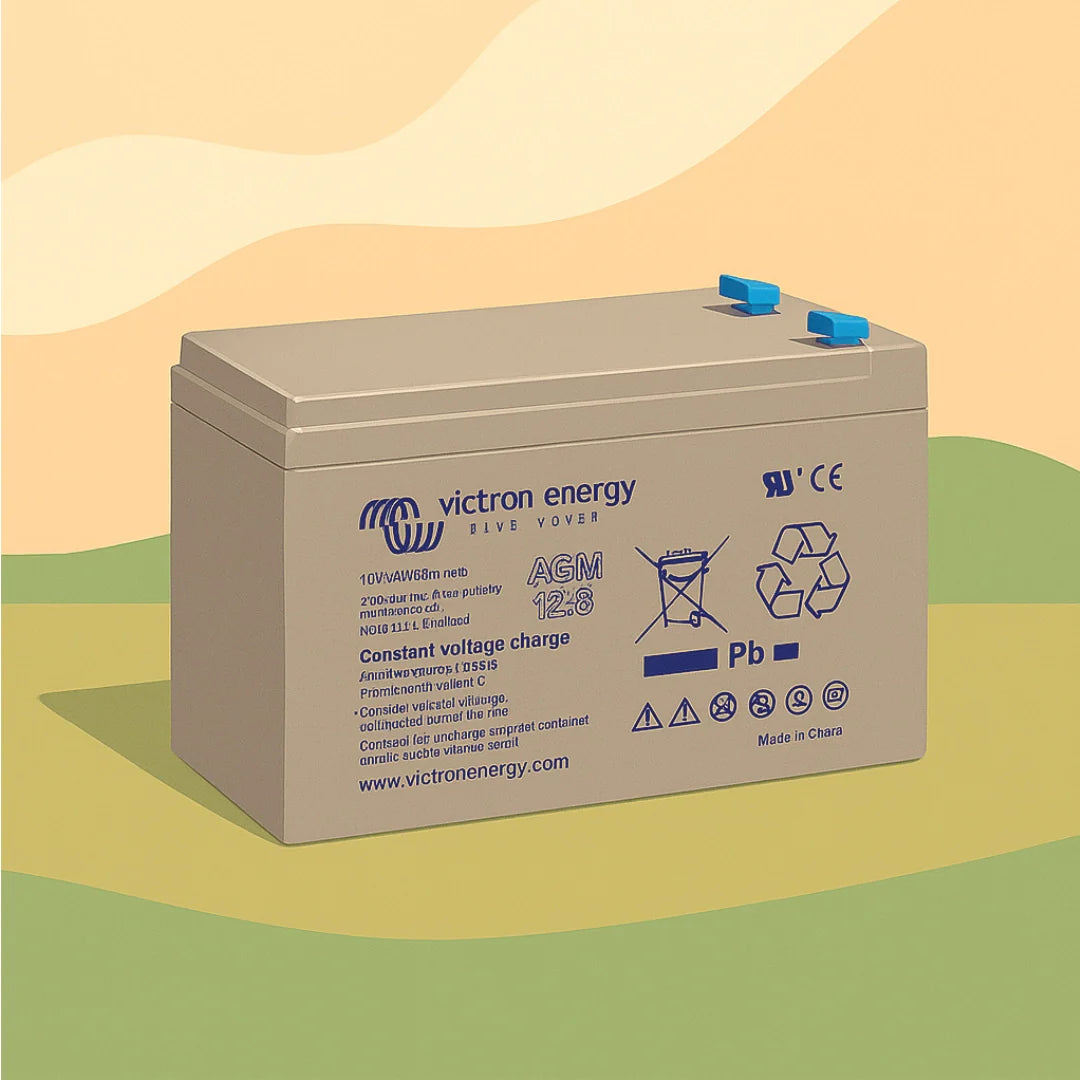
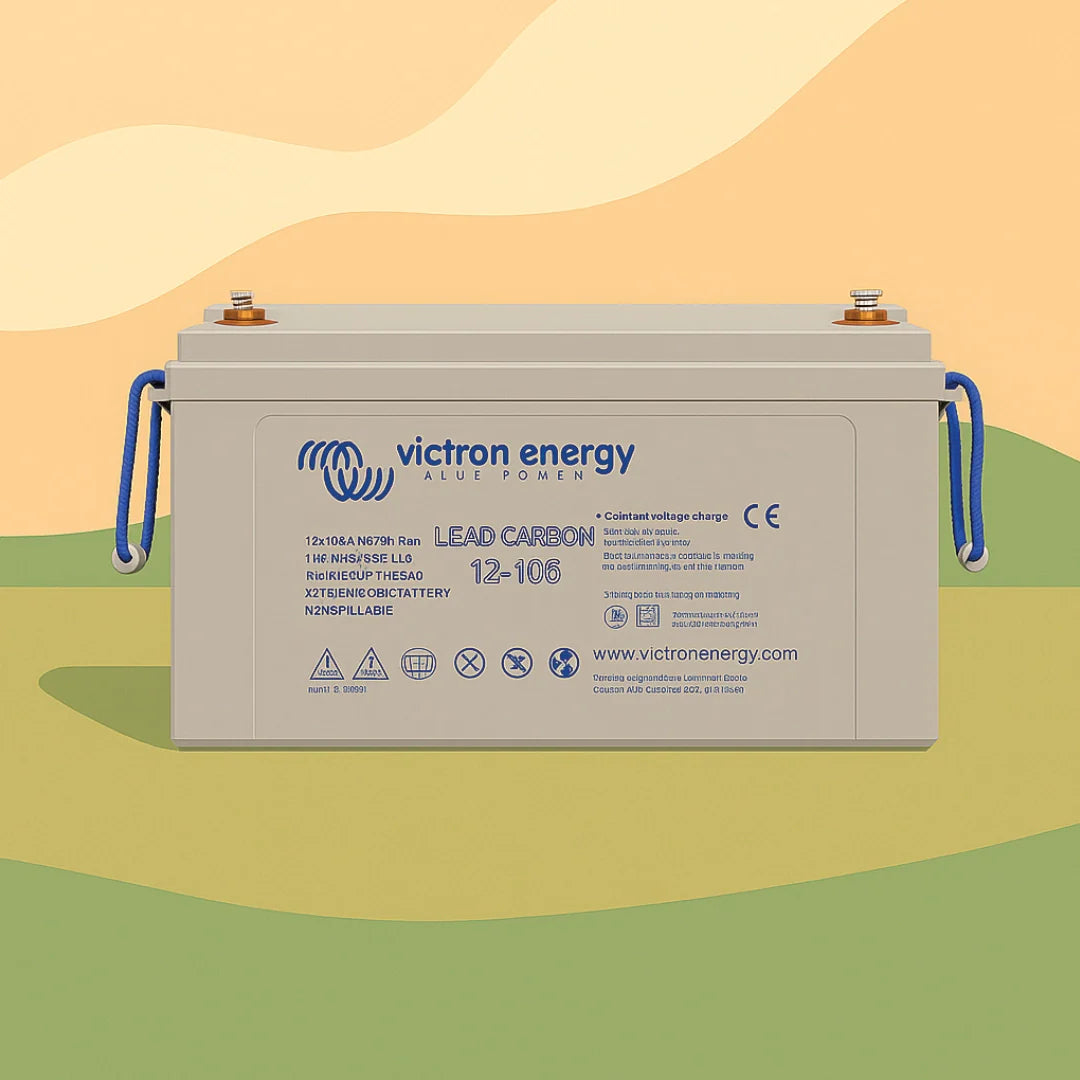
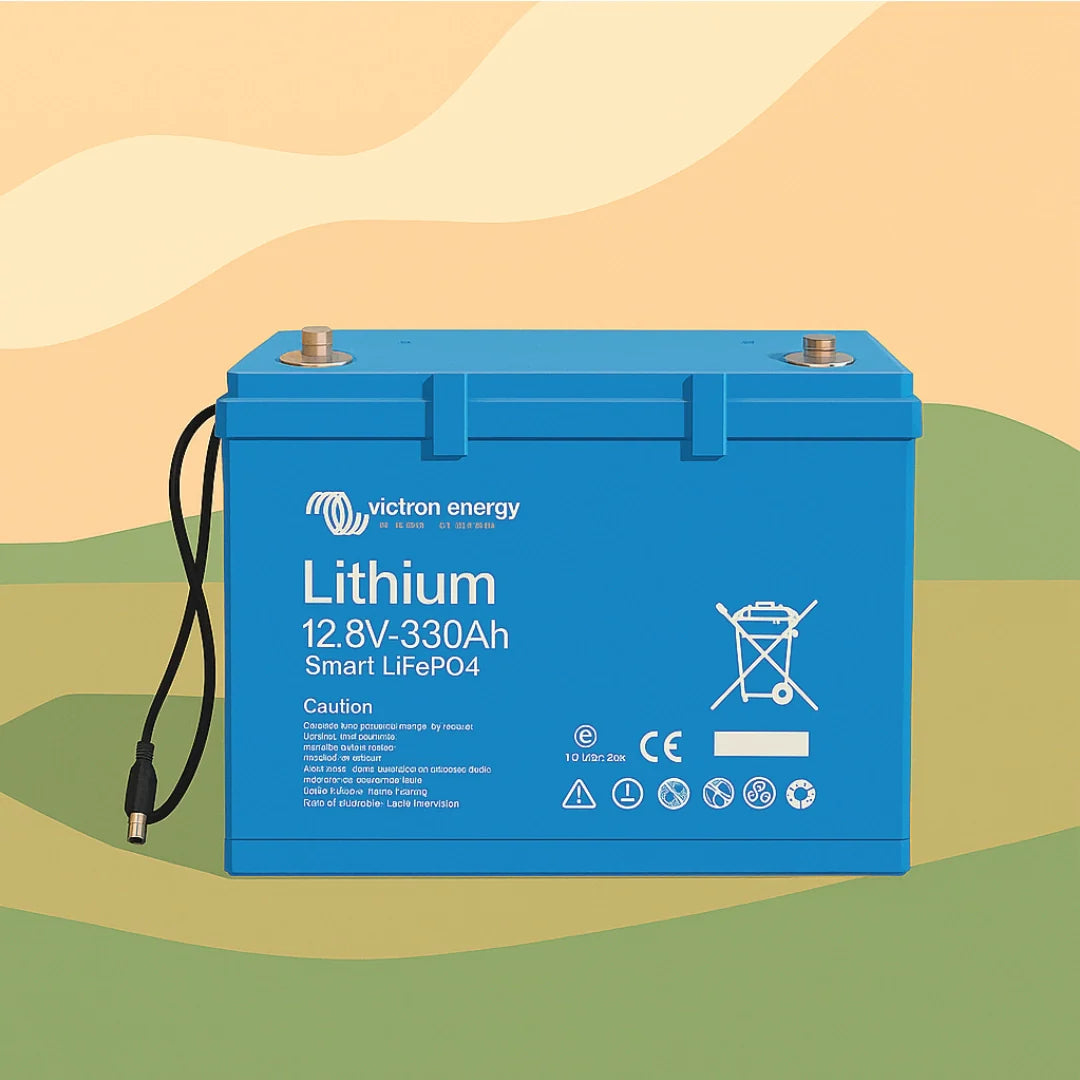
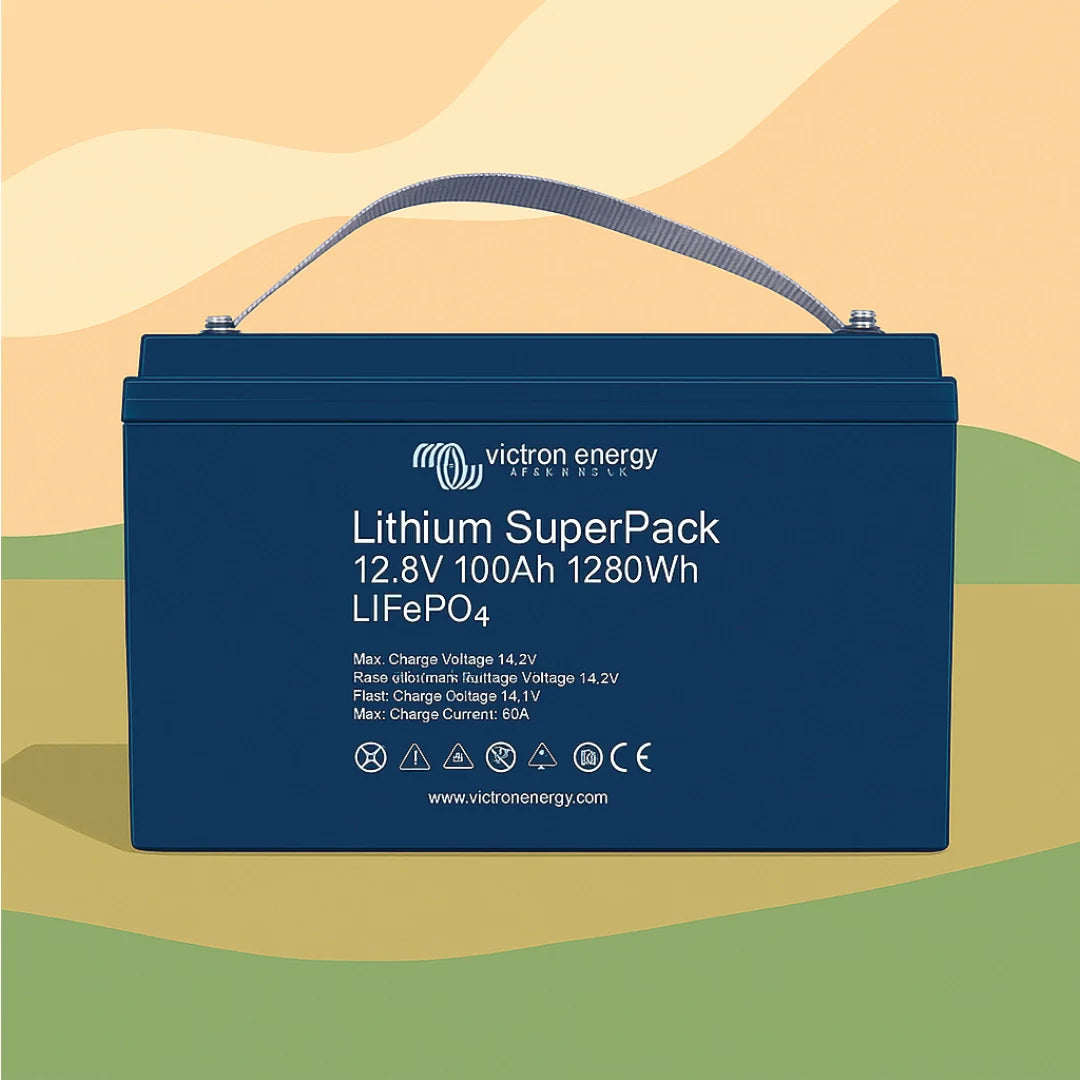
Portable energy storage is defined as a self-contained, rechargeable battery system that stores electrical energy and delivers it on demand, without combustion, fuel, or fixed wiring. These units, widely known in the industry as portable power stations, have replaced fuel generators for a growing number of campervan owners, off-grid households, and small businesses that need reliable power away from the grid. Brands such as Bluetti and EcoFlow have popularised the category, but the underlying technology, particularly Lithium Iron Phosphate (LiFePO4) chemistry, is what separates a quality long-term investment from a disposable gadget. Understanding what these systems contain, how they perform, and where they fall short is the fastest route to choosing the right one.
What is portable energy storage and how does it work?
A portable power station combines four core components: a battery pack, a Battery Management System (BMS), an inverter, and a charge controller. Each plays a distinct role, and the quality of each determines real-world performance.
Battery cells are the foundation. Two chemistries dominate the market:
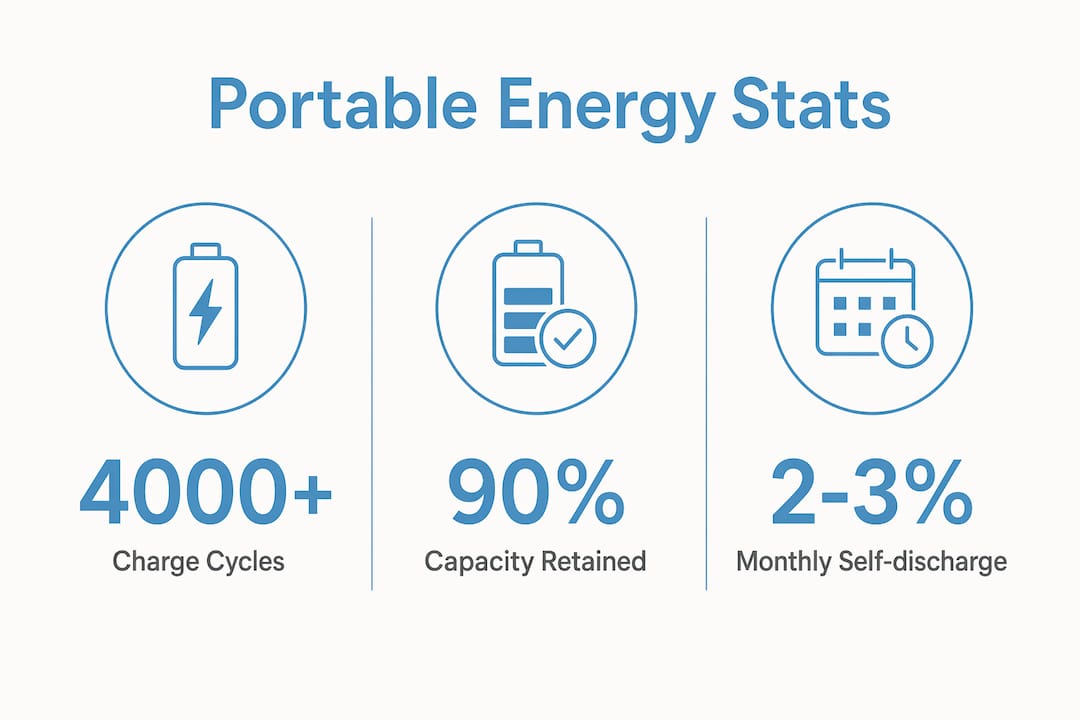
- LiFePO4 (Lithium Iron Phosphate): The preferred choice for longevity and safety. LiFePO4 batteries deliver 2,000 to 4,000+ charge cycles, equating to 8 to 11 years of service life under recommended use. That figure makes them the clear choice for anyone planning regular or long-term use.
- NMC (Nickel Manganese Cobalt): Higher energy density in a smaller form factor, but typically rated for 500 to 1,000 cycles. Better suited to occasional use where compact size matters more than longevity.
The BMS is the safety layer between the battery and everything connected to it. It monitors voltage, current, and temperature in real time, and prevents overcharge, over-discharge, and thermal runaway. Without a competent BMS, a battery pack is a liability. Skyenergi’s own lithium leisure batteries include intelligent BMS with Bluetooth monitoring, so you can track cell health directly from your phone. For a deeper look at why this matters, the Skyenergi guide on BMS in energy storage covers the technical detail clearly.
The inverter converts DC power stored in the battery into AC power that standard appliances use. Two ratings matter here:
| Rating | What it means | Why it matters |
|---|---|---|
| Continuous watts | Power the unit sustains indefinitely | Determines which appliances run reliably |
| Surge (peak) watts | Short burst capacity at startup | Must exceed appliance startup draw |

The charge controller manages how energy enters the battery. Units with MPPT (Maximum Power Point Tracking) controllers harvest solar energy significantly more efficiently than PWM alternatives. Not every portable power station includes MPPT, so this is worth confirming before purchase. The Skyenergi article on MPPT for off-grid systems explains the difference in practical terms.
Pro Tip: Check both the continuous watt rating and the surge watt rating before buying. A 1,000 W continuous unit may only handle 1,500 W surge, which is insufficient to start a mid-size compressor fridge or power tool.
Self-discharge is a factor in long-term storage. LiFePO4 units lose 2 to 3% charge per month, meaning a unit stored at 80% charge retains roughly 63 to 68% after 12 months. Plan a top-up charge every three to four months if the unit is kept in reserve.
Portable energy storage vs fuel generators: which is better?
The comparison between portable power stations and petrol or diesel generators is not simply about cost. It comes down to use case, safety, and operational practicality.
| Factor | Portable power station | Fuel generator |
|---|---|---|
| Emissions | Zero. Safe for indoor use | Carbon monoxide. Outdoor use only |
| Noise | Silent operation | 60 to 80 dB typical |
| Maintenance | Minimal. No oil, filters, or spark plugs | Regular servicing required |
| Fuel logistics | Charge via AC, solar, or 12 V | Requires petrol or diesel storage |
| Electronics safety | Clean sine wave output | Can damage sensitive devices |
| Deployment speed | Instant. Switch on and use | Requires setup, fuel, and pull-start |
Portable power stations produce zero carbon monoxide, which makes them the only safe option for use inside a campervan, motorhome, or enclosed space. A fuel generator running indoors is a serious hazard. For sensitive electronics, laptops, CPAP machines, and camera equipment, the clean sine wave output from a quality inverter is also far less damaging than the variable output of a generator under load.
The generator does hold one genuine advantage: runtime. A large fuel generator can run continuously for hours with a full tank, while a portable power station is limited by its battery capacity. For extended off-grid use without solar recharging, this matters.
Pro Tip: If you run a mobile business or work from a vehicle, a portable power station paired with a solar panel is a more practical daily solution than a generator. It charges while you work and produces no exhaust.
What should you consider when selecting a portable power station?
Choosing the right unit requires matching capacity, chemistry, and wattage ratings to your actual load requirements. Here is a structured approach:
-
Establish your capacity requirement. Capacity ranges split broadly into three tiers: 0.5 to 1 kWh for light outdoor and camping use, 1 to 2 kWh for balanced utility including small appliances, and 2 kWh and above for extended emergency backup or powering multiple devices simultaneously.
-
Choose the right battery chemistry. LiFePO4 is the correct choice for regular use, off-grid living, or any application where the unit will be cycled frequently. NMC suits occasional travellers who prioritise weight savings. The Skyenergi guide on lithium battery advantages covers the trade-offs in detail.
-
Calculate your surge wattage requirement. Motor-driven appliances, including compressor fridges, power drills, and water pumps, require 2 to 3 times their running watts at startup. The surge rating of your chosen unit must exceed the highest single-appliance startup draw by at least 25% to avoid trip shutdowns.
-
Assess your recharging options. Most units accept AC mains charging, solar input, and 12 V vehicle charging. Recharge times vary significantly. A 1 kWh unit on a standard 230 V socket may recharge in 1.5 to 2 hours, while solar recharging depends on panel wattage and available sunlight. Units with MPPT controllers recharge faster from solar than those without.
-
Consider expandability and monitoring. Some systems allow additional battery modules to be connected, increasing total capacity without replacing the core unit. Bluetooth monitoring, as featured on Skyenergi’s lithium leisure batteries, allows real-time tracking of state of charge, temperature, and cycle count.
-
Check operating temperature limits. LiFePO4 retains approximately 90% capacity at 0°C and performs better in cold conditions than NMC. Neither chemistry should be charged below freezing, as this causes permanent cell damage.
A common purchasing mistake is focusing solely on the headline capacity figure and ignoring the inverter’s continuous watt rating. A 2 kWh battery paired with a 500 W inverter cannot run a 1,200 W kettle, regardless of how much energy is stored.
What are the practical applications and limitations of portable power stations?
Portable power stations cover a wide range of real-world scenarios, but they are not a universal solution. Understanding both sides prevents disappointment after purchase.
Where they perform well:
- Camping and overlanding: powering lighting, a compressor fridge, phone charging, and a portable induction hob
- Campervan and motorhome builds: supplementing a fixed leisure battery bank for short trips or as a standalone solution for weekend use
- Emergency home backup: keeping a router, medical device, or freezer running during a short power cut
- Mobile businesses: powering tools, laptops, or point-of-sale equipment at markets, events, or remote job sites
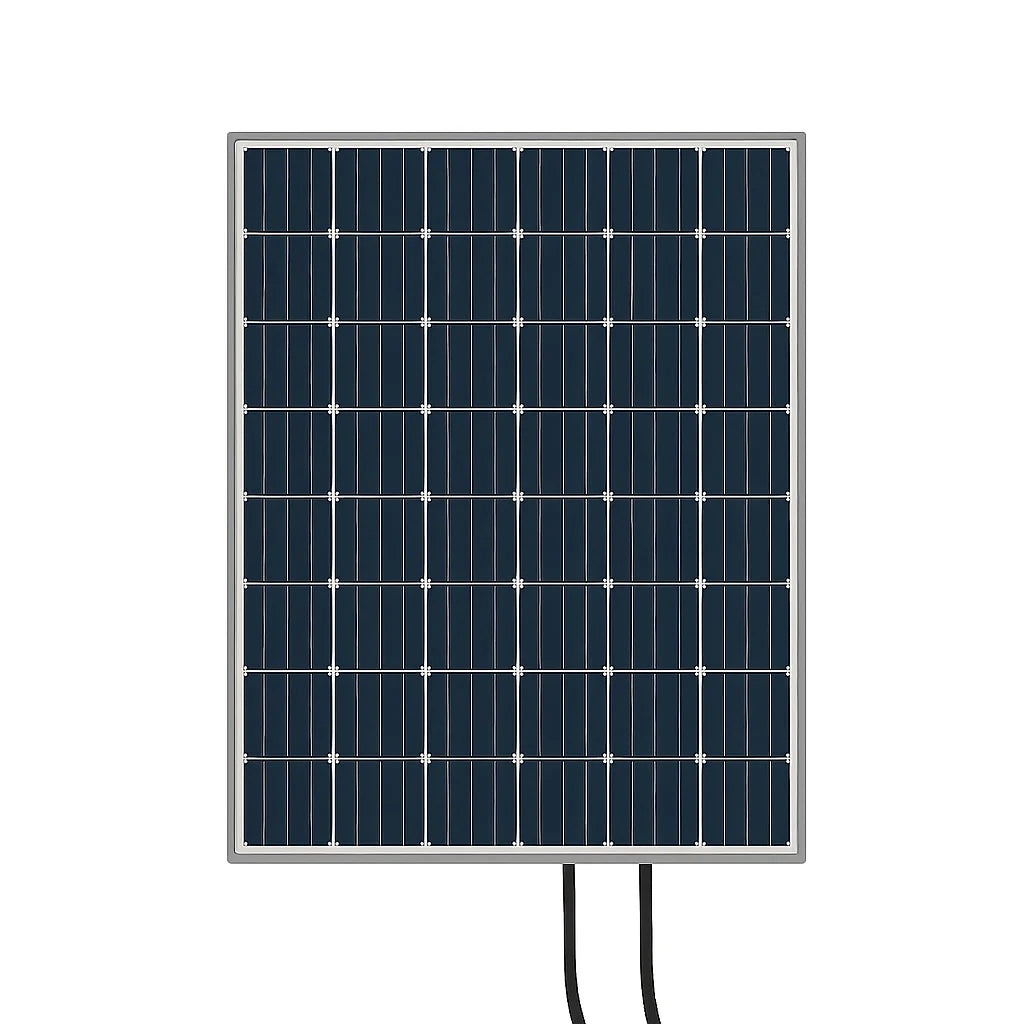
- Renewable energy integration: storing solar energy harvested during the day for evening use
Where they face real constraints:
Portable power stations cannot connect directly to a home’s electrical panel without a transfer switch. This limits them to powering individual appliances rather than the whole house. They are designed as short-duration solutions, typically providing 24 to 72 hours of selective power, not a permanent replacement for a fixed battery bank.
Cold weather affects performance. Charging below 0°C damages cells permanently. If you store a unit in a vehicle or shed during winter, check the temperature before initiating a charge cycle.
For emergency preparedness, the self-discharge rate of LiFePO4 units means a unit left uncharged for a year may only have 63 to 68% of its rated capacity available. A quarterly top-up charge and an annual load test on a known appliance are the minimum maintenance steps for reliable emergency readiness.
Surge loads catch many users off guard. Test your specific appliances against the unit’s surge rating before relying on it in a critical situation. A compressor fridge that draws 150 W running may pull 450 W or more at startup, and a unit rated at 400 W surge will shut down immediately.
Key takeaways
Portable power stations are the most practical portable energy solution for off-grid, emergency, and mobile applications when matched correctly to load requirements and recharged regularly.
| Point | Details |
|---|---|
| LiFePO4 is the preferred chemistry | Delivers 2,000 to 4,000+ cycles and retains ~90% capacity at 0°C, outperforming NMC for regular use. |
| Surge wattage is the critical rating | Motor-driven appliances need 2 to 3 times their running watts at startup; always check the peak rating. |
| BMS protects the battery and user | A quality BMS monitors voltage, temperature, and current to prevent dangerous conditions and extend lifespan. |
| Self-discharge requires maintenance | LiFePO4 units stored for 12 months retain only 63 to 68% charge; top up every three to four months. |
| Panel connection needs a transfer switch | Without one, portable units power individual appliances only, not a whole home circuit. |
Why surge wattage is the detail most buyers overlook
After working with portable energy systems across campervans, off-grid builds, and emergency setups, the single most consistent mistake I see is buying on capacity alone. A buyer sees “2 kWh” and assumes the unit will run anything they plug in. It will not, if the inverter cannot handle the startup surge.
I have seen a well-specified 1.5 kWh LiFePO4 unit shut down repeatedly trying to start a standard compressor fridge, simply because the surge rating was 200 W short of what the fridge needed at startup. The fix was a unit with a higher peak rating, not more capacity. That distinction is not obvious from a product listing.
The other area where I think conventional advice falls short is emergency preparedness. Most guides tell you to buy a unit and store it. That is not enough. A unit stored for six months without a top-up charge may not be at the capacity you expect when you need it. Treat it like a smoke alarm: test it regularly, not just when the power goes out.
LiFePO4 chemistry is genuinely worth the price premium for anyone planning more than occasional use. The cycle life advantage over NMC is not marginal. Over eight to eleven years of regular use, the cost per cycle of a quality LiFePO4 unit is substantially lower than replacing a cheaper NMC unit every two to three years.
— John
Explore portable energy storage solutions from Skyenergi
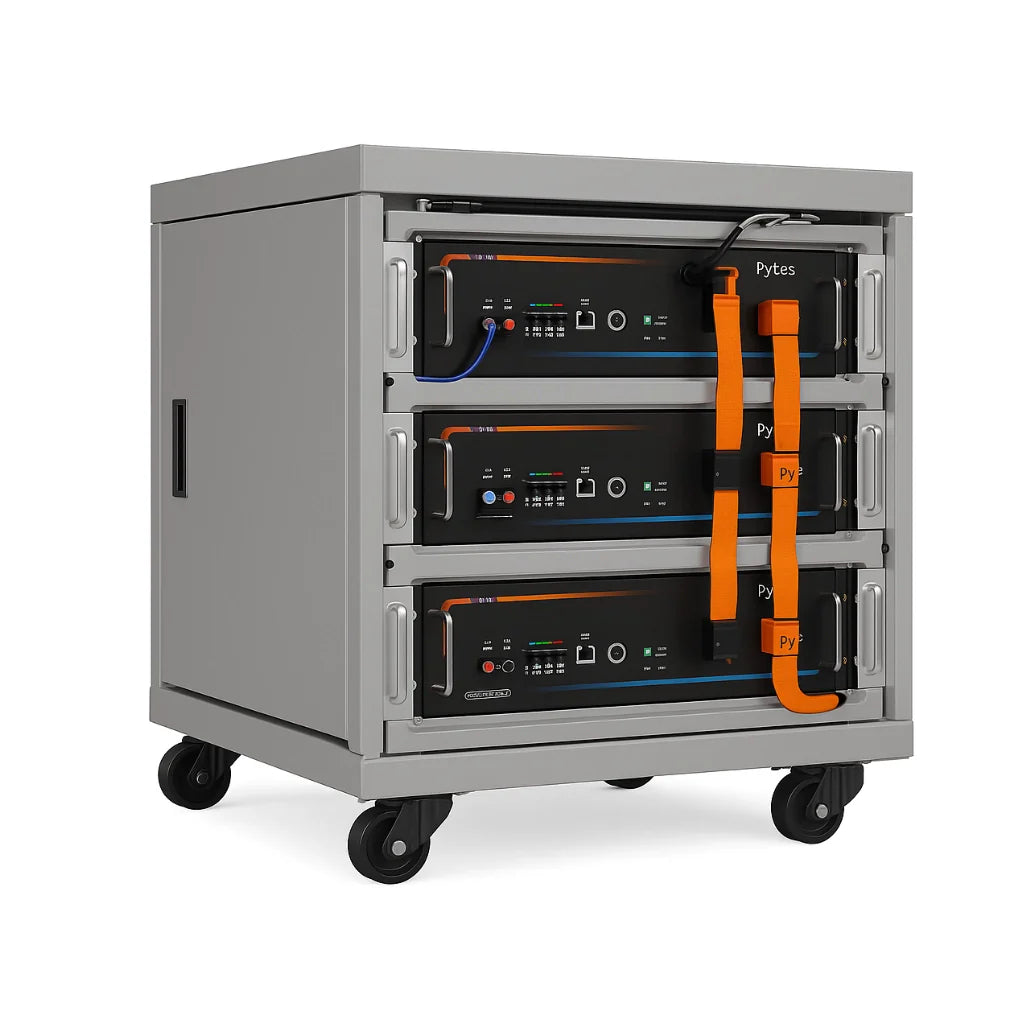
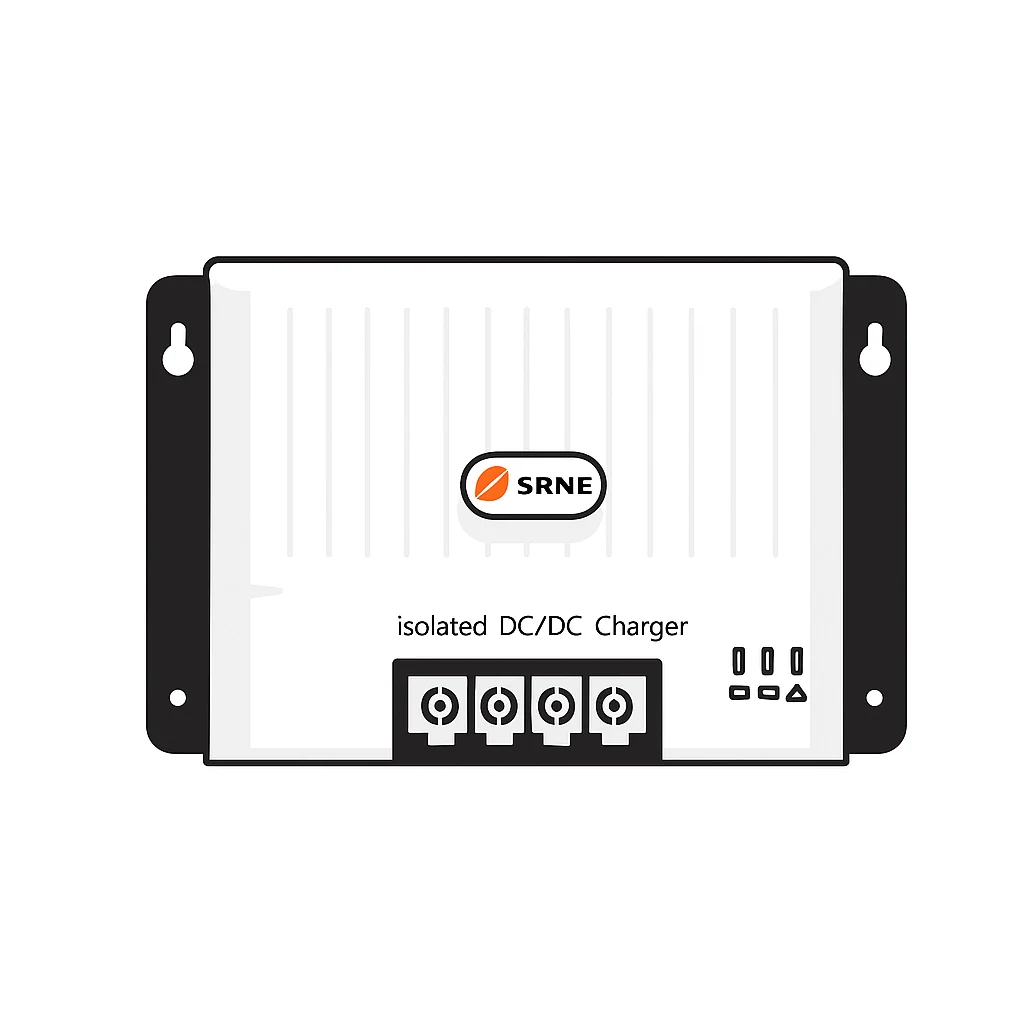
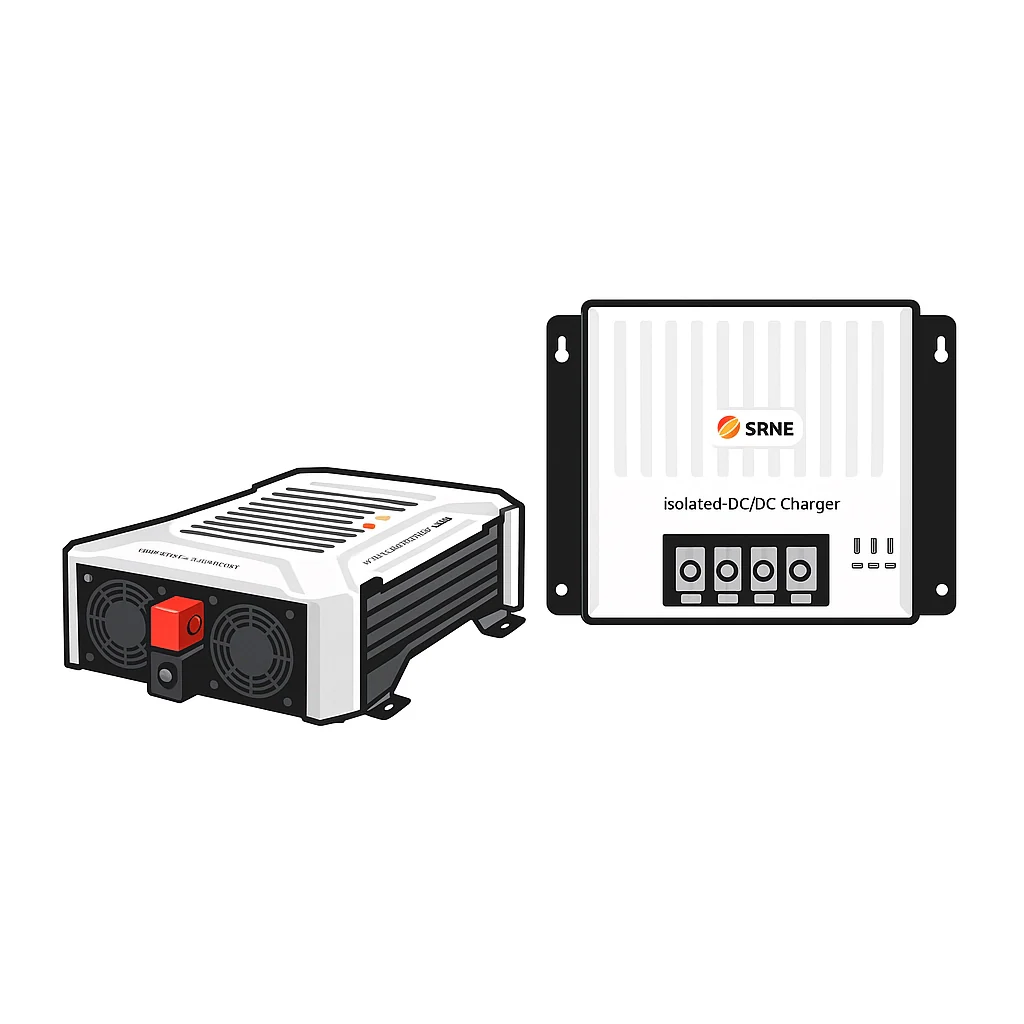
Skyenergi supplies a range of lithium battery systems and off-grid power solutions suited to campervans, motorhomes, marine setups, and residential applications. The product range includes LiFePO4 leisure batteries with integrated BMS and Bluetooth monitoring, the SRNE turnkey leisure vehicle energy solution, and home energy storage systems from Pytes. All products are sourced directly from manufacturers to keep pricing competitive without compromising on build quality. Whether you are sizing a system for weekend camping or planning a full off-grid setup, the Skyenergi product range covers the components and capacity tiers to match your requirements. Contact the team for sizing guidance and system recommendations.
FAQ
What is a portable power station?
A portable power station is a self-contained, rechargeable battery unit that stores electrical energy and delivers it via AC outlets, USB ports, and 12 V outputs. It functions as a silent, emissions-free alternative to a fuel generator for off-grid and backup power applications.
How long does a portable power station last?
LiFePO4 units are rated for 2,000 to 4,000+ charge cycles, equating to 8 to 11 years of service life under recommended use. NMC units typically last 500 to 1,000 cycles, making them better suited to occasional rather than regular use.
Can a portable power station run a whole house?
No. Portable power stations cannot connect directly to a home’s electrical panel without a transfer switch, and they are designed to power individual appliances for 24 to 72 hours rather than serve as a permanent whole-home backup solution.
What is the difference between continuous and surge wattage?
Continuous wattage is the power a unit sustains indefinitely; surge wattage is the short burst capacity available at appliance startup. Motor-driven devices such as compressor fridges and power tools require 2 to 3 times their running watts at startup, so the surge rating must be checked before purchase.
How often should I charge a portable power station in storage?
LiFePO4 units lose 2 to 3% charge per month and retain approximately 63 to 68% charge after 12 months stored at 80%. A top-up charge every three to four months keeps the unit ready for emergency use and protects long-term battery health.
Recommended
Prev post

Solar panel sizing explained: a practical 2026 guide
Updated on 10 June 2026
Next post

Campervan energy independence workflow: UK guide
Updated on 08 June 2026


