





Lithium Battery Storage – Powering Off-Grid Adventures
Lithium battery storage enables true off-grid independence, with proven efficiency, safety features, UK regulations, and practical options for campervans.
British campervan owners face a unique challenge when adventure calls far from reliable mains power. With more than 60 percent of off-grid travellers saying reliable energy is their top concern, finding an efficient, lightweight solution is crucial. Lithium battery storage stands out for those wanting freedom from campsites and hookups, offering longer life, faster charging, and dependable performance even in unpredictable British weather. Discover what sets these modern power systems apart and why so many choose them to elevate their off-grid experience.
Table of Contents
- What Is Lithium Battery Storage?
- Main Types of Lithium Batteries Available
- Key Features and How They Work
- Safety and UK Regulatory Requirements
- Practical Applications for Campervans
- Risks, Costs and Common Mistakes
Key Takeaways
| Point | Details |
|---|---|
| Advantages of Lithium Batteries | Lithium batteries offer faster charging times, longer lifespans, and more reliable power for off-grid applications compared to traditional batteries. |
| Types of Lithium Batteries | Different lithium battery types cater to specific needs, such as LiFePO4 for thermal stability or Lithium-Sulfur for eco-friendliness. |
| Safety Measures | Adhering to UK safety regulations and utilising proper charging equipment is essential to mitigate risks like overheating and fire hazards. |
| Cost Considerations | While the initial investment for lithium battery systems is significant, their long-term reliability and reduced maintenance offer substantial value. |
What Is Lithium Battery Storage?
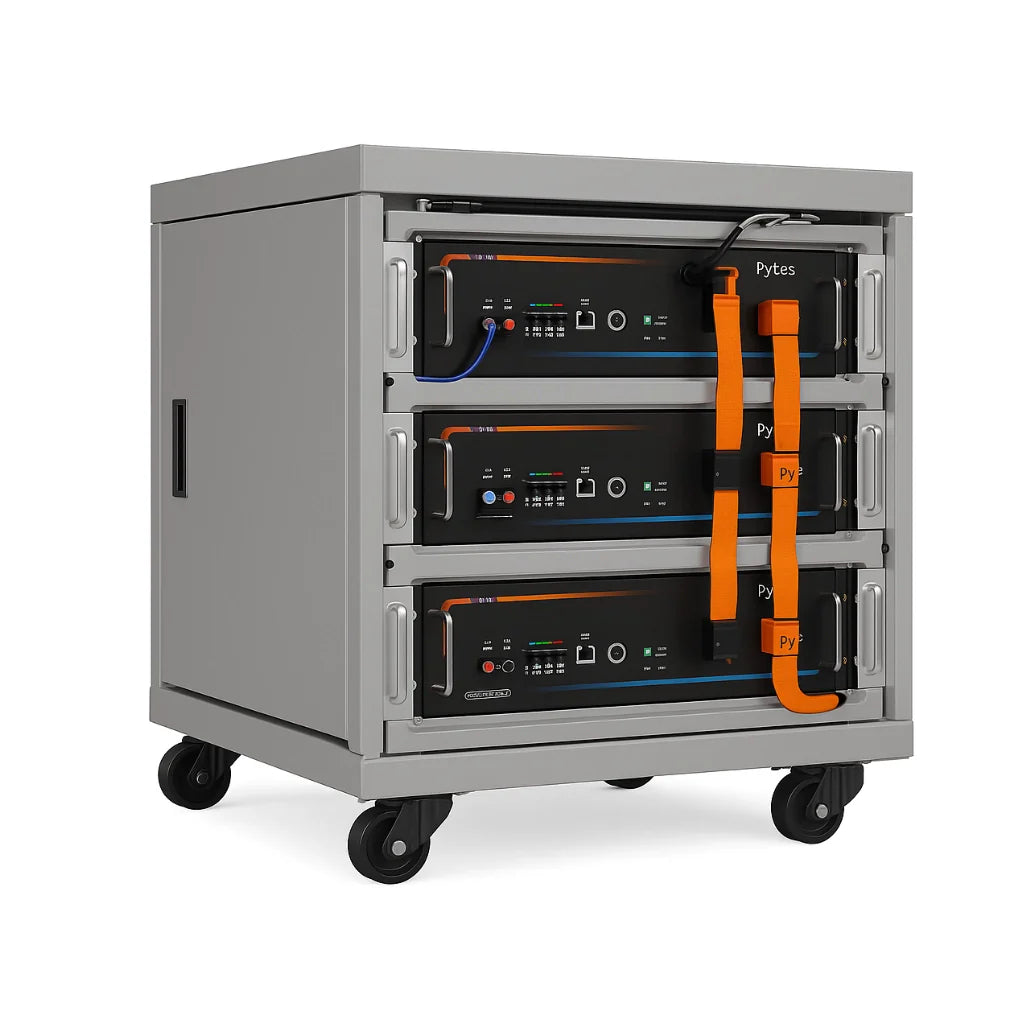
Lithium battery storage represents a cutting-edge power solution designed for modern adventurers seeking reliable and efficient energy management during off-grid journeys. These sophisticated energy storage systems utilise lithium-ion technology to provide compact, lightweight, and high-performance power sources ideal for campervans, motorhomes, and outdoor expeditions.
At its core, lithium battery storage involves storing electrical energy through advanced lithium-ion battery technologies. Unlike traditional lead-acid batteries, lithium batteries leverage the unique properties of lithium ions, which can move efficiently between the battery’s anode and cathode during charge and discharge cycles. This mechanism allows for significantly higher energy density, meaning you can store more power in a smaller, lighter package - a crucial advantage for mobile applications where weight and space are at a premium.
The key characteristics of lithium battery storage make them particularly appealing for off-grid adventures. These batteries offer remarkable benefits such as faster charging times, longer operational lifespans, deeper discharge capabilities, and superior performance across varying temperature ranges. Moreover, they maintain a more consistent voltage output throughout their discharge cycle, which translates to more reliable power delivery for essential equipment like refrigeration units, lighting, communication devices, and portable electronics.
Pro tip: When selecting a lithium battery storage system for your campervan, always consider your specific power requirements and ensure compatibility with your existing electrical setup to maximise performance and longevity.
Main Types of Lithium Batteries Available
Lithium batteries have evolved significantly, offering campervan owners and off-grid enthusiasts multiple technology options tailored to specific energy requirements. Different lithium battery types provide unique performance characteristics for mobile power applications, ensuring users can select the most appropriate solution for their specific needs.
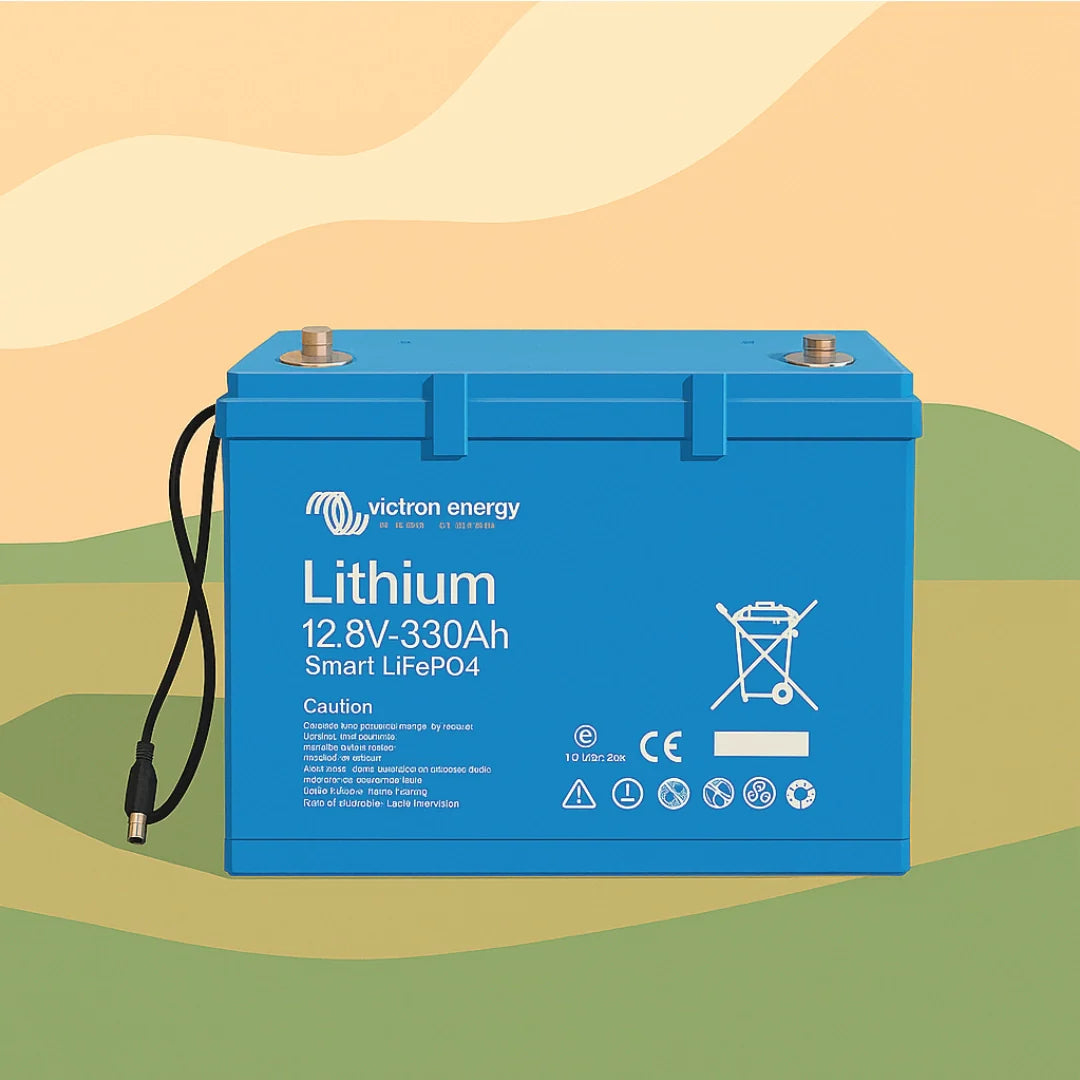
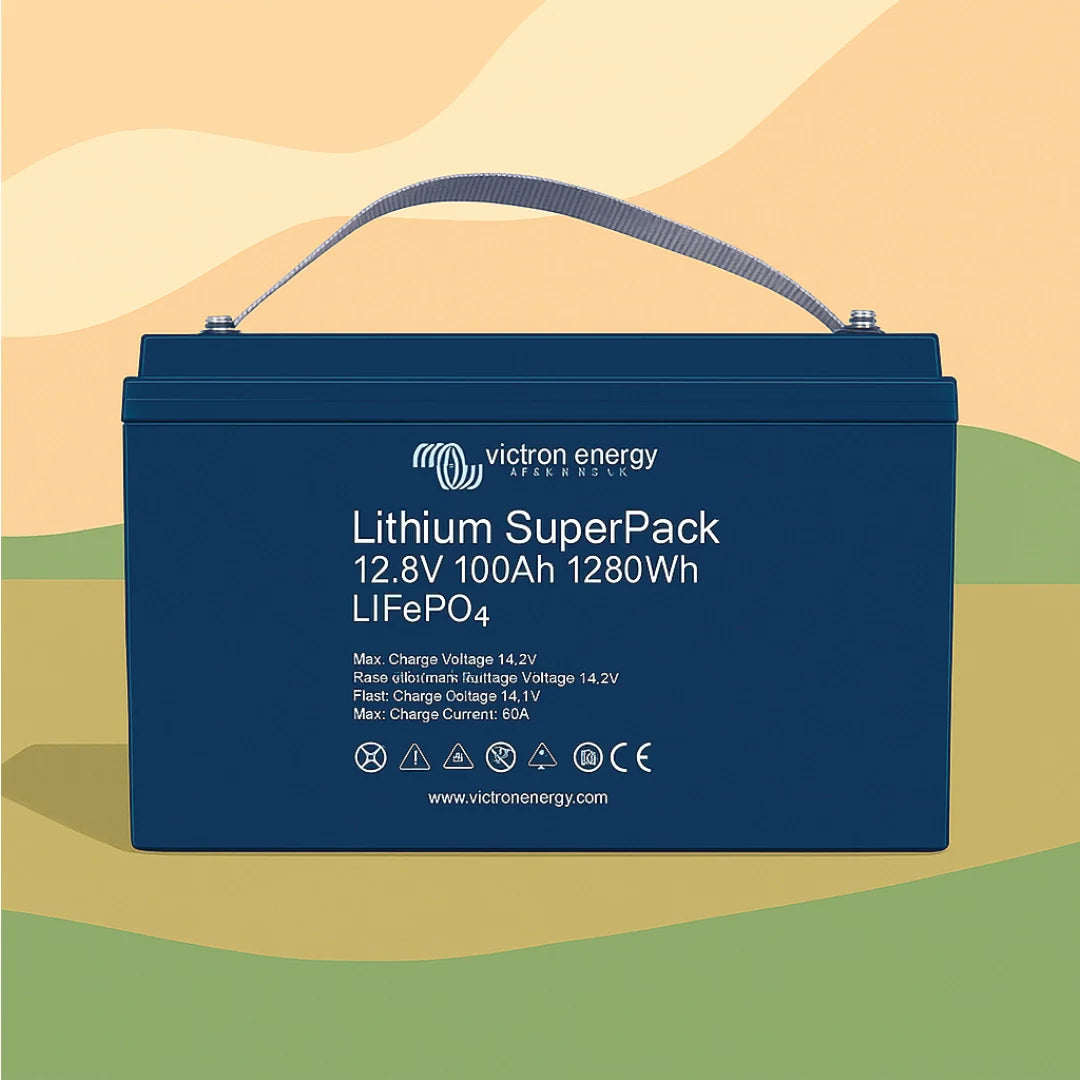
The primary lithium battery types include Lithium Iron Phosphate (LiFePO4), Lithium Cobalt Oxide (LiCoO2), Lithium Manganese Oxide (LiMn2O4), and emerging technologies like Lithium Sulfur. Each variant offers distinct advantages: LiFePO4 batteries are renowned for their exceptional thermal stability and extended cycle life, making them ideal for campervans and marine applications. Lithium Cobalt Oxide batteries provide higher energy density but are more sensitive to temperature fluctuations, while Lithium Manganese Oxide batteries offer a balanced approach with improved safety features.
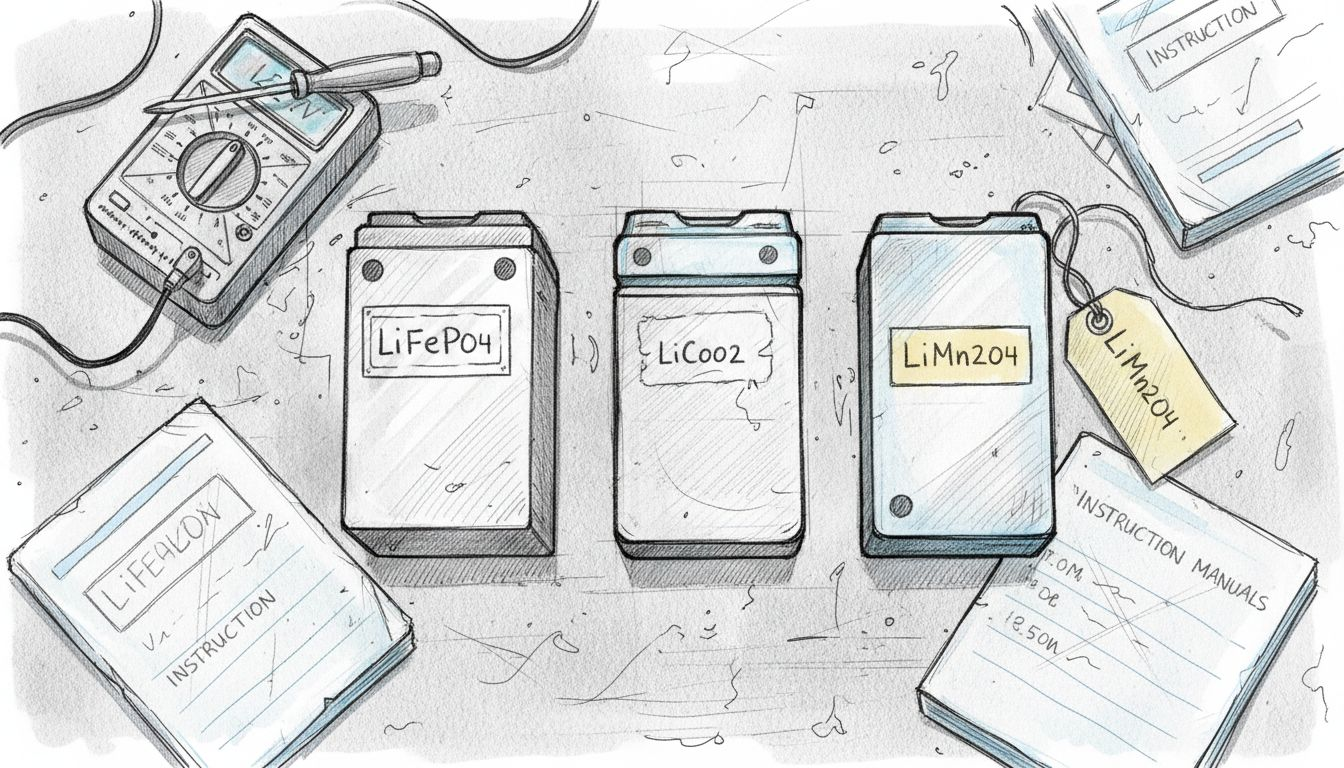
Emergent technologies are pushing battery innovation further. Lithium-sulfur batteries represent a promising alternative with potential advantages such as lighter weight and improved environmental sustainability. These next-generation batteries aim to address current limitations by reducing reliance on expensive metals like cobalt and nickel, potentially offering more cost-effective and eco-friendly energy storage solutions for off-grid adventurers.
Pro tip: When selecting a lithium battery for your campervan, prioritise battery chemistry that matches your specific power consumption patterns and environmental operating conditions.
Here is a comparison of the main lithium battery types suitable for campervan use:
| Battery Type | Key Strengths | Typical Applications |
|---|---|---|
| LiFePO4 (Lithium Iron Phosphate) | Long lifespan, thermal stability | Campervans, marine, solar storage |
| LiCoO2 (Lithium Cobalt Oxide) | High energy density, compact size | Consumer electronics, occasional vehicle use |
| LiMn2O4 (Lithium Manganese Oxide) | Improved safety, moderate cost | Power tools, EVs, portable systems |
| Lithium-Sulphur | Lightweight, eco-friendly potential | Emerging tech, future mobile applications |
Key Features and How They Work
Lithium battery technology represents a sophisticated energy storage solution that leverages intricate electrochemical principles to deliver reliable power for off-grid adventures. The core functionality of lithium-ion batteries revolves around the precise movement of lithium ions between graphite anode and metal oxide cathode, creating a dynamic energy transfer mechanism that enables efficient power generation and storage.
The fundamental operation of lithium batteries involves a complex intercalation process where lithium ions shuttle back and forth between electrode materials during charging and discharging cycles. This unique mechanism allows for remarkable energy density, with batteries capable of storing up to 330 watt-hours per kilogram - a significant advancement over traditional battery technologies. The small size and lightweight nature of lithium ions enable compact design, making these batteries ideal for campervans and mobile applications where space and weight are critical considerations.
Lithium-ion battery safety requires meticulous management of charging processes to prevent potential risks like overheating and fire. Modern lithium batteries incorporate advanced battery management systems that monitor cell temperature, voltage, and current, ensuring optimal performance and preventing dangerous operating conditions. These intelligent systems can automatically adjust charging rates, balance individual cell performance, and provide real-time diagnostics to users, significantly enhancing the reliability and longevity of the battery storage solution.
Pro tip: Always use manufacturer-approved charging equipment and avoid exposing lithium batteries to extreme temperatures to maintain their optimal performance and safety.
Safety and UK Regulatory Requirements
Lithium battery safety in the United Kingdom demands rigorous adherence to comprehensive regulatory standards designed to protect users and prevent potential hazards associated with energy storage technologies. These regulations encompass multiple aspects of battery management, from manufacturing quality to installation and operational protocols specific to campervan and mobile applications.
The UK regulatory framework emphasises several critical safety considerations for lithium battery systems. Manufacturers and users must ensure compliance with electrical safety standards, which include preventing overcharging, managing thermal risks, and implementing robust battery management systems. Key requirements include using certified charging equipment, maintaining appropriate ventilation, installing reliable smoke detection mechanisms, and conducting regular inspections to identify potential deterioration or damage that could compromise system integrity.
Practical safety measures extend beyond technical specifications to include proper handling, storage, and disposal practices. Campervan owners must be vigilant about monitoring battery conditions, avoiding extreme temperature exposure, and using only manufacturer-approved charging accessories. Additionally, electrical installations must meet stringent British Standards, with particular attention to earthing, circuit protection, and potential isolation requirements to minimise risks of electrical failures or thermal runaway events.
Pro tip: Always maintain a comprehensive maintenance log for your lithium battery system, documenting charging cycles, temperature exposures, and any observed irregularities to ensure ongoing safety and performance.
Practical Applications for Campervans
Lithium battery technology transforms campervan energy management, enabling adventurers to achieve unprecedented levels of off-grid independence and electrical reliability. These advanced power storage systems provide campervan owners with a sophisticated solution for managing electrical demands during extended trips, ensuring consistent power delivery for essential appliances and electronic devices.
The practical applications of lithium batteries in campervans are extensive and transformative. They support critical electrical systems such as refrigeration, lighting, communication equipment, heating, and entertainment devices, all while maintaining exceptional performance characteristics. Their lightweight design and high energy density mean campervan owners can reduce vehicle weight while simultaneously increasing available power capacity, a crucial consideration for both performance and fuel efficiency.
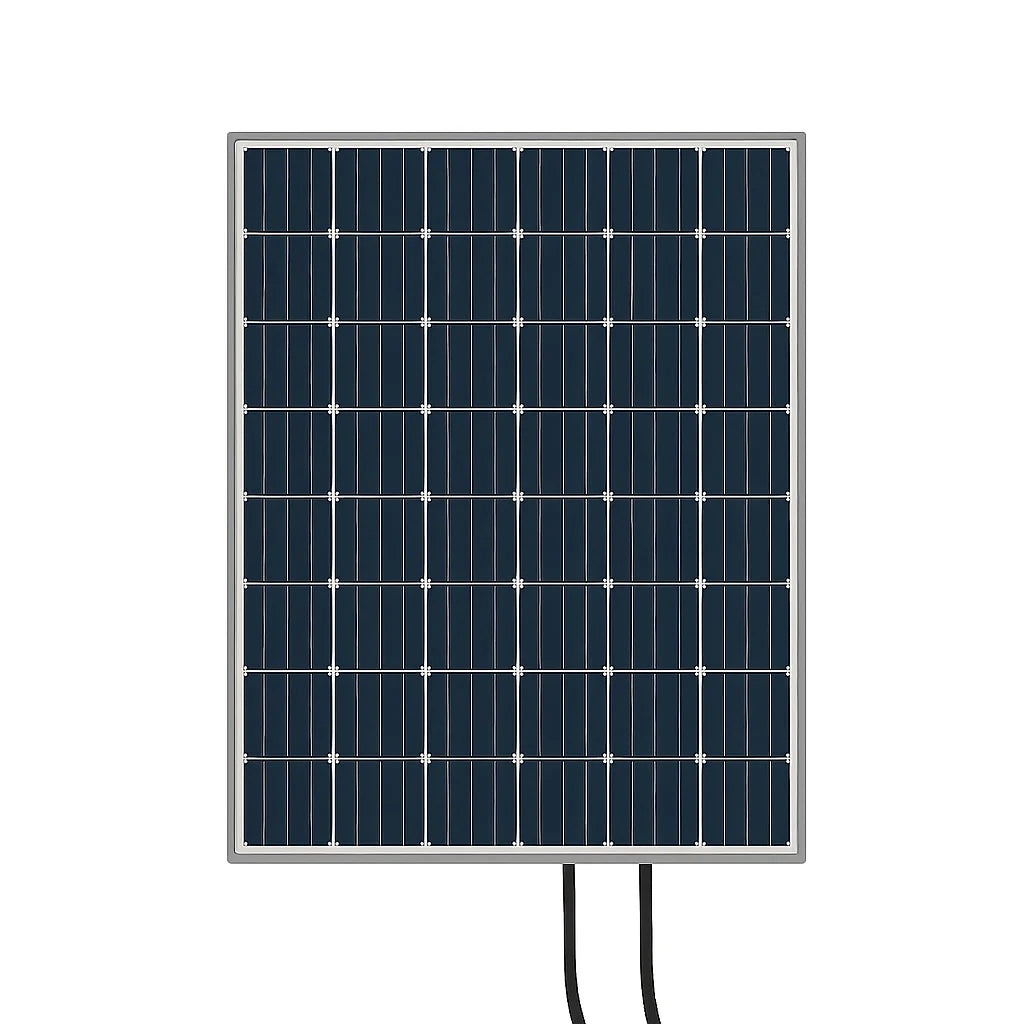
Solar battery storage systems specifically enhance campervan energy self-sufficiency, allowing travellers to generate and store electrical power from solar panels. Although initial investment costs range between £3,000 and £9,000, these systems provide long-term value through reduced reliance on external power sources and minimal maintenance requirements. The ability to store solar-generated electricity enables extended off-grid adventures, giving campervan enthusiasts unprecedented freedom to explore remote destinations without compromising electrical comfort.
Pro tip: Calculate your campervan’s specific electrical load requirements before investing in a lithium battery system to ensure you select a solution that precisely matches your power consumption needs.
Risks, Costs and Common Mistakes
Lithium battery systems present unique risks and financial considerations that campervan owners must carefully evaluate, encompassing potential safety hazards, substantial upfront investments, and complex maintenance requirements. Understanding these factors is crucial for making informed decisions about battery storage solutions.
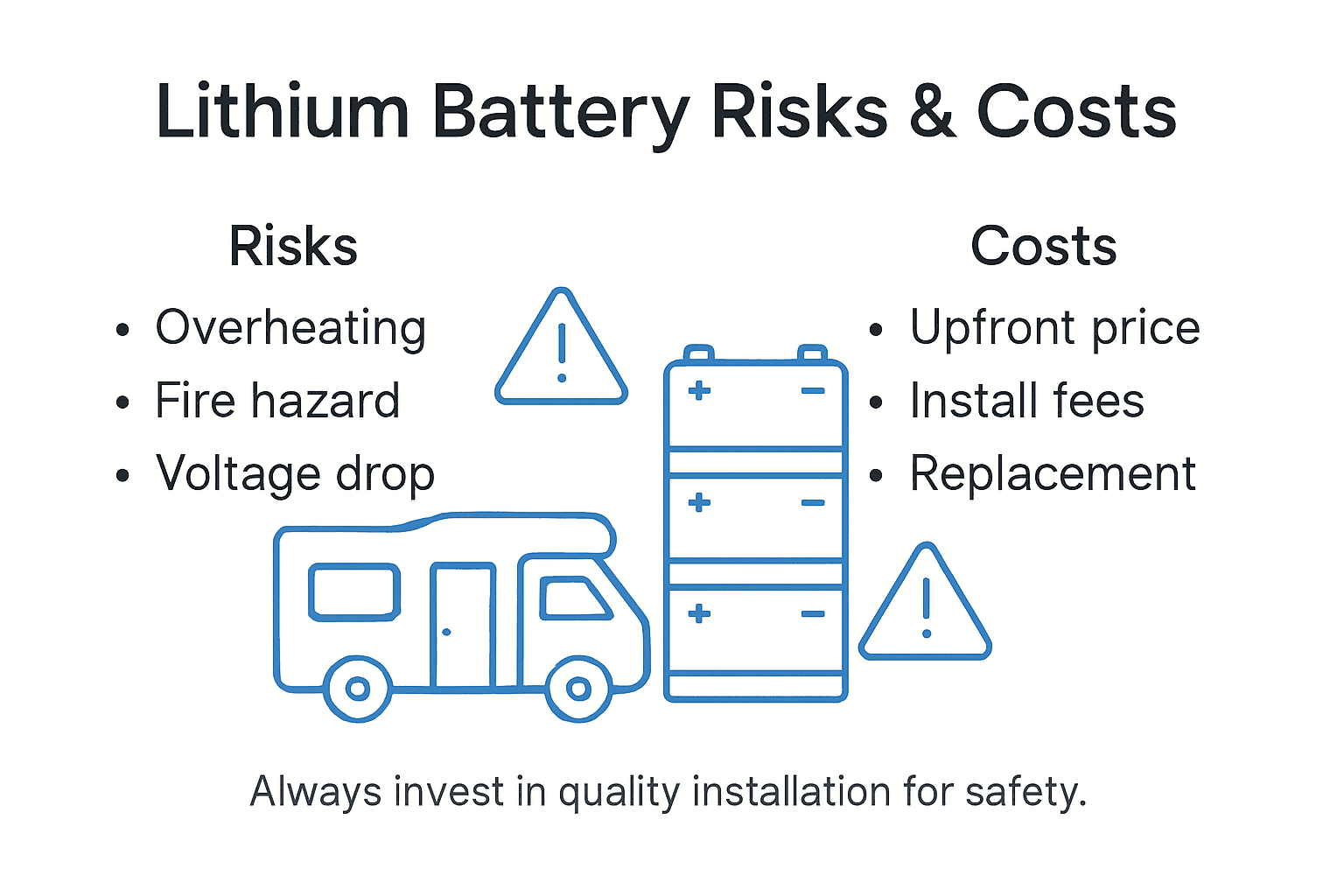
The financial landscape of lithium battery technology involves significant initial expenditure, with complete systems ranging between £3,500 and £6,000. While these costs might seem prohibitive, lithium batteries offer superior long-term value through extended operational lifespans, deeper discharge capabilities, and reduced maintenance requirements compared to traditional lead-acid alternatives. Battery system costs vary dramatically based on capacity, brand reputation, and integrated management technologies, making thorough research and precise needs assessment essential before investment.
Campervan owners must remain vigilant about potential risks associated with lithium battery systems. Critical safety concerns include fire hazards from overcharging, physical damage, use of counterfeit charging equipment, and improper storage conditions. Common mistakes such as leaving batteries charging unattended, mixing incompatible battery types, neglecting battery management systems, and overlooking regular maintenance can compromise system performance and potentially create dangerous situations. Implementing rigorous safety protocols, using manufacturer-approved equipment, and maintaining comprehensive monitoring are essential risk mitigation strategies.
Pro tip: Always budget for professional installation and invest in a comprehensive battery management system to protect your lithium battery investment and ensure optimal performance.
To help guide your planning, here is a summary of typical cost and risk considerations for lithium battery systems in campervans:
| Aspect | Range/Details | Impact |
|---|---|---|
| Upfront Cost | £3,500–£6,000 per system | Significant initial investment |
| Typical Lifespan | 8–15 years with care | Long-term reliability |
| Common Risks | Fire, overcharging, poor installation | Requires strict safety management |
| Maintenance Needs | Monitoring, regular inspection | Essential for safe operation |
Elevate Your Off-Grid Adventures with Skyenergi Lithium Battery Solutions
If managing your campervan’s energy needs feels overwhelming due to concerns about battery safety, system compatibility, or long-term reliability, you are not alone. Lithium battery storage offers a powerful solution for sustainable and efficient off-grid power but selecting the right chemistry, capacity, and battery management system can be complex. Skyenergi understands these challenges and specialises in high-performance lithium leisure batteries designed precisely to meet the demands of modern campervan owners seeking dependable, lightweight, and expandable power systems.
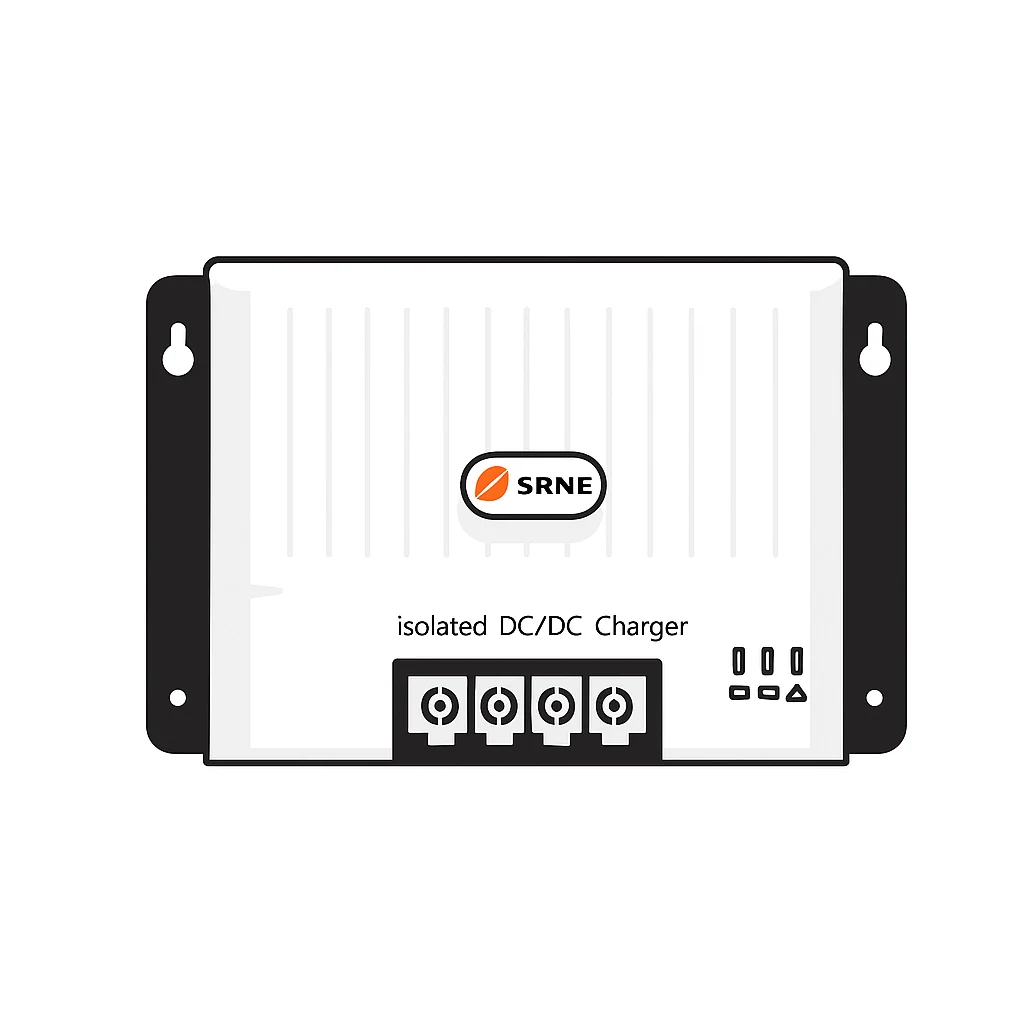
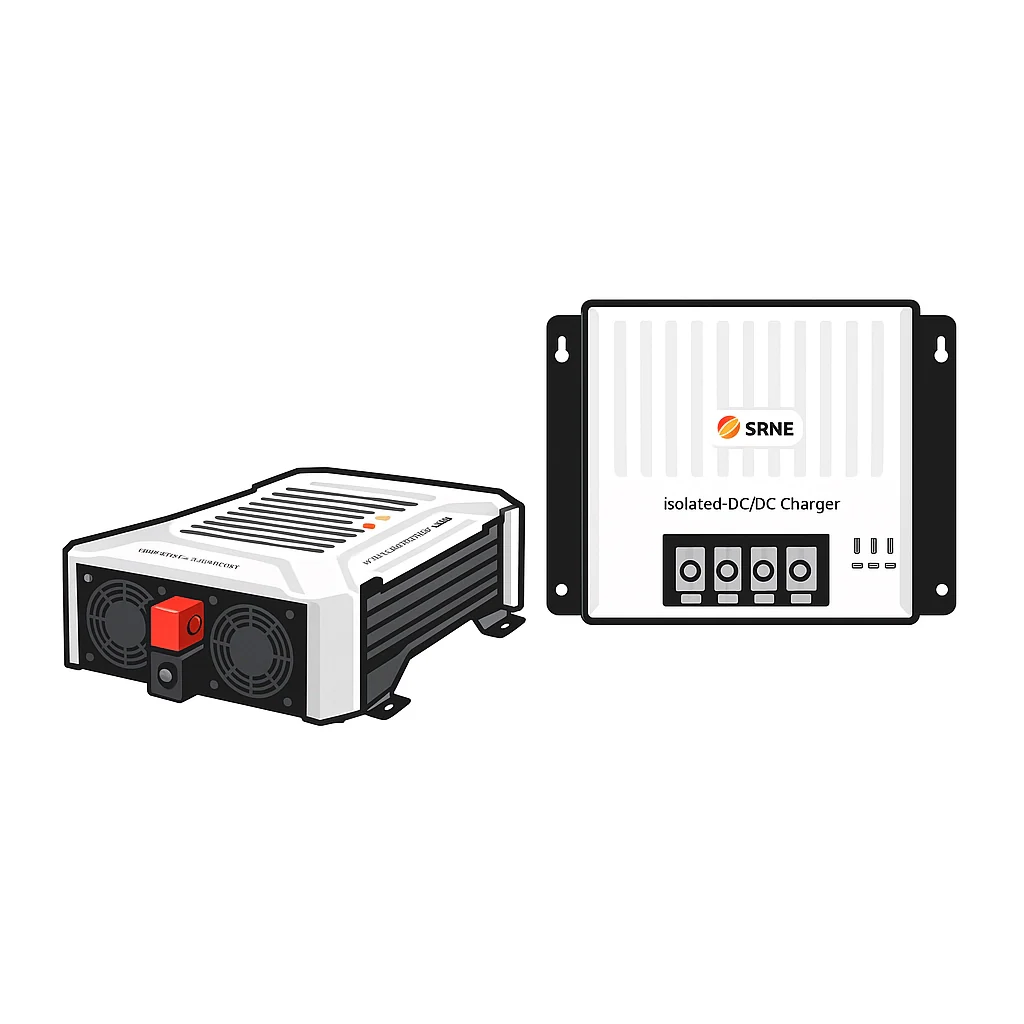
Explore our comprehensive range of products and accessories crafted to optimise your electrical setup including intelligent battery management systems with Bluetooth monitoring for real-time insights. Whether you want to enhance your current system or install a turnkey solution from SRNE, Skyenergi supports your journey towards greater energy independence. Take control of your off-grid power today by visiting Skyenergi and discover how our carefully engineered solutions can deliver the reliability and peace of mind your adventures deserve. Start powering your off-grid lifestyle with confidence now.
Frequently Asked Questions
What are the advantages of lithium battery storage for off-grid adventures?
Lithium battery storage offers advantages such as faster charging times, longer operational lifespans, deeper discharge capabilities, and superior performance across varying temperature ranges. Their lightweight and compact design makes them ideal for campervans and outdoor expeditions.
How do lithium batteries work in campervans?
Lithium batteries store electrical energy through the movement of lithium ions between the anode and cathode during charge and discharge cycles. This allows for high energy density and consistent voltage output, which enhances reliability for powering campervan appliances like refrigeration and lighting.
What should I consider when selecting a lithium battery for my campervan?
When selecting a lithium battery, consider your specific power requirements, battery chemistry suitability, compatibility with existing electrical setups, and environmental operating conditions. Choosing the right type will maximise performance and longevity during your off-grid adventures.
What are the common risks associated with lithium battery systems?
Common risks include fire hazards from overcharging, physical damage, and improper charging practices. Implementing robust safety measures, using manufacturer-approved equipment, and ensuring regular maintenance are essential to mitigate these risks.
Recommended
- What Is a Lithium Leisure Battery and Why It Matters – Skyenergi
- Advantages and Disadvantage of Lithium Batteries – Skyenergi
- Lithium vs AGM — What’s Best for Campervans? – Skyenergi
- Skyenergi Core 460Ah Lithium Leisure Battery - Bluetooth & Heat-Pad
- 7 Anwendungsbeispiele für Batterien im Alltag - accu.blog
Prev post

Solar Energy Storage: Independence for Campervans
Updated on 01 January 2026
Next post

How to Install Lithium Leisure Battery
Updated on 30 December 2025


