







Smart meter integration with battery storage: 2026 guide
Discover how smart meter integration with battery storage optimizes home energy management, reduces costs, and boosts solar usage. Dive into our 2026 guide!
Smart meter integration with battery storage is the most effective method for achieving efficient home energy management and maximising the value of your renewable energy system. By connecting a smart meter to a battery storage system through a Home Energy Management System (HEMS), your home can automatically charge and discharge based on real-time consumption data, tariff signals, and solar generation. The result is lower bills, higher solar self-consumption, and the ability to participate in Virtual Power Plant (VPP) programmes. This guide covers the hardware, setup steps, financial benefits, and troubleshooting practices you need to get it right.
What hardware and software does smart meter integration battery storage require?
Smart meter integration with battery storage depends on three core components: a compatible smart meter, a battery system with an intelligent inverter, and a HEMS platform to act as the control layer. Each component must communicate reliably with the others for the system to function correctly.
Smart meter compatibility
Not all smart meters suit battery integration equally. VPP participation requires high-precision Class 0.5S or Class 1.0S smart meters, which deliver the interval data accuracy needed for AI-driven charge and discharge decisions. Standard meters with 30-minute intervals are adequate for basic monitoring, but 15-minute or sub-minute intervals unlock significantly better performance. Check with your energy supplier whether your current meter supports data export via a Consumer Access Device (CAD) or direct API.
Battery storage system requirements
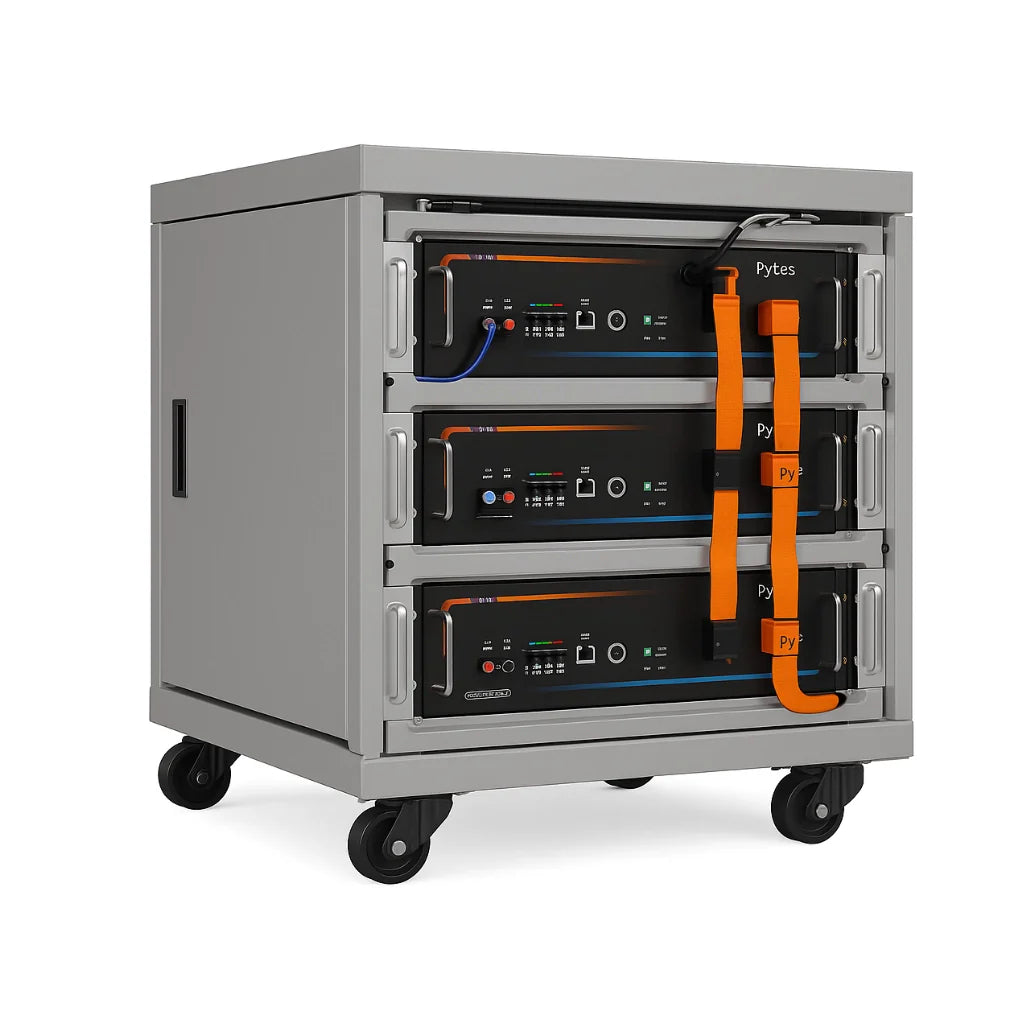
Your battery system needs an inverter that accepts external control commands. Lithium battery systems from manufacturers such as Pytes, paired with a compatible inverter, are well suited to HEMS integration. The inverter must support Modbus TCP, SunSpec, or a proprietary API so the HEMS can issue charge and discharge commands. A battery management system (BMS) with Bluetooth monitoring, such as those found across the Skyenergi product range, adds real-time visibility on top of automated control.
HEMS platforms
HEMS platforms automate energy usage based on tariff signals and control appliances alongside battery storage. Home Assistant and Homey are the two most widely used open platforms for residential integration in the UK. Home Assistant runs locally on a Raspberry Pi or similar device, while Homey operates as a cloud-connected hub with a simpler setup process.

| Smart meter type | Data interval | HEMS compatibility | VPP ready |
|---|---|---|---|
| Class 0.5S precision | 15 minutes or less | Home Assistant, Homey | Yes |
| Class 1.0S standard | 30 minutes | Homey, proprietary apps | Partial |
| Basic legacy meter | 30–60 minutes | Limited | No |
Pro Tip: Request a CAD (Consumer Access Device) from your energy supplier. It plugs into your smart meter and streams near real-time data to your home network without any third-party cloud dependency.
How to connect and configure your battery storage system step by step
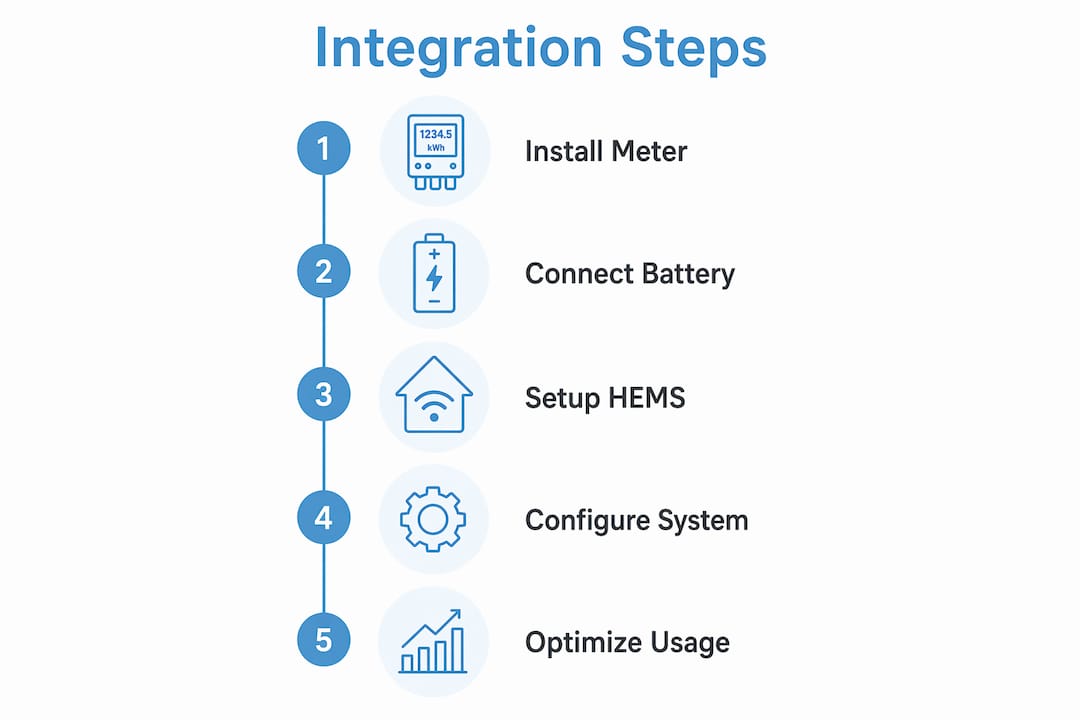
Connecting a smart meter to a battery storage system is a structured process. Skipping steps causes data mismatches and failed automations.
- Verify meter data access. Confirm your smart meter supports a CAD or API data export. Contact your supplier to activate the data feed if it is not already live.
- Install the CAD or data bridge. Connect the CAD to your home network. Devices such as the Glow IHD or Hildebrand CAD translate smart meter data into a local MQTT or REST feed.
- Set up your HEMS platform. Install Home Assistant on a local device or configure Homey via its app. Add the smart meter integration using the relevant plugin or add-on.
- Connect the battery inverter. Add your inverter to the HEMS using its Modbus TCP address or API credentials. Test that the HEMS can read battery state of charge and issue a manual charge command.
- Configure automations. Set rules based on tariff periods, solar generation thresholds, and battery state. For example, charge from the grid during off-peak Octopus Energy Agile tariff slots and discharge during peak periods.
- Test and verify. Run the system for 48 hours and compare HEMS data against your smart meter readings. Discrepancies above 5% suggest a calibration or polling interval issue.
Smart meters provide granular energy data but do not directly control batteries. The HEMS interprets the data and issues commands to the inverter. This distinction matters because a fault in the HEMS breaks the control loop, even if the meter and battery are both functioning correctly.
| Configuration type | Setup complexity | Latency | Internet dependency |
|---|---|---|---|
| Local (Home Assistant) | Medium | Under 10 seconds | None |
| Cloud-based (Homey) | Low | 10–60 seconds | Required |
| Proprietary app | Very low | 30–120 seconds | Required |
Pro Tip: Local integration in Home Assistant enables 10-second interval processing and keeps your system running during internet outages. If grid resilience matters to you, local processing is the better choice.
What are the financial benefits of integrating smart meters with battery storage?
The financial case for smart meter and battery storage integration is strong and measurable. Homeowners using VPP-integrated battery programmes with 15-minute interval smart meters achieve 20–30% higher solar export value compared to those without integration. That uplift comes from precise dispatch timing, which aligns battery exports with peak grid demand periods when export rates are highest.
Automated battery dispatch also reduces what you pay for imported electricity. HEMS platforms time consumption to coincide with cheap tariff windows, such as overnight off-peak slots on Octopus Energy Agile or Economy 7. The battery charges cheaply at night and covers daytime demand, reducing peak-rate imports.
The practical benefits extend beyond the bill:
- Outage resilience. A battery integrated with a smart meter can detect a grid outage and switch to island mode automatically, keeping critical loads running.
- Real-time energy visibility. Home Assistant visualises energy flows and supports scheduling and automations that increase solar self-consumption.
- VPP revenue. Joining a VPP programme through platforms that use OpenADR 2.0b protocols allows your battery to respond to grid signals and earn dispatch payments.
- Carbon reduction. Precise data from battery dispatch optimisation reduces reliance on grid electricity during carbon-intensive peak periods.
“Transitioning from simple battery use to VPP-enabled financial asset management requires platform onboarding to access precise smart meter data.” — Smart Meter Apps guide
The shift from passive storage to active, data-driven management is where the real financial gains appear. A battery sitting idle during peak export windows is a missed opportunity every single day.
Common challenges and best practices for battery and smart meter systems
Most integration problems fall into three categories: data access issues, communication failures, and misconfigured automations. Knowing which category your problem belongs to cuts troubleshooting time significantly.
Data access issues are the most common starting point. Some smart meters require your energy supplier to manually activate the data feed, which can take several days. Second-by-second smart meter data generates over 31 million records annually, so your HEMS must use a data acquisition adapter capable of handling that volume without dropping readings.
Communication failures between the inverter and HEMS usually stem from incorrect Modbus addresses or firewall settings blocking local network traffic. Check that your inverter and HEMS device are on the same subnet and that the inverter’s Modbus TCP port is open.
Misconfigured automations produce unexpected behaviour, such as charging from the grid during peak tariff periods. Always test automations manually before enabling them in live conditions.
Best practices to follow:
- Update inverter firmware before integration. Older firmware versions often lack full Modbus support.
- Set your HEMS polling interval to match your smart meter’s data interval. A 30-second HEMS poll against a 15-minute meter feed wastes processing cycles.
- Review home energy storage benefits periodically to recalibrate your automation rules as tariffs change.
- Keep a local backup of your HEMS configuration. Cloud-based platforms can lose settings during updates.
Pro Tip: Avoid relying solely on cloud-based control for battery dispatch. Local processing avoids latency and keeps your system operational during internet outages, which is precisely when grid resilience matters most.
Key takeaways
Smart meter integration with battery storage delivers maximum financial and performance benefits only when a HEMS acts as the control layer between meter data and battery dispatch commands.
| Point | Details |
|---|---|
| HEMS is the control brain | Smart meters supply data; a HEMS such as Home Assistant issues the actual battery commands. |
| Meter precision drives VPP value | Class 0.5S or 1.0S meters with 15-minute intervals unlock 20–30% higher solar export value. |
| Local processing beats cloud | Home Assistant running locally achieves under 10-second latency and works without internet. |
| Automation timing cuts bills | Scheduling battery charging during off-peak tariff slots reduces peak-rate grid imports. |
| Firmware and calibration matter | Outdated inverter firmware and mismatched polling intervals are the leading causes of integration failure. |
What I have learned from real smart meter and battery integrations
After working with homeowners on battery storage setups across the UK, the pattern I see most often is this: people buy a good battery, install it correctly, and then leave it running on default settings. The smart meter sits in the hallway displaying a red or green light, and nobody connects the two. That is the gap where most of the value disappears.
The shift to automated, data-driven management is not technically difficult. Home Assistant, for example, has a mature energy management module that most technically capable homeowners can configure in a weekend. The harder part is understanding that the smart meter is not the controller. It is the data source. The HEMS is the controller. Once that distinction is clear, the whole system makes sense.
I am also watching VPP participation grow quickly in the UK. Programmes from suppliers such as Octopus Energy are already paying battery owners for grid dispatch. The homeowners who benefit most are those with Class 0.5S meters and local HEMS setups, because their systems respond fast enough to meet dispatch timing requirements. Cloud-dependent setups often miss the window.
The role of power electronics in storage systems is also becoming more relevant as inverters gain native HEMS integration. Within the next two years, I expect most new residential inverters to ship with built-in smart meter connectivity, removing the need for a separate CAD device entirely. For now, the CAD plus Home Assistant combination remains the most reliable and cost-effective approach for UK homeowners.
— John
Skyenergi’s solar and battery storage solutions for smart home integration
Skyenergi stocks a range of solar and battery storage products built for homeowners who want reliable, well-engineered systems that work with HEMS platforms and smart meter setups.
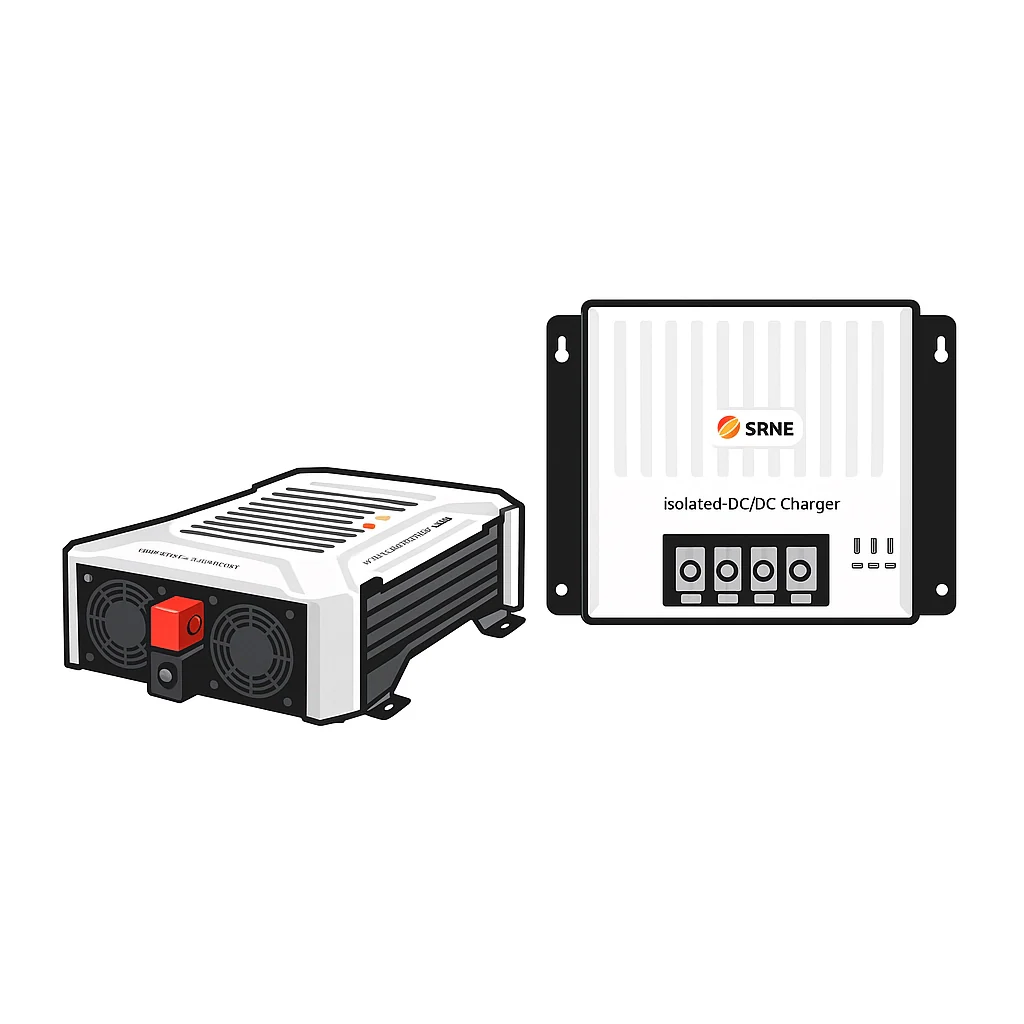
The Victron Energy Solar Home System 200 MPPT is a complete solar and battery solution compatible with smart meter integration and home energy management platforms. Victron’s Smart MPPT charge controllers communicate via Bluetooth and VE.Direct, making them straightforward to connect to Home Assistant or similar HEMS environments. Skyenergi also stocks the SRNE BS 48500 Battery Monitor for homeowners who want precise battery performance tracking alongside their smart meter data. Contact Skyenergi directly for advice on which combination suits your property and energy goals.
FAQ
What is smart meter integration with battery storage?
Smart meter integration with battery storage connects your meter’s real-time energy data to a battery system via a HEMS, enabling automated charge and discharge decisions based on consumption, tariffs, and solar generation.
Do I need a special smart meter for battery integration?
Class 0.5S or Class 1.0S precision smart meters are required for VPP participation and optimal battery dispatch. Standard 30-minute interval meters support basic integration but limit performance.
Can I run my battery system without internet using smart meter data?
Yes. Platforms such as Home Assistant process smart meter data locally, achieving under 10-second intervals and maintaining full battery control during internet outages.
How much can I save by integrating my smart meter with battery storage?
Homeowners using VPP-integrated battery programmes with 15-minute interval smart meters achieve 20–30% higher solar export value compared to non-integrated setups.
What is a HEMS and why does it matter?
A HEMS (Home Energy Management System) is the software layer that interprets smart meter data and issues commands to your battery inverter. Without it, the smart meter and battery operate independently and cannot coordinate.
Recommended
Prev post

Role of firmware in energy storage: 2026 guide
Updated on 25 June 2026
Next post

What is a hybrid inverter? Your off-grid guide
Updated on 23 June 2026


