






Reasons to upgrade motorhome batteries in 2026
Discover the top reasons to upgrade motorhome batteries in 2026. Enjoy longer off-grid adventures, increased power, and reliable performance!
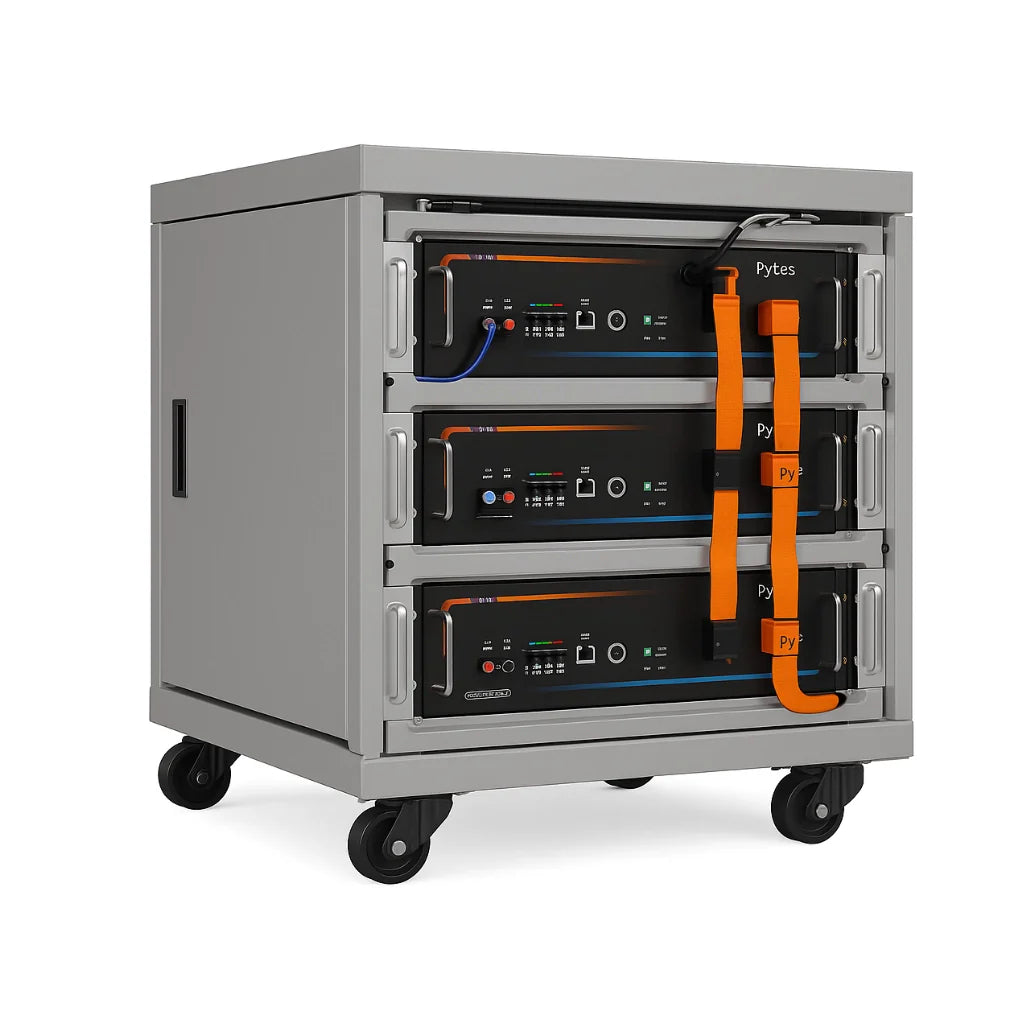
Upgrading motorhome batteries is the single most effective way to extend off-grid range, reduce power anxiety, and run high-demand appliances without relying on campsite hook-ups. Lithium battery technology now delivers usable capacity of up to 90–100% compared to roughly 50% from lead-acid equivalents, meaning you get nearly twice the practical power from the same physical bank. Lithium batteries also last over 10 times longer in cycle life than lead-acid alternatives. For motorhome owners who travel frequently or spend extended periods off-grid, the reasons to upgrade motorhome batteries go well beyond simple convenience.
1. More usable capacity from the same battery bank
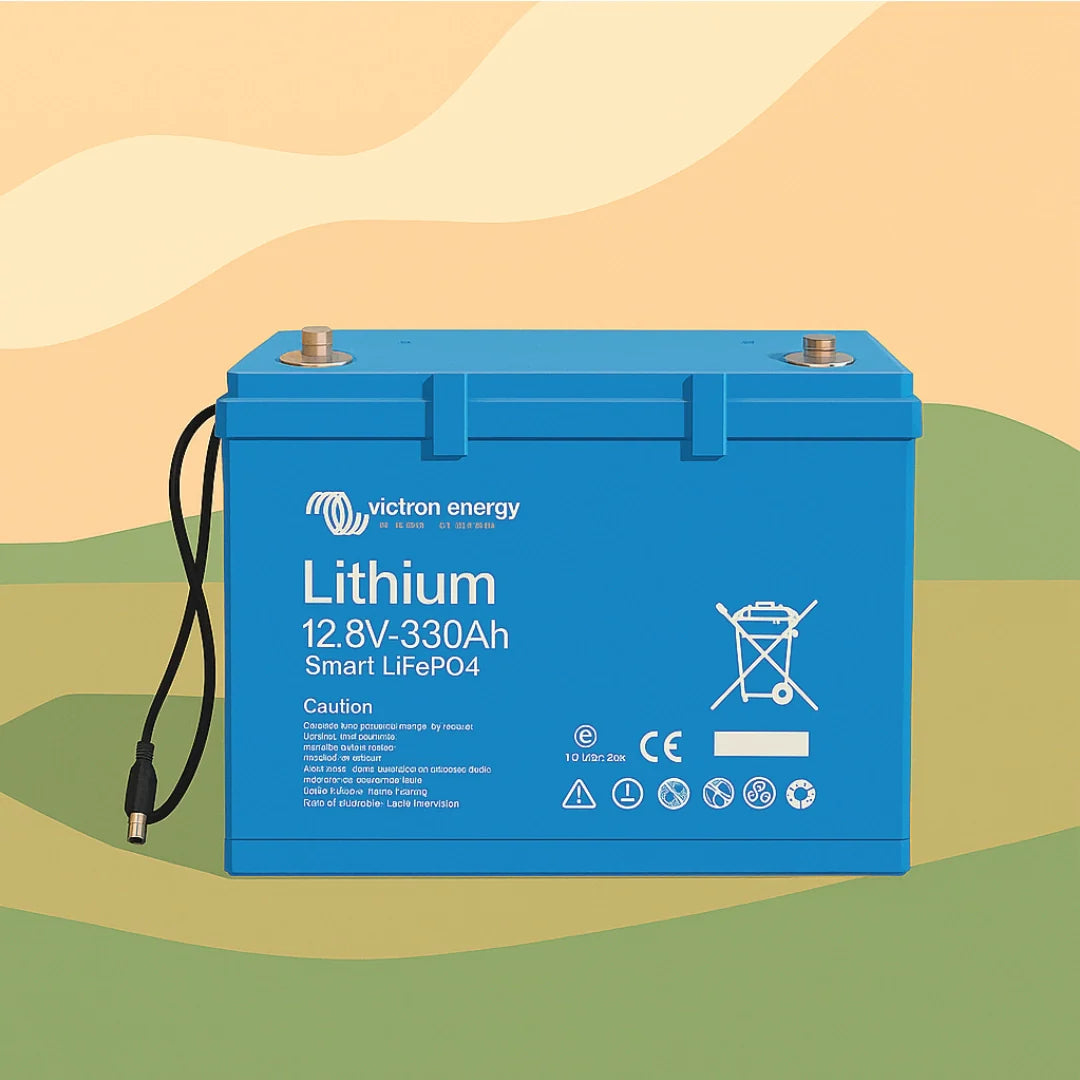
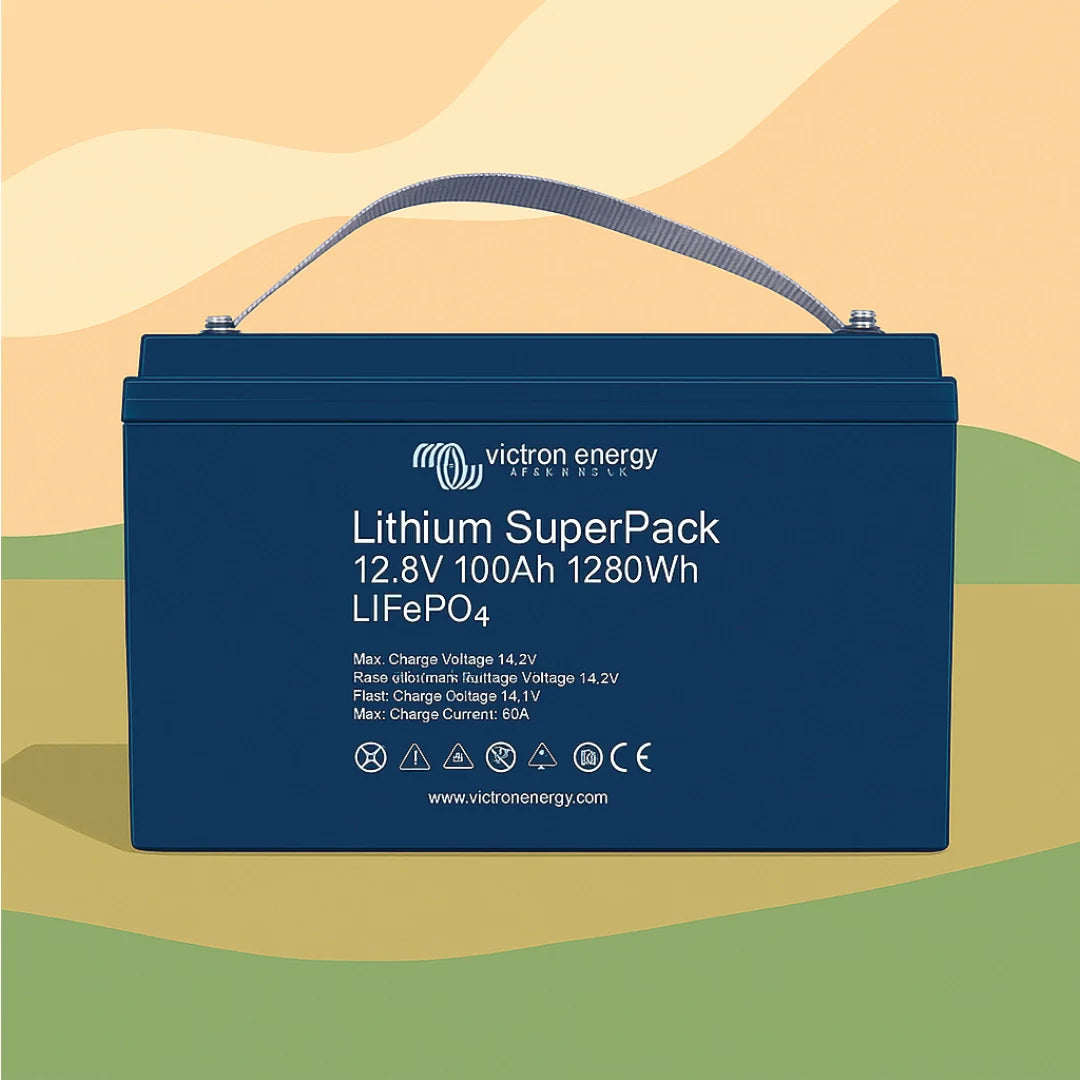
Usable capacity is the percentage of a battery’s rated energy you can actually draw before the battery management system (BMS) cuts off power to protect the cells. Lead-acid and AGM batteries deliver around 50% usable capacity before damage risk rises. Lithium batteries deliver 90–100% usable capacity, which means a 100Ah lithium battery gives you roughly the same practical power as a 200Ah lead-acid bank.

That difference changes what you can run and for how long. A typical motorhome fridge draws 30–50Ah per day. Add lighting, a diesel heater controller, phone charging, and a laptop, and a modest lead-acid bank runs short by mid-evening. A lithium bank of the same rated size keeps those appliances running comfortably through the night.
Common appliances that benefit directly from higher usable capacity include:
- 12V compressor fridges and freezers
- Diesel or propane heater control units
- Laptop and device charging
- LED lighting circuits
- Water pump systems
- 12V televisions and entertainment systems
- CPAP and medical devices
Pro Tip: Size your lithium battery bank based on your actual daily consumption, not the rated Ah figure. Calculate daily amp-hour draw, then add 20% headroom. You will likely need a smaller bank than you think, which offsets some of the upfront cost.
The energy storage advantage of lithium is most visible on multi-day trips without hook-ups. Owners who previously needed a 300Ah lead-acid bank often find a 150Ah lithium bank delivers equivalent or better real-world performance.
2. Faster charging speeds mean less downtime
Lithium batteries accept charge at a significantly higher rate than lead-acid types. Lead-acid batteries require a long absorption phase at the end of each charge cycle, during which the charger reduces current and the battery fills slowly. Lithium batteries have less absorption phase bottleneck, accepting near-full current until they reach capacity.
This matters enormously when your charging window is short. A motorhome driving two hours between sites, or running solar panels on a partly cloudy day, needs to capture every amp efficiently. Lithium does this far better than lead-acid.
| Charging scenario | Lead-acid typical result | Lithium typical result |
|---|---|---|
| 2-hour alternator run | 40–50% state of charge | 70–80% state of charge |
| 4 hours of 200W solar | Partial charge, absorption limits input | Near-full charge, full current accepted |
| Overnight mains charger | Full charge achieved | Full charge achieved faster |
Pro Tip: Pair a lithium battery with an MPPT solar charge controller rather than a PWM controller. MPPT controllers extract significantly more power from your panels in variable light conditions, which compounds the charging speed advantage of lithium.
Faster charging also reduces the risk of arriving at a remote site with a depleted bank. Owners who drive shorter daily distances gain the most from this improvement.
3. Longer lifespan and lower total cost of ownership
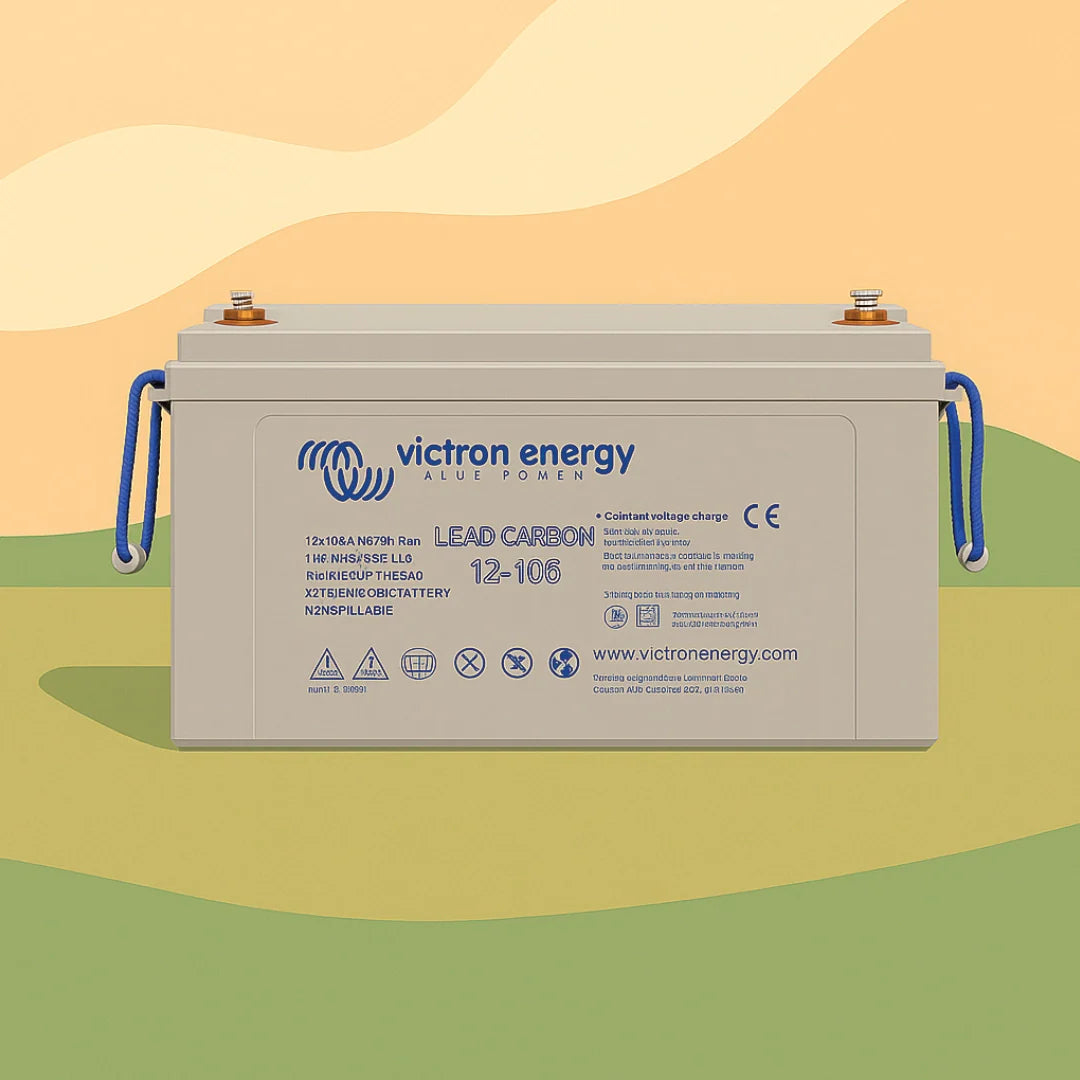
Lithium batteries last over 10 times longer in cycle life than lead-acid alternatives. A quality lithium leisure battery typically delivers 2,000–3,000 full charge cycles before significant capacity degradation. A standard lead-acid or AGM battery delivers 200–500 cycles under similar conditions.
For a motorhome owner who cycles their battery bank 150 times per year, a lead-acid bank needs replacing every two to three years. A lithium bank at the same usage rate lasts 13–20 years. The upfront cost difference narrows considerably when viewed across that timeline.
Factors that influence cost-effectiveness include:
- Replacement frequency: lead-acid requires more frequent purchases over a decade
- Maintenance costs: lead-acid flooded batteries require regular water top-ups and terminal cleaning
- Disposal costs: battery recycling fees apply at each replacement
- Weight savings: lithium weighs roughly half as much, reducing fuel consumption marginally over time
- Warranty terms: quality lithium batteries typically carry longer manufacturer warranties
The investment pays off most clearly for owners who use their motorhome regularly throughout the year, particularly those who wild camp or travel to remote locations. Occasional users who spend most nights on electric hook-up and cycle their battery bank fewer than 50 times per year may find the cost difference harder to justify.
4. Stable voltage output improves appliance performance
Lead-acid batteries drop voltage progressively as they discharge. A 12V lead-acid battery at 50% charge may output 12.0–12.2V. At 80% discharged, it may drop below 11.8V. Many 12V appliances perform poorly or cut out below 12.0V.
Lithium batteries maintain a flat discharge curve. They hold close to 13.2V through most of their discharge cycle, dropping sharply only in the final 5–10% of capacity. Appliances run at consistent speed and brightness throughout the day rather than degrading as the battery depletes.
This is particularly noticeable with compressor fridges, which cycle their compressor based on temperature. A fridge running on a low-voltage lead-acid bank works harder, draws more current, and may fail to maintain temperature. The same fridge on a lithium bank runs efficiently from morning to night.
5. System reliability through BMS protection and monitoring
A Battery Management System (BMS) is built into every quality lithium battery. It monitors cell voltage, temperature, and current in real time, cutting off charge or discharge if any parameter moves outside safe limits. Lead-acid batteries have no equivalent protection.
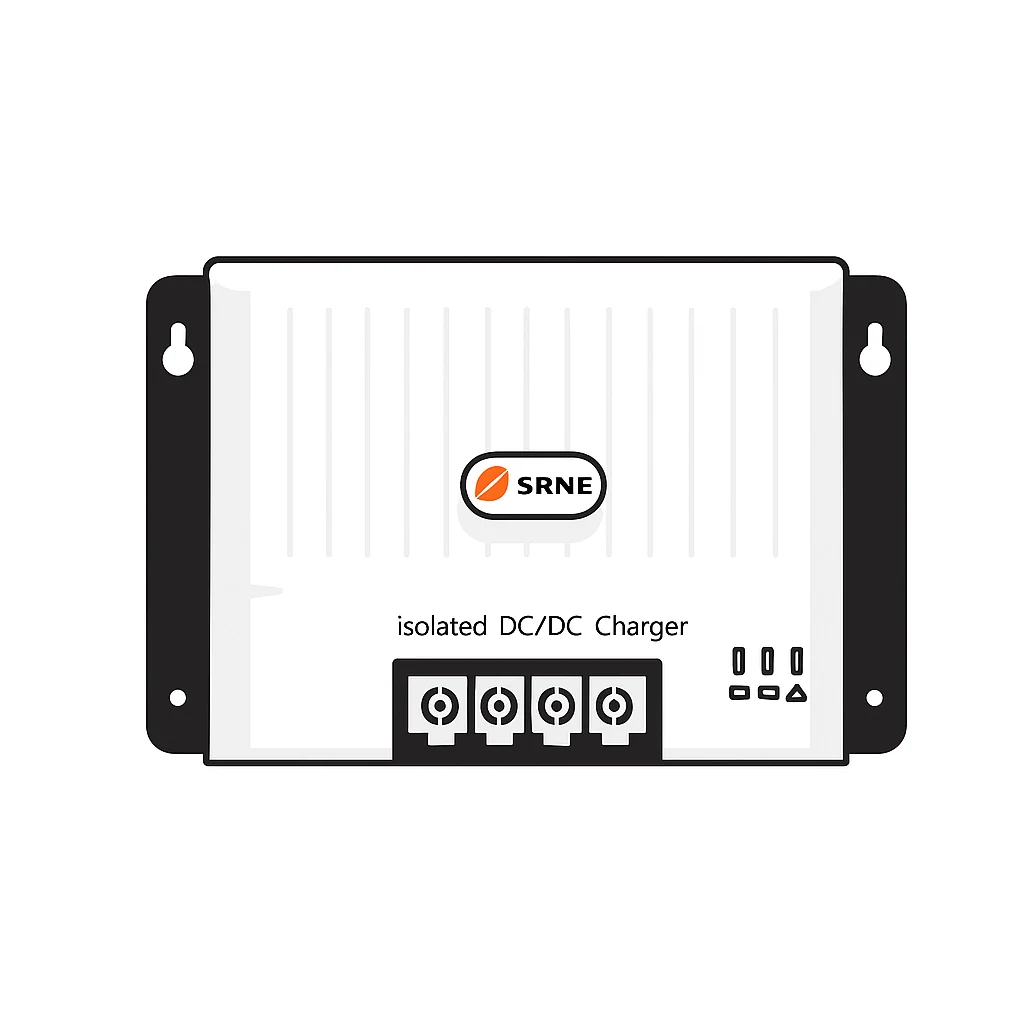
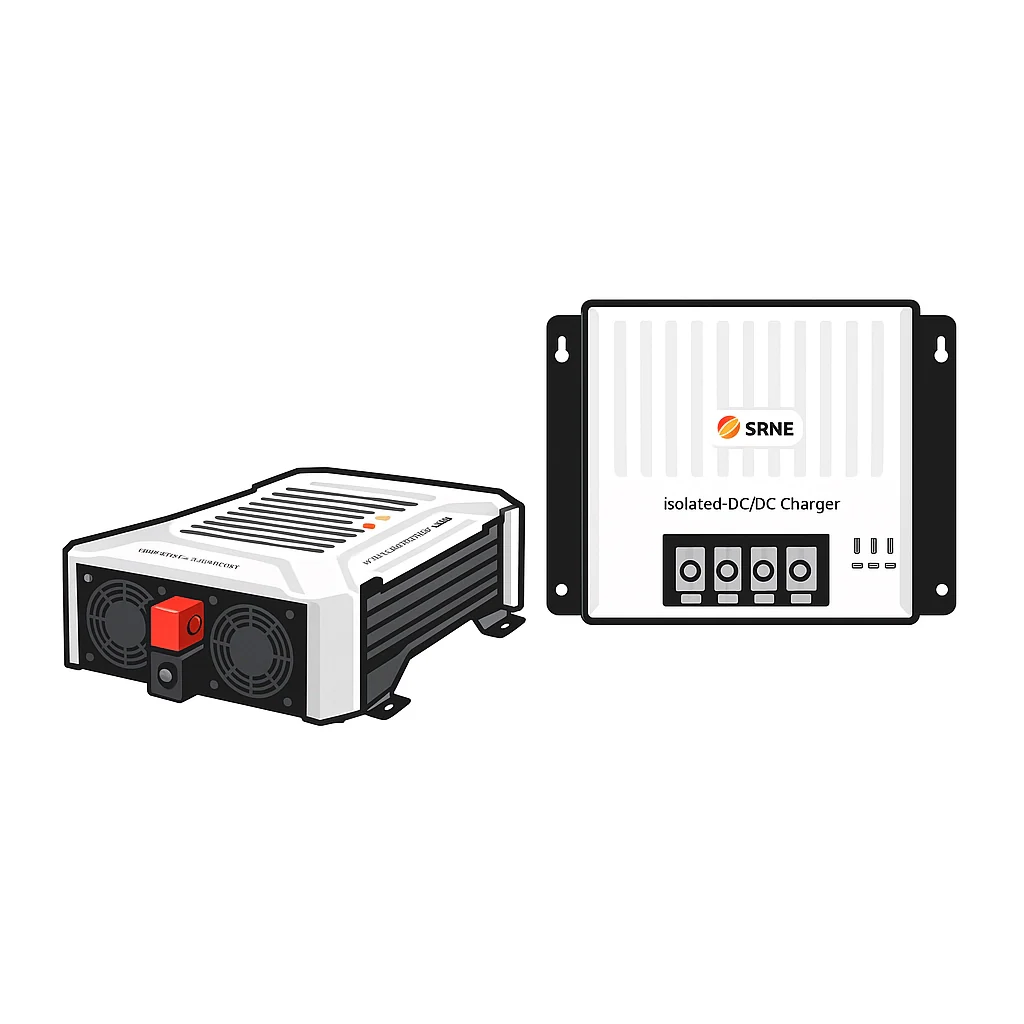
Upgrading chargers and monitoring equipment alongside the battery is vital for safe, reliable performance. A DC-DC charger protects the vehicle alternator from the high initial charge current that lithium batteries draw. Without one, alternator damage is a genuine risk.
Voltage-based state-of-charge monitoring is unreliable for lithium systems because the discharge curve is flat. A shunt-based battery monitor measures actual current flow in and out of the battery, giving an accurate reading of remaining capacity at all times. Without a shunt monitor, you risk unexpected cut-offs mid-trip.
Safety and monitoring best practices for upgraded systems include:
- Install a DC-DC charger between the vehicle alternator and the leisure battery
- Use a shunt-based battery monitor rather than a voltage gauge
- Check BMS Bluetooth data regularly to spot cell imbalances early
- Confirm your mains charger uses a lithium-compatible charging profile
- Inspect wiring gauge and fusing to handle lithium’s higher charge acceptance rates
6. Greater off-grid freedom and reduced hook-up dependency
Upgraded battery systems enable longer off-grid stays, powering high-demand appliances and reducing reliance on campsite hook-ups. This is the lifestyle benefit that drives most upgrade decisions. Wild camping, remote hiking bases, and off-season travel all become more practical when your power supply is reliable and abundant.
Campsite hook-up fees in the UK and Europe have risen steadily. Owners who can self-supply power for three to five nights between hook-ups make meaningful savings over a season. The energy independence workflow for a well-specified motorhome combines lithium storage, solar input, and a DC-DC charger to create a system that rarely needs external power.
The freedom benefit extends to trip planning. When you are not constrained by hook-up availability, you can choose locations based on scenery and access rather than electrical infrastructure.
7. Weight reduction improves vehicle handling and payload
Lithium batteries weigh roughly half as much as equivalent-capacity lead-acid banks. A 200Ah lead-acid bank typically weighs 50–60kg. A 200Ah lithium bank weighs 20–25kg. That difference of 25–35kg is significant in a motorhome where payload limits are a practical constraint.
Reducing battery weight frees payload for water, food, clothing, and equipment. It also shifts weight distribution, which can improve handling on long motorway runs or mountain roads. For owners already close to their vehicle’s maximum technical permissible laden mass (MTPLM), a lithium upgrade may be the only way to add capacity without exceeding legal limits.
8. When not to upgrade: the case for AGM batteries
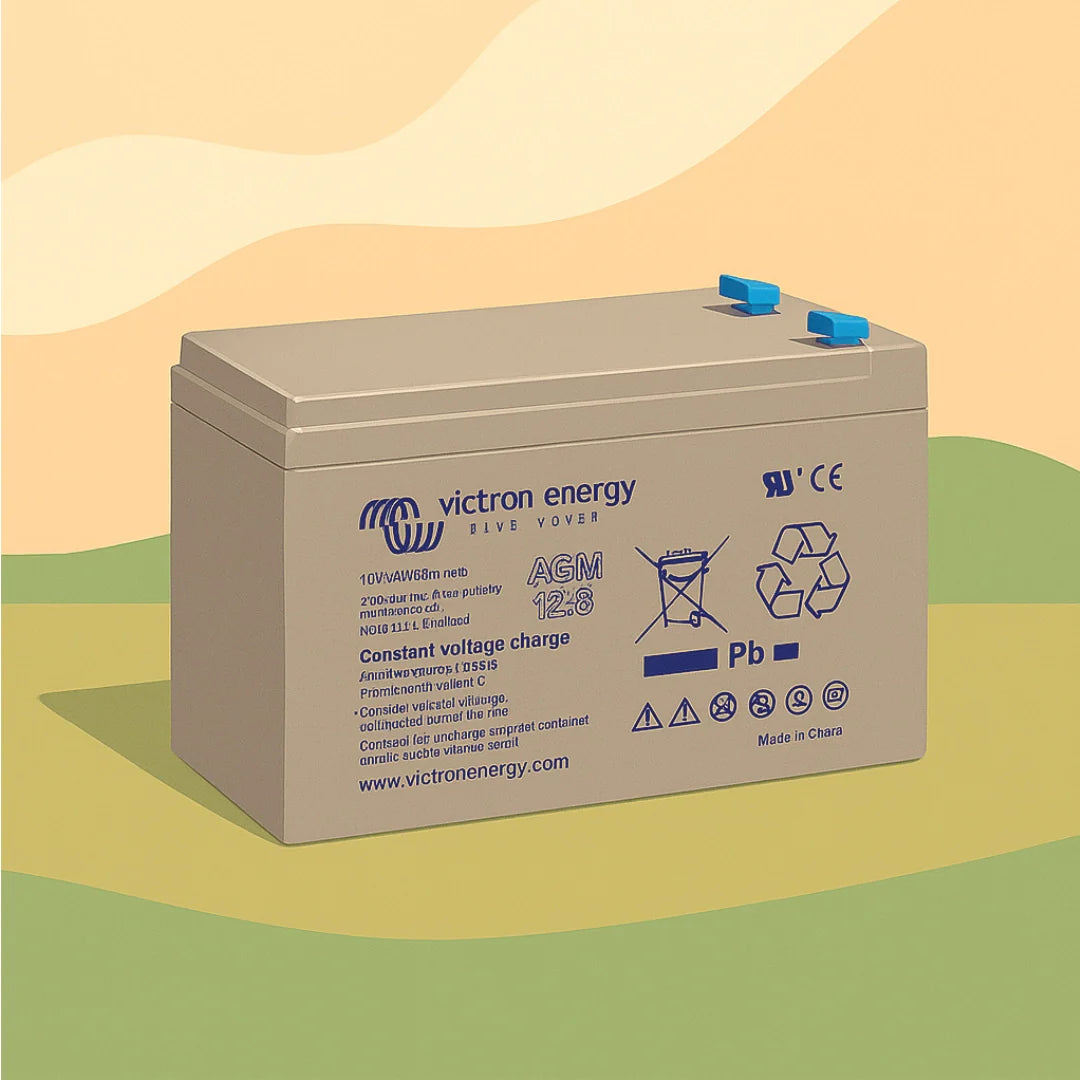
AGM batteries remain practical for owners who prioritise simplicity, budget, and frequent electric hook-up use. They are forgiving, less sensitive to temperature extremes, and require no changes to existing charging systems. If you spend most nights on a campsite with mains power and cycle your battery bank infrequently, AGM delivers reliable performance at a lower upfront cost.
Lithium batteries also have a specific cold-weather limitation. Their BMS disables charging below 0°C unless the battery compartment is insulated or fitted with a heating pad. For owners who winter camp in Scotland or Scandinavia without addressing this, a lithium upgrade can create more problems than it solves.
AGM versus lithium is not a straightforward contest. The right choice depends on how you actually use your motorhome, not on which technology is newer.
Pro Tip: Before committing to any battery upgrade, log your actual power consumption for two to three trips. Note what you run, for how long, and how often your battery bank runs low. That data tells you whether you need more capacity, faster charging, or simply better monitoring of what you already have.
Key takeaways
Upgrading motorhome batteries to lithium delivers more usable power, faster recharging, and a lifespan that makes the investment cost-effective for regular off-grid travellers.
| Point | Details |
|---|---|
| Usable capacity doubles | Lithium delivers 90–100% usable capacity versus roughly 50% from lead-acid banks. |
| Charging speed increases | Lithium accepts near-full charge current, cutting recharge time via solar or alternator. |
| Lifespan exceeds lead-acid tenfold | Lithium cycle life surpasses lead-acid by a factor of 10, reducing long-term replacement costs. |
| System upgrades are non-negotiable | A DC-DC charger and shunt monitor are required for safe, reliable lithium performance. |
| AGM suits some owners better | Frequent hook-up users and cold-climate travellers may find AGM the more practical choice. |
The upgrade that most owners get half right
The battery swap itself is the easy part. What most owners underestimate is how much the rest of the system needs to change alongside it.
I have seen motorhome owners fit a quality lithium battery and then leave their old PWM solar controller and voltage-based battery gauge in place. The result is a system that charges slowly, reads state-of-charge inaccurately, and occasionally triggers the BMS protection cut-off at inconvenient moments. The battery is not at fault. The supporting system is.
Incorrect charging setups with lithium batteries can cause a loss of 25–30% of usable capacity, which directly undermines the reason for upgrading in the first place. A DC-DC charger, an MPPT solar controller, and a shunt-based monitor are not optional extras. They are the components that make the lithium battery perform as advertised.
The other mistake I see regularly is upgrading without first understanding actual power needs. Some owners fit a large lithium bank and then discover their daily consumption is modest. Others fit a small bank and find it still runs short because their solar input is inadequate for their location and season. The battery is one part of an energy ecosystem. Treat the upgrade as a system-wide improvement and it delivers everything it promises.
— John
Skyenergi’s battery and solar solutions for motorhomes
Skyenergi supplies lithium leisure batteries, solar panels, MPPT charge controllers, and battery monitors designed for motorhome and campervan energy systems.

The range includes Victron-compatible components and SRNE turnkey solutions, giving you the flexibility to build a system that matches your travel style and power needs. For accurate state-of-charge monitoring, the SRNE BS 48500 battery monitor provides shunt-based readings compatible with lithium systems. For solar charging, Skyenergi stocks complete kits including the Victron 305W solar panel with Smart MPPT controller, cabling, and mounting hardware. Products are sourced directly from manufacturers and priced to reflect genuine value rather than retail margin.
FAQ
What is the main reason to upgrade motorhome batteries to lithium?
The primary reason is usable capacity. Lithium batteries deliver 90–100% of their rated capacity, compared to roughly 50% from lead-acid, giving you significantly more practical power from the same physical bank size.
Do I need to change my charger when upgrading to lithium?
Yes. A DC-DC charger is required to protect the alternator and deliver the correct charging profile. Using an incompatible charger can cause a loss of 25–30% of usable capacity and risks long-term damage.
Are lithium batteries worth it for occasional motorhome users?
Not always. AGM batteries suit owners who use hook-ups frequently or cycle their battery bank fewer than 50 times per year. The cost difference is harder to recover at low usage rates.
Can lithium batteries charge in cold weather?
Lithium BMS protection disables charging below 0°C. Owners who travel in cold climates need insulated battery compartments or heating pads to maintain charging capability in freezing conditions.
How do I monitor a lithium battery accurately?
Use a shunt-based battery monitor rather than a voltage gauge. Lithium’s flat discharge curve makes voltage readings unreliable. A shunt monitor measures actual current flow, giving an accurate state-of-charge reading at all times.
Recommended
Prev post

DC to DC charger guide for leisure vehicles
Updated on 07 July 2026
Next post

Why modular battery setups outperform traditional systems
Updated on 05 July 2026


