





Boat energy storage checklist: essential steps for UK owners 2026
Essential checklist for UK boat owners selecting and maintaining safe, efficient marine energy storage systems in 2026. Compare lithium vs lead-acid batteries, learn critical safety protocols, and optimise off-grid power with renewable charging solutions.
Choosing reliable energy storage for your boat isn’t just about buying the biggest battery you can afford. UK boat owners face unique challenges, from harsh winter conditions to strict safety regulations, all whilst trying to achieve genuine energy independence on the water. This checklist-driven guide walks you through the critical criteria for selecting and maintaining marine batteries in 2026, covering everything from calculating your daily power needs to implementing lithium-specific safety protocols. You’ll learn how to compare battery technologies, design resilient off-grid systems, and keep your energy storage safe and efficient throughout the year.
Table of Contents
- Criteria For Selecting Boat Energy Storage Systems
- Comparing Lithium And Lead-Acid Batteries For UK Boats
- Essential Maintenance Checks For Safe And Reliable Battery Operation
- Optimising Energy Storage With Renewable Charging And System Design
- Explore Skyenergi’s Marine Power Solutions
- How Often Should I Test And Maintain My Boat Batteries?
- What Safety Measures Are Vital When Using Lithium Batteries On Boats?
- How Do I Size Solar Panels Relative To My Boat’s Battery Bank?
- Can I Upgrade From Lead-Acid To Lithium Batteries Without Changing Other Components?
Key takeaways
| Point | Details |
|---|---|
| Regular maintenance prevents failures | Monthly battery tests and connection checks are essential for safety and reliability on UK boats. |
| Lithium offers superior performance | Lithium batteries deliver 4-6 times more cycles than lead-acid but require strict safety measures and battery management systems. |
| Size for winter, not summer | Proper system design must account for UK winter power demands and include redundancy for resilience. |
| Compliance protects your investment | UK regulations like BSS and UKCA certification ensure safe operation and meet insurance requirements. |
| Renewable charging extends autonomy | Integrating solar, wind, or hydro generators with correctly sized battery banks maximises off-grid capability. |
Criteria for selecting boat energy storage systems
Before you invest in any battery technology, you need a clear picture of your actual power consumption. Calculate total daily Ah usage first, typically 80-120Ah per day for a narrowboat, then factor in redundancy and winter lows. Many boat owners make the mistake of sizing their battery bank for summer cruising, only to discover their system struggles when daylight hours shrink and heating demands spike. UK winter conditions can halve your solar input whilst doubling your power draw, so build in at least 30% extra capacity beyond your calculated minimum.
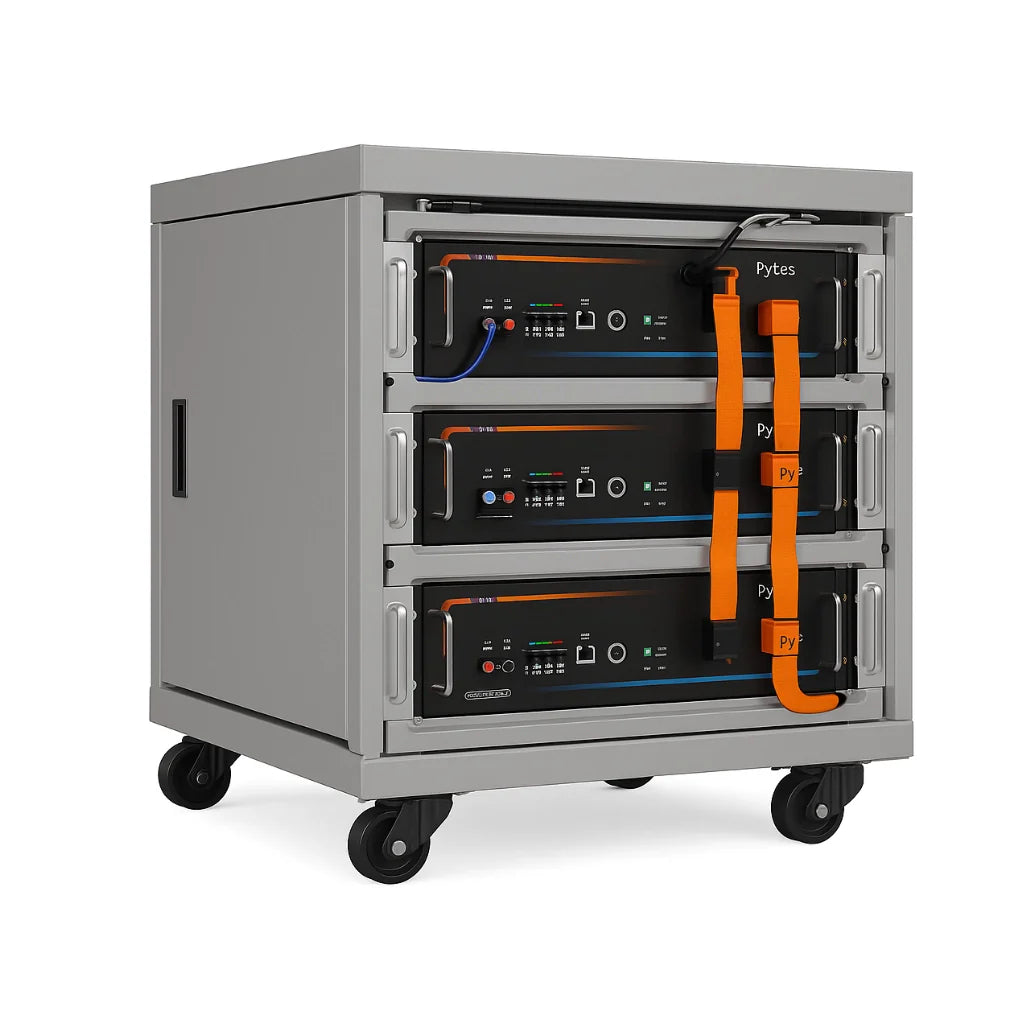
Weight and space constraints on boats favour lithium batteries over traditional lead-acid options. A 200Ah lithium battery weighs roughly 25kg compared to 60kg for an equivalent lead-acid bank, freeing up valuable payload for provisions or equipment. This weight saving becomes critical on smaller vessels where every kilogramme affects handling and fuel efficiency.
Compliance with UK safety regulations isn’t optional. BSS and UKCA compliance is critical for insurance, and cutting corners on cable sizing or marine-grade materials can lead to voltage drops, overheating, and genuine fire hazards. Your insurance provider will ask for certification, and failure to provide it can void your cover entirely.
When assessing battery capacity off grid energy systems, consider these essential factors:
- Daily amp-hour consumption including all devices and seasonal variations
- Available space and weight allowances in your battery compartment
- Charging sources and their realistic output in UK conditions
- Budget for initial purchase plus lifecycle replacement costs
- Compatibility with existing electrical systems and inverters
Pro tip: Prioritise batteries with a built-in management system to prolong battery life and enhance safety. A quality BMS monitors cell voltages, prevents overcharging, and shuts down the system before damage occurs, potentially saving you thousands in replacement costs.
Comparing lithium and lead-acid batteries for UK boats
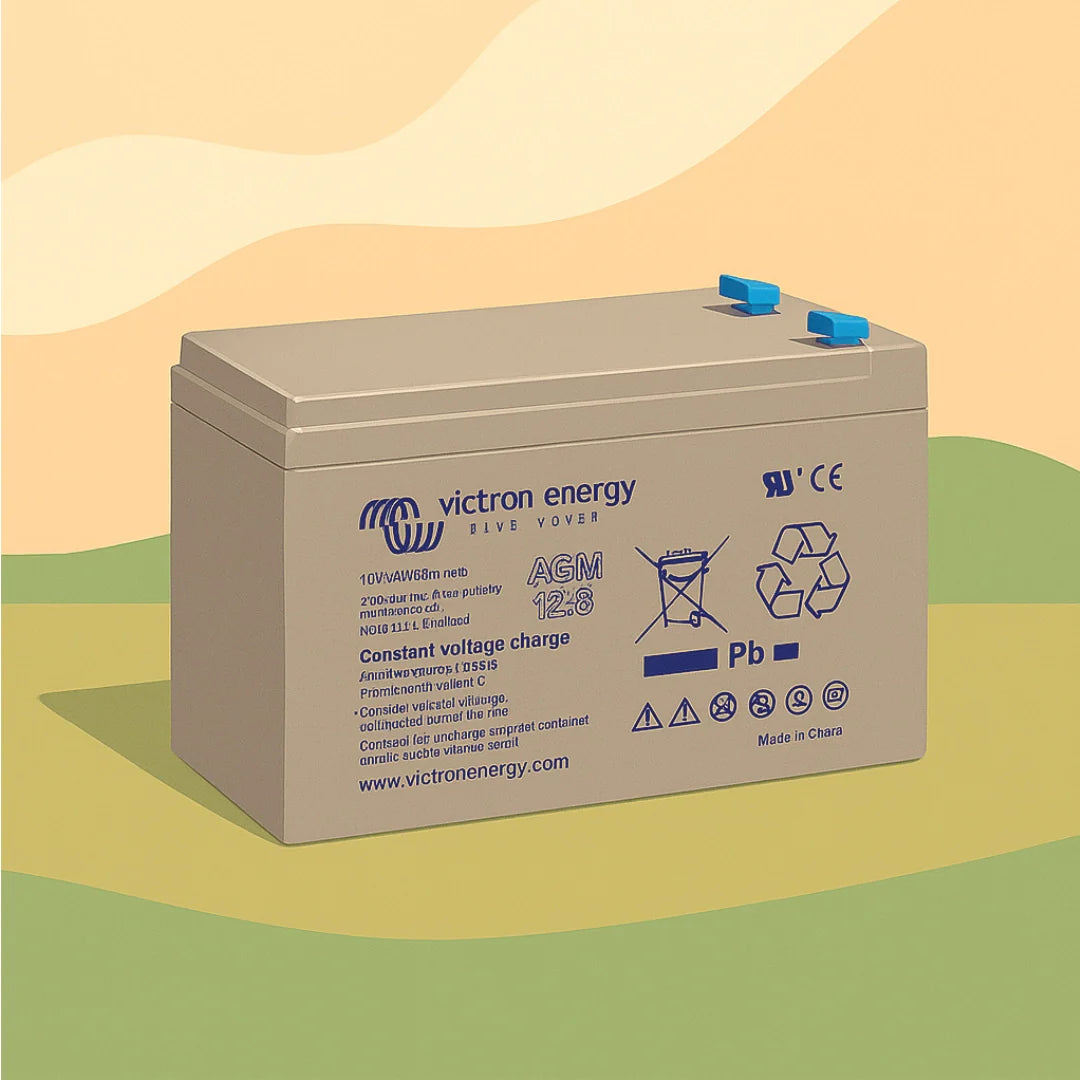
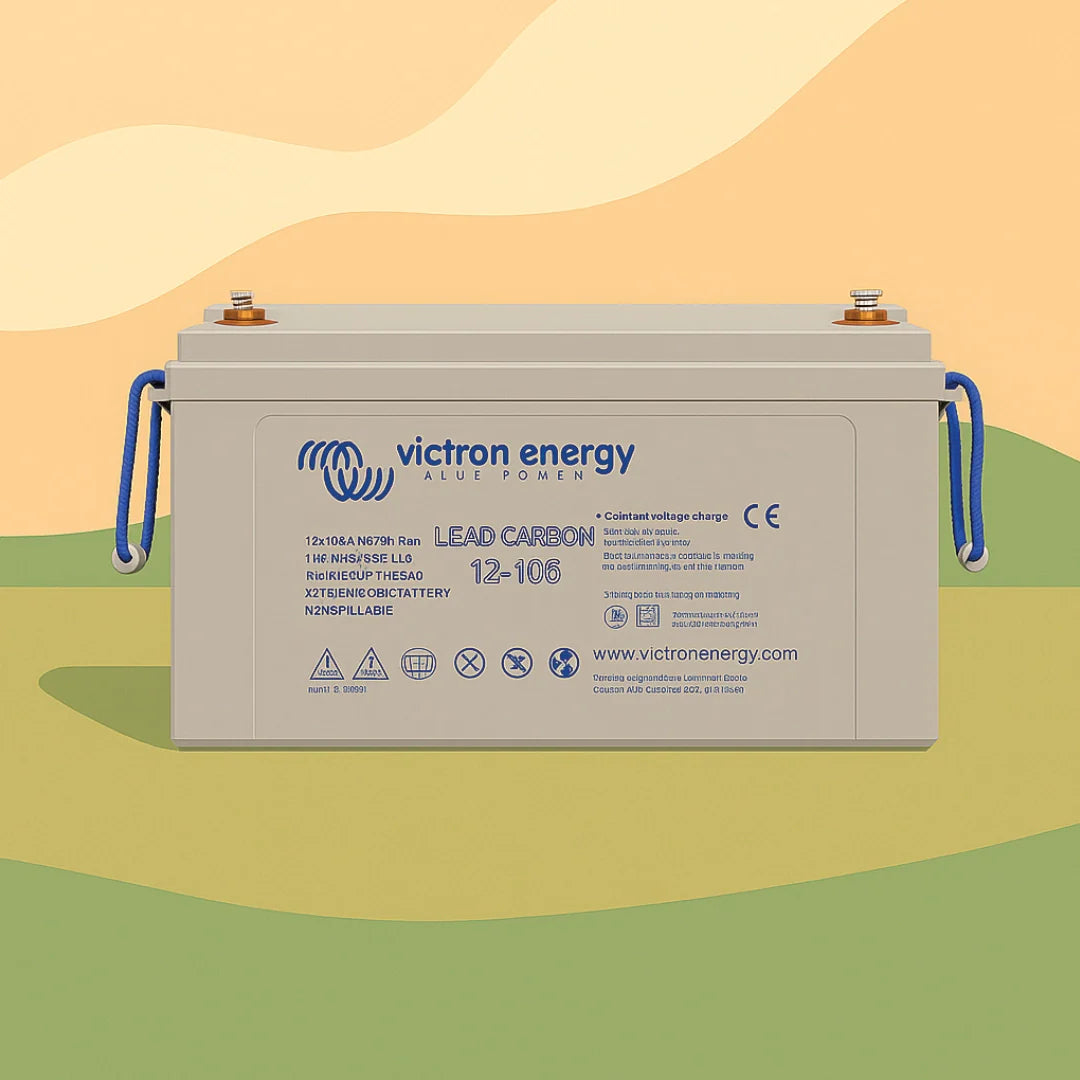
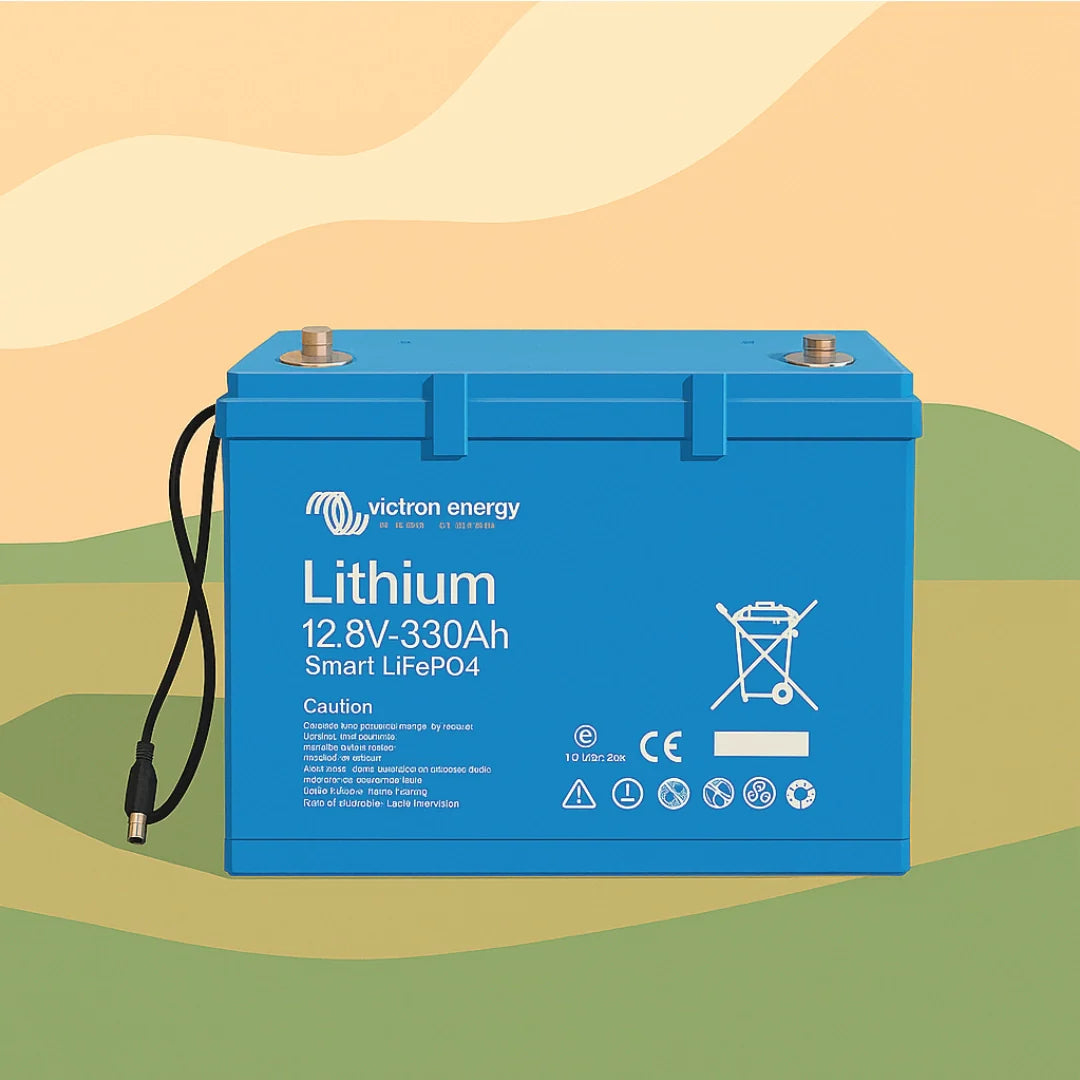
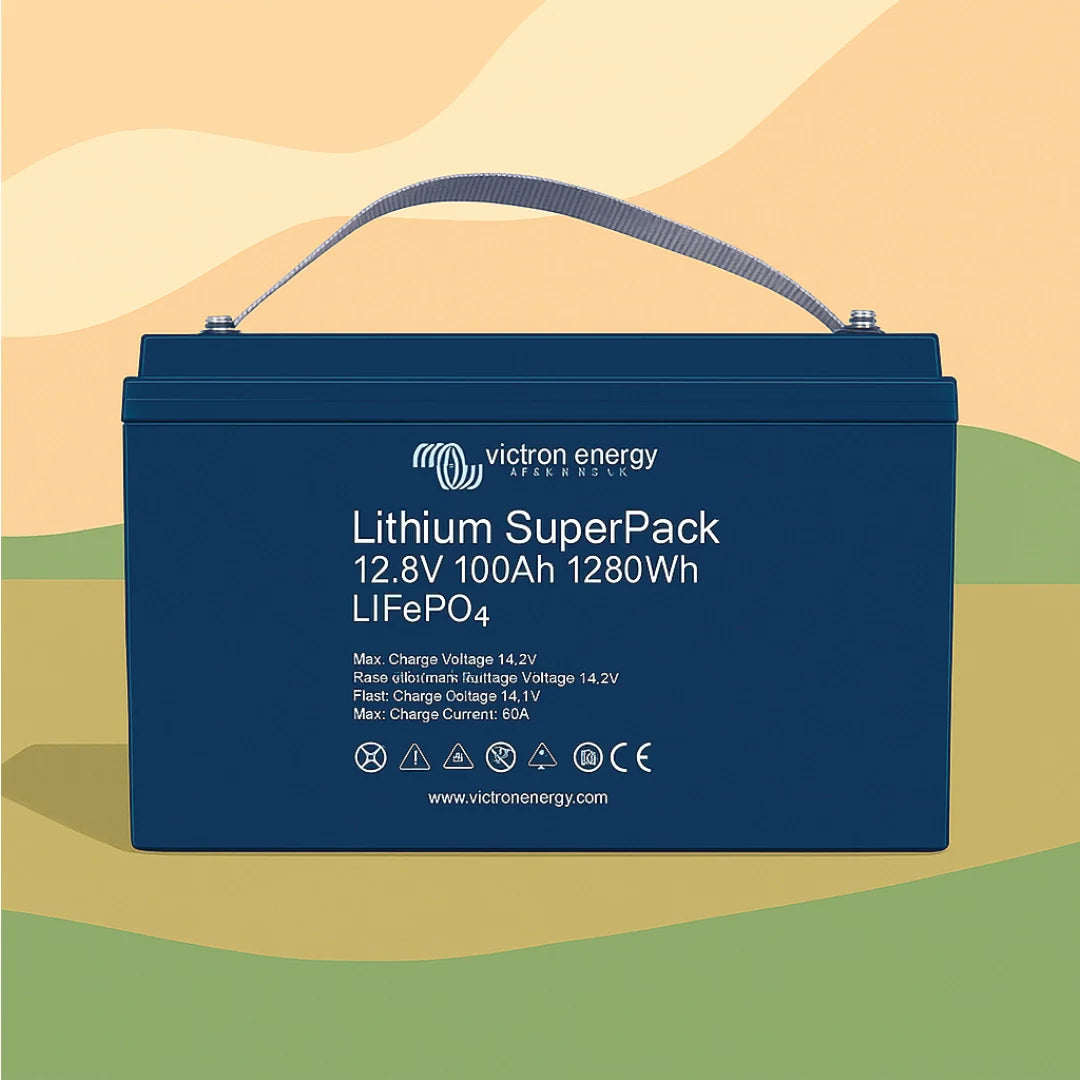
The performance gap between lithium and lead-acid technologies is substantial. Lithium batteries provide 4-6 times more cycles than lead-acid, with quality LiFePO4 units delivering up to 4000 cycles compared to just 600 for traditional flooded batteries. This longevity transforms the cost equation. Whilst a lithium battery might cost three times more upfront, it lasts six times longer, making it significantly cheaper over its operational life.
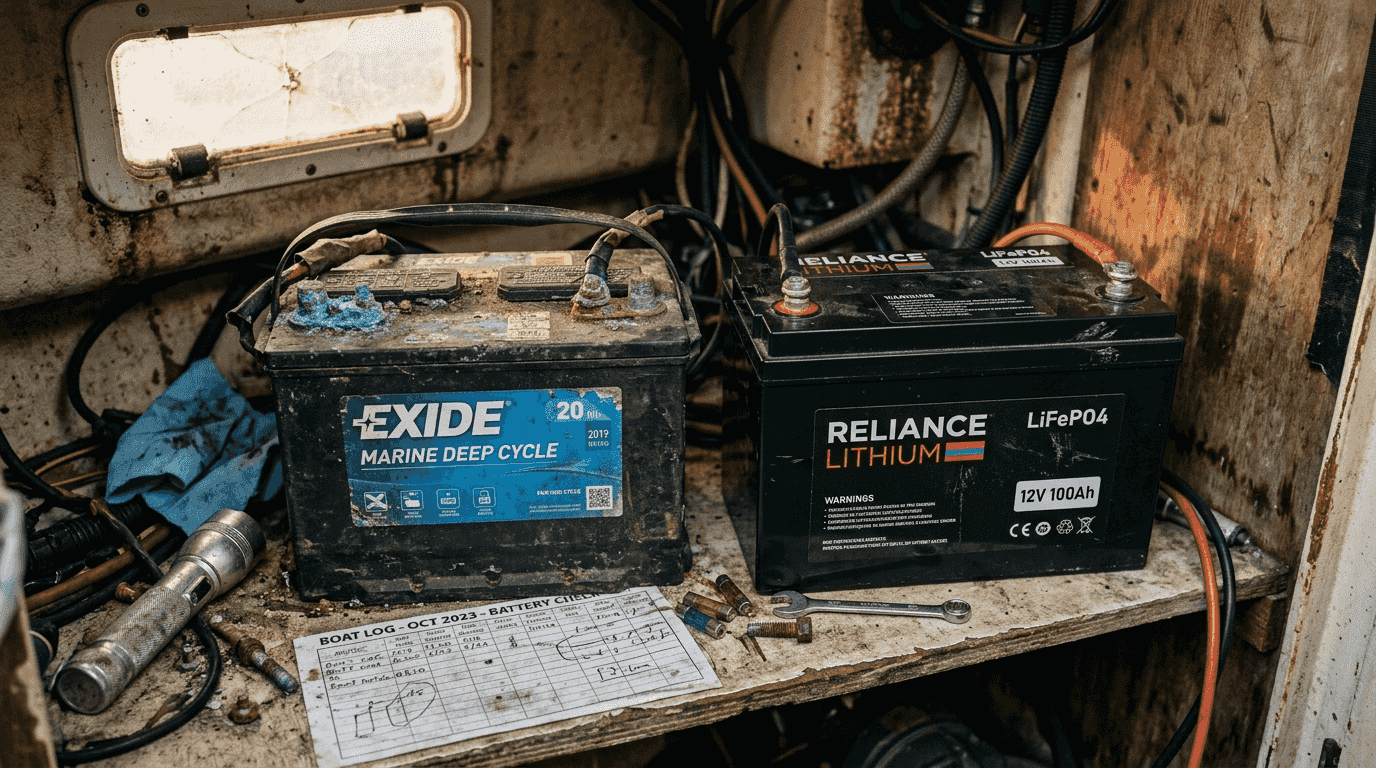
Energy density tells an even more compelling story. Lithium batteries offer higher energy density at 150-250 Wh/kg, far exceeding lead-acid’s 30-40 Wh/kg, ideal for deep discharge in off-grid marine use. This means you can store the same amount of energy in a fraction of the space and weight. For liveaboard boaters or those planning extended cruising, this density advantage directly translates to more usable power without compromising stability or payload.
Lead-acid batteries appear cheaper initially, but their limited depth of discharge erodes this advantage. You can safely use only 50% of a lead-acid battery’s rated capacity without damaging it, whilst lithium batteries routinely discharge to 80-90% depth. A 200Ah lead-acid bank provides just 100Ah of usable power, whilst a 200Ah lithium bank delivers 160-180Ah. To match lithium’s usable capacity, you’d need to install twice the lead-acid capacity, doubling your weight and space requirements.
Safety requirements differ significantly between technologies. Lithium batteries are preferred over lead-acid for UK boats due to weight savings and deeper discharge but requires BMS and fire safety measures. You cannot simply swap lead-acid for lithium without upgrading your charging system. Lithium batteries demand compatible chargers with specific voltage profiles, proper ventilation despite producing no gas, and fire detection systems due to thermal runaway risks.
| Feature | Lead-acid | Lithium (LiFePO4) |
|---|---|---|
| Cycle life | 300-600 cycles | 3000-4000 cycles |
| Usable capacity | 50% depth of discharge | 80-90% depth of discharge |
| Energy density | 30-40 Wh/kg | 150-250 Wh/kg |
| Initial cost | £150-250 per 100Ah | £450-800 per 100Ah |
| Maintenance | Regular topping up, equalisation | Minimal, BMS monitoring |
| Temperature sensitivity | Reduced capacity below 5°C | No charging below 0°C without heater |
Pro tip: Consider temperature limits for lithium batteries carefully. Below 0°C charging requires heaters to avoid permanent damage to the cells. If you plan winter cruising in Scotland or exposed coastal areas, either install heating pads or accept that charging must wait for warmer conditions. Some advanced lithium batteries for boats UK systems include integrated low-temperature protection that automatically prevents charging when cells drop below safe thresholds.
Essential maintenance checks for safe and reliable battery operation
Regular maintenance prevents the majority of battery failures and fire risks aboard UK boats. Start every inspection by disconnecting terminals to avoid electric shock or accidental short circuits. This simple step takes seconds but eliminates the risk of tools bridging positive and negative terminals whilst you work.
Test each battery individually for proper voltage and capacity using drop tests. UK boat owners should perform regular battery tests including individual drop tests, check connections for tightness and corrosion, and inspect cabling for damage. A drop test involves applying a known load and measuring voltage sag, revealing weak cells that voltage readings alone might miss. Batteries in a bank can mask individual cell failures, so isolating each unit gives you accurate health data.
Connection integrity matters more than most owners realise. Loose terminals create resistance, generating heat and voltage drops that reduce system efficiency and create fire hazards. Every three months, check each connection for tightness using a torque wrench set to manufacturer specifications. Look for white or green corrosion around terminals, which indicates moisture ingress or chemical reactions that degrade conductivity. Clean corroded terminals with a wire brush and apply marine-grade anti-corrosion spray.
Cable inspection prevents catastrophic failures. Examine all cabling for:
- Abrasions where cables pass through bulkheads or rub against sharp edges
- Cracks in insulation from UV exposure or age-related degradation
- Heat damage near terminals or high-current connections
- Moisture penetration in bilge-mounted cable runs
- Proper strain relief at all connection points
Lithium batteries demand additional safety protocols. The 10-point safety checklist includes proper charging and ventilation to prevent fires. Never leave lithium batteries charging unattended overnight, especially in enclosed spaces. Install marine-rated smoke detectors within two metres of your battery bank, positioned to catch early signs of thermal runaway before flames develop. Store lithium batteries in fireproof cabinets or boxes rated for lithium fires, which burn hotter and faster than lead-acid failures.
Pro tip: Use marine-rated smoke detectors near the battery bank to detect early fire risks. Standard household smoke alarms often fail in the damp, vibration-heavy environment of a boat. Marine detectors resist corrosion and false alarms whilst providing earlier warning of genuine hazards.
Neglecting routine battery maintenance is a common cause of failures and fire risk aboard UK boats.
Create a lithium battery maintenance workflow off grid schedule and stick to it. Monthly checks catch problems early, whilst annual deep inspections verify system integrity before the busy cruising season. Document every test and inspection in your boat’s maintenance log, creating a history that helps identify degradation trends and supports insurance claims if problems occur.
Optimising energy storage with renewable charging and system design
Renewable charging sources transform your boat from a depleting battery box into a genuine off-grid platform. Solar, hydro, or wind generators recharge batteries sustainably on extended trips, using redundancy and sizing batteries for winter loads with Victron MPPT controllers. Solar panels work even in overcast UK conditions, though output drops to 10-20% of rated capacity on grey days. Wind generators excel during autumn and winter when solar input weakens, whilst hydro generators provide consistent charging when underway.
Battery bank sizing must account for seasonal reality, not optimistic summer scenarios. A system that works perfectly in July will leave you powerless in January unless you size for winter power draws. UK winter days provide roughly 6-7 hours of usable daylight compared to 16 hours in summer, halving your solar charging window. Meanwhile, heating, lighting, and dehumidification demands can triple your daily consumption. Build your battery bank to handle three days of winter consumption without any charging input, providing genuine resilience against extended overcast periods.
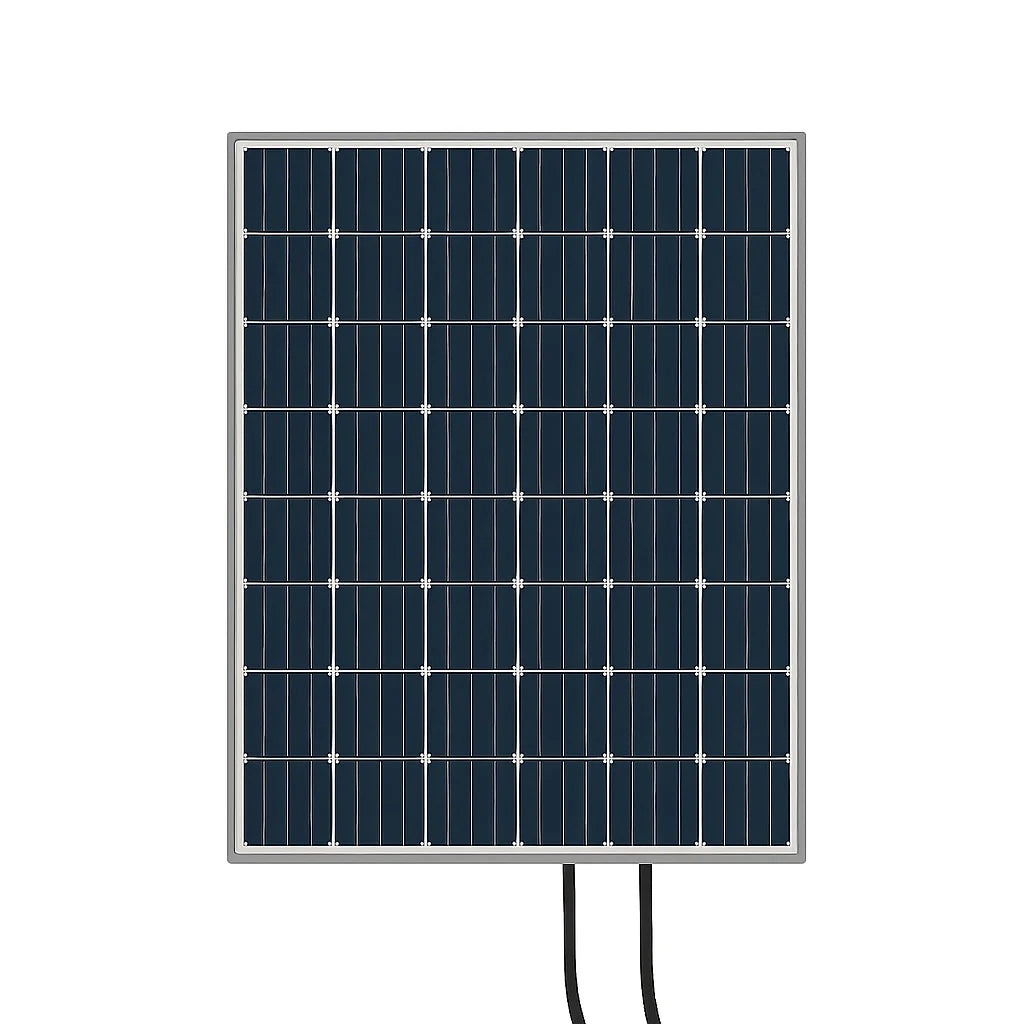
The recommended ratio for solar capacity is approximately 1 watt of panel capacity per 1 amp-hour of battery capacity. A 400Ah battery bank needs around 400 watts of solar panels for efficient year-round charging in UK latitudes. This ratio ensures you can fully recharge your bank on most days whilst accounting for panel efficiency losses, wiring resistance, and the lower sun angles prevalent in British waters.
Victron MPPT solar charge controllers optimise energy harvest and battery health by tracking the maximum power point of your panels throughout the day. Unlike basic PWM controllers that waste 20-30% of available solar energy, MPPT units extract every possible watt, particularly valuable during low-light conditions. They also implement proper charging profiles for lithium batteries, preventing the overcharging that shortens lifespan and creates safety risks.
| Battery bank size | Summer solar (watts) | Winter solar (watts) | Daily load (Ah) | Autonomy (days) |
|---|---|---|---|---|
| 200Ah lithium | 200W | 300W | 60Ah | 2.6 |
| 400Ah lithium | 400W | 600W | 120Ah | 2.6 |
| 600Ah lithium | 600W | 900W | 180Ah | 2.6 |
| 800Ah lithium | 800W | 1200W | 240Ah | 2.6 |
System redundancy prevents complete power loss when components fail. Install multiple smaller solar panels rather than one large array, so shading or damage to one panel doesn’t eliminate all charging. Consider dual battery banks with separate charging sources, allowing you to isolate a failed bank whilst maintaining essential services. Keep a backup charging method like a portable generator or shore power connection for emergencies.
Understanding marine battery systems explained principles helps you design resilient configurations. Parallel connections increase capacity whilst maintaining voltage, whilst series connections boost voltage for higher-power inverters. Most boat systems use 12V or 24V architecture, with 24V offering better efficiency for larger power demands and longer cable runs.
Pro tip: Design systems with redundancy to avoid complete power loss if one component fails. A £200 backup solar panel or secondary charging source provides peace of mind worth far more than its cost when you’re anchored in a remote Scottish bay with failing batteries.
Investing in quality battery management systems off-grid technology protects your entire electrical investment. A BMS monitors cell voltages, temperatures, and current flow, disconnecting loads or charging sources before damage occurs. Modern BMS units offer Bluetooth monitoring, letting you track battery health from your phone and spot problems before they become failures. This real-time visibility transforms battery management from guesswork into data-driven decisions.
Explore Skyenergi’s marine power solutions
Reliable marine energy storage requires more than just batteries. You need integrated systems designed specifically for the demanding conditions UK boat owners face. Skyenergi offers complete solar and battery management solutions that meet BSS and UKCA compliance standards, ensuring your installation satisfies insurance requirements whilst delivering dependable off-grid power.

Our solar power electrics system 3kva inverter charger combines charging, inversion, and monitoring in a single marine-rated package. The 3kVA capacity handles high-demand appliances whilst intelligent battery-to-battery charging optimises energy flow between your engine alternator and house bank. Real-time monitoring via Bluetooth lets you track system performance from anywhere aboard, spotting issues before they strand you without power.
For larger installations, the Victron Energy EasySolar II MPPT controller delivers professional-grade solar charging with integrated GX monitoring. The 5kVA inverter provides ample power for liveaboard comfort, whilst the MPPT 250/100 controller extracts maximum energy from your solar array even in challenging UK weather. This all-in-one solution simplifies installation and reduces potential failure points.
Boat owners seeking turnkey solar solutions appreciate our 610 watt solar panel MPPT controller packages. These complete kits include everything needed for professional installation: high-efficiency panels, smart MPPT charging, marine-grade cabling, and waterproof mounting hardware. Add optional lithium batteries for a fully integrated system backed by expert technical support.
Key benefits of Skyenergi marine power systems:
- UKCA and BSS compliant components for insurance approval
- Marine-rated construction resisting corrosion and vibration
- Integrated battery management protecting your investment
- Real-time monitoring via Bluetooth and smartphone apps
- Expert UK-based support for installation and troubleshooting
How often should I test and maintain my boat batteries?
Test monthly or before long voyages, always disconnecting terminals before inspection. Regular testing catches declining capacity before it leaves you stranded, whilst pre-voyage checks ensure reliability when you need it most. Periodic battery tests are essential, with each battery tested individually to reveal weak cells that might hide in bank voltage readings.
What safety measures are vital when using lithium batteries on boats?
Charge lithium batteries in well-ventilated areas and never leave them unattended overnight. Lithium battery fires prevention includes proper charging, ventilation, smoke detectors, and using manufacturer-approved equipment. Install marine-rated smoke detectors within two metres of your battery bank and store batteries in fireproof cabinets rated for lithium fires. Use only chargers specifically designed for LiFePO4 chemistry, as incorrect charging profiles create thermal runaway risks.
How do I size solar panels relative to my boat’s battery bank?
Size solar panels at approximately 1 watt per amp-hour of battery capacity for effective year-round charging. A 400Ah battery bank needs around 400 watts of solar panels to maintain charge in UK conditions. Plan for winter loads rather than summer to ensure reliability when daylight hours shrink and weather turns grey. This conservative approach prevents the disappointment of undersized systems that work beautifully in July but fail in January.
Can I upgrade from lead-acid to lithium batteries without changing other components?
No, lithium batteries require compatible charging systems and battery management. Your existing lead-acid charger uses voltage profiles that will damage lithium cells and create fire hazards. You must install a lithium-compatible charger, verify your alternator can handle lithium charging rates, and add a battery management system to protect the cells. Budget for these upgrades when calculating the true cost of switching to lithium technology.
Recommended
Prev post

Examples of leisure battery setups for off-grid UK vehicles
Updated on 19 March 2026
Next post

Why use energy storage in campervans for off-grid freedom
Updated on 17 March 2026


