





Understanding solar charge efficiency for UK leisure vehicles
Discover how solar charge efficiency works for UK leisure vehicles, from panel performance to battery storage losses, with practical tips for maximising off-grid power in British weather conditions.
Many leisure vehicle owners assume their solar panels consistently top up batteries regardless of weather. The reality is starkly different: UK climate’s variable sunshine means panel outputs vary seasonally, with a 100W panel generating 20 to 40Ah daily in summer but far less during winter months. Understanding solar charge efficiency transforms how you size systems, set expectations and maximise off-grid autonomy in British conditions.
Table of Contents
- What Is Solar Charge Efficiency?
- Factors Affecting Solar Charge Efficiency In The UK
- Understanding Round-Trip Efficiency And Its Impact On Usable Energy
- Maximising Solar Charge Efficiency For Your Leisure Vehicle
- Enhance Your Solar Power Setup With Skyenergi
- Frequently Asked Questions About Solar Charge Efficiency
Key takeaways
| Point | Details |
|---|---|
| Efficiency depends on multiple factors | Panel type, sunlight intensity, temperature and charge controller quality all influence how effectively solar energy charges your batteries. |
| UK weather requires realistic sizing | Variable conditions mean you need appropriately sized panels and should expect seasonal output fluctuations for reliable off-grid power. |
| MPPT controllers extract more power | Maximum Power Point Tracking technology optimises energy harvesting under changing light conditions, improving overall system performance. |
| Round-trip efficiency matters | This measures how much stored energy you can actually use, accounting for losses during charging and discharging cycles. |
| Maintenance preserves performance | Regular panel cleaning and system checks maintain efficiency levels essential for dependable leisure vehicle power supply. |
What is solar charge efficiency?
Solar charge efficiency describes how effectively your system converts sunlight into usable electrical energy for charging leisure batteries. It encompasses the entire energy pathway from panel surface to battery storage.
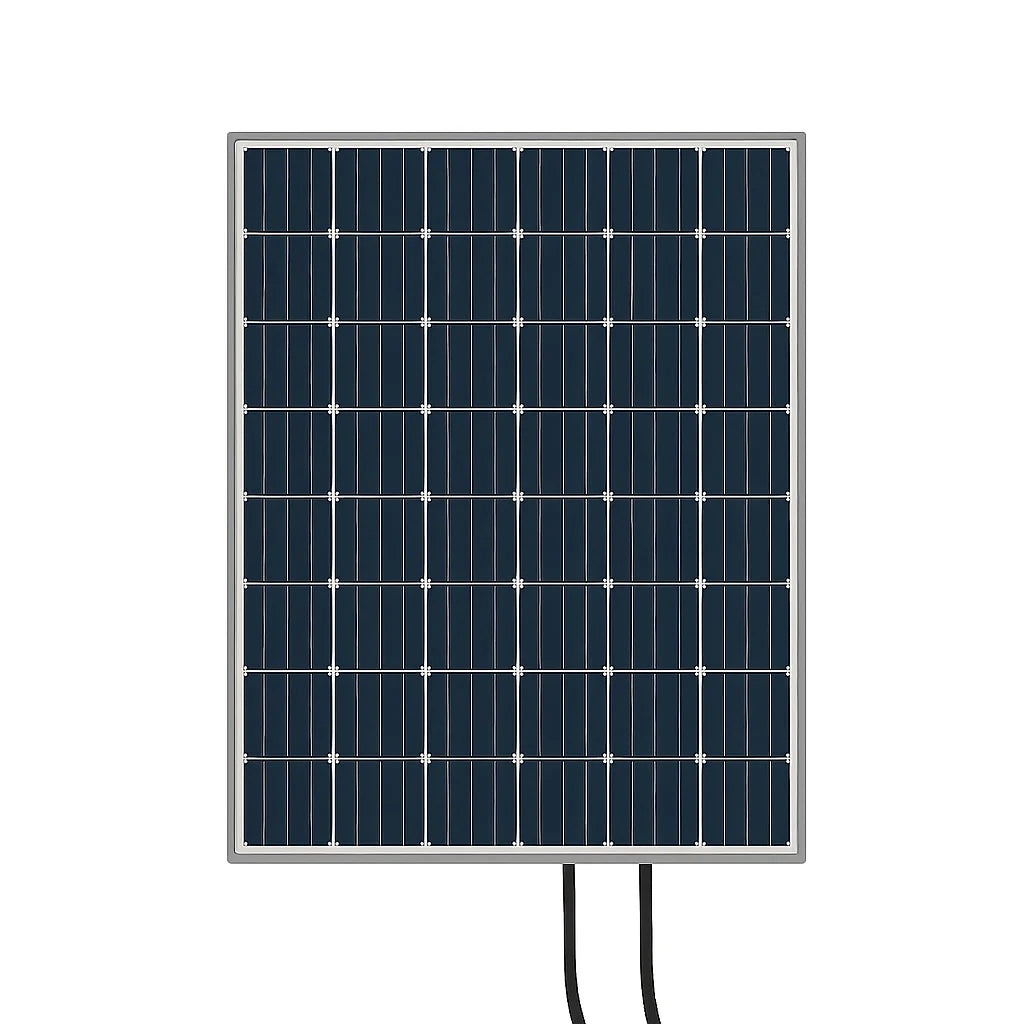
Modern rigid panels typically achieve 18 to 22 per cent conversion efficiency, meaning roughly one fifth of incoming sunlight becomes electricity. Flexible panels often perform slightly lower due to construction differences. Solar panel efficiency is influenced by panel type, sunlight intensity, temperature and orientation, making installation decisions crucial for maximising output.
Several factors determine your actual charging performance:
- Panel surface temperature affects output, with efficiency dropping as panels heat beyond optimal operating ranges
- Sunlight angle and intensity vary throughout the day and seasons, particularly in northern UK latitudes
- Shading from even small obstructions like roof vents or branches can dramatically reduce power generation
- Dirt accumulation blocks light absorption, steadily degrading performance over time
Electricity from panels flows through a charge controller to prevent battery damage and optimise charging efficiency. The controller regulates voltage and current, ensuring batteries receive appropriate power levels whilst protecting against overcharging.
MPPT charge controllers represent a significant efficiency improvement over basic PWM types. These sophisticated devices continuously adjust electrical characteristics to extract maximum available power from panels, particularly valuable during partial shading or variable light conditions common in UK weather. Understanding MPPT technology importance helps you appreciate why controller choice substantially impacts overall system performance.
Factors affecting solar charge efficiency in the UK
British weather patterns create unique challenges for solar charging that differ markedly from sunnier climates. Understanding these influences helps you set realistic expectations and optimise your setup.
Sunlight intensity fluctuates dramatically across seasons and daily weather changes. A panel producing 40Ah on a clear June day might generate barely 10Ah during December’s short, cloudy days. This variability means sizing your system for worst-case scenarios if you plan year-round off-grid stays.
Temperature impacts efficiency counter-intuitively. Whilst you might expect summer heat to boost performance, panel efficiency actually decreases as temperatures rise above 25°C. The semiconductor materials in solar cells operate less effectively when hot, typically losing 0.3 to 0.5 per cent efficiency per degree above standard test conditions. Cold, bright winter days sometimes produce excellent output despite lower sun angles.
Panel positioning determines how much available sunlight you actually capture:
- Horizontal roof mounting suits most leisure vehicles but compromises optimal angle
- Fixed panels cannot track the sun’s path like ground-mounted arrays
- Parking orientation affects daily energy harvest significantly
- Nearby trees, buildings or vehicle roof fixtures cast efficiency-killing shadows
Shading deserves special attention because even small shadows disproportionately reduce output. Most panels contain series-connected cells, meaning shade on just one cell can dramatically limit current flow through the entire panel. This explains why a branch shadow covering 10 per cent of your panel might reduce output by 50 per cent or more.
Panel type establishes baseline efficiency before environmental factors apply. Monocrystalline panels offer highest efficiency ratings, polycrystalline slightly less, and thin-film flexible panels typically perform 15 to 20 per cent lower than rigid alternatives. These differences matter when roof space is limited.
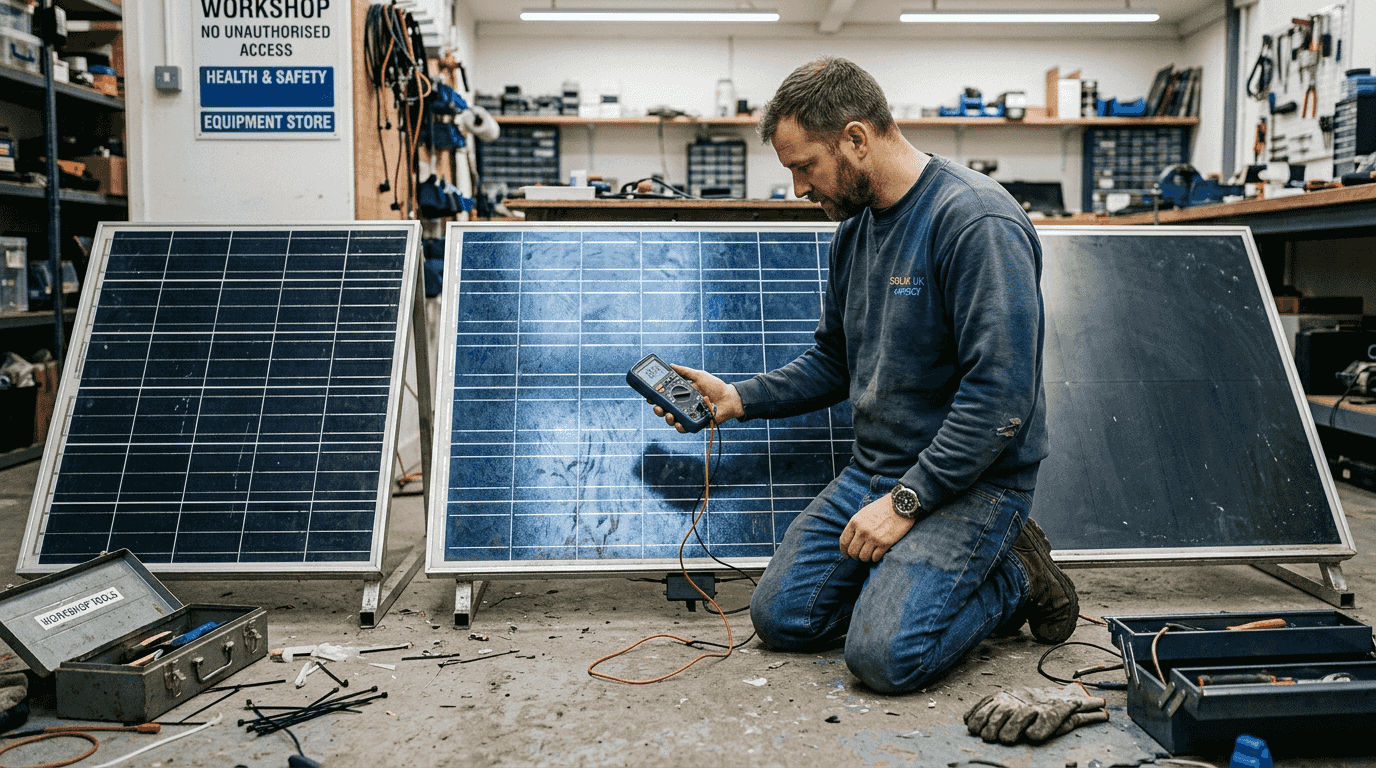
Charge controller quality significantly impacts how much captured solar energy actually reaches your batteries. Basic controllers waste power through heat and voltage mismatches, whilst MPPT units intelligently optimise power transfer. Quality controllers also provide better low-light performance, extending productive charging hours during marginal conditions.
Regular cleaning of panels is essential to maintain efficiency; dirt reduces production significantly. Road grime, pollen, bird droppings and general dust accumulation gradually blocks light absorption. Even a thin layer can reduce output by 20 to 30 per cent.
Pro tip: Schedule panel cleaning every two to three months or after travelling through dusty areas. Use plain water and a soft brush; harsh chemicals can damage anti-reflective coatings that enhance efficiency.
For comprehensive guidance on optimising your installation considering these factors, explore solar setup tips tailored specifically for UK leisure vehicles.
Understanding round-trip efficiency and its impact on usable energy
Whilst solar panel efficiency determines how much energy enters your system, battery round-trip efficiency (RTE) determines how much you can actually use. This crucial but often overlooked parameter significantly affects practical off-grid capability.
Round-trip efficiency equals energy out divided by energy in, expressed as a percentage over complete charge-discharge cycles. Lower RTE means more energy lost to heat, chemical processes or conversion inefficiencies during storage and retrieval.
Calculating usable capacity requires multiplying your battery’s rated capacity by its RTE. Charging 10 kWh and later using 9 kWh means 90 per cent RTE, representing 1 kWh lost during the storage cycle. These losses accumulate with each charge-discharge cycle, affecting how long your stored solar energy actually powers your leisure vehicle systems.
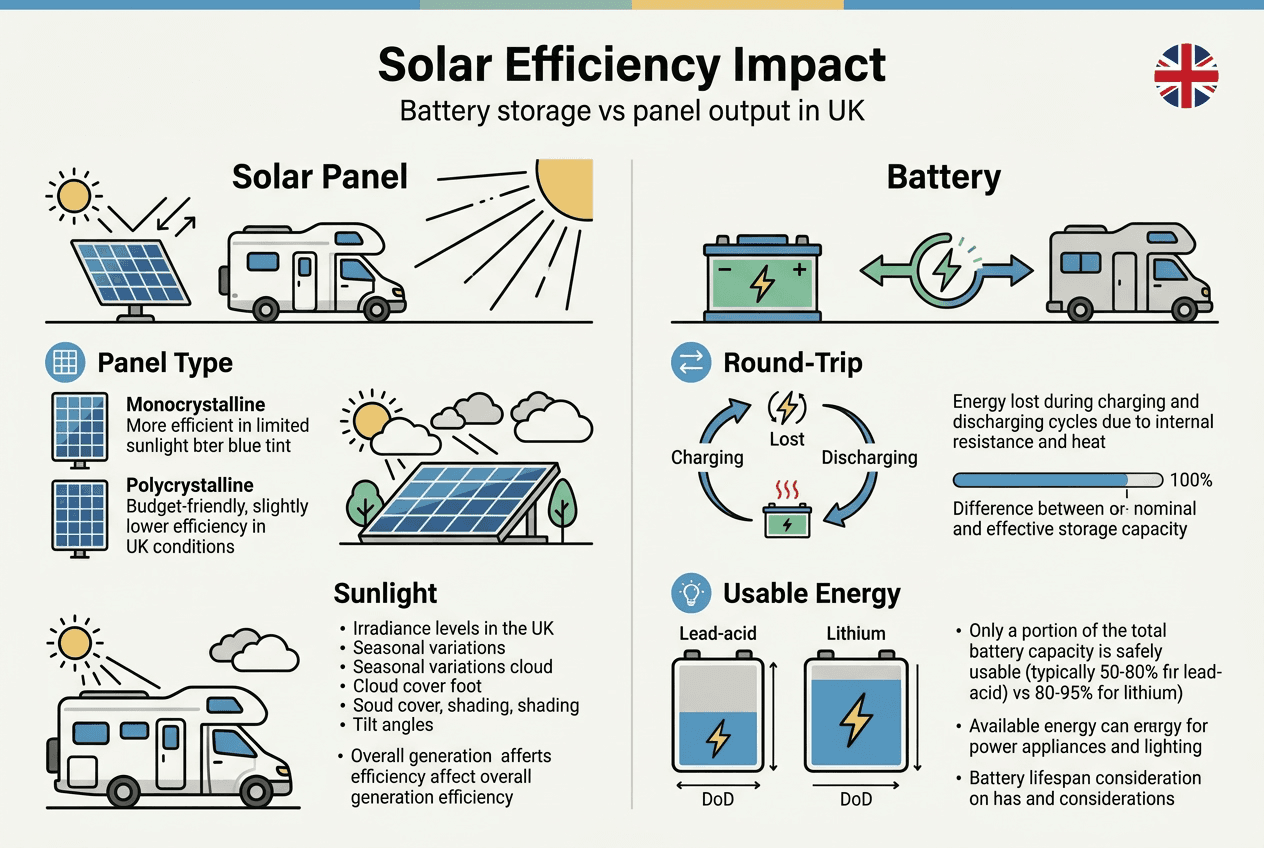
Different battery chemistries exhibit markedly different round-trip efficiencies:
| Battery type | Typical RTE | Usable energy from 100Ah nominal | Implications |
|---|---|---|---|
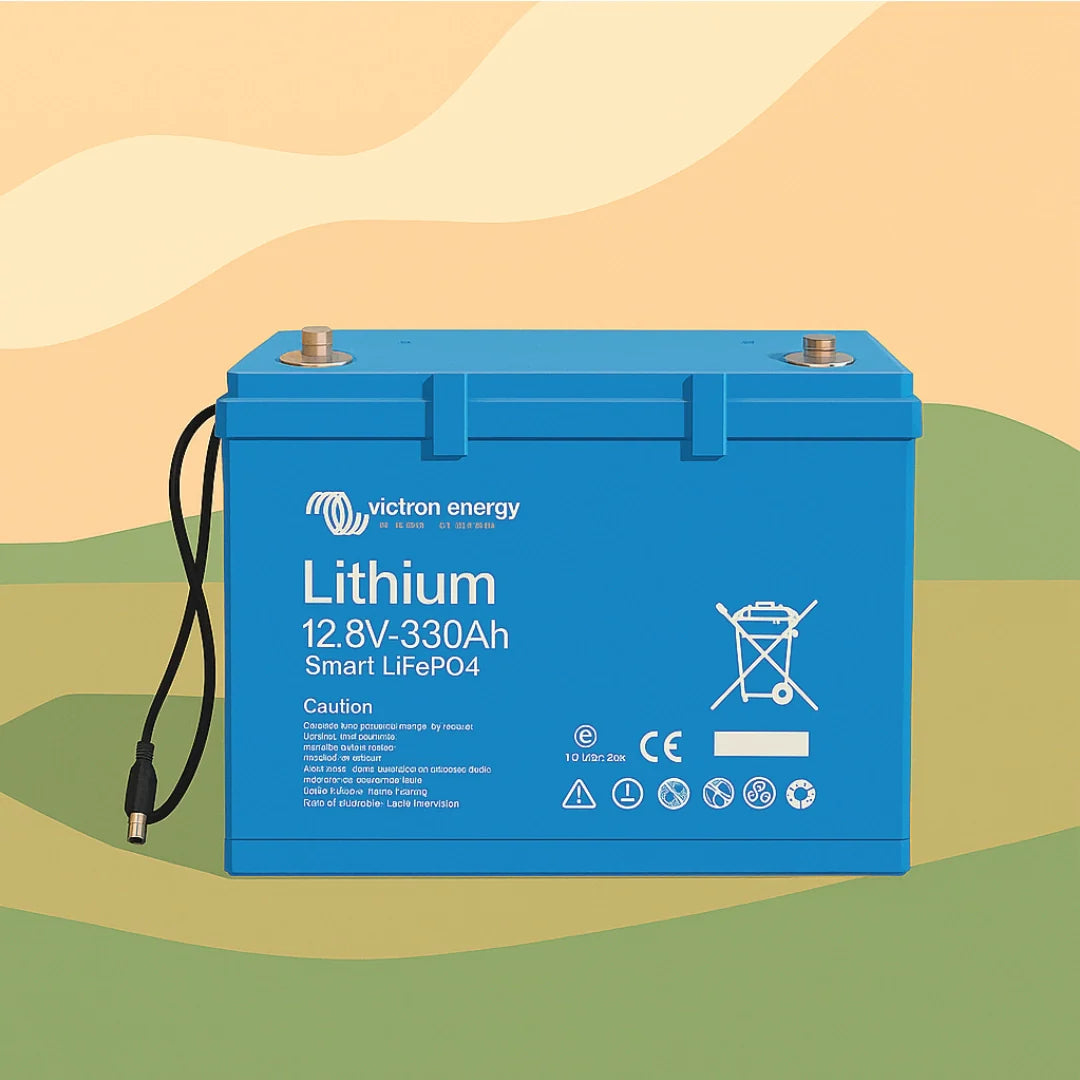
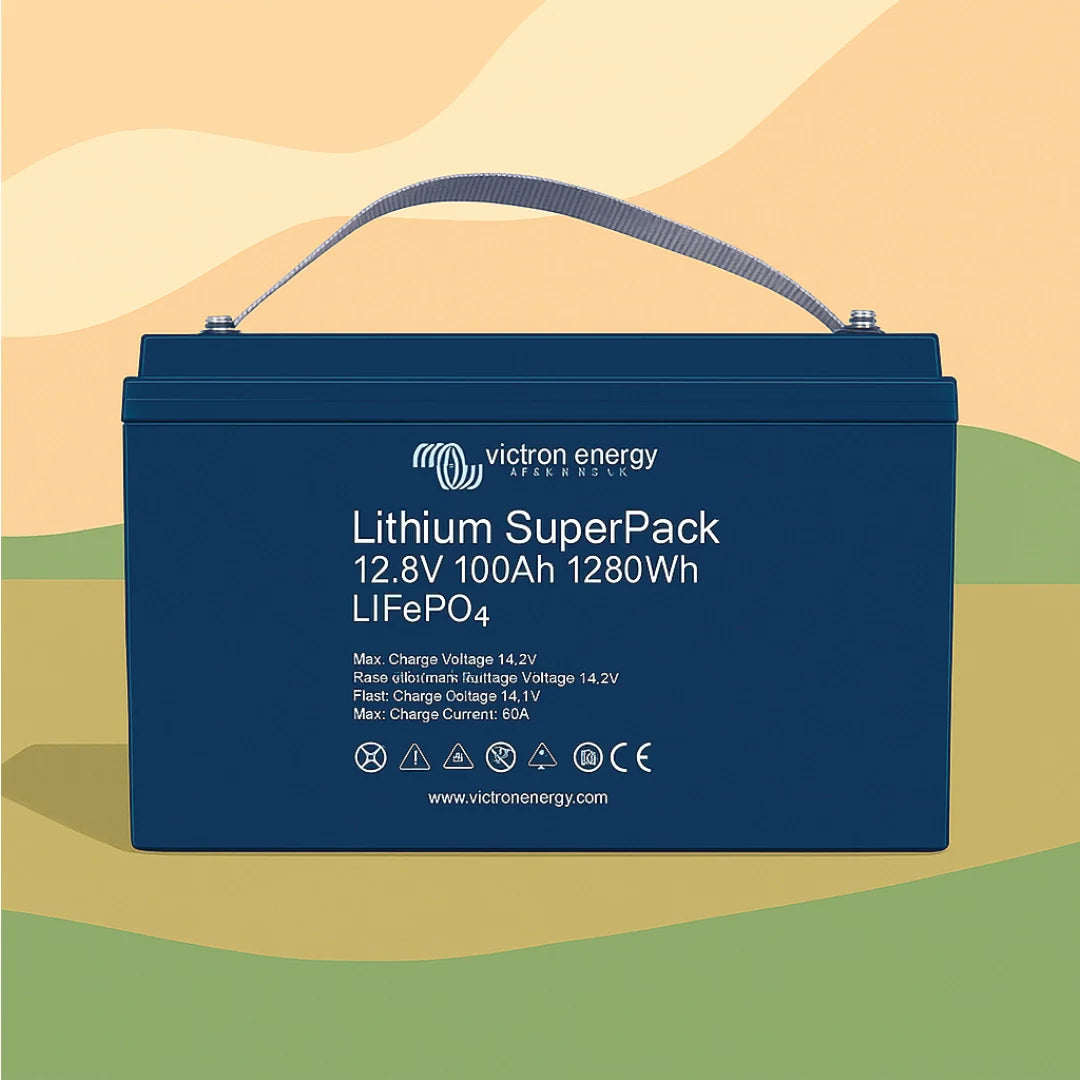
| Lithium iron phosphate | 92-96% | 92-96Ah | Minimal losses, most solar energy becomes usable power |
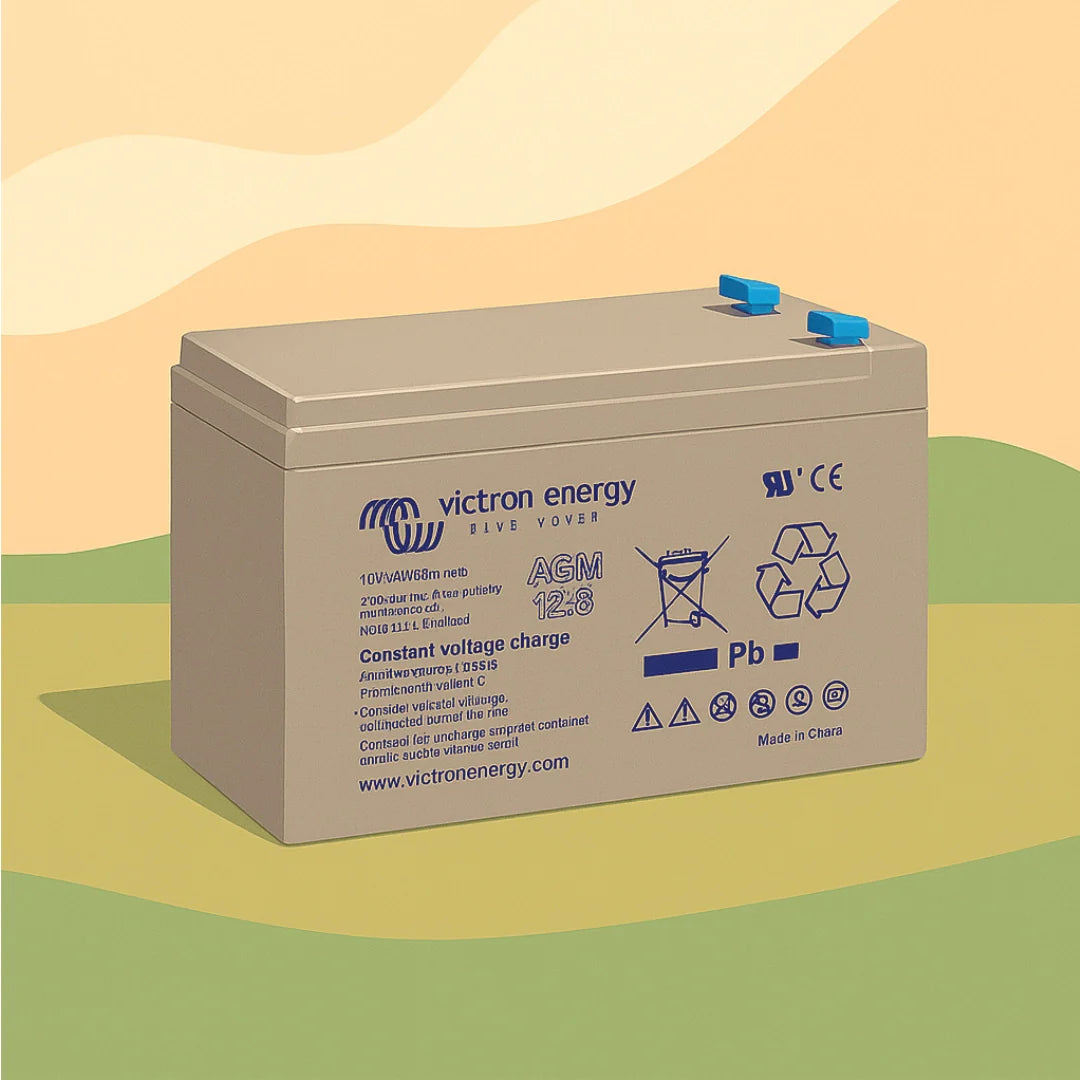
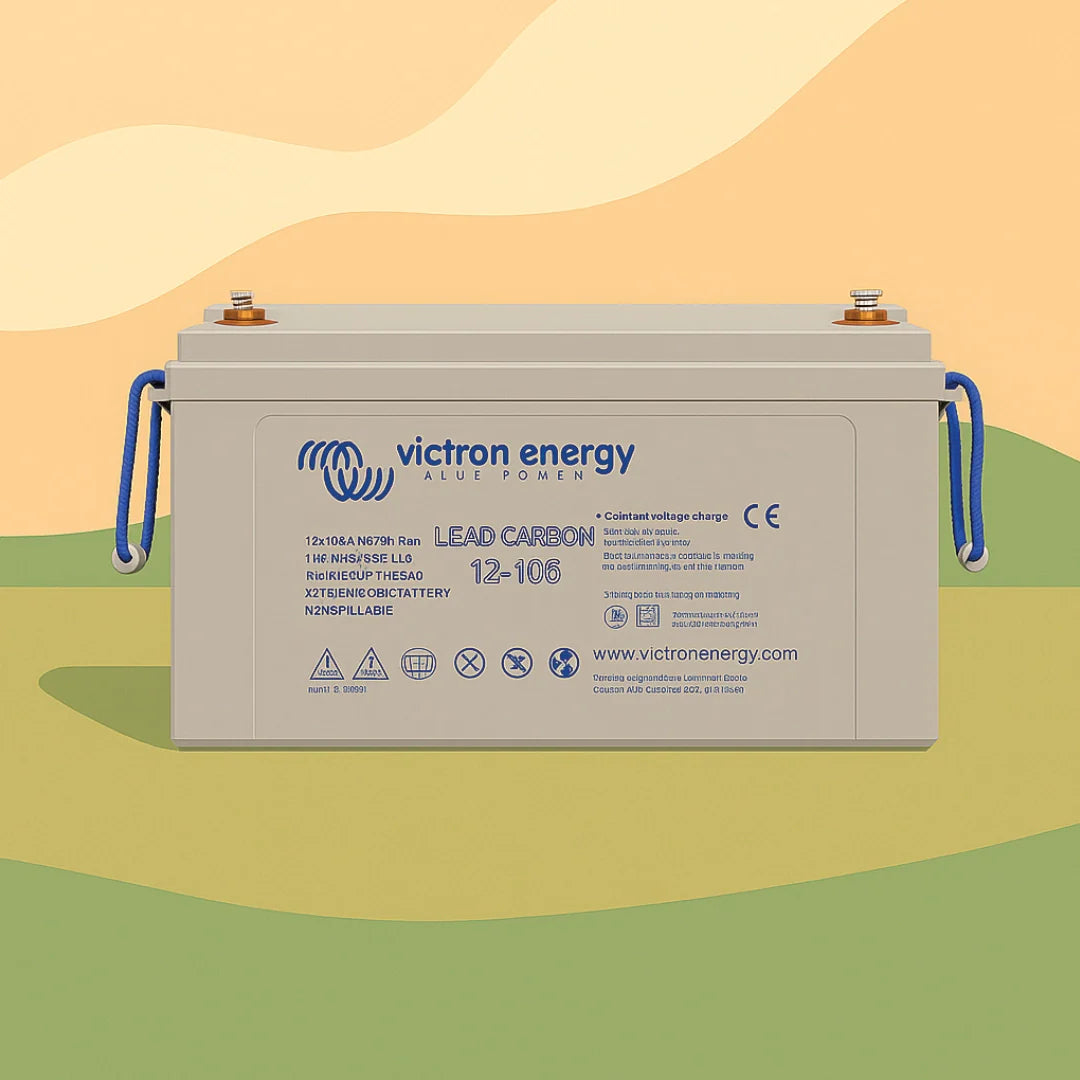
| AGM lead-acid | 80-85% | 80-85Ah | Moderate losses reduce effective capacity significantly |
| Flooded lead-acid | 70-75% | 70-75Ah | Substantial losses mean you need larger banks for same usable capacity |
| Gel lead-acid | 75-80% | 75-80Ah | Better than flooded but still lose considerable energy |
Estimating how long your charged batteries will run your equipment:
- Calculate usable capacity by multiplying battery amp-hours by RTE percentage
- Determine your average electrical load by adding up device power consumption
- Divide usable capacity by average load to estimate runtime hours
- Account for depth of discharge limits; never fully drain batteries for longest lifespan
- Factor in temperature effects; cold conditions reduce available capacity by 10 to 30 per cent
Understanding RTE helps explain why lithium batteries, despite higher initial costs, often provide better value for solar applications. Their superior round-trip efficiency means less solar capacity needed to achieve the same usable power, potentially offsetting the price premium through smaller panel requirements.
Pro tip: When purchasing battery systems, specifically ask installers about RTE measurement conditions and real-world performance data. Manufacturer specifications sometimes cite best-case laboratory results rather than typical field performance.
For deeper insights into optimising your battery charging strategy, review guidance on battery charge control benefits that extends both efficiency and battery longevity.
Maximising solar charge efficiency for your leisure vehicle
Translating technical knowledge into practical improvements requires strategic decisions about equipment selection, installation and usage patterns. These actionable steps help you extract maximum value from UK solar conditions.
Panel sizing represents your first critical decision. A 200W solar panel is often the optimum size for UK leisure vehicles, balancing power output with cost and available roof space. Undersizing leaves you perpetually power-hungry whilst oversizing wastes money on capacity you cannot fully utilise in British weather. Calculate your daily energy consumption in amp-hours, then size panels to generate 1.5 to 2 times this amount during average summer conditions, accounting for winter shortfalls.
Installation location dramatically affects real-world performance:
- Mount panels where roof fixtures, vents and aerials create minimal shading throughout the day
- Consider permanently mounting towards the rear where cab shadows impact less
- Ensure adequate ventilation beneath panels to manage heat buildup
- Use quality mounting systems that maintain secure attachment during travel vibration
- Position wiring to minimise voltage drop between panels and controller
MPPT charge controller selection matters enormously. These devices extract 15 to 30 per cent more power than basic PWM controllers, particularly during marginal light conditions common in UK weather. Quality MPPT units also provide Bluetooth monitoring, letting you track actual performance and identify efficiency issues before they become serious problems. Invest in controllers slightly oversized for your panel capacity to accommodate future system expansion.
Maintenance preserves efficiency over time. Keep panels clean by washing every few months or after particularly dusty travel. Inspect wiring connections annually for corrosion that increases resistance and wastes power. Monitor controller readings to detect gradual performance degradation indicating panel damage or wiring faults.
Realistic expectations prevent disappointment. Solar panels effectively trickle charge batteries to cover basic needs and extend off-grid stays, but do not fully replace electric hookups year-round. Accept that winter output drops to 20 to 30 per cent of summer levels, requiring either grid charging top-ups or dramatically reduced consumption during short, dark months.
Manage energy use strategically by running high-draw appliances like kettles, hairdryers and heating from hookup power or gas rather than batteries. Reserve solar-charged battery power for lighting, water pumps, phone charging and other modest loads that align with realistic solar generation in UK conditions.
Pro tip: Combine efficient lithium batteries with smart power usage monitoring to maximise off-grid autonomy. Real-time consumption displays help you adjust usage patterns to match available solar generation, stretching your independence considerably.
For additional practical guidance on getting the most from your solar installation, explore solar charging tips and strategies for achieving off-grid freedom tailored to UK leisure vehicle owners.
Enhance your solar power setup with Skyenergi
Optimising solar charge efficiency requires quality components engineered for reliable performance in challenging UK conditions. Skyenergi specialises in supplying high-performance solar solutions specifically suited to leisure vehicle applications.
Our product range includes complete solar charging systems featuring advanced MPPT controllers that maximise energy harvest during variable British weather. The Victron 610 watt solar panel with MPPT controller delivers professional-grade performance with integrated Bluetooth monitoring, letting you track efficiency in real time and optimise your setup.

For comprehensive power solutions, our solar power electrics system combines charging, storage and distribution components into integrated packages designed for seamless operation. We focus on sourcing reliable components directly from manufacturers, delivering quality renewable energy solutions at competitive prices.
Whether you’re upgrading an existing installation or planning a complete new solar setup, Skyenergi solutions help you achieve greater energy independence both on the road and at home.
Frequently asked questions about solar charge efficiency
What factors most affect solar charging efficiency in UK leisure vehicles?
Panel type, sunlight intensity, temperature and shading create the biggest efficiency impacts. UK’s variable weather means output fluctuates seasonally, with winter generation dropping to 20 to 30 per cent of summer levels even with identical equipment.
How does MPPT technology improve solar charge efficiency?
MPPT controllers continuously adjust electrical characteristics to extract maximum available power from panels under changing conditions. This typically delivers 15 to 30 per cent more energy compared to basic PWM controllers, particularly valuable during partial shading or variable light intensity common in British weather.
Can solar panels fully replace electric hookups for UK campervans?
Solar effectively trickle charges batteries for modest loads like lighting and phone charging but rarely replaces hookups entirely year-round in UK conditions. Winter’s short, weak sunlight limits generation to perhaps 10 to 20Ah daily from typical 200W panels, requiring either reduced consumption or periodic hookup top-ups for sustained off-grid stays.
How often should I clean my solar panels to maintain efficiency?
Clean panels every two to three months or after travelling through particularly dusty areas. Even thin dirt layers reduce output by 20 to 30 per cent, whilst bird droppings or heavy grime can cut production by half until removed with plain water and soft brushing.
What is round-trip efficiency and why is it important?
Round-trip efficiency measures how much stored energy you can actually retrieve and use, accounting for losses during charging and discharging cycles. Lithium batteries typically achieve 92 to 96 per cent RTE whilst lead-acid variants lose 20 to 30 per cent, meaning you need larger systems to deliver equivalent usable power. For more details on optimising your complete charging workflow, see the solar charging workflow tutorial.
Recommended
Prev post

Optimise your motorhome energy storage workflow in 2026
Updated on 14 March 2026
Next post

What is expandable energy storage? A 2026 UK guide
Updated on 12 March 2026


