


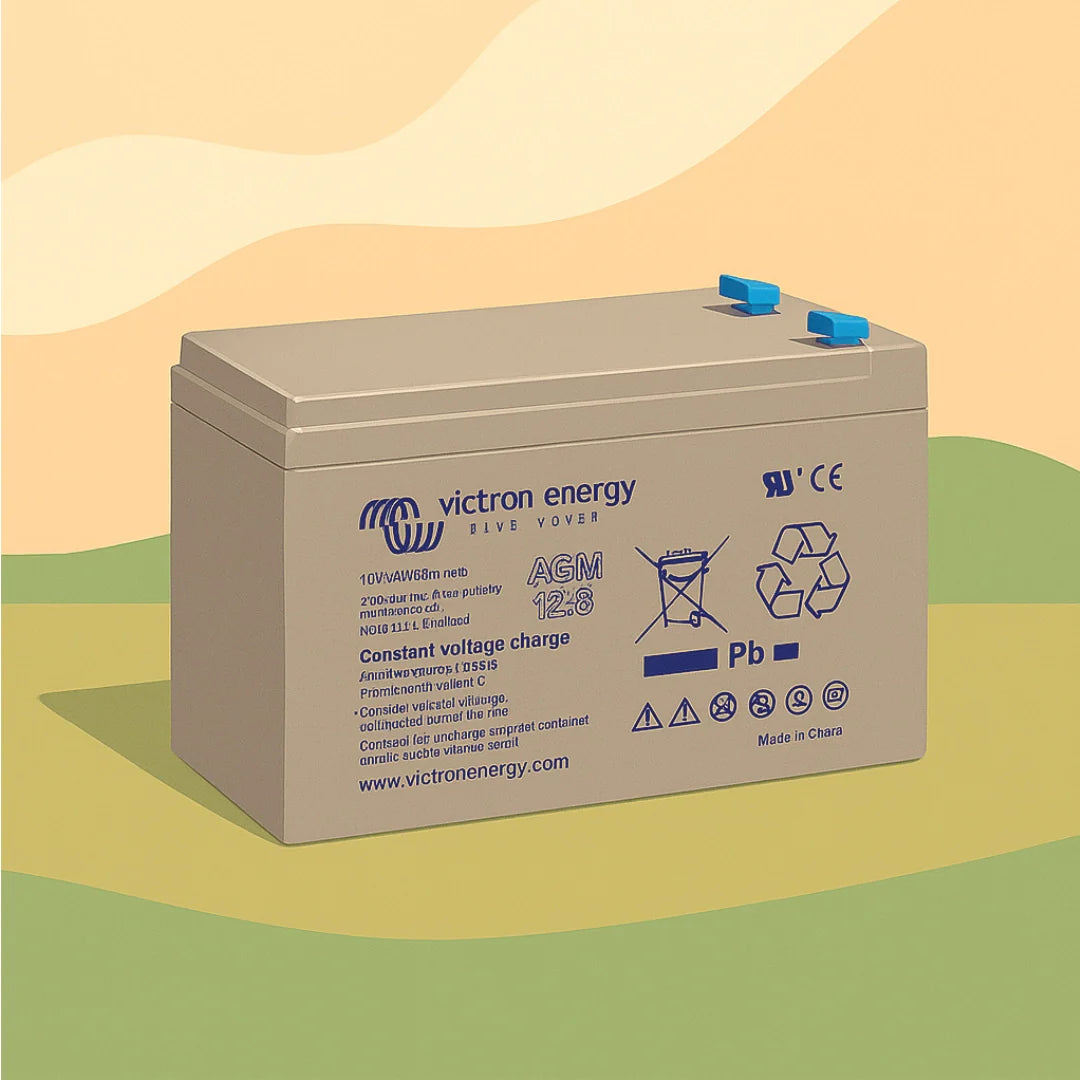
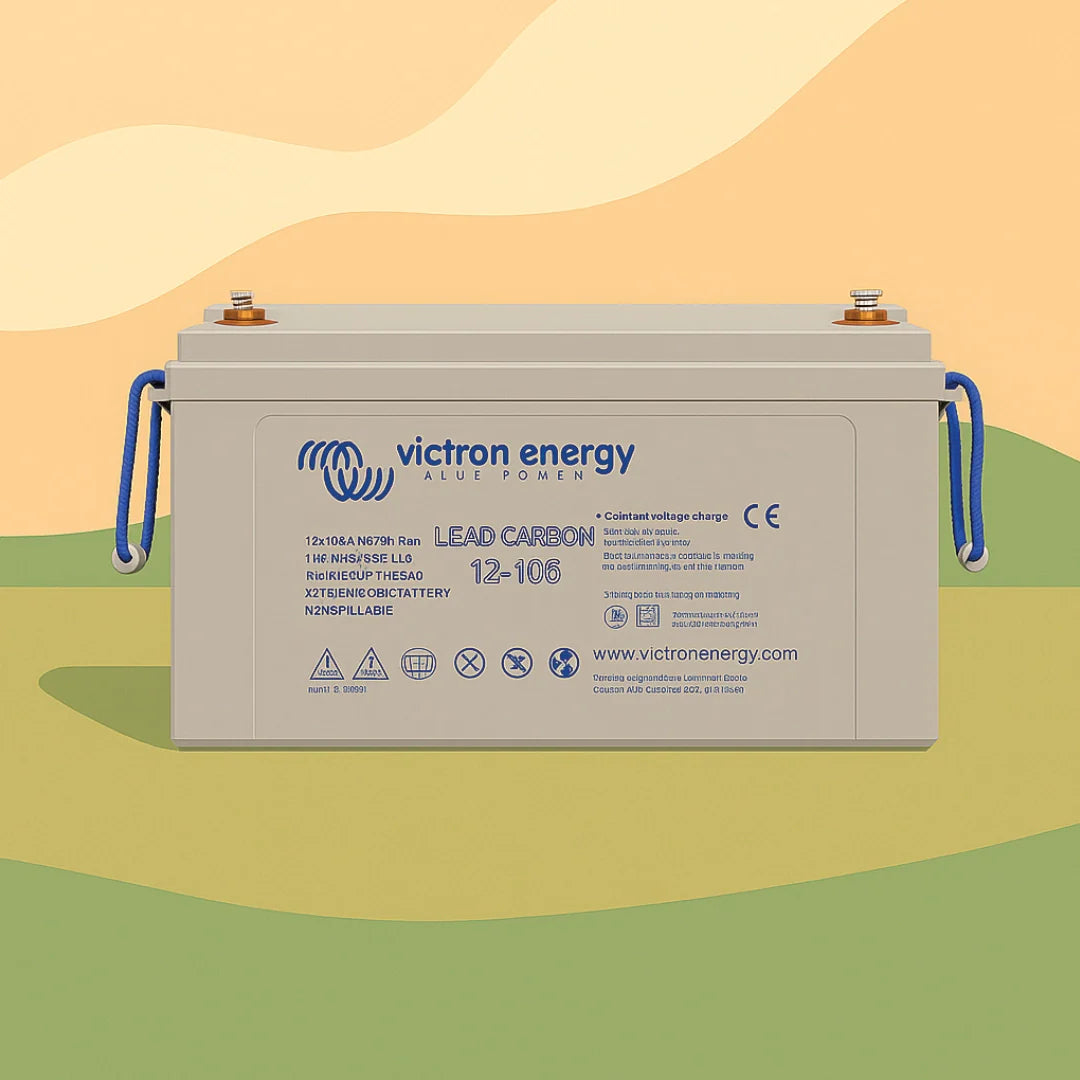
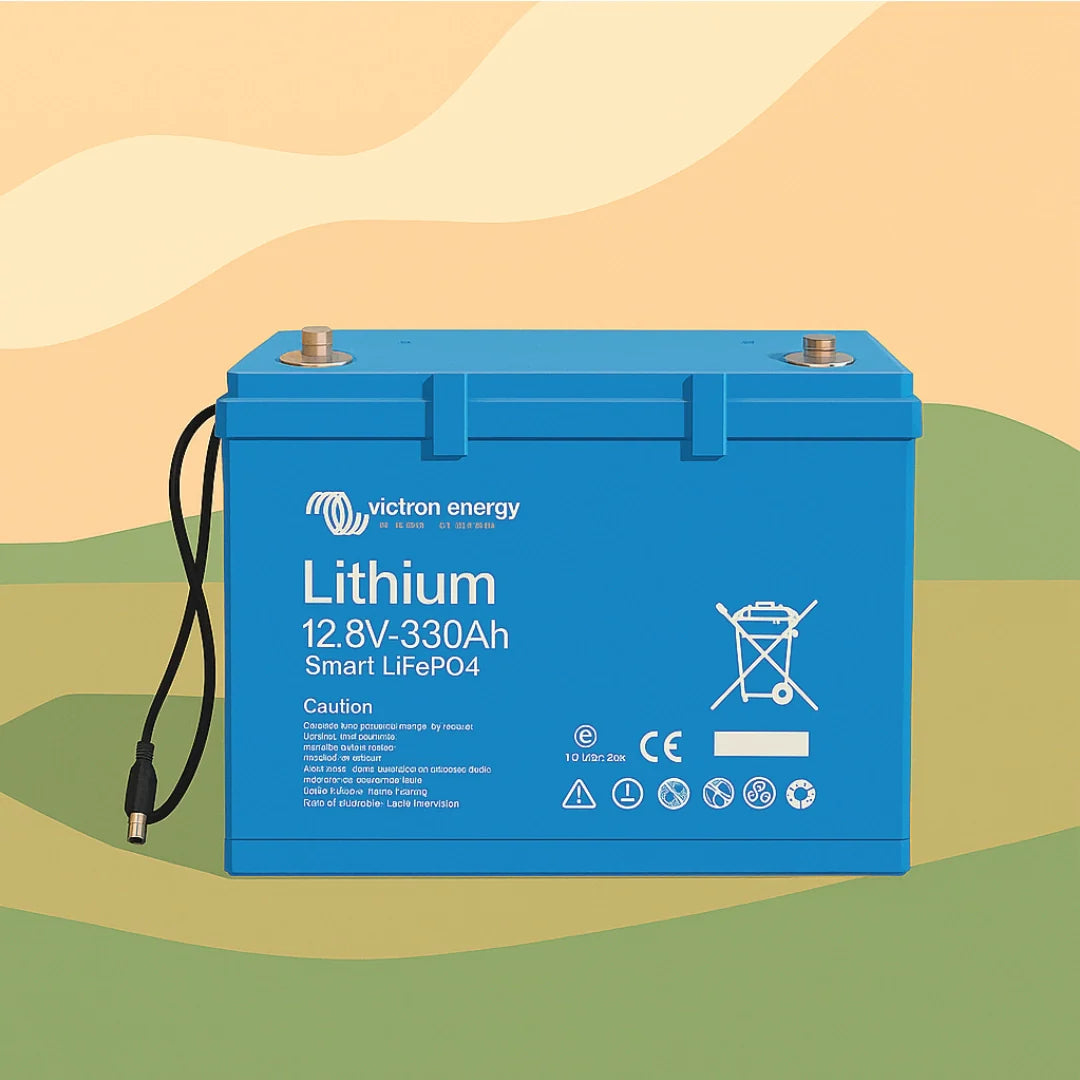
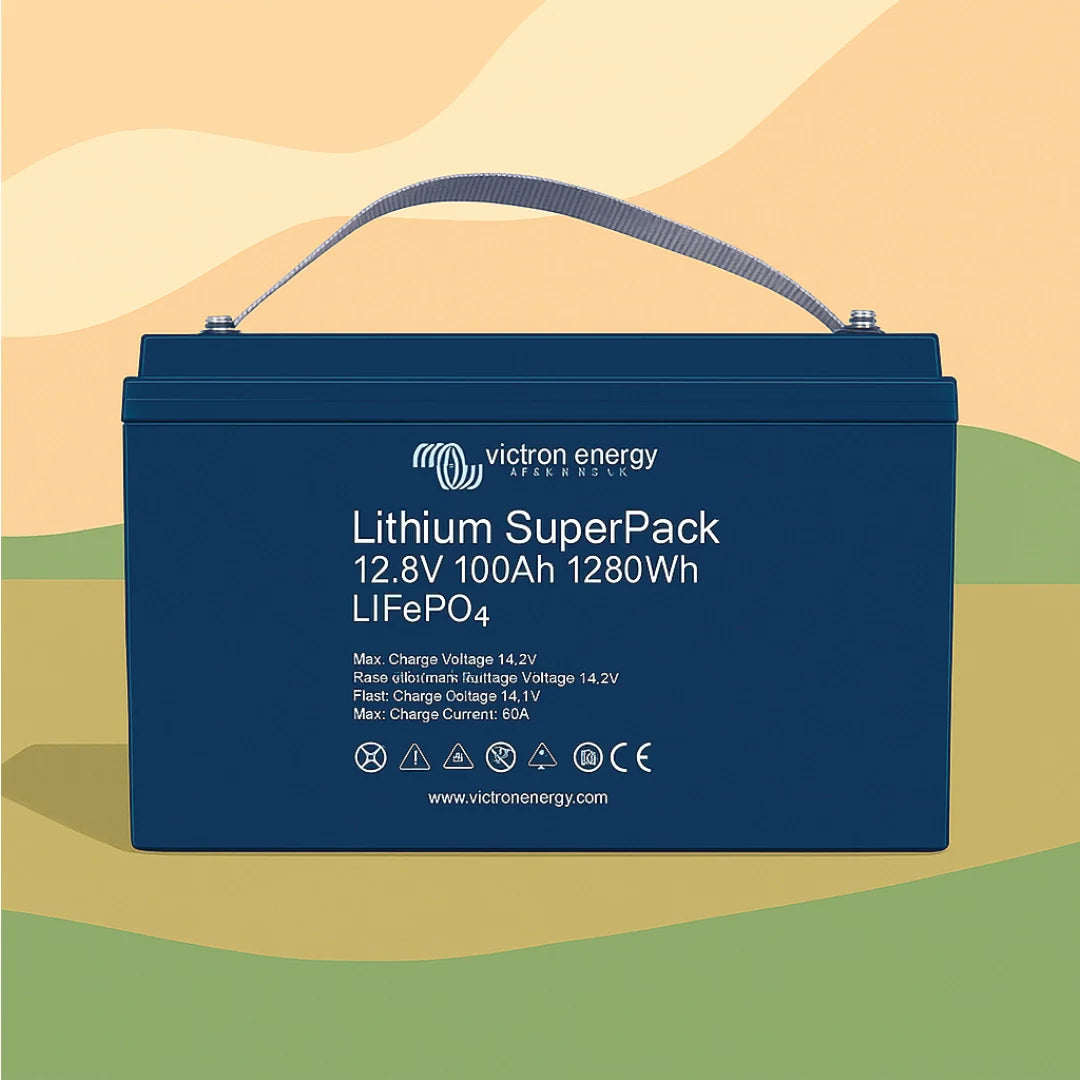



What is expandable energy storage? A 2026 UK guide
Discover how expandable energy storage systems let UK campervan, motorhome, and boat owners scale power capacity as needs grow, with expert guidance on battery connections, BMS selection, and practical applications.
Many off-grid travellers assume battery capacity is set in stone once installed. That’s not true anymore. Expandable energy storage systems let you grow your power capacity as your lifestyle evolves, whether you’re adding appliances to your campervan, extending trips in your motorhome, or upgrading your boat’s electrical setup. This guide explains what expandable energy storage is, how it works, and how to choose the right system for your off-grid adventures across the UK.
Table of Contents
- What Is Expandable Energy Storage And Why Does It Matter?
- Understanding Series And Parallel Battery Connections For Expandable Storage
- Choosing The Right Battery Management System (BMS) For Your Expandable Setup
- Applying Expandable Energy Storage In Campervans, Motorhomes, And Boats
- Explore Expandable Energy Storage Solutions With Skyenergi
- What Is Expandable Energy Storage? FAQ
Key takeaways
| Point | Details |
|---|---|
| Modular expansion | Expandable energy storage allows users to increase their energy capacity by adding battery modules or upgrading components as needs change. |
| Connection types matter | Series connections increase voltage for high-power devices, whilst parallel connections boost current for extended energy demands. |
| BMS compatibility is critical | Your battery management system must match your expanding battery bank’s voltage and current specifications for safety and efficiency. |
| Perfect for mobile setups | Expandable storage adapts brilliantly to changing power needs in campervans, motorhomes, and boats across different seasons and trip lengths. |
What is expandable energy storage and why does it matter?
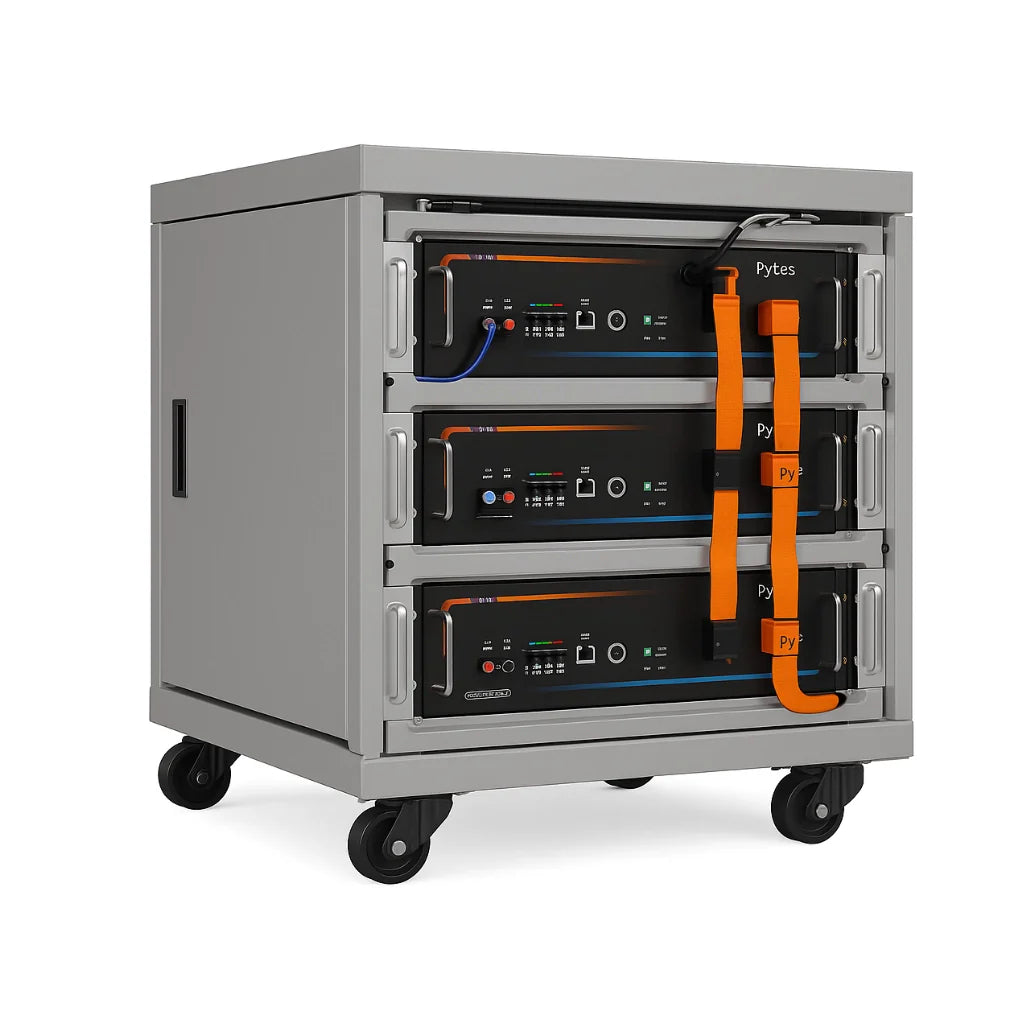
Expandable energy storage means building a power system that grows with you. Instead of buying a massive battery bank upfront, you start with what you need today and add modules later. This approach saves money initially and prevents you from overbuying capacity you won’t use for years.
The flexibility proves invaluable for off-grid enthusiasts whose energy demands shift over time. Perhaps you start with basic lighting and phone charging, then add a fridge, heating, or laptop charging as you spend more time off-grid. Expandable systems accommodate these changes without replacing your entire setup.
Key advantages include:
- Lower upfront investment compared to fixed high-capacity systems
- Ability to scale capacity incrementally as budget allows
- Adaptation to seasonal variations in UK travel patterns
- Easy transfer between different vehicles or vessels
- Future-proofing against changing energy needs
For UK travellers who adapt their off-grid setup seasonally, expandable storage eliminates the guesswork. Summer weekend trips require less capacity than winter touring with heating demands. You can configure your system to match exactly what each adventure requires.
Understanding series and parallel battery connections for expandable storage
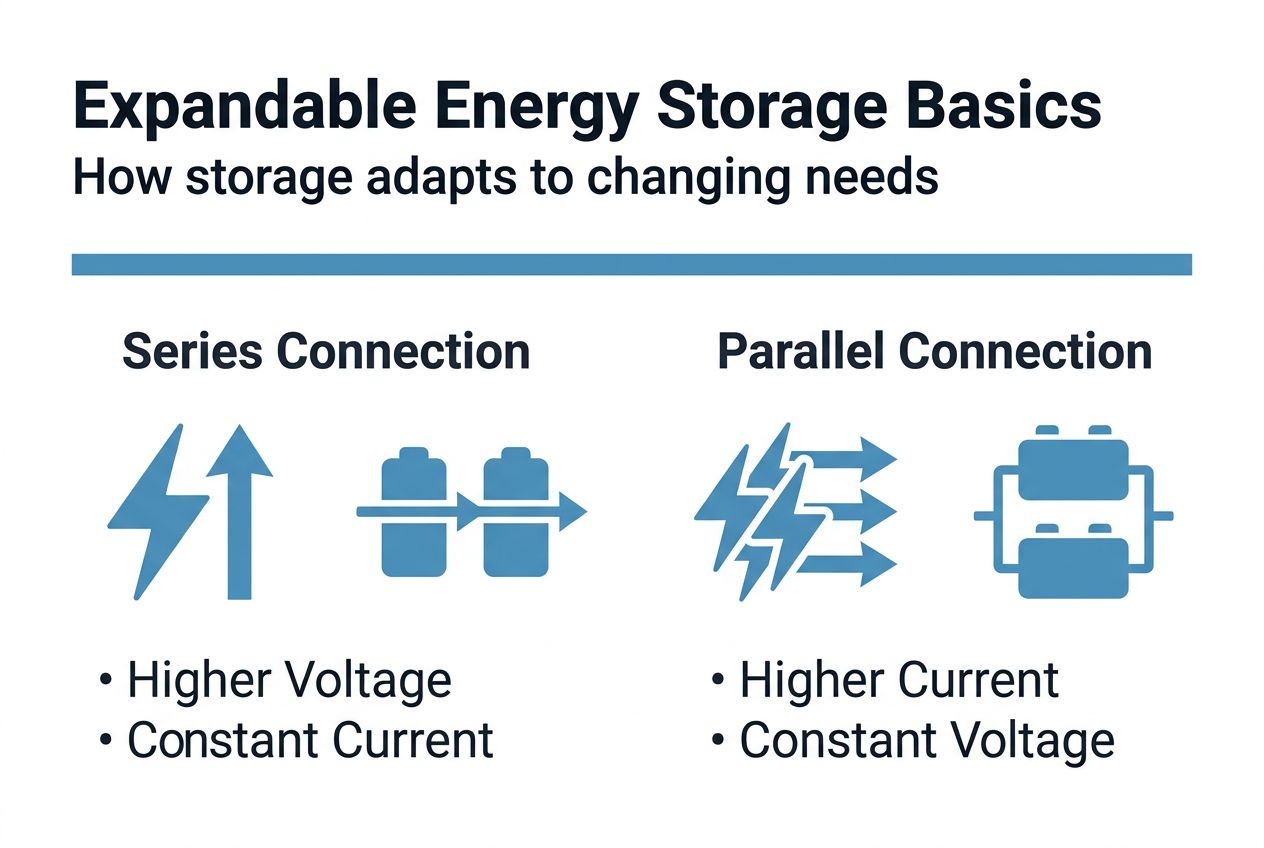
The magic of expandable energy storage lies in how batteries connect electrically. Series and parallel configurations determine whether you increase voltage or current capacity.
Series connections link batteries positive to negative, stacking their voltages whilst current remains constant. Four 12V 100Ah batteries in series create a 48V 100Ah system. This configuration suits high-power inverters and appliances designed for higher voltages, reducing current flow and minimising cable losses.

Parallel connections link all positive terminals together and all negative terminals together. The same four batteries in parallel deliver 12V at 400Ah. This setup provides extended runtime at lower voltages, ideal for devices designed for 12V systems common in campervans and boats.
| Configuration | Voltage | Current | Best for |
|---|---|---|---|
| 4x 12V 100Ah Series | 48V | 100Ah | High-power inverters, reduced losses |
| 4x 12V 100Ah Parallel | 12V | 400Ah | Extended runtime, 12V appliances |
| 2x Series + 2x Parallel | 24V | 200Ah | Balanced approach, mid-range power |
Choosing the right configuration depends on your inverter voltage requirements and whether you prioritise power delivery or extended runtime. Most modern campervan setups use parallel 12V configurations for simplicity, whilst larger motorhomes often adopt 24V or 48V series systems for efficiency.
Pro tip: Match your battery voltage configuration to your inverter’s input requirements from the start. Changing voltage later requires replacing the inverter, whilst adding parallel capacity simply means connecting additional modules.
Choosing the right battery management system (BMS) for your expandable setup
Your battery management system acts as the safety guardian for your expandable energy storage. It monitors voltage, current, and temperature across all cells, preventing damage from overcharging, deep discharge, or thermal events. Without proper BMS protection, lithium batteries become dangerous.
For expandable systems, BMS compatibility becomes critical because your battery bank configuration changes as you add modules. The BMS must handle your maximum planned voltage and current after full expansion, not just your starting capacity.
Key BMS selection factors:
- Maximum voltage rating must exceed your series configuration voltage
- Current rating must handle peak loads across all parallel modules
- Cell balancing capability ensures even charging across expanding banks
- Communication protocols compatible with your inverter and monitoring systems
- Temperature sensors sufficient for your battery quantity
A 12V 100Ah system might start with a 100A BMS, but if you plan to expand to 400Ah in parallel, you’ll need a 400A rated BMS from day one. Installing an undersized BMS creates bottlenecks and safety risks as you expand.
Choosing the right BMS ensures your expandable energy storage is safe, efficient, and reliable.
Pro tip: Purchase your BMS with headroom for future expansion rather than sizing it exactly to current needs. The modest extra cost prevents replacement expenses later.
Applying expandable energy storage in campervans, motorhomes, and boats
Planning expandable storage begins with honest assessment of current and future energy demands. Calculate your daily consumption now, then estimate how it might grow as you add appliances or extend trip durations. This forecast guides your expansion roadmap.
Modular systems shine in real-world applications. Start with a single 100Ah lithium module for weekend trips, then add a second for week-long adventures, and a third when you decide to work remotely from your campervan. Each addition costs less than buying oversized capacity upfront.
Here’s how to plan your expansion safely:
- Audit current daily energy consumption in watt-hours
- Project future additions like fridges, laptops, or heating systems
- Choose initial capacity covering current needs plus 20% buffer
- Select components rated for your maximum planned expansion
- Document your system configuration for future reference
- Test each expansion phase before extended trips
| Feature | Fixed Storage | Expandable Storage |
|---|---|---|
| Upfront cost | High | Low to moderate |
| Flexibility | None | Excellent |
| Future-proofing | Limited | Built-in |
| Complexity | Simple | Moderate |
| Value over time | Decreasing | Increasing |
For UK campervan applications, expandable storage accommodates seasonal variations brilliantly. Winter heating demands dwarf summer consumption, yet fixed systems must size for worst-case scenarios. Expandable setups let you temporarily boost capacity for winter touring, then reduce it for summer efficiency.
Marine applications benefit equally. Boats often start with basic house battery needs, then add equipment like chart plotters, radar, or electric windlasses. Expandable storage grows alongside your vessel’s capabilities without expensive rewiring.
The advantages of modular energy storage extend beyond capacity. Maintenance becomes simpler because individual modules can be serviced or replaced without shutting down the entire system. This redundancy proves invaluable for extended off-grid periods.
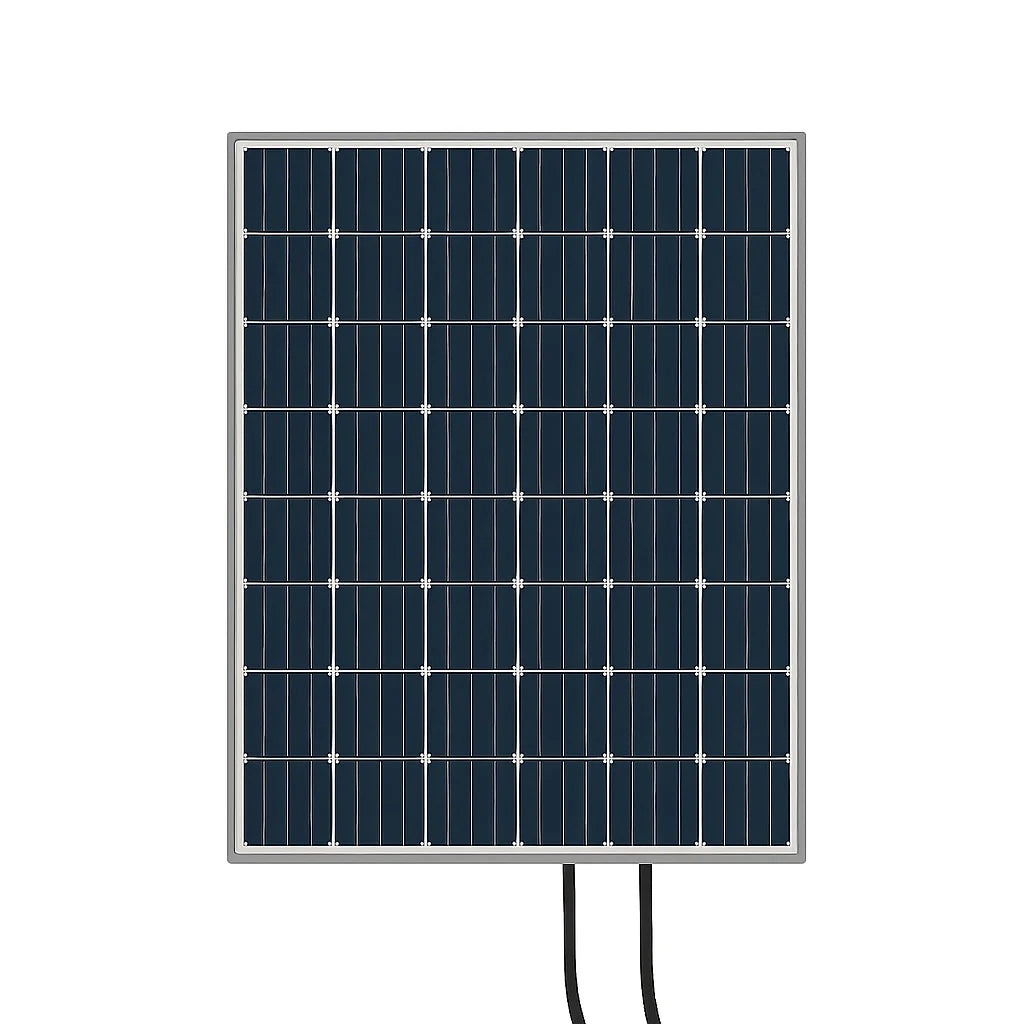
Integrating solar charging with expandable storage creates a completely scalable renewable energy system. Add panels as you add battery capacity, maintaining optimal charge rates and maximising your off-grid independence across the UK.
Explore expandable energy storage solutions with Skyenergi
Ready to build your scalable off-grid power system? Skyenergi specialises in modular energy solutions perfectly suited for expandable setups in campervans, motorhomes, and boats. Our complete solar power systems include inverter/chargers designed to grow with your needs, accepting additional battery modules seamlessly.
For larger installations, our Victron EasySolar II systems deliver professional-grade expandability with integrated monitoring. These systems support incremental capacity additions whilst maintaining optimal charging and safety protocols.
Our technical team helps you plan your expansion roadmap from the start, ensuring your initial components accommodate future growth without costly replacements. Contact Skyenergi to design a scalable energy system tailored to your off-grid lifestyle.
What is expandable energy storage? FAQ
What devices can be powered by expandable energy storage in campervans?
Expandable systems power everything from LED lighting and USB chargers to fridges, laptops, heating systems, and even induction hobs. The modular approach lets you start with basic loads and add capacity as you introduce power-hungry appliances, making it perfect for gradual campervan upgrades.
How do I know when to add more battery modules?
Monitor your state of charge during typical trips. If you regularly discharge below 20% or find yourself rationing power usage, it’s time to expand. Most modern lithium systems include Bluetooth monitoring showing consumption patterns, making expansion decisions data-driven rather than guesswork.
Is expandable energy storage cost-effective compared to fixed systems?
Yes, especially for users whose needs evolve over time. Buying capacity incrementally avoids tying up capital in unused storage whilst spreading costs across months or years. You also avoid oversizing penalties where excess capacity adds weight and complexity without delivering value.
Can I install expandable storage myself or should I hire a professional?
Basic parallel expansions with matching modules are straightforward for competent DIYers following manufacturer guidelines. However, series configurations, BMS integration, and inverter connections warrant professional installation to ensure safety and warranty compliance, particularly in marine environments.
How does expandable storage improve off-grid freedom?
Expandable systems eliminate the fear of running out of power during extended trips. As your confidence grows and you venture further from mains hookups, you can add capacity to match your ambitions. This scalability transforms occasional off-grid camping into extended remote living across the UK.
What maintenance does expandable energy storage require?
Lithium expandable systems need minimal maintenance compared to lead-acid alternatives. Check connection tightness quarterly, monitor cell balance via your BMS app monthly, and keep terminals clean and dry. When adding modules, ensure firmware compatibility and perform a full system check before departing on trips.
Recommended
Prev post

Understanding solar charge efficiency for UK leisure vehicles
Updated on 13 March 2026
Next post

Role of inverters in campervans for off-grid power 2026
Updated on 11 March 2026


