





What Is Solar Charging? Achieving Off-Grid Freedom
Solar charging enables off-grid independence for UK campervans. Learn types, workings, benefits, costs and common setup mistakes to avoid.
Most British campervan owners believe solar charging only works on sunny days, yet modern photovoltaic panels can generate up to 80% of their rated output in cloudy conditions. Reliable off-grid energy is no longer reserved for fair weather travels. By separating fact from fiction, this guide explains how to achieve real energy independence, choose the right solar system for your motorhome, and monitor performance with smart battery management tailored for the British climate.
Table of Contents
- Solar Charging Defined And Debunked Myths
- Types Of Solar Panel Systems Available
- How Solar Charging Works For Leisure Vehicles
- Benefits Of Solar Charging For UK Campervans
- Common Pitfalls And Choosing The Right Solution
Key Takeaways
| Point | Details |
|---|---|
| Effective in Cloudy Conditions | Solar panels can generate significant power even in the overcast British weather, debunking myths about sunlight dependency. |
| Optimal System Components | Invest in high-quality photovoltaic panels and MPPT charge controllers to maximise energy efficiency in mobile applications. |
| Energy Independence and Cost Savings | Solar charging offers campervan owners autonomy while reducing annual electricity costs by up to 40%. |
| Careful System Selection is Crucial | Properly assess energy consumption and compatibility with existing systems to avoid common pitfalls in solar setup. |
Solar charging defined and debunked myths
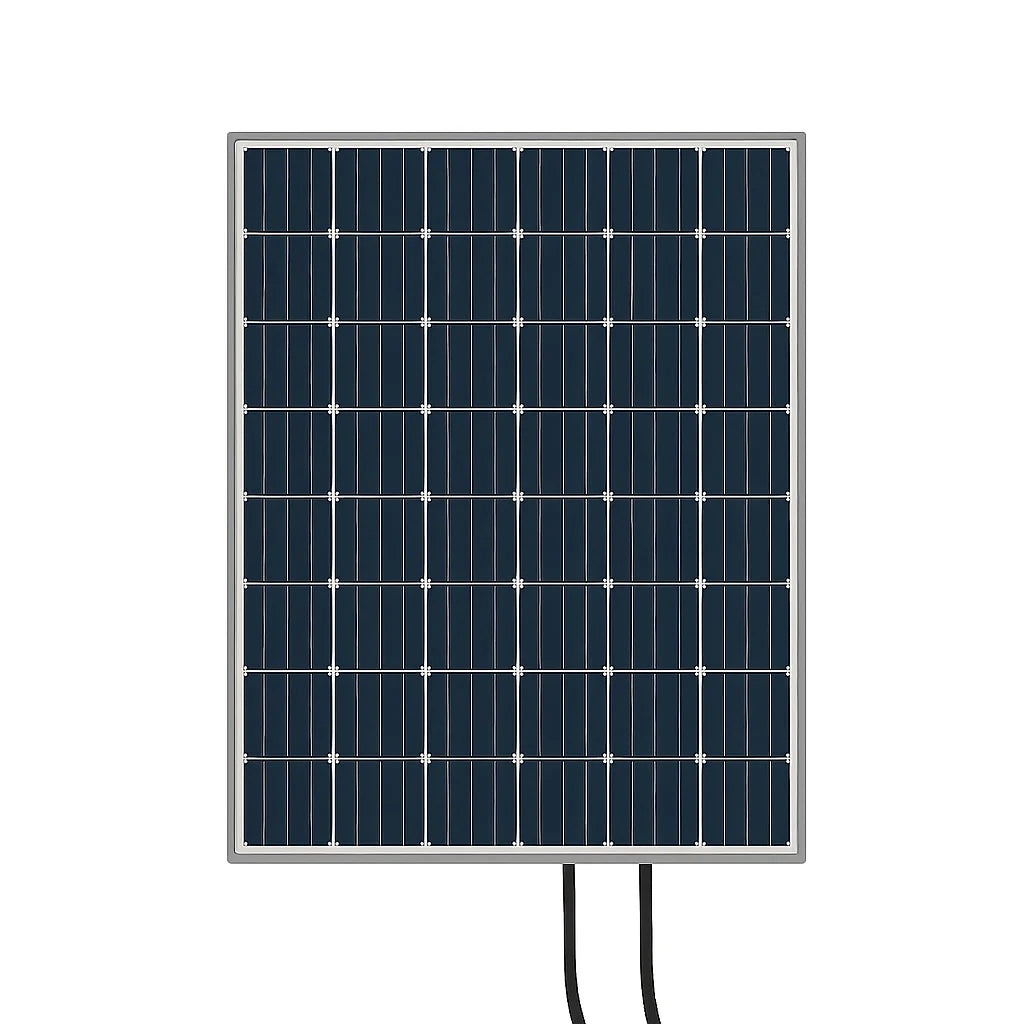
Solar charging represents an innovative power generation method specifically designed for off-grid energy independence. Unlike traditional electricity sources, solar charging harnesses sunlight to generate electrical power through photovoltaic panels, converting solar radiation directly into usable electrical energy for campervans, motorhomes, and portable devices.
Many UK motorhome owners harbour misconceptions about solar charging effectiveness. Comprehensive energy research demonstrates that solar panels function effectively even in cloudy British conditions, challenging the widespread belief that solar technology requires constant direct sunlight. Modern photovoltaic systems can generate meaningful electrical output during overcast days, making them remarkably practical for campervan applications across variable UK weather conditions.
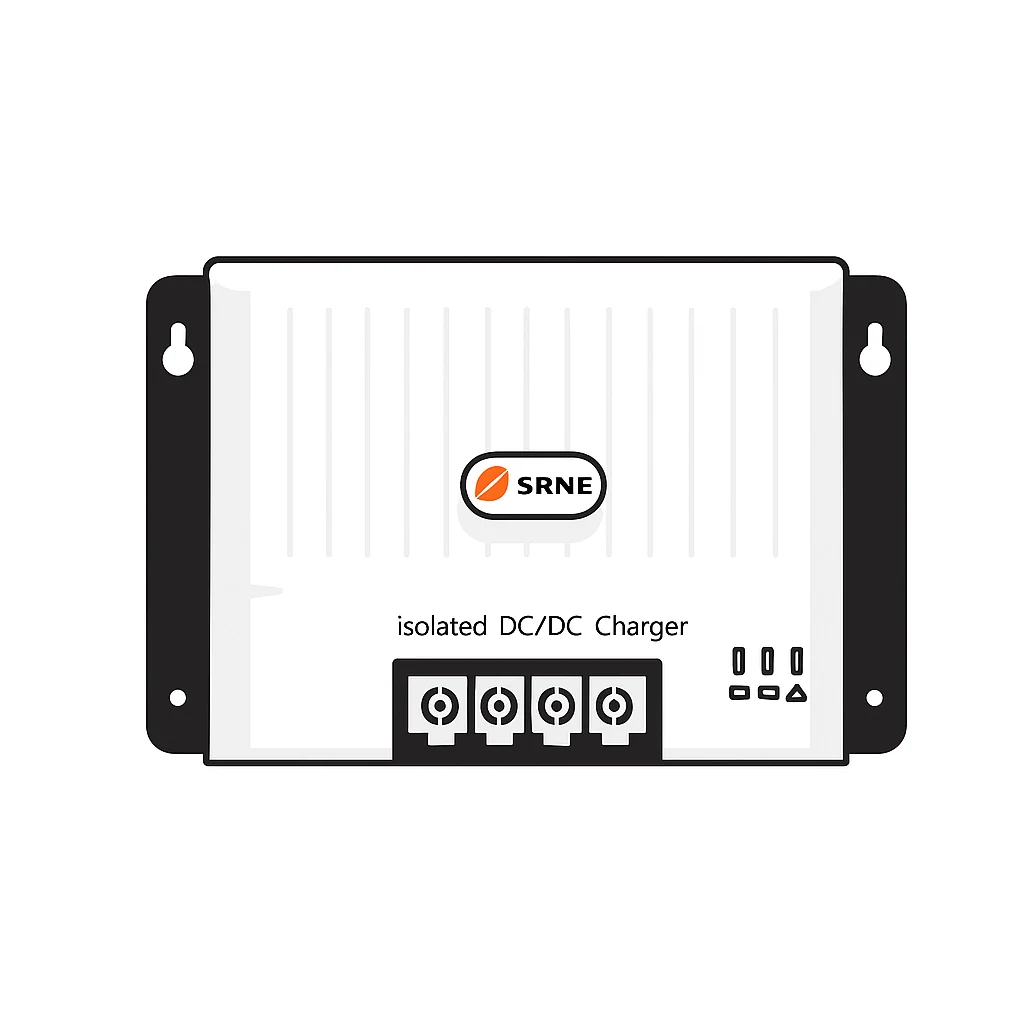
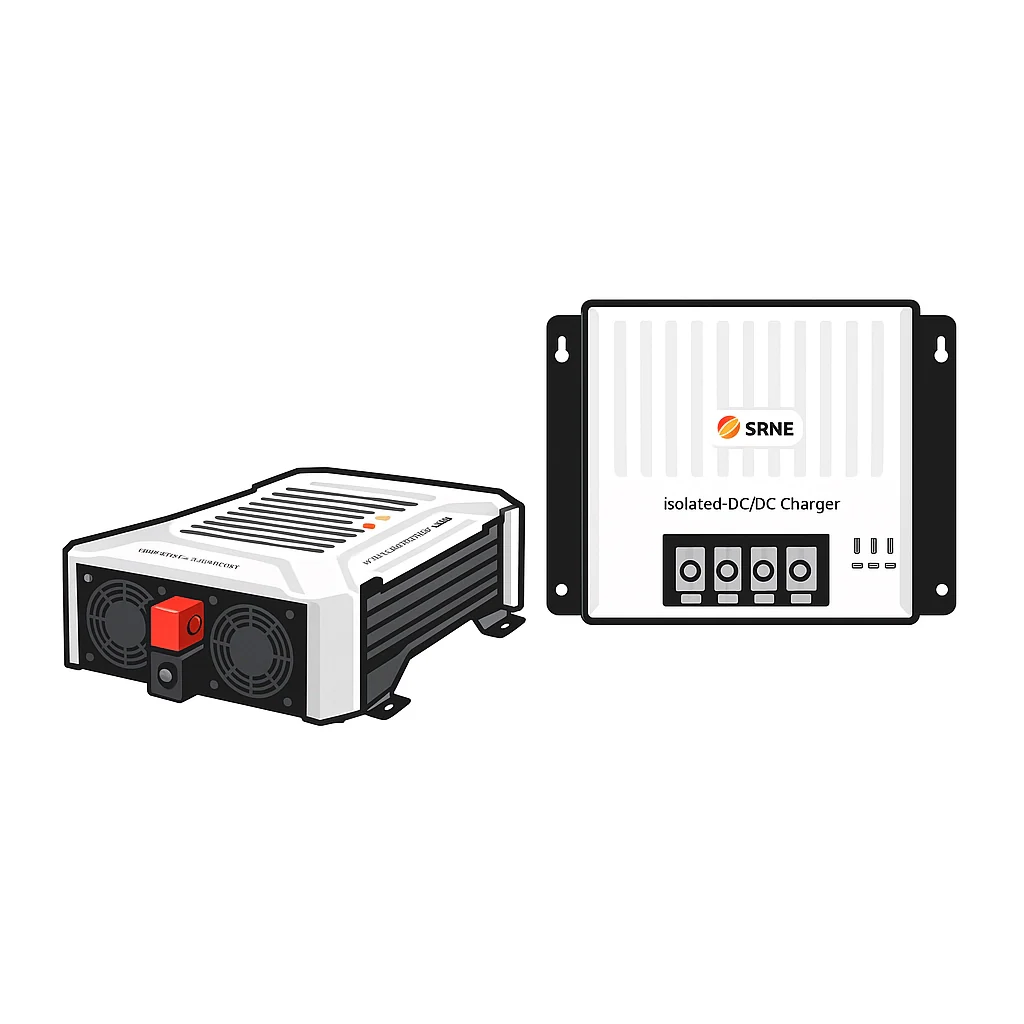
The key components of a solar charging system include photovoltaic panels, charge controllers, and battery storage units. Maximum Power Point Tracking (MPPT) controllers optimise energy conversion, ensuring maximum electrical generation regardless of environmental conditions. These intelligent systems adapt to changing light levels, extracting optimal power from solar panels even when sunlight intensity fluctuates.
Pro Tip for Solar Success: Invest in high-quality, weather-resistant solar panels specifically designed for mobile applications, and position them to maximise direct sunlight exposure during your travels.
Types of solar panel systems available
Solar panel systems for campervans and motorhomes come in diverse configurations, each offering unique performance characteristics tailored to off-grid energy requirements. Comprehensive technological research reveals several primary solar panel technologies suitable for mobile applications, including monocrystalline, polycrystalline, and thin-film variants.
Monocrystalline Solar Panels represent the most efficient technology, constructed from single-crystal silicon structures that deliver superior energy conversion rates. These panels typically achieve 17-22% efficiency and perform exceptionally well in limited space environments like campervans. Their uniform dark appearance and high power output make them ideal for users seeking maximum electrical generation from compact installations.
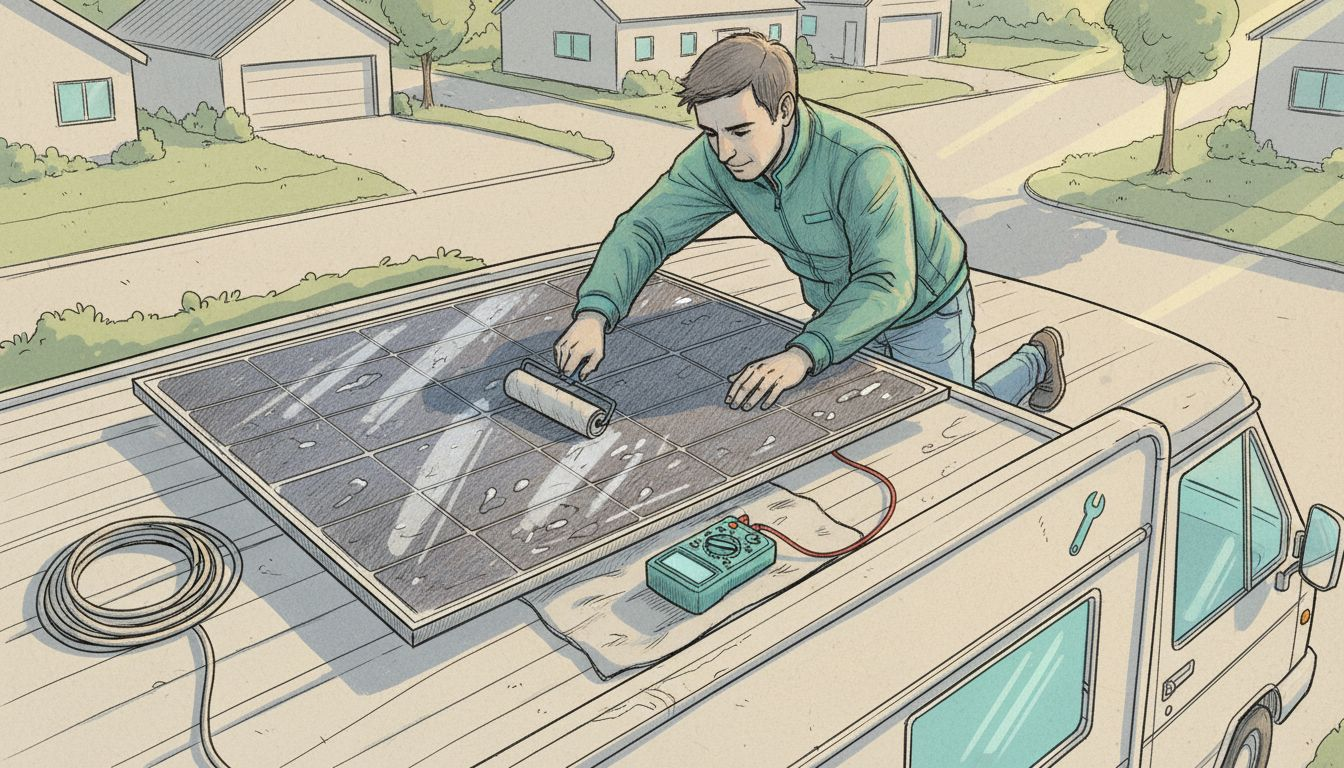
Polycrystalline panels, manufactured from multiple silicon fragments, offer a more economical alternative with slightly lower efficiency rates of 15-17%. While marginally less performance-intensive than monocrystalline options, they provide robust energy generation at a more accessible price point. Thin-film solar panels, conversely, represent a lightweight and flexible solution, particularly useful for curved surfaces or unconventional mounting locations in motorhomes.
Here’s a clear comparison of solar panel technologies suitable for campervans:
| Panel Type | Efficiency Range | Durability | Suitability for Curved Surfaces |
|---|---|---|---|
| Monocrystalline | 17-22% | Highly robust | Poor |
| Polycrystalline | 15-17% | Moderately robust | Poor |
| Thin-film | 10-13% | Flexible, less robust | Excellent |
Pro Tip for Solar Selection: Assess your specific power requirements, available mounting space, and budget before selecting a solar panel system, ensuring optimal performance and energy independence for your campervan or motorhome.
How solar charging works for leisure vehicles
Solar charging configurations for leisure vehicles operate through a sophisticated energy conversion and management system specifically designed for off-grid mobility. The process begins with photovoltaic panels mounted on the vehicle’s roof, which capture solar radiation and transform it into direct current (DC) electrical energy.
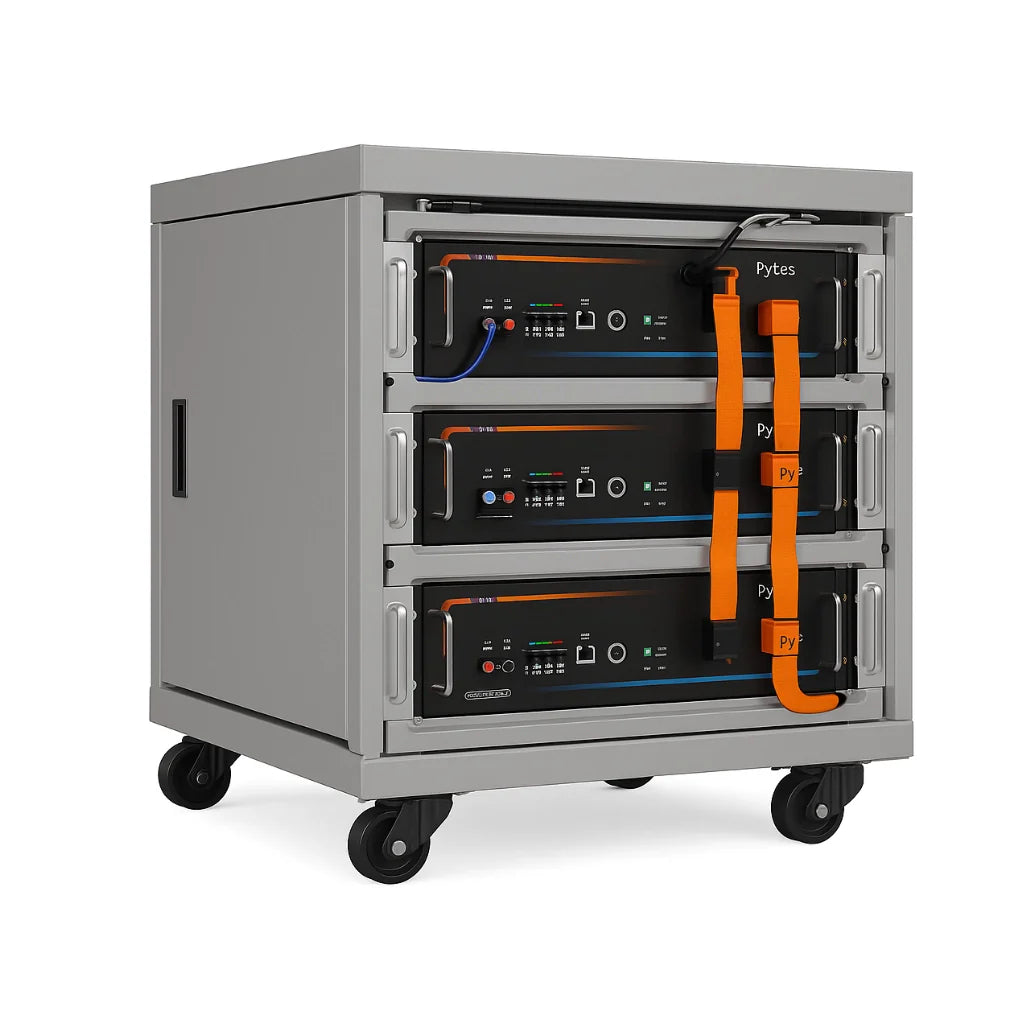
The core of the solar charging system involves three critical components: solar panels, a charge controller, and leisure batteries. The charge controller acts as an intelligent intermediary, regulating the electrical flow from solar panels to prevent overcharging and optimise battery performance. This component ensures that the incoming solar energy is efficiently converted and stored, protecting the battery’s longevity and maintaining a stable power supply for electrical systems within the leisure vehicle.
Modern leisure vehicle solar charging systems are particularly adaptable to the unpredictable British climate. The Maximum Power Point Tracking (MPPT) technology allows solar panels to extract maximum possible energy even during partially cloudy conditions, significantly improving overall energy generation efficiency. These systems can seamlessly integrate with existing vehicle electrical infrastructures, providing a reliable supplementary or primary power source for essential and recreational electrical needs.
Pro Tip for Solar Integration: Carefully calculate your vehicle’s total electrical consumption and select a solar charging system with a 20% overhead capacity to ensure consistent power availability during variable weather conditions.
Benefits of solar charging for UK campervans
Comprehensive research on campervan solar solutions reveals multiple compelling advantages for UK leisure vehicle owners seeking enhanced energy independence. Solar charging transforms traditional travel experiences by providing reliable, sustainable power generation that adapts perfectly to the unique challenges of British road trips and off-grid adventures.
The primary benefits extend beyond mere electricity generation. Energy Independence becomes a tangible reality, allowing campervan owners to explore remote locations without worrying about electrical connectivity. Solar charging systems enable travellers to park in scenic locations, run essential appliances, and maintain battery health without relying on expensive campsite hookups. This autonomy translates into significant cost savings, with some UK campervan owners reporting up to 40% reduction in annual travel electricity expenses.
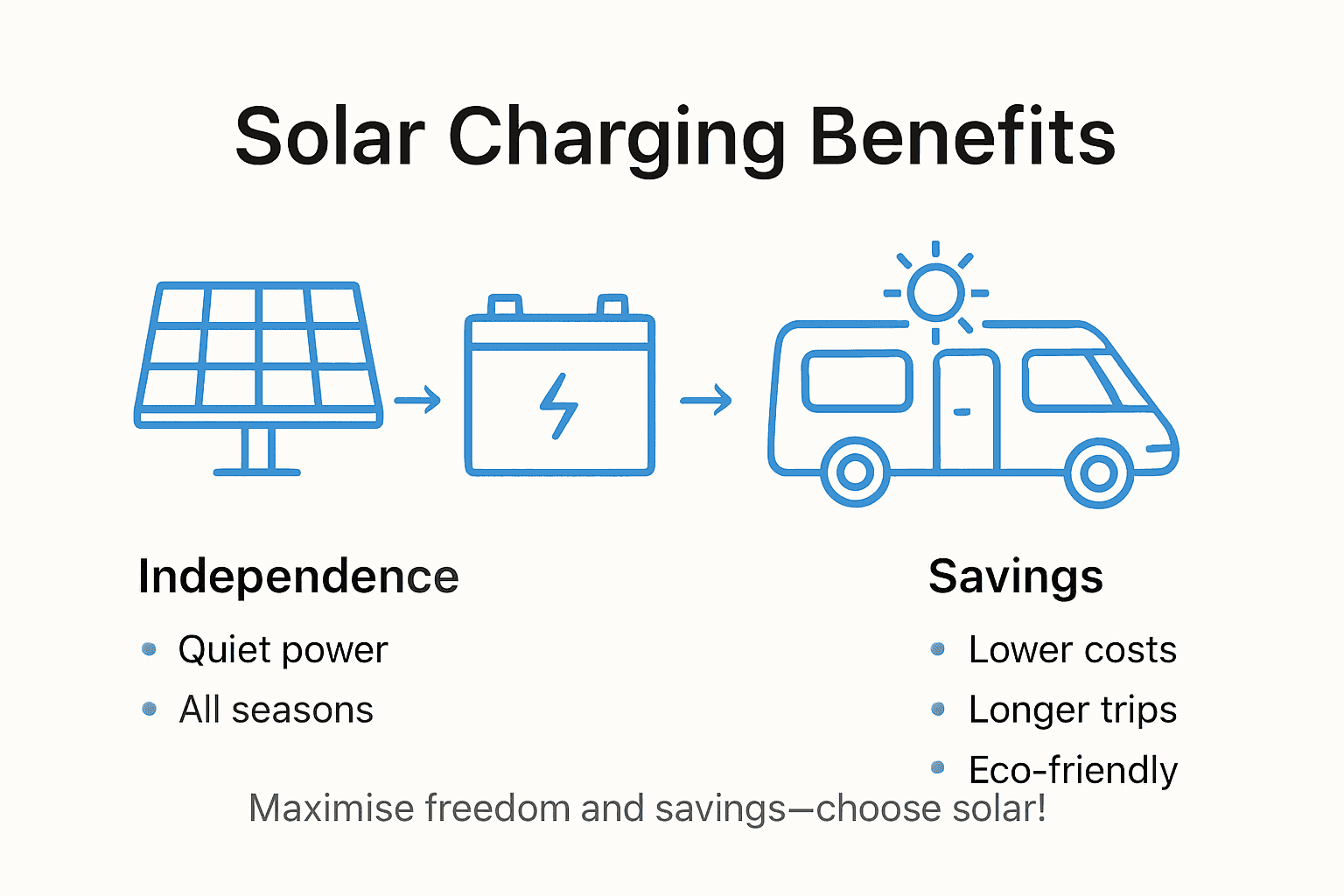
Environmental considerations also play a crucial role in solar charging adoption. By transitioning to renewable energy sources, campervan owners dramatically reduce their carbon footprint, aligning with growing sustainability consciousness among UK travellers. Modern solar systems are remarkably efficient, capable of generating meaningful electrical output even during overcast British weather, challenging the misconception that solar technology requires constant direct sunlight. These systems seamlessly integrate with existing vehicle electrical infrastructures, providing a reliable supplementary or primary power source for both essential and recreational electrical needs.
This table summarises the main benefits of campervan solar charging for UK travellers:
| Benefit | Impact on Campervan Owners | Typical Realised Savings |
|---|---|---|
| Energy independence | Enables off-grid adventures | Reduces reliance on campsites |
| Cost efficiency | Cuts annual electricity costs | Up to 40% savings |
| Sustainability | Lowers carbon footprint | Supports eco-friendly travel |
| Weather adaptability | Functions in cloudy climates | Reliable year-round power |
Pro Tip for Solar Efficiency: Position your solar panels at a 30-degree angle towards south-facing directions to maximise energy capture and optimise performance across varying UK weather conditions.
Common pitfalls and choosing the right solution
Comprehensive UK solar panel selection strategies reveal several critical considerations for campervan owners seeking reliable off-grid power solutions. Selecting the appropriate solar charging system requires careful evaluation beyond simple wattage specifications, demanding a nuanced understanding of individual energy requirements and vehicle electrical infrastructure.
The most prevalent pitfalls include system undersizing, which occurs when campervan owners miscalculate their actual electrical consumption. Many travellers underestimate the power demands of modern appliances, refrigeration units, and communication devices. Compatibility represents another crucial factor, with many solar setups failing to integrate seamlessly with existing leisure battery configurations. Owners must meticulously assess their battery chemistry, charging profiles, and total energy storage capacity to prevent potential performance limitations and premature battery degradation.
Weather adaptability emerges as a paramount consideration for UK campervan solar solutions. British meteorological conditions demand solar technologies capable of generating meaningful electrical output during predominantly overcast environments. Maximum Power Point Tracking (MPPT) controllers become essential, enabling solar panels to extract maximum possible energy even under suboptimal light conditions. Potential buyers should prioritise systems with robust warranty provisions, comprehensive technical support, and proven performance in maritime and mobile applications, ensuring long-term reliability and consistent energy generation.
Pro Tip for Solar System Selection: Conduct a detailed energy audit of your campervan’s electrical requirements before purchasing, accounting for peak consumption periods and potential future upgrades to avoid costly retrofitting.
Unlock True Off-Grid Freedom with Skyenergi’s Lithium Battery Solutions
The article highlights the challenges of achieving reliable solar charging for campervans and motorhomes in the UK’s variable climate. Key pain points include optimising energy storage, ensuring system compatibility, and maintaining power availability even in overcast conditions. Skyenergi understands these concerns by offering high-performance lithium leisure batteries and intelligent battery management systems tailored for off-grid energy independence. Our products support seamless integration with Maximum Power Point Tracking solar setups, helping you maximise power capture and protect your battery life.
Experience the confidence of a well-engineered energy storage solution designed specifically for mobile applications. Whether you need a compact, robust battery system for your campervan or a complete turnkey solar and charging setup, Skyenergi provides reliable, expandable power solutions that keep you energised on every adventure.
Take charge of your off-grid lifestyle today and explore our range of lithium battery systems, advanced solar charging accessories and complete energy packages with Victron-compatible components.
Don’t let uncertain weather or ageing batteries disrupt your freedom on the road. Visit Skyenergi now to find the perfect solution and power your journey with confidence.
Frequently Asked Questions
What is solar charging?
Solar charging is a method of generating electrical power using sunlight through photovoltaic panels, enabling off-grid energy independence for vehicles like campervans and motorhomes.
How does solar charging work for leisure vehicles?
Solar charging for leisure vehicles involves photovoltaic panels that capture solar radiation and convert it into direct current (DC) energy, regulated by a charge controller to ensure efficient battery charging and power management.
What are the main types of solar panels for campervans?
The main types of solar panels for campervans include monocrystalline, polycrystalline, and thin-film panels, each with varying efficiency, cost, and suitability for specific applications and mounting spaces.
What are the benefits of using solar charging in campervans?
The benefits of solar charging in campervans include energy independence, significant cost savings on electricity, reduced carbon footprint, and reliable energy generation even in cloudy weather conditions.
Recommended
- Why MPPT Is Essential for Campervans & Off-Grid Systems – Skyenergi
- Victron Energy BlueSolar MPPT 150/60 MC4 - SCC010060300 – Skyenergi
- Victron Energy BlueSolar MPPT 100/30 - SCC020030200 – Skyenergi
- Victron Energy BlueSolar MPPT 100/50 - SCC020050200 – Skyenergi
- Ladegerät erklärt: Typen, Funktion, Sicherheit, Alternativen - accu.blog
Prev post

7 Types of Lithium Batteries for Campervan Power
Updated on 26 December 2025
Next post

Lithium Battery Setup Guide for Campervans UK 2026
Updated on 24 December 2025


