





Solar power terminology explained for UK leisure vehicle owners
Master essential solar power terminology for UK leisure vehicles. Learn VOC, MPPT, SOC, and key terms to confidently design, install, and optimise your off-grid solar system.
Many leisure vehicle owners mistakenly believe a 200-watt solar panel will deliver 200 watts consistently throughout the day. This misunderstanding about solar power terminology can lead to undersized systems, unexpected power shortages, and costly mistakes. As more UK campervan and motorhome enthusiasts embrace off-grid independence through solar energy, mastering the technical language becomes essential. This guide clarifies the key solar power terms you need to design, troubleshoot, and optimise your leisure vehicle solar system with confidence.
Table of Contents
- Introduction To Solar Power In Leisure Vehicles
- Basic Solar Panel Metrics And Terminology
- Types Of Solar Charge Controllers And How They Work
- Battery Terminology And Management For Leisure Vehicle Solar Systems
- Common Misconceptions About Solar Power Terminology
- Safety Terms And Installation Basics
- Framework For Selecting Compatible Solar Components For Campervans
- Conclusion: Bridging Understanding To Practical Application
- Explore Skyenergi’s Solar Solutions For Leisure Vehicles
- Frequently Asked Questions
Key takeaways
| Point | Details | |-------|---------|| | Panel metrics matter | Open circuit voltage (VOC), maximum power point voltage (VMP), and wattage ratings determine system design and compatibility with controllers and batteries. | | Controller choice impacts efficiency | MPPT controllers significantly outperform PWM models, especially in variable UK weather conditions, by extracting maximum energy from solar panels. | | Battery terms affect longevity | Understanding state of charge (SOC), depth of discharge (DoD), and ampere-hours (Ah) helps maintain battery health and extend system lifespan. | | Safety knowledge prevents hazards | Correct voltage and current ratings, proper wiring, and fusing techniques protect equipment and users during installation and operation. | | Framework enables confident decisions | Categorising terms by component (panels, controllers, batteries, metrics) simplifies system design, troubleshooting, and upgrades for leisure vehicles. |
Introduction to solar power in leisure vehicles
Off-grid independence has become increasingly attractive to UK leisure vehicle owners seeking freedom from campsite hookups and expensive fuel costs. Solar power adoption in campervans and motorhomes has surged, driven by improved technology, falling component prices, and growing environmental awareness. A well-designed solar system provides energy self-sufficiency for lighting, refrigeration, heating, and electronic devices whilst reducing reliance on fossil fuels.
The benefits extend beyond convenience. Solar installations deliver long-term cost savings by eliminating generator fuel expenses and reducing battery replacement frequency through proper charging. Environmental impact decreases significantly as renewable energy replaces diesel or petrol generators. Many owners report enhanced travel experiences, enjoying remote locations without power anxiety.
However, maximising these benefits requires understanding solar power terminology. Terms like VOC, MPPT, SOC, and DoD may seem intimidating initially, but they form the foundation for making informed purchasing decisions and maintaining system performance. This article breaks down essential solar terminology into digestible concepts, equipping you with the knowledge to design, install, and optimise your leisure vehicle solar setup confidently.
Basic solar panel metrics and terminology
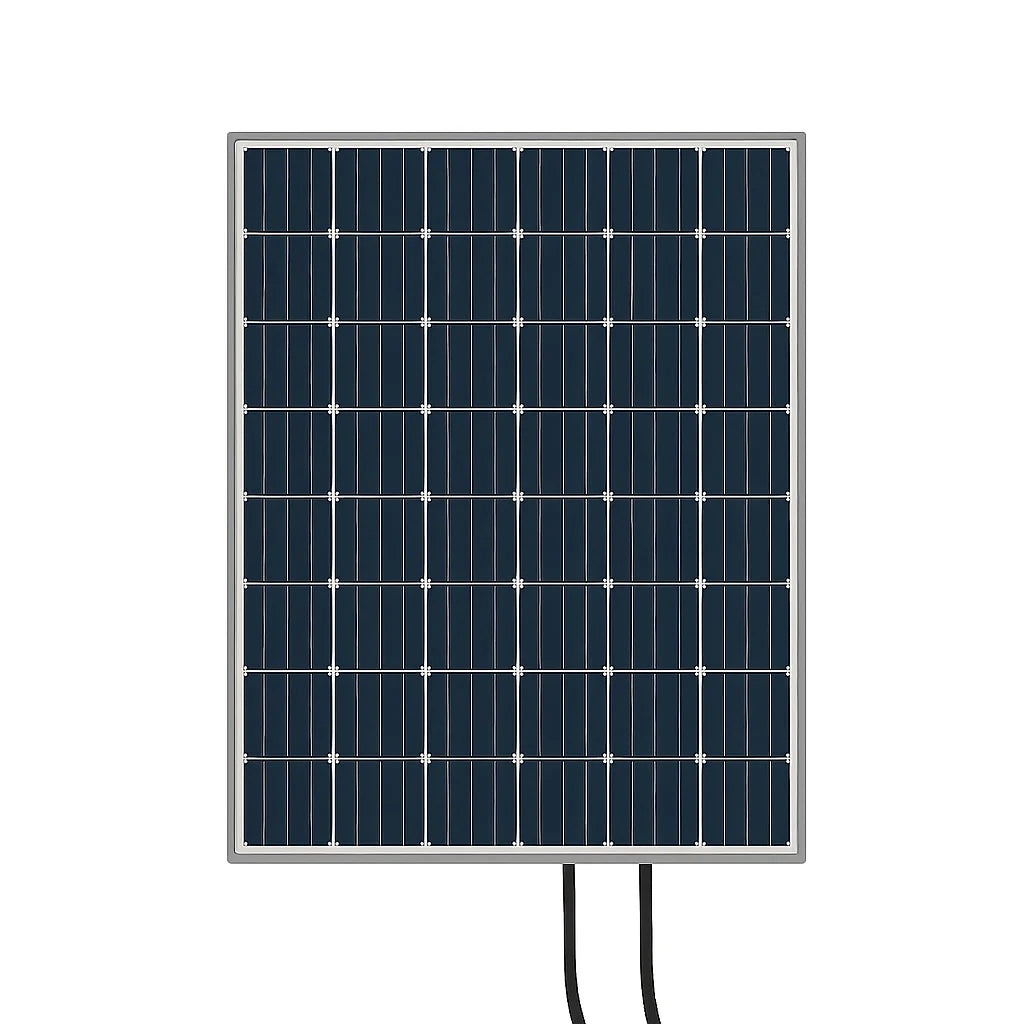
Solar panels convert sunlight into electrical energy, but their performance depends on several technical specifications. Understanding these metrics helps you select appropriate panels and design compatible systems.
Open circuit voltage (VOC) represents the maximum voltage a panel produces when disconnected from any load under full sunlight. This figure matters because your charge controller and other components must handle this peak voltage safely. UK leisure vehicle panels typically show VOC ratings between 18V and 24V for 12V nominal systems.
Maximum power point voltage (VMP) indicates the operating voltage where panels deliver optimal power output. This differs from VOC because it represents the working voltage under load conditions. Controllers use VMP to extract maximum energy from panels efficiently. Most 12V nominal panels operate at VMP values around 17V to 19V.
Wattage rating specifies maximum power output under standard test conditions. However, solar panel wattage ratings indicate maximum power output under ideal sunlight, but actual output varies by conditions like angle, shading, and temperature, often resulting in 70-85% of rated capacity outdoors. A 200W panel in typical UK conditions might deliver 140W to 170W during peak hours.
Typical voltage and current ranges vary by panel size:
| Panel type | Typical VOC | Typical VMP | Typical wattage |
|---|---|---|---|
| Small portable | 18V to 22V | 15V to 18V | 50W to 100W |
| Standard rigid | 20V to 24V | 17V to 19V | 100W to 200W |
| Large fixed | 22V to 24V | 18V to 20V | 200W to 400W |
Pro Tip: When calculating your system capacity for UK weather, assume panels will produce 60-70% of their rated wattage on average throughout the year. This conservative estimate accounts for shorter winter days, frequent cloud cover, and suboptimal mounting angles on vehicle roofs.
Types of solar charge controllers and how they work
Charge controllers regulate power flow from solar panels to batteries, preventing overcharging and optimising energy harvest. Two main types exist, each with distinct advantages.
Pulse Width Modulation (PWM) controllers work by matching panel voltage to battery voltage, essentially pulling down the panel’s operating point. Whilst affordable and simple, PWM controllers waste potential energy because they cannot operate panels at their maximum power point. They perform adequately when panel voltage closely matches battery voltage, but efficiency suffers in colder conditions when VOC rises significantly.
Maximum Power Point Tracking (MPPT) controllers use sophisticated electronics to continuously adjust operating voltage and current, keeping panels at their maximum power point regardless of temperature or light conditions. This technology extracts substantially more energy from panels, particularly valuable in UK climates where temperatures and light levels fluctuate considerably throughout the day and seasons.
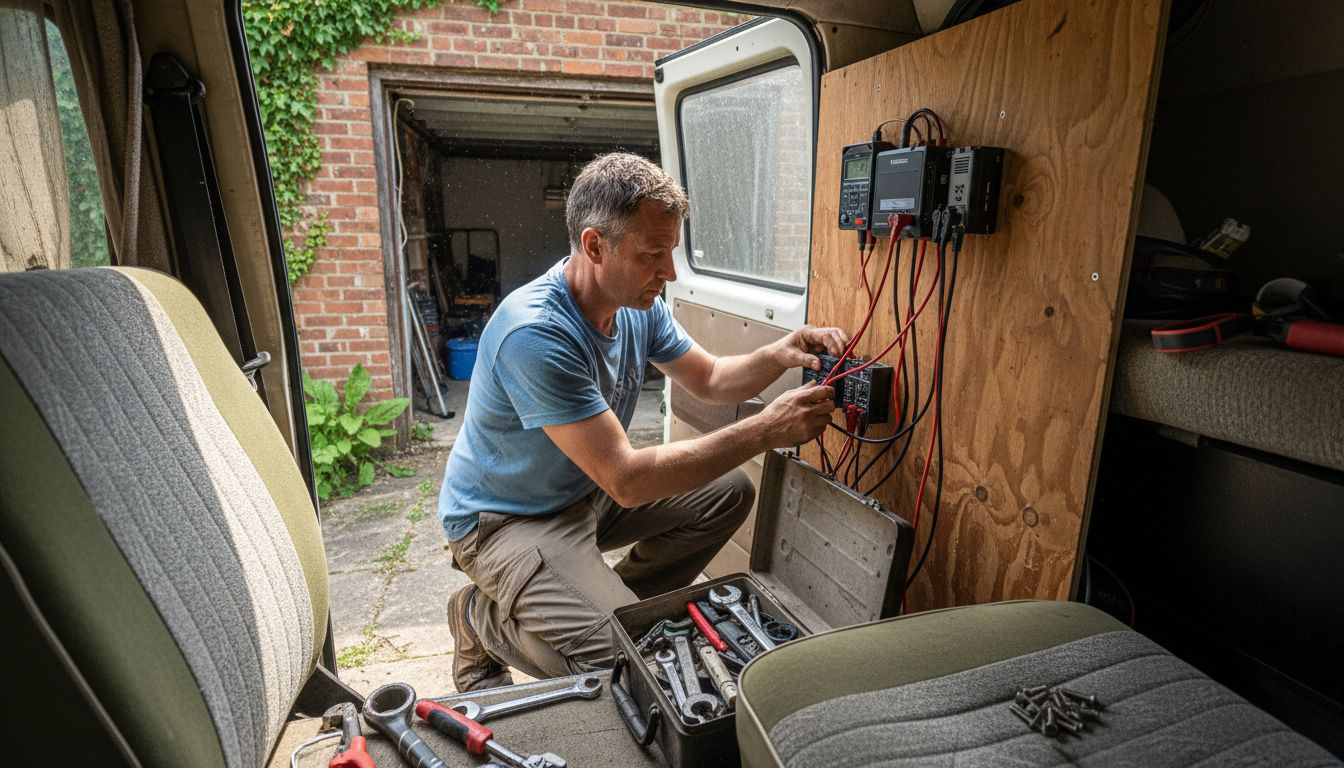
Efficiency differences become pronounced in real-world conditions:
| Controller type | Typical efficiency | Best suited for |
|---|---|---|
| PWM | 75% to 80% | Budget systems, matched voltages, warm climates |
| MPPT | 92% to 97% | Professional systems, cold climates, higher panel voltages |
MPPT controllers shine in UK leisure vehicle applications because they compensate for the reduced sunlight intensity common in British weather. The 15-25% efficiency gain over PWM typically recovers the higher initial cost within two to three years through increased energy harvest. MPPT technology also enables using higher voltage panels with 12V battery banks, allowing more flexible system designs.
Pro Tip: Invest in MPPT charge controllers for UK leisure vehicles. The efficiency gains in variable weather conditions mean smaller, lighter panel arrays can deliver equivalent energy compared to oversized PWM systems, saving roof space and weight.
Battery terminology and management for leisure vehicle solar systems
Batteries store solar energy for use during evenings and cloudy periods, making terminology around capacity and health crucial for system longevity.
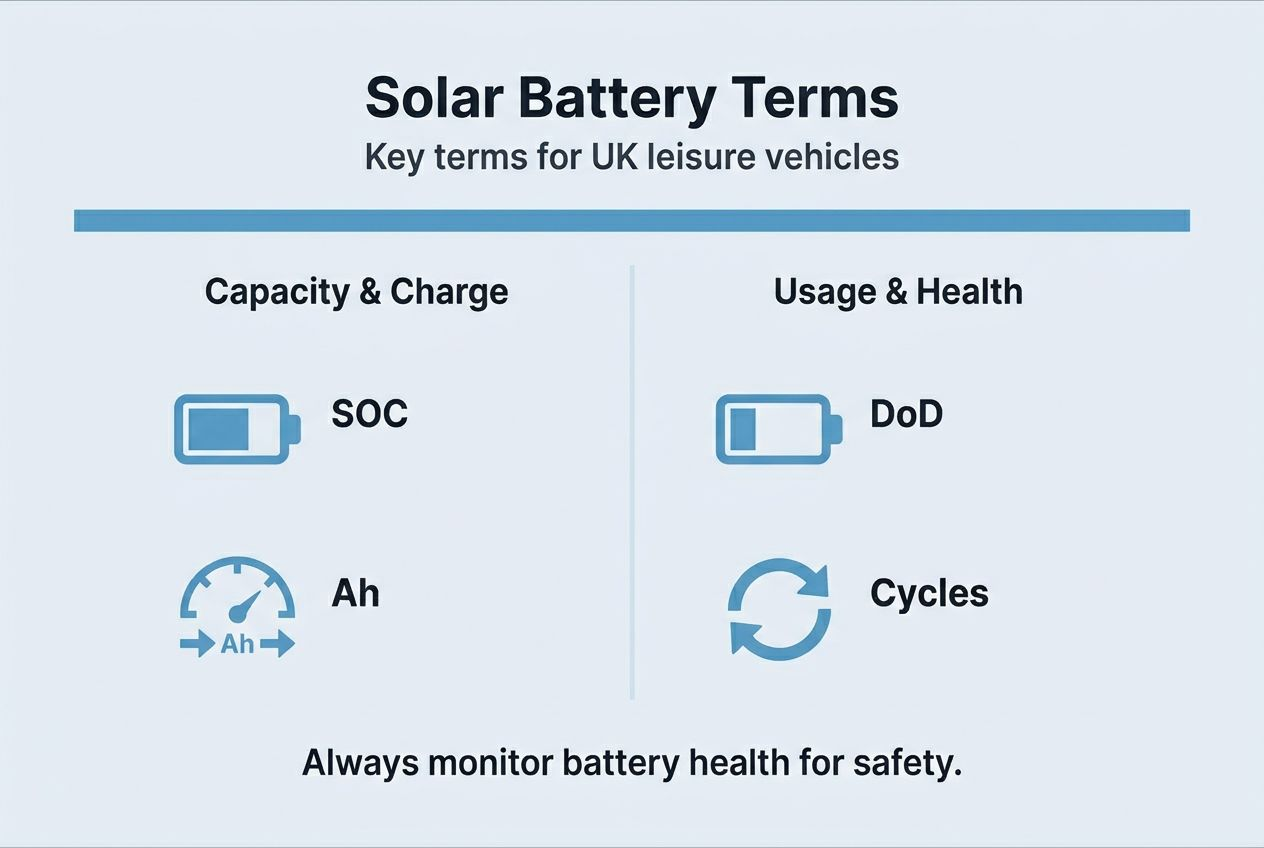
State of Charge (SOC) expresses how full your battery is as a percentage of total capacity. A fully charged battery shows 100% SOC, whilst a half-depleted battery displays 50% SOC. Modern lithium batteries with Bluetooth monitoring display real-time SOC, eliminating guesswork about remaining power. Monitoring SOC helps prevent over-discharge, which damages batteries and shortens lifespan significantly.
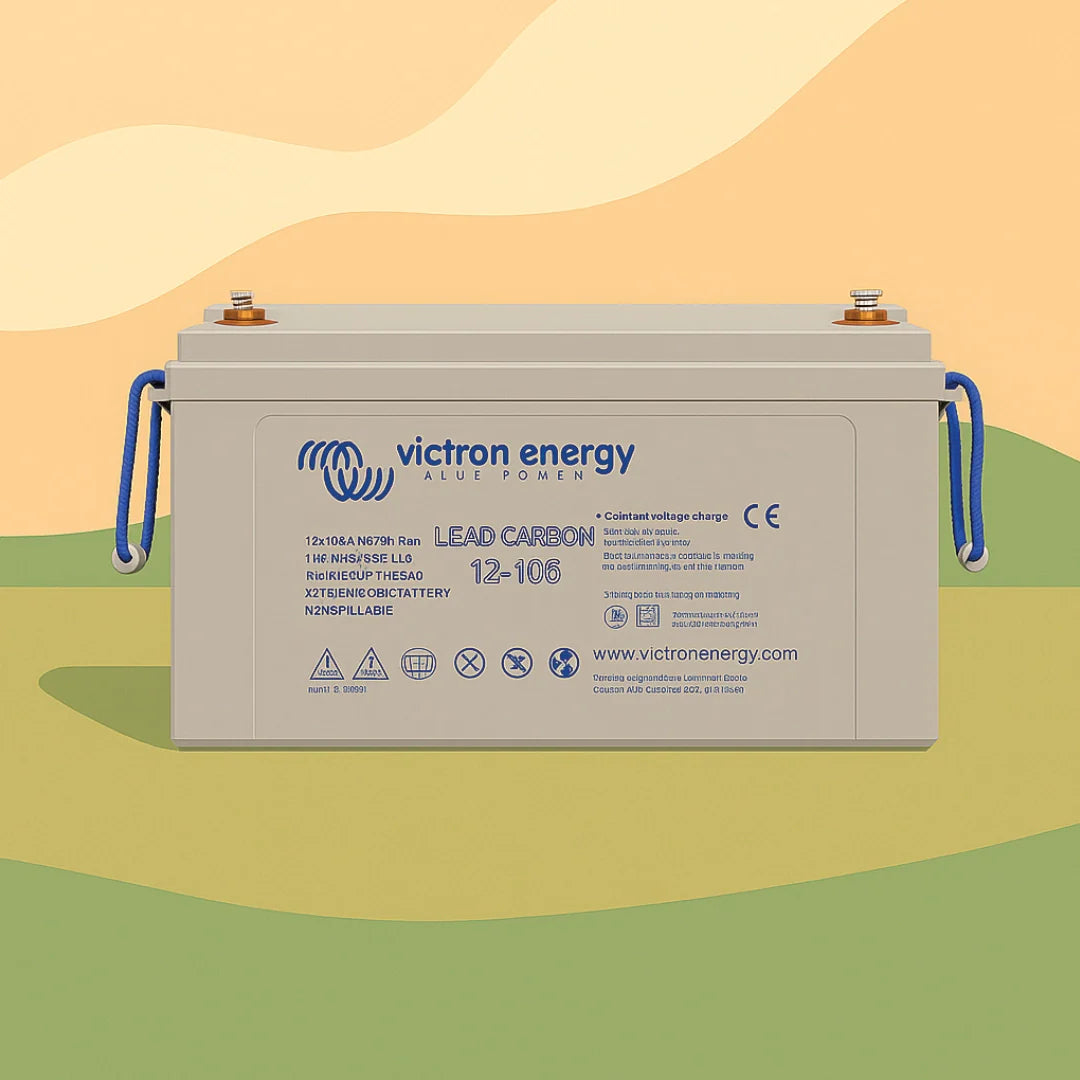
Battery capacity measured in ampere-hours (Ah) indicates how much energy a battery stores. A 100Ah battery theoretically delivers 100 amps for one hour, 50 amps for two hours, or 10 amps for ten hours. Actual usable capacity depends on discharge rate and battery chemistry. Understanding your daily energy consumption in Ah helps size battery banks appropriately.
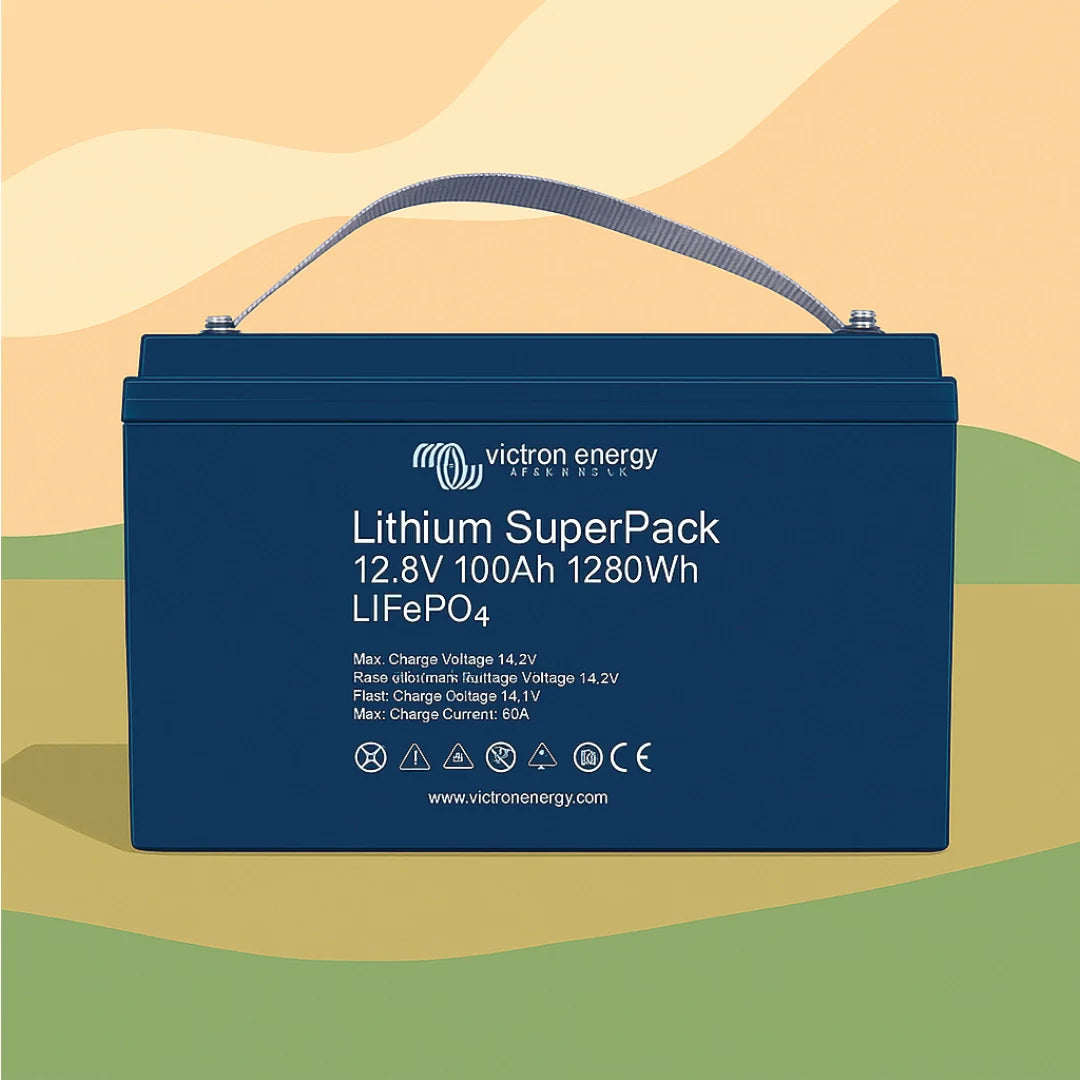
Depth of Discharge (DoD) represents how much capacity you use before recharging. A battery discharged to 50% SOC has experienced 50% DoD. Battery lifespan correlates directly with typical DoD. Lithium batteries tolerate 80-90% DoD regularly without significant degradation, whilst lead-acid batteries suffer permanent damage beyond 50% DoD. Limiting DoD extends cycle life substantially.
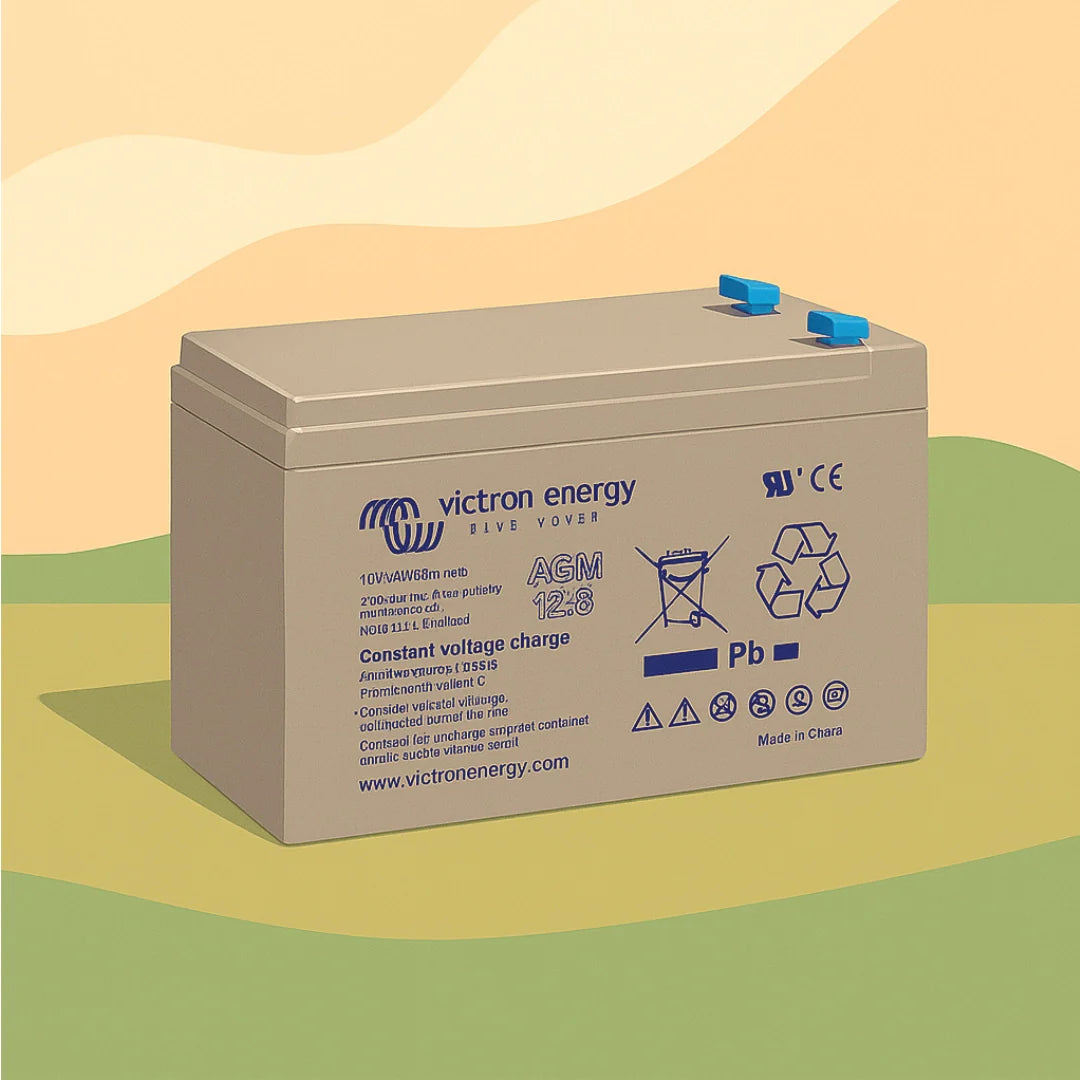
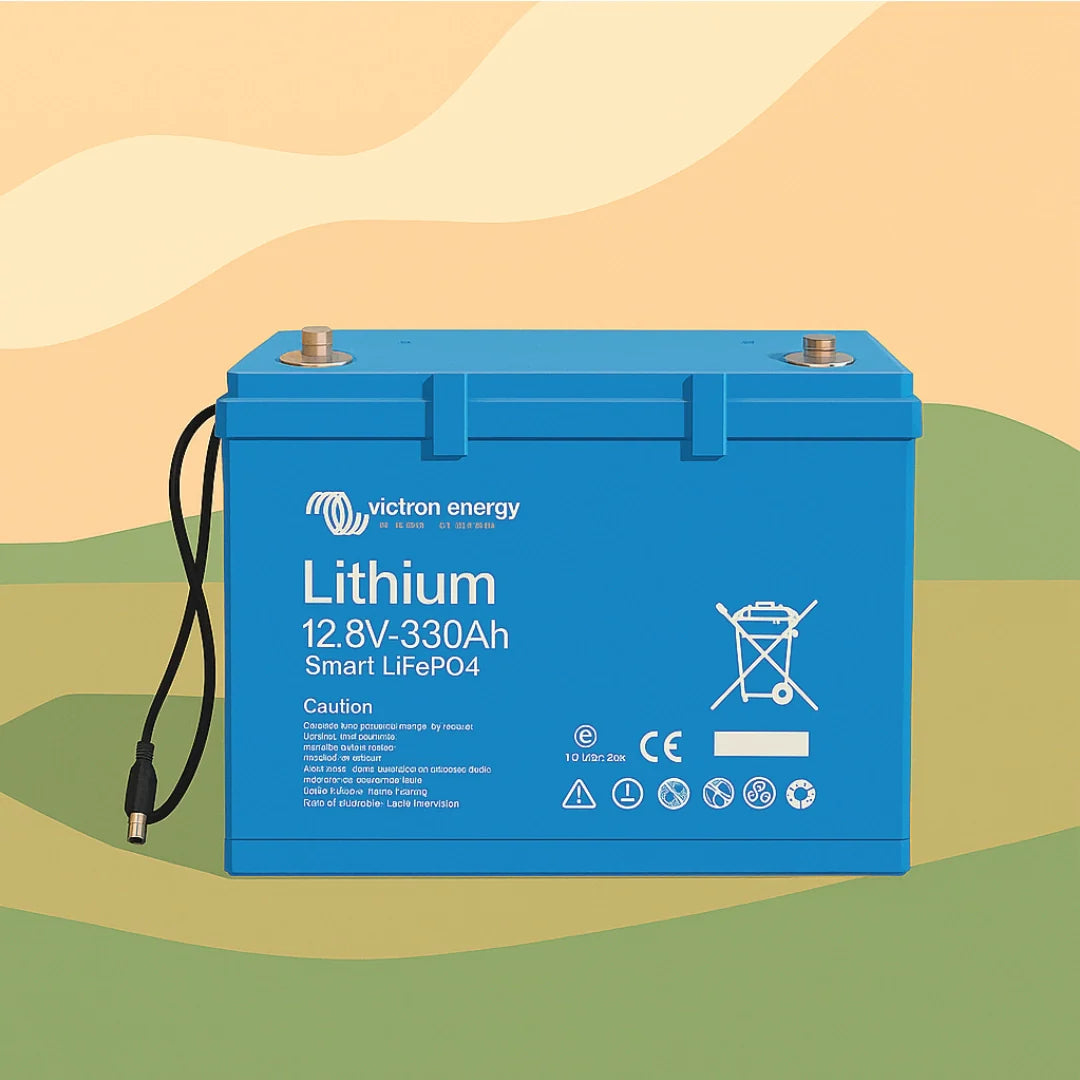
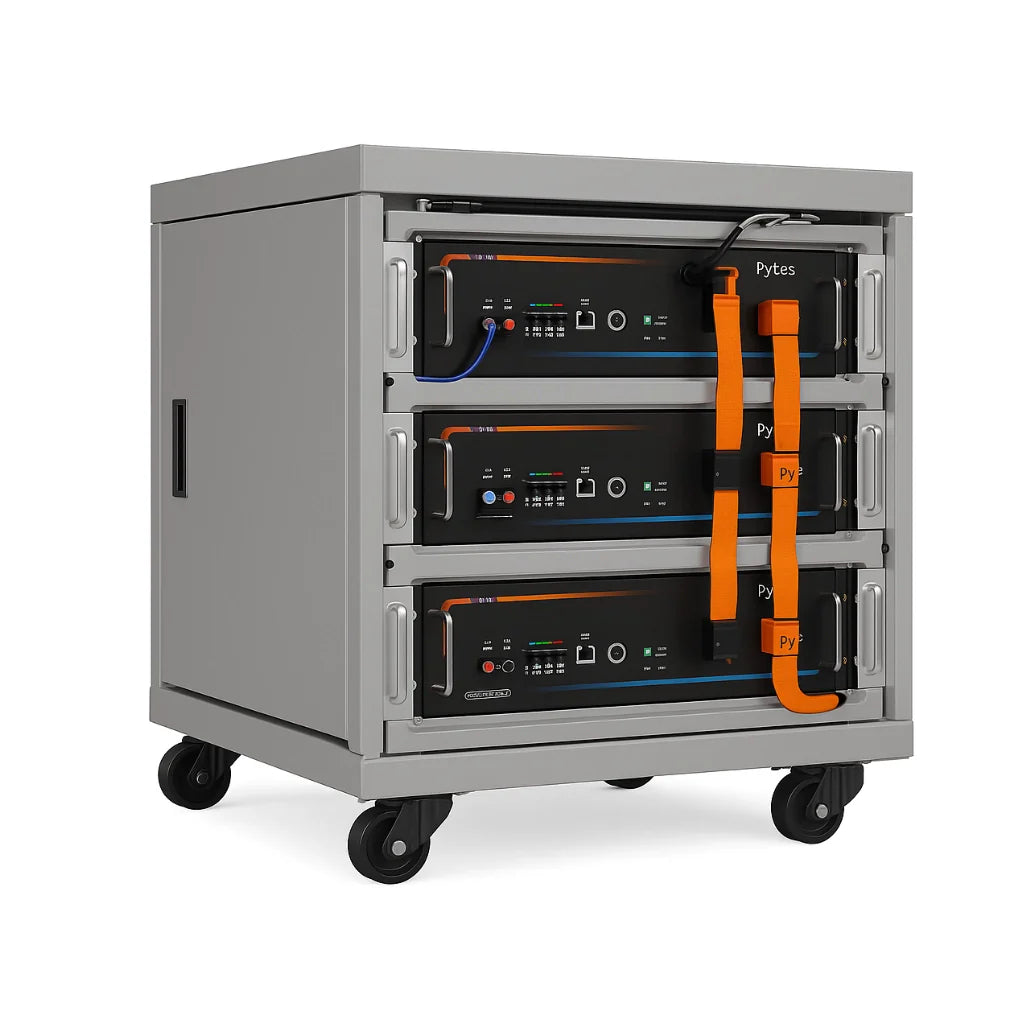
Smart battery management systems with Bluetooth monitoring revolutionise solar energy storage by providing real-time data on voltage, current, SOC, temperature, and cell balance. These systems alert you to potential issues before they cause damage, enable precise energy management, and simplify troubleshooting. Many Skyenergi lithium batteries include integrated Bluetooth monitoring as standard.
Maintaining battery health requires several practices. Avoid prolonged storage at low SOC, which causes permanent capacity loss. Keep batteries within manufacturer temperature ranges, as extreme heat or cold reduces performance. Follow proper solar battery connection procedures to ensure secure, corrosion-free terminals. Regularly check monitoring data for unusual patterns indicating developing problems.
Common misconceptions about solar power terminology
Misunderstanding solar terminology leads to inefficient purchases, undersized systems, and premature component failure. Addressing these misconceptions saves money and frustration.
Panel wattage versus usable energy confuses many buyers. A 300W panel does not deliver 300W continuously. Actual output varies by sun angle, shading, temperature, and weather. In UK conditions, expect average output of 180W to 210W from a 300W panel during peak hours, with much lower production in winter months. Size your system based on realistic output expectations, not peak ratings.
Battery SOC and lifespan effects remain poorly understood. Some owners routinely discharge batteries to 20% SOC or lower, believing any SOC above zero is safe. However, frequent deep discharges dramatically reduce cycle life. Maintaining SOC above 30-40% for lead-acid or 20-30% for lithium extends battery longevity significantly. Review solar setup examples to see proper battery sizing and usage patterns.
VOC and VMP confusion causes compatibility problems. Some installers mistakenly match controller input ratings to panel VMP rather than VOC, creating safety hazards when cold morning temperatures drive VOC well above VMP. Controllers must handle maximum VOC, not just operating voltage. This confusion can destroy expensive controllers or create fire risks.
Safety myths regarding voltage persist despite clear dangers. Some owners believe 12V systems pose no shock risk and skip proper fusing or use inadequate wire gauges. Whilst 12V shocks rarely injure humans, short circuits at battery amperage levels generate intense heat, melting insulation and causing fires. Every positive connection from the battery requires appropriate fusing based on wire gauge and expected current.
Avoiding these mistakes requires consulting reliable resources and understanding fundamental principles rather than relying on forum advice or sales pitches. Proper solar charging off-grid education prevents costly errors and ensures safe, reliable systems.
Safety terms and installation basics
Safe solar installations protect both equipment and occupants whilst ensuring reliable long-term performance. Understanding safety terminology and best practices is non-negotiable.
Maximum VOC and current ratings appear on every component datasheet. Controllers, batteries, and inverters specify maximum input voltage and current they can handle safely. Exceeding these ratings, even briefly, can destroy components instantly. Calculate maximum system VOC in cold conditions when panels produce highest voltage. Ensure all components comfortably exceed worst-case scenarios with safety margins.
Correct wiring and fusing techniques prevent fires and equipment damage. Wire gauge must match expected current plus a safety margin. Undersized wires overheat, melt insulation, and cause fires. Every positive wire from the battery requires a fuse or circuit breaker rated for the wire’s capacity, placed within 150mm of the battery terminal. Use marine-grade tinned copper wire in leisure vehicles to resist corrosion in damp environments.
Common hazards avoided by standards adherence include reversed polarity connections destroying electronics, loose connections creating arcing and fire risks, and inadequate ventilation causing battery gas accumulation. Follow manufacturer installation instructions precisely. Use proper crimp tools and heat shrink on all connections. Install batteries in ventilated compartments away from ignition sources.
Practical installation tips improve safety and reliability. Label all wires clearly with voltage, polarity, and function. Use colour-coded wires consistently: red for positive, black for negative. Install an easily accessible main disconnect switch for emergencies. Test all connections with a multimeter before powering up systems. Document your installation with photos and diagrams for future troubleshooting.
Professional installations by qualified electricians remain the safest option, but knowledgeable DIY work following proper procedures produces equally reliable results. Never rush installations or skip safety steps to save time.
Framework for selecting compatible solar components for campervans
Organising solar terminology into logical categories simplifies system design and troubleshooting. This framework groups terms by component function.
Component categories:
- Solar panels: VOC, VMP, wattage, efficiency, temperature coefficient
- Charge controllers: PWM, MPPT, maximum input voltage, maximum charge current
- Batteries: capacity (Ah), chemistry (lithium/lead-acid), SOC, DoD, cycle life
- System metrics: daily energy consumption (Wh), autonomy days, system voltage
This categorisation aids compatibility checking and decision-making. When selecting components, ensure panels’ maximum VOC (in cold conditions) stays below controller input ratings. Verify controller output current exceeds your maximum charging current needs. Match battery chemistry to controller charging profiles.
Sequential design steps using this framework:
- Calculate daily energy consumption in watt-hours by listing all devices and usage hours
- Determine required battery capacity with desired autonomy days (typically two to three days)
- Size solar array to replenish daily consumption plus 20-30% overhead for inefficiencies
- Select controller matching panel VOC and charging current requirements
- Verify all component voltage and current ratings maintain safety margins
| Design element | Key consideration | Typical UK leisure vehicle range |
|---|---|---|
| Daily consumption | Total watt-hours needed | 500Wh to 2000Wh |
| Battery capacity | Days of autonomy desired | 100Ah to 400Ah (lithium) |
| Solar array size | Replenishment in average conditions | 200W to 600W |
| Controller capacity | Handle array VOC and charge current | 20A to 50A MPPT |
Applying this framework to real systems clarifies decisions. A weekend campervan with 800Wh daily consumption, two days autonomy, and 12V system requires approximately 140Ah lithium battery capacity (800Wh × 2 days ÷ 12V ÷ 0.85 efficiency) and roughly 320W solar array (800Wh ÷ 2.5 peak sun hours ÷ 0.85 system efficiency). These calculations use solar charging tips accounting for UK conditions.
Pro Tip: Use this framework when planning system upgrades. Adding panels requires verifying controller input capacity. Expanding battery banks demands checking charging current adequacy. This systematic approach prevents compatibility surprises and ensures balanced system growth.
Conclusion: Bridging understanding to practical application
Mastering solar power terminology transforms you from uncertain buyer to confident system designer. Understanding VOC, VMP, and wattage ratings enables selecting panels matched to your needs. Recognising MPPT efficiency advantages over PWM controllers maximises energy harvest in UK conditions. Comprehending SOC, DoD, and battery capacity protects your investment through proper management practices.
These interconnected concepts work together. Panels produce power at specific voltages, controllers optimise that power for battery charging, batteries store energy whilst monitoring systems track SOC and health, and proper safety practices protect everything. Each term supports the others within your complete solar ecosystem.
This knowledge improves system performance measurably. Properly sized arrays avoid power shortages. Correctly matched controllers harvest maximum available energy. Well-maintained batteries deliver years of reliable service. Safe installations prevent costly damage and dangerous situations. Your confidence grows as understanding replaces guesswork.
Continue learning through hands-on experience, manufacturer technical documentation, and reputable educational resources. Solar technology evolves constantly, with improving efficiency and decreasing costs expanding possibilities. The terminology foundation you have gained here enables evaluating new technologies and adapting your system as needs change. Your journey toward energy independence accelerates with knowledge as your guide.
Explore Skyenergi’s solar solutions for leisure vehicles
Now that you understand solar terminology, explore professional components designed specifically for UK leisure vehicle applications. Skyenergi specialises in high-performance solar systems integrating MPPT controllers, lithium batteries with Bluetooth monitoring, and complete turnkey solutions for campervans and motorhomes.

Our solar power electrics system combines inverter chargers, battery management, and comprehensive monitoring in integrated packages. The Victron EasySolar II MPPT controller delivers exceptional efficiency for maximising energy harvest. Complete kits like our 610 watt solar panel system include matched components eliminating compatibility concerns. Every product meets rigorous quality standards whilst maintaining competitive pricing through direct manufacturer relationships.
Frequently asked questions
What is open circuit voltage (VOC) and why is it important for leisure vehicle solar panels?
VOC represents the maximum voltage a solar panel produces when disconnected from any load under full sunlight conditions. This measurement is crucial because charge controllers, batteries, and other system components must safely handle this peak voltage. UK weather creates voltage variations as cold temperatures increase VOC above rated values, requiring components with adequate voltage margins.
How does a maximum power point tracking (MPPT) charge controller improve solar charging efficiency?
MPPT controllers continuously adjust operating voltage and current to keep solar panels at their maximum power point regardless of temperature or light conditions. This optimisation extracts substantially more energy than simpler PWM controllers, with efficiency gains of 15-25% proving especially valuable in variable UK weather. MPPT technology compensates for reduced sunlight intensity common in British climates.
What does state of charge (SOC) mean and how does it affect battery health?
SOC indicates how full your battery is as a percentage of total capacity, with 100% representing fully charged and 0% completely depleted. Monitoring SOC helps prevent over-discharge, which permanently damages batteries and dramatically reduces lifespan. Modern lithium batteries with Bluetooth monitoring display real-time SOC, enabling precise energy management and extending battery longevity through informed usage patterns.
Why is understanding system voltage ratings crucial for safe solar installation in campervans?
Voltage ratings specify the maximum voltage each component can handle safely without damage or hazards. Exceeding these ratings, even briefly, can destroy expensive controllers or create fire risks through component failure. Proper installations calculate worst-case VOC in cold conditions, verify all components exceed these values with safety margins, and use appropriate fusing to protect against short circuits that generate dangerous heat levels.
Recommended
Prev post

Solar setup tips 2026: maximise UK leisure vehicle power
Updated on 10 March 2026
Next post

Solar charging for boat owners: reliable UK energy solutions 2026
Updated on 08 March 2026


