





The role of battery cells in renewable energy storage
Discover the crucial role of battery cells in renewable energy storage. Learn how chemistry impacts performance, costs, and safety.
TL;DR:
- Battery cell chemistry influences energy density, safety, cycle life, and overall system cost in renewable storage. LFP dominates the market due to its safety, long cycle life, and decreasing prices, making it ideal for most stationary applications. Ensuring high-quality manufacturing and understanding key performance metrics are vital for reliable, long-term energy system performance.
Most people assume a battery is a battery. Swap one for another and you get the same result. That assumption costs real money and system reliability. The role of battery cells in renewable energy storage is far more specific than that. The chemistry inside each cell determines how much energy you can store, how safely you can store it, how many cycles you’ll get, and what the whole system will cost over its lifetime. This article breaks down how battery cells work, which chemistries dominate energy storage in 2026, and what performance metrics actually matter when specifying or buying a system.
Table of Contents
- Key takeaways
- How battery cells function
- Dominant battery chemistries in 2026
- Manufacturing challenges and supply risks
- Key performance metrics for battery cells
- My perspective on where battery chemistry is heading
- Explore Skyenergi’s energy storage solutions
- FAQ
Key takeaways
| Point | Details |
|---|---|
| Chemistry defines performance | The role of battery chemistry in storage determines cycle life, safety, cost, and energy density for every application. |
| LFP dominates the market | Lithium iron phosphate accounts for over 90% of global BESS due to its safety profile and falling costs. |
| Prices have dropped sharply | Battery energy storage prices in 2025 fell to one-third of 2020 levels, making storage more accessible. |
| Safety starts at chemistry level | Thermal runaway is mitigated by controlling electrolyte purity, not just through external thermal management. |
| Performance metrics guide selection | Cycle life, capacity retention, and installed cost per kWh are the figures that determine long-term system value. |
How battery cells function
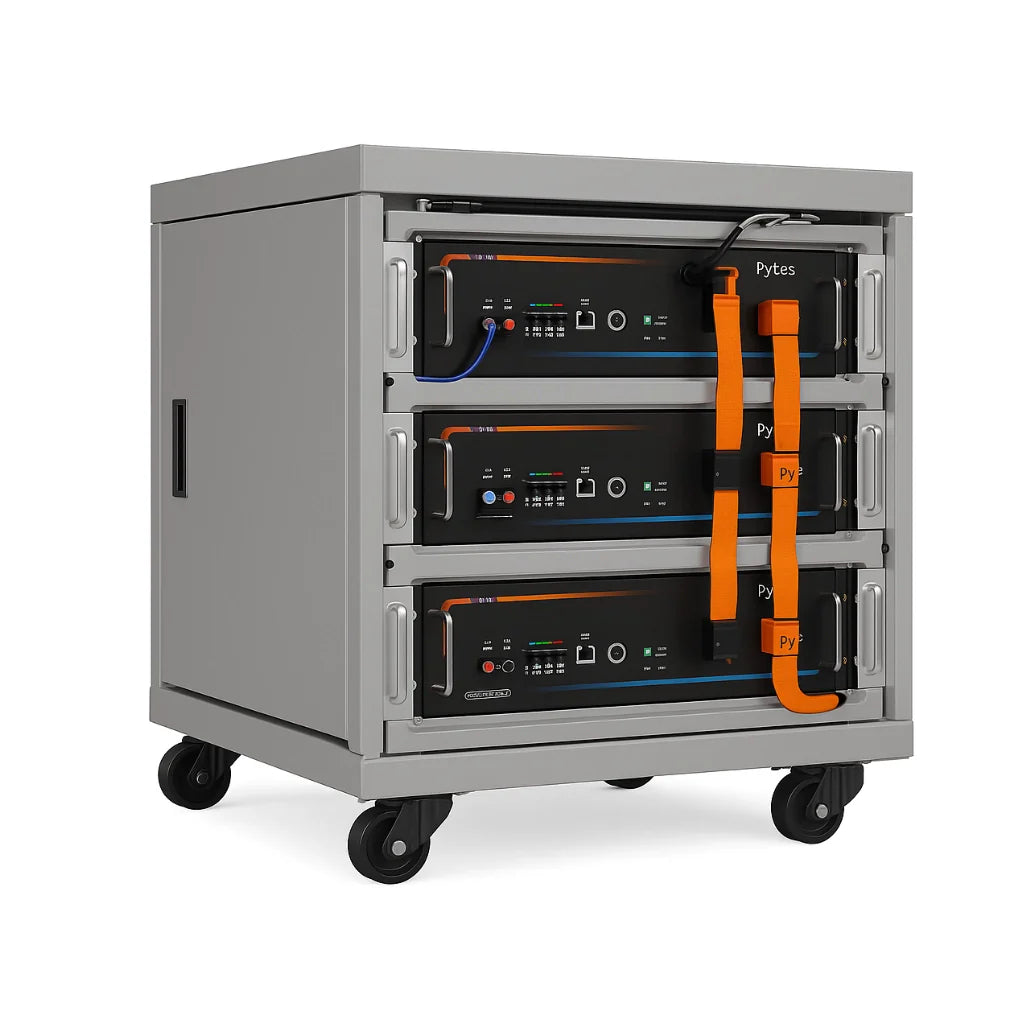
Understanding the role of battery cells starts with their internal structure. Each cell contains three core components: two electrodes (an anode and a cathode), an electrolyte, and a separator. During discharge, lithium ions move from the anode through the electrolyte to the cathode. That movement drives electrons through an external circuit, generating electrical current. During charging, the process reverses.
The electrodes are where most of the chemistry happens. The anode is typically graphite in lithium-ion cells. The cathode material is where the chemistry diverges across different battery types, and it determines much of the cell’s character: its voltage, energy density, thermal stability, and cost. The electrolyte is usually a liquid solution of lithium salt in an organic solvent, though solid-state variants are in development.
A single cell produces a modest voltage, typically 3.2V to 3.7V depending on chemistry. Cells are connected in series to increase voltage and in parallel to increase capacity, forming modules and then battery packs. The distinction matters when you are specifying a system: a 48V battery pack for a home storage unit might contain 15 or 16 cells in series, each needing to perform consistently for the pack to deliver its rated capacity.
Pro Tip: When evaluating a battery system, ask for cell-level specifications, not just pack-level figures. The quality and chemistry of individual cells determines the long-term performance of the whole unit.
Key components in a lithium-ion battery cell include:
- Cathode: Defines chemistry type, voltage, and energy density (e.g., LFP, NMC, LMO)
- Anode: Typically graphite; next-generation cells use silicon or lithium metal
- Electrolyte: Enables ion transport between electrodes; purity is critical for safety
- Separator: Prevents short circuits while allowing ion flow
- Battery Management System (BMS): Monitors and protects the cell pack at system level
Research into monovalent and multivalent anodes shows that even the type of metal ion used has a fundamental impact on how a cell charges and ages. Monovalent metals like lithium and sodium form different solid electrolyte interphase layers compared to multivalent metals like magnesium or calcium, affecting ion diffusion and usable cycle life. This is why next-generation anode chemistry is such an active research area.
Dominant battery chemistries in 2026
The role of battery chemistry in storage is not academic. It translates directly into the decisions you make when selecting or specifying an energy storage system. The lithium-ion family is broad, and the differences between chemistries are commercially significant.
LFP vs NMC vs LMO
The table below compares the three most common lithium-ion cathode chemistries used in energy storage applications.
| Chemistry | Energy density | Cycle life | Safety | Typical application |
|---|---|---|---|---|
| LFP (Lithium Iron Phosphate) | Moderate (~120–160 Wh/kg) | 4,000–6,000 cycles | Excellent | Stationary storage, leisure, marine |
| NMC (Nickel Manganese Cobalt) | High (~200–250 Wh/kg) | 1,500–3,000 cycles | Moderate | EVs, high-density portable |
| LMO (Lithium Manganese Oxide) | Moderate | 500–1,000 cycles | Good | Power tools, some EVs |
LFP is the clear frontrunner for stationary energy storage. It now accounts for over 90% of battery energy storage systems globally. In 2025, LFP prices fell by more than 15%, making them over 40% cheaper than NMC alternatives. That cost gap, combined with LFP’s superior cycle life and thermal stability, has made the choice between LFP and NMC straightforward for most off-grid and residential applications.

LFP also removes a significant safety barrier. Unlike NMC, LFP does not undergo thermal runaway propagation between cells. That means if one cell fails, it does not trigger a chain reaction. LFP’s safety profile has reduced regulatory and insurance hurdles for utility-scale installations, and the same reasoning applies to residential and vehicle-based systems.
Emerging chemistries
Beyond LFP, sodium-ion batteries are gaining traction for large-scale grid storage due to their use of more abundant materials. Flow batteries offer essentially unlimited cycle life and are suited to long-duration grid storage, though at higher installed cost. Metal-air chemistries remain largely in development but promise very high energy density. Selecting the right chemistry always requires balancing energy density, power output, cycle life, safety, and total cost against the specific demands of the application.
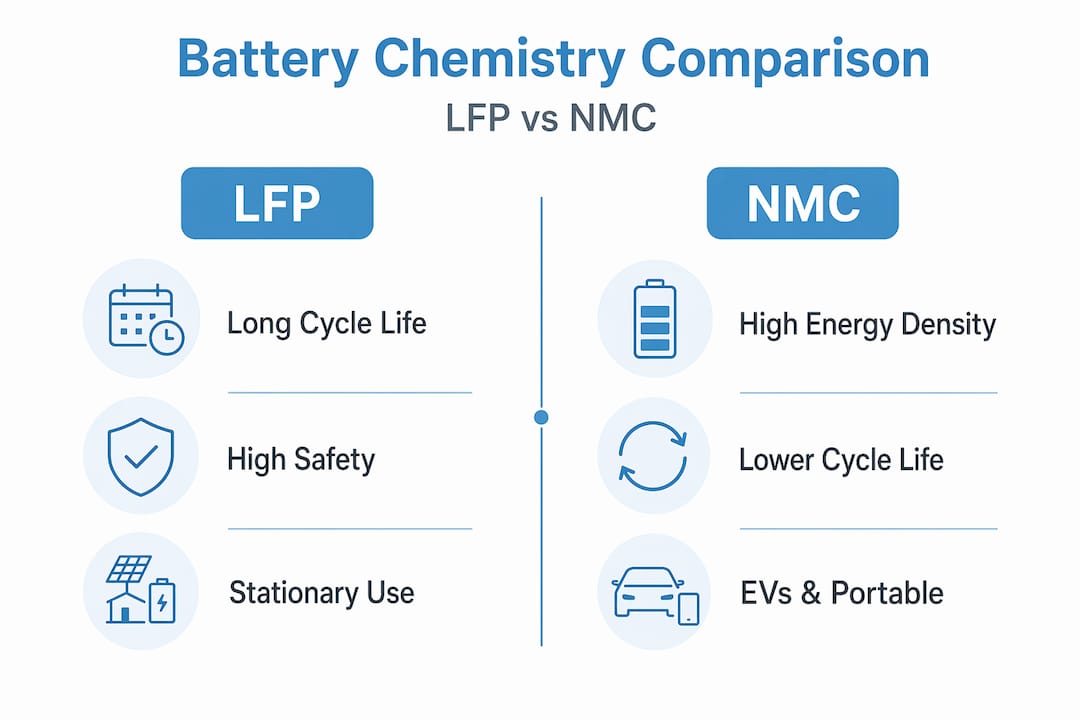
Pro Tip: For off-grid, motorhome, and residential applications in 2026, LFP is the default choice unless weight is a critical constraint. The cycle life and safety advantages outweigh the moderate reduction in energy density compared to NMC.
Manufacturing challenges and supply risks
The importance of battery cells in any energy system depends on getting consistent, high-quality cells to the point of installation. That is harder than it sounds at industrial scale.
Manufacturing variability is one of the central problems. A cell produced at the start of a production run may perform differently from one produced at the end, due to tiny fluctuations in temperature, humidity, or raw material purity during assembly. Electrolyte purity and process control are critical factors. Impurities in the electrolyte can cause lithium plating on the anode, which degrades capacity and, in worse cases, contributes to thermal runaway. Quality battery manufacturers run continuous analytical chemistry checks throughout production.
Cells are typically graded after manufacture. Grade A cells meet full specification for capacity, internal resistance, and self-discharge rate. Grade B cells fall slightly below specification. The grading matters at system level because when cells of different grades are placed in the same module, the weakest cell limits the whole pack’s performance.
The broader supply picture adds further complexity:
- China manufactures over 80% of batteries globally, creating geographic concentration risk
- Critical minerals including lithium, cobalt, and manganese are sourced from a small number of countries
- Geopolitical shifts can disrupt supply chains with relatively short notice
- Western gigafactory projects are underway but remain years from matching Chinese production scale
For buyers and system designers, this means that supply chain provenance and cell grading standards should be part of procurement discussions. The role of a BMS in protecting cells from operating outside their safe parameters becomes even more important when cell consistency cannot be guaranteed across batches.
Key performance metrics for battery cells
When specifying battery cells for a renewable energy system, four metrics define practical performance. Understanding them helps you move past headline capacity figures to the numbers that determine real-world value.
-
Cycle life and capacity retention. Cycle life is the number of full charge-discharge cycles a cell can complete before capacity drops to 80% of its original rating. Utility-scale LFP cells typically deliver 4,000 to 6,000 cycles at 80% retention. For a daily-cycling residential system, 4,000 cycles represents roughly 11 years of use before capacity degrades noticeably. For a leisure vehicle used seasonally, the same cell might last 20 years or more.
-
Energy density. Measured in watt-hours per kilogram (Wh/kg), energy density determines how much usable capacity you get per unit of weight or volume. In a campervan or motorhome, space and weight are finite. LFP sits at roughly 120 to 160 Wh/kg. Explore lithium battery features for off-grid use to understand how energy density translates into practical system sizing.
-
Thermal stability and safety. This is where chemistry has a direct safety implication. Cells that are prone to thermal runaway require more sophisticated thermal management hardware. LFP’s inherently stable cathode chemistry reduces this risk substantially compared to NMC, which is why the function of battery cells in safety-critical or space-constrained environments often points firmly to LFP.
-
Installed cost per kWh. Battery energy storage prices have fallen to one-third of 2020 levels, with utility-scale LFP systems now available for under $200 per kWh installed. For residential and vehicle applications, costs are higher but following the same downward trend. Total cost of ownership, accounting for cycle life and replacement intervals, is a more honest comparison metric than upfront price alone. A cheaper cell with 2,000 cycles may cost more over ten years than a higher-priced cell with 5,000 cycles.
My perspective on where battery chemistry is heading
In my experience watching this market develop, the most important shift of the past few years is not a technical breakthrough. It is the practical validation of LFP as the chemistry that fits the widest range of real-world applications. I’ve seen engineers and buyers chase energy density figures that look impressive on paper, only to find that the safety complexity and shorter cycle life of higher-density NMC cells erodes the advantage within a few years of operation.
What I find more interesting is the sodium-ion trajectory. Sodium is vastly more abundant than lithium, and first-generation sodium-ion cells are already reaching cycle life figures that make them viable for stationary storage. The supply chain for sodium-ion bypasses many of the geographic concentration risks that exist with lithium. That matters enormously if you are thinking about energy independence beyond the next few years.
The challenge I see ahead is not in the chemistry itself. It is in ensuring that the quality control, supply chain transparency, and system integration knowledge keep pace with the rapid expansion of production. A good cell in a poorly integrated system still fails early. The UK lithium battery trends for 2026 point toward buyers becoming more sophisticated, which is the right direction. The technology is mature enough. What needs to improve is the specification and integration knowledge at the point of purchase.
— John
Explore Skyenergi’s energy storage solutions
If you are building or upgrading a renewable energy system, the cell chemistry discussion above has a direct practical application in the products you choose.

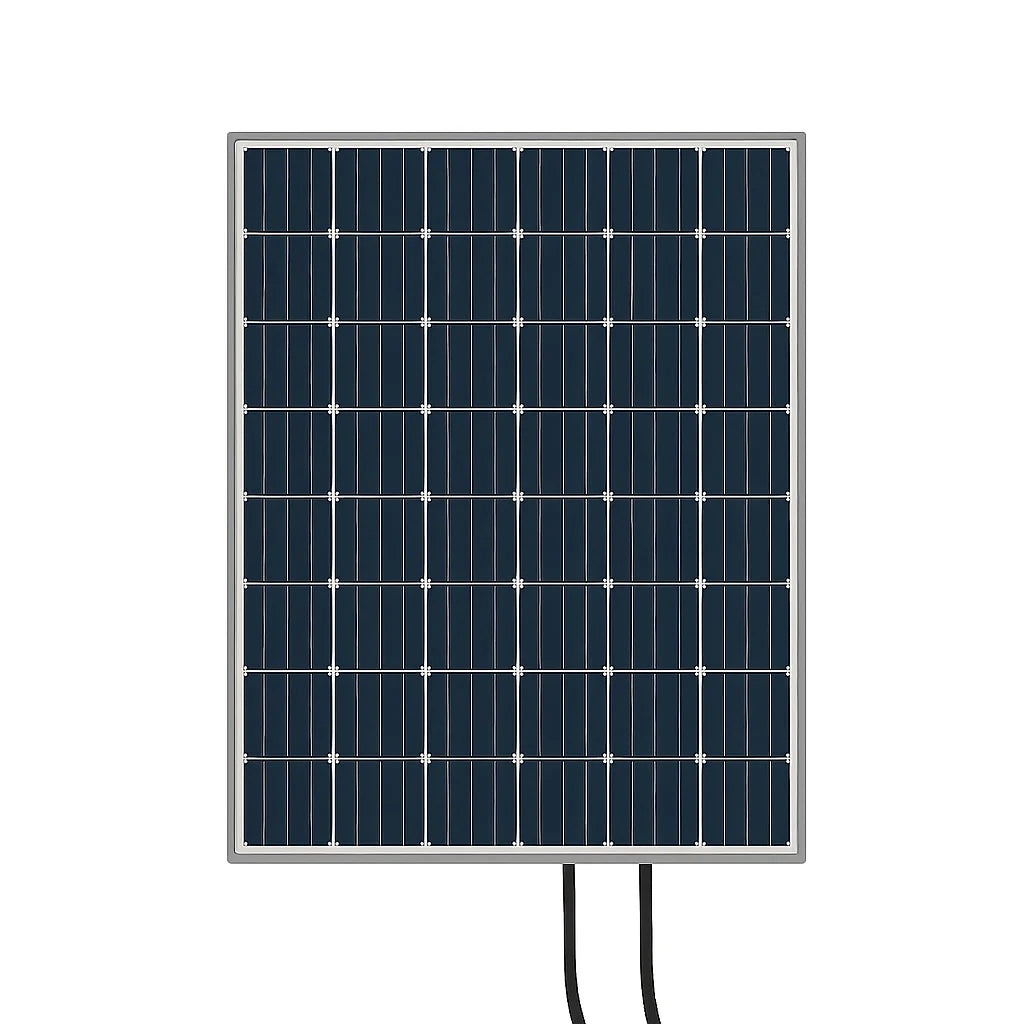
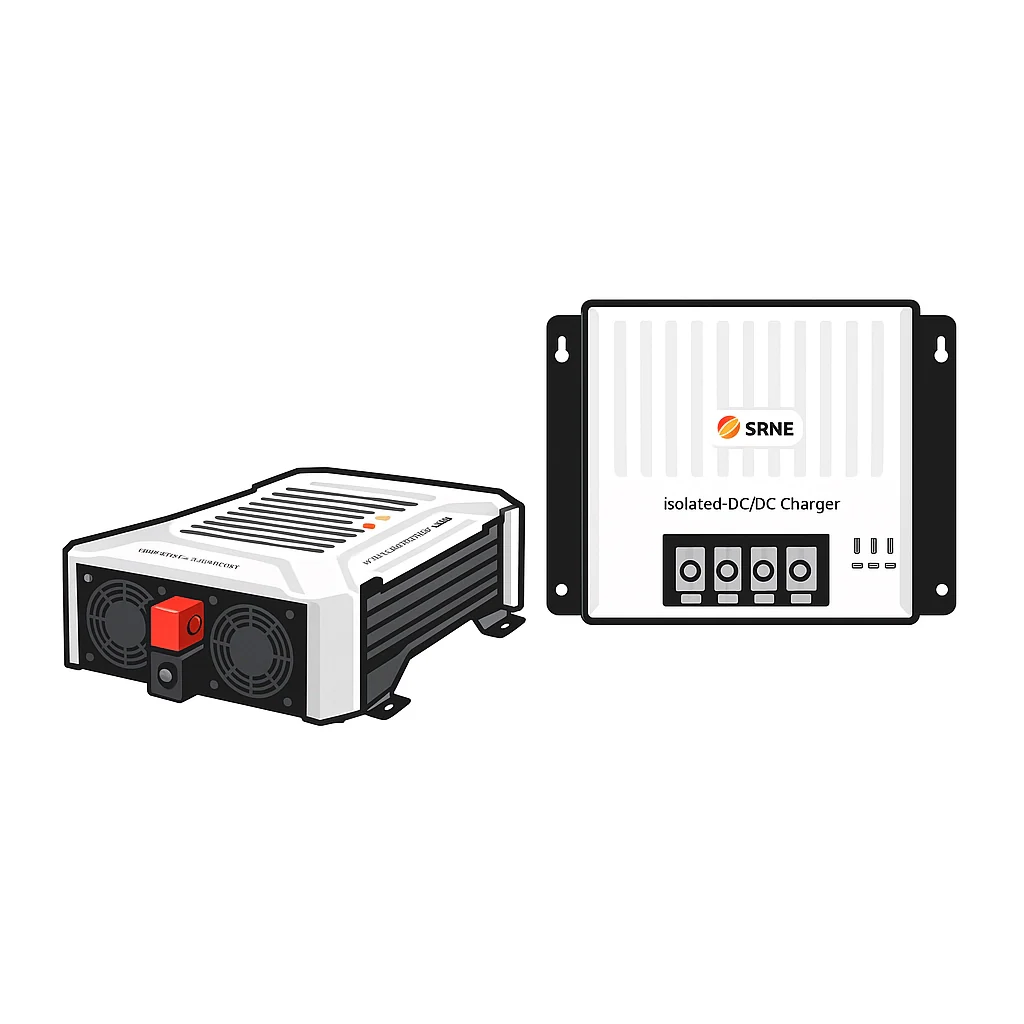
Skyenergi supplies a range of solar and battery storage solutions designed for real-world performance. The Victron 610W solar panel with smart MPPT charge controller is a high-output solar package with intelligent charge management, compatible with LFP battery systems. For more complete off-grid setups, the 3kVa inverter and charger system integrates solar input, battery-to-battery charging, and system monitoring in one solution. Skyenergi sources directly from manufacturers to keep pricing competitive without compromising on specification quality.
FAQ
What is the role of battery cells in energy storage?
Battery cells convert chemical energy into electrical energy through electrochemical reactions, storing and releasing power on demand. In renewable energy systems, they buffer intermittent generation from solar or wind and supply consistent power to loads.
Why does battery chemistry matter for renewable energy storage?
Battery chemistry determines cycle life, safety, energy density, and cost. LFP chemistry, for example, offers 4,000 to 6,000 cycles with a strong safety profile, making it the preferred choice for stationary and off-grid storage applications.
What is LFP and why does it dominate battery energy storage?
LFP stands for lithium iron phosphate, a cathode chemistry that accounts for over 90% of global battery energy storage systems. Its advantages include thermal stability, long cycle life, and falling costs, with prices dropping over 40% below NMC alternatives in 2025.
How do I compare battery cells for a renewable energy project?
Focus on cycle life at 80% capacity retention, installed cost per kWh, thermal stability, and energy density relative to your weight or space constraints. For most off-grid or residential applications, LFP cells provide the best balance across all four metrics.
What causes battery cells to degrade faster than expected?
Electrolyte impurities, cell grading inconsistencies, operating outside rated temperature ranges, and poor battery management system configuration are the primary causes of accelerated degradation. Safety and longevity both start at the chemistry and manufacturing quality level, not just system design.
Recommended
Prev post

Campervan energy conversion steps: 2026 guide
Updated on 27 May 2026
Next post

What is lithium battery recycling: a clear guide
Updated on 25 May 2026


