





Energy resilience for leisure vehicles: 2026 UK guide
Discover how to achieve energy resilience for leisure vehicles with our 2026 UK guide. Ensure reliable power off-grid, year-round.
Energy resilience for leisure vehicles is defined as the ability of a campervan, motorhome, or boat to maintain reliable power independently of mains hook-ups, regardless of season or location. The industry term for this capability is “off-grid energy autonomy,” and it covers every component from solar panels and MPPT charge controllers to LiFePO4 lithium batteries and DC-DC chargers. For UK owners, achieving this autonomy is more demanding than in sunnier climates. Grey skies, short winter days, and remote wild-camping spots all test your system. This guide covers exactly how to build and size a system that holds up year-round.
How solar panels and MPPT controllers maximise energy capture
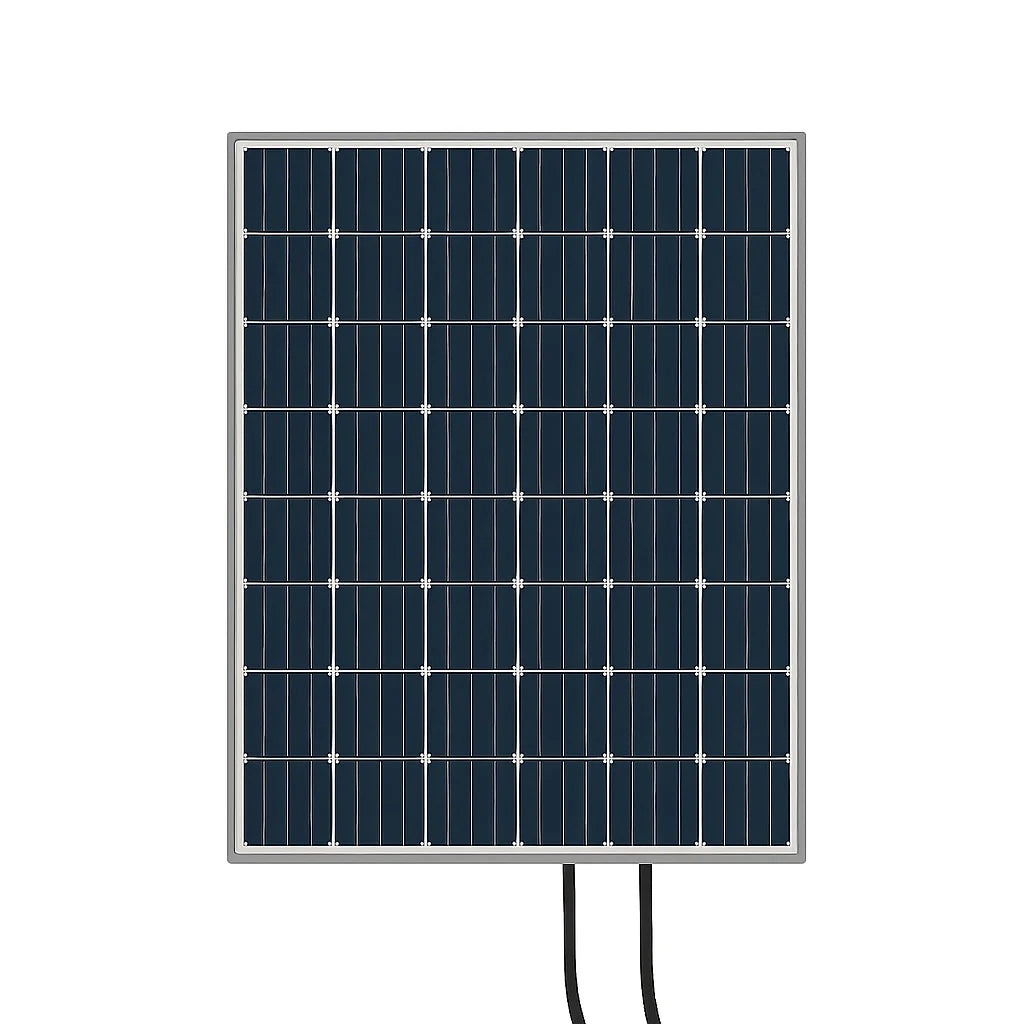
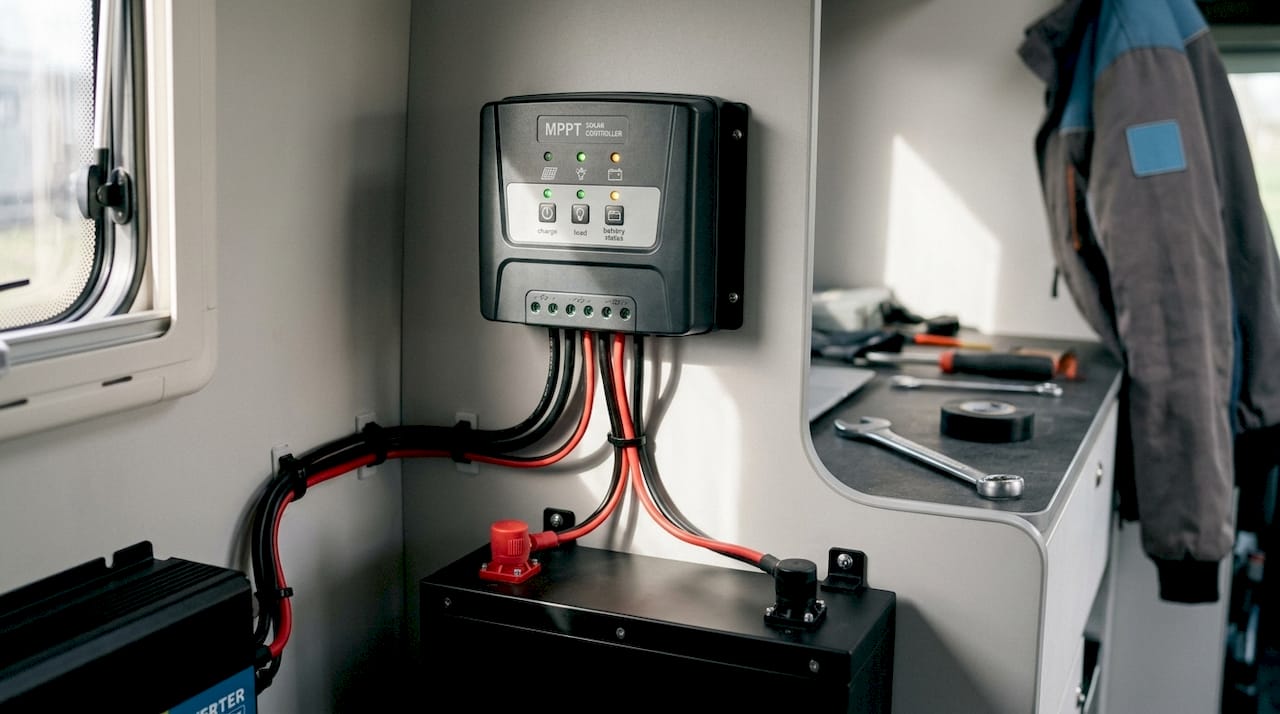
Solar panels are the primary energy source for most leisure vehicle power systems. They convert sunlight into DC electricity, which then charges your leisure battery bank via a charge controller. The charge controller is where most owners either gain or lose significant capacity.
MPPT (Maximum Power Point Tracking) charge controllers recover 25–30% more energy than PWM (Pulse Width Modulation) controllers on grey, low-light days typical of UK spring and autumn. That difference is not marginal. On a 200W panel system, it can mean the difference between a charged battery and a flat one by mid-afternoon. MPPT controllers for motorhome-scale systems cost between £40 and £150, making the upgrade straightforward to justify. For a deeper technical breakdown, the Skyenergi guide on why MPPT matters is worth reading before you buy.
Matching panel size to your usage pattern
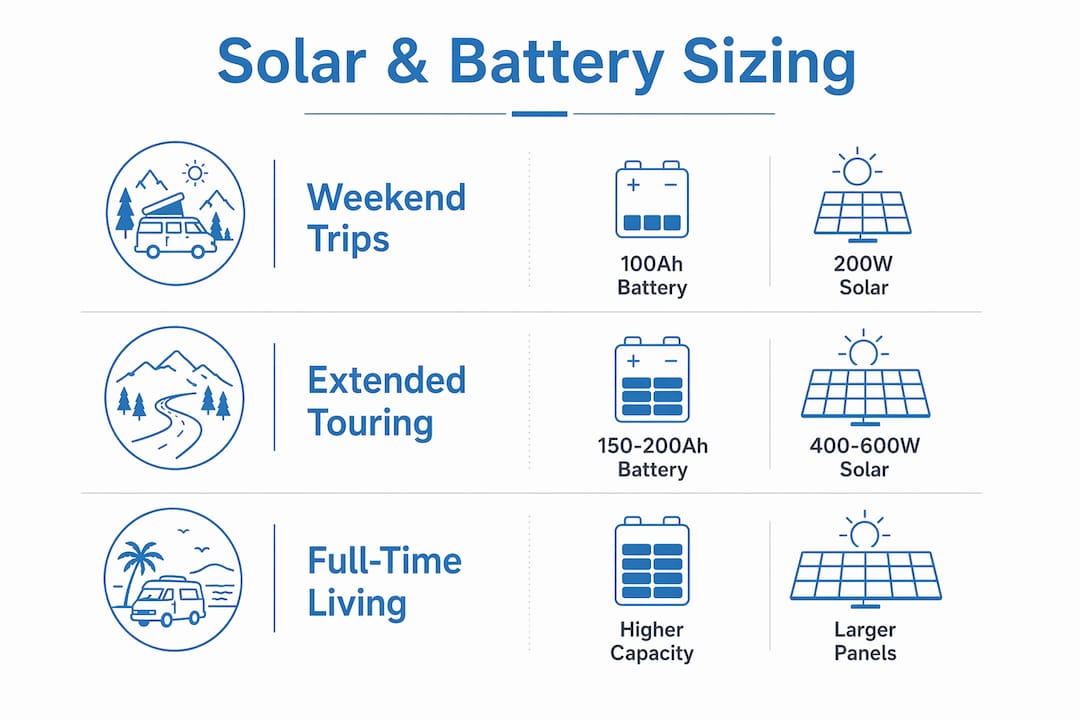
| Usage type | Recommended solar | Recommended battery |
|---|---|---|
| Weekend trips (summer) | 200W | 100Ah LiFePO4 |
| Extended touring | 300–400W | 150–200Ah LiFePO4 |
| Full-time living | 400–600W | 200Ah+ LiFePO4 |
A 200W panel paired with a 100Ah LiFePO4 battery covers most weekend leisure energy needs in UK summer. Full-time living requires significantly more. Scaling up to 400–600W solar with 200Ah or more of battery capacity keeps appliances like compressor fridges and heating systems running without rationing.
Panel placement and shading
Shading is the single biggest performance killer in rooftop solar installations. Small shading from roof fixtures can reduce panel output by 50% or more. A roof vent, aerial, or satellite dish casting a shadow across even one cell degrades the entire panel string. Plan your panel layout before drilling anything. Tilt-mounted or flush-mounted panels each have trade-offs: flush mounting is aerodynamically cleaner, but heat builds up underneath.
Air gaps of at least 10mm beneath panels reduce operating temperature and improve efficiency by 5–10% compared to flush-mounted panels. That is a meaningful gain over a full season. Use low-profile mounting brackets that allow airflow without creating significant wind resistance.
Pro Tip: Orient panels to face south and avoid placing them directly behind roof-mounted obstacles. Even partial shading during peak sun hours costs more energy than a slightly suboptimal panel angle.
How to choose and size lithium leisure batteries
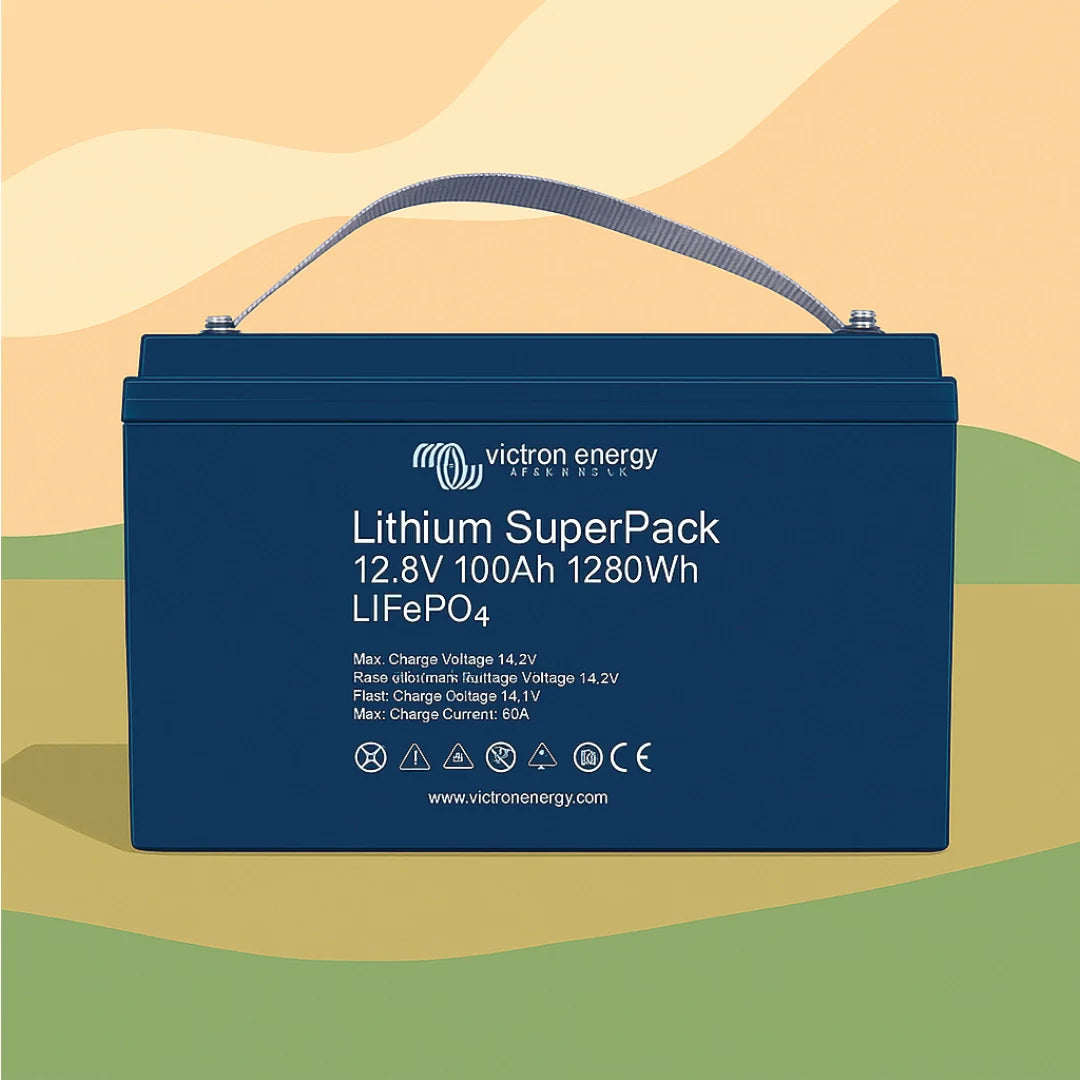
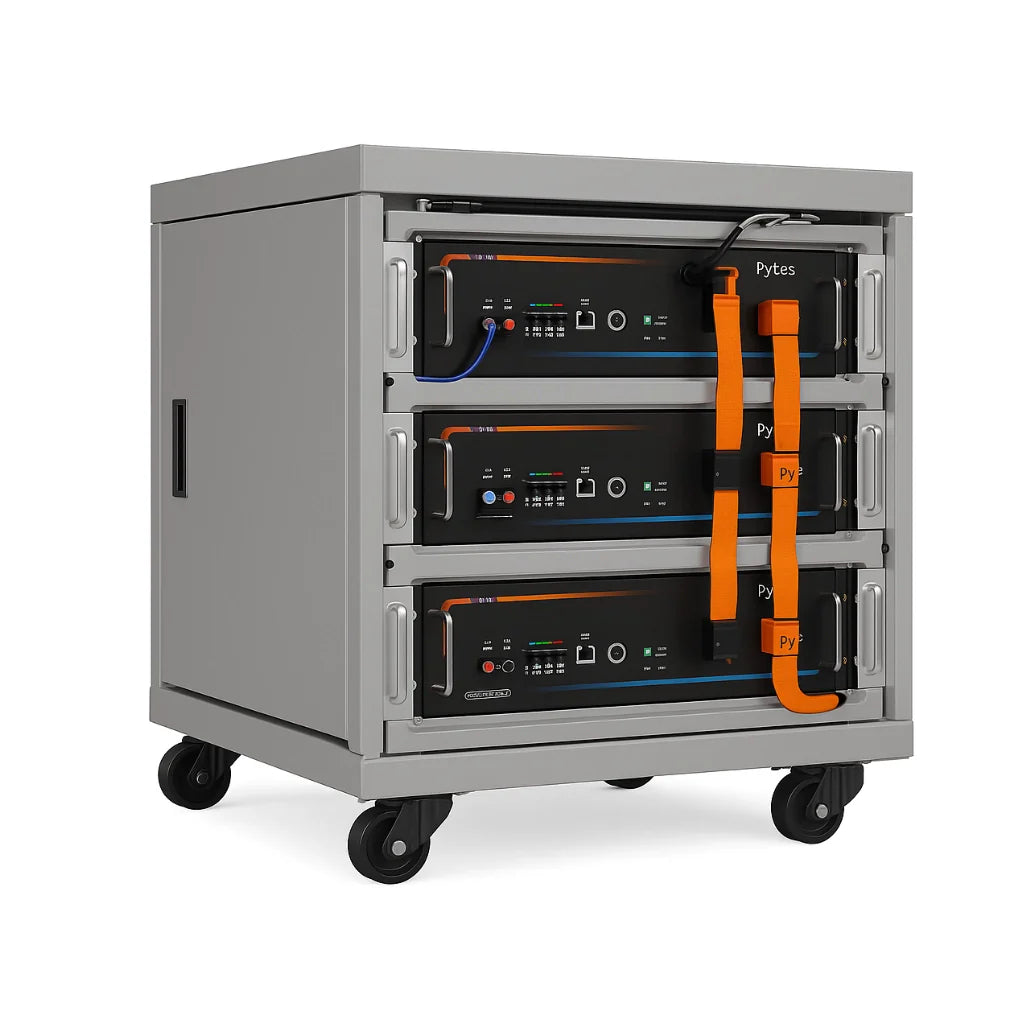
Lithium iron phosphate (LiFePO4) batteries are the correct choice for leisure vehicle energy storage in 2026. The performance gap over AGM (Absorbent Glass Mat) batteries is substantial and measurable.
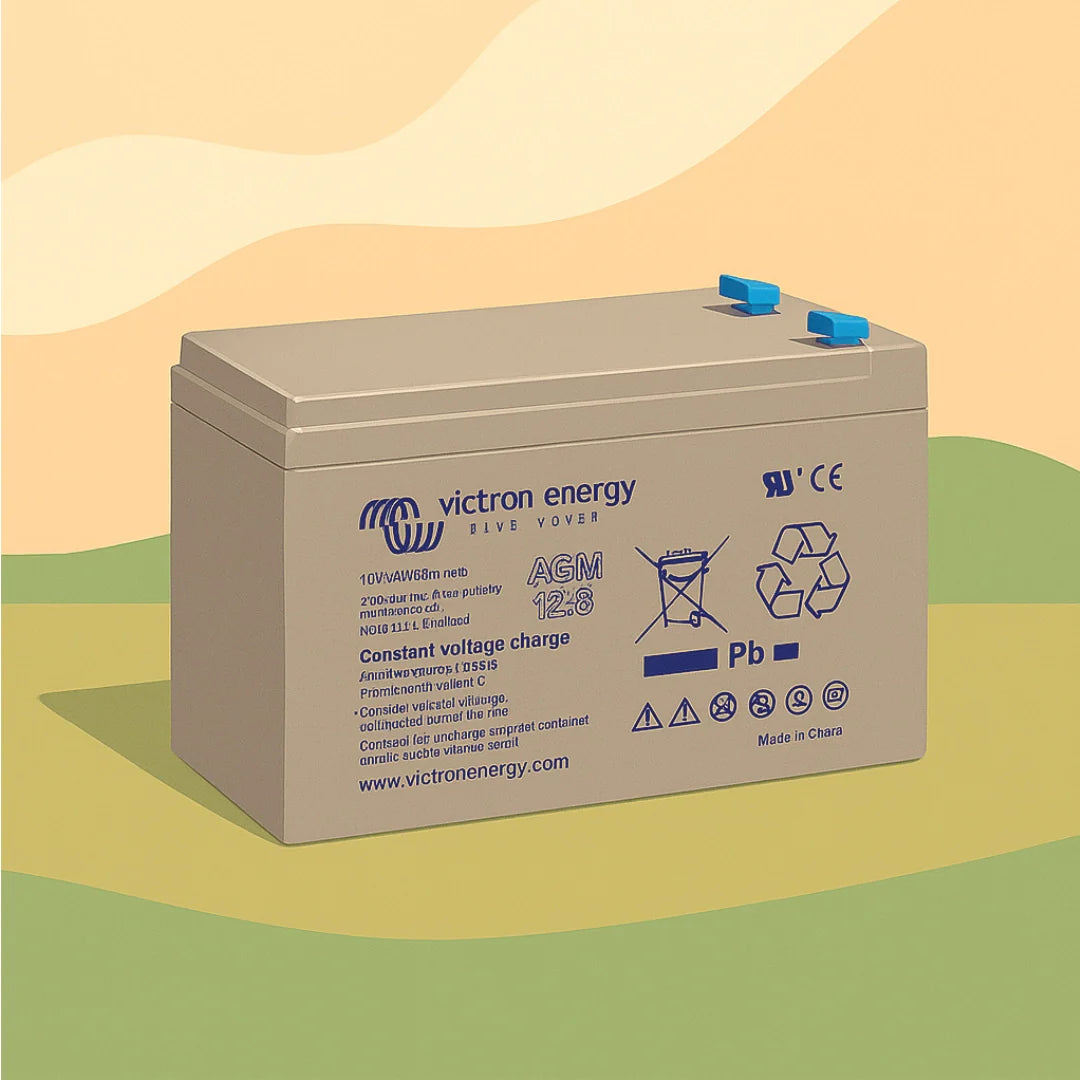
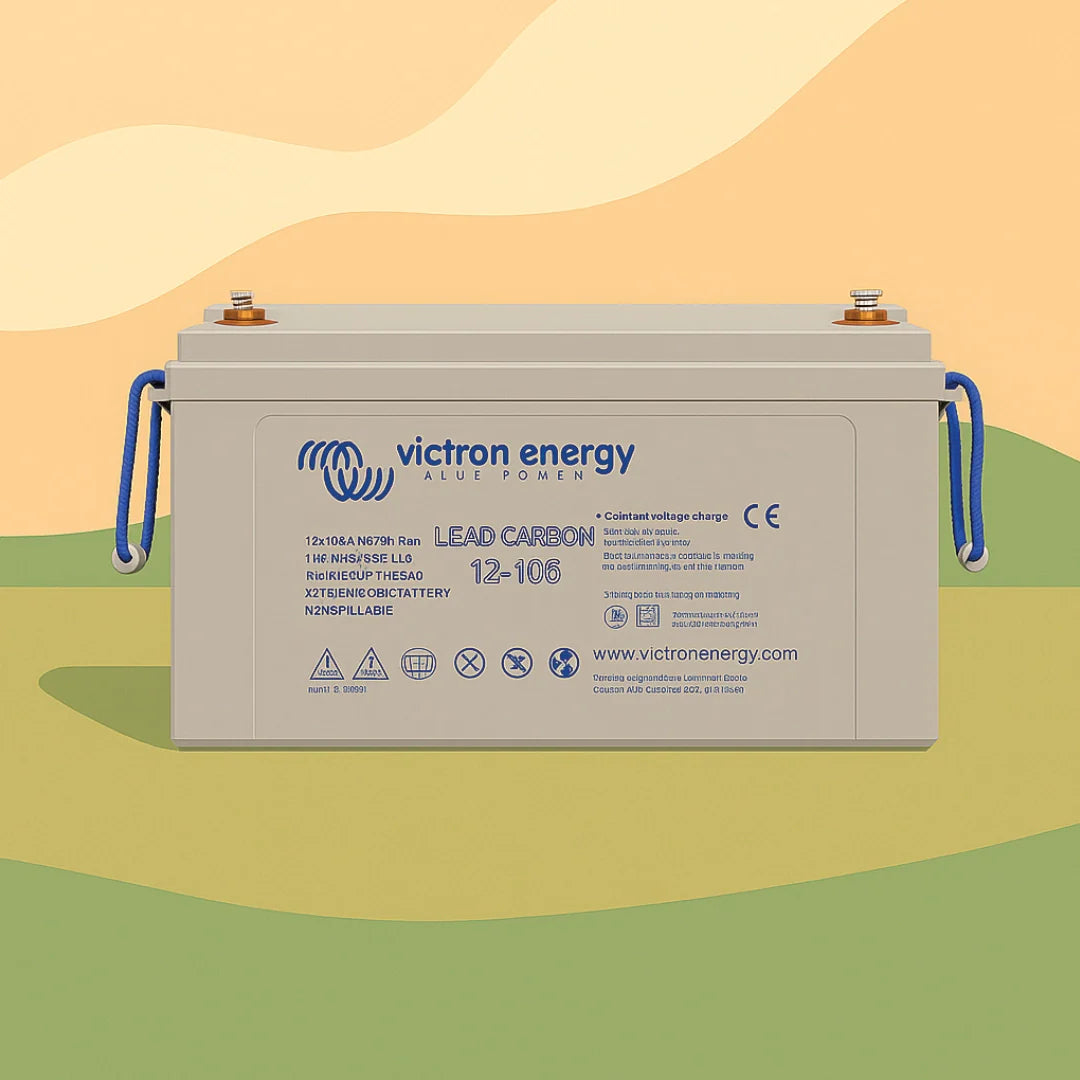
LiFePO4 batteries deliver 6,000+ charge cycles compared to 300–500 cycles for AGM. That means a lithium battery lasts ten to twenty times longer under regular use. LiFePO4 also offers around 80% usable capacity, while AGM degrades rapidly below 50% discharge. In practice, a 100Ah lithium battery gives you roughly 80Ah of usable power. A 100Ah AGM gives you closer to 50Ah before you risk shortening its life. For more on this, the Skyenergi article on lithium power for campervans explains the usable capacity difference clearly.
Sizing your battery bank
Start by calculating your daily energy consumption in amp-hours. Add up the draw of each appliance multiplied by the hours you run it. Then add a 30–50% buffer to account for overcast days and seasonal solar variation. This buffer is not optional. System sizing must include this buffer to maintain resilience when solar input drops in autumn and winter.
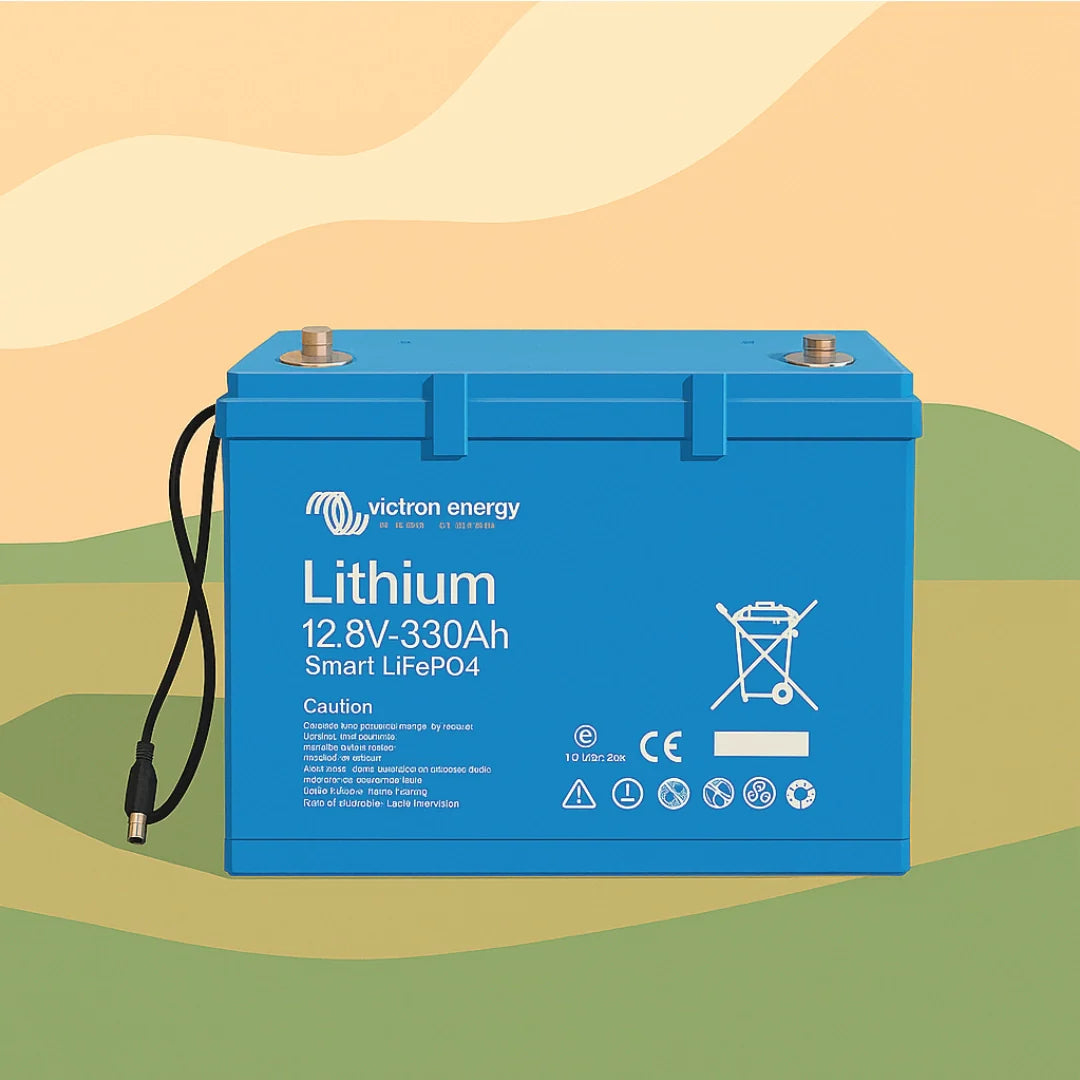
For weekend use, 100Ah LiFePO4 is the entry point. For extended touring, 150–200Ah is more appropriate. For full-time living or boats with high loads, 200Ah and above is the practical minimum. Skyenergi’s Core2 230Ah lithium battery includes Bluetooth monitoring and a built-in heat pad, which is particularly useful for UK winter use when battery performance in cold temperatures becomes a real concern.
Pro Tip: Never size your battery bank to exactly match your calculated daily consumption. Real-world use always exceeds estimates. Build in headroom from the start.
Why DC-DC chargers are essential for UK winter resilience
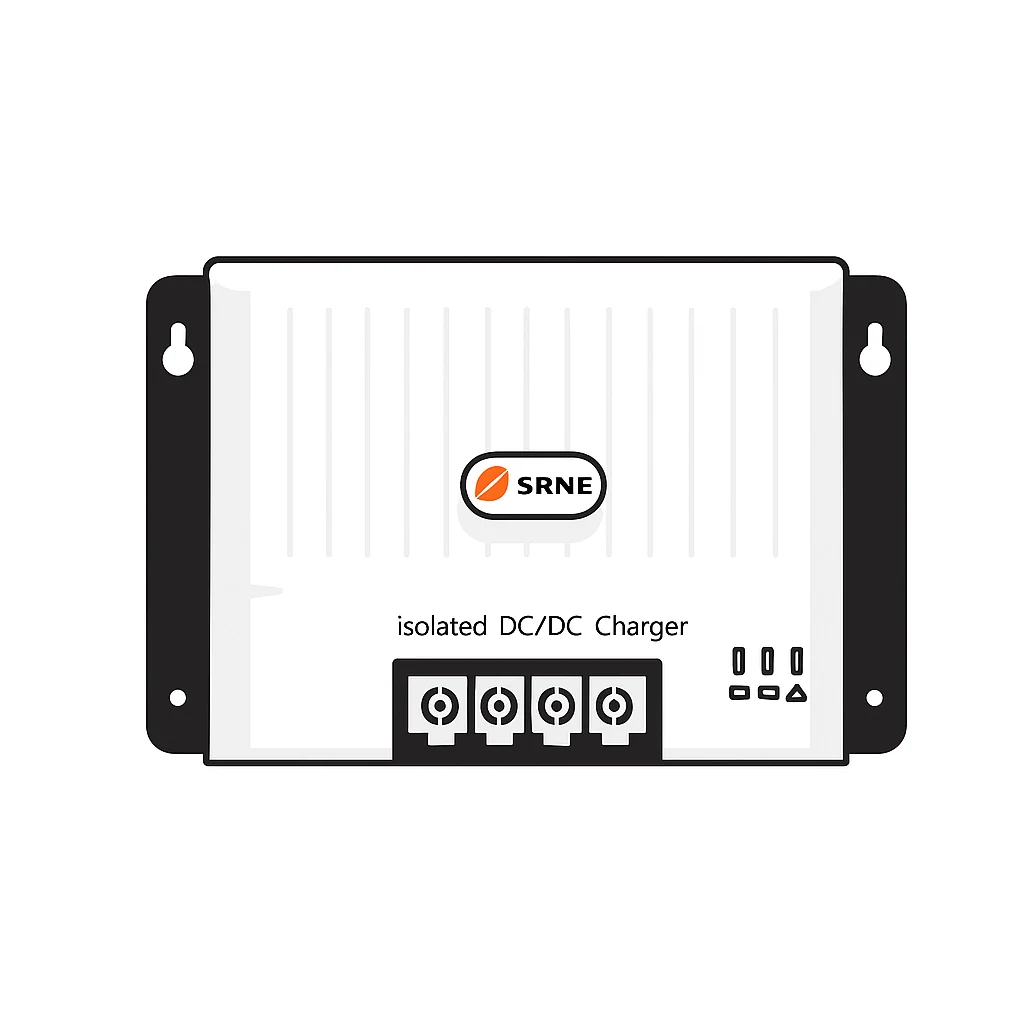
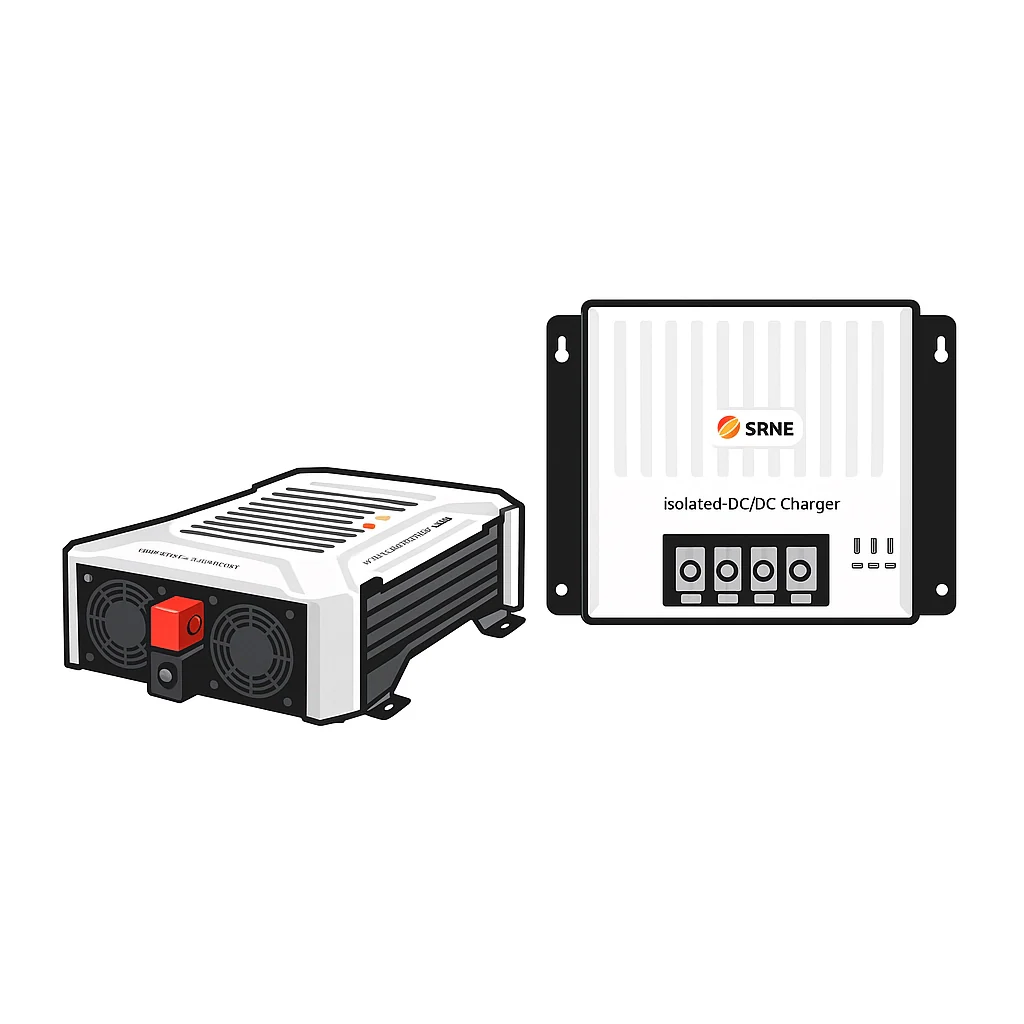
Solar output in the UK drops sharply from october through february. Even a well-sized panel array produces a fraction of its summer output on a typical overcast winter day. DC-DC chargers are essential for maintaining battery charge during these months. They use energy from the vehicle’s alternator while driving to top up the leisure battery bank.
The critical point most owners miss is this: modern vehicles use smart alternators. Smart alternators vary their output voltage to improve fuel efficiency. A traditional split-charge relay cannot handle variable voltage and will fail to charge the leisure battery correctly. Smart alternators require DC-DC chargers rather than split-charge relays for proper battery topping-up.
What DC-DC chargers deliver in practice
- Controlled, multi-stage charging that protects lithium battery health
- Compatibility with smart alternator voltage profiles
- Consistent charge regardless of alternator output fluctuation
- Supplementary charging that works alongside solar, not instead of it
Driving one hour daily with a 30A DC-DC charger can recharge a 100–200Ah lithium battery sufficiently for overnight use. That makes DC-DC charging the backbone of winter energy resilience for UK leisure vehicle owners who move regularly.
Pro Tip: Pair your DC-DC charger with a solar MPPT controller that has a shared battery connection. Both charge sources work simultaneously and the battery management system (BMS) coordinates them without conflict.
Practical tips for system integration and installation
A well-chosen set of components still fails if the installation is poor. Cabling, fusing, and weatherproofing are where most DIY systems develop problems. The following steps apply whether you are fitting a basic weekend setup or a full-time living system.
- Calculate cable sizing before purchasing. Undersized cable creates resistance, heat, and energy loss. Use a cable sizing calculator based on your maximum current draw and cable run length.
- Fuse every positive cable close to the source. A fuse protects the cable, not the appliance. Place it within 300mm of the battery terminal on every positive run.
- Weatherproof all roof penetrations. Use marine-grade cable entry glands and seal with self-amalgamating tape. Water ingress at cable entry points is the most common cause of corrosion faults.
- Mount panels with a minimum 10mm air gap. As noted above, this reduces panel temperature and improves efficiency. Use stainless steel fixings to prevent rust streaking on the roof.
- Label every circuit. A clear wiring diagram and labelled fuse board saves hours of fault-finding later. Photograph the installation before closing panels and walls.
- Install a battery monitor or BMS with Bluetooth. Real-time state-of-charge data prevents accidental over-discharge. Many Skyenergi lithium batteries include Bluetooth monitoring as standard, which removes the need for a separate shunt-based monitor.
For owners planning a full system build, the Skyenergi off-grid solar installation guide covers component sequencing and common wiring errors in detail.
Pro Tip: Run your solar cable from the roof to the charge controller in one continuous length where possible. Each join is a potential fault point and a source of resistance.
System sizing with a 30–50% buffer for seasonal variation is not just good practice. It is the difference between a system that performs in january and one that leaves you rationing power by november. Size for your worst-case month, not your best.
What off-grid energy resilience saves you in real terms
True energy resilience is not just power survival. It is the freedom to run appliances without constant monitoring or rationing, particularly through UK winters. That freedom has a measurable financial value as well.
A well-designed off-grid system saves £300–600 annually in campsite hook-up fees for frequent travellers. Over a three to five year period, those savings offset a significant portion of the system’s initial cost. The payback period shortens further for owners who wild camp regularly, where hook-up is simply not available.
Beyond cost, the lifestyle benefits are concrete:
- Wild camping in locations with no electrical infrastructure becomes viable
- No need to plan routes around campsites with hook-up availability
- Appliances like compressor fridges, CPAP machines, and induction hobs run without compromise
- Less time spent managing power budgets and more time enjoying the location
For owners managing energy across multiple trips and seasons, the energy management guide offers a useful framework for tracking consumption and adjusting system use across the year.
Key takeaways
Reliable off-grid power in a UK leisure vehicle requires correctly sized solar panels, LiFePO4 batteries, MPPT charge controllers, and a DC-DC charger working together as a system.
| Point | Details |
|---|---|
| MPPT over PWM | MPPT controllers recover 25–30% more energy in UK low-light conditions. |
| LiFePO4 battery life | LiFePO4 delivers 6,000+ cycles versus 300–500 for AGM, with 80% usable capacity. |
| DC-DC chargers in winter | A 30A DC-DC charger driven for one hour daily maintains a 100–200Ah lithium bank. |
| Size with a buffer | Add 30–50% to your calculated daily consumption to cover overcast days and winter. |
| Installation quality | Correct cabling, fusing, and weatherproofing determine long-term system reliability. |
What I have learned from building energy-resilient leisure vehicle systems
The owners who struggle most are the ones who buy components piecemeal without a system plan. They add a panel here, a battery there, and end up with mismatched parts that underperform. The ones who get it right treat the system as a whole from day one: solar generation, storage capacity, and alternator charging all sized to work together.
The UK climate is genuinely challenging for solar-dependent systems. I have seen well-intentioned 400W panel setups produce almost nothing for days at a stretch in january. The owners who stay comfortable through winter are the ones who invested in a quality DC-DC charger and sized their battery bank generously. Solar is the primary source in summer. The alternator is the backbone in winter. Both matter.
The other consistent mistake is skimping on the battery. A larger, higher-quality lithium battery with a proper BMS and Bluetooth monitoring pays for itself in peace of mind alone. You stop guessing about state of charge and start making informed decisions. For serious off-grid use, the Skyenergi Elite 304Ah and Elite 560Ah batteries represent the kind of capacity that genuinely removes power anxiety from the equation.
— John
Skyenergi lithium batteries for off-grid leisure vehicles
Skyenergi supplies lithium leisure batteries built for UK conditions, with features that directly address the challenges covered in this article.
The Core2 230Ah includes a built-in heat pad for cold-weather performance and Bluetooth monitoring for real-time state-of-charge data. For larger systems, the Elite 304Ah and Elite 560Ah batteries offer Victron Can-Bus compatibility, making them the correct choice for owners running Victron-based systems. All Skyenergi lithium batteries include an integrated BMS. Prices and full specifications are listed on each product page. Shop the full range at skyenergi.com.
FAQ
What is energy resilience for leisure vehicles?
Energy resilience for leisure vehicles is the ability to maintain reliable, independent power off-grid regardless of weather or season. It requires a correctly sized combination of solar panels, lithium batteries, MPPT charge controllers, and DC-DC chargers.
How much solar do I need for a motorhome in the UK?
A 200W panel with a 100Ah LiFePO4 battery covers most weekend use in UK summer. Full-time living requires 400–600W of solar and 200Ah or more of battery capacity.
Why do I need a DC-DC charger if I already have solar panels?
Solar output in UK autumn and winter is too low to maintain battery charge on its own. A DC-DC charger uses the vehicle’s alternator while driving to supplement solar input, which is essential for year-round energy resilience.
Are LiFePO4 batteries worth the higher upfront cost?
LiFePO4 batteries deliver 6,000+ charge cycles compared to 300–500 for AGM, with significantly higher usable capacity. The longer lifespan and lower replacement frequency make them less expensive over a five to ten year period.
What is the most common installation mistake to avoid?
Undersized cabling and missing fuses close to the battery are the most frequent causes of system failure and fire risk. Size cables for maximum current draw and fuse every positive run within 300mm of the battery terminal.
Recommended
Prev post

The role of DC-DC chargers in off-grid power systems
Updated on 11 July 2026
Next post

Grid connection application for battery storage: UK guide
Updated on 09 July 2026


