





Residential off-grid power tips for UK homeowners
Discover essential residential off-grid power tips for UK homeowners. Learn to size your system and manage energy needs for year-round power.
Residential off-grid power systems are defined as self-contained energy setups that generate, store, and distribute electricity without any connection to the National Grid. Getting these systems right requires precise sizing, correct component selection, and a clear understanding of UK winter conditions. A poorly sized system will fail between december and february, when peak sun hours drop to as little as 0.2–0.4 PSH on overcast days. These residential off-grid power tips cover every stage, from calculating your energy needs to selecting certified batteries and managing backup power, so your home stays powered year-round.
1. How to calculate your daily energy needs
Accurate load calculation is the foundation of any reliable off-grid energy solution. Start by listing every appliance in your home, its wattage, and the hours you use it each day. Multiply watts by hours to get watt-hours (Wh) per appliance, then sum the total for your daily demand figure.
Do not forget surge loads. Appliance surge loads can reach 3–6 times normal wattage temporarily when motors start. A fridge rated at 150W may draw 600–900W at startup. Your inverter and battery must handle that spike without tripping.
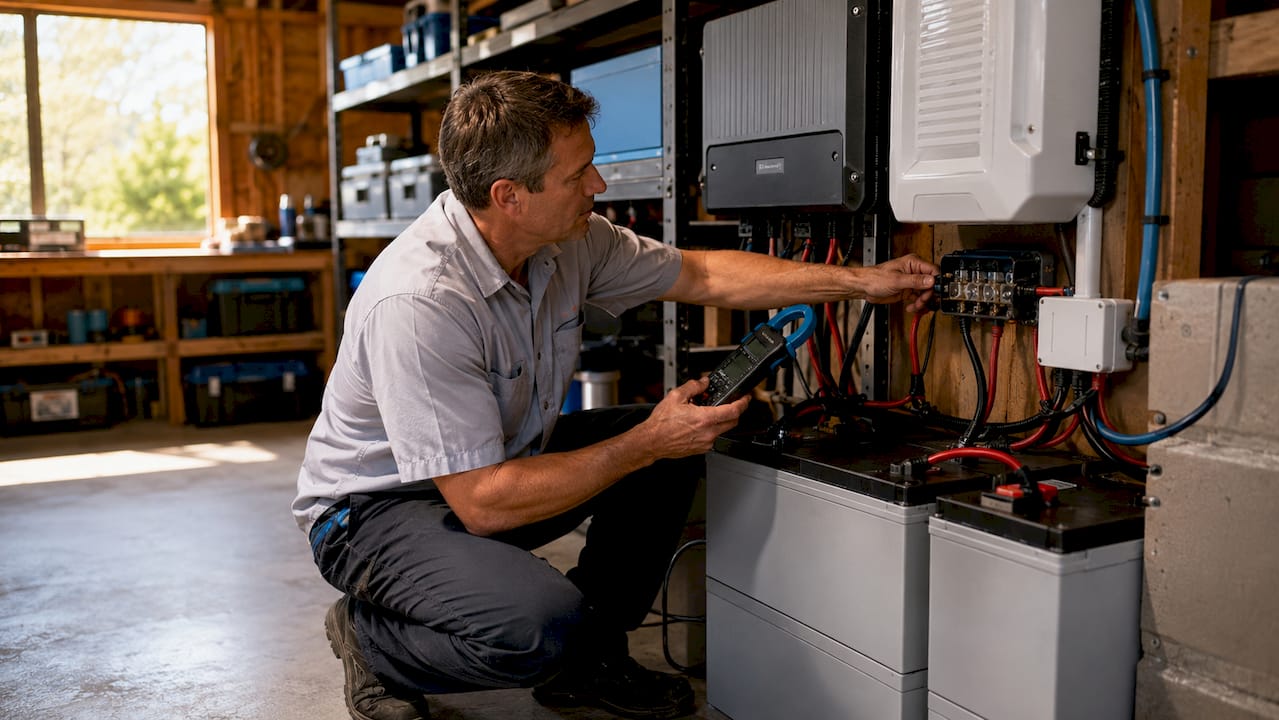
Add a 20–25% safety margin to your total daily demand. This accounts for system inefficiencies, cable losses, and unexpected usage spikes. Monitoring your actual consumption for two to four weeks before finalising your design produces far more accurate results than estimates alone.
Pro Tip: Use a plug-in energy monitor on each major appliance for one week. Real consumption data beats manufacturer ratings every time.
2. Sizing batteries for UK winter autonomy
Battery sizing for UK homes must be based on worst-month conditions, not annual averages. Systems designed on average annual solar generation fail in winter, causing blackouts for three to four months each year. Design for december and january, and the rest of the year takes care of itself.
UK installers recommend sizing for 2–3 days of battery autonomy using worst-month peak sun hours. For most UK homes, that means 3–5 days of usable storage capacity. A 4kW solar array generates only 2–4kWh per day in december, so a home consuming 8kWh daily needs at least 24–40kWh of usable battery capacity for that autonomy window.
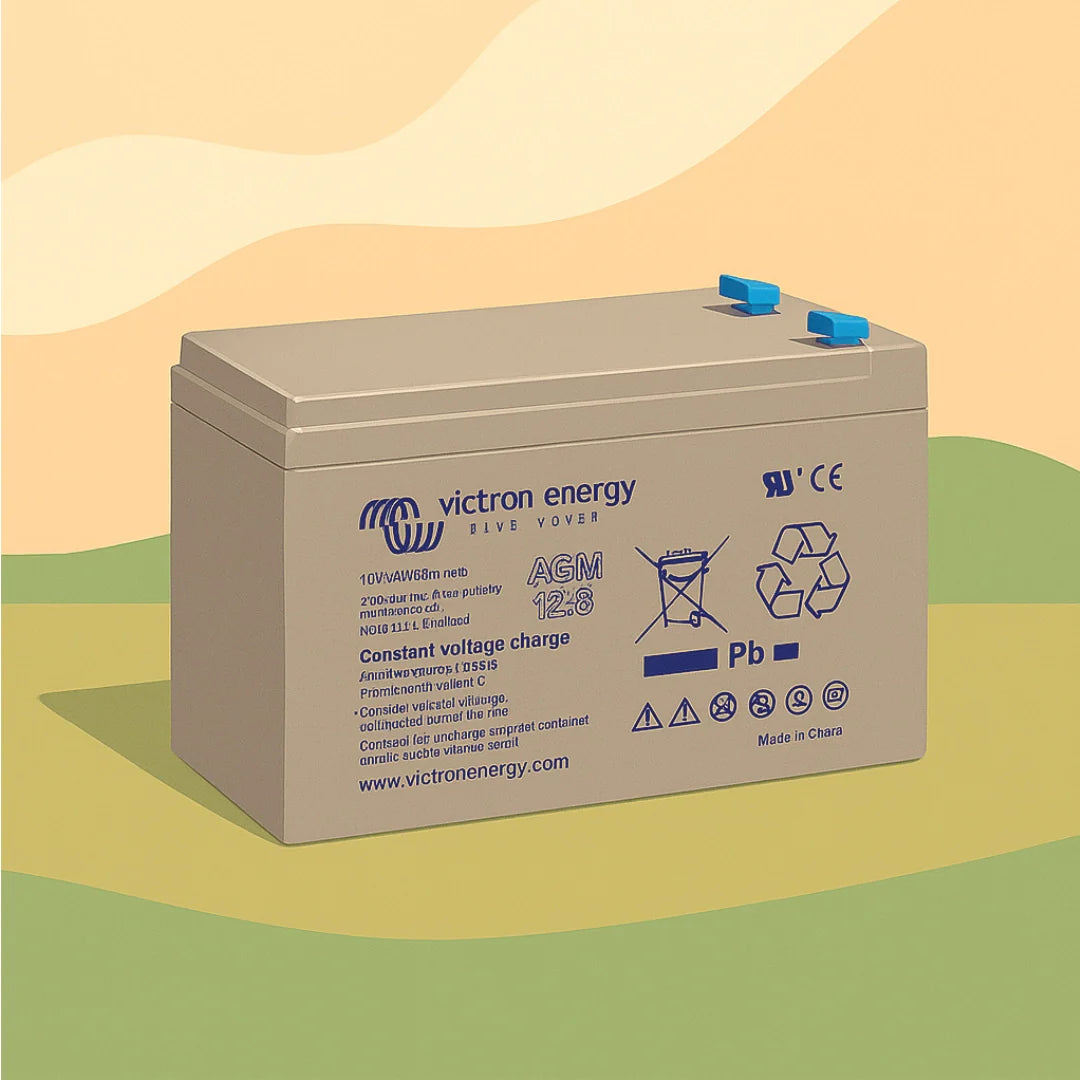
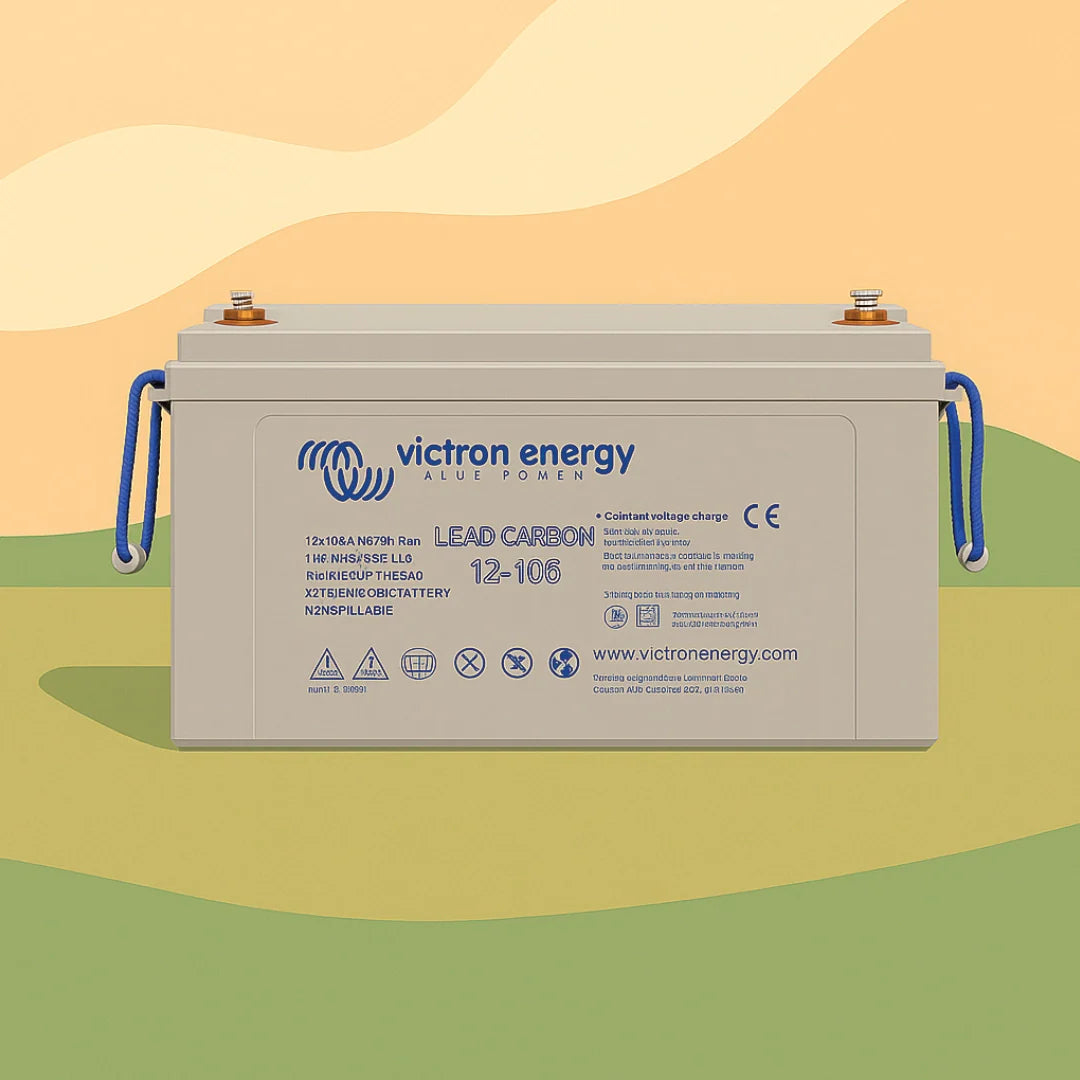
Depth of discharge (DoD) matters here. LiFePO4 lithium batteries support 80–100% DoD, while lead-acid batteries should not go below 50% DoD. That means a 100Ah lead-acid bank delivers half the usable capacity of a 100Ah lithium bank. The residential battery buying guide from Skyenergi explains how to translate these figures into a practical bank size for your home.
Pro Tip: Always calculate usable capacity, not total capacity. A 200Ah lithium battery at 80% DoD gives you 160Ah. A 200Ah lead-acid at 50% DoD gives you only 100Ah.
3. Solar panel orientation and tilt for UK conditions
Panel placement directly determines how much energy your system generates. South-facing roofs tilted at 30–40° produce 20–30% more energy than east or west orientations. That difference can determine whether your home is self-sufficient or permanently reliant on backup power.
Fixed roof mounts work well for most homes, but ground mounts offer a key advantage in winter. You can adjust the tilt angle seasonally, increasing it to 50–60° in winter to capture lower sun angles more effectively. This is particularly useful on properties with shading from trees or neighbouring buildings.
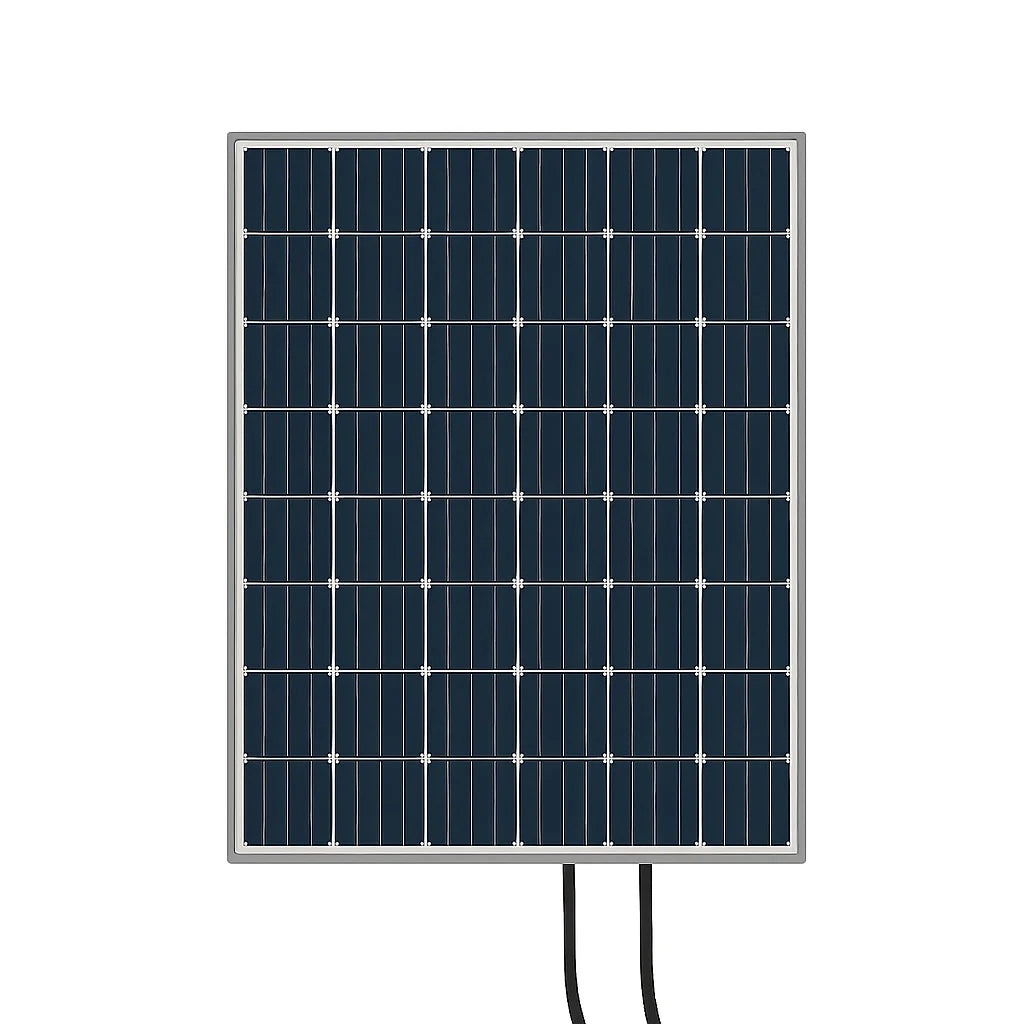
Understanding how a 360W panel performs in UK conditions helps you set realistic expectations for your array size. Panel output ratings are measured under Standard Test Conditions, which rarely match UK winter reality. Always derate your expected output by 15–25% for real-world UK performance.
4. Choosing the right MPPT controller and inverter
MPPT controllers increase harvested solar energy by 20–30% over PWM controllers, making them the correct choice for any UK off-grid system. PWM controllers waste potential energy by forcing the panel to operate at battery voltage. MPPT controllers track the panel’s maximum power point continuously, extracting more energy even in low-light conditions.
Inverter sizing requires matching both continuous and surge ratings to your load profile. Surge loads can draw 3–6 times running power from fridges, pumps, and power tools. An inverter rated at 2kW continuous may need to handle 6kW surge for a fraction of a second. Size your inverter to cover peak simultaneous load plus at least 20% headroom.
Pure sine wave inverters are the only appropriate choice for sensitive electronics, variable-speed motors, and medical equipment. Modified sine wave inverters cost less but damage certain appliances and reduce motor efficiency. The Victron Energy Solar Home System 200 MPPT pairs a quality MPPT controller with a reliable inverter configuration suited to UK residential use.
Pro Tip: Check the surge rating on your inverter datasheet, not just the continuous rating. Many budget inverters list only continuous wattage, which tells you nothing about motor start capability.
5. Selecting the right battery technology
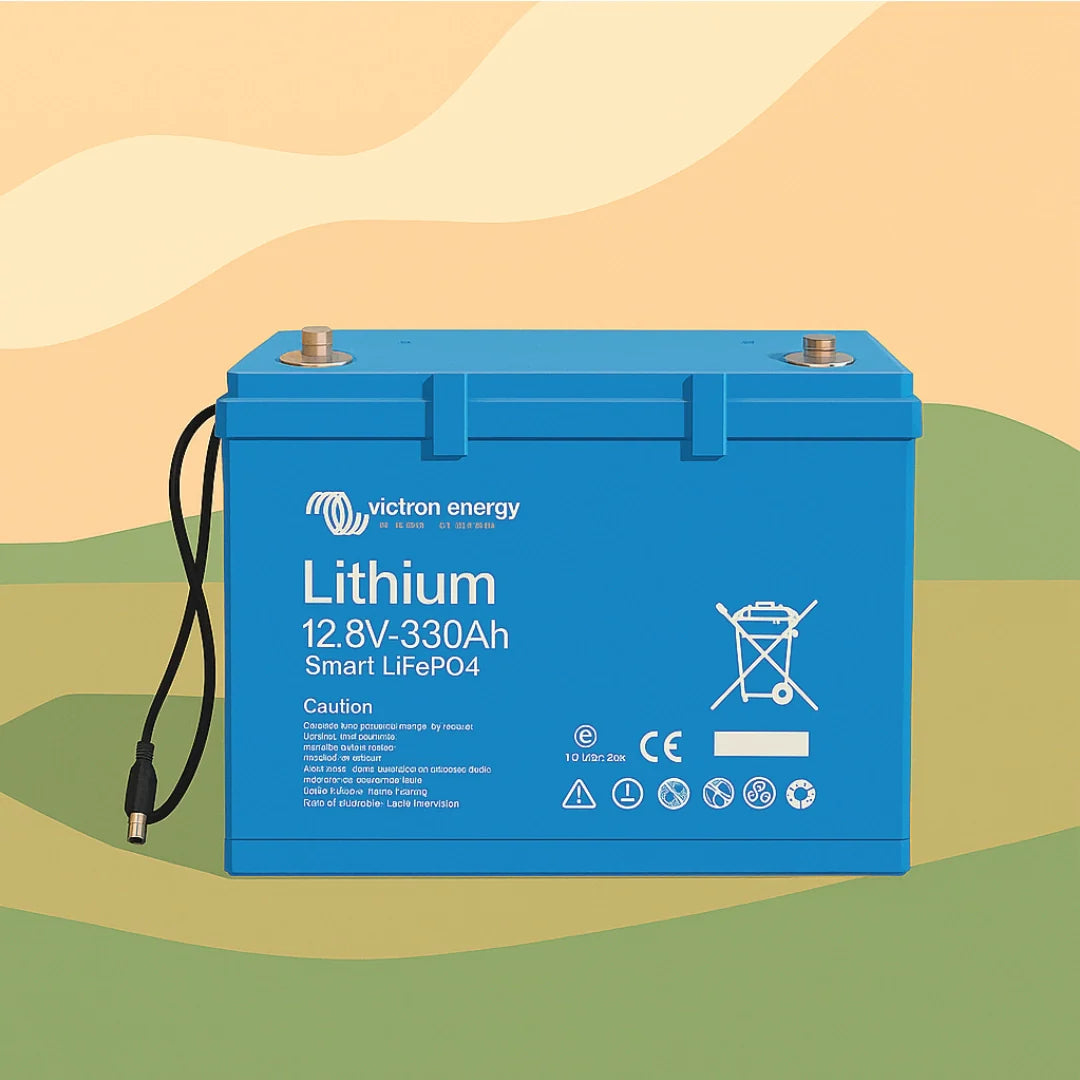
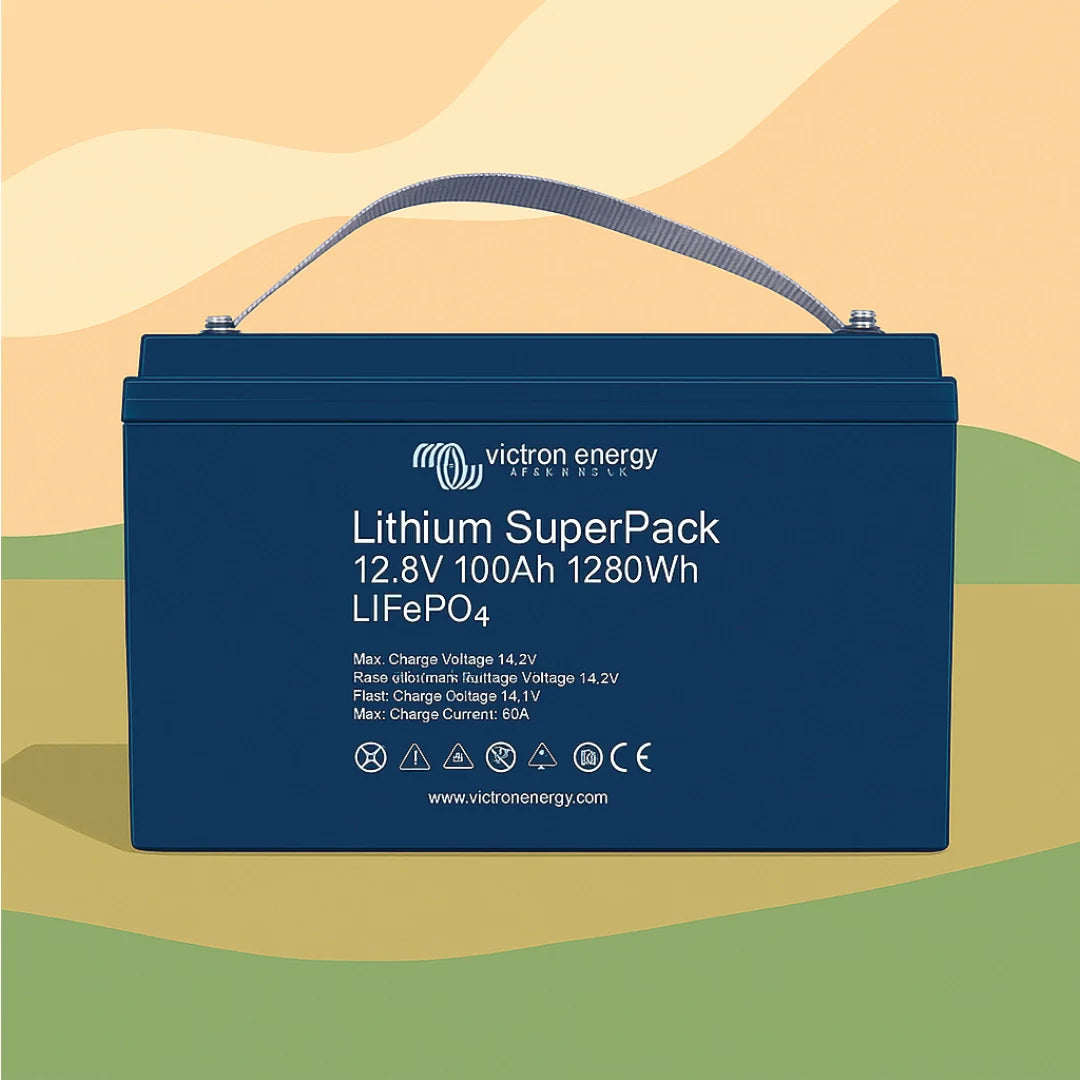
LiFePO4 lithium batteries are the best choice for residential off-grid use in the UK. They offer higher usable capacity, longer cycle life, and better performance in partial state-of-charge conditions than lead-acid alternatives. A quality LiFePO4 battery delivers 2,000–5,000 charge cycles compared to 300–500 cycles for flooded lead-acid.
Safety compliance is non-negotiable. Lithium-ion batteries must comply with BS EN 62619 to meet UK thermal safety and compatibility requirements. Proper earthing, DC-rated protection devices, and correct installation clearances are all mandatory under this standard.
Cold weather performance is a critical consideration that many homeowners overlook. Charging LiFePO4 batteries below 0°C causes permanent damage to the cell structure. Batteries installed in unheated outbuildings or garages need either a heated enclosure or a self-heated battery management system (BMS) to operate safely through UK winters.
The benefits of lithium batteries for off-grid living are well documented, but the installation location matters as much as the chemistry. Garages and utility rooms are common installation sites, provided they meet fire compartmentation and ventilation requirements.
6. Battery installation safety and fire compliance
Lithium-ion batteries present thermal runaway risk, requiring installation in fire-secure locations with strict adherence to clearance, ventilation, and signage requirements. This is not optional guidance. It is a legal requirement under UK building regulations and the relevant British Standards.
Install batteries in a dedicated, ventilated enclosure away from living spaces where possible. Maintain manufacturer-specified clearances on all sides. Fit appropriate DC-rated fusing and isolation switches within reach of the battery terminals. Display required hazard signage on the enclosure door.
A step-by-step guide to compliant solar installation covers the protective components and certification requirements that apply to the full system, including panels, wiring, and storage. Compliance at installation protects your home, your insurance, and your safety.
7. Reducing your home’s energy demand
Load reduction is the most cost-effective improvement you can make to any off-grid system. Every watt-hour you eliminate from your daily demand reduces the size and cost of your solar array and battery bank. Start with the highest-consumption appliances first.
Switching from electric heating to a heat pump or wood burner reduces energy demand by 30–50% in off-grid homes. That single change can halve your required battery capacity. LED lighting, A+++ rated appliances, and cold-fill washing machines all contribute meaningful reductions.
Practical load management also means scheduling high-demand tasks during peak solar hours. Run the washing machine, dishwasher, and any power tools between 10AM and 2PM when generation is highest. Avoid stacking multiple high-draw appliances simultaneously to prevent inverter overload.
8. Integrating backup generator power
Most UK off-grid homes need a backup generator for extended sunless periods. Generator costs typically range from £500 to £2,000 for a unit capable of supporting a residential system. A petrol or diesel generator sized to charge your battery bank and run essential loads simultaneously is the standard approach.
Size your generator to cover your critical daily load plus battery charging current. A 3–5kVA generator suits most homes with a 10–20kWh battery bank. Diesel generators are more fuel-efficient for extended run times, while petrol units cost less upfront and suit occasional use.
Generator installation must comply with UK planning laws. Planning permission is required for residential dwellings on rural land under the Town and Country Planning Act 1990, with no off-grid exemptions. Permanent generator housing structures typically require consent. Check with your local planning authority before installing any fixed structure.
9. Monitoring and maintaining your system
Continuous monitoring is what separates a reliable off-grid system from one that fails without warning. A battery monitor or energy meter shows state of charge, daily generation, and consumption in real time. Many modern BMS units include Bluetooth connectivity, allowing you to check system health from a smartphone.
Review your generation and consumption data weekly during the first winter season. This reveals patterns you cannot predict at design stage, such as unexpected overnight loads or generation shortfalls on overcast weeks. Adjust your usage habits before the battery reaches a critically low state of charge.
Follow a structured lithium battery maintenance workflow to maximise battery lifespan. Check terminal connections for corrosion every six months. Verify that BMS protection settings remain correctly configured after any firmware update. Log cycle counts and capacity tests annually to track degradation over time.
Key takeaways
Reliable residential off-grid power requires worst-month sizing, LiFePO4 batteries compliant with BS EN 62619, south-facing panels at 30–40°, MPPT controllers, and a correctly rated pure sine wave inverter.
| Point | Details |
|---|---|
| Size for winter, not averages | Design your battery and solar array for december/january PSH to avoid winter blackouts. |
| Use LiFePO4 batteries | Lithium iron phosphate offers higher DoD, longer cycle life, and safer operation than lead-acid. |
| MPPT over PWM | MPPT controllers harvest 20–30% more energy, critical for low-light UK conditions. |
| Reduce load first | Switching to a heat pump or wood burner cuts energy demand by 30–50% before any panel is fitted. |
| Comply with BS EN 62619 | Battery installations must meet UK thermal safety standards, including fire compartmentation and ventilation. |
Why winter sizing is the decision that matters most
The single biggest mistake I see in residential off-grid setups is designing for average conditions. Homeowners look at annual solar yield figures, pick a battery size that covers a typical day, and assume the system will cope. It does not cope. December arrives, generation collapses, and the battery is flat within two days.
The uncomfortable truth is that a correctly sized off-grid system looks oversized for nine months of the year. Your battery bank will rarely drop below 60% state of charge in summer. That is not waste. That is the margin that keeps your home powered through a week of grey january skies.
I have also seen homeowners underestimate the importance of certified components. A battery that does not meet BS EN 62619, or an inverter without a proper surge rating, will fail at the worst possible moment. The upfront saving is never worth the replacement cost or the safety risk.
Monitoring is the habit that most people skip and then regret. A basic battery monitor costs very little relative to the system. It tells you exactly what is happening, so you can act before a problem becomes a crisis. Install one, check it regularly, and treat the data seriously.
— John
Skyenergi’s off-grid system bundles for UK homes
Skyenergi supplies complete off-grid power kits built around Victron Energy components and high-performance lithium batteries, sourced directly from manufacturers for competitive pricing.
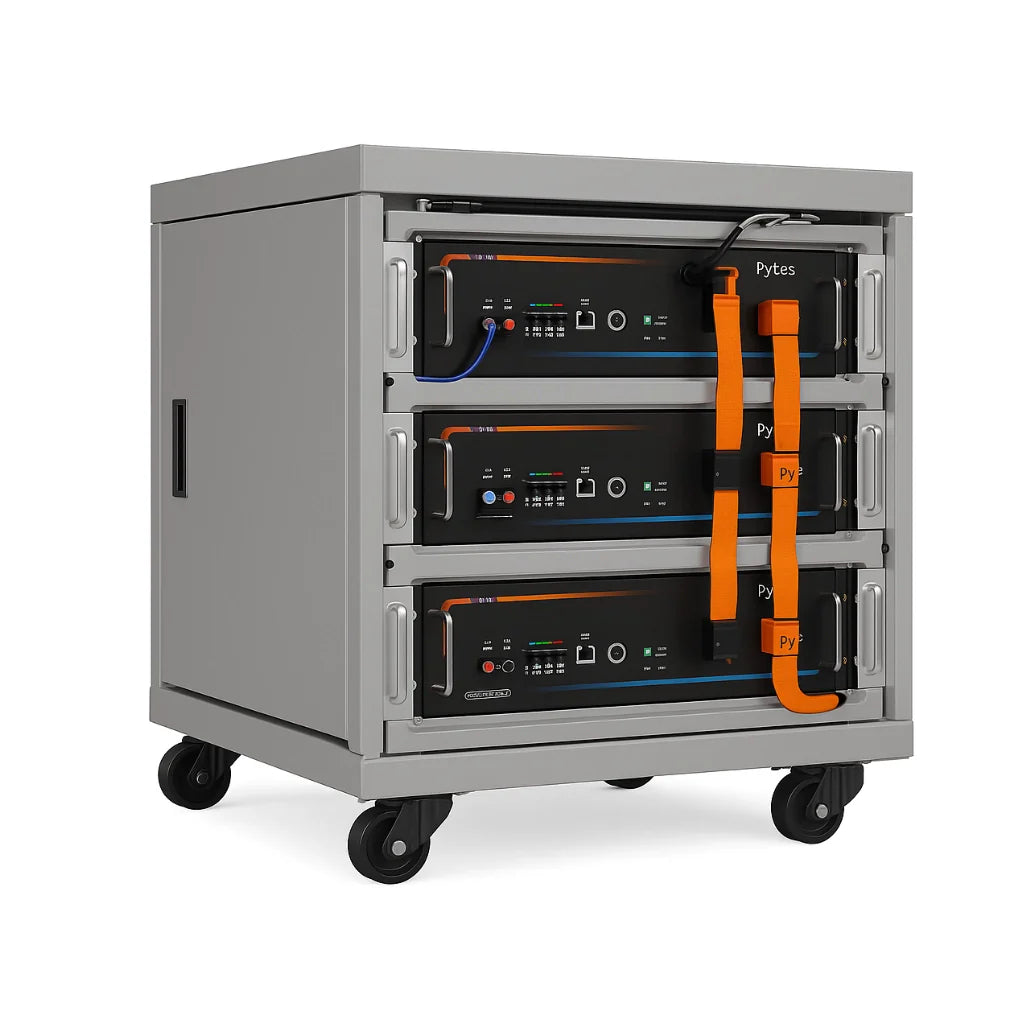
The Victron 370W panel with 2kW inverter and 230Ah lithium battery is a complete kit covering panels, inverter, SRNE charge controller, and a battery shunt for accurate monitoring. For homeowners who want integrated MPPT from the outset, the Victron 370W panel with 40A MPPT controller pairs a quality solar array with a 230Ah lithium bank and full system monitoring. Both kits are sized for UK residential use and include the components needed to build a compliant, reliable off-grid setup.
FAQ
What size battery bank does a UK off-grid home need?
Most UK off-grid homes need 10–40kWh of usable battery storage, depending on daily consumption and the number of autonomy days required. Size for worst-month conditions using december peak sun hours, not annual averages.
Do I need planning permission to go off-grid in the UK?
Planning permission is required for residential dwellings on rural land under the Town and Country Planning Act 1990. There are no off-grid exemptions, so check with your local planning authority before building any permanent structures.
What is the difference between MPPT and PWM solar controllers?
MPPT controllers harvest 20–30% more energy than PWM controllers by tracking the panel’s maximum power point continuously. PWM controllers force the panel to operate at battery voltage, wasting available generation, particularly in low-light UK conditions.
Are lithium batteries safe for home installation?
LiFePO4 lithium batteries are safe when installed correctly and in compliance with BS EN 62619. Installations require fire compartmentation, correct ventilation, DC-rated protection, and proper clearances to mitigate thermal runaway risk.
How do I prevent my battery from failing in cold weather?
Charging LiFePO4 batteries below 0°C causes permanent cell damage. Install batteries in a heated enclosure or choose a battery with a self-heating BMS to maintain safe operating temperature through UK winters.
Recommended
Prev post

What is balanced charging for batteries?
Updated on 13 July 2026
Next post

The role of DC-DC chargers in off-grid power systems
Updated on 11 July 2026


