





Marine Battery Systems Explained: Powering Off-Grid Adventures
Marine battery systems explained: differences between lithium and AGM, system design essentials, safety, maintenance, and real-world marine use.
Most British leisure vehicle owners know the frustration when a dwindling battery cuts a weekend trip short. Reliable marine battery systems are crucial for those wanting off-grid comfort and dependable power, whether trekking through the Scottish Highlands in a campervan or cruising English waterways by boat. With advanced technology now delivering up to 30 percent lower carbon emissions, understanding marine battery systems means fewer worries and greater freedom while exploring the British outdoors.
Table of Contents
- What Defines A Marine Battery System
- Types Of Marine Batteries Compared
- How Marine Battery Systems Operate
- Essential Components And Integration
- Safety, Lifespan, And Cost Factors
Key Takeaways
| Point | Details |
|---|---|
| Marine Battery System Purpose | Marine battery systems are essential for reliable power in waterborne vehicles, enabling navigation and propulsion functionalities while supporting environmental sustainability through reduced emissions. |
| Battery Types and Performance | Marine battery technologies vary significantly, with Lithium-Ion batteries offering superior energy density and lower weight compared to traditional Lead-Acid batteries, making them increasingly popular in the maritime sector. |
| Operational Mechanics | Advanced systems implement effective energy storage and management, utilising Battery Management Systems to optimise energy flow, ensuring operational efficiency and performance even in harsh marine environments. |
| Safety and Economic Factors | Evaluating marine battery systems involves balancing safety features, operational lifespan, and cost-effectiveness to enhance sustainability and long-term value for boat owners. |
What Defines A Marine Battery System
A marine battery system represents a sophisticated energy storage and management infrastructure designed specifically for waterborne vehicles and vessels. These systems are engineered to provide reliable electrical power across diverse maritime environments, supporting critical functions from navigation equipment to propulsion mechanisms. Advanced battery technologies from the maritime sector have transformed how boats and marine craft generate, store, and utilise electrical energy.
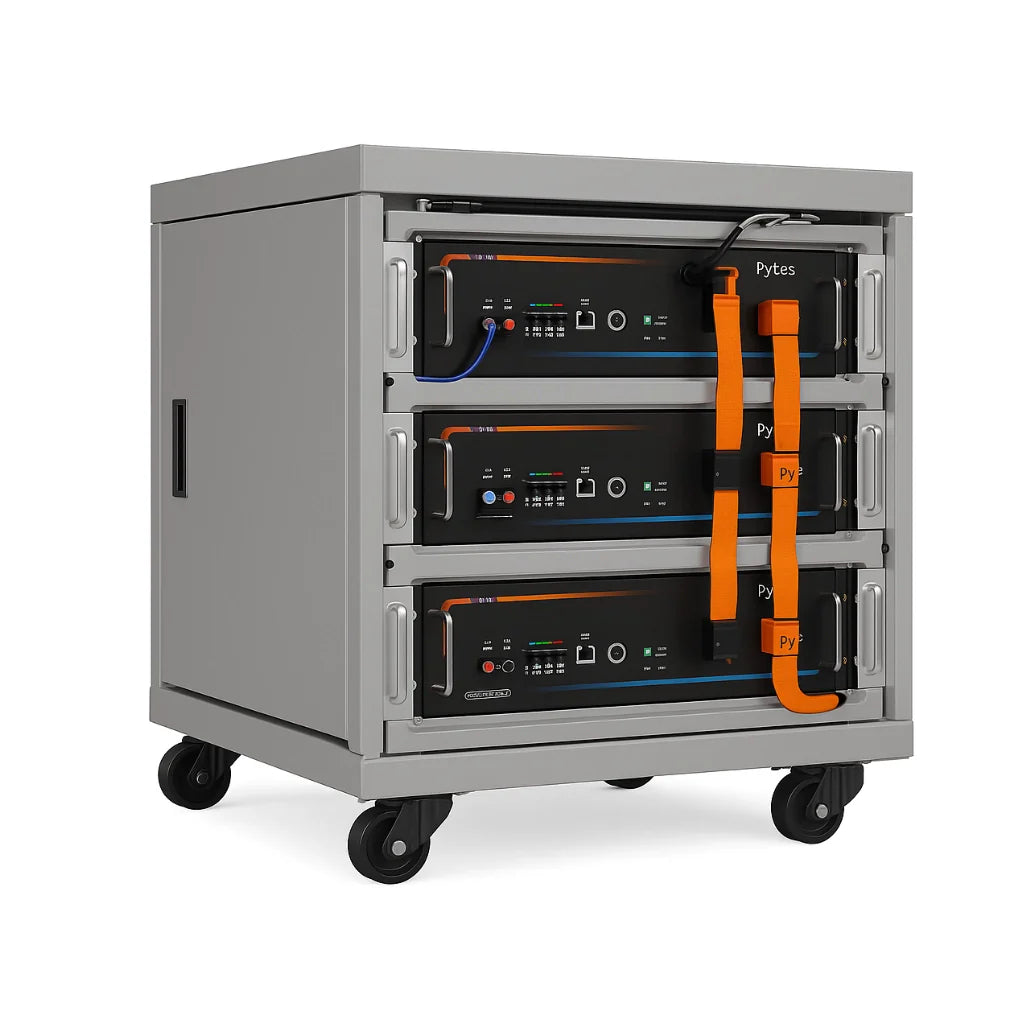
Typically, marine battery systems encompass multiple interconnected components that work harmoniously to deliver consistent power. These include deep cycle batteries, battery management systems, charging controllers, inverters, and distribution panels. Unlike automotive or residential battery setups, marine systems must withstand extreme conditions such as constant vibration, moisture exposure, temperature fluctuations, and potential salt water corrosion. The robust design ensures electrical reliability in challenging nautical settings.
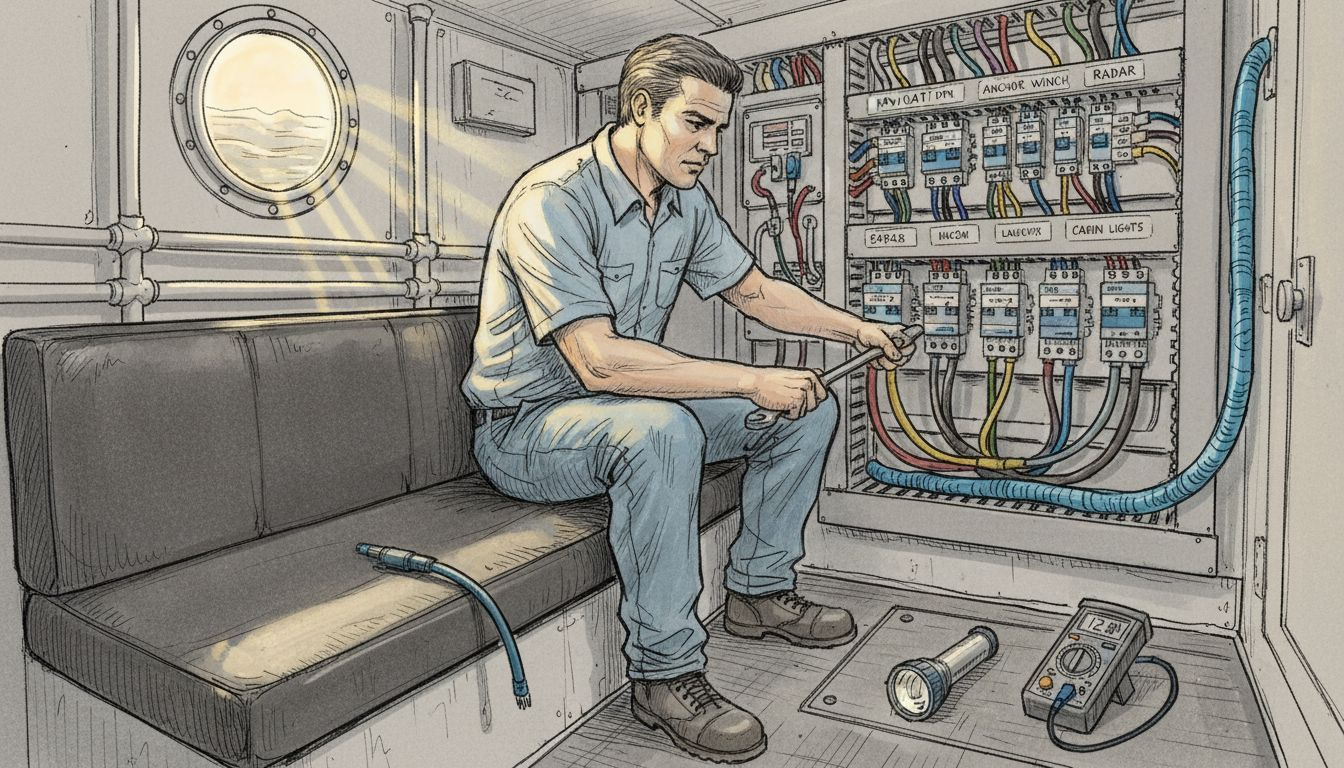
The primary functions of marine battery systems extend beyond mere power storage. They enable electrical independence for leisure boats, support critical navigation equipment, power onboard electronics, and in some advanced configurations, provide propulsion energy. University College London research highlights how modern marine battery systems contribute significantly to reducing carbon emissions, particularly in smaller vessels where full electrification becomes increasingly practical.
Pro Tip: When selecting a marine battery system, always prioritise systems with comprehensive waterproofing, corrosion resistance, and integrated battery management to ensure long-term reliability and performance.
Types Of Marine Batteries Compared
Marine battery technologies have evolved significantly, offering diverse options for powering waterborne vessels. Comprehensive electrochemical comparisons reveal distinct performance characteristics across different battery types, enabling boat owners to select the most appropriate power solution for their specific maritime requirements.
The primary marine battery categories include:
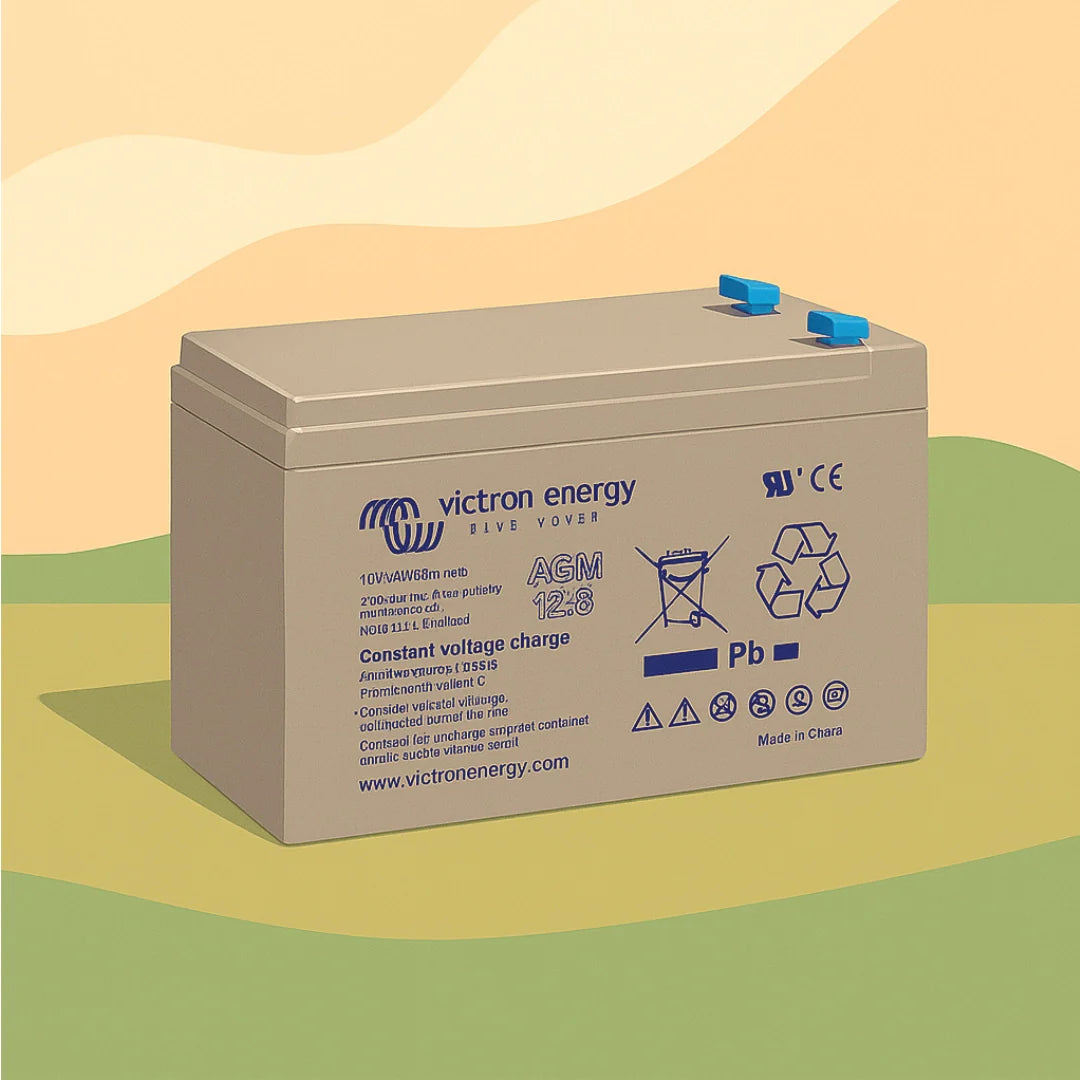
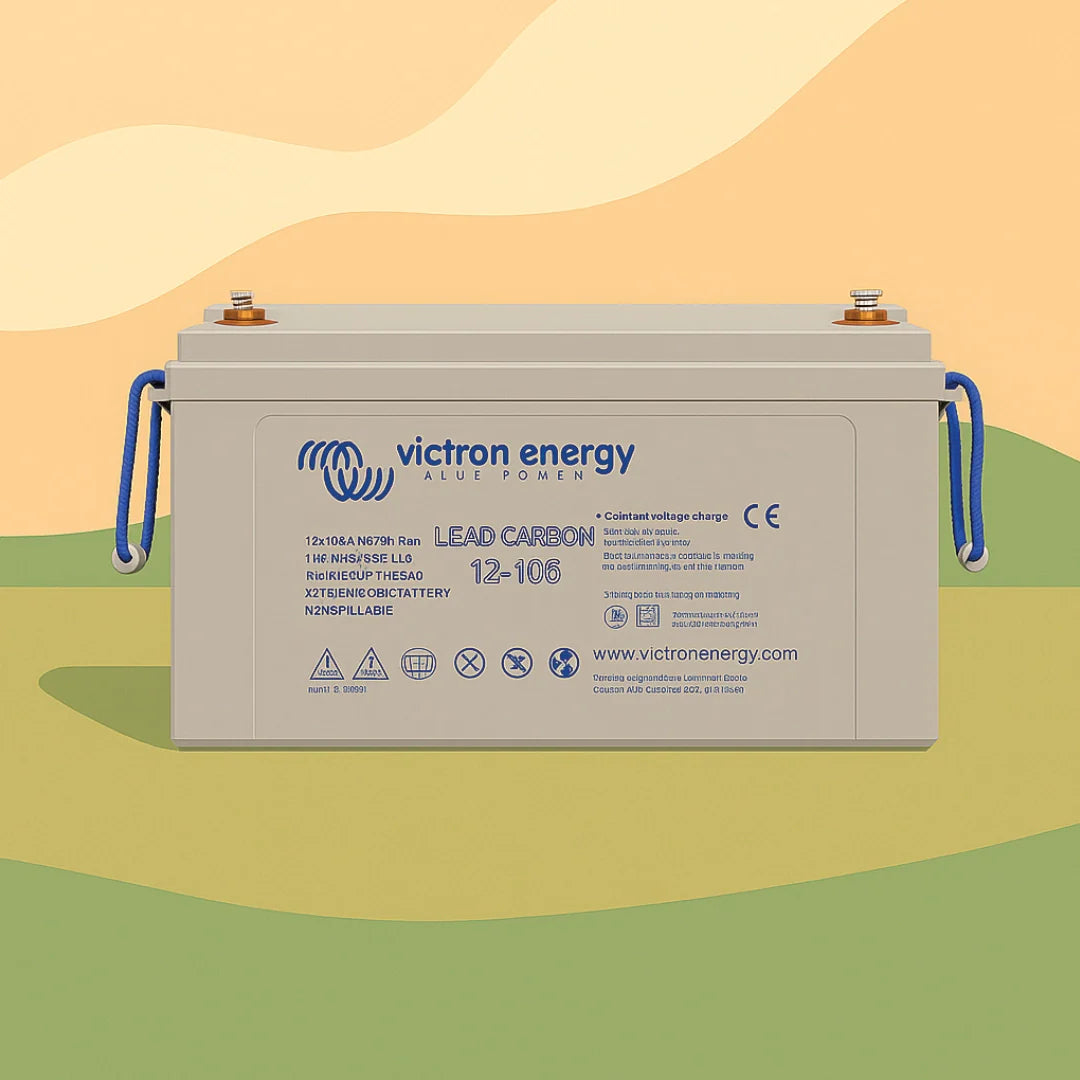
- Lead-Acid Batteries: Traditional, cost-effective, but limited in performance
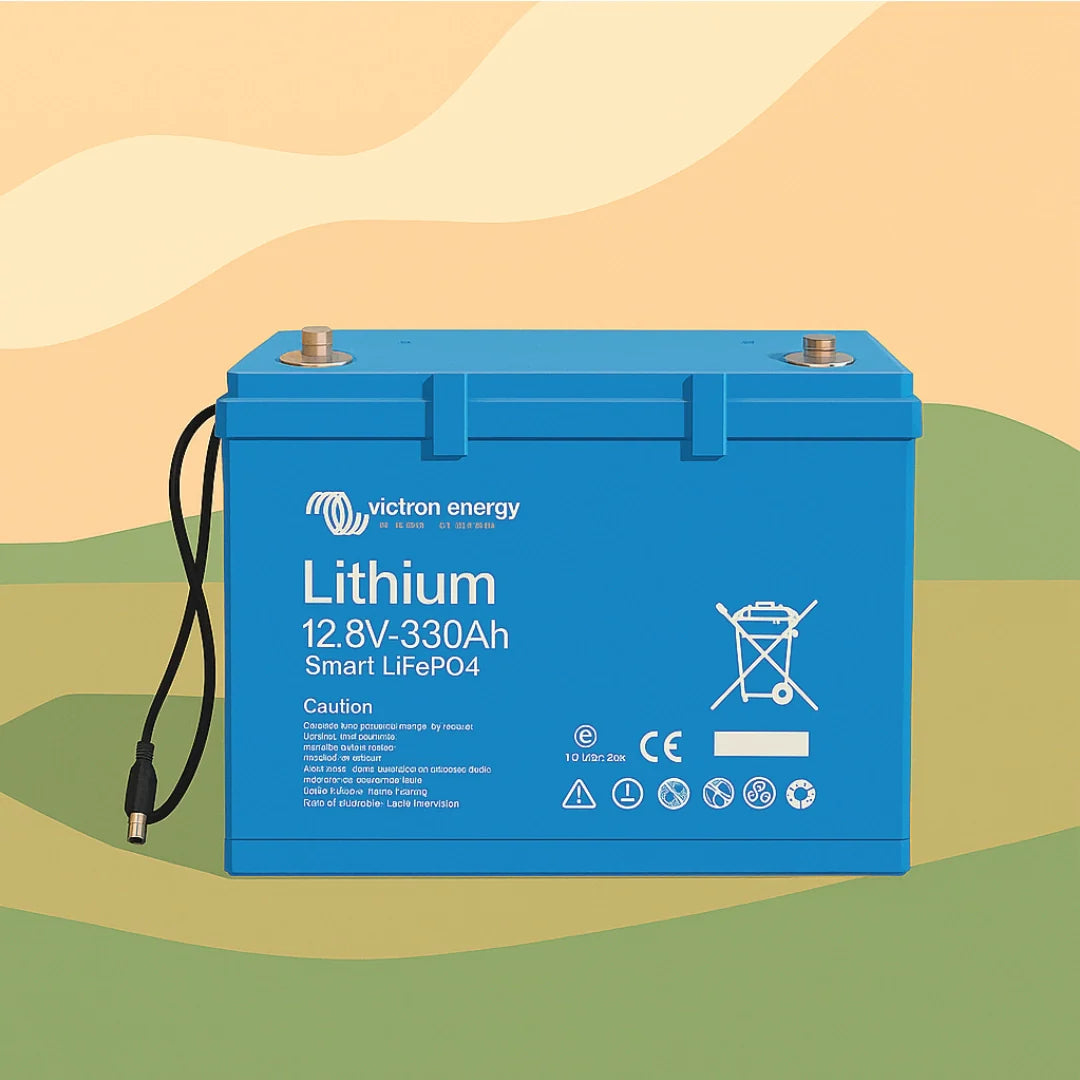
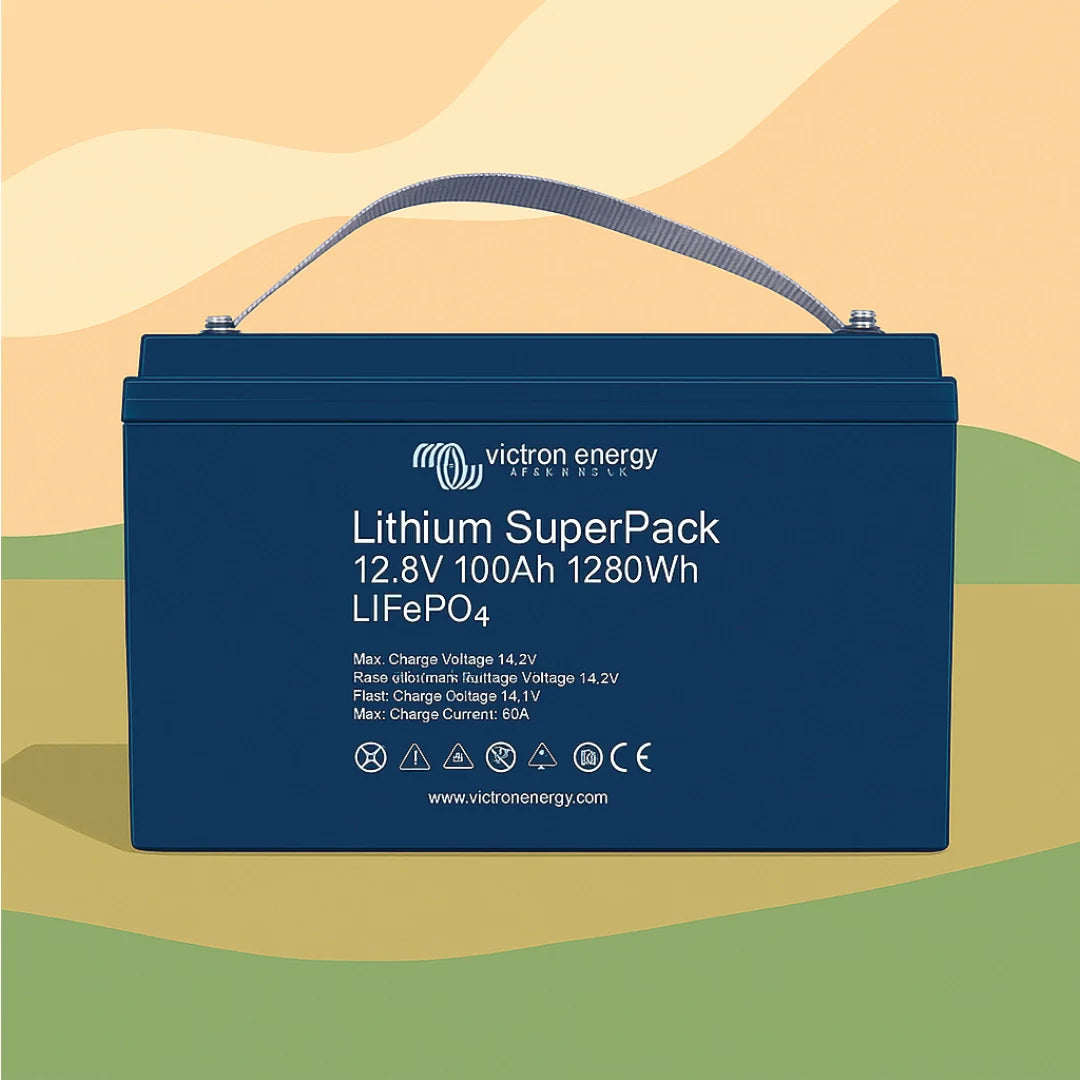
- Lithium-Ion Batteries: High energy density, lightweight, faster charging
- Nickel-Cadmium Batteries: Robust, long-lasting, but environmentally challenging
- Silver-Zinc Batteries: Specialised high-performance options for specific applications
Emerging maritime battery technologies showcase significant advancements in energy storage capabilities, with lithium-ion batteries increasingly dominating marine applications. These batteries offer superior energy density, longer lifecycle, and reduced weight compared to traditional lead-acid counterparts. The transition reflects the maritime sector’s commitment to more efficient, sustainable power solutions, particularly for smaller vessels and recreational watercraft.
Each battery type presents unique advantages and limitations. Lead-acid batteries remain economical but suffer from shorter lifespans and slower charging, while lithium-ion batteries provide exceptional performance with faster charging, higher energy efficiency, and significantly reduced weight. Specialised marine environments demand batteries capable of withstanding constant vibration, temperature variations, and potential moisture exposure.
Here is a comparison of common marine battery types and their practical implications:
| Battery Type | Weight Impact on Vessel | Maintenance Demands | Environmental Suitability |
|---|---|---|---|
| Lead-Acid | High, adds significant mass | Regular water checks and cleaning | Performs poorly in high humidity |
| Lithium-Ion | Minimal, highly lightweight | Minimal, requires monitoring only | Excels in variable temperatures |
| Nickel-Cadmium | Moderate, heavier than lithium-ion | Occasional equalisation charging | Challenging due to cadmium risks |
| Silver-Zinc | Low, specialised for lightweight needs | Very low, highly stable chemistry | Suited to critical operations |
Pro Tip: When selecting marine batteries, prioritise compatibility with your vessel’s electrical system, consider total lifecycle costs, and evaluate the specific environmental conditions your battery will encounter.
How Marine Battery Systems Operate
Advanced marine battery systems integrate sophisticated electrical infrastructure designed to manage power generation, storage, and distribution across marine vessels. These complex systems transform electrical energy through multiple interconnected components, enabling reliable and efficient power delivery for both propulsion and auxiliary functions.
The core operational mechanism involves several critical stages:
- Energy Storage: Batteries accumulate electrical charge
- Power Management: Battery Management Systems (BMS) regulate energy flow
- Distribution: Inverters and controllers allocate power to different vessel systems
- Monitoring: Real-time performance tracking and diagnostics
Marine battery systems now incorporate advanced energy management technologies that enable intelligent power smoothing and load balancing. These systems can dynamically adjust power output, prioritise critical electrical requirements, and optimise energy consumption across different operational scenarios. Modern marine batteries can seamlessly switch between charging, discharging, and energy conservation modes, providing unprecedented flexibility for boat owners.
The operational complexity extends beyond simple energy storage. Marine battery systems must withstand extreme environmental conditions, including constant vibration, temperature fluctuations, moisture exposure, and potential salt water interactions. Specialised Battery Management Systems (BMS) continuously monitor cell temperatures, voltage levels, and overall system health, ensuring maximum performance and preventing potential electrical failures during critical maritime operations.
Pro Tip: Regularly inspect your marine battery system’s connections, monitor battery health through diagnostic tools, and maintain proper ventilation to ensure optimal long-term performance and reliability.
Essential Components And Integration
Marine battery system integration requires sophisticated engineering and precise component selection, addressing the unique challenges of maritime electrical infrastructure. The complexity of these systems demands a comprehensive approach to component selection, compatibility, and environmental resilience.
The key components of a marine battery system include:
- Battery Cells: Advanced lithium-ion technology providing high energy density
- Battery Management System (BMS): Intelligent monitoring and protection unit
- Thermal Management System: Temperature regulation and cooling mechanisms
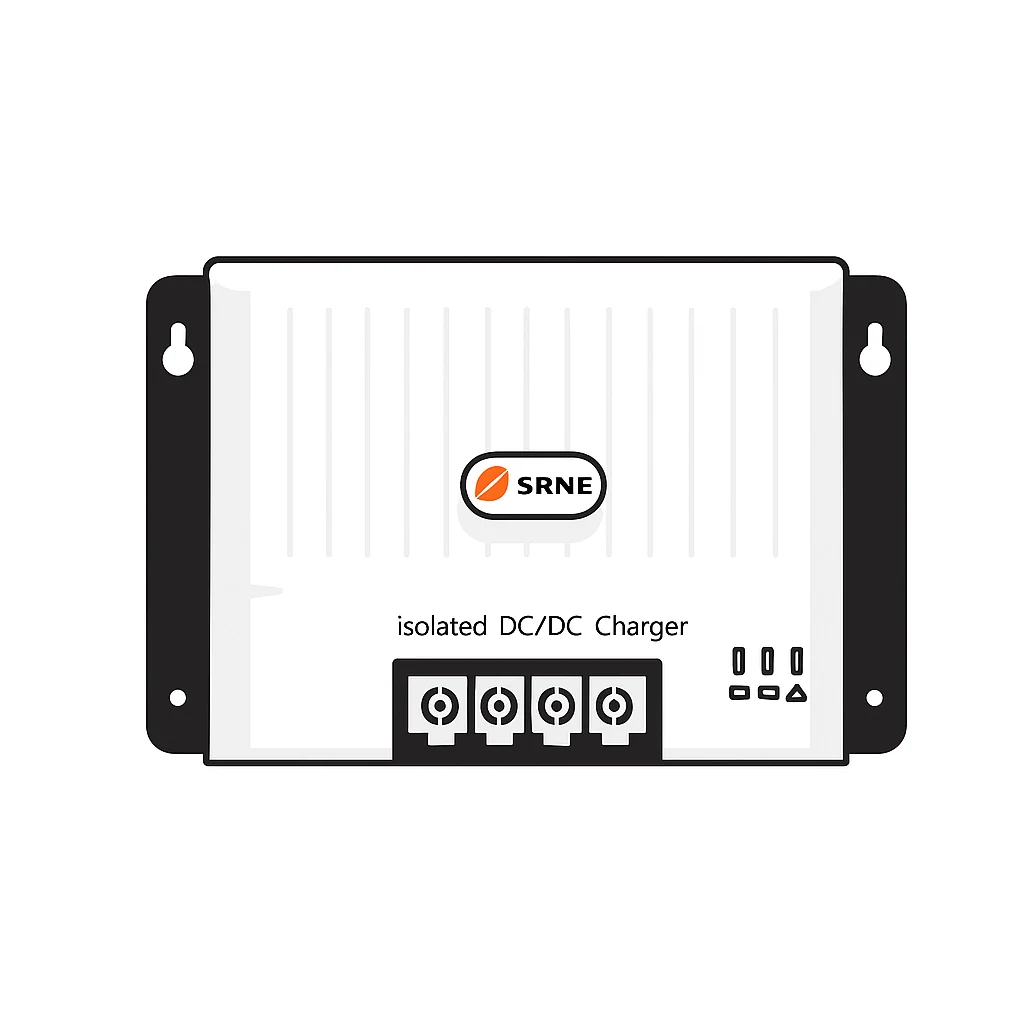
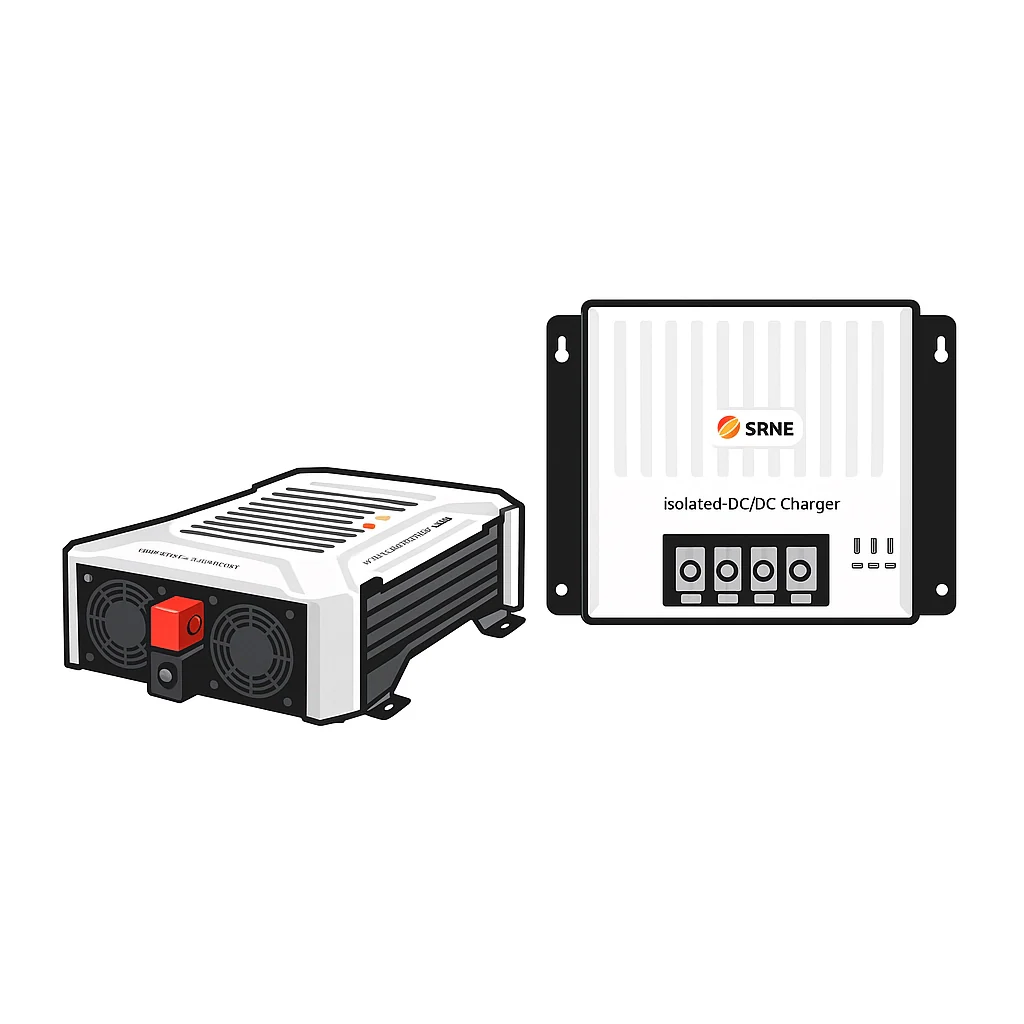
- Power Conversion Equipment: Inverters and controllers for energy transformation
- Safety Monitoring Devices: Sensors and alarm systems
Modular design approaches have revolutionised marine battery system integration, enabling more flexible and adaptable power solutions for different vessel configurations. These systems now incorporate advanced safety features like thermal runaway prevention, real-time diagnostics, and intelligent load balancing, ensuring optimal performance across diverse maritime environments.
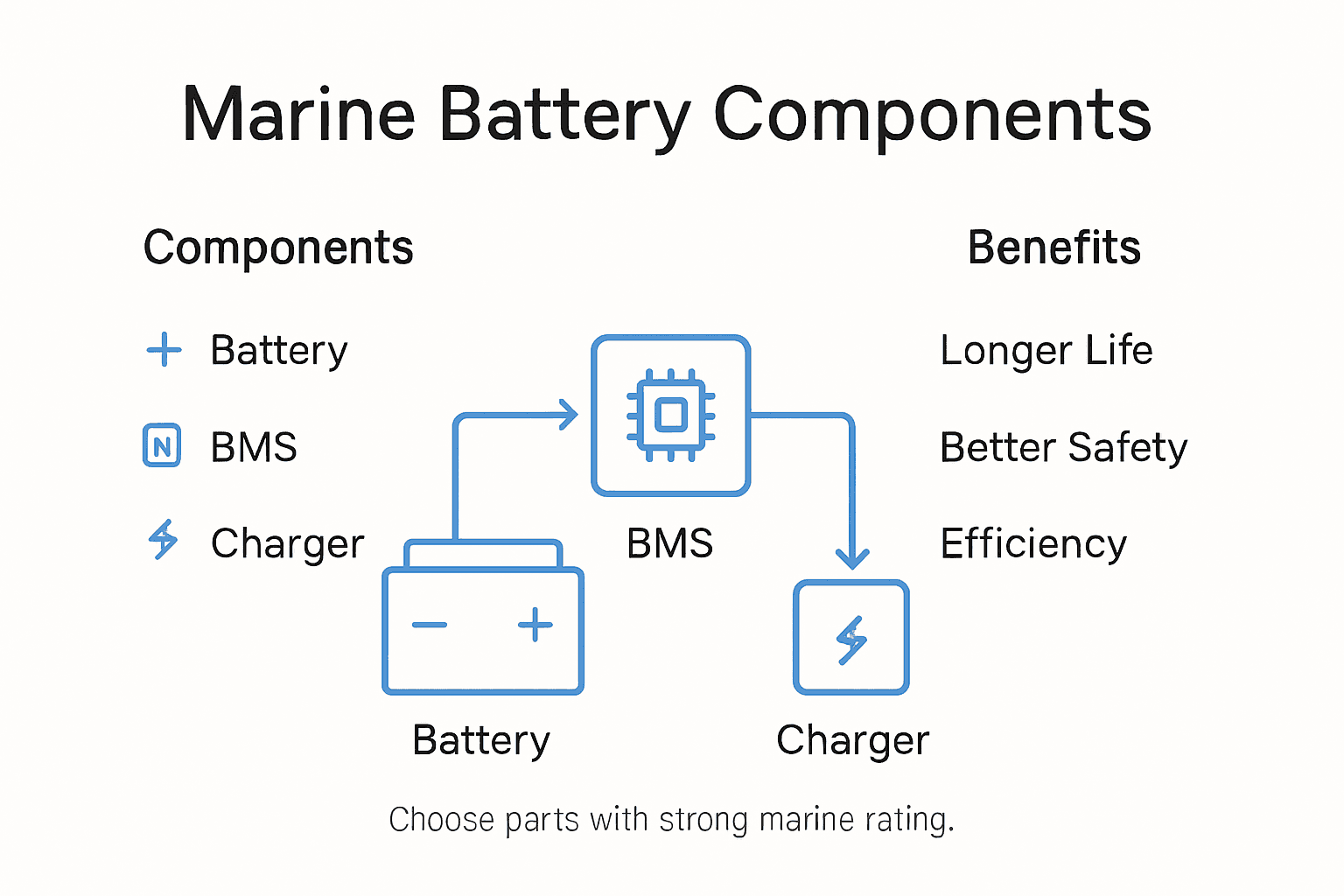
The integration process involves careful consideration of environmental challenges specific to marine applications. Specialised components must withstand constant vibration, extreme temperature fluctuations, high humidity, and potential salt water exposure. Engineers design marine battery systems with robust protective enclosures, corrosion-resistant materials, and sophisticated sealing techniques to ensure long-term reliability and performance in challenging nautical conditions.
Pro Tip: When integrating marine battery components, prioritise compatibility, invest in high-quality thermal management systems, and ensure comprehensive electrical isolation to maximise system longevity and safety.
Safety, Lifespan, And Cost Factors
Marine battery system economics involve complex interactions between safety, performance, and financial considerations, requiring sophisticated approaches to lifecycle management. Boat owners must balance multiple critical factors to ensure optimal long-term value and operational reliability.
Key considerations in marine battery system evaluation include:
- Safety Performance: Risk mitigation and thermal management
- Operational Lifespan: Battery cycle capacity and degradation rates
- Cost Efficiency: Initial investment versus long-term operational expenses
- Environmental Impact: Carbon footprint and sustainability metrics
- Maintenance Requirements: Predictive servicing and component replacement strategies
Advanced marine battery technologies now incorporate comprehensive safety mechanisms designed to prevent potential failures and extend operational reliability. Modern systems feature intelligent thermal management, real-time diagnostic monitoring, and sophisticated protection circuits that significantly reduce risks associated with battery operation. Research indicates that well-designed marine battery systems can reduce greenhouse gas emissions by approximately 30% while simultaneously decreasing lifecycle costs.
The economic assessment of marine battery systems extends beyond initial purchase price, encompassing complex factors such as charging infrastructure, maintenance frequency, energy efficiency, and potential carbon credits. Sophisticated battery management systems now enable precise tracking of performance metrics, allowing vessel operators to make data-driven decisions about battery replacement, optimisation, and lifecycle management.
The key factors influencing marine battery system investment are summarised below:
| Factor | Impact on Operational Costs | Typical Longevity Influence |
|---|---|---|
| Safety Mechanisms | Reduces risk-related expenses | Extends battery lifespan |
| Energy Efficiency | Lowers electricity use | Increases effective cycles |
| Maintenance Needs | Determines downtime and costs | Affects total operating years |
| Environmental Impact | May provide carbon incentives | Enhances sustainability rating |
Pro Tip: Conduct regular comprehensive battery health assessments, maintain detailed performance logs, and invest in professional diagnostic services to maximise your marine battery system’s safety, lifespan, and cost-effectiveness.
Empower Your Marine Adventures with Reliable Lithium Battery Systems
Understanding the challenges of marine battery systems such as environmental resilience, energy management, and safety is essential to power your off-grid experiences confidently. This article highlights the importance of advanced lithium technology and intelligent battery management to ensure long-lasting, efficient, and safe marine power solutions. Whether you face concerns about corrosion resistance, battery lifespan or seamless integration for your vessel’s electrical system, Skyenergi offers well-engineered lithium battery systems designed precisely for these tough maritime demands.

Explore our range of high-performance lithium leisure batteries and intelligent off-grid power solutions at Skyenergi. Benefit from products featuring Bluetooth monitoring for real-time system health insights and peace of mind on every journey. Take control of your vessel’s power with durable batteries tailored to withstand harsh marine environments and reduce maintenance worries. Visit Skyenergi’s website to discover how you can upgrade your marine battery system today and enjoy reliable, sustainable energy wherever the water takes you.
Frequently Asked Questions
What are the main components of a marine battery system?
A marine battery system typically includes battery cells, a battery management system (BMS), a thermal management system, power conversion equipment, and safety monitoring devices. These components work together to provide reliable power storage and management for marine vessels.
How do marine battery systems differ from automotive battery systems?
Marine battery systems are designed to withstand the harsh conditions of maritime environments, such as constant vibration, moisture exposure, and temperature fluctuations. They often have specialised components for enhanced durability, unlike automotive battery systems that are not subjected to such extreme conditions.
What factors should I consider when selecting a marine battery type?
When selecting a marine battery, consider weight impact, maintenance demands, environmental suitability, energy density, and lifecycle costs. Different types of batteries, such as lead-acid, lithium-ion, and nickel-cadmium, each have specific advantages and limitations that may affect your choice based on your vessel’s needs.
How can I ensure the safety and longevity of my marine battery system?
To maximise safety and lifespan, regularly inspect connections, monitor battery health using diagnostic tools, maintain proper ventilation, and invest in high-quality thermal management systems. Addressing these factors can help prevent potential failures and ensure reliable performance during marine activities.
Recommended
Prev post

Step by Step Lithium Battery Installation for Campervans
Updated on 03 January 2026
Next post

Solar Energy Storage: Independence for Campervans
Updated on 01 January 2026


