





Role of inverters in campervans for off-grid power 2026
Learn how campervan inverters convert 12V battery power to 230V AC for UK appliances. Discover pure sine wave benefits, correct sizing methods, and practical installation tips for reliable off-grid energy independence in 2026.
Many UK campervan owners assume their leisure battery system can power all appliances directly, only to discover their hairdryer or laptop won’t work. The missing piece? An inverter that converts battery DC power into the 230V AC electricity your household devices need. This guide explains how inverters work, which type suits your setup, and how to size them correctly for reliable off-grid living.
Table of Contents
- How Campervan Inverters Convert Battery Power To Usable Energy
- Why Pure Sine Wave Inverters Are Recommended For Campervans
- How To Size Your Campervan Inverter Correctly
- Practical Considerations For Using Inverters In UK Campervans
- Discover Skyenergi’s Inverter Solutions For Campervans
- Frequently Asked Questions
Key takeaways
| Point | Details |
|---|---|
| Inverters convert DC to AC | They transform 12V or 24V battery power into 230V AC for UK appliances. |
| Pure sine wave is superior | PSW inverters protect sensitive electronics and run all appliances safely, unlike modified sine wave. |
| Sizing prevents overload | Calculate continuous and surge wattage to choose an inverter that handles your power demands. |
| Efficiency affects battery life | Proper inverter selection reduces energy waste and extends your battery bank’s runtime. |
| UK voltage standards matter | Campervans need 230V AC output to match household appliance requirements safely. |
How campervan inverters convert battery power to usable energy
Inverters convert DC power from a campervan’s battery bank into the 230V AC electricity that UK household appliances require. Your leisure batteries store energy as low voltage DC, typically 12V or 24V, but your phone charger, laptop, kettle, and fridge all need AC power to function. Without an inverter, you’re limited to 12V accessories designed specifically for vehicles.
The conversion process involves sophisticated electronics that switch DC current rapidly to create an alternating waveform. Two main types exist: Pure Sine Wave (PSW) and Modified Sine Wave (MSW). PSW produces a smooth, continuous waveform identical to mains electricity from the grid. MSW creates a stepped approximation that works for basic loads but can cause problems with sensitive equipment.
Understanding your campervan electrical systems guide helps you grasp how inverters fit into the broader power architecture. The quality of the waveform directly affects appliance performance, efficiency, and longevity. RV inverters convert 12V DC power from batteries to 120V AC in North America, whilst UK systems output 230V to match our higher voltage standard.
Key functions of a campervan inverter include:
- Converting stored battery energy into usable AC power for household devices
- Regulating voltage output to maintain stable 230V regardless of battery charge level
- Protecting against overload by shutting down when power draw exceeds capacity
- Enabling off-grid living by powering appliances without hookup or generator
Why pure sine wave inverters are recommended for campervans
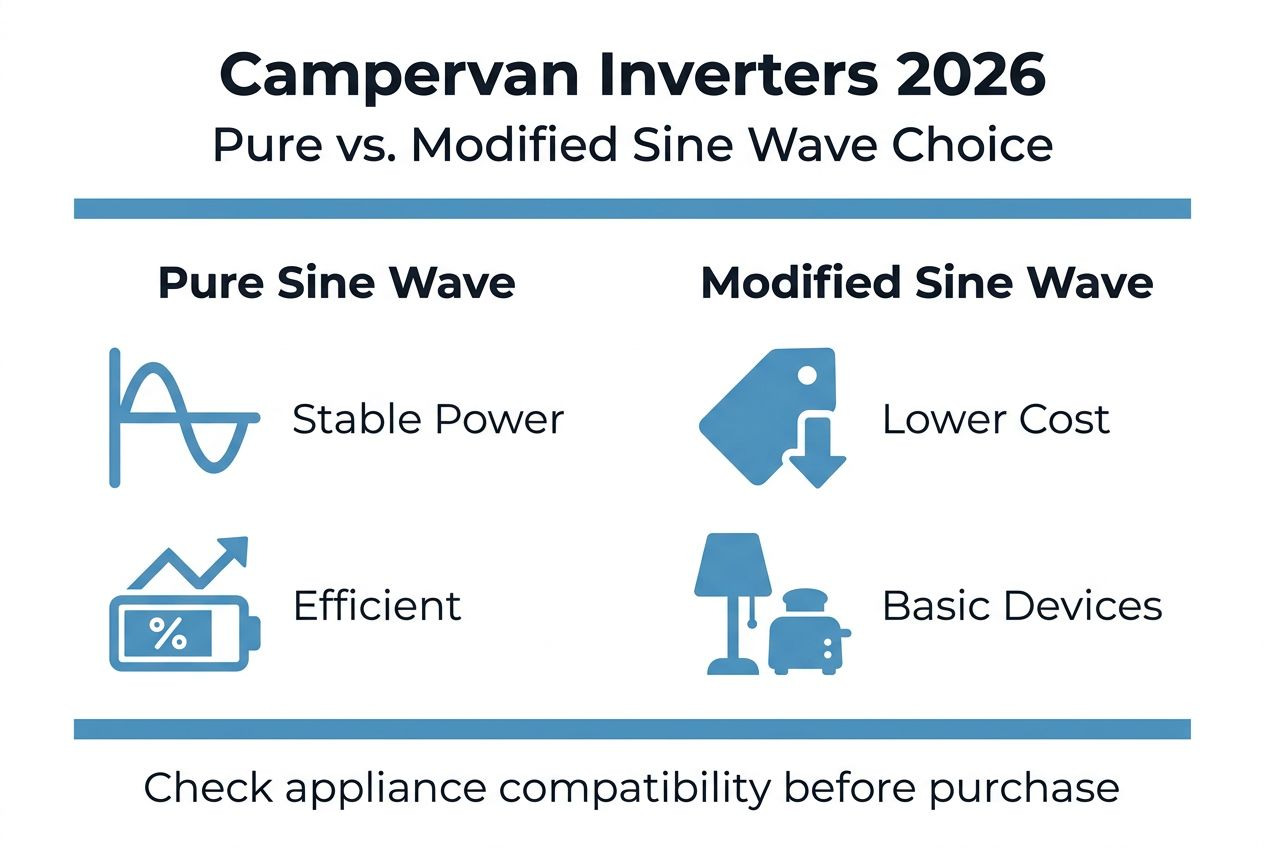
Pure sine wave inverters deliver clean power that matches grid electricity exactly, whilst modified sine wave units produce a choppy approximation. This difference matters enormously for appliance compatibility and longevity. Pure sine wave inverters are generally recommended for campervans as they provide cleaner power and work with a wider range of appliances, especially those with sensitive electronics or motors.
Sensitive devices like laptops, CPAP machines, audio equipment, and modern induction hobs require pure sine wave power to operate correctly. MSW inverters can cause overheating, buzzing noises, reduced efficiency, and premature failure in these appliances. Motors in fridges, power tools, and fans may run hotter and wear out faster on MSW power.
Pure sine wave inverters provide clean, stable power essential for sensitive electronics in campervans, whilst modified sine wave inverters suit only basic devices but risk damaging advanced equipment. Battery efficiency also improves with PSW inverters because the cleaner waveform reduces energy loss during conversion. This means longer runtime from your battery bank and less frequent charging.
| Feature | Pure Sine Wave | Modified Sine Wave |
|---|---|---|
| Waveform quality | Smooth, identical to grid power | Stepped approximation |
| Appliance compatibility | All devices including sensitive electronics | Basic loads only, risks damage to others |
| Motor performance | Cool, quiet, efficient operation | Hotter running, potential overheating |
| Battery efficiency | Higher conversion efficiency | Lower efficiency, more waste heat |
| Price point | Higher initial cost | Lower upfront cost |
MSW inverters cost less upfront but limit what you can safely power. They work acceptably for simple resistive loads like kettles, toasters, and incandescent lights. However, the benefits of pure sine wave inverters far outweigh the price difference when you factor in appliance protection and system reliability.
Pro tip: Always check appliance specifications before connecting to an MSW inverter. Devices with electronic controls, variable speed motors, or microprocessors typically require pure sine wave power to avoid damage or malfunction.
How to size your campervan inverter correctly
Choosing the right inverter capacity prevents frustrating power failures and protects your equipment. Selecting the correct inverter size requires calculating total electrical load you expect to run simultaneously. Undersizing causes the inverter to shut down under load, whilst oversizing wastes money and battery power on standby consumption.
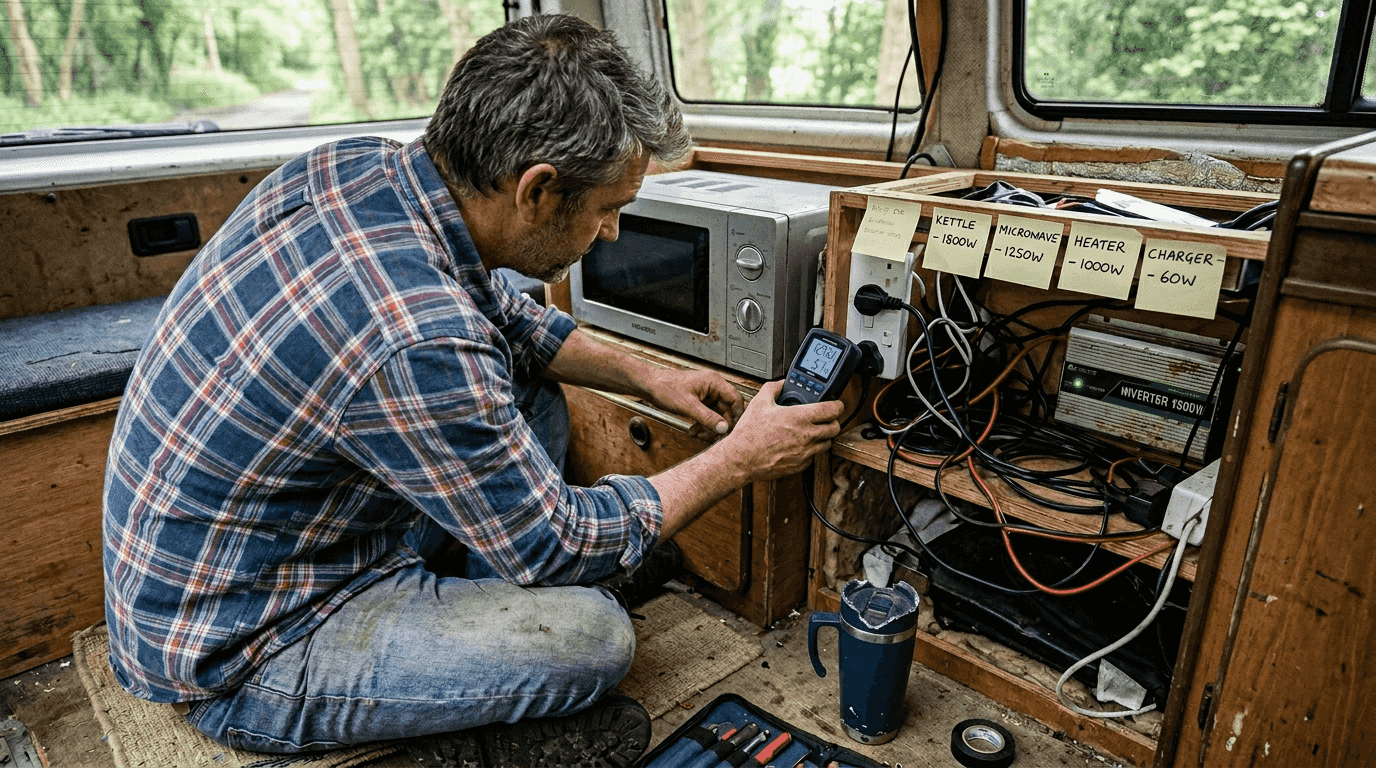
Start by listing every AC appliance you’ll use and note its running wattage from the label or manual. Add these together for your continuous load. Next, identify which devices have motors, compressors, or heating elements, as these require surge power at startup often two to three times their running wattage. Your inverter must handle both continuous load and the highest surge demand.
Inverter sizing is critical and should be based on total power demand of all 230V AC devices, including surge power requirements. A 1000W inverter might seem adequate for a 600W load, but if your fridge compressor surges to 1800W on startup, the inverter will fail. Always choose continuous and surge ratings above your calculated needs with some headroom for future additions.
Follow these steps to size your inverter accurately:
- List all AC appliances with their running wattage (check labels or manuals).
- Add running wattages together for total continuous load.
- Identify devices with motors or heating elements that surge on startup.
- Multiply surge device wattage by three to estimate peak demand.
- Choose an inverter with continuous rating above total load and surge rating above peak.
- Add 20% safety margin to account for efficiency losses and future needs.
Common appliances and typical power requirements help illustrate real world scenarios. A laptop charger draws 60W, phone charger 12W, LED TV 80W, microwave 900W, kettle 2000W, and hair dryer 1800W. A caravan fridge might run at 150W but surge to 450W on compressor start. Understanding your energy storage installation process uk campervans helps coordinate inverter sizing with battery capacity.
Different appliances behave differently under load. Resistive loads like kettles and toasters draw steady power without surges. Inductive loads with motors require surge capacity. Capacitive loads with power supplies can also spike briefly. Battery capacity vs energy needs becomes critical here, as running a 2000W kettle demands significant battery current that depletes your bank quickly.
Pro tip: Don’t size your inverter based solely on your largest single appliance. Calculate realistic simultaneous loads. You might run a laptop, LED lights, and fridge together but rarely operate kettle and microwave at the same time.
Practical considerations for using inverters in UK campervans
Real world inverter performance depends on proper installation, battery compatibility, and understanding system limitations. UK campervans require 230V AC output from inverters to match household appliance voltage safely. Using an inverter designed for North American 120V systems risks damaging your equipment and creating safety hazards.
Pure sine wave inverters extend battery life through more efficient energy conversion, wasting less power as heat during the DC to AC transformation. Choosing the right inverter affects which appliances you can use, how efficiently your batteries perform, and how well your power system holds up over time. Proper selection reduces risk of appliance damage and improves overall reliability.
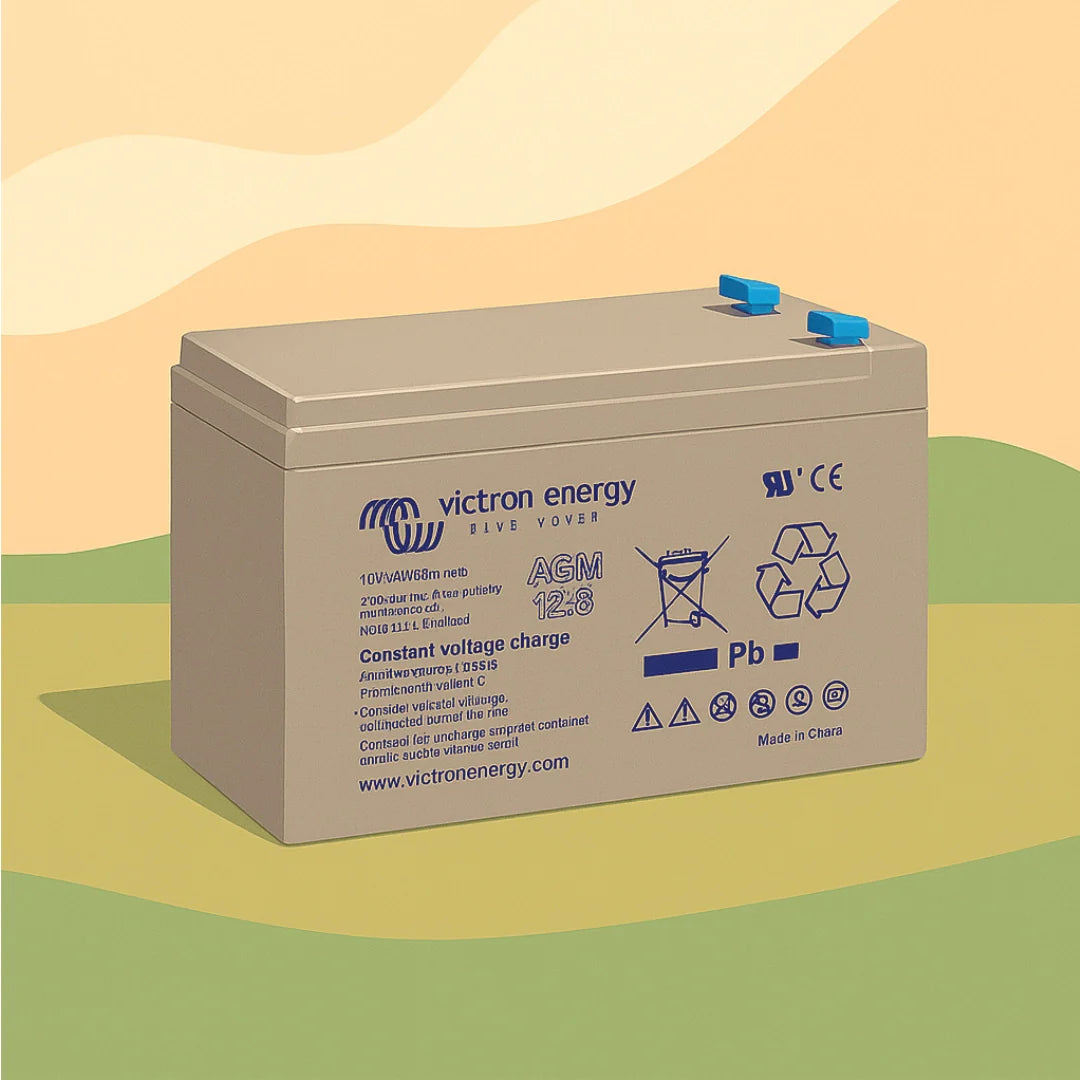
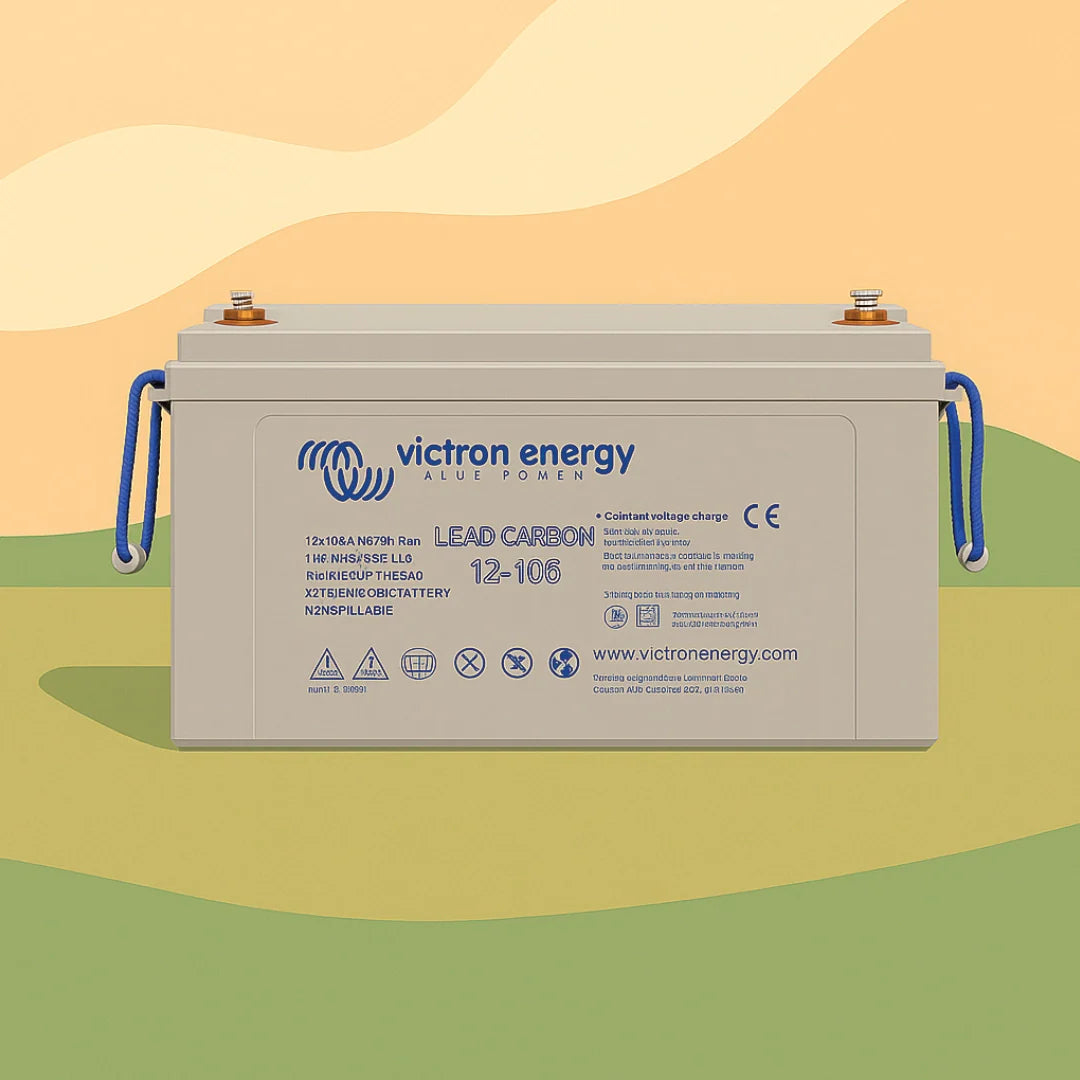
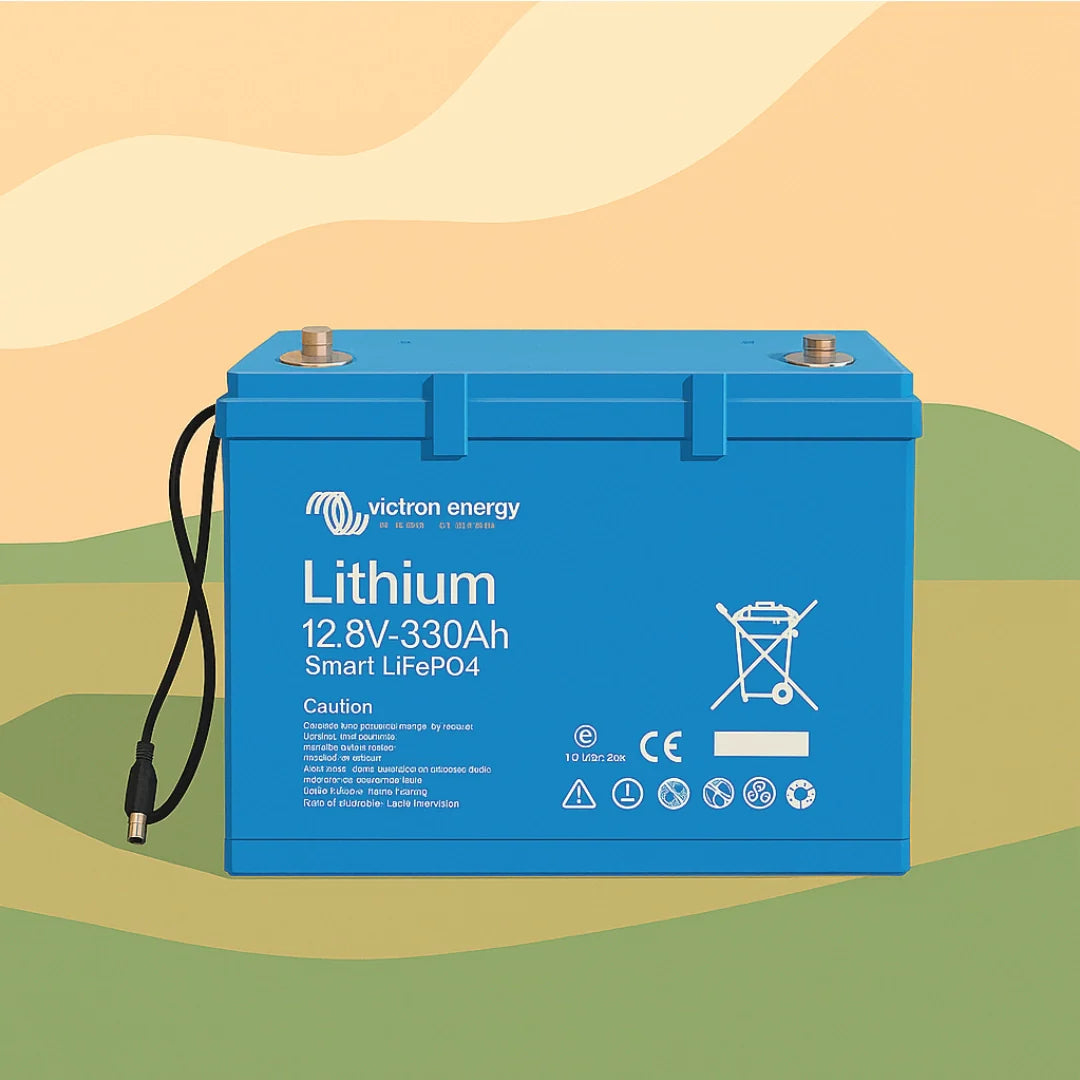
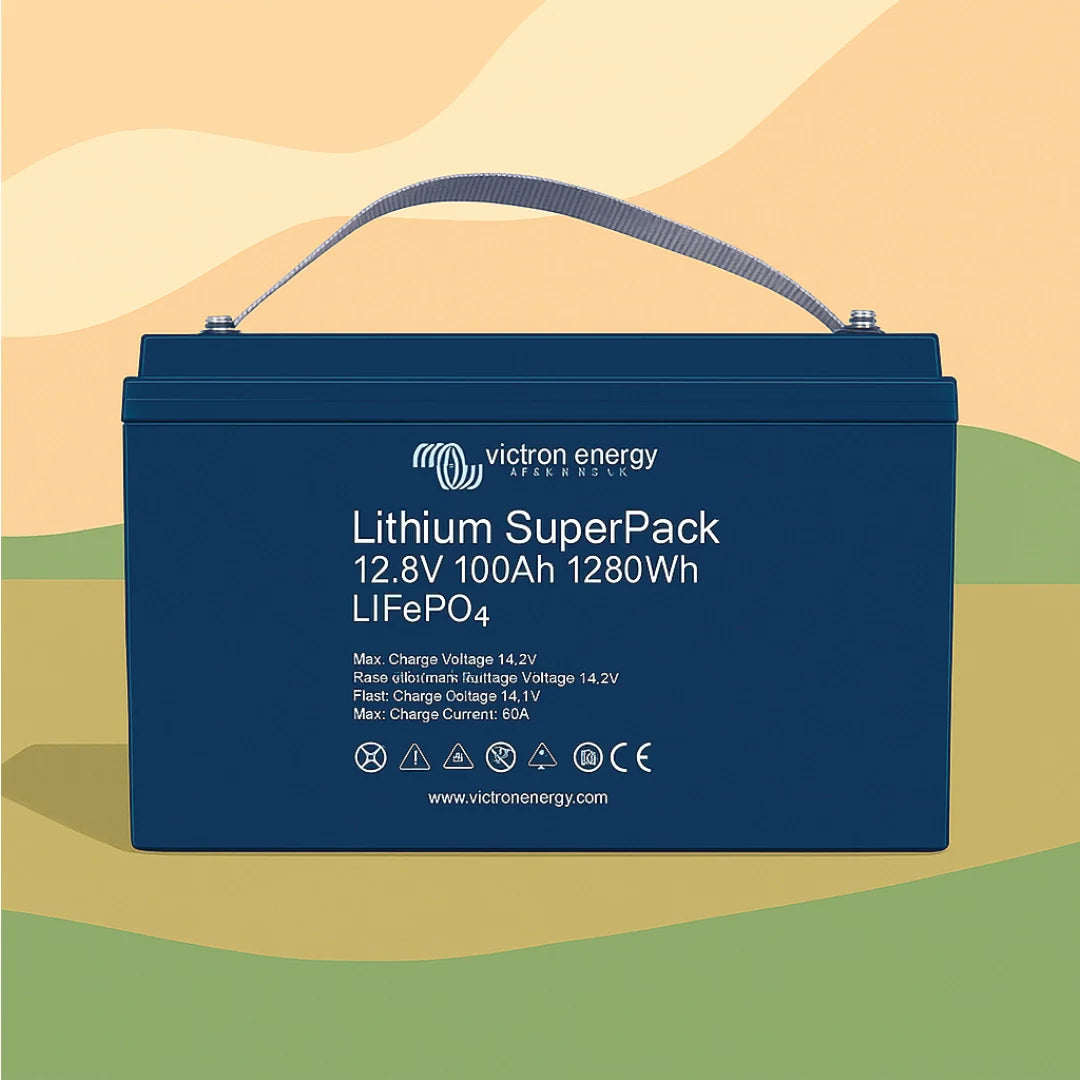
Battery chemistry impacts inverter performance significantly. Lithium batteries handle high discharge rates better than AGM, making them superior for powering large inverter loads. Understanding agm vs lithium batteries uk helps you match inverter capacity to your battery bank’s capabilities. A 3000W inverter drawing 250A from a 12V battery will overwhelm most AGM banks but works well with properly sized lithium.
Key practical factors for UK campervan inverter use:
- Install inverters close to batteries with heavy gauge cable to minimise voltage drop.
- Ensure adequate ventilation as inverters generate heat during operation.
- Use proper fusing or circuit breakers on DC input cables for fire safety.
- Connect inverter to battery positive and negative terminals directly, never through the vehicle chassis.
- Programme low voltage disconnect to protect batteries from over discharge damage.
- Regular inspection of connections prevents loose terminals that cause power loss and heat.
Maintenance requirements remain minimal but important. Check cable connections quarterly for tightness and corrosion. Clean cooling fans annually to prevent overheating. Monitor inverter temperature during heavy use, shutting down if it becomes excessively hot. Most modern inverters include thermal protection that automatically limits output or shuts down to prevent damage.
System efficiency matters for off grid living. Inverter standby consumption drains batteries even when no loads run, typically 10W to 30W continuously. Switch off inverters when not needed, especially during extended periods without charging. Some units offer economy modes that reduce standby draw. Building reliable energy for campervans requires balancing convenience with conservation.
Discover Skyenergi’s inverter solutions for campervans
Upgrading your campervan power system starts with quality components engineered for demanding off grid use. Skyenergi offers pure sine wave inverter solutions specifically suited to UK campervan requirements, ensuring reliable 230V AC power for all your household appliances.
Our solar power electrics system 3kva inverter charger integrates inverter, solar charge controller, and battery management into a complete turnkey solution. These systems combine lithium battery technology with intelligent monitoring, allowing you to track performance via Bluetooth and optimise your energy independence on the road.
For advanced users seeking professional grade equipment, the victron energy easysolar ii system combines a powerful inverter with MPPT solar charge controller and GX monitoring. This expandable platform grows with your needs whilst delivering the clean power and system integration that serious campervan enthusiasts demand.
Frequently asked questions
Can I run my campervan air conditioning unit on an inverter?
Yes, but you need a large inverter and substantial battery capacity. Roof mounted air conditioners typically draw 1200W to 1500W running and surge to 3000W or more on compressor startup. A 3000W continuous inverter with 6000W surge capacity handles most units, but expect significant battery drain requiring 400Ah or more of lithium capacity for practical runtime.
How long will my batteries last when running an inverter?
Runtime depends on your battery capacity, inverter load, and battery chemistry. A 200Ah lithium battery provides roughly 2400Wh of usable energy. Running a 300W load consumes about 8 hours of capacity, whilst a 1500W kettle depletes it in 1.6 hours. Calculate runtime by dividing usable battery watt hours by your load wattage, then reduce by 10% for inverter efficiency losses.
Do I need a special inverter for induction hobs?
Induction hobs require pure sine wave inverters with sufficient capacity for their high power draw. Most portable induction units draw 1800W to 2000W and work fine on quality PSW inverters rated 2000W continuous or higher. Built in caravan induction hobs may draw 3000W or more, requiring appropriately sized inverters. Modified sine wave inverters cannot power induction hobs reliably.
Can I charge my campervan batteries through my inverter?
No, standard inverters only convert DC to AC, not the reverse. You need an inverter charger combination unit that includes battery charging circuitry. These hybrid devices function as both inverter and mains battery charger, automatically switching between modes. When connected to hookup, they charge batteries and supply AC power. When off grid, they invert battery power for your appliances.
What size inverter do I need for a campervan fridge?
Most campervan fridges run on 12V DC directly from batteries, not requiring an inverter. However, if you’re using a standard household fridge, you’ll need 200W to 400W continuous capacity with 600W to 1200W surge rating for compressor startup. Absorption fridges running on AC draw 150W to 300W without significant surge. Always check your specific fridge’s power requirements before selecting an inverter.
Should I leave my inverter on all the time?
No, switch inverters off when not actively using AC power. Standby consumption drains 10W to 30W continuously, wasting battery capacity over days or weeks. Many campervan owners install a master switch near the living area to control inverter power conveniently. Some modern inverters offer economy modes that reduce standby draw or automatically wake when detecting load, providing a compromise between convenience and efficiency.
Recommended
Prev post

What is expandable energy storage? A 2026 UK guide
Updated on 12 March 2026
Next post

Solar setup tips 2026: maximise UK leisure vehicle power
Updated on 10 March 2026


