





7 Essential Tips for Off-Grid Power Systems in Campervans
Discover 7 essential tips for off-grid power systems in your campervan. Learn how to boost reliability, efficiency, and energy independence while travelling.
Running reliable power in your campervan can feel uncertain, especially when you’re venturing far from the grid. Whether you’re on a weekend getaway or planning an extended European tour, the challenge is always the same: how do you keep your devices, lights, and essentials working smoothly when you’re off-grid? Getting your energy system right means more freedom and less worry about sudden blackouts or battery failures.
You’ll discover clear steps to upgrade your campervan’s electrical setup, from picking the right battery to integrating solar panels and monitoring usage with smart technology. Each insight in this list will help you make informed decisions, maximise your power independence, and prepare for varied travel conditions. Get ready for practical strategies and expert tips that reveal how to achieve dependable electricity wherever the road takes you.
Table of Contents
- 1. Choose The Right Battery For Your Off-Grid Needs
- 2. Size Your System For Typical Campervan Usage
- 3. Install Solar Panels For Sustainable Charging
- 4. Use A Smart Battery Management System
- 5. Monitor Power Usage With Bluetooth Technology
- 6. Integrate Reliable Inverters And Chargers
- 7. Plan For Expandability And Future Upgrades
Quick Summary
| Takeaway | Explanation |
|---|---|
| 1. Choose lithium batteries for efficiency | Lithium iron phosphate batteries offer longer lifespan and better depth of discharge than lead-acid alternatives, ideal for off-grid living. |
| 2. Size your power system correctly | Calculate daily energy requirements and ensure capacity meets peak and continuous usage demands for reliable power availability. |
| 3. Install high-quality solar panels | Monocrystalline solar panels ensure high efficiency and durability, making them the best choice for campervan installations. |
| 4. Use a smart Battery Management System (BMS) | A good BMS monitors battery health and optimises performance, potentially extending battery life significantly. |
| 5. Integrate reliable inverters | Select inverters with pure sine wave output to protect sensitive electronics and ensure efficient power conversion in your campervan. |
1. Choose the Right Battery for Your Off-Grid Needs
Selecting the optimal battery system is crucial for reliable off-grid campervan power. Your battery choice determines energy availability, system performance, and overall travel experience.
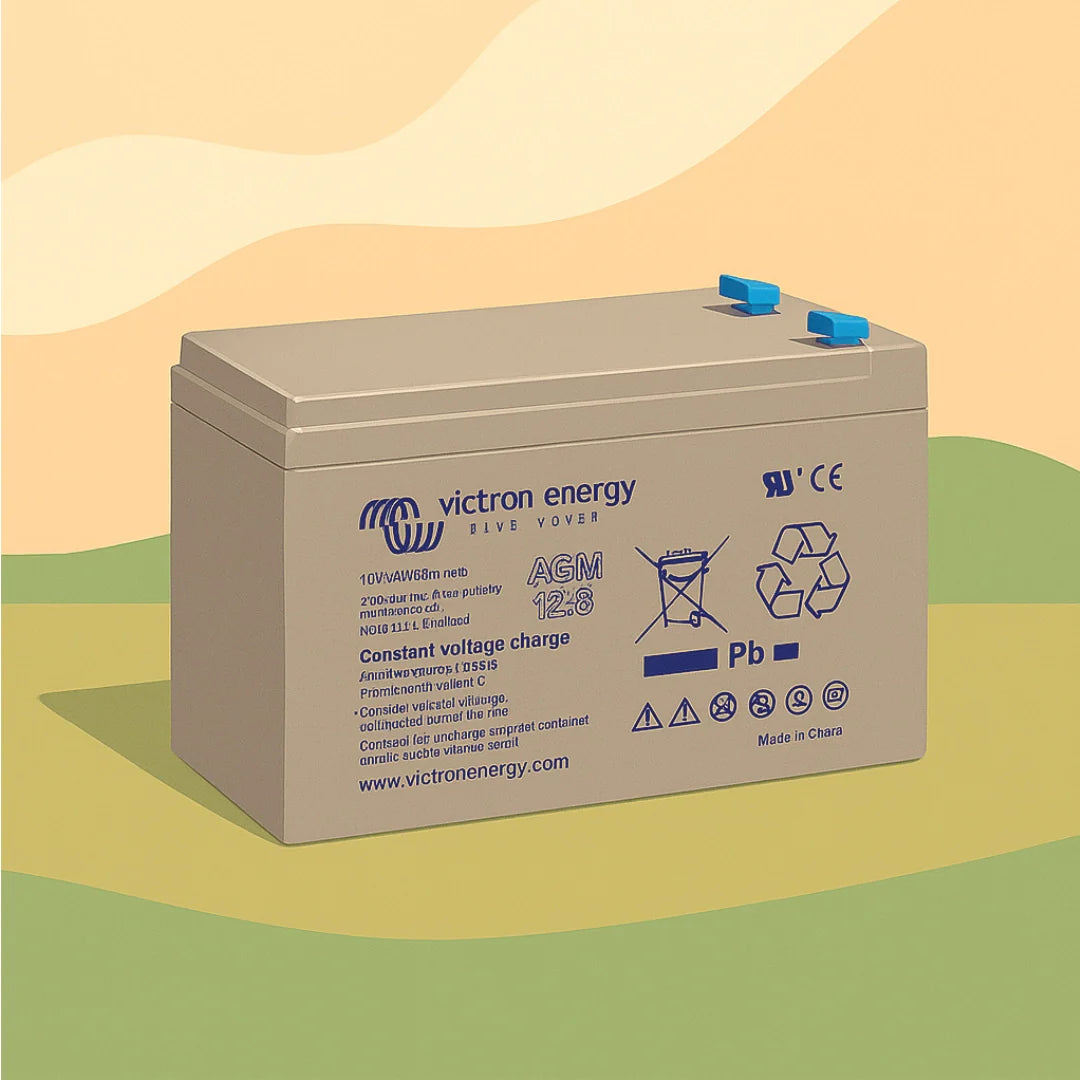
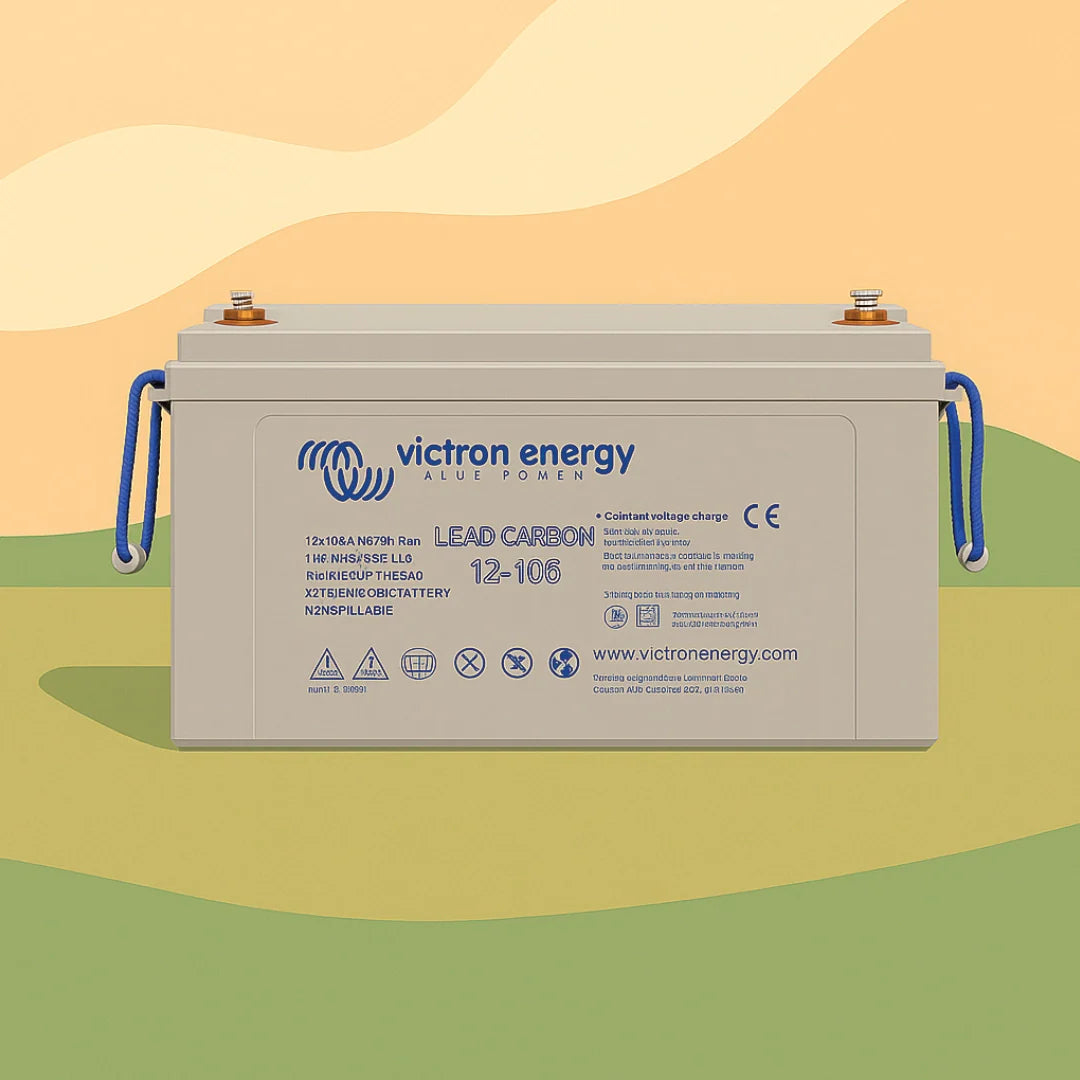
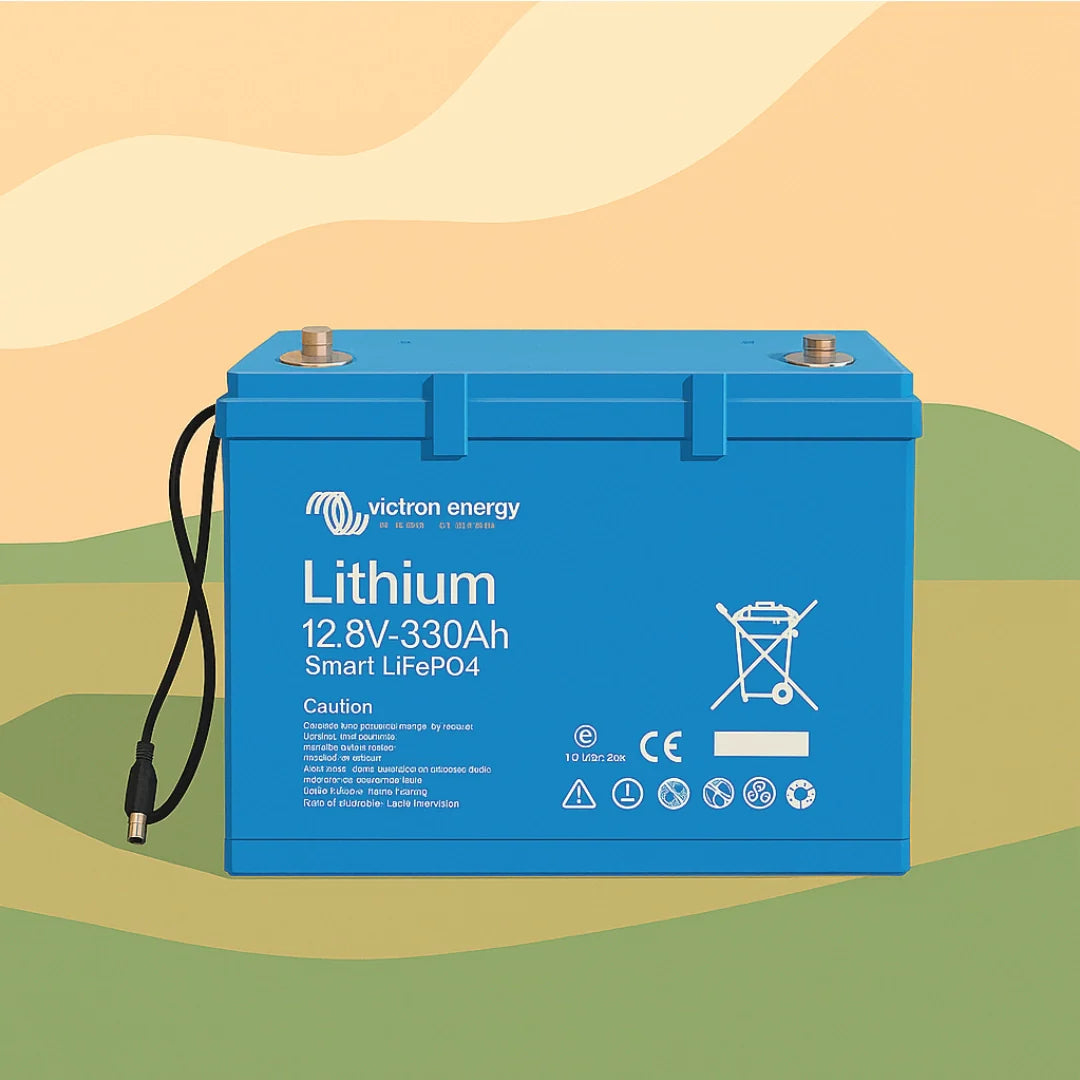
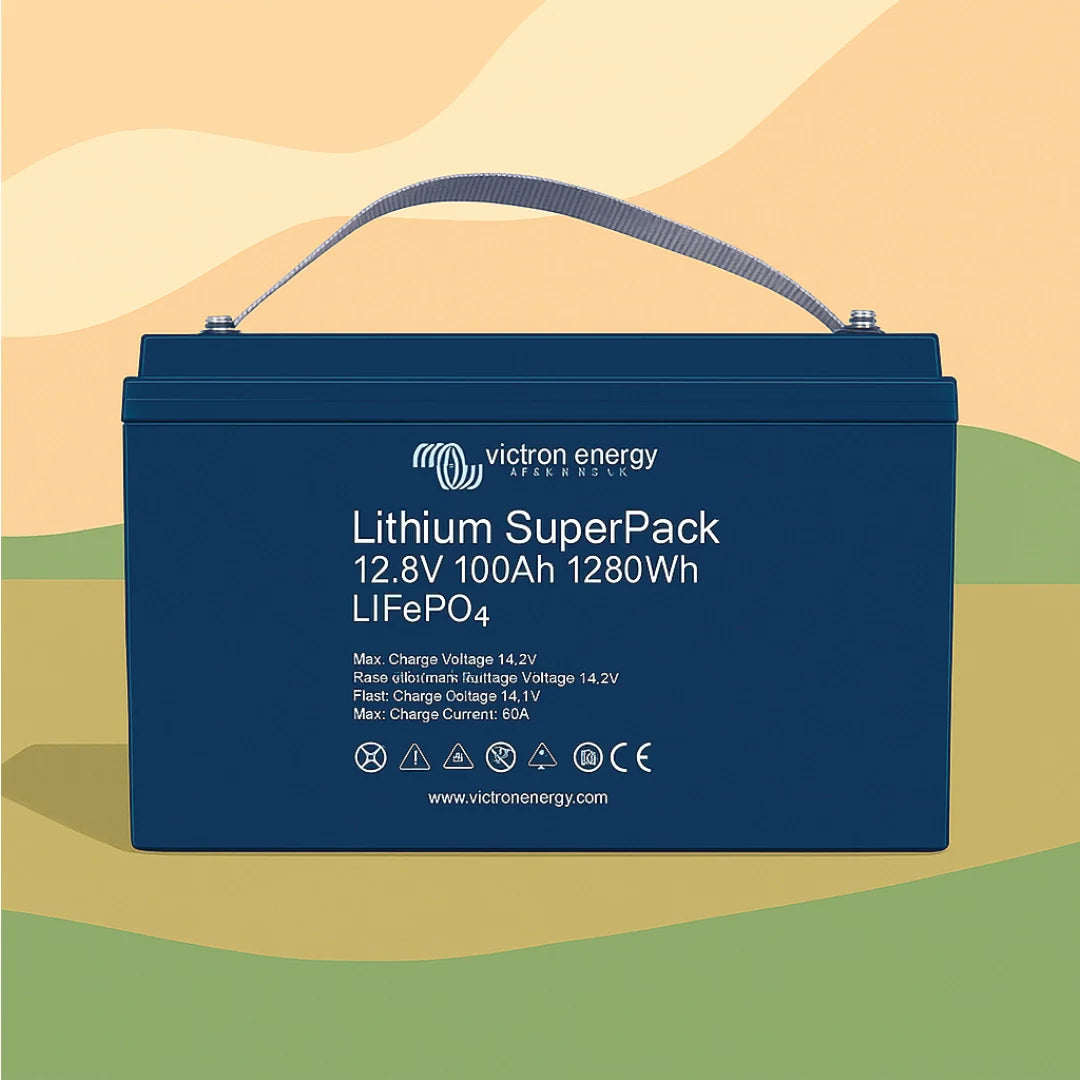
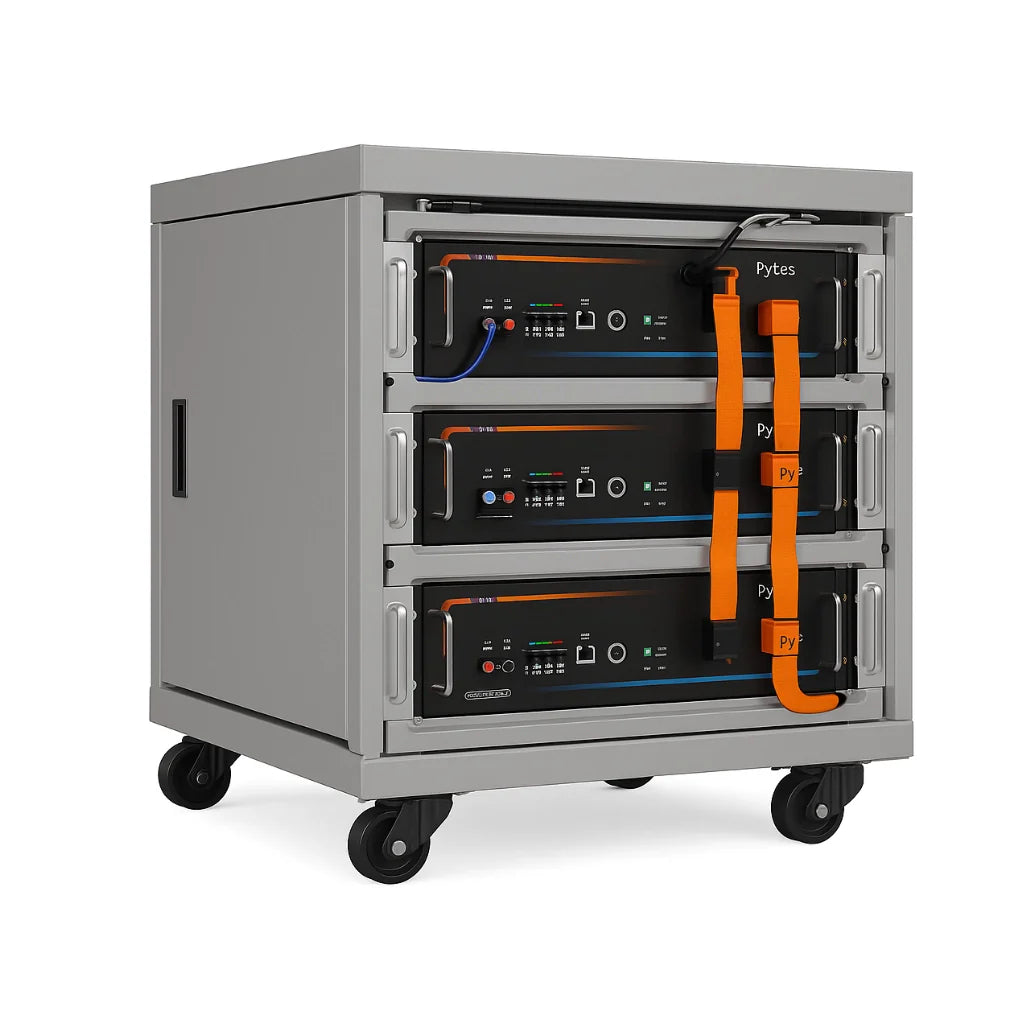
Lithium batteries have revolutionised off-grid power solutions with significant advantages over traditional lead-acid alternatives. When choosing batteries for your campervan, consider these critical factors:
- Voltage compatibility with your existing electrical system
- Cycle life and longevity of battery chemistry
- Temperature performance across varying environmental conditions
- Weight and space constraints specific to campervan installations
The recommended battery technology for most off-grid applications is lithium iron phosphate (LiFePO4). These batteries offer superior performance characteristics for off-grid living, including exceptional depth of discharge, faster charging rates, and significantly longer operational lifespans compared to traditional lead-acid batteries.
Lithium batteries can provide up to 80% depth of discharge without compromising long-term battery health.
When designing your battery bank, calculate your energy requirements carefully. Consider your typical power consumption and the duration you plan to remain off-grid. Most campervan enthusiasts recommend having sufficient battery capacity to support your electrical needs for at least 2-3 days without recharging.
Key selection criteria include:
- Matching battery capacity to your power consumption
- Ensuring compatibility with solar charging systems
- Verifying battery management system (BMS) quality
- Evaluating temperature range performance
Pro tip: Always invest in batteries with integrated battery management systems to protect against overcharging, overheating, and unexpected voltage fluctuations.
2. Size Your System for Typical Campervan Usage
Properly sizing your campervan’s power system ensures reliable energy availability and prevents unexpected electrical failures during your adventures. Understanding your specific power consumption is fundamental to creating an effective off-grid electrical setup.
To determine the right system size, you must first calculate your daily energy requirements. This involves a systematic approach to battery capacity and energy needs that considers all electrical devices and usage patterns.
Key steps for accurate system sizing include:
- Listing all electrical devices and their power consumption
- Calculating total daily watt-hour requirements
- Determining battery bank capacity
- Factoring in potential energy losses and inefficiencies
Effective system sizing requires understanding both peak and continuous power demands.
Your power calculation should account for various electrical loads such as:
- Refrigeration units
- Lighting systems
- Communication devices
- Cooking appliances
- Entertainment electronics
Consider environmental factors that might impact your power system. Temperature variations can significantly affect battery performance, with extreme cold or heat potentially reducing overall system efficiency.
Additionally, battery depth of discharge plays a crucial role in system sizing. Lithium batteries typically allow deeper discharge cycles compared to traditional lead-acid batteries, which means you can design a more compact and efficient power system.
Pro tip: Always add a 20% buffer to your calculated energy requirements to accommodate unexpected power needs and maintain system reliability.
3. Install Solar Panels for Sustainable Charging
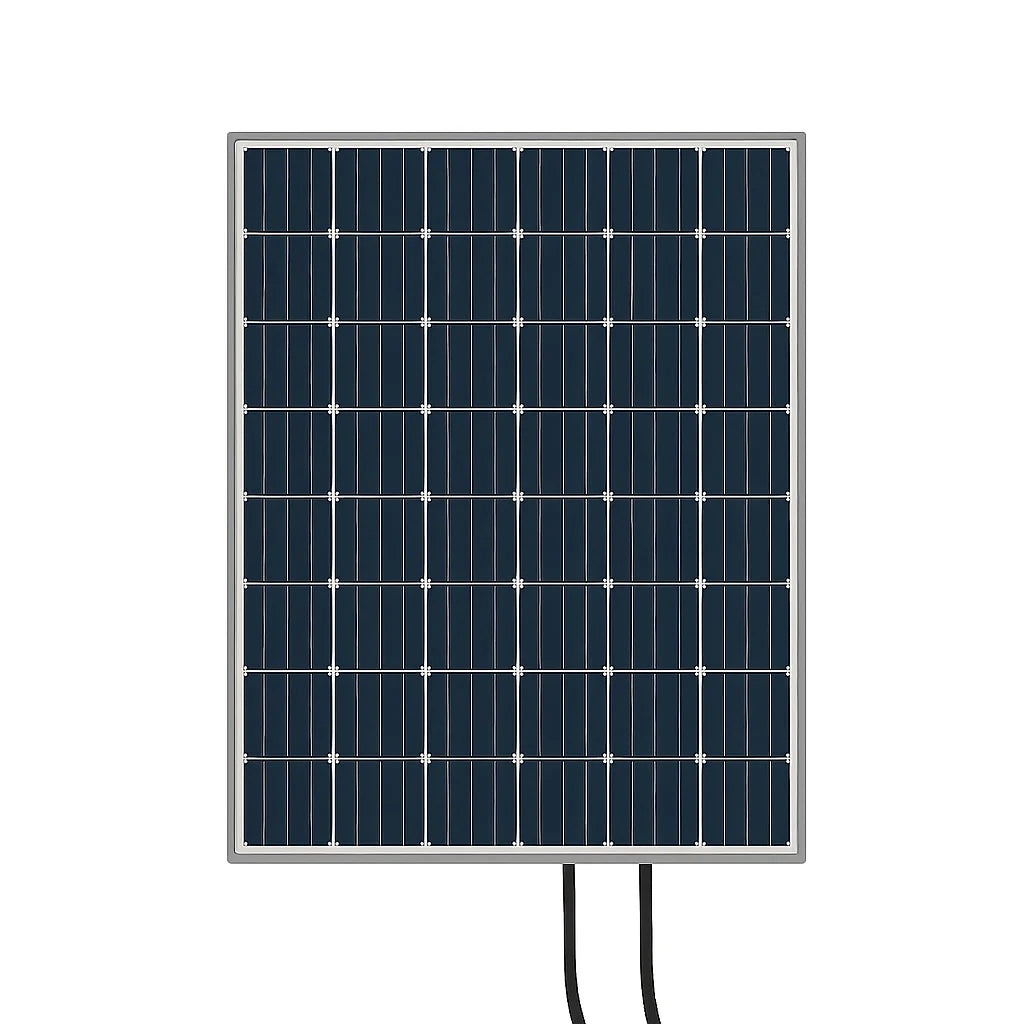
Solar panels represent the most efficient and environmentally friendly method of generating electricity for your campervan. Embracing solar charging technologies enables you to maintain power independence during extended travels.
The key to successful solar installation lies in understanding your specific energy requirements and selecting appropriate panel configurations. Modern solar technologies have dramatically improved efficiency and durability for mobile applications.
Critical considerations for solar panel installation include:
- Panel wattage and total system capacity
- Mounting location and angle
- Shade prevention and optimal positioning
- Compatibility with existing electrical systems
- Weather resistance and durability
Proper solar panel placement can increase energy generation by up to 40 percent.
When selecting solar panels for your campervan, prioritise monocrystalline panels which offer superior performance in limited space. These panels provide:
- Higher energy conversion rates
- Better performance in low-light conditions
- More compact design
- Longer operational lifespan
Consider the physical constraints of your campervan. Roof-mounted systems work best, but flexible panel options exist for vehicles with limited mounting surfaces. Ensure robust waterproof connections and professional installation to prevent electrical issues.
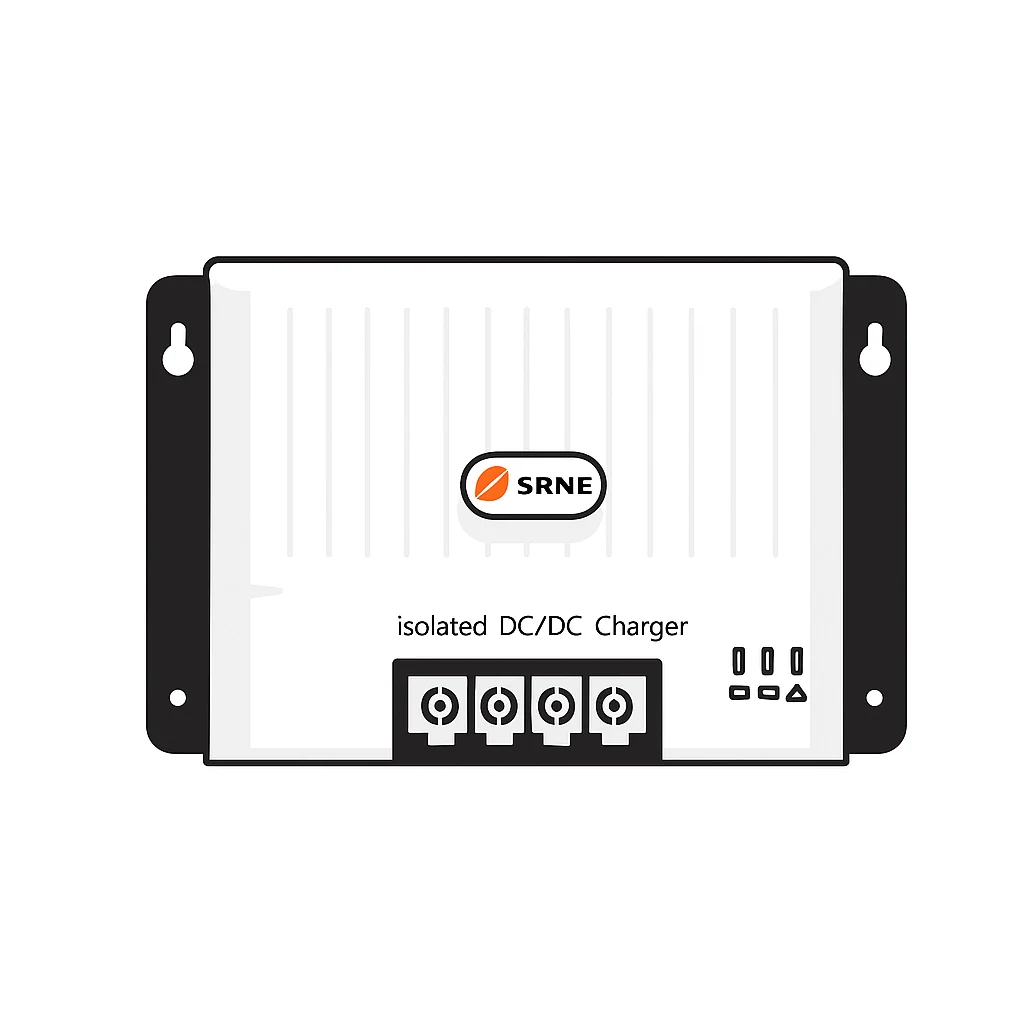
Pro tip: Always install a high-quality charge controller between your solar panels and batteries to prevent overcharging and maximise system efficiency.
4. Use a Smart Battery Management System
A smart Battery Management System (BMS) is the critical intelligence behind your campervan’s electrical infrastructure. These sophisticated systems are fundamental to protecting and optimising your battery performance, ensuring reliable power during off-grid adventures.
Modern battery management technologies provide comprehensive monitoring and protection for your electrical system. They act as guardians, continuously tracking battery health and preventing potential failures.
Key functions of an advanced BMS include:
- Real-time voltage monitoring
- Temperature regulation
- State of charge tracking
- Overcharge protection
- Cell balancing mechanisms
A quality BMS can extend battery life by up to 300 percent.
The most sophisticated BMS offer additional benefits:
- Bluetooth connectivity for remote monitoring
- Detailed performance reporting
- Automatic safety shutdown protocols
- Precision charging management
Intelligent battery management goes beyond simple protection. It actively optimises your power system by preventing common battery degradation issues such as uneven cell charging and excessive temperature fluctuations.
For campervan owners, a smart BMS translates to more dependable power, longer battery lifespans, and greater peace of mind during your travels.
Pro tip: Select a BMS with comprehensive smartphone app integration to monitor your battery system’s performance in real-time, even when you’re away from your campervan.
5. Monitor Power Usage with Bluetooth Technology
Bluetooth technology has transformed power management in campervans, providing unprecedented insights into your electrical system’s performance. By enabling real-time power monitoring, these smart systems help you understand and optimise your energy consumption.
Modern Bluetooth-enabled battery monitoring solutions offer campervan owners comprehensive visibility into their power ecosystem. These intelligent systems track critical metrics such as battery voltage, current flow, charging status, and energy consumption patterns.
Key advantages of Bluetooth power monitoring include:
- Instant access to battery performance data
- Remote system diagnostics
- Precise energy consumption tracking
- Early warning for potential electrical issues
- Smartphone app integration
Bluetooth monitoring reduces energy waste by providing granular insights into power usage.
Advanced monitoring technologies enable you to:
- Track battery health in real-time
- Identify energy consumption trends
- Predict potential system failures
- Optimise charging strategies
Smartphone connectivity transforms how you interact with your campervan’s electrical system. Detailed power analytics help you make informed decisions about energy management, ensuring you never unexpectedly run out of power during your adventures.
With Bluetooth technology, you can access comprehensive system data from anywhere, giving you complete control and peace of mind.
Pro tip: Choose a monitoring system with user-friendly smartphone apps that provide intuitive graphics and alerts to simplify your power management experience.
6. Integrate Reliable Inverters and Chargers
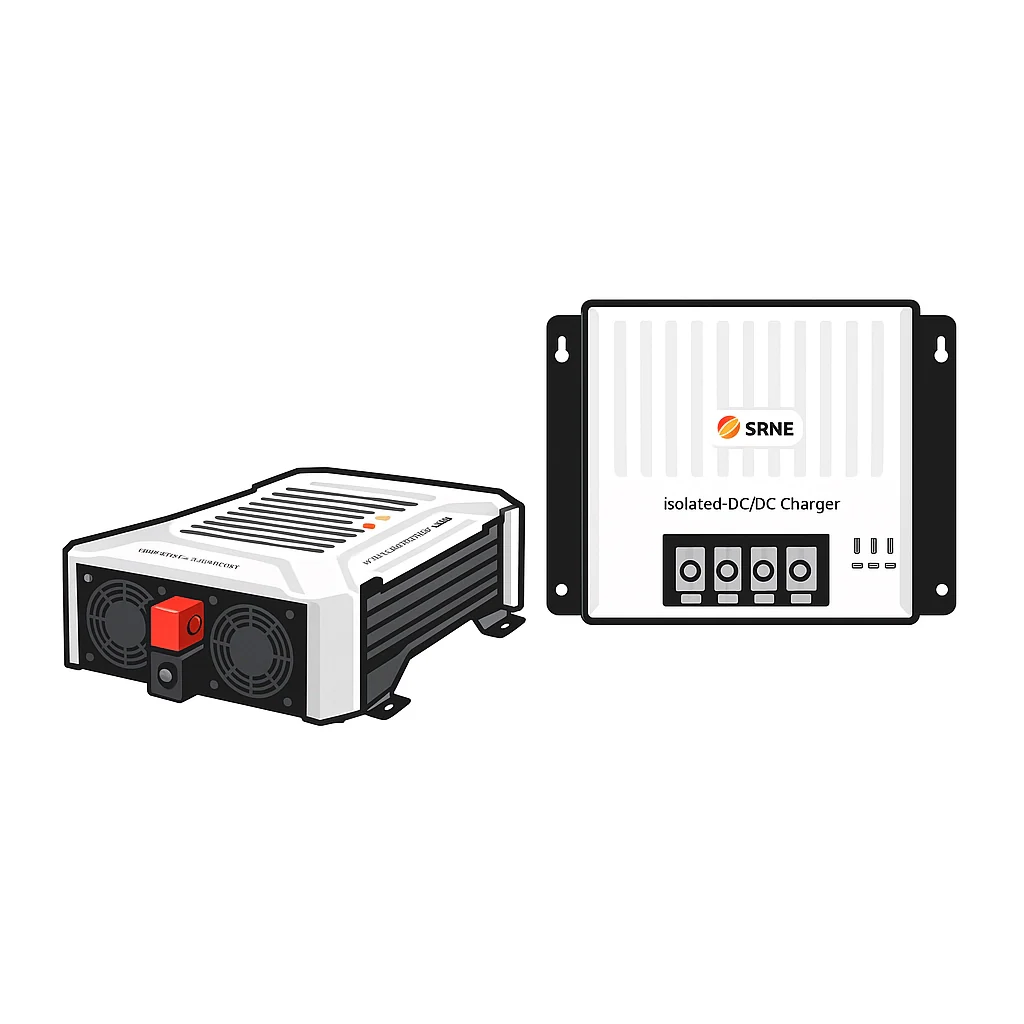
Inverters and chargers are the critical translation system that transforms your campervan’s electrical architecture from raw battery power to usable household electricity. These sophisticated devices are essential for converting direct current (DC) stored in batteries into alternating current (AC) required by most modern appliances.
Understanding energy storage inverter technologies is crucial for creating a robust off-grid power system. They serve as the central nervous system of your campervan’s electrical infrastructure.
Critical considerations for inverter and charger selection include:
- Power capacity matching your electrical needs
- Pure sine wave output quality
- Efficiency rating
- Temperature performance
- Compatibility with battery systems
High-quality inverters can convert power with over 95 percent efficiency.
Key performance attributes to evaluate:
- Maximum continuous power output
- Surge capacity for startup loads
- Input voltage range
- Built-in protection mechanisms
- Cooling system design
Pure sine wave inverters offer superior electrical performance compared to modified sine wave alternatives. They provide cleaner power that protects sensitive electronics and reduces electrical noise.
Integrated inverter-charger units offer additional advantages by combining power conversion with battery charging capabilities, simplifying your electrical system design.
Pro tip: Select an inverter with at least 20 percent higher capacity than your maximum expected simultaneous power draw to ensure reliable performance and prevent system overload.
7. Plan for Expandability and Future Upgrades
A well-designed off-grid power system for your campervan should anticipate future energy needs and technological advancements. Modular system design allows you to adapt and expand your electrical infrastructure as your travel requirements evolve.
Understanding techno-economic feasibility of renewable systems is crucial for creating a flexible power setup that can grow with your needs.
Key considerations for future-proofing your campervan electrical system include:
- Selecting scalable battery technologies
- Choosing adaptable inverter architectures
- Planning additional solar panel mounting points
- Using standardised electrical connections
- Ensuring compatibility between system components
Effective system design allows for 30-50 percent future capacity expansion.
Strategic upgrade pathways involve:
- Preliminary system oversizing
- Modular component selection
- Maintaining upgrade-friendly electrical architectures
- Documenting initial system specifications
- Preserving expansion mounting spaces
Component compatibility is essential when planning system upgrades. Select controllers and inverters that support incremental capacity increases, enabling seamless integration of additional batteries or solar panels.
Consider your long-term travel plans and potential energy consumption changes. Some campervan enthusiasts start with a basic system and progressively enhance their electrical capabilities as they gain more experience.
Pro tip: When purchasing initial system components, always request detailed technical specifications and upgrade compatibility information to ensure future expansion remains straightforward.
Below is a comprehensive table summarising the key points and recommendations provided in the article regarding optimising the off-grid battery and power system for campervans:
| Topic | Key Details | Benefits |
|---|---|---|
| Battery Selection | Lithium Iron Phosphate (LiFePO4) is preferred due to superior cycle life and depth of discharge. | Enhanced longevity, reliability during travels. |
| System Sizing | Calculate energy requirements based on daily use and add a 20% buffer. | Uninterrupted electricity supply and efficiency. |
| Solar Panels | Utilise monocrystalline panels for energy efficiency and optimal space usage. | Increased solar energy capture and system sustainability. |
| Battery Management System | Implement a reliable BMS equipped with monitoring and safety features. | Prolonged battery life and improved management. |
| Power Usage Monitoring | Use Bluetooth-enabled systems for real-time energy monitoring and management. | Enhanced control and early fault detection. |
| Inverters and Chargers | Deploy pure sine wave inverters and consider integrated charger setups. | Reliable performance, safe for sensitive electronics. |
| Expandability Planning | Engineer a modular system that adapts and scales with future requirements. | Cost-efficiency, preparation for increased power needs. |
Empower Your Off-Grid Campervan Experience with Skyenergi
Navigating the complexities of off-grid power systems can be challenging without the right components. From choosing the ideal lithium iron phosphate batteries to integrating smart battery management systems and Bluetooth monitoring, every detail matters for dependable and efficient campervan power. This article highlights crucial pain points such as battery compatibility, system sizing, and future expandability, all of which define your adventure’s success.
Take control of your off-grid power needs today by exploring Skyenergi’s high-performance lithium battery systems and smart energy solutions. Benefit from our meticulously engineered products designed for seamless integration, reliable performance, and real-time system health monitoring. Don’t compromise on your travel freedom. Visit Skyenergi now and discover how our renewable power solutions can keep your campervan charged and ready for every journey. Start your upgrade for dependable, expandable energy independence now.
Frequently Asked Questions
What type of battery should I choose for my off-grid campervan?
Choosing the right battery is crucial for off-grid power. Lithium iron phosphate (LiFePO4) batteries are highly recommended due to their superior performance, longevity, and ability to discharge deeply without damage. Assess your power consumption needs and select batteries that align with those requirements.
How do I calculate the energy needs for my campervan’s power system?
To calculate your energy needs, list all electrical devices and their daily power consumption in watt-hours. Sum these values to get your total daily requirements, and factor in a 20% buffer for unexpected usage. This will ensure you design a system that reliably meets your needs.
What factors should I consider when installing solar panels on my campervan?
When installing solar panels, consider the total wattage, mounting location, and angle for optimal efficiency. It’s essential to select panels that fit your power needs and to prevent shading that can significantly reduce energy generation. Aim for proper placement to boost energy output by up to 40%.
How can a Battery Management System (BMS) enhance my off-grid power setup?
A smart Battery Management System (BMS) monitors battery health, regulates temperature, and prevents overcharging, significantly increasing battery lifespan. Select a BMS with advanced features like Bluetooth connectivity for real-time performance tracking to optimise your system’s reliability and efficiency.
What should I look for in an inverter for my campervan’s electrical system?
When choosing an inverter, ensure it matches your power needs and delivers pure sine wave output for optimal appliance compatibility. Look for an inverter with at least 20% higher capacity than your anticipated power draw to prevent overloads and ensure stable performance.
How can I prepare my off-grid power system for future upgrades?
Plan for future upgrades by selecting modular components that allow for scalability, such as expandable battery systems and adaptable inverters. Document your electrical setup’s specifications and maintain spare mounting spaces for additional solar panels to facilitate easy enhancements when needed.
Recommended
- Understanding Campervan Electrical Systems: A Guide – Skyenergi
- 7 Examples of Solar Charging Setups for UK Campervans – Skyenergi
- 7 Expert Solar Charging Tips for UK Campervan Owners – Skyenergi
- 7 Types of Off-Grid Battery Systems for UK Campervans – Skyenergi
- Portable Power Solutions for Your Active Lifestyle | Porta Power
- Ultimate Luxury Outdoor Guide – Backyard Pyre
Prev post

Victron Compatible Systems – Powering Off-Grid Living
Updated on 17 February 2026
Next post

Home Energy Storage Explained: Powering UK Independence
Updated on 15 February 2026


