Understanding Campervan Electrical Systems: A Guide
Embarking on a camping adventure in your campervan can be exhilarating. However, one of the crucial aspects that often goes unnoticed until needed is the electrical system. Understanding campervan electrical systems is essential for ensuring a seamless journey, comfort during your trip, and the longevity of your vehicle. This guide explores the key components of campervan electrical systems, common issues, maintenance tips, and how to optimise your system for the best performance.
Share
Overview
Understanding your campervan's electrical system is crucial for a successful journey. Key components include the battery, inverter, solar panels, and wiring. Choose between lead-acid and lithium batteries based on your needs. Install the system carefully, regularly maintain it, and troubleshoot common issues like battery drain and inverter failure. Optimise your setup with solar power and energy-efficient appliances for enhanced performance and reliability on your adventures.
Frequently Asked Questions
1. What is a campervan electrical system?
The campervan electrical system powers appliances, lights, and other devices, comprising components like the battery, inverter, solar panels, and wiring.
2. What are the main components of a campervan's electrical system?
The key components include the battery, inverter, solar panels, charge controller, and wiring.
3. What types of batteries are commonly used in campervans?
The two most common types are lead-acid and lithium batteries, each with distinct advantages and limitations.
4. How can I maintain my campervan electrical system?
Regular inspections, battery care, cleaning connections, and monitoring energy usage are vital for maintenance.
5. What are some ways to optimise a campervan's electrical system?
Investing in solar power, upgrading components, and implementing smart power management can enhance efficiency and functionality.
Embarking on a camping adventure in your campervan can be exhilarating. However, one of the crucial aspects that often goes unnoticed until needed is the electrical system. Understanding campervan electrical systems is essential for ensuring a seamless journey, comfort during your trip, and the longevity of your vehicle. This guide explores the key components of campervan electrical systems, common issues, maintenance tips, and how to optimise your system for the best performance.
What is a Campervan Electrical System?
The electrical system in a campervan is responsible for powering appliances, lights, and other devices. It comprises various components, including the battery, inverter, solar panels, and wiring. Each of these elements works together to deliver a reliable power source while you explore the great outdoors.
Key Components of a Campervan Electrical System
Understanding the main components of your campervan's electrical system is the first step towards effective management and troubleshooting when necessary. Here are the essential parts:
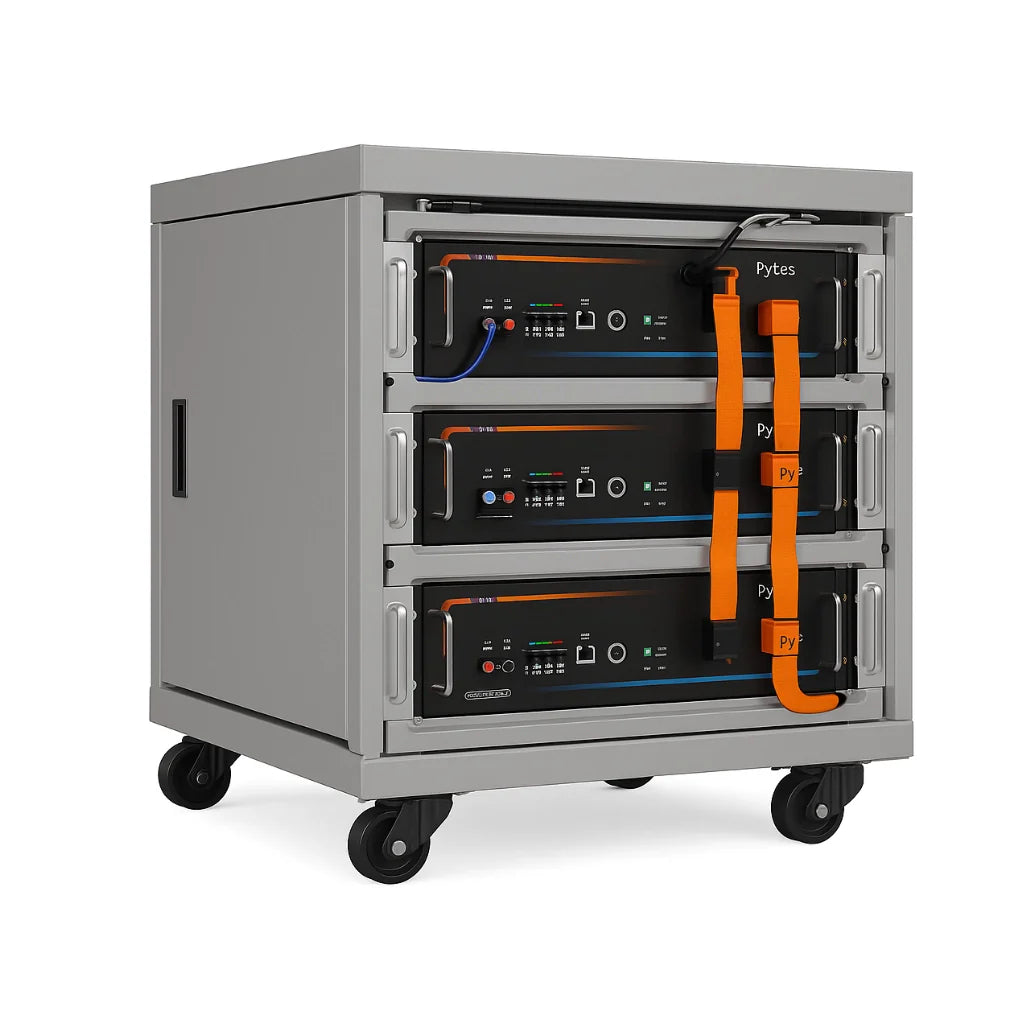
Battery: The heart of your electrical system, the battery stores energy for use when the vehicle is not running. Depending on your needs, you can opt for lead-acid batteries or lithium-ion batteries, each with its unique characteristics.
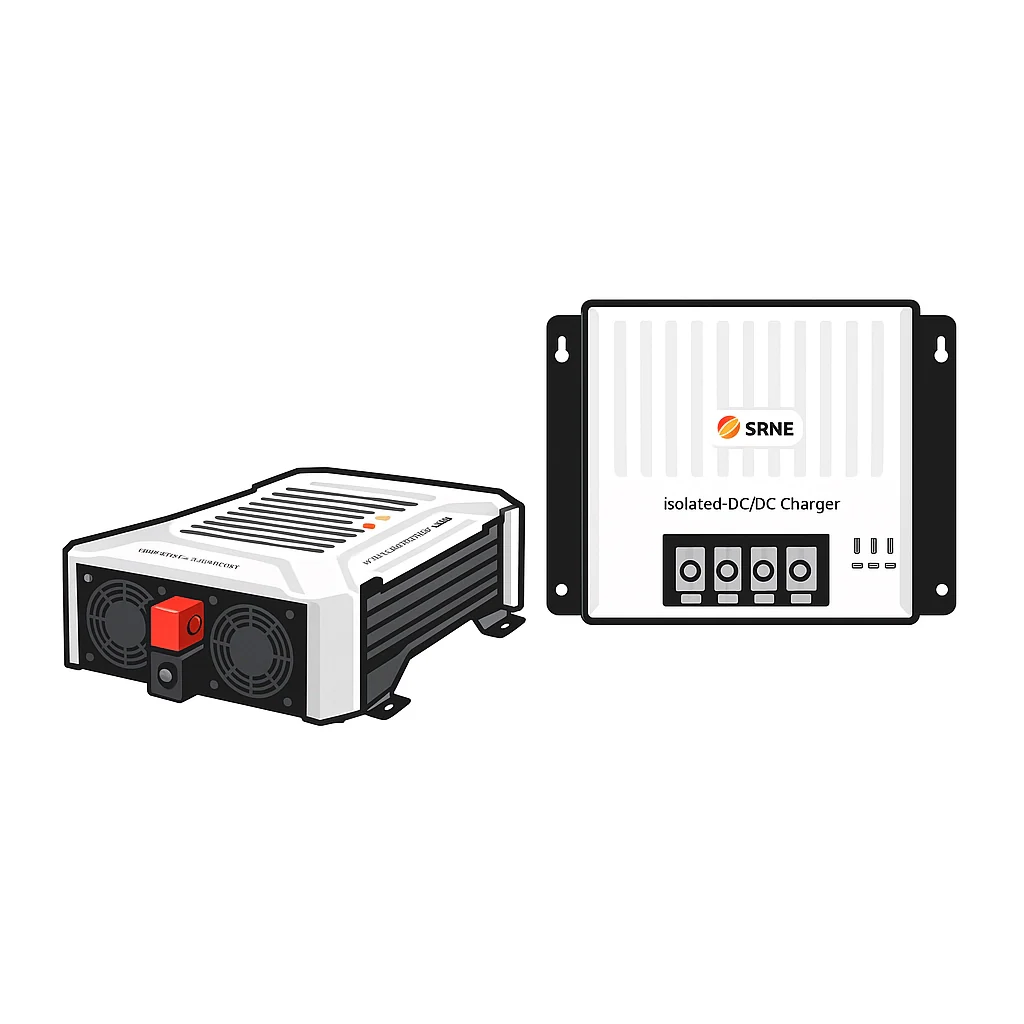
Inverter: An inverter converts the DC (direct current) stored in your battery to AC (alternating current), which is needed for household appliances. It's crucial for anything requiring standard wall plug power.
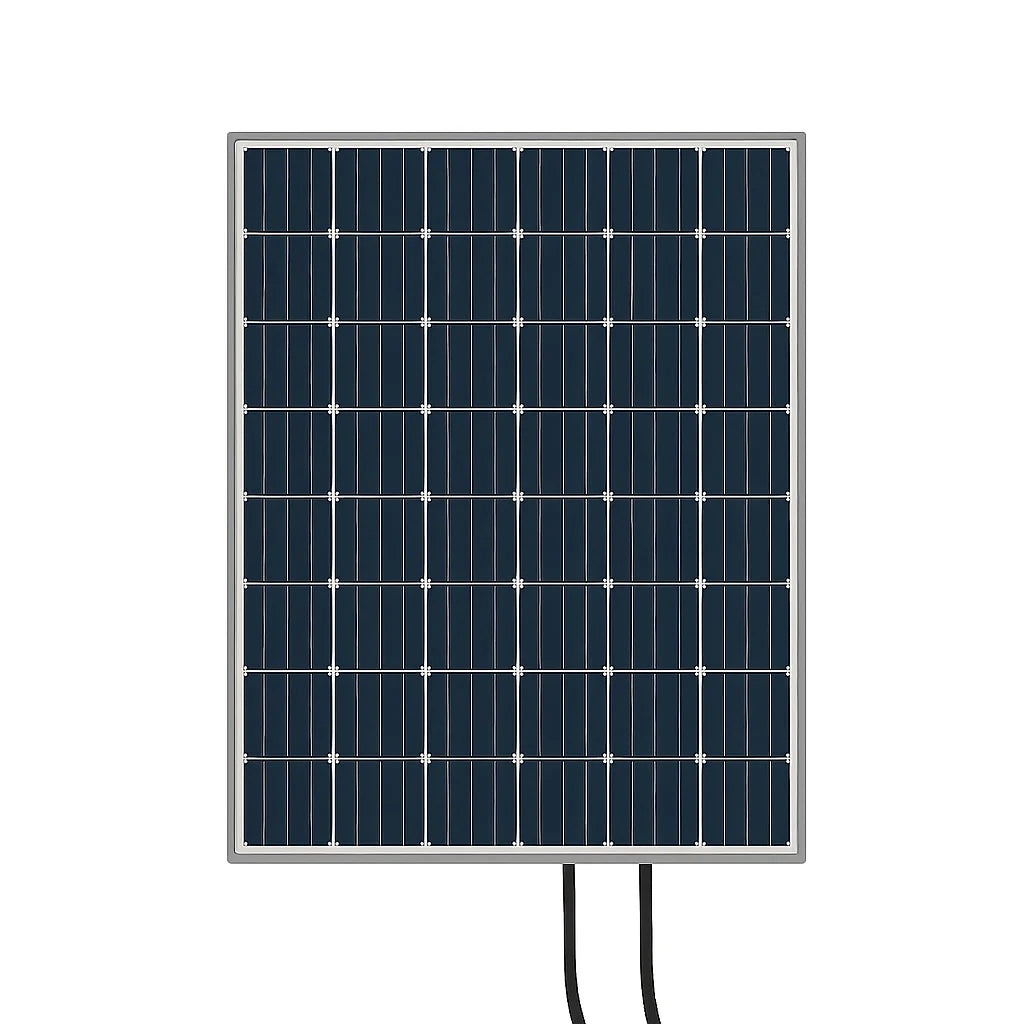
Solar Panels: Many campervans are now equipped with solar panels to harness renewable energy. Solar panels can recharge your battery during the day, giving you more freedom to camp off-grid.
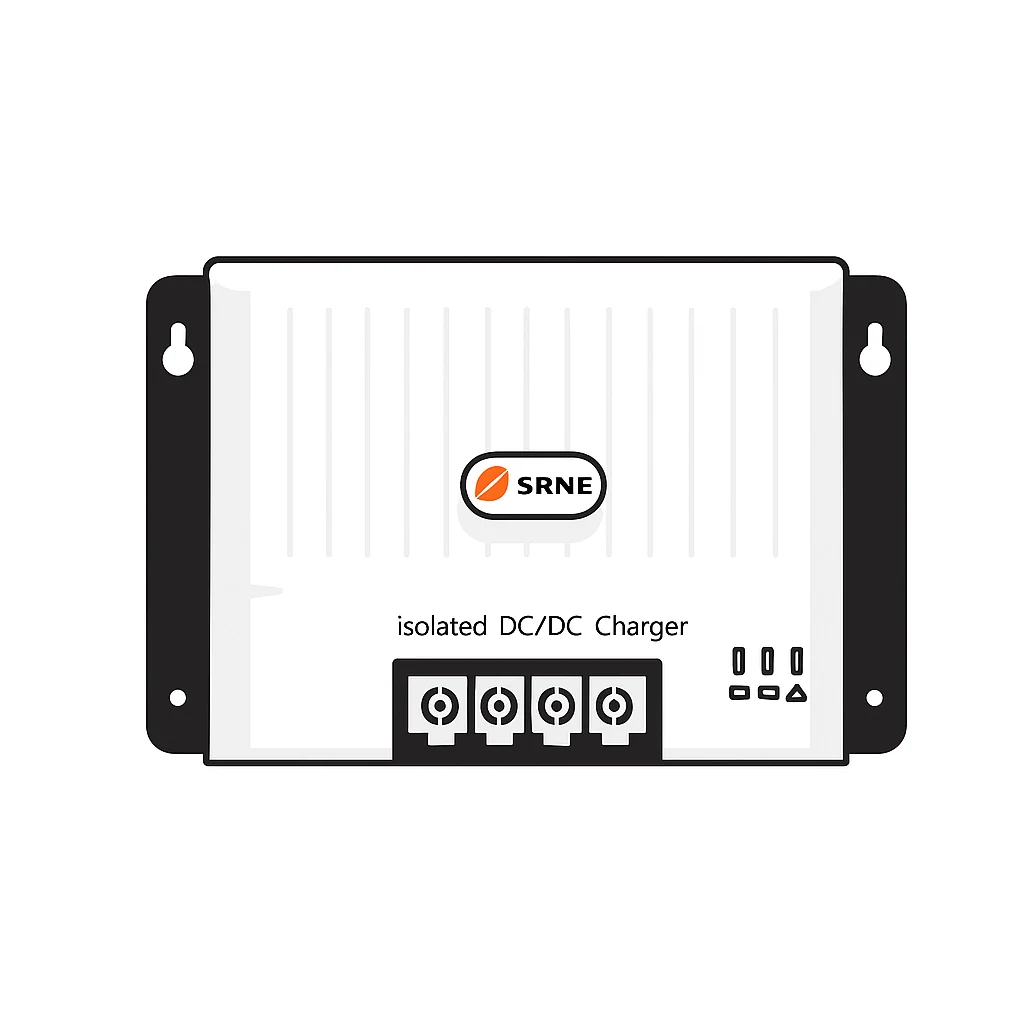
Charge Controller: This component regulates the charging of the battery, protecting it from overcharging while optimising power generation from solar panels.
Wiring: Proper wiring is vital for distributing power safely throughout the campervan. It is essential to ensure that the wiring is robust, secure, and suited to handle the load of your electrical devices.
Understanding Battery Types and Their Applications
When it comes to campervan battery systems, the choice of battery plays a crucial role in your overall power strategy. The two most common battery types used in campervans are lead-acid and lithium batteries.
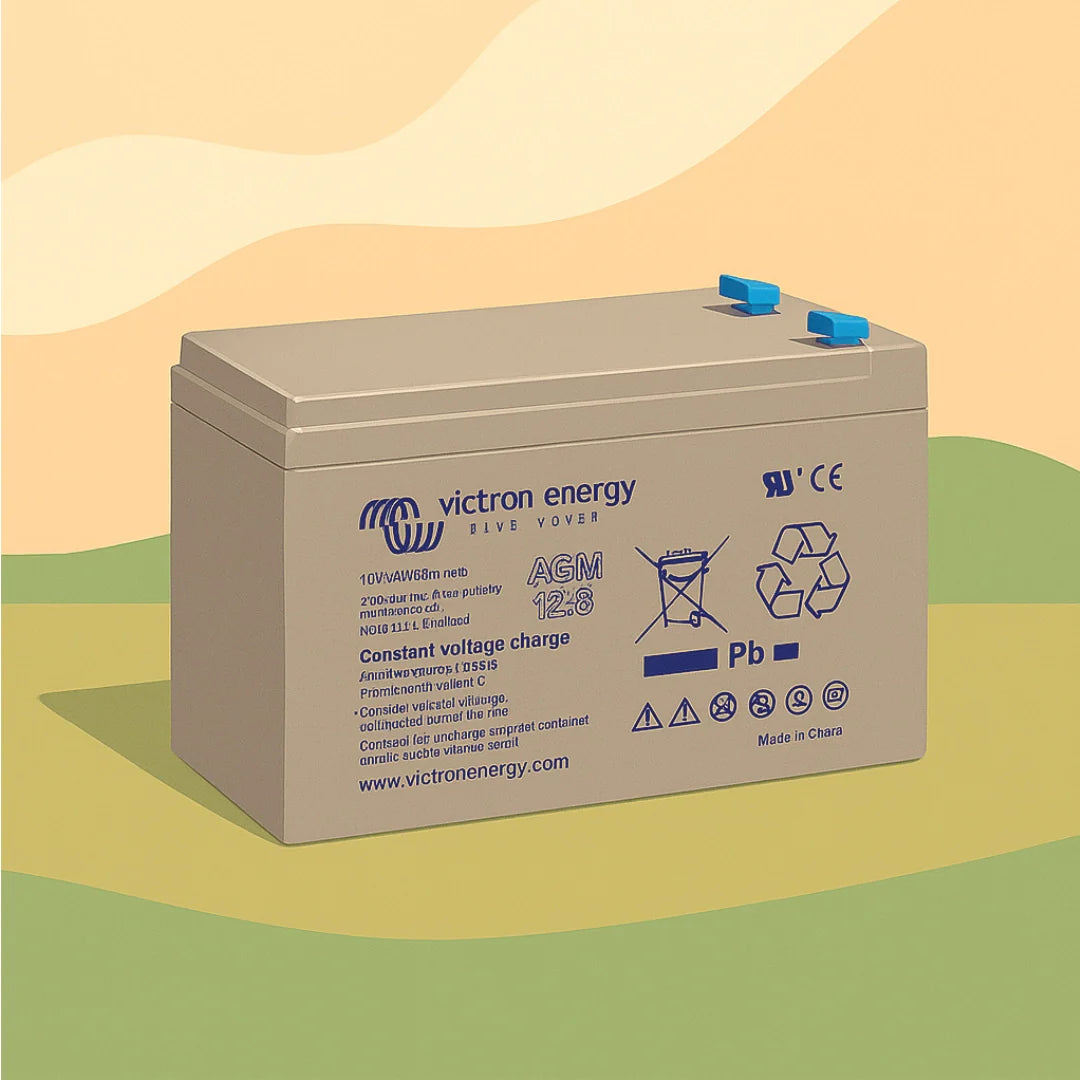
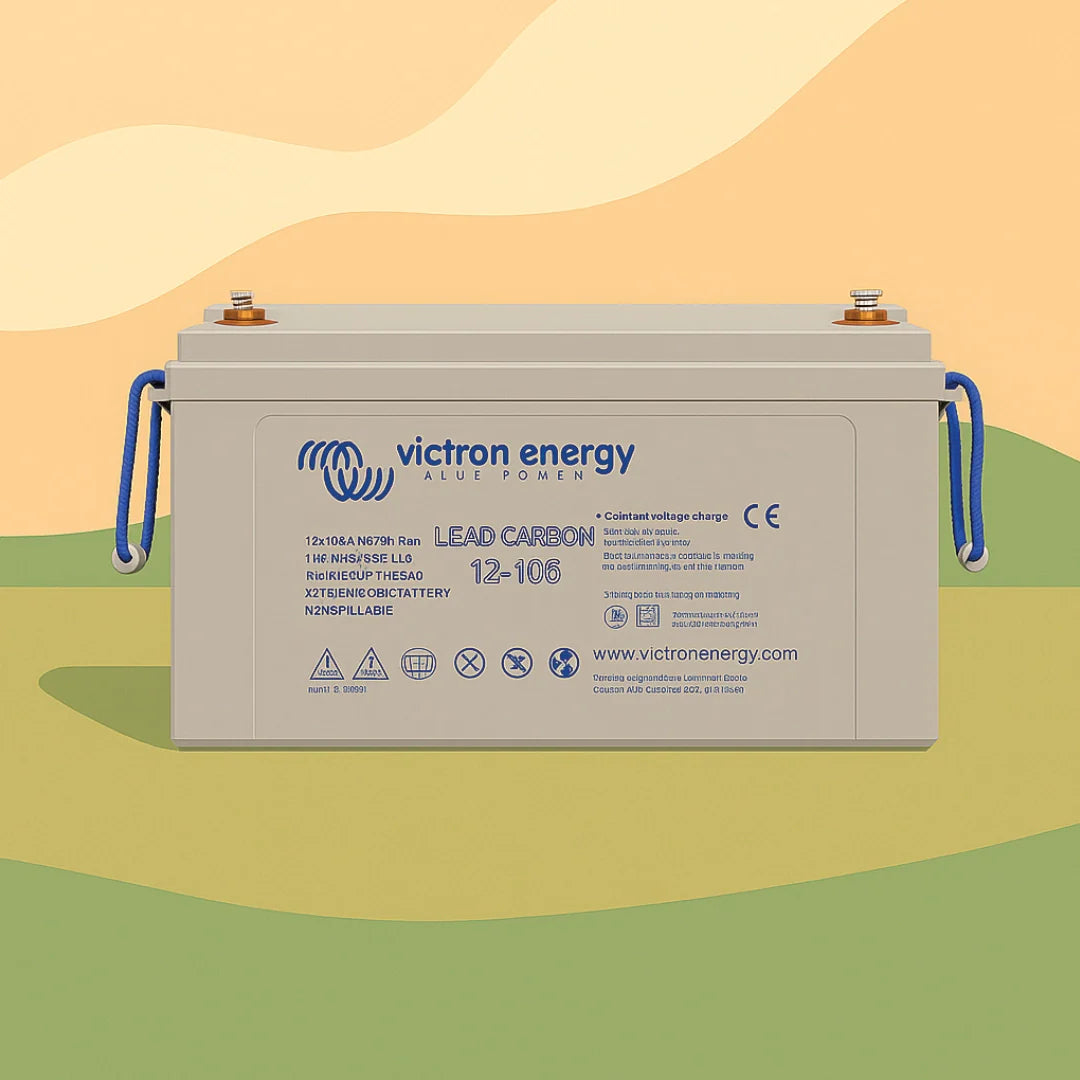
Lead-Acid Batteries
Lead-acid batteries are a classic choice for campervans. They are well-understood, widely available, and generally less expensive. However, they come with some limitations:
They are relatively heavy, which could impact your vehicle's weight distribution.
They have a shorter lifespan compared to lithium batteries, typically ranging from 3 to 7 years.
Deep cycling (draining the battery regularly) can significantly reduce their lifespan.
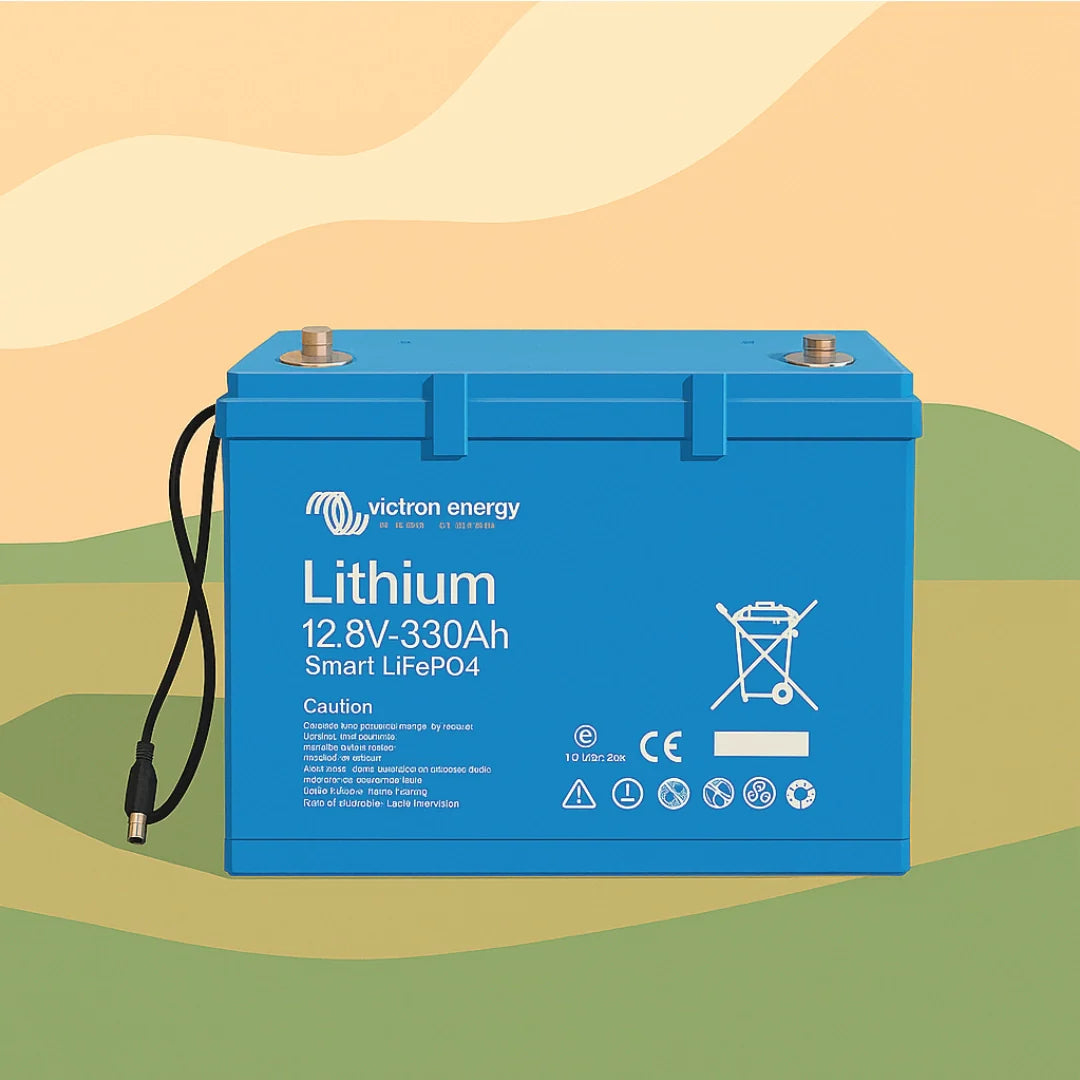
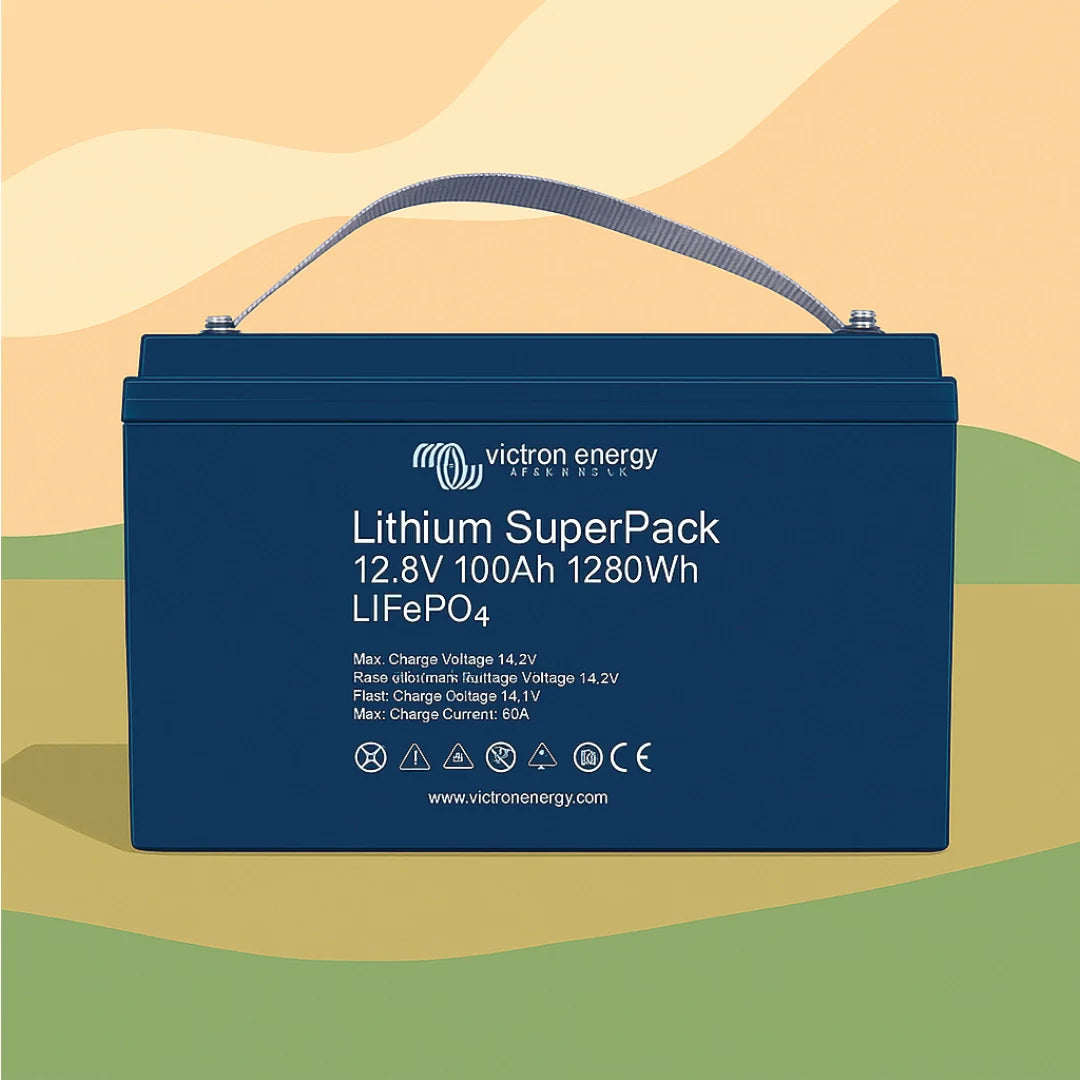
Lithium Batteries
Lithium batteries are gaining popularity in the campervan community due to their numerous advantages:
They are lighter and more compact, allowing for better weight distribution.
The lifespan of lithium batteries can exceed 10 years with proper care.
They can handle deep cycling more effectively, providing consistent power.
Choosing the right battery depends on your campervan needs, budget, and weight limitations. Always ensure to regularly maintain your chosen battery type to maximise its performance.
How to Install a Campervan Electrical System
Installing an electrical system in your campervan can be an intimidating task. However, with a little preparation and understanding, you can do it correctly. Here’s a simplified guide:
Gather Necessary Tools and Materials
Before diving into the installation, make sure you have the following:
Battery
Inverter
Solar panels (optional)
Wiring cables
Fuses and connectors
Solar charge controller (if using solar)
Tools such as a multimeter and crimping tool
Steps for Installation
Planning: Lay out a schematic of your intended electrical system to visualise component placement and wiring routes.
Battery Placement: Identify a secure, accessible place for the battery, ensuring it’s well-ventilated.
Wiring: Carefully connect the battery to the inverter, and then link it to the solar charge controller if you plan to incorporate solar panels. Use a fuse for added protection.
Test: Once everything is connected, test the system with a multimeter to ensure functionality.
Remember, safety is paramount. Always use appropriate protective equipment and follow the manufacturer’s guidelines.
Common Issues with Campervan Electrical Systems
Even the best-installed electrical systems can face issues. Understanding these problems can help you troubleshoot effectively:
Electrical Shorts
Electrical shorts can cause significant issues such as blown fuses or damaged appliances. They often result from poor wiring, loose connections, or damaged insulation. Regular inspections can help catch these problems early.
Battery Drain
Battery drain can occur when appliances are left on, or improper wiring leads to constant power draw. To mitigate this, always double-check that all devices are turned off when not in use and consider installing a battery monitor for real-time monitoring.
Inverter Failure
If your inverter fails, it may not convert power correctly, leaving you without the necessary energy for your appliances. Regularly inspect your inverter and ensure it is adequately ventilated as overheating can cause premature failure.
Maintaining Your Campervan Electrical System
Regular maintenance is vital for ensuring the longevity and reliability of your electrical system. Here are some key maintenance tips:
Regular Inspections: Routinely check all connections, wiring, and components for signs of wear or damage.
Battery Care: For lead-acid batteries, regularly check water levels and specific gravity. For lithium batteries, ensure they’re charged to the manufacturer's specifications.
Clean Connections: Keep all electrical connections clean and free from corrosion to ensure optimal performance.
Monitor Energy Usage: Keep track of your energy consumption to gauge if your electrical system meets your needs.
Optimising Your Campervan Electrical System
Invest in Solar Power
Adding solar panels can significantly extend your power capabilities, allowing for more freedom to camp without needing to run a generator. The energy generated can comfortably support lights, devices, and refrigeration.
Upgrade Components
Updating to high-efficiency appliances and components can save energy and enhance the overall functionality of your system. Look for Energy Star rated devices suitable for mobile use.
Smart Power Management
Implementing smart power management solutions, such as battery monitoring systems, can help you track your usage and optimise your electrical load efficiently. This awareness can extend your battery life and provide a smoother camping experience.
Adventure Awaits!
Understanding and managing your campervan electrical system opens up endless possibilities for your adventures. Whether you choose to fully embrace the off-grid lifestyle or need just enough power for weekend getaways, knowing the ins and outs of your electrics ensures that you can travel with confidence. With proper maintenance, upgrades, and a bit of knowledge, your campervan’s electrical system can serve you reliably through many memorable journeys. So, get prepared, hit the road, and let the adventure begin!