





Advantages of Solar Charging for Off-Grid Living
Explore the advantages of solar charging for motorhomes: energy independence, cost savings, reliable technology, and real-world UK applications.
Setting off across the British countryside in your motorhome, you want freedom from noisy generators and rising energy costs. For those seeking an eco-friendly and truly independent way to power every journey, solar charging offers a smart alternative. Understanding solar charging mechanics and separating fact from fiction empowers you to make informed choices for greener travels and greater efficiency wherever your adventures take you.
Table of Contents
- What Solar Charging Involves And Common Myths
- Types Of Solar Charging Systems Explained
- How Solar Charging Powers Off-Grid Journeys
- Environmental And Financial Benefits For Motorhome Owners
- System Compatibility, Sizing, And Avoidable Mistakes
Key Takeaways
| Point | Details |
|---|---|
| Solar Energy Independence | Solar charging systems empower motorhome owners with complete energy autonomy, enabling off-grid travels without reliance on conventional power sources. |
| Common Myths Debunked | Misconceptions about solar panels being ineffective in cloudy weather, high costs, or requiring constant maintenance often deter potential users from embracing this sustainable technology. |
| System Types and Benefits | Off-grid, grid-connected, and hybrid solar systems cater to various energy needs, offering flexibility and potential financial benefits such as income from excess energy sold back to the grid. |
| Importance of Professional Consultation | Engaging a professional for system design and installation optimises performance, avoids common mistakes, and ensures compatibility with the motorhome’s energy requirements. |
What Solar Charging Involves and Common Myths
Solar charging represents a powerful technology that enables off-grid electricity generation through photovoltaic panels. These innovative systems convert sunlight directly into usable electrical power, offering motorhome owners unprecedented energy independence and flexibility.
Understanding solar charging mechanics requires exploring its fundamental process. Photovoltaic panels generate electricity by capturing solar radiation and transforming light wavelengths into direct current (DC) electricity. This electrical current can then be converted into alternating current (AC) for powering various devices and charging batteries in your motorhome.
Common myths about solar charging often prevent potential users from embracing this sustainable technology. Here are several prevalent misconceptions:
- Solar panels only work on sunny days: Contrary to popular belief, panels continue generating electricity during cloudy conditions
- Solar charging is prohibitively expensive: Initial installation costs have significantly decreased in recent years
- Solar systems require constant maintenance: Modern panels are remarkably durable and low-maintenance
- Solar power is unreliable for continuous energy: Well-designed systems can provide consistent power through battery storage
Regional factors significantly influence solar charging effectiveness in the United Kingdom. Southern England typically receives more solar radiation compared to northern Scotland, which impacts overall system performance. Optimal panel installation involves positioning panels facing south at approximately 35-degree inclination to maximise energy capture.
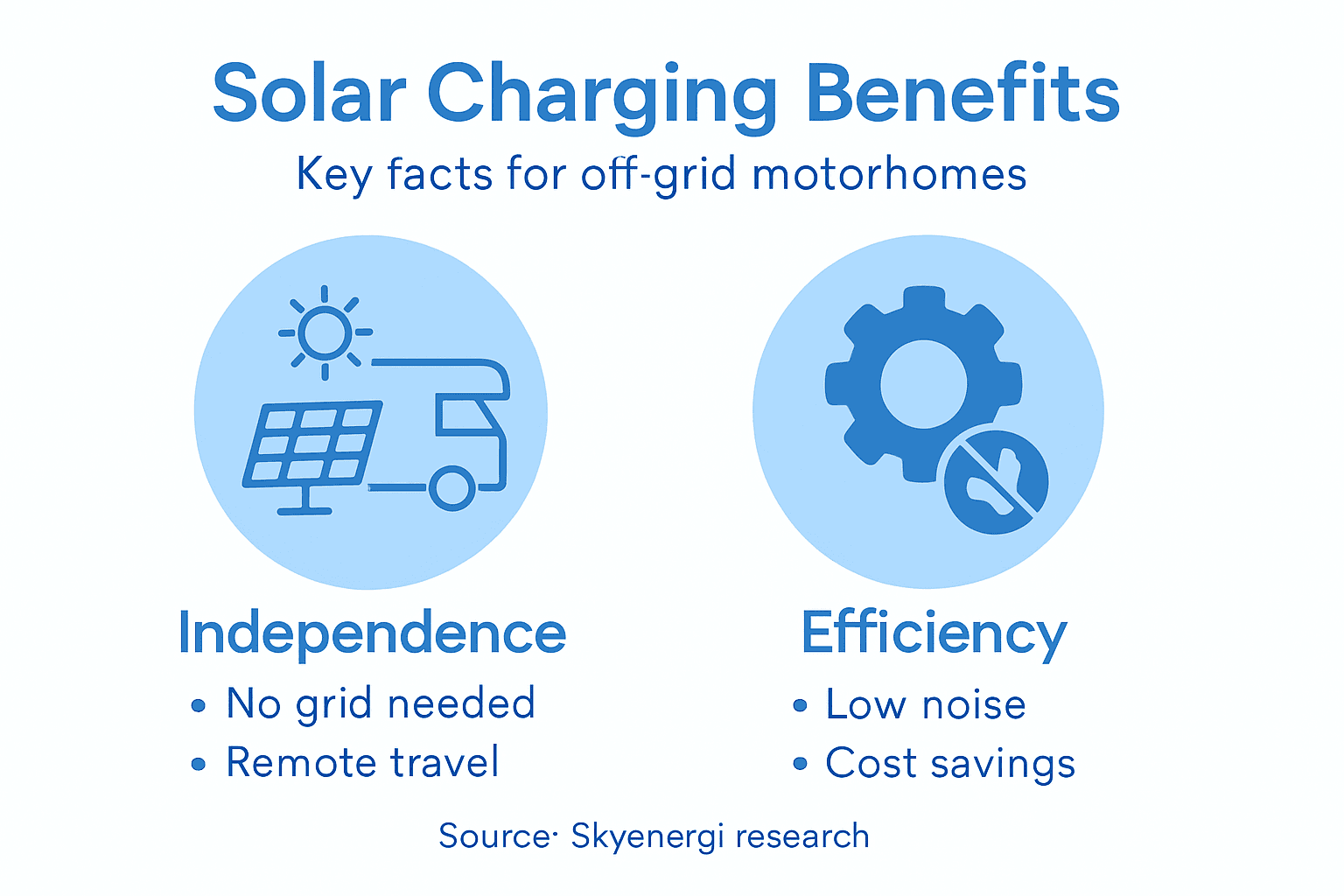
Pro tip: Consider professional consultation to assess your specific motorhome’s solar charging potential and design a customised system that meets your unique energy requirements.
Types of Solar Charging Systems Explained
Solar charging technologies have evolved significantly, offering motorhome owners multiple options for generating and managing renewable energy. Solar charging systems encompass diverse configurations designed to meet varying energy requirements and environmental conditions.
The primary types of solar charging systems include:
- Off-Grid Systems: Completely independent setups relying solely on solar panels and battery storage
- Grid-Connected Systems: Installations that feed excess energy back to the national electricity network
- Hybrid Systems: Flexible solutions combining solar generation, grid connectivity, and energy storage
Off-grid systems remain particularly attractive for motorhome owners seeking complete energy independence. These setups typically involve photovoltaic panels mounted on vehicle roofs, connected to robust battery banks that store electrical energy for use during low-light conditions or overnight.
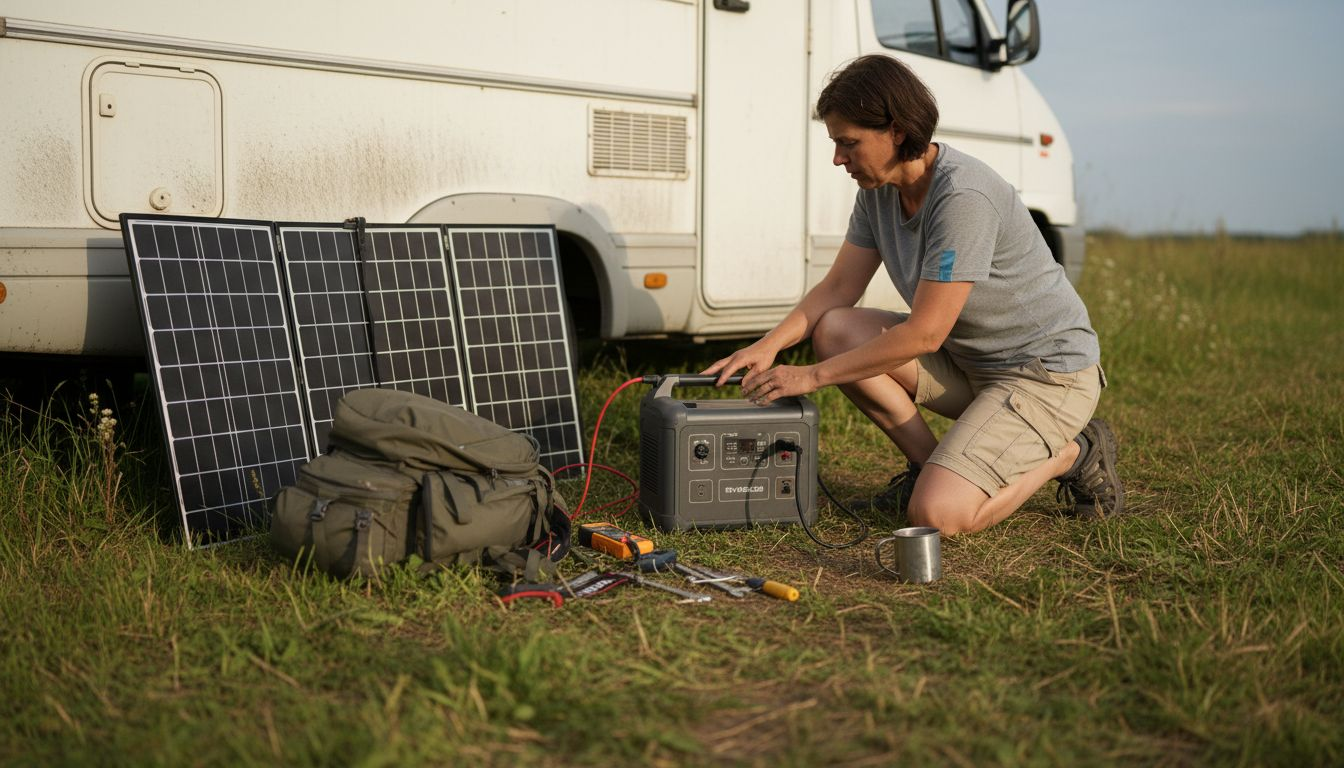
Grid-connected and hybrid systems offer additional flexibility, enabling energy exchange with the national grid. In the United Kingdom, these configurations can potentially generate income through schemes like the Smart Export Guarantee, where excess solar energy can be sold back to electricity providers.
Technological Variations:
- Wired solar charging systems with direct electrical connections
- Emerging wireless charging technologies using electromagnetic energy transfer
- Smart integrated systems with advanced monitoring capabilities
The UK government continues to support solar charging innovations, particularly in contexts like electric vehicle charging infrastructure and commercial solar installations. Considerations for motorhome owners include system size, battery capacity, and regional solar radiation levels.
Pro tip: Consult a professional solar installation expert to design a system tailored precisely to your motorhome’s specific energy consumption patterns and usage requirements.
Here is a summary of the main solar charging system types for motorhomes:
| System Type | Core Benefit | Typical Use Case |
|---|---|---|
| Off-Grid | Complete autonomy | Remote and wild motorhome adventures |
| Grid-Connected | Export extra energy | At-home vehicle charging or dual use |
| Hybrid | Maximum flexibility | Balancing off-grid and urban travel |
How Solar Charging Powers Off-Grid Journeys
Motorhome enthusiasts increasingly rely on solar charging technologies to transform their off-grid travel experiences. Off-grid solar charging systems enable complete energy independence by generating electricity directly from sunlight and storing it in advanced battery banks.
The core components that power off-grid journeys include:
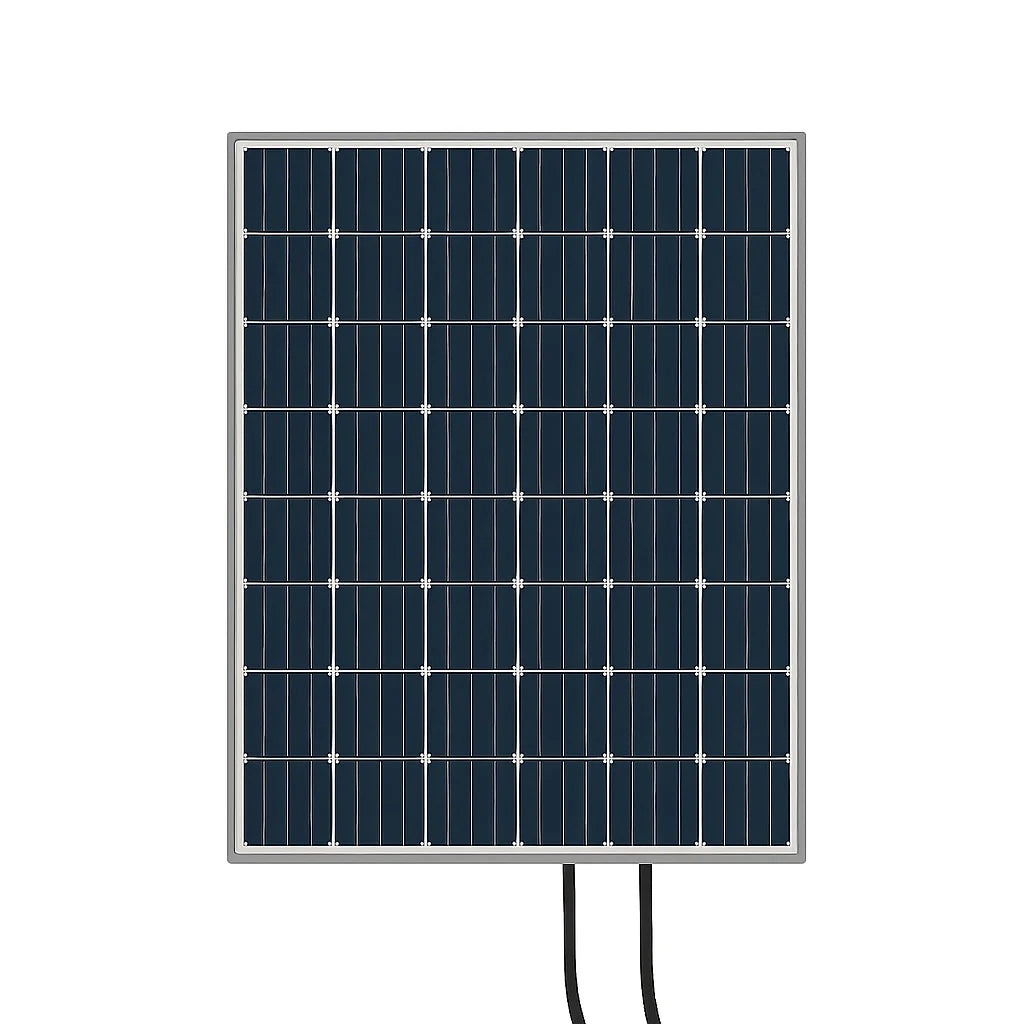
- Photovoltaic Panels: Mounted on vehicle roofs to capture solar radiation
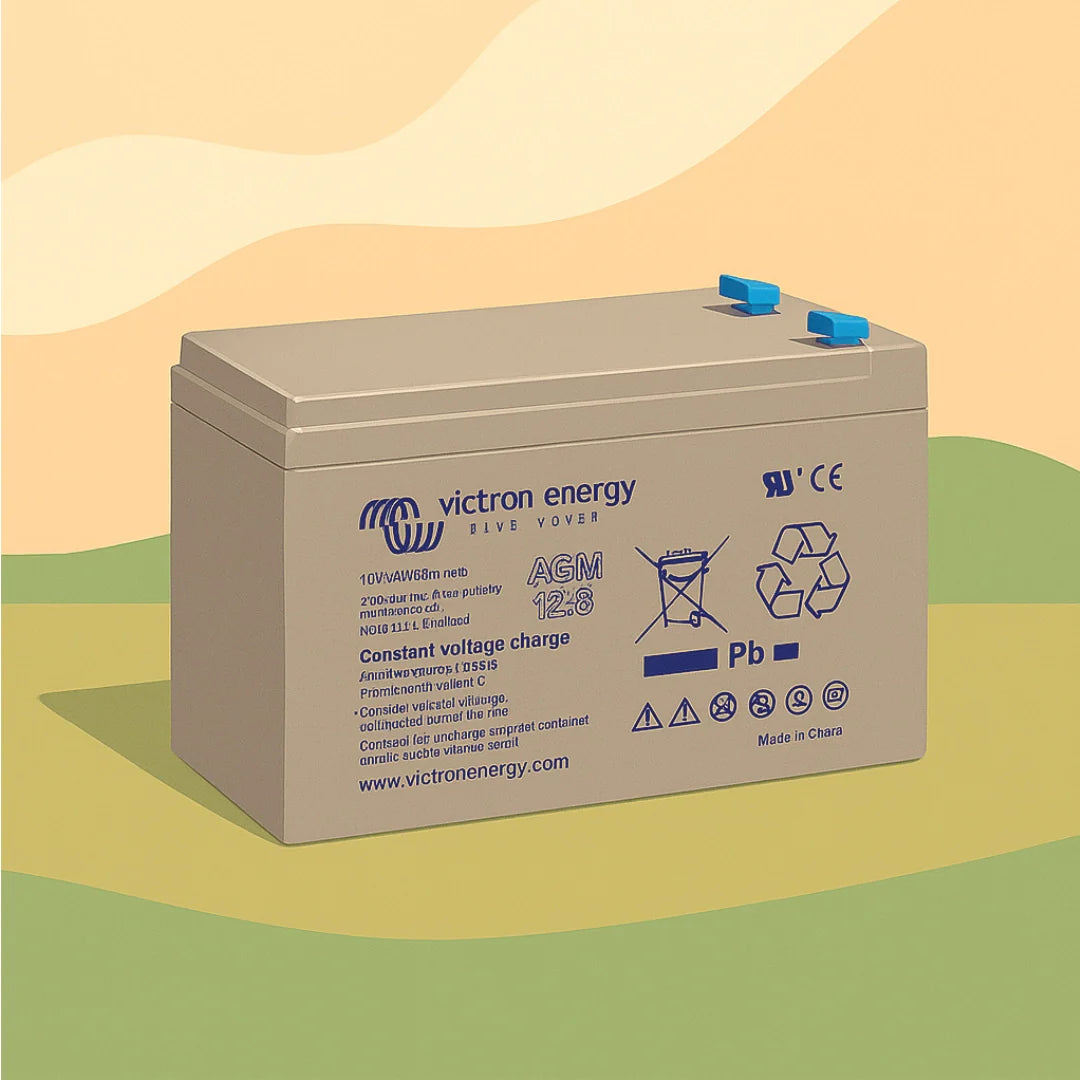
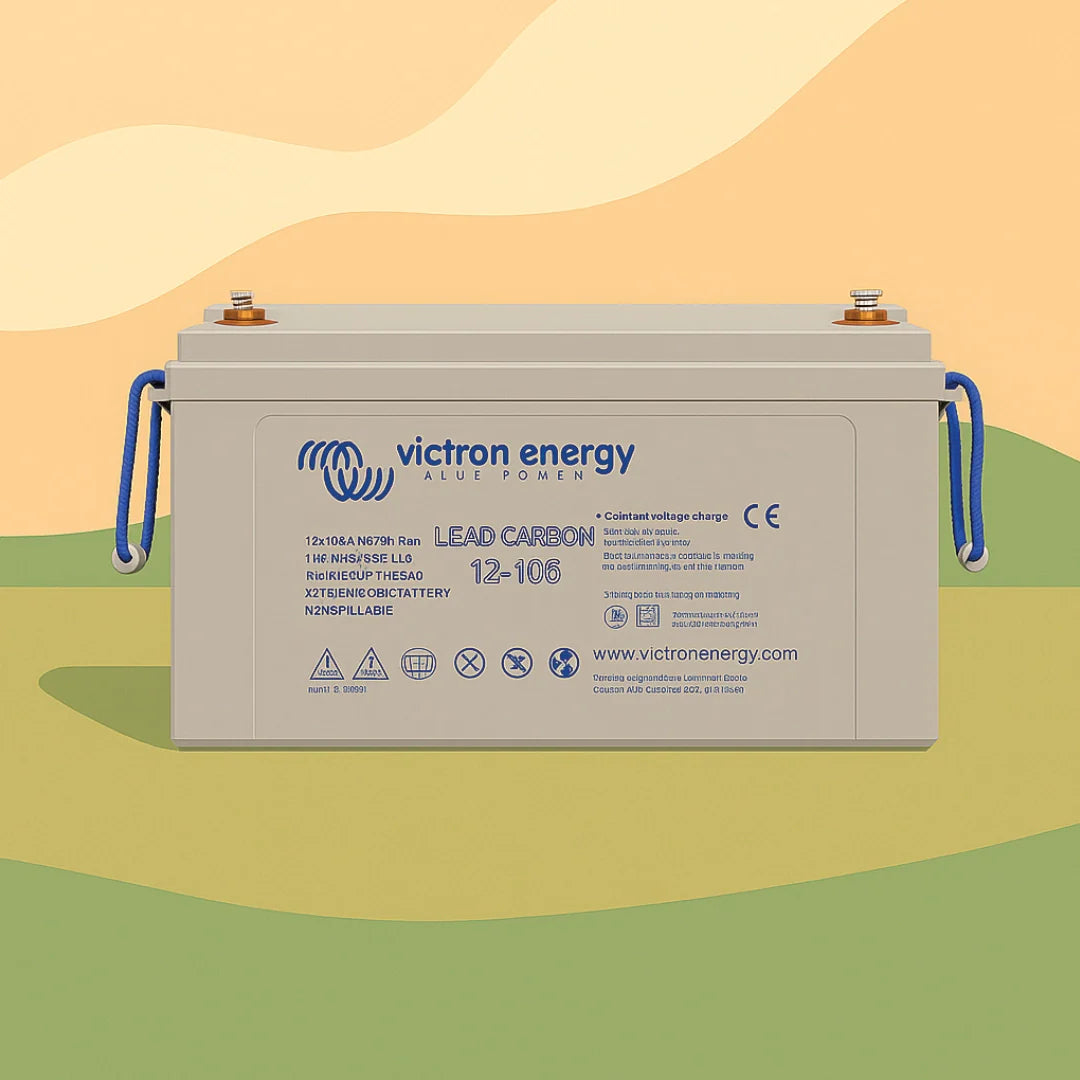
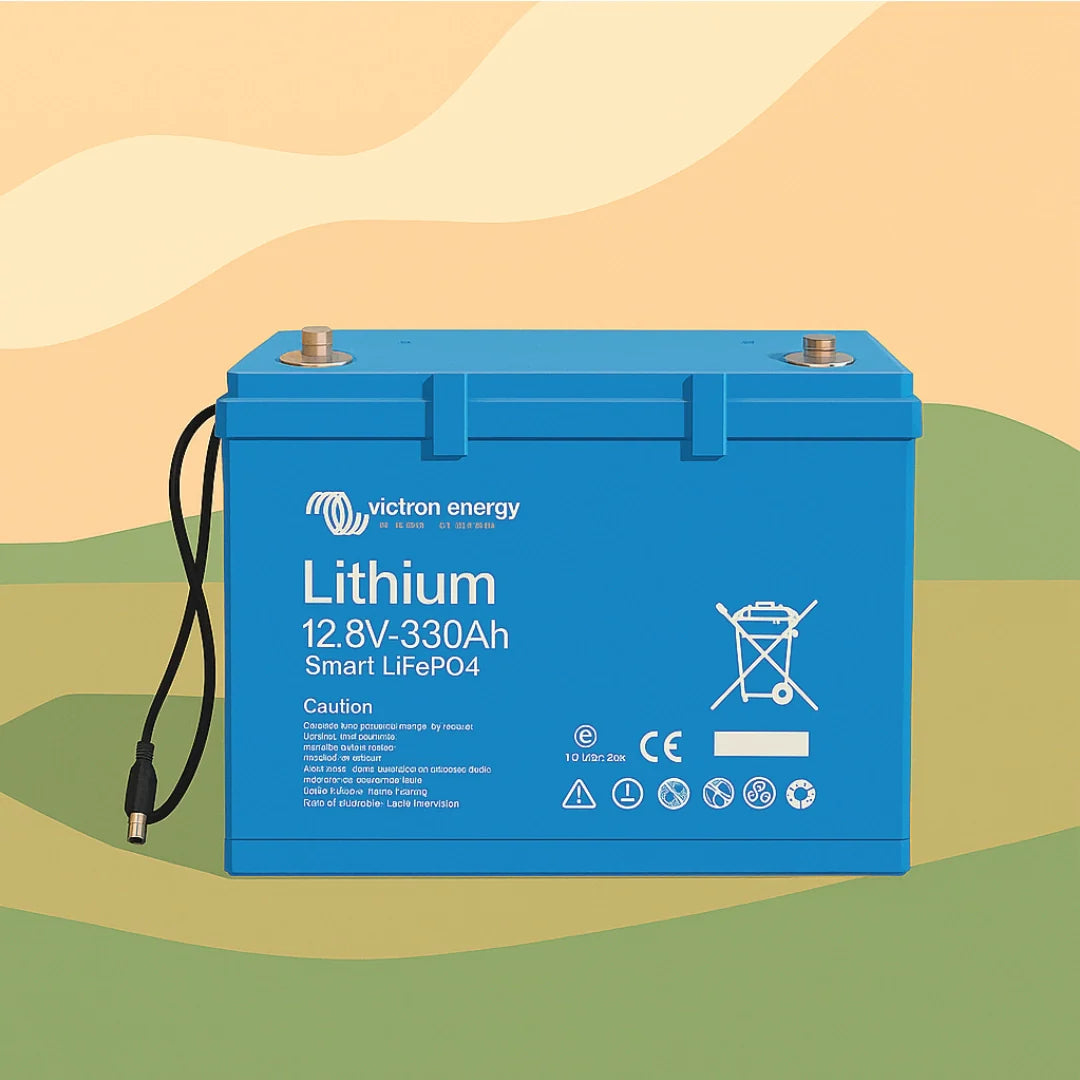
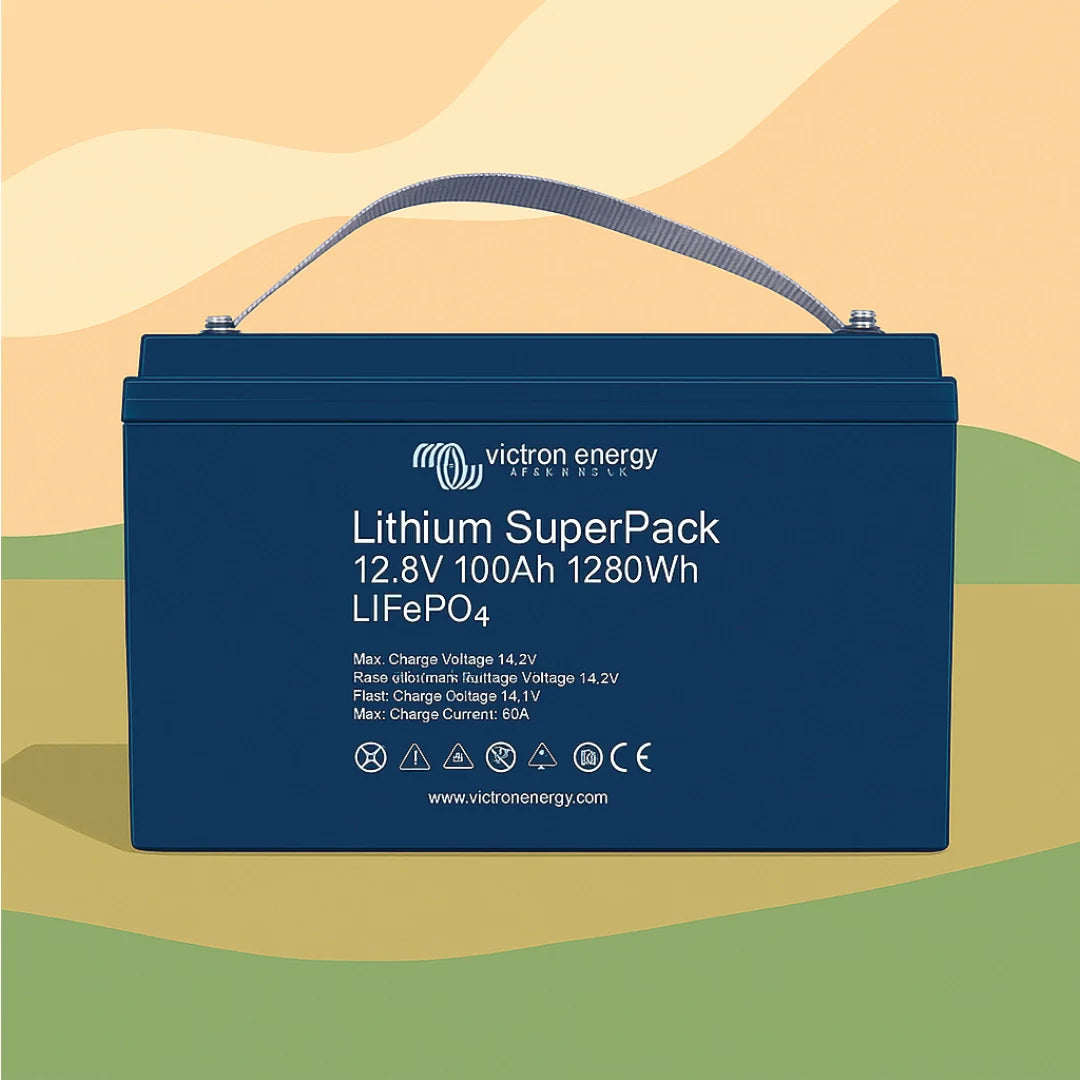
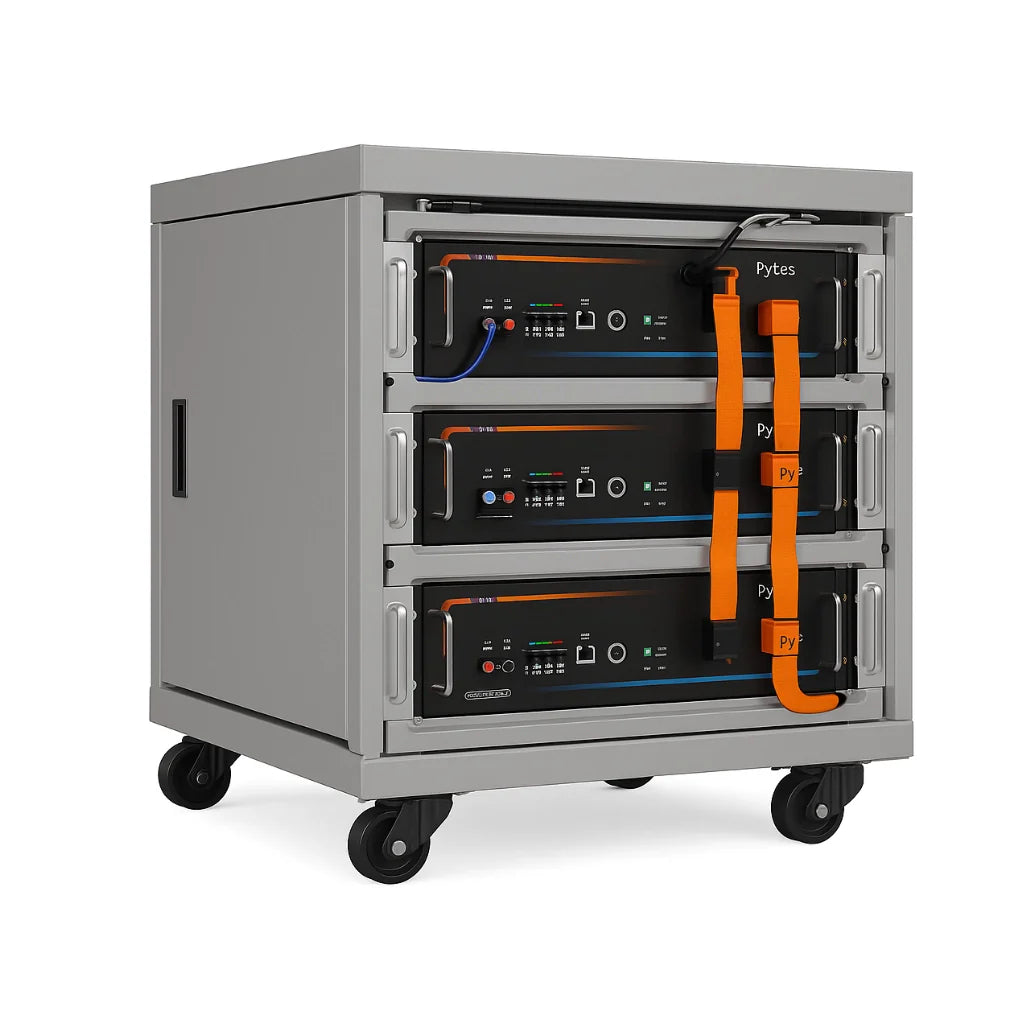
- Battery Storage Systems: High-capacity lithium batteries for energy retention
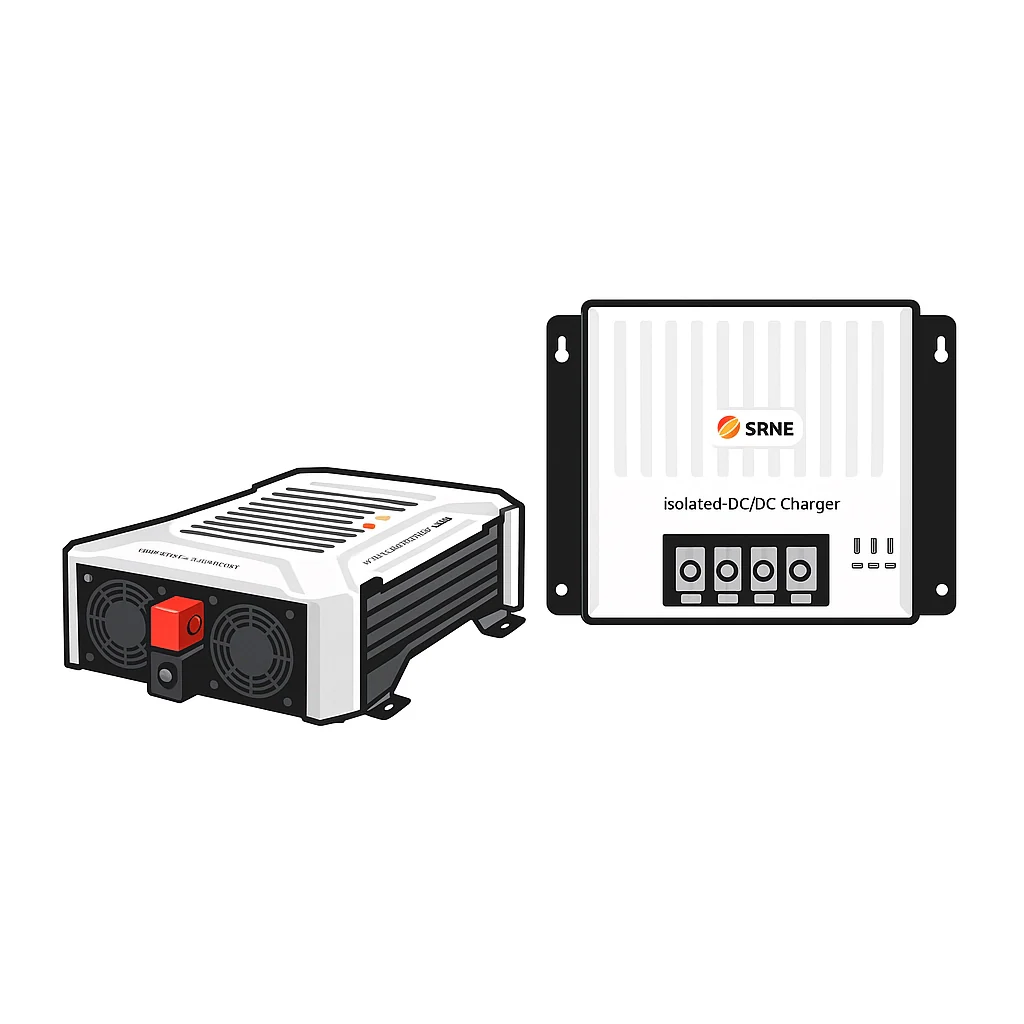
- Inverter Technology: Converting stored DC power to usable AC electricity
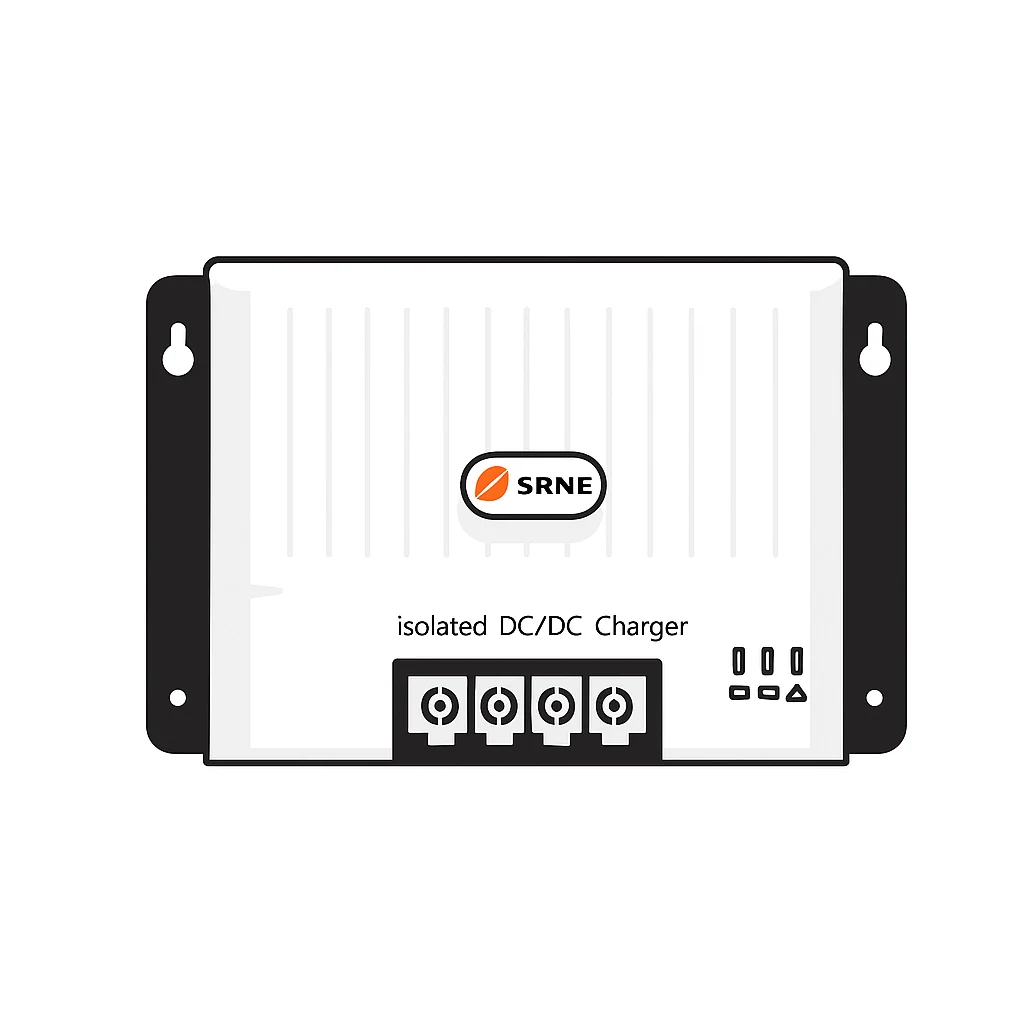
- Charge Controllers: Regulating energy flow and preventing battery damage
These integrated systems provide motorhome owners with unprecedented flexibility, allowing extended travels in remote locations without relying on external power sources. Modern solar setups can support multiple electrical needs, from lighting and refrigeration to charging personal devices and powering small appliances.
Energy Generation Strategies:
- Maximise panel positioning for optimal sunlight capture
- Use multiple solar panels to increase total energy generation
- Implement smart battery management systems
- Consider supplementary charging methods like wind turbine integration
The technological landscape continues to evolve, with innovations focusing on increased efficiency, reduced weight, and more compact designs suitable for motorhome installations. Regional variations in sunlight intensity mean UK motorhome owners must carefully design systems tailored to British environmental conditions.
Pro tip: Calculate your typical energy consumption and design a solar charging system with 20-30% additional capacity to account for unexpected power requirements during off-grid journeys.
Environmental and Financial Benefits for Motorhome Owners
Motorhome owners are increasingly recognising the transformative potential of solar charging technologies. Solar panels offer significant environmental and financial advantages for those seeking sustainable and economical travel solutions.
The environmental benefits of solar charging include:
- Reduced carbon footprint by generating clean, emission-free electricity
- Elimination of noisy, polluting generator usage
- Minimised reliance on fossil fuel-based power sources
- Support for renewable energy adoption
Financial advantages are equally compelling for UK motorhome enthusiasts. Solar charging systems dramatically reduce ongoing energy expenses by:
- Minimising campsite electrical hook-up fees
- Reducing fuel consumption for generator alternatives
- Extending leisure battery lifespan through consistent charging
- Potentially increasing motorhome resale value
Silent Power Generation
Unlike traditional generators, solar charging provides a whisper-quiet power solution. This silent operation transforms travel experiences, allowing motorhome owners to enjoy tranquil environments without disruptive background noise.
Modern solar technologies enable unprecedented energy independence, particularly for those exploring remote British landscapes. The ability to generate electricity anywhere opens up new possibilities for off-grid adventures, free from conventional power infrastructure constraints.
Pro tip: Research local solar panel installers specialising in motorhome configurations to ensure optimal system design tailored to your specific travel patterns and energy requirements.
System Compatibility, Sizing, and Avoidable Mistakes
Designing an effective solar charging system for a motorhome requires careful consideration of multiple technical and practical factors. Understanding system compatibility and avoiding common pitfalls can significantly enhance your solar energy performance and longevity.
Key Compatibility Considerations:
- Electrical System Voltage: Ensure solar panel output matches motorhome battery system
- Mounting Configurations: Consider roof space, panel weight, and aerodynamic impact
- Charge Controller Specifications: Match controller to battery type and solar array capacity
- Inverter Requirements: Select inverters compatible with your specific electrical needs
Sizing your solar charging system demands a detailed assessment of your energy consumption patterns. Critical steps include:
- Calculate total daily electrical consumption
- Determine peak power requirements
- Assess available roof or external mounting space
- Factor in seasonal variations in solar radiation
Common Mistakes to Avoid:
- Underestimating energy consumption
- Neglecting battery storage capacity
- Choosing incompatible system components
- Ignoring shading and panel positioning
- Overlooking maintenance and cleaning requirements
Professional installation remains crucial. Improper system design can lead to reduced efficiency, potential electrical failures, and unnecessary financial expenditure. Motorhome owners should prioritise professional consultation to ensure optimal system performance.
Pro tip: Create a comprehensive energy audit of your motorhome, documenting every electrical device’s power consumption to accurately size your solar charging system.
For quick reference, here are common motorhome solar charging mistakes and practical tips to avoid them:
| Mistake | Why It Happens | How to Prevent |
|---|---|---|
| Under-sizing system | Underestimated consumption | Perform detailed energy audit |
| Skipping professional advice | Cost-saving attempts | Invest in expert consultation |
| Poor panel placement | Roof shading overlooked | Analyse position and sunlight |
| Ignoring battery compatibility | Mismatched components | Check voltage and tech specs |
Take Control of Your Off-Grid Energy Needs with Skyenergi
If you are ready to overcome common solar charging challenges like underestimating energy consumption or mismatched system components, Skyenergi offers practical, reliable solutions designed specifically for motorhome owners and off-grid living enthusiasts. Our high-performance lithium battery systems and smart energy storage products help you achieve true energy independence by seamlessly integrating solar panels, charge controllers, and inverters tailored to your exact requirements.
Explore a complete range of well-engineered off-grid power solutions at Skyenergi and benefit from features like Bluetooth monitoring and intelligent battery management to maximise your system’s efficiency. Don’t let unreliable or poorly sized solar systems limit your adventures – visit our website today to design your customised solar charging setup and start powering your journeys with confidence.
Frequently Asked Questions
What are the main benefits of solar charging for off-grid living?
Solar charging offers several advantages for off-grid living, including reduced reliance on fossil fuels, the ability to generate clean, emission-free electricity, and extended energy independence while travelling in remote locations.
How do solar panels generate electricity when the sun isn’t shining?
Solar panels continue to produce electricity during cloudy conditions, albeit at a reduced rate. Additionally, energy can be stored in batteries for use during low-light conditions or at night.
What components are necessary for a solar charging system in a motorhome?
A solar charging system typically includes photovoltaic panels, battery storage systems, inverters for converting DC to AC power, and charge controllers to regulate energy flow and prevent battery damage.
How can I determine the right size for my solar charging system?
To size your solar charging system accurately, calculate your total daily electrical consumption, determine your peak power requirements, assess available mounting space, and consider seasonal variations in solar radiation.
Recommended
- 7 Key Advantages of Home Solar Systems for UK Homeowners – Skyenergi
- 7 Examples of Solar Charging Setups for UK Campervans – Skyenergi
- What Is Solar Charging? Achieving Off-Grid Freedom – Skyenergi
- 7 Benefits of Solar Battery Integration for UK Campervans – Skyenergi
- Solar Vs. Battery Powered Lanterns For Camping: Ultimate Showdown - Tent Explorer
Prev post

Solar Charging Workflow Tutorial for UK Campervans
Updated on 11 February 2026
Next post

Off-Grid Power Systems: Enhancing Energy Freedom
Updated on 09 February 2026


