





Marine energy storage explained: off-grid boating guide
Discover how marine energy storage explained can transform your off-grid boating experience. Learn to power your adventures reliably and safely!
TL;DR:
- Modern marine energy storage systems comprise lithium batteries, smart chargers, inverters, and BMS, working together for reliable power. Proper sizing, component matching, and monitoring are crucial to avoid system failures and maximize efficiency on leisure vessels. Focusing on system design and integration ensures safe, expandable, and cost-effective off-grid boating power solutions.
Most boat owners assume that fitting a leisure battery is all there is to marine energy storage. It is not. Modern off-grid boating relies on integrated systems — lithium battery banks, smart chargers, inverter/charger units, and battery management systems (BMS) working in sequence to deliver safe, reliable power. Whether you run a canal narrowboat, a sailing yacht, or a motorised cruiser, getting your energy storage right is the difference between a comfortable passage and a dead fridge at midnight. This guide breaks down every key component, compares your options, and gives you a clear framework for planning a system that actually works.
Table of Contents
- What is marine energy storage?
- Types of marine batteries and storage solutions
- Smart charging, inverters, and management electronics
- Sizing and planning your marine energy storage system
- A seasoned take: why most marine energy storage advice misses the big picture
- Next steps: trusted solutions for your off-grid marine power
- Frequently asked questions
Key Takeaways
| Point | Details |
|---|---|
| Lithium dominates | Lithium-ion (LiFePO4) batteries are now the first choice for most off-grid boat owners because of their durability and energy density. |
| Integration matters | Reliability comes from combining batteries with smart charging, BMS, and monitoring, not just battery chemistry. |
| Tailor to your needs | Correctly sizing your system and planning for your realistic energy use is essential for uninterrupted off-grid power. |
| Hydrogen isn’t ready | Hydrogen and fuel cells are not yet practical for most UK leisure boats due to safety and infrastructure hurdles. |
What is marine energy storage?
Marine energy storage refers to the complete set of hardware used to store and manage electrical energy on a vessel. It is not just the battery. A properly designed system includes the battery bank itself, the charging inputs, an inverter or inverter/charger unit, and a BMS to regulate safe operation. Each element must be matched and integrated for the system to perform reliably.
The gap between older lead-acid setups and modern lithium systems is significant. A traditional boat might carry two heavy lead-acid leisure batteries wired in parallel, charged by the engine alternator and occasionally topped up from shore power. That setup works, but it is inefficient, heavy, and limited. Modern systems, by contrast, use marine battery systems explained as a starting point, treating the vessel as a small off-grid power station with predictable loads and controllable inputs.
Key components in any modern marine energy storage system:
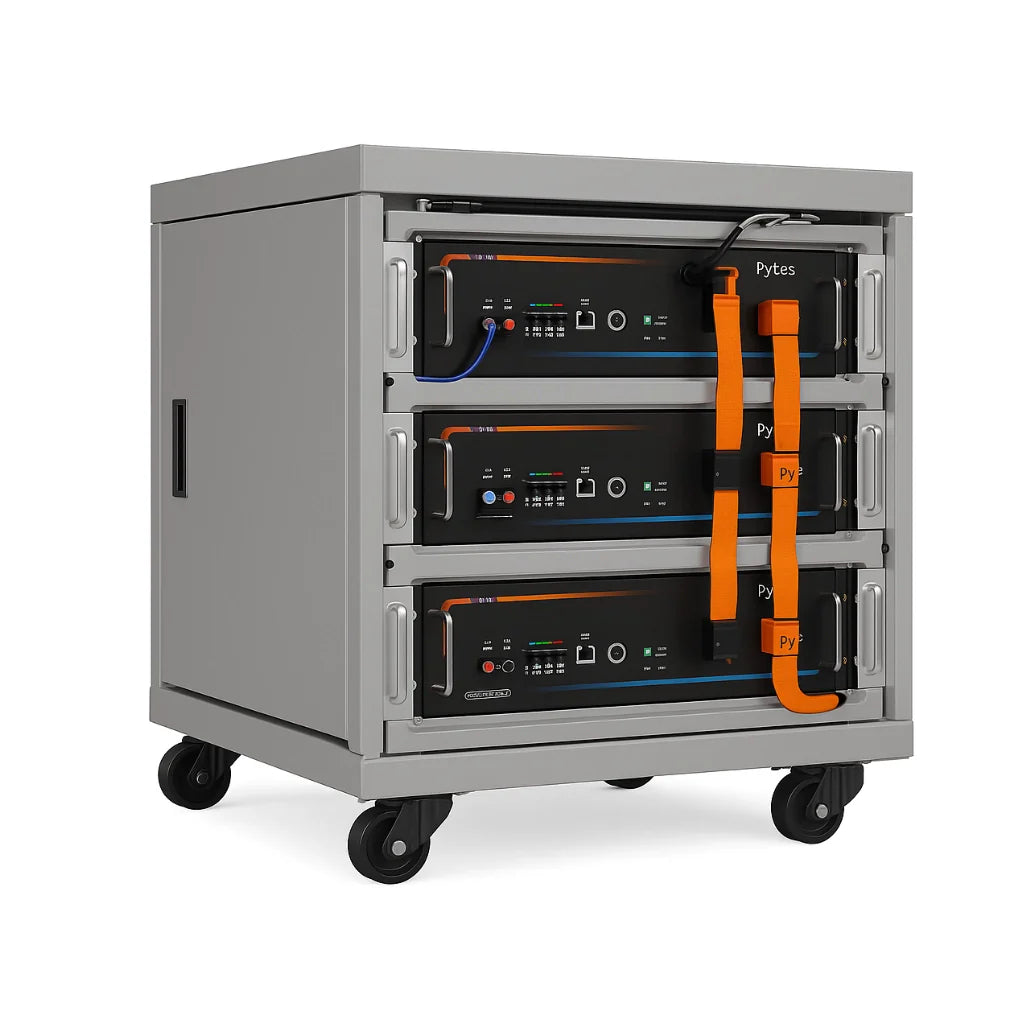
- Battery bank: The primary energy store, typically LiFePO4 (lithium iron phosphate) in new installations
- BMS (battery management system): Monitors and protects each cell; controls charge and discharge limits
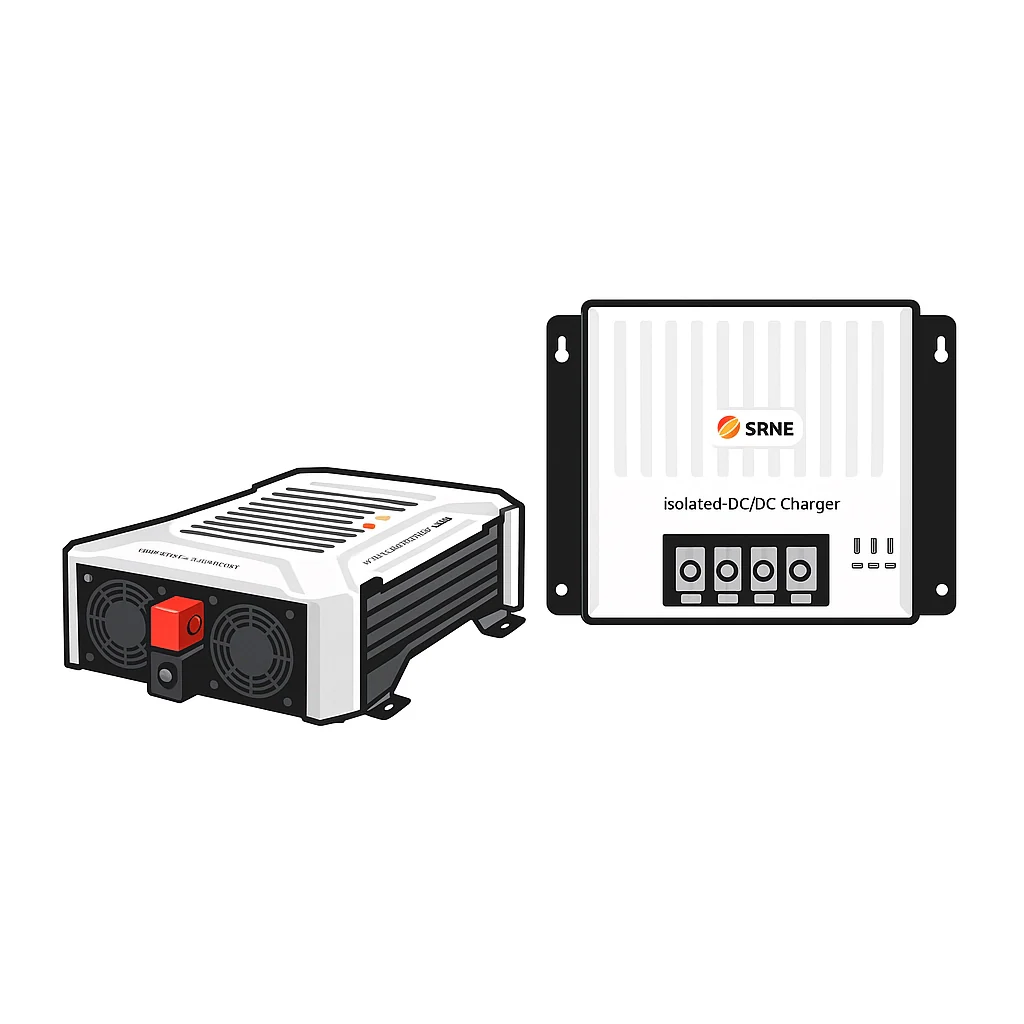
- Inverter/charger: Converts DC battery power to AC for appliances; also charges from shore power
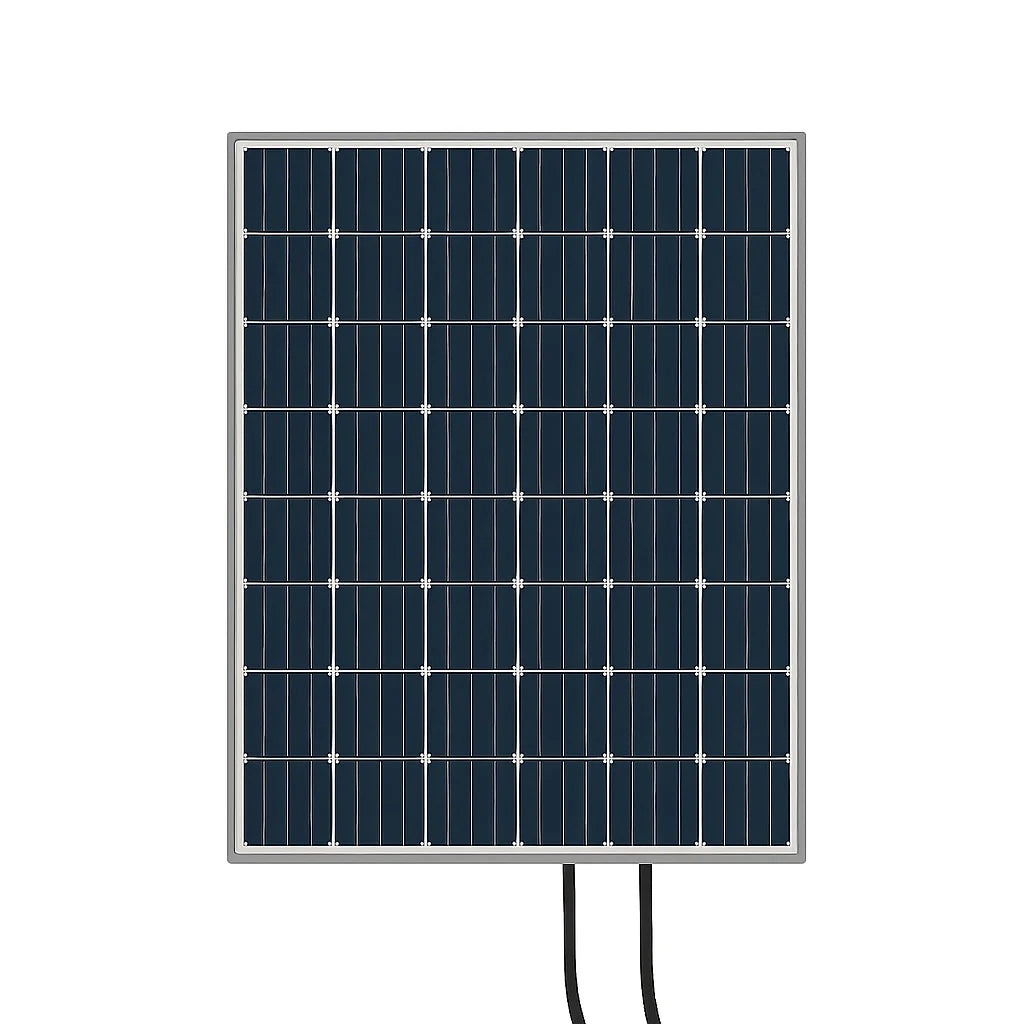
- Solar MPPT controller: Manages solar panel input for efficient charging
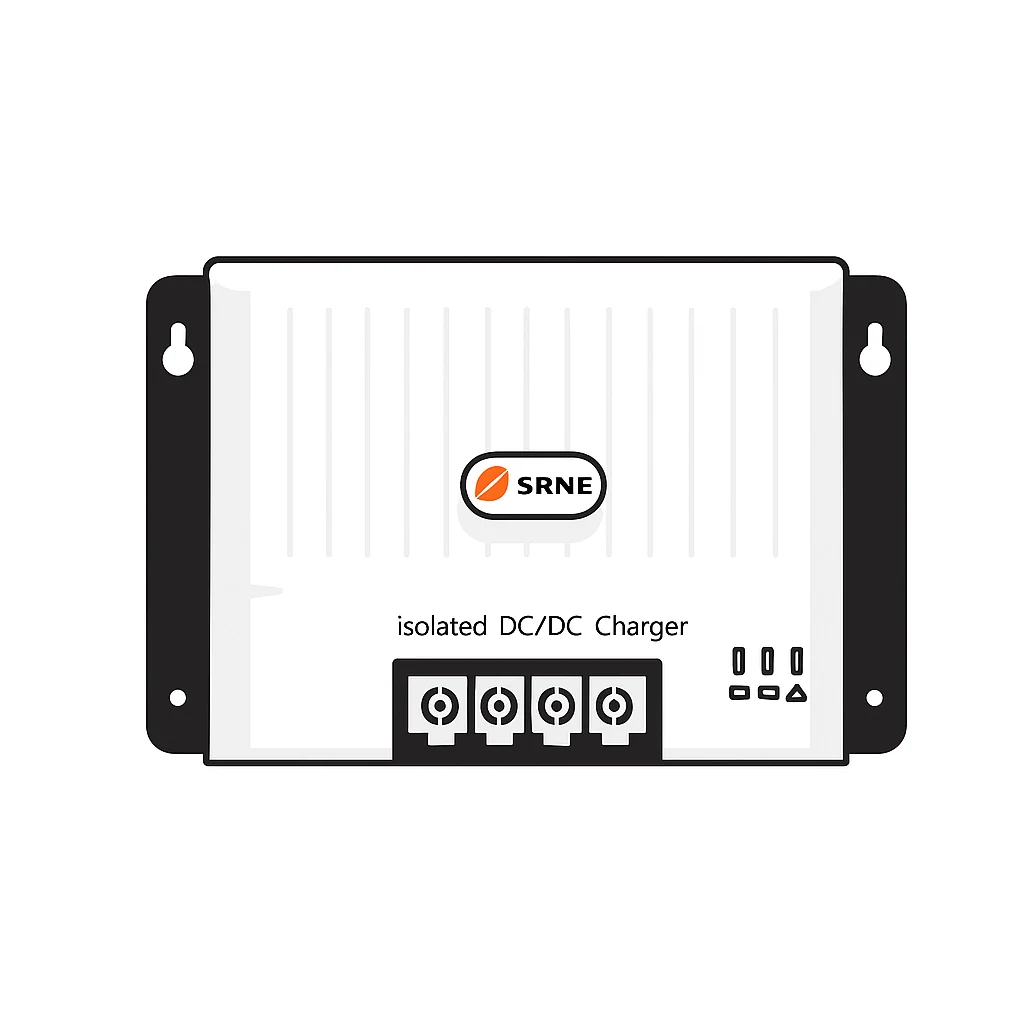
- DC-to-DC converter: Isolates and conditions alternator charging to protect lithium cells
- Monitoring system: Displays state of charge, voltage, and current in real time
Lithium-ion batteries, including LiFePO4 chemistry, are widely used in maritime energy storage due to their high energy density and long cycle life. That trend is now firmly established across leisure marine applications in the UK.
“A modern marine energy storage system is not a single product. It is a carefully matched set of components, each performing a specific role in the charge and discharge cycle.”
Pro Tip: Think of your boat as an off-grid home with unique power needs. The same disciplines that apply to a residential solar system apply afloat, but with tighter weight, space, and safety constraints. Use a boat energy storage checklist before specifying any components.
Types of marine batteries and storage solutions
With the concept established, it is time to examine the actual options. Battery chemistry is the most fundamental choice, and it has downstream effects on weight, charging behaviour, cycle life, and total cost of ownership.
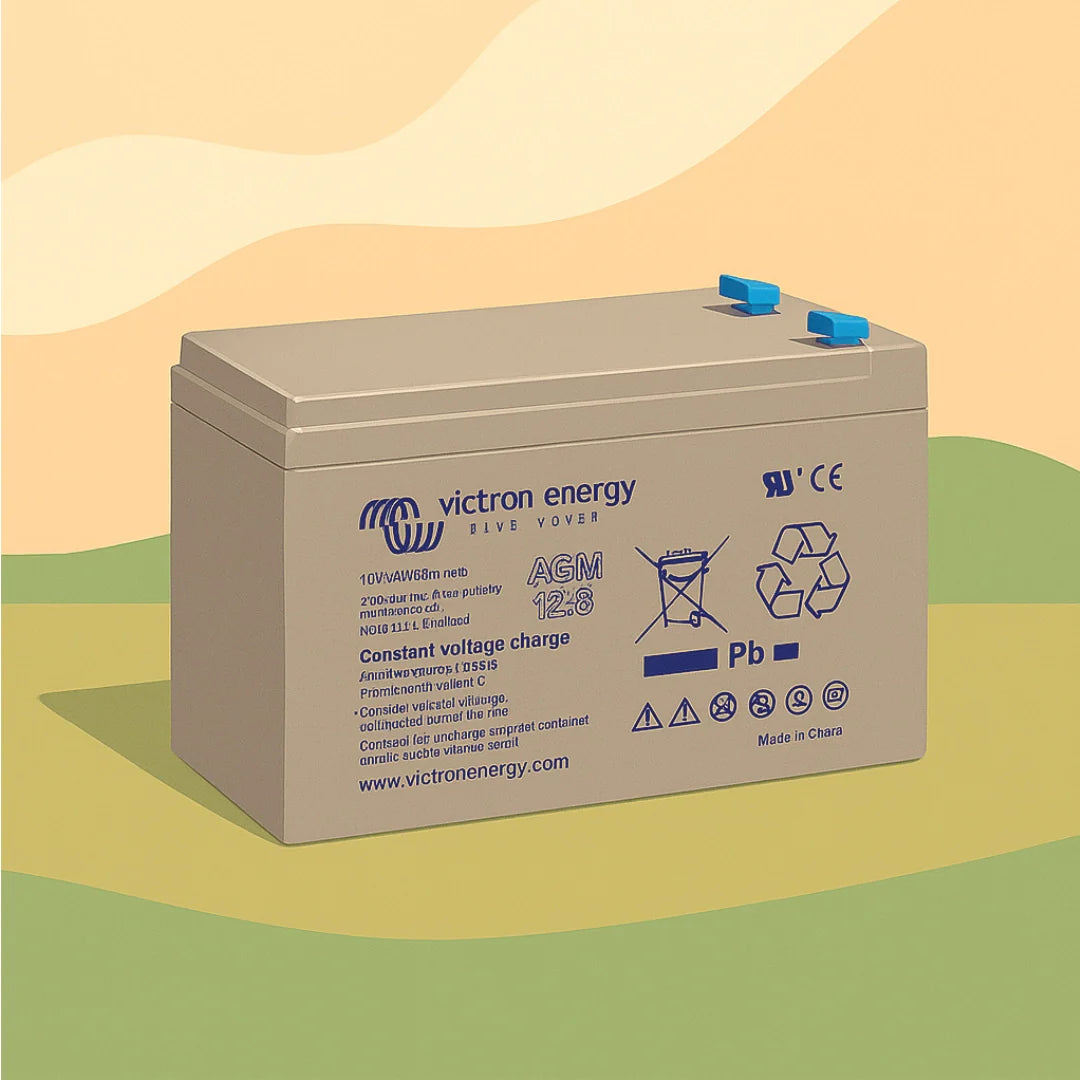
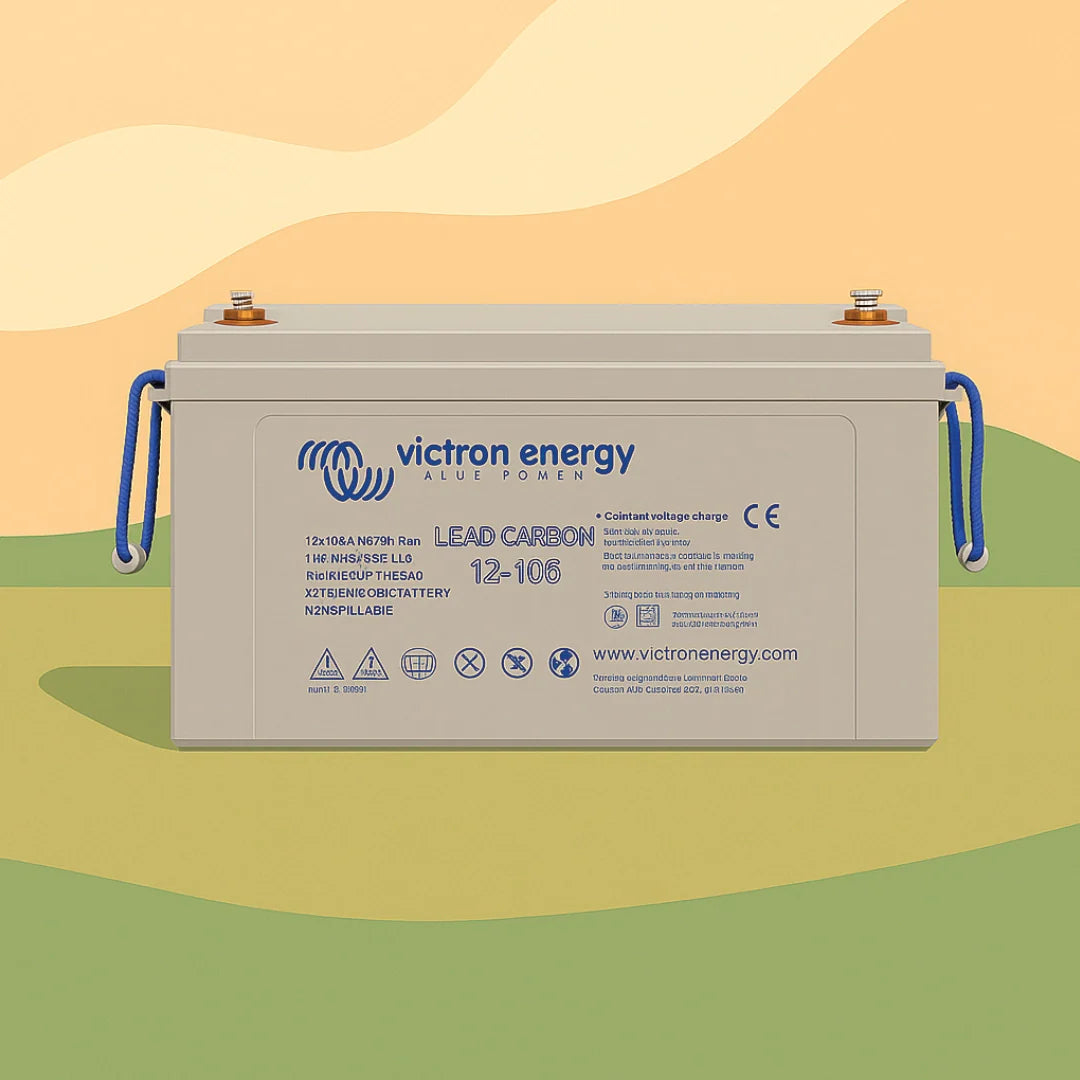
Lead-acid batteries are the traditional choice. They are relatively affordable upfront and widely understood. However, they suffer from low usable capacity (typically only 50% of rated capacity before damage occurs), significant weight, and a cycle life often below 500 full cycles. They also require maintenance and ventilation due to off-gassing.
AGM (absorbed glass mat) batteries improve on flooded lead-acid by being sealed and maintenance-free. They tolerate vibration better, which matters on a moving vessel. Usable capacity remains limited at around 50%, and cycle life is still far below lithium. AGM suits budget-conscious owners or as a starter solution.
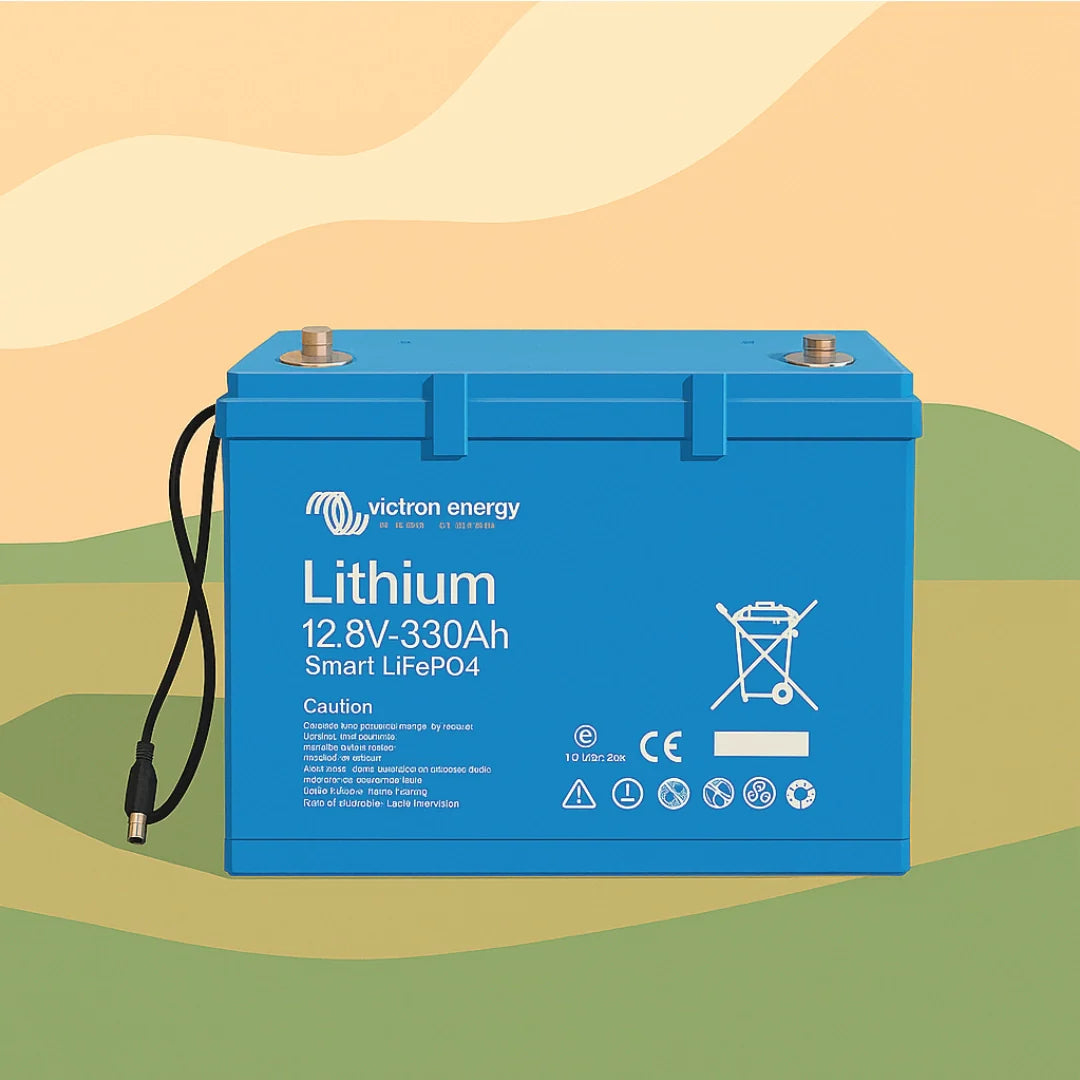
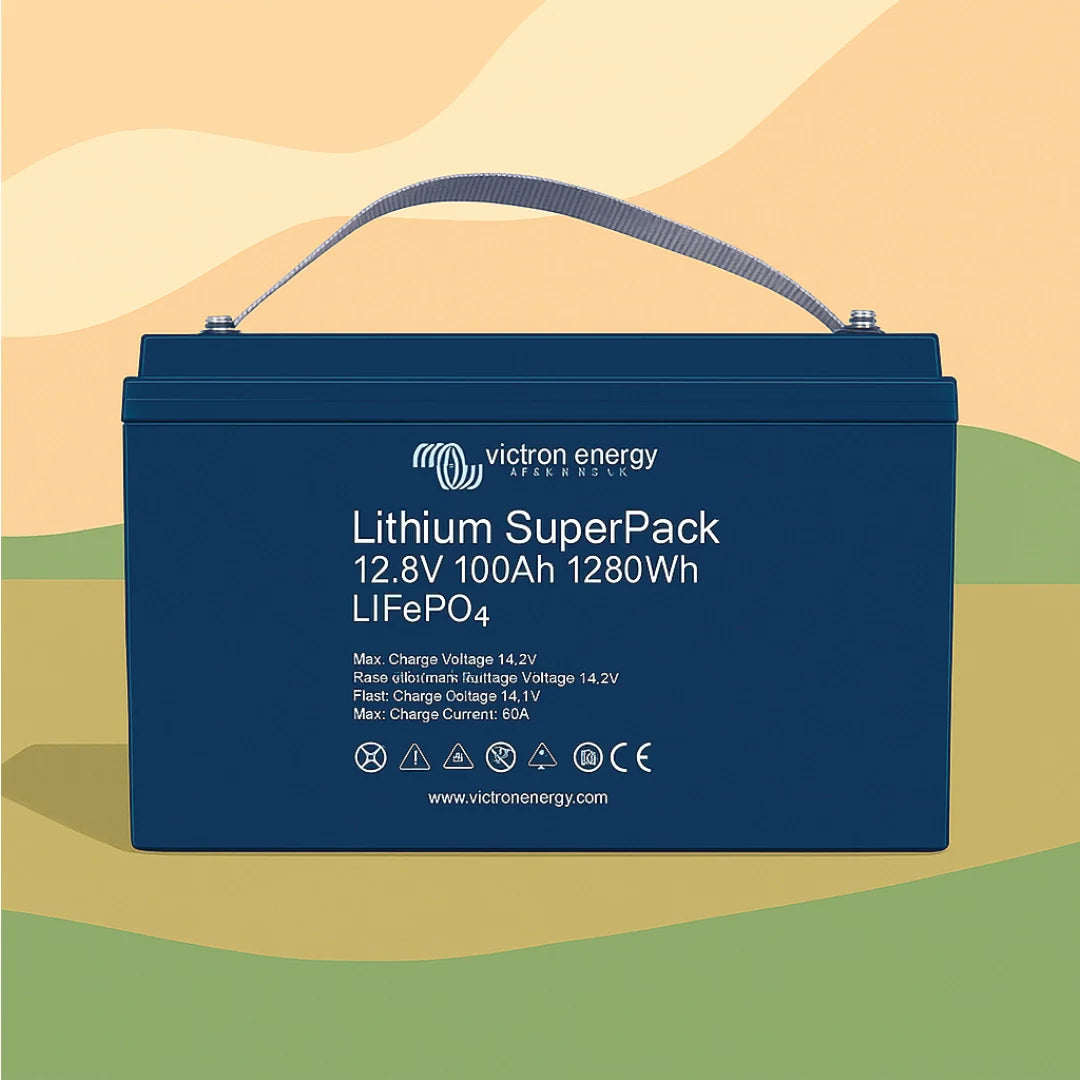
LiFePO4 (lithium iron phosphate) batteries are the benchmark for new installations. Lithium-ion batteries are widely used due to their high energy density and long cycle life, typically 2,000 to 5,000 cycles at 80% depth of discharge. Usable capacity reaches 80 to 100% of rated capacity. Weight savings over lead-acid can be 50 to 60% for equivalent usable energy. The upfront cost is higher, but total lifetime cost is lower. For detailed UK-specific guidance, see lithium batteries for boats.
Hydrogen fuel cells are occasionally cited as an emerging option. In practice, hydrogen and fuel cells present safety, storage, and infrastructure challenges that make them impractical for most UK leisure vessels. Hydrogen storage requires specialist tanks and strict safety protocols, and refuelling infrastructure on UK waterways and coastal marinas is essentially non-existent. They remain an area to monitor, not a current practical option.
Why lithium now dominates new marine installations:
- Far greater usable capacity per kilogram of battery weight
- Faster charge acceptance — useful when motoring between stops
- Flat discharge curve maintains stable voltage across most of the cycle
- No memory effect and no maintenance requirements
- Compatible with Victron and other mainstream marine charge controllers
| Battery type | Usable capacity | Typical cycle life | Weight (relative) | Upfront cost |
|---|---|---|---|---|
| Flooded lead-acid | ~50% | 300–500 cycles | Heavy | Low |
| AGM | ~50% | 400–600 cycles | Heavy | Medium |
| LiFePO4 | 80–100% | 2,000–5,000 cycles | Light | High |
| Hydrogen fuel cell | N/A | Ongoing (fuel-dependent) | Variable | Very high |
For a curated look at current marine lithium battery options, including capacity and form factor choices, the Skyenergi range covers the most common UK vessel requirements. Further comparison of best lithium batteries for boats is worth reviewing before finalising your specification.
Smart charging, inverters, and management electronics
A lithium battery bank is only as effective as the electronics managing it. Modern lithium batteries are commonly paired with advanced charging and management electronics, and this integration is where system reliability is actually determined.
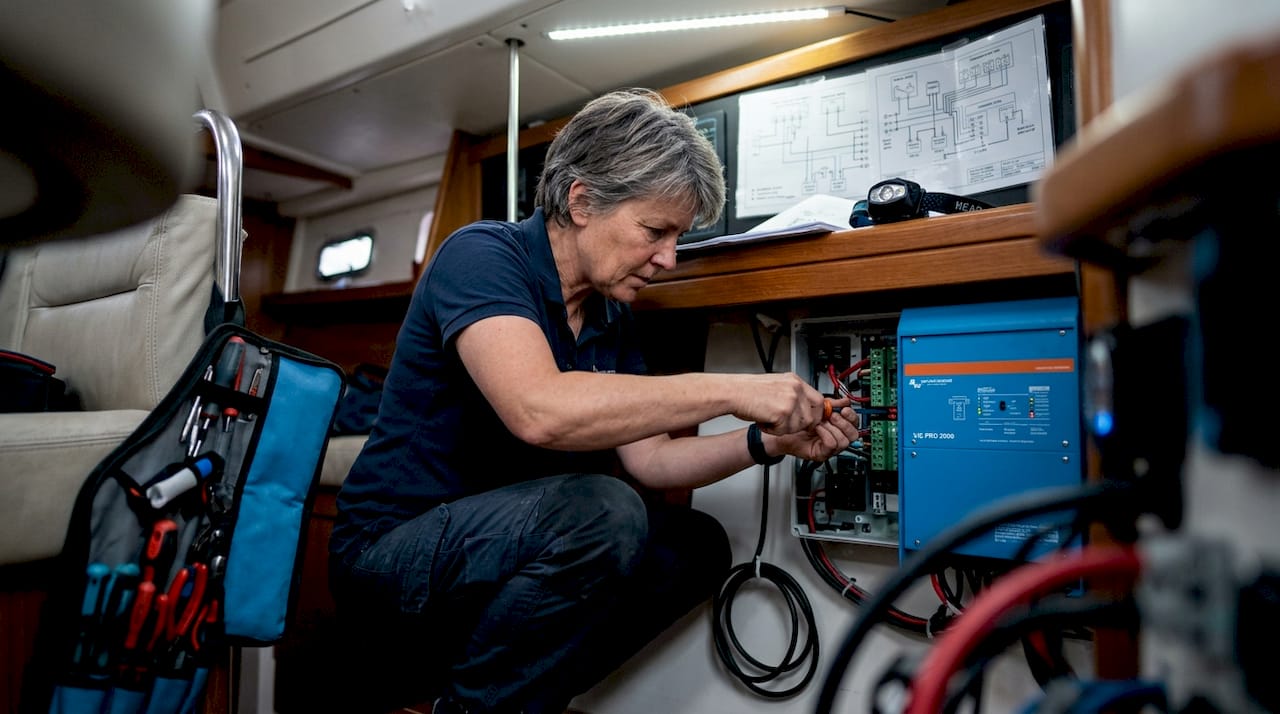
There are three functional layers to consider:
Layer 1: Charging inputs. A typical boat has multiple charge sources. Shore power feeds an inverter/charger. Solar panels connect via an MPPT controller. The engine alternator charges via a DC-to-DC converter (also called a battery-to-battery charger or B2B charger). Each source must be configured to lithium charge profiles, not lead-acid profiles. Feeding a lithium bank with a legacy alternator without a B2B charger can cause damage or dangerous overcharge events. For a complete overview, see solar charging for boat owners.
Layer 2: Inverter/charger. This unit serves a dual role. When shore power is available, it charges the battery bank and passes power to onboard AC circuits. When off-grid, it inverts DC battery power to 230V AC for appliances. Units vary in continuous power output (typically 1kVA to 5kVA for leisure marine) and charge current. Sizing must match both peak appliance load and realistic charge windows.
Layer 3: BMS and monitoring. The BMS is non-negotiable with lithium. It monitors individual cell voltages, manages temperature, and disconnects the battery if parameters go out of safe range. Many quality BMS units also communicate with external monitoring systems via Bluetooth or CAN bus, allowing real-time data on state of charge, cycle count, and cell balance. Understanding battery management systems in detail will help you assess what level of integration your system needs. Further reading on BMS explained for lithium batteries covers the technical side clearly.
How a charge/discharge cycle works under BMS control:
- Charging source activates (solar, shore power, or alternator via B2B)
- BMS confirms cell voltages and temperature are within limits
- Charge current flows until cells reach target absorption voltage
- BMS terminates charge at full voltage; balances cells if needed
- Load draws power; BMS monitors discharge rate and voltage
- BMS triggers low-voltage disconnect before cells are damaged
- Cycle resets when charging resumes
| Component | Key function | Example spec (leisure marine) |
|---|---|---|
| MPPT solar controller | Solar charging, Victron-compatible | 75/15 to 100/50 |
| Inverter/charger | AC conversion plus charging | 1.5kVA to 3kVA, 12V or 24V |
| DC-to-DC B2B charger | Alternator isolation and conditioning | 20A to 60A output |
| BMS | Cell protection and monitoring | Bluetooth-enabled, 100A to 200A |
Pro Tip: Always pair a lithium bank with a proper BMS and a compatible charge profile on every input source. Never connect a legacy alternator directly to a lithium bank without a DC-to-DC converter. Explore options for charging station technology if your marina setup involves high-current shore power connections.
Sizing and planning your marine energy storage system
Understanding components is useful. Knowing how to size them for your specific boat is what makes the difference in practice. A system that is undersized will frustrate you. One that is oversized wastes money and space. The goal is a matched, right-sized system.
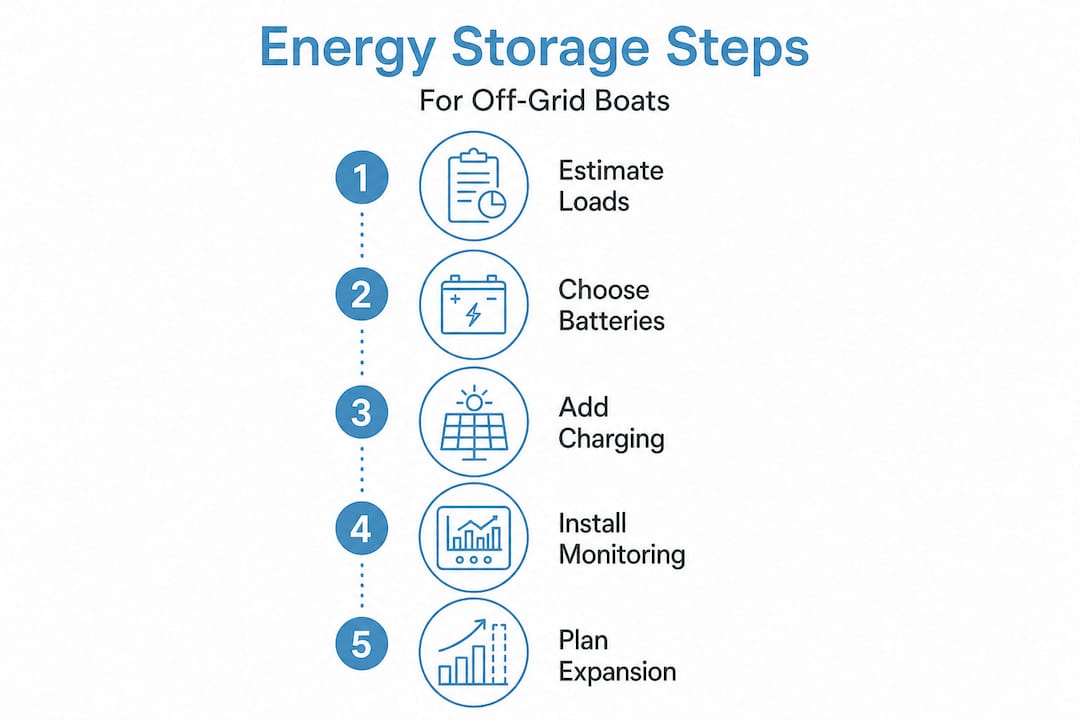
Treating your boat like a small off-grid power system with predictable loads and proper battery plus electronics is the correct starting point. Here is a clear four-step framework:
-
Estimate daily power consumption. List every electrical load on board: fridge, lighting, navigation instruments, VHF radio, phone charging, water pump, and any cooking appliances. Multiply each load’s wattage by its daily hours of use to get watt-hours (Wh) per day. A typical liveaboard narrowboat might use 100 to 200Wh per day for minimal loads, rising above 400Wh with a compressor fridge and regular cooking.
-
Select battery bank size for target autonomy. Decide how many days of independence you need without any charging input (typically one to three days for canal cruising, potentially more for offshore sailing). Multiply your daily Wh figure by the number of days, then divide by usable capacity percentage (80% for LiFePO4). That gives your minimum bank capacity in Wh, which you then convert to amp-hours at your system voltage (12V or 24V).
-
Match the inverter/charger capacity. The inverter must handle your peak simultaneous AC load. Add up all appliances that could run at once and select an inverter with at least 20% headroom. The charger section must deliver enough current to recharge within your typical marina or solar window.
-
Integrate BMS and monitoring. Choose a BMS rated for your battery bank’s maximum charge and discharge currents. Add a shunt-based battery monitor (such as a Victron BMV series) for accurate state-of-charge readings, especially if your BMS does not include integrated display output.
Common planning pitfalls to avoid:
- Undersizing the battery bank and running into low-voltage cutoff every evening
- Forgetting worst-case weather when calculating solar input; plan for three consecutive overcast days
- Mismatching charger profiles by leaving equipment on lead-acid settings after a lithium upgrade
- Ignoring peak loads such as bow thrusters or electric windlasses when sizing the inverter
- Skipping monitoring and relying on voltage alone, which is inaccurate for lithium’s flat discharge curve
For real-world battery setup examples across different vehicle and vessel types, practical case studies help ground the calculations in reality. Also review marine battery terminology to ensure specifications are being compared accurately when sourcing components.
Pro Tip: Always calculate for a 20% safety buffer on top of your estimated daily consumption. This accounts for load growth, seasonal variation, and the natural decline in battery capacity over years of cycling. It is far cheaper to build in headroom at the design stage than to retrofit a larger bank later.
A seasoned take: why most marine energy storage advice misses the big picture
Most guides on this subject lead with battery chemistry comparisons and stop there. The implicit message is that choosing the right battery solves the problem. It does not.
The reality, based on what commonly goes wrong in real boat installations, is that the battery chemistry is rarely the point of failure. Poor sizing is. Incorrect charge source configuration is. Missing or cheap BMS integration is. Owners who upgrade from AGM to lithium but leave the alternator connected without a DC-to-DC converter, or who do not reconfigure the inverter/charger to a lithium profile, are the ones who contact suppliers with complaints about batteries “not working.” The battery is usually fine. The system around it is the problem.
The second blind spot in most advice is monitoring. A lithium bank with no proper battery monitor is essentially a black box. You know it is charged or flat, but nothing in between is reliable from voltage readings alone. Fitting a shunt-based monitor with a proper display, or using a Bluetooth-enabled BMS that reports to a smartphone app, changes the experience entirely. You can see state of charge, charge and discharge current, and cycle history. That visibility allows you to make better decisions about when to motor for an hour, when shore power is genuinely needed, and whether your system is actually performing as designed.
The third issue is planning for change. Boating habits evolve. A coastal day-sailor who converts to weekend cruising suddenly needs far more capacity. The right approach is to design a system with expansion in mind: a 24V architecture that can accommodate additional battery modules, charge controllers already rated for future solar panel additions, and inverter capacity that handles appliances you might add in the next two to three years.
Chasing the newest lithium cell format or the highest-spec BMS on the market is less valuable than getting the basics right: correct sizing, matched components, proper monitoring, and a system designed to grow. For a focused look at how best lithium batteries for boats fit into a well-designed system rather than as standalone purchases, the distinction is important.
Next steps: trusted solutions for your off-grid marine power
Skyenergi supplies the complete range of components needed to build a reliable, expandable marine energy system, from lithium leisure batteries to inverter/charger stacks and Victron-compatible monitoring accessories. Every product is sourced directly from manufacturers to keep pricing competitive without compromising on specification.

For solar charging input, the Victron solar and charge kit pairs high-output panels with a Victron Smart MPPT controller, mounting hardware, and cabling for a straightforward installation. For a turnkey approach, the complete marine power system includes a 3kVA inverter/charger, B2B charger, and monitoring in a single matched package. Browse the full range at Skyenergi or contact the team for specification support tailored to your vessel type and usage pattern.
Frequently asked questions
What is the best battery type for UK leisure boats in 2026?
Lithium-ion, particularly LiFePO4, is generally the best choice for modern UK leisure boats due to long cycle life and high usable energy density, as confirmed by current maritime research. AGM remains viable for budget-constrained or low-usage applications.
Are hydrogen fuel cells practical for leisure boat energy storage?
Not currently. Fuel cells on boats face significant safety, storage, and refuelling infrastructure challenges that make them impractical for the vast majority of UK leisure vessels in 2026.
Should I always use a BMS with marine lithium batteries?
Yes, without exception. A BMS is essential for protecting lithium cells from overcharge, over-discharge, and thermal events. Advanced charging and management electronics are a standard requirement for any safe lithium marine installation.
How do I estimate my boat’s battery size needs?
Calculate total daily watt-hours across all loads, multiply by your target days of autonomy, then divide by the usable capacity percentage of your chosen battery chemistry. Add a 20% buffer to the final figure.
Is it worth upgrading from AGM to lithium?
For most regular users, yes. Lithium batteries deliver high energy density and far longer cycle life, meaning the higher upfront cost is typically recovered through reduced replacement frequency and improved onboard usability.
Recommended
- Marine Battery Systems Explained: Powering Off-Grid Adventures – Skyenergi
- Master marine battery terminology for smarter off-grid boating – Skyenergi
- Boat energy storage checklist: essential steps for UK owners 2026 – Skyenergi
- Solar charging for boat owners: reliable UK energy solutions 2026 – Skyenergi
Prev post

Top reasons to choose lithium for leisure vehicles
Updated on 11 May 2026
Next post

BMS for energy independence in UK leisure vehicles
Updated on 09 May 2026


