





Role of Battery Capacity – Powering Off-Grid Adventures
Role of battery capacity for UK campervans, boats, and homes. Covers lithium vs alternatives, sizing, smart monitoring, and cost implications.
Every UK campervan or boat adventure hinges on one crucial factor reliable power wherever your journey takes you. For anyone setting out to explore wild coasts or remote national parks, understanding battery capacity goes far beyond reading a label. Misinformation about how batteries perform in real conditions can lead to missteps and unexpected power loss. This guide helps clarify myths, explain the real science behind lithium battery capacity, and reveal smarter choices for energy freedom and robust system monitoring.
Table of Contents
- Defining Battery Capacity And Common Myths
- Battery Types For Off-Grid Energy Use
- How Capacity Impacts Energy Independence
- Sizing Your Battery For Real-World Needs
- Smart Monitoring And System Longevity
- Financial And Practical Mistakes To Avoid
Key Takeaways
| Point | Details |
|---|---|
| Understanding Battery Capacity | Battery capacity, measured in ampere-hours, is essential for off-grid energy solutions; it varies based on chemical composition and environmental factors. |
| Selecting the Right Battery Type | Lithium-based batteries generally offer superior performance for off-grid applications due to their high energy density and longer lifecycle. |
| Proper Sizing and Buffering | Accurately sizing your battery capacity and incorporating a 20-30% buffer ensures reliable power availability during remote adventures. |
| Investment in Battery Management Systems | Implementing advanced Battery Management Systems enhances monitoring and longevity, preventing failures and optimising performance. |
Defining Battery Capacity and Common Myths
Battery capacity represents the total amount of electrical charge a battery can store and deliver under specific conditions. It is fundamentally measured in ampere-hours (Ah), indicating how many hours a battery can provide a certain amount of current before requiring recharging. Understanding battery capacity is crucial for off-grid adventurers planning reliable power solutions for campervans, boats, and remote expeditions.
Battery capacity is not a simple, uniform measurement. Complex electrochemical processes determine actual performance, influenced by factors like temperature, discharge rate, and battery chemistry. Lithium batteries, for instance, offer superior energy density compared to traditional lead-acid batteries, meaning they can store more power in a significantly smaller and lighter package.
Common myths about battery capacity often mislead consumers and adventurers. Here are some key misconceptions:
- Rated Capacity Equals Real-World Performance: Manufacturers’ specifications represent ideal laboratory conditions
- All Batteries Perform Identically: Different chemistries and designs produce vastly different results
- Capacity Remains Constant: Battery performance degrades over time and with usage
- Bigger Always Means Better: Higher capacity doesn’t automatically guarantee superior performance
Battery Management Systems play a critical role in understanding and optimising battery capacity. These intelligent systems monitor cell performance, temperature, and charge cycles, providing real-time insights into battery health and remaining capacity.
Pro tip: Always calculate your actual power requirements and select batteries with a 20-30% capacity buffer to ensure reliable off-grid energy performance.
Battery Types for Off-Grid Energy Use
Off-grid energy solutions demand careful consideration of battery technologies that can reliably power campervan adventures and remote living scenarios. UK battery strategy highlights the critical importance of selecting appropriate battery systems for sustainable energy independence.
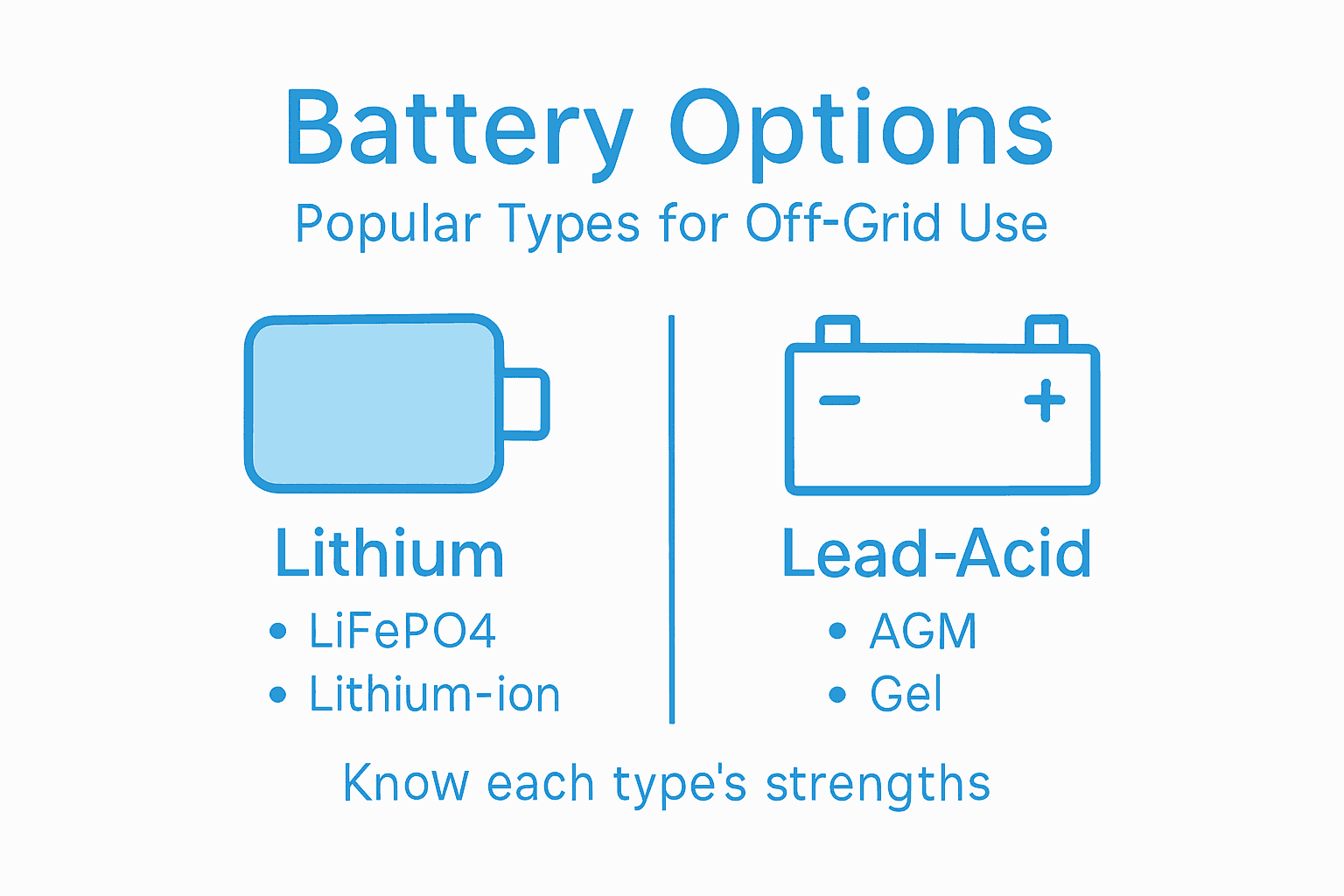
The primary battery types suitable for off-grid applications include:
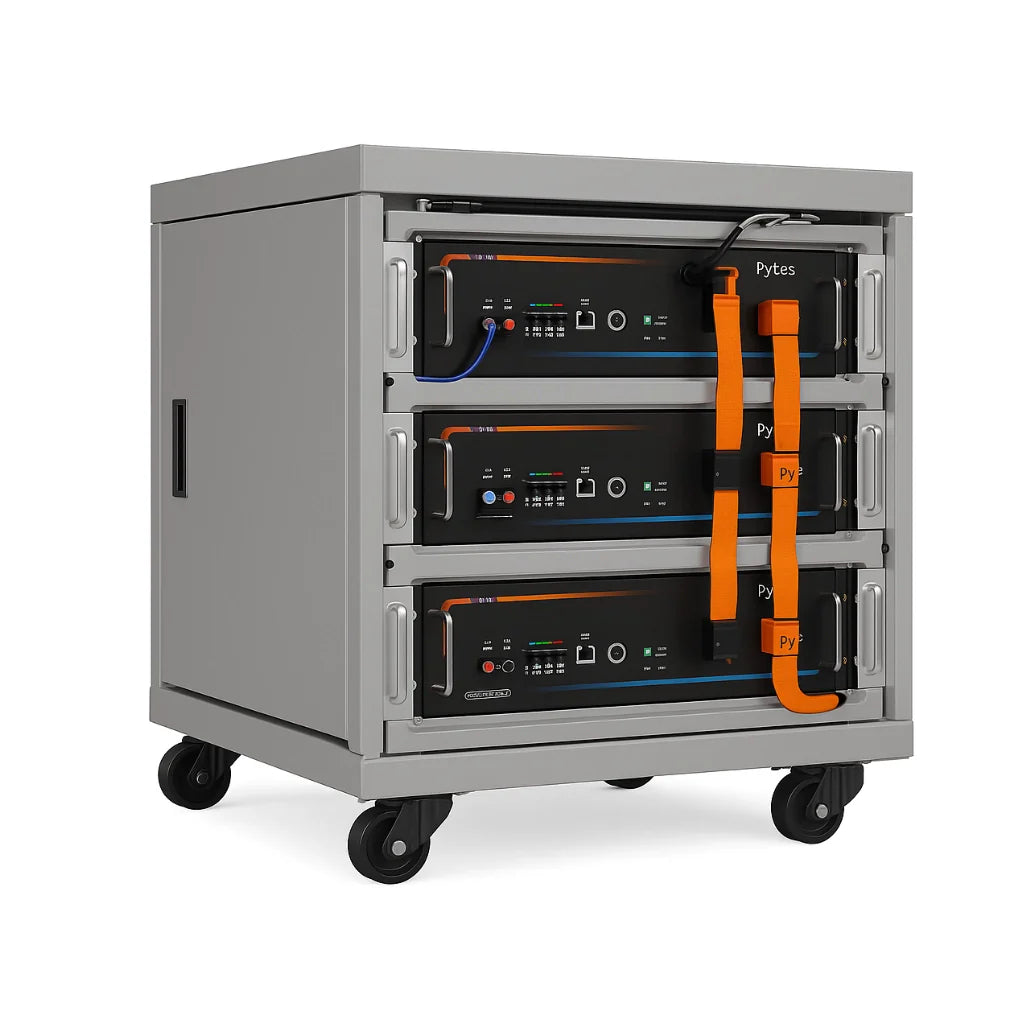
- Lithium-Ion Batteries: Lightweight, high energy density, longer lifecycle
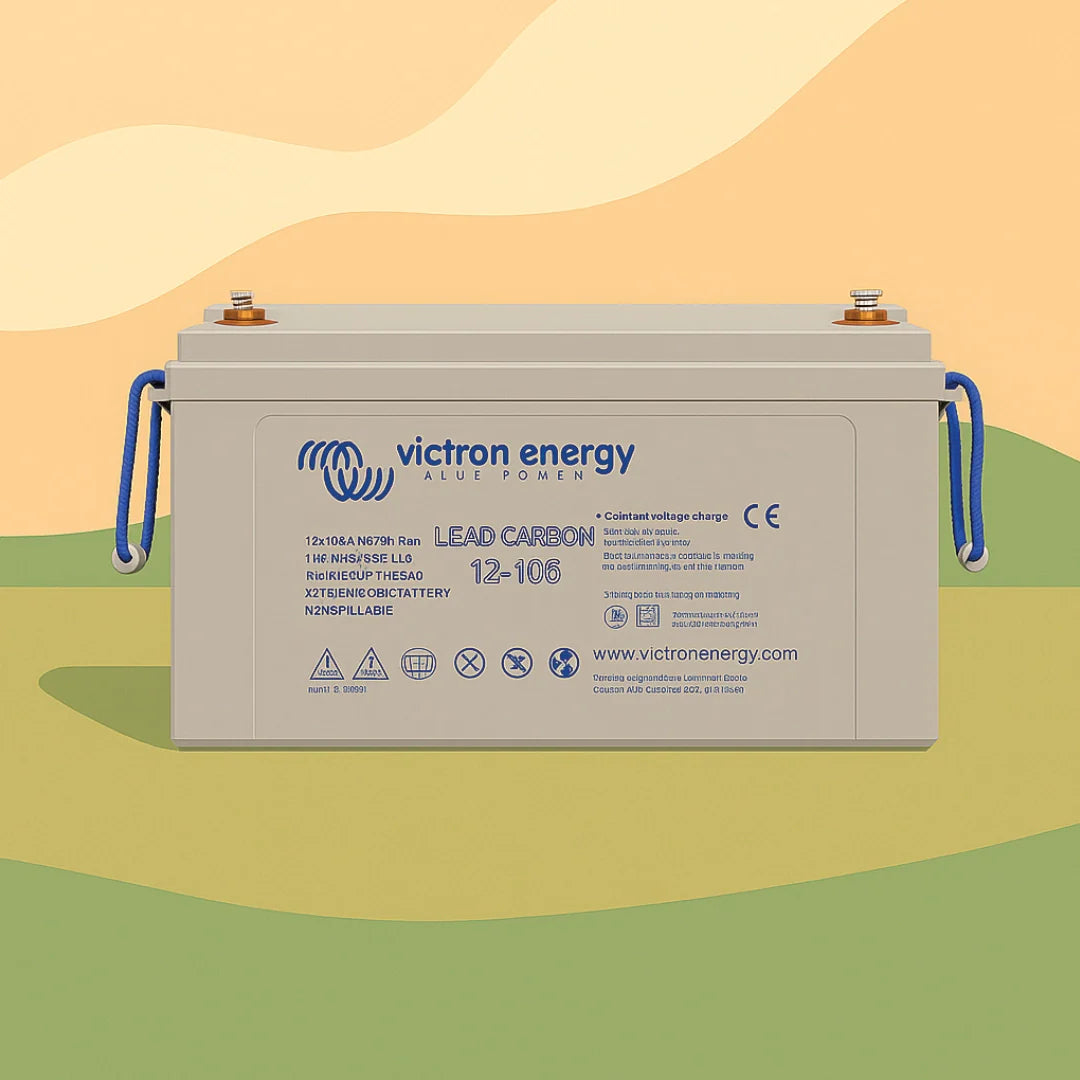
- Lead-Acid Batteries: Traditional, cost-effective, lower performance
- Gel Batteries: Maintenance-free, sealed design, moderate performance
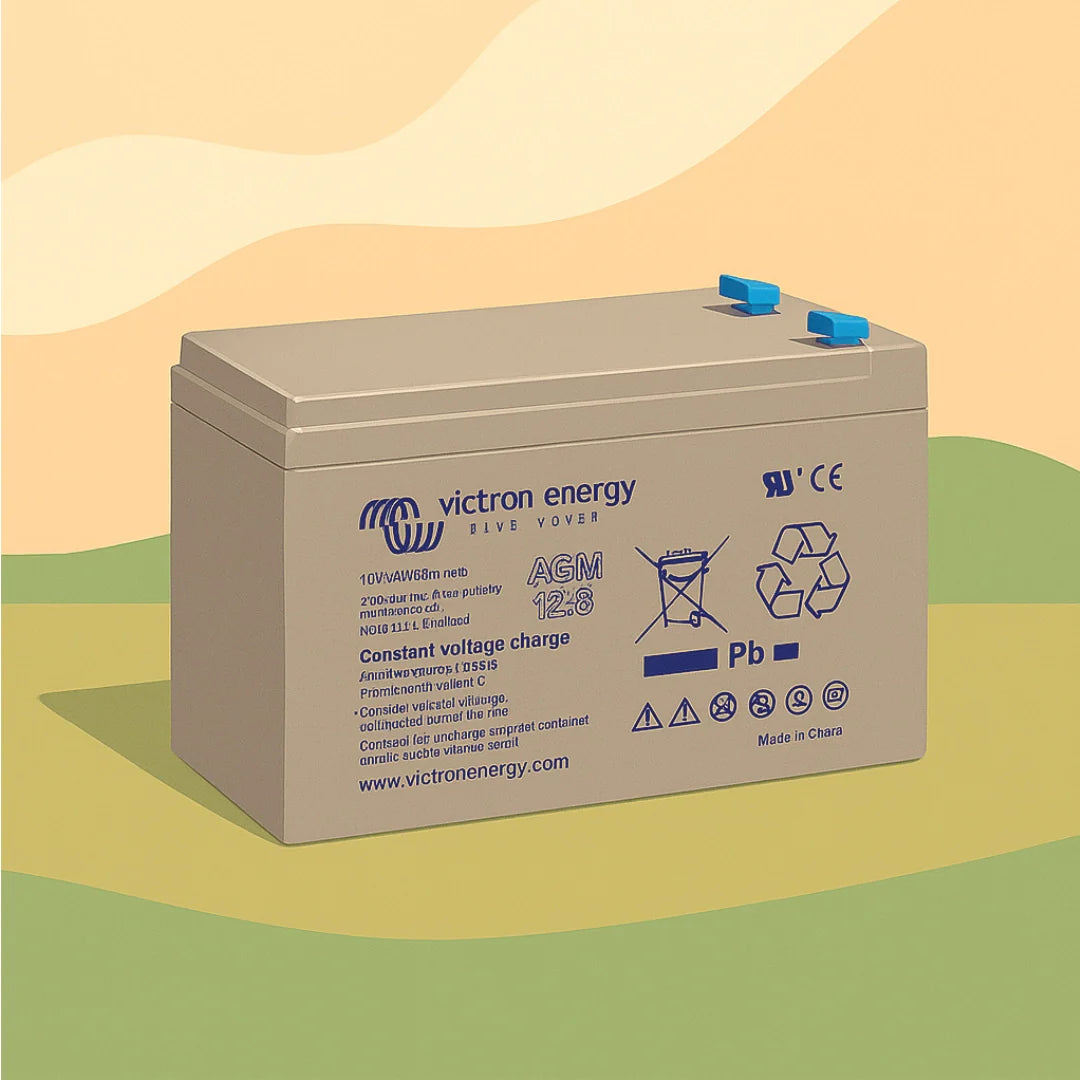
- AGM (Absorbent Glass Mat) Batteries: Robust, spill-proof, good for vibration resistance
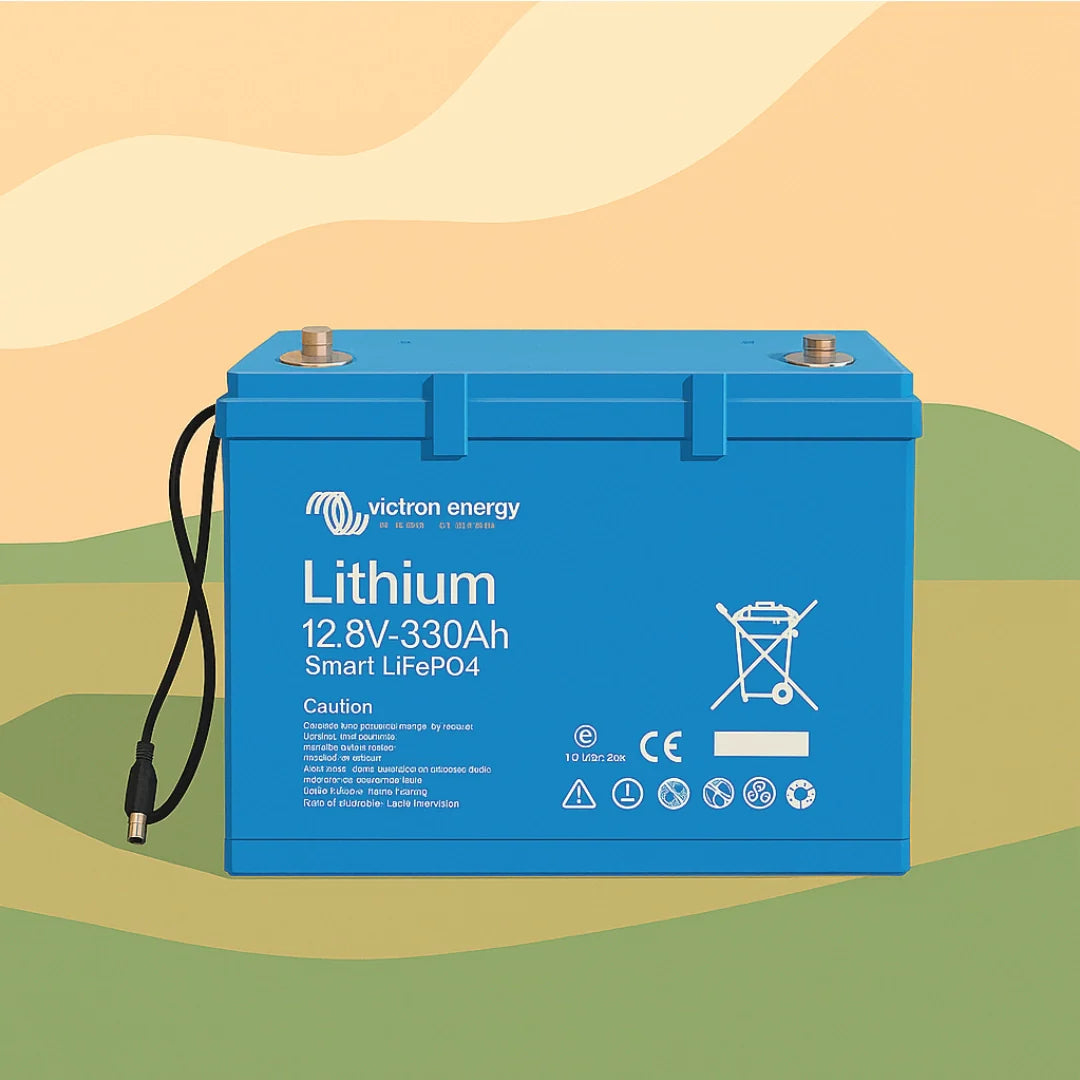
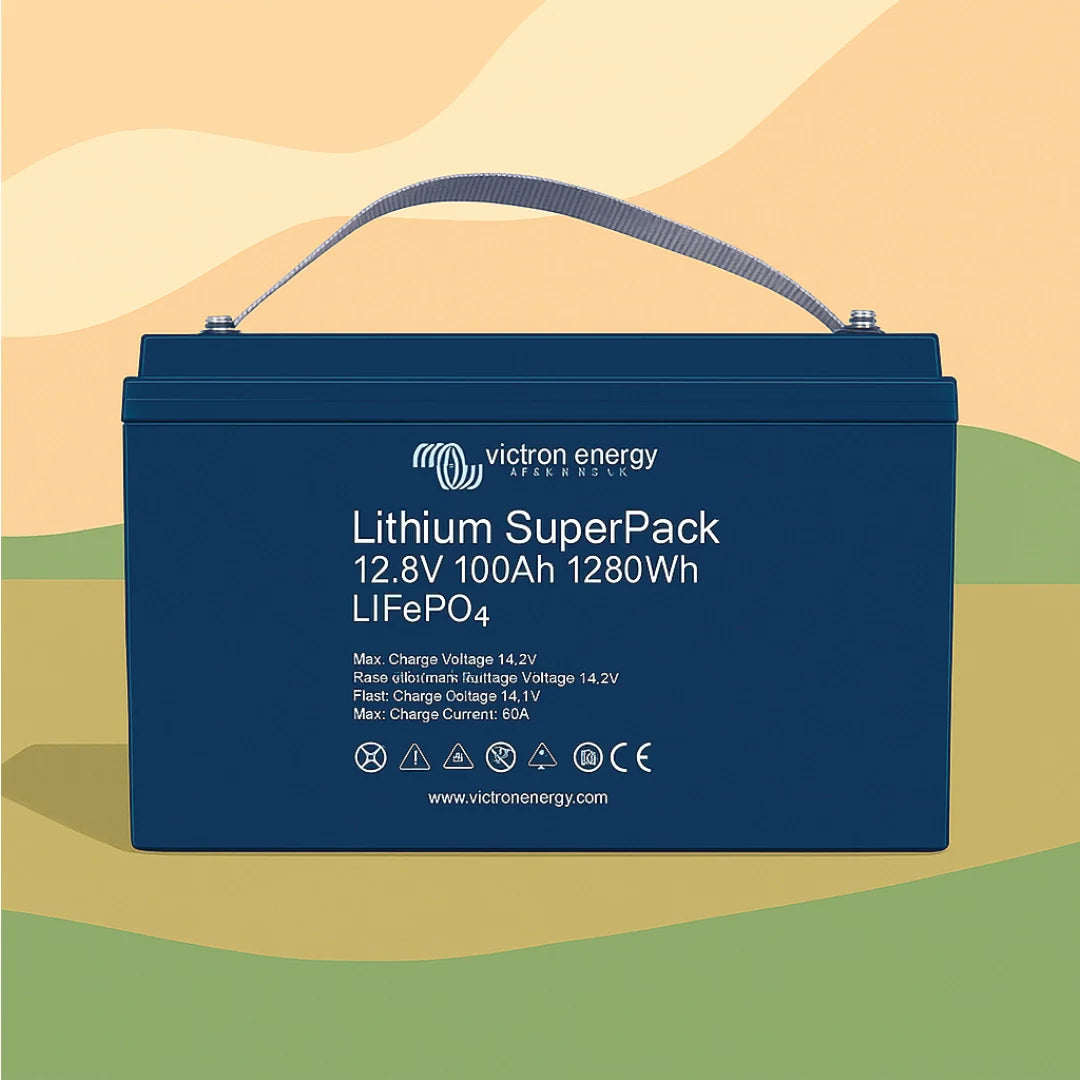
- Lithium Iron Phosphate (LiFePO4) Batteries: Enhanced safety, longer lifespan, superior thermal stability
Lithium-based batteries have become the preferred choice for off-grid enthusiasts due to their superior characteristics. They offer significantly higher energy density, meaning more power can be stored in a compact, lightweight package. This is particularly crucial for campervans and boats where weight and space are critical considerations.
Each battery type presents unique advantages and limitations. Lithium Iron Phosphate (LiFePO4) batteries, for instance, provide exceptional cycle life and safety compared to traditional lithium-ion chemistries. They can withstand more charge-discharge cycles and operate more efficiently across different temperature ranges, making them ideal for unpredictable off-grid environments.
Pro tip: When selecting batteries for off-grid applications, prioritise total lifecycle cost and performance characteristics over initial purchase price.
Here is a comparison of common battery types for off-grid use, highlighting key factors essential for informed selection:
| Battery Type | Typical Lifespan | Energy Density | Maintenance Needs |
|---|---|---|---|
| Lithium-Ion | 8-10 years | Very high | Low maintenance |
| Lead-Acid | 3-5 years | Low | Requires regular checks |
| Gel | 5-7 years | Moderate | Maintenance-free design |
| AGM | 5-7 years | Moderate | Minimal maintenance |
| LiFePO4 | 10+ years | High | Very low maintenance |
How Capacity Impacts Energy Independence
UK energy independence research underscores the critical relationship between battery capacity and sustainable energy autonomy. For off-grid adventurers, battery capacity directly translates to the ability to maintain power reliability, comfort, and essential electrical systems during extended travels or remote living scenarios.
Battery capacity impacts energy independence through several key dimensions:
- Power Availability: Determines total hours of electrical support
- System Resilience: Enables continuous operation during low generation periods
- Backup Capability: Provides emergency power during unexpected situations
- Efficiency: Reduces reliance on external charging infrastructure
- Flexibility: Supports diverse electrical load requirements
The relationship between battery capacity and energy independence is fundamentally about managing electrical consumption against stored energy reserves. Larger capacity batteries enable longer periods of self-sufficiency, allowing campervan owners and off-grid enthusiasts to operate critical systems like refrigeration, lighting, communication devices, and cooking equipment without external power connections.
Advanced battery technologies have significantly improved energy independence potential. Lithium-based batteries, with their superior energy density and longer lifecycle, provide more reliable and compact storage solutions compared to traditional battery technologies. This means smaller, more efficient battery systems can now deliver comparable or enhanced performance, reducing weight and space requirements for off-grid setups.
Pro tip: Calculate your daily energy consumption and select battery capacity with a 30% additional buffer to ensure consistent power availability during unexpected scenarios.
Sizing Your Battery for Real-World Needs
Determining the right battery capacity for off-grid adventures requires a methodical approach that considers your specific electrical consumption patterns and lifestyle requirements. Battery capacity versus energy needs demands careful calculation and strategic planning to ensure reliable power throughout your journey.
To accurately size your battery system, follow these essential steps:
-
Catalogue Your Electrical Devices
- List all electrical equipment used in your campervan
- Note their individual power consumption
- Calculate average daily energy requirements
-
Assess Power Usage Patterns
- Identify continuous versus intermittent power draws
- Determine peak and average energy consumption
- Consider seasonal variations in energy usage
-
Factor in Depth of Discharge
- Most batteries should not be discharged completely
- Lithium batteries typically allow 80-90% discharge
- Lead-acid batteries require more conservative discharge limits
The fundamental principle of battery sizing involves understanding your total daily energy consumption and multiplying it by the number of days you require autonomous power. Lithium batteries offer significant advantages in this calculation, providing higher usable capacity and more consistent performance compared to traditional battery technologies.

Pro tip: Multiply your calculated daily energy consumption by 1.3 to create a safety buffer and account for unexpected power needs during your off-grid adventures.
Smart Monitoring and System Longevity
Battery health monitoring technologies represent a critical advancement in ensuring the reliability and performance of off-grid energy systems. Modern battery management goes far beyond simple voltage tracking, offering intelligent insights that can significantly extend the operational life of your power storage infrastructure.
Key components of smart battery monitoring include:
-
Real-Time Performance Tracking
- Continuous cell voltage monitoring
- Temperature differential assessment
- Detailed discharge/charge cycle analysis
-
Predictive Health Diagnostics
- Early warning systems for potential failures
- Algorithmic performance degradation predictions
- Proactive maintenance recommendations
The integration of advanced sensor technologies enables unprecedented visibility into battery system health. Smart internal battery sensors now provide granular insights, detecting microscopic changes in chemical composition, thermal characteristics, and mechanical stress that traditional monitoring methods would miss.
Modern Battery Management Systems (BMS) transform raw sensor data into actionable intelligence, helping off-grid users make informed decisions about their energy infrastructure. These systems not only protect against potential failures but also optimise charging protocols, balancing individual cell performance to maximise overall battery longevity and reliability.
Pro tip: Invest in a battery management system with Bluetooth connectivity, enabling remote monitoring and real-time performance tracking of your off-grid power setup.
The following table summarises key factors affecting battery system longevity and effective management for off-grid setups:
| Monitoring Feature | Longevity Benefit | Practical Impact |
|---|---|---|
| Real-time data | Prevents cell damage | Increases usable lifespan |
| Predictive diagnostics | Early fault detection | Reduces downtime risk |
| Charge control optimisation | Avoids overcharging | Maximises energy efficiency |
| Thermal management | Minimises overheating | Enhances safety in use |
Financial and Practical Mistakes to Avoid
Off-grid energy system pitfalls can significantly impact both financial investment and practical performance of your battery setup. Understanding these common mistakes is crucial for making informed decisions and avoiding costly errors in your off-grid energy strategy.
Common financial and practical mistakes include:
-
Underestimating Energy Requirements
- Failing to accurately calculate total power consumption
- Overlooking seasonal variations in energy needs
- Purchasing batteries with insufficient capacity
-
Poor Budget Planning
- Focusing solely on initial purchase price
- Neglecting long-term maintenance costs
- Ignoring potential future system expansion needs
-
Technical Compatibility Issues
- Mismatching battery types within a system
- Inadequate charging infrastructure
- Neglecting battery management system integration
Battery selection represents a critical financial decision that extends far beyond initial cost considerations. Cheap batteries might seem attractive initially, but can lead to higher long-term expenses through reduced performance, shorter lifecycle, and increased replacement frequency.
Seasonal variations and environmental conditions play a significant role in battery performance and longevity. Campervan owners must consider temperature fluctuations, charging patterns, and specific usage scenarios when designing their energy storage solutions. Investing in high-quality batteries with comprehensive battery management systems can mitigate many potential financial risks.
Pro tip: Always allocate an additional 20-30% of your initial battery system budget for potential upgrades, maintenance, and unexpected system requirements.
Power Your Off-Grid Adventures with Confidence and Advanced Lithium Battery Solutions
Understanding the role of battery capacity is vital for anyone seeking true energy independence in remote locations. The challenges of accurately sizing your battery to match real-world energy needs and avoiding costly mistakes are common dilemmas for campervan and marine enthusiasts. Key concepts like battery management systems, capacity buffers, and lifecycle cost should guide your decisions to ensure reliability and safety on every journey.
At Skyenergi, we specialise in high-performance lithium battery systems engineered precisely to meet these demands. Our range includes intelligent batteries with Bluetooth-enabled management systems that provide real-time monitoring of performance and system health, helping you avoid unexpected downtime. Whether you require lightweight, high-energy-density solutions or a turnkey energy system, you can trust us for products purpose-built to enhance your off-grid experience.
Explore how our thoughtfully designed energy storage products can help you achieve lasting energy autonomy today. Visit Skyenergi to discover our full range and gain expert advice on selecting the right capacity for your unique setup. Don’t settle for uncertainty when reliable power is within reach. Act now to power your off-grid lifestyle with confidence and cutting-edge technology.
Frequently Asked Questions
What is battery capacity and why is it important for off-grid adventures?
Battery capacity indicates the total electrical charge a battery can store, measured in ampere-hours (Ah). It’s crucial for off-grid adventures as it determines the power available for devices and how long you can sustain electrical needs without recharging.
How do I calculate the right battery capacity for my off-grid setup?
To size your battery, catalogue all the electrical devices used in your setup, assess their power consumption, and calculate your average daily energy requirements. Multiply your daily energy consumption by 1.3 to account for unexpected needs and create a safety buffer.
What are the advantages of lithium batteries compared to traditional lead-acid batteries?
Lithium batteries offer higher energy density, which means more power is stored in a lighter and more compact package. They also have a longer lifecycle, lower maintenance needs, and can withstand deeper discharges than lead-acid batteries, making them ideal for off-grid use.
Why is a Battery Management System (BMS) important for off-grid energy systems?
A Battery Management System (BMS) monitors cell performance, temperature, and charge cycles, providing real-time insights into battery health. It helps optimise battery performance, extends battery life, and prevents potential failures, ensuring reliable energy availability during off-grid adventures.
Recommended
- Solar Battery Terms Explained: Power for Off-Grid Life – Skyenergi
- Battery Capacity vs Energy Needs for Campervans – Skyenergi
- Lithium Battery Storage – Powering Off-Grid Adventures – Skyenergi
- Role of Lithium Batteries in Campervans: Powering UK Adventures – Skyenergi
- Renewable Energy and Smart Consumption Systems | Singleclic
Prev post

6 Types of Campervan Batteries and Their Key Advantages
Updated on 07 February 2026
Next post

Why Choose Lithium Batteries Over Lead Acid?
Updated on 05 February 2026


