






Battery maintenance checklist 2026: leisure and off-grid guide
Discover the ultimate battery maintenance checklist 2026 to maximize lifespan and performance for leisure and off-grid systems. Keep your batteries healthy!
A battery maintenance checklist is a structured set of inspection and care tasks designed to preserve battery performance, safety, and lifespan across leisure vehicles and renewable energy systems. In 2026, the industry standard for battery upkeep combines charge management, thermal control, and digital monitoring into a single repeatable routine. Whether you run a LiFePO4 bank in a motorhome or a Pytes home storage system, following a consistent 2026 battery maintenance routine is the difference between a battery that lasts a decade and one that fails in year three.
1. Control state of charge between 20% and 80%
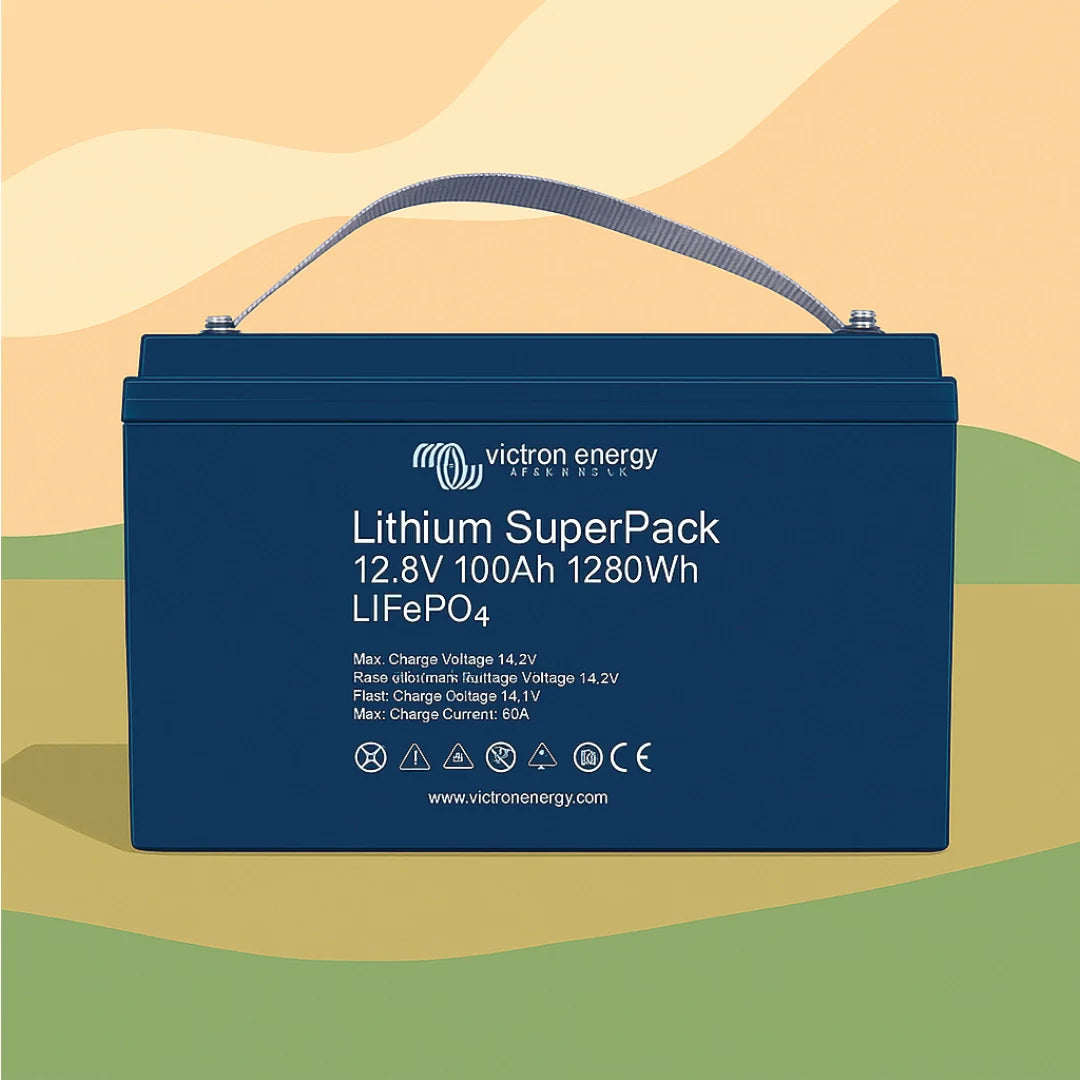
State of charge (SoC) management is the single most impactful habit in any battery care guide. Keeping SoC within 20–80% can extend cycle life by 20–30%, with well-managed cells reaching over 1,500 cycles. That figure matters because most leisure battery warranties assume regular deep cycling, which accelerates degradation far faster than partial cycling.
The underlying reason is electrochemical. Battery degradation is driven by solid electrolyte interphase growth, lithium plating, and cathode dissolution, all of which accelerate at high voltage. Keeping charge below 80% reduces the voltage stress that triggers these processes.

Pro Tip: Set your charger’s absorption voltage to 90% of the manufacturer’s maximum. Most Victron MPPT controllers allow this directly in the VictronConnect app, giving you automatic SoC protection without manual intervention.
2. Conduct regular visual inspections
Visual inspection is the fastest diagnostic tool available and costs nothing. Check terminals for corrosion, the casing for swelling or cracks, and cable connections for looseness at least once a month. Swelling in a lithium cell is a serious warning sign. Remove the battery from service immediately if you see it.
For leisure vehicles, vibration accelerates terminal wear. Inspect connections after long journeys or rough terrain. For residential Pytes or SRNE systems, check annually at minimum, or after any significant weather event.
3. Manage operating temperature
High temperature is one of the three primary degradation drivers, alongside high voltage and high charge/discharge rates. Keep batteries below 30°C during operation where possible. Above 40°C, lithium cells degrade measurably faster with each charge cycle.
In campervans and motorhomes, this means positioning battery banks away from engine bays and ensuring adequate ventilation in battery compartments. In home systems, avoid south-facing walls in direct sun without thermal shielding. Seasonal checks matter here: summer temperatures in the UK can push poorly ventilated compartments well above safe limits.
4. Use a Battery Management System for active monitoring
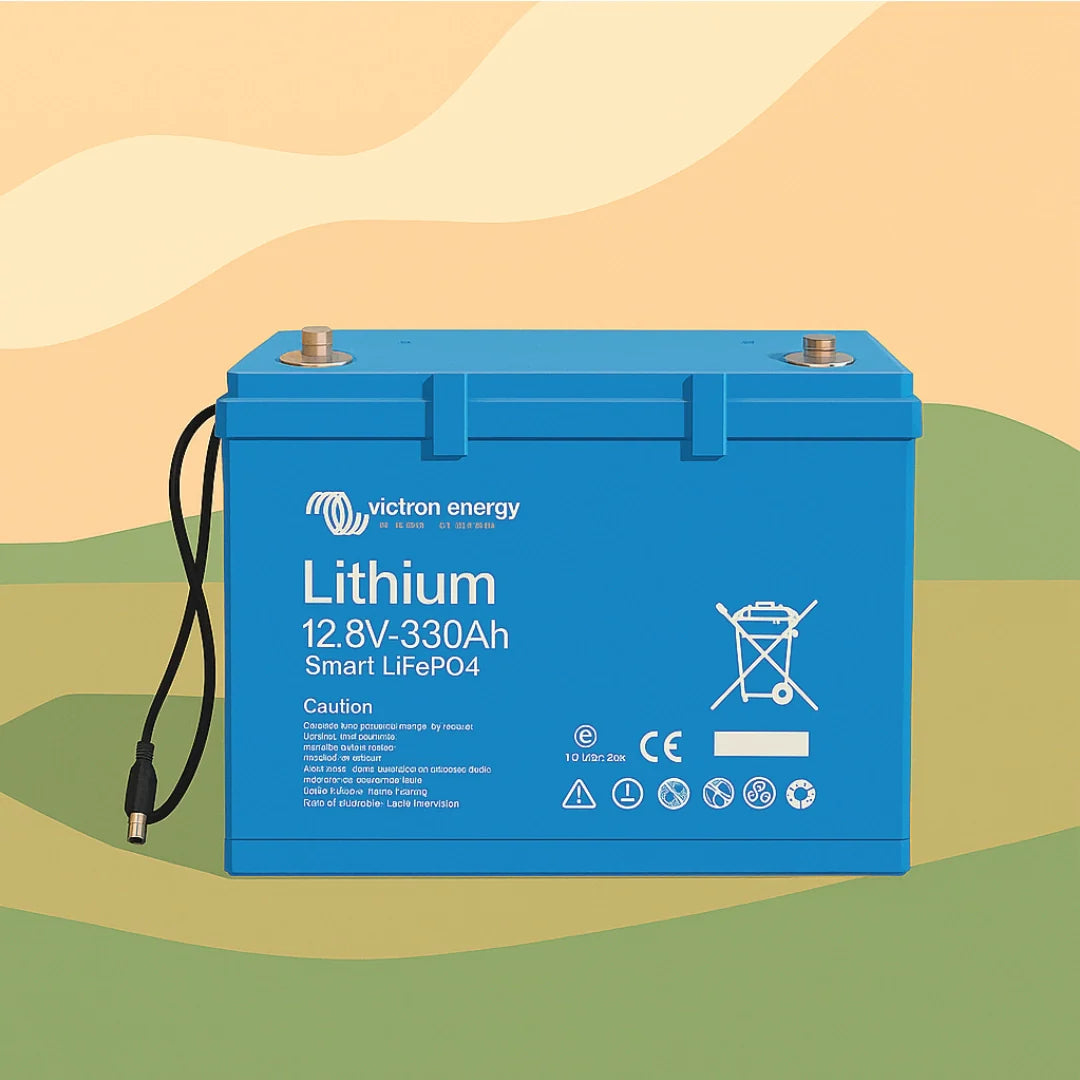
A Battery Management System (BMS) is not optional in 2026. It monitors cell voltage, temperature, and current in real time, cutting off charge or discharge automatically when parameters go out of range. Many Skyenergi lithium batteries include integrated BMS with Bluetooth connectivity, letting you read live data from a smartphone without opening the battery compartment.
Understanding why BMS integration matters goes beyond safety. A BMS logs historical data that reveals slow capacity drift long before a fault code appears. That trend data is your early warning system.
5. Avoid short trips and manage charge rates
Alternators require 20–30 minutes of driving to meaningfully recharge a battery after engine start. Repeated short trips leave leisure vehicle batteries in a chronically undercharged state, accelerating sulphation in lead-acid types and increasing lithium plating risk in LiFePO4 cells.
Combine errands where possible. If your vehicle sits unused for more than two weeks, connect a maintenance charger. For renewable energy systems, limit fast charging to situations where it is genuinely necessary. Frequent topping-up charges cause less damage than deep discharges followed by full recharges. Depth of discharge is more critical to long-term health than raw cycle count.
6. Follow safe storage practices
Store batteries in a cool, dry location with good airflow. Maintain at least a 3-foot clearance around battery storage areas and keep combustible materials away. This applies equally to a motorhome battery bay and a garage-mounted home storage unit.
From 1 january 2026, international transport regulations require lithium batteries shipped with equipment to be at or below 30% SoC. If you are sending a battery for warranty replacement or purchasing one for delivery, confirm the SoC before dispatch.
7. Clean terminals and prevent corrosion
Corrosion on battery terminals increases resistance, reduces charge efficiency, and can cause voltage drop that triggers false BMS alarms. Clean terminals annually using a mixture of bicarbonate of soda and water, then dry thoroughly and apply a thin coat of petroleum jelly or a dedicated terminal protector spray.
For marine applications, where salt air accelerates corrosion, inspect terminals every three months. Skyenergi’s lithium leisure batteries use corrosion-resistant terminals, but even these benefit from periodic cleaning in harsh environments.
8. Schedule professional load testing after year four
Batteries older than four years should undergo professional load testing annually. Typical leisure vehicle battery lifespan runs from three to five years. Load testing measures actual capacity under real current draw, which voltage readings alone cannot reveal.
A professional test will also check internal resistance. Rising resistance is the clearest indicator of end-of-life degradation. Book a test before the season starts, not after a failure leaves you without power mid-trip.
9. Integrate smoke, heat, and air-quality sensors
A layered safety approach using BMS, temperature sensors, and air-quality monitoring is the most reliable method for preventing thermal runaway. No single sensor catches every fault mode. A BMS detects electrical anomalies; a heat sensor catches thermal events the BMS misses; an air-quality sensor detects off-gassing before a fire starts.
For home energy storage systems, fit a dedicated smoke detector within one metre of the battery enclosure. For campervans and motorhomes, a combined CO and smoke alarm in the living area provides a practical minimum level of protection.
Pro Tip: Check that your BMS firmware is up to date at least once a year. Manufacturers including SRNE and Victron release updates that improve fault detection thresholds and temperature compensation accuracy.
10. Verify emergency shut-off switch accessibility
Emergency shut-off switches must be physically accessible and never blocked by stored items. In a motorhome, this means checking the battery isolator switch is reachable even when the storage bay is fully loaded. In a home system, the main DC isolator should be clearly labelled and within arm’s reach of the battery enclosure.
Test the switch physically every six months. Switches can seize or corrode, particularly in damp environments. A switch that fails to operate in an emergency is no protection at all.
How maintenance differs: leisure vehicles vs renewable energy systems
Leisure vehicle batteries and home or off-grid energy storage systems share the same core chemistry but face very different operating conditions. Understanding those differences shapes how you apply your annual battery inspection checklist.
Leisure vehicle batteries:
- Subject to vibration, temperature swings, and irregular use patterns
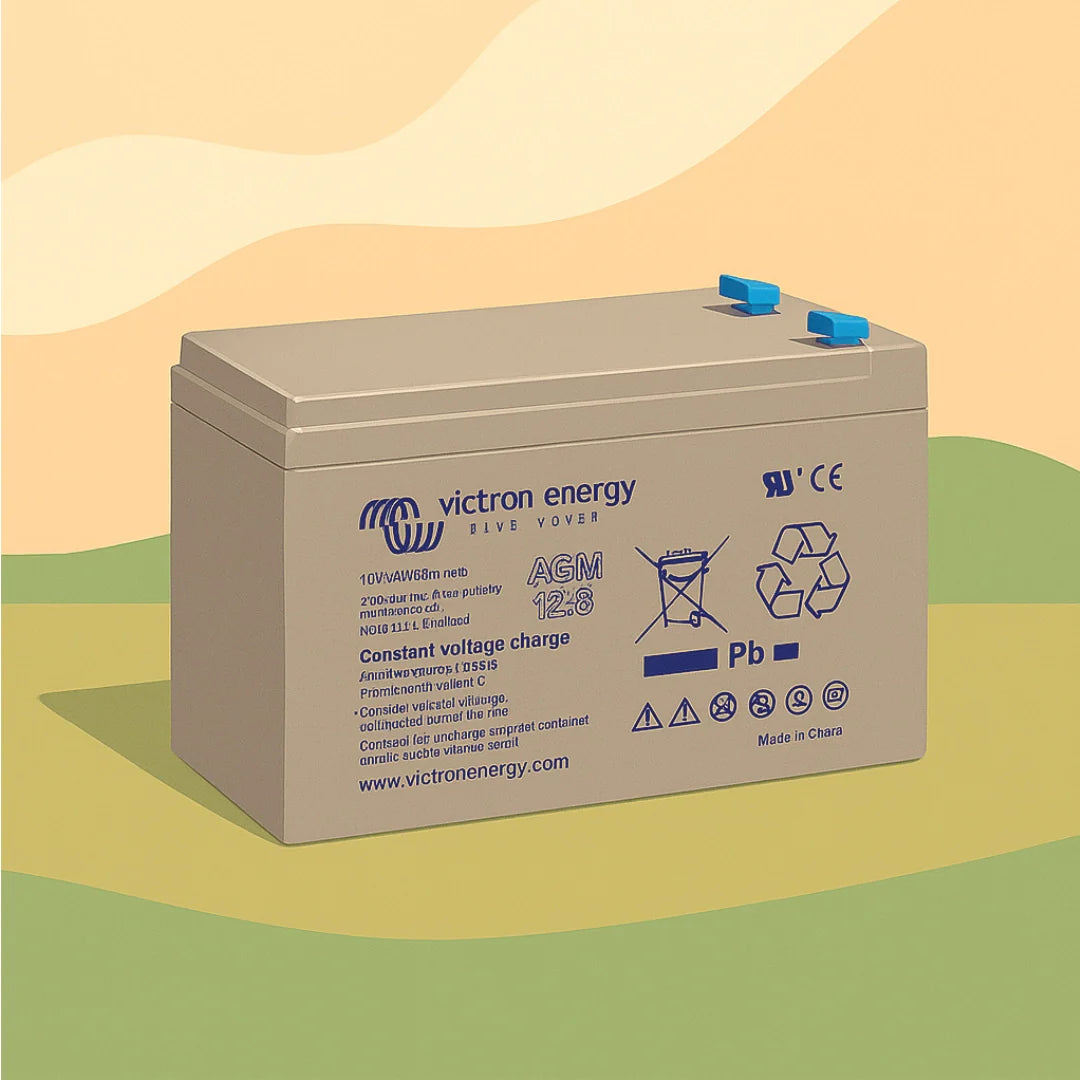
- Typically lead-acid (AGM or gel) or LiFePO4, with cycle life of 300–500 cycles for lead-acid and 2,000+ for LiFePO4
- Require more frequent terminal and connection checks due to mechanical stress
- Benefit from a dedicated DC/DC converter to manage alternator charging correctly
Home and off-grid energy storage batteries:
- Operate in more stable environments but may face seasonal extremes in uninsulated outbuildings
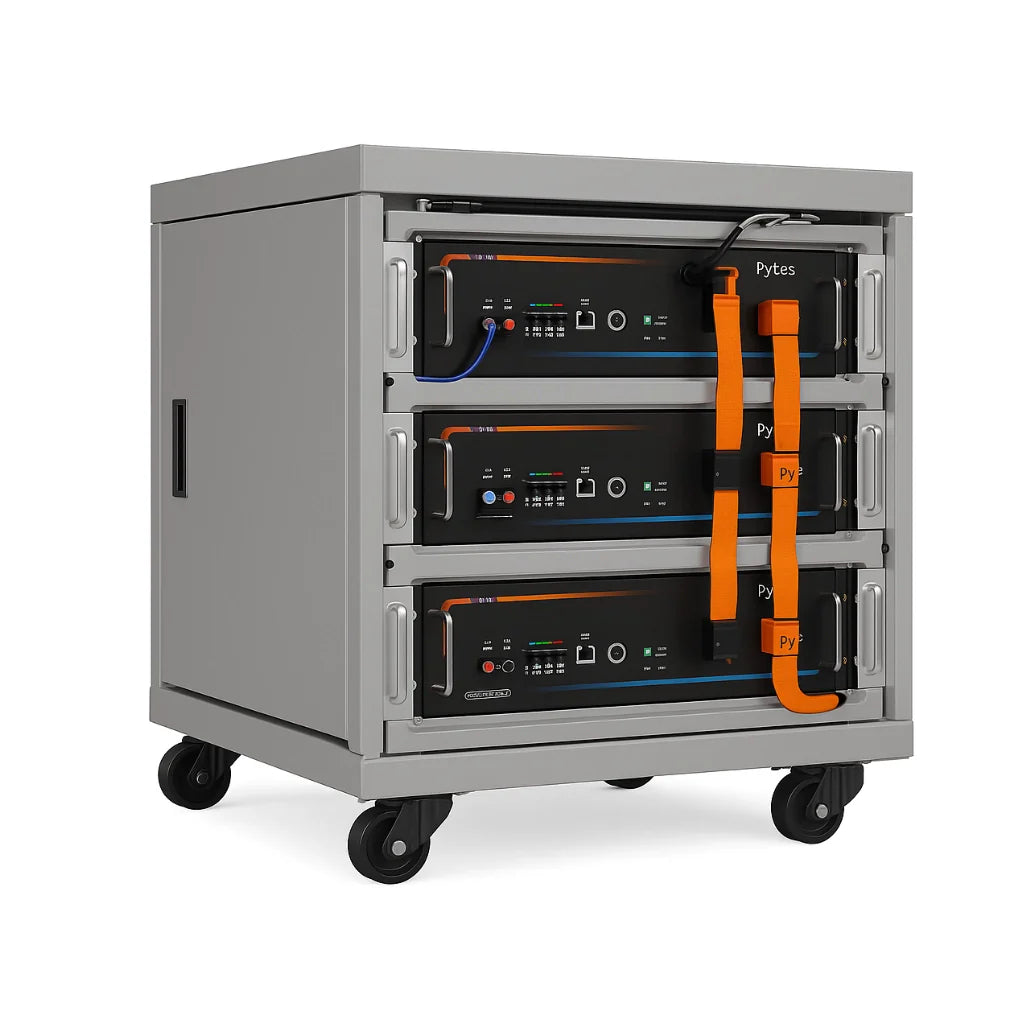
- Systems from Pytes or SRNE typically use LiFePO4 chemistry with integrated BMS
- Monitoring via app or web interface allows tracking battery health trends over weeks and months
- Seasonal storage periods (e.g., a holiday home unused in winter) require a specific storage SoC of around 50%
The key principle is the same across both: managing voltage, temperature, and depth of discharge delivers more longevity than any single maintenance task. Adjust the frequency of checks to match how hard the battery works.
Using monitoring technology to strengthen your checklist
Battery monitoring technology in 2026 has moved well beyond a simple voltage gauge. A modern BMS paired with a smartphone app gives you a live dashboard of cell voltages, state of charge, temperature, and cycle count. Comparing health data week on week catches slow capacity drift that would otherwise go unnoticed until a fault code appears.
The table below shows how different monitoring tools compare for practical maintenance use:
| Tool | What it monitors | Best for |
|---|---|---|
| Integrated BMS | Cell voltage, temperature, current, SoC | All lithium systems |
| SRNE BS 48500 Battery Monitor | Voltage, current, SoC, cycle count | Off-grid and leisure systems |
| VictronConnect app | BMS data, charge history, fault logs | Victron-compatible systems |
| Standalone heat sensor | Ambient and surface temperature | Home storage enclosures |
| Air-quality sensor | VOC and off-gas detection | Enclosed battery rooms |
Pro Tip: Export your BMS log data to a spreadsheet every three months. A simple chart of capacity over time will show you whether your battery is degrading faster than the manufacturer’s specification, giving you time to act before a failure.
Skyenergi’s smart battery system features page covers Bluetooth-enabled monitoring options compatible with both leisure and residential setups.
Key takeaways
Consistent charge management, temperature control, and BMS monitoring are the three pillars of effective battery maintenance in 2026.
| Point | Details |
|---|---|
| Charge within 20–80% SoC | Staying within this range can extend cycle life by 20–30% across lithium chemistries. |
| Inspect terminals monthly | Corrosion and loose connections reduce efficiency and trigger false BMS alarms. |
| Use BMS and app monitoring | Weekly health trend data catches capacity drift before fault codes appear. |
| Test professionally after year four | Load testing reveals true capacity loss that voltage readings alone cannot show. |
| Keep shut-off switches accessible | Blocked or seized isolators delay emergency response and increase incident risk. |
What I have learned from real-world battery maintenance
The most common mistake I see from leisure vehicle and off-grid owners is treating battery maintenance as a reactive task. They check the battery when something goes wrong, not before. By that point, the degradation has already cost them capacity they will never recover.
The second mistake is over-relying on a single indicator. Voltage alone tells you almost nothing about battery health. A cell can sit at a perfectly normal resting voltage and still deliver 60% of its rated capacity. The only way to know is to track capacity over time using your BMS data, or to have a professional load test done.
What actually works is building a short monthly habit. Five minutes to check the app, confirm SoC is within range, glance at the terminal condition, and verify the shut-off switch is clear. That routine, done consistently, catches 90% of problems before they become failures. Technology like Victron’s VictronConnect or the SRNE monitoring interface makes this genuinely quick. The lithium battery maintenance workflow Skyenergi outlines for off-grid systems is a practical starting point if you want a documented process to follow.
The one thing I would add that most guides miss: write down your readings. A number in an app is forgotten by next month. A written log shows you the trend, and the trend is what matters.
— John
Victron Energy systems for reliable off-grid power
If your maintenance checklist has revealed that your current battery or solar setup is underperforming, Skyenergi stocks a range of Victron Energy solutions built for exactly this use case.

The Victron Energy Solar Home System 200 MPPT (PAYGo) is a complete off-grid power solution combining a solar panel, MPPT charge controller, and battery management in a single package. It is well suited to residential setups and remote installations where reliability and ease of monitoring matter. Skyenergi sources directly from manufacturers, keeping prices competitive without compromising on specification. Browse the full range at skyenergi.com to find the right system for your setup.
FAQ
What is the recommended SoC range for daily battery use?
Keep state of charge between 20% and 80% for daily use. This range can extend lithium battery cycle life by 20–30% compared to regular full charges.
How often should I inspect my leisure vehicle battery?
Inspect terminals and connections monthly, and conduct a full visual check of the casing and battery bay every three months. Book a professional load test annually once the battery is older than four years.
What are the early signs of battery degradation?
Reduced capacity, longer charge times, and voltage readings that drop faster than usual under load are the clearest signs. Tracking BMS data weekly makes these patterns visible earlier than waiting for fault codes.
Do lithium and lead-acid batteries need different maintenance?
Yes. Lead-acid batteries require electrolyte level checks (in flooded types) and are more sensitive to deep discharge. LiFePO4 batteries need less hands-on maintenance but require a compatible BMS and charger to operate safely and efficiently.
Is a BMS sufficient on its own for safety monitoring?
No. A layered approach combining BMS, temperature sensors, and air-quality monitoring provides the most reliable protection against thermal runaway. Each sensor type catches fault modes the others may miss.
Recommended
Prev post

Understanding battery C-rate: a practical guide
Updated on 20 June 2026
Next post

Deep cycle battery explained: your complete guide
Updated on 18 June 2026


