





Deep cycle battery explained: your complete guide
Discover everything you need to know about deep cycle batteries. Learn essential uses, types, and maintenance tips in this complete guide.
A deep cycle battery is defined as a rechargeable battery engineered to deliver steady electrical current over extended periods by tolerating repeated deep discharges without premature wear. Unlike a starter battery, which delivers a short, sharp burst of current to crank an engine, a deep cycle battery is built for sustained power delivery across hundreds or thousands of cycles. The three main chemistries are flooded lead-acid, AGM (Absorbent Glass Mat), and LiFePO4 (lithium iron phosphate). Each suits different applications, from solar off-grid systems and campervans to marine installations and residential energy storage. Understanding which chemistry fits your setup, and how to maintain it properly, directly determines how long your battery lasts and how reliably it performs.
Deep cycle battery explained: design vs. a regular battery
The fundamental difference between a deep cycle battery and a standard car battery lies in plate construction. Deep cycle batteries use thicker internal plates with denser active material, which allows them to discharge slowly and deeply without the plates degrading rapidly. A starter battery uses many thin, porous plates to maximise surface area for that initial high-current burst. Put it under daily solar cycling and it fails within 50–100 cycles. A quality deep cycle battery lasts 300 to over 6,000 cycles depending on chemistry.
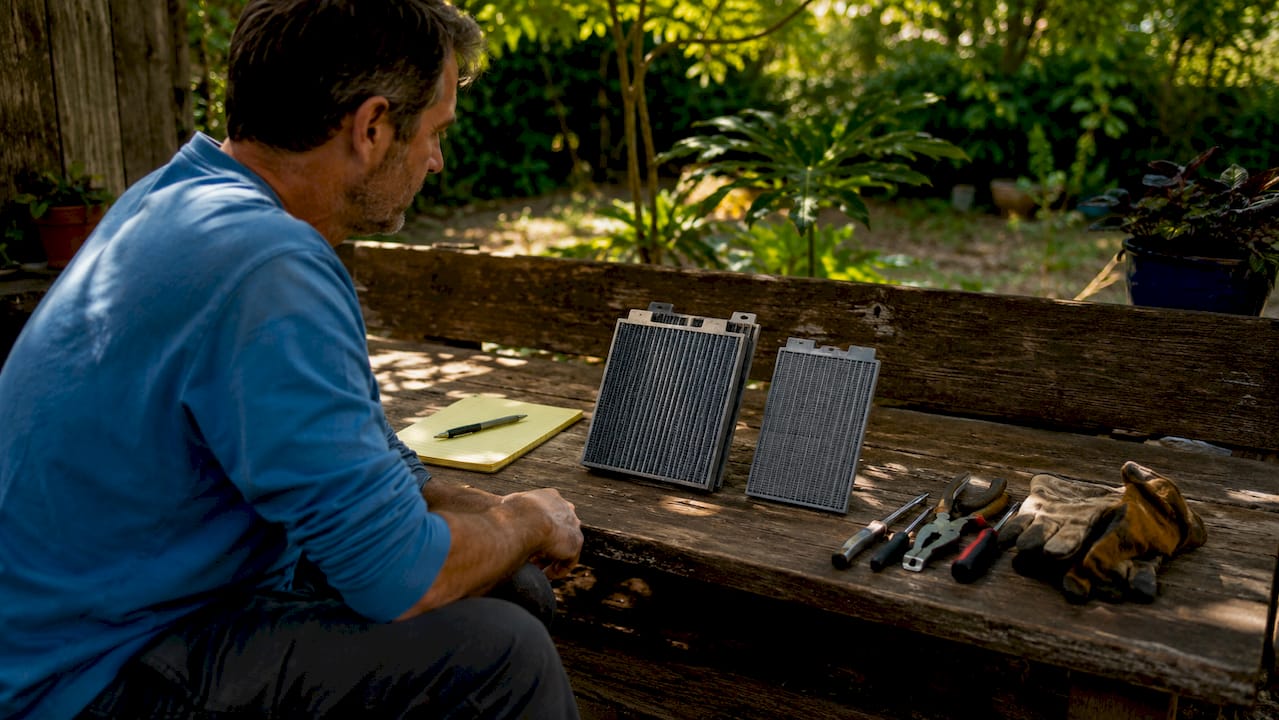
The Peukert Effect is a critical design consideration for lead-acid deep cycle batteries. High current discharges reduce available capacity significantly in lead-acid cells, meaning the harder you push them, the less usable energy you actually get. LiFePO4 batteries are largely unaffected by this phenomenon, which makes them better suited to applications with variable or high load demands.
Pro Tip: Never use a standard car battery as a substitute for a deep cycle battery in a solar or leisure vehicle setup. It will fail far sooner than expected and may not provide adequate warning before capacity collapses.
| Feature | Deep Cycle Battery | Starter Battery |
|---|---|---|
| Plate thickness | Thick, dense active material | Thin, high surface area |
| Cycle life | 300–6,000+ cycles | 50–100 cycles under deep discharge |
| Discharge depth | 50–100% DoD depending on chemistry | 5–20% typical discharge |
| Primary use | Sustained power delivery | Short, high-current engine cranking |
| Typical chemistries | Flooded lead-acid, AGM, LiFePO4 | Flooded lead-acid, AGM |
How do battery chemistries affect performance and maintenance?
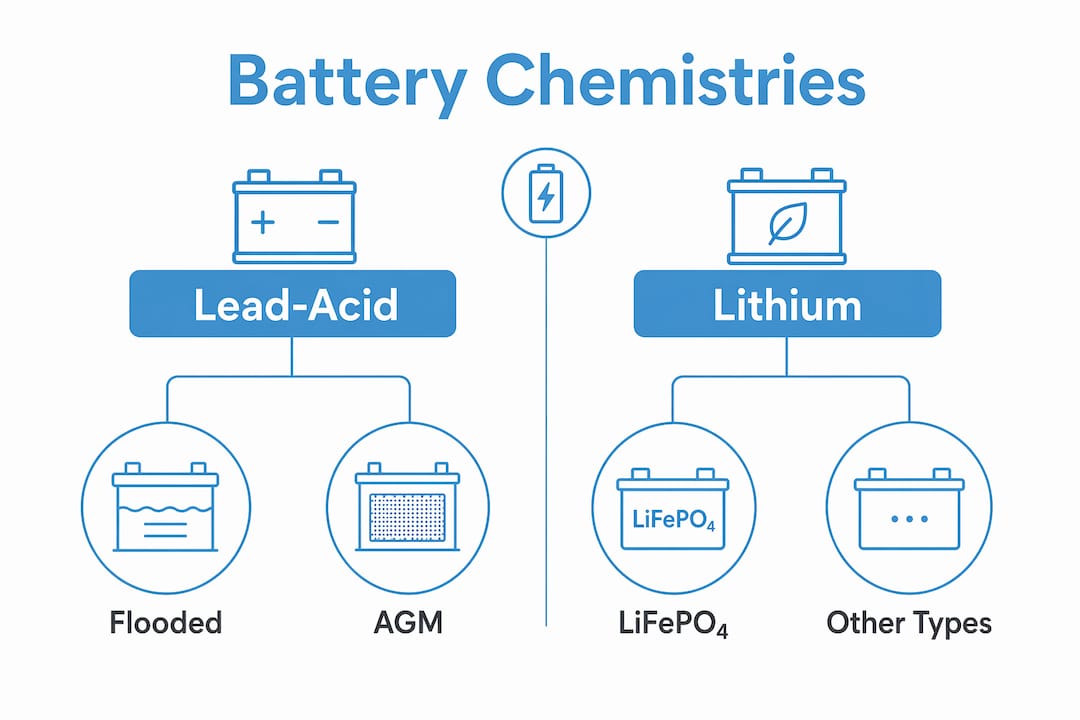
Choosing the right chemistry is the single most consequential decision when selecting a deep cycle battery. Each type carries distinct trade-offs in cost, cycle life, maintenance burden, and usable capacity.
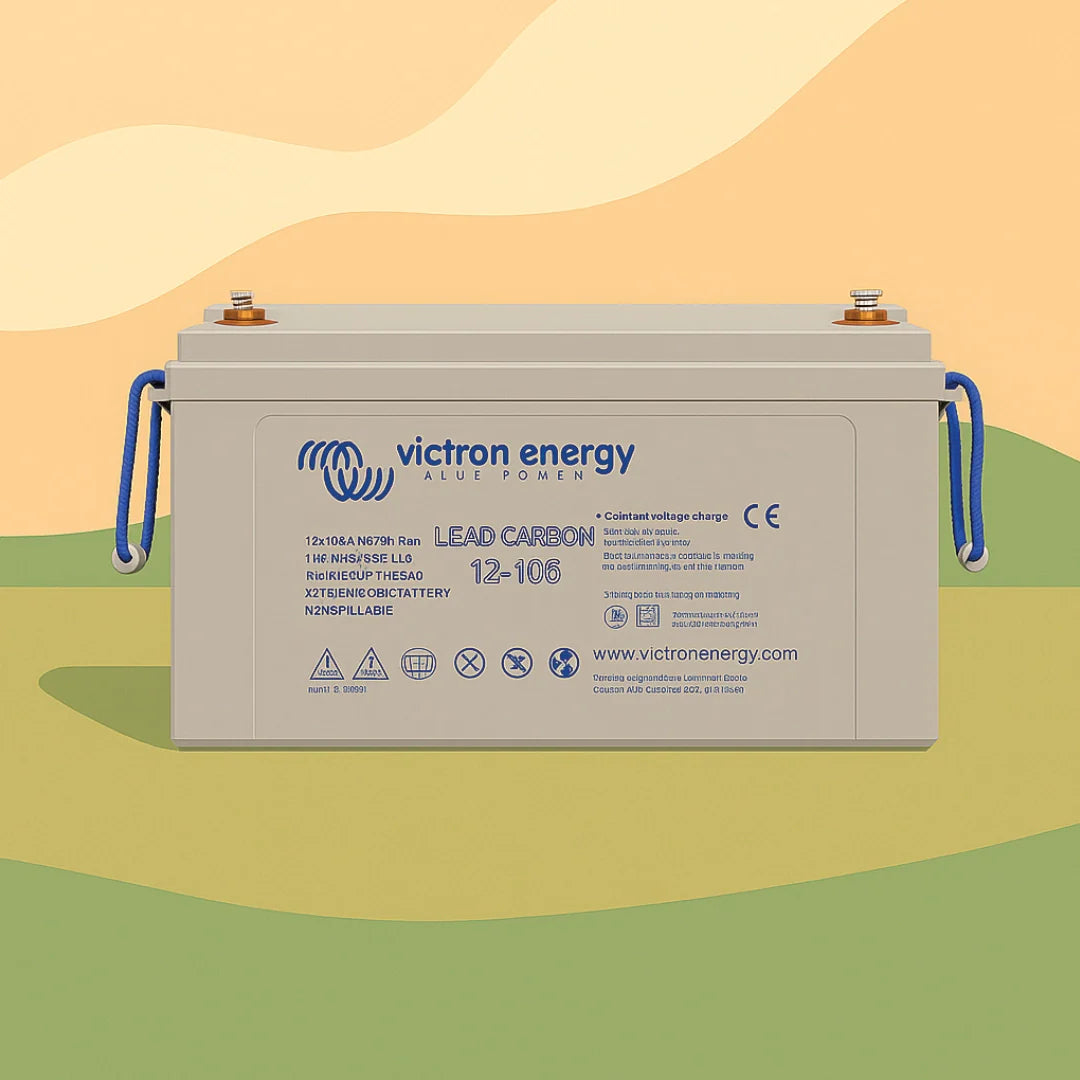
Flooded lead-acid batteries are the oldest and cheapest option. They require regular topping up with distilled water and hydrometer testing to prevent capacity loss from sulphation and stratification. Equalisation charges every 30–90 days recondition the cells by dissolving sulphate crystals. They are reliable but labour-intensive.
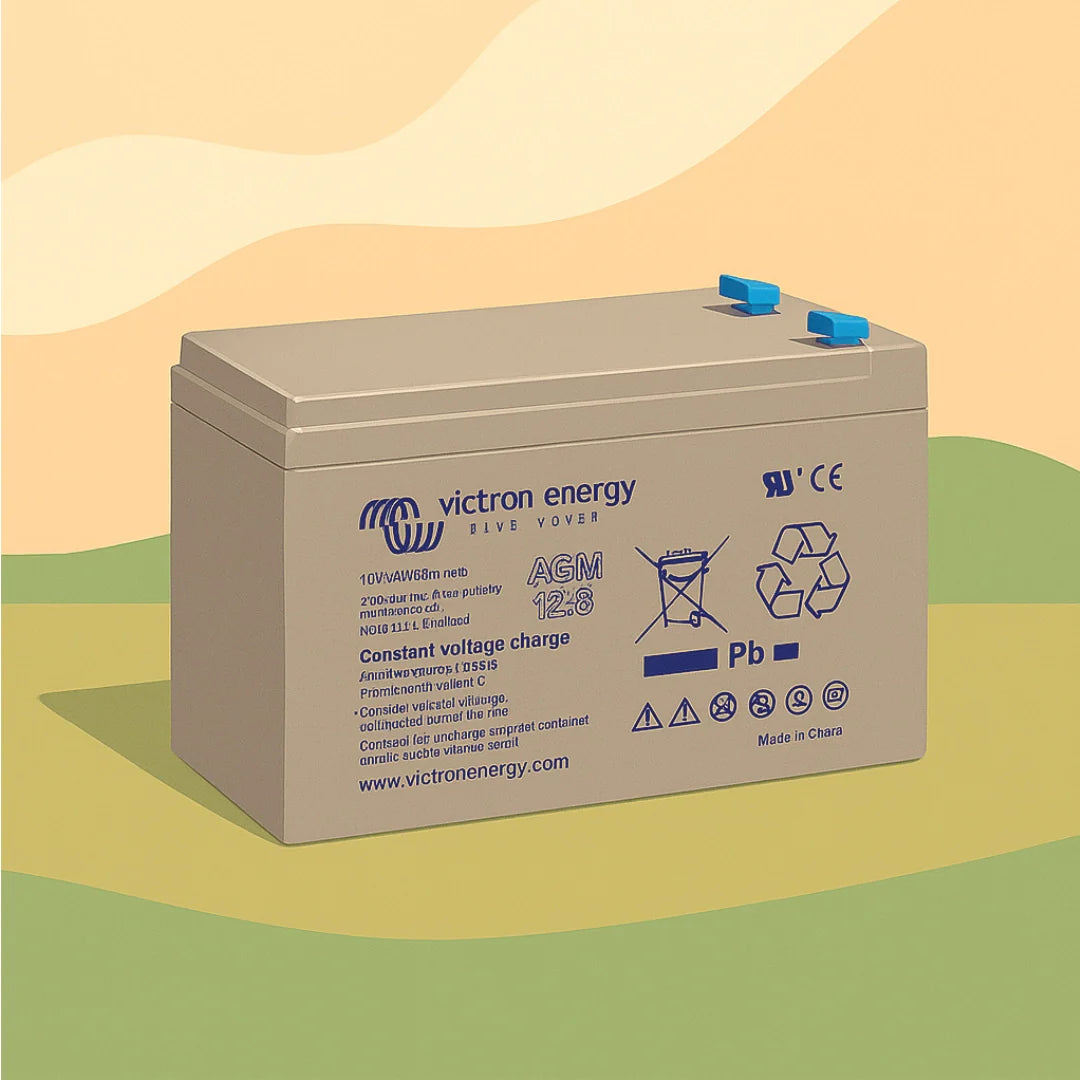
AGM batteries are sealed, spill-proof, and require no water topping. They handle moderate discharge depths and suit applications where low maintenance matters, such as motorhomes or marine use. They cost more than flooded types but less than lithium.
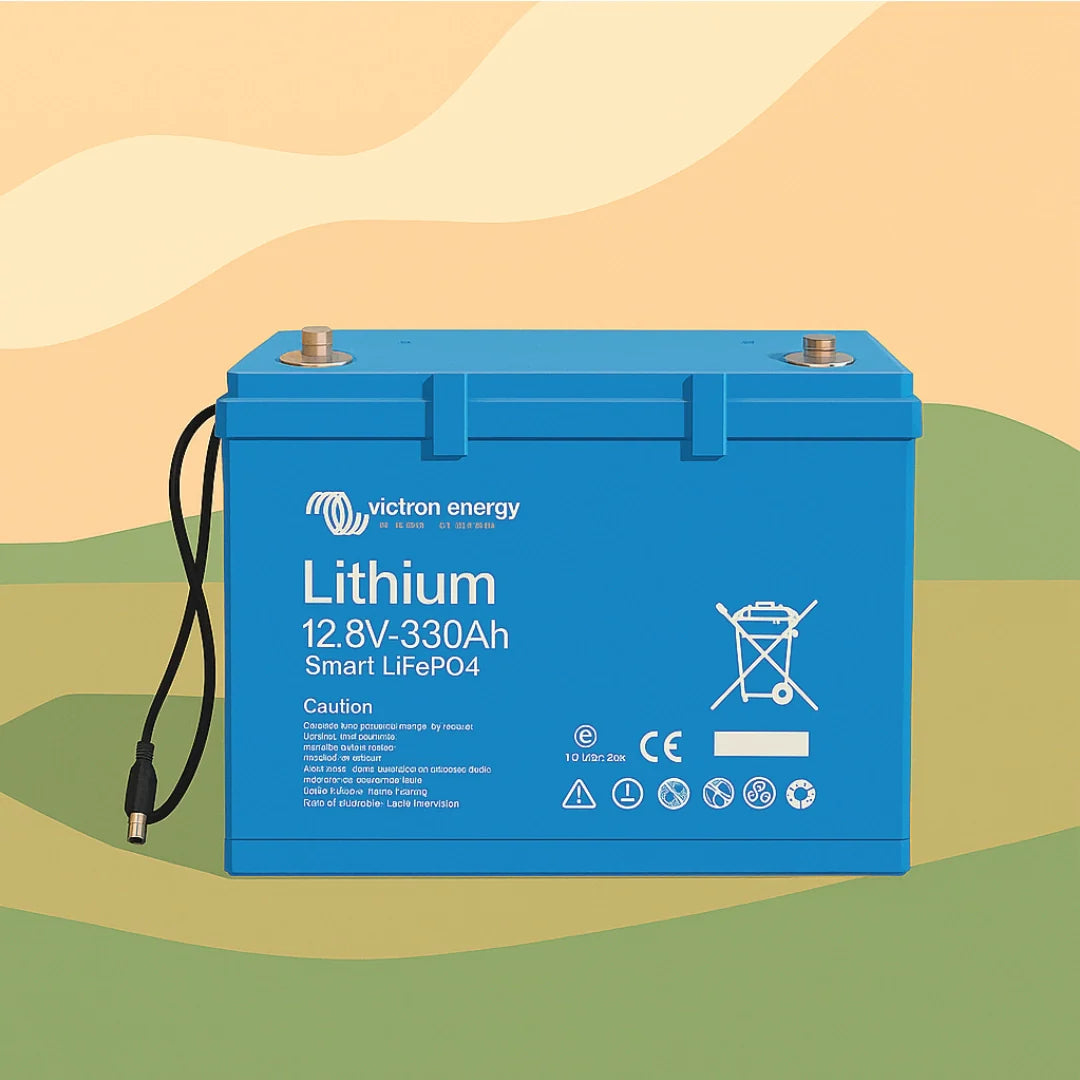
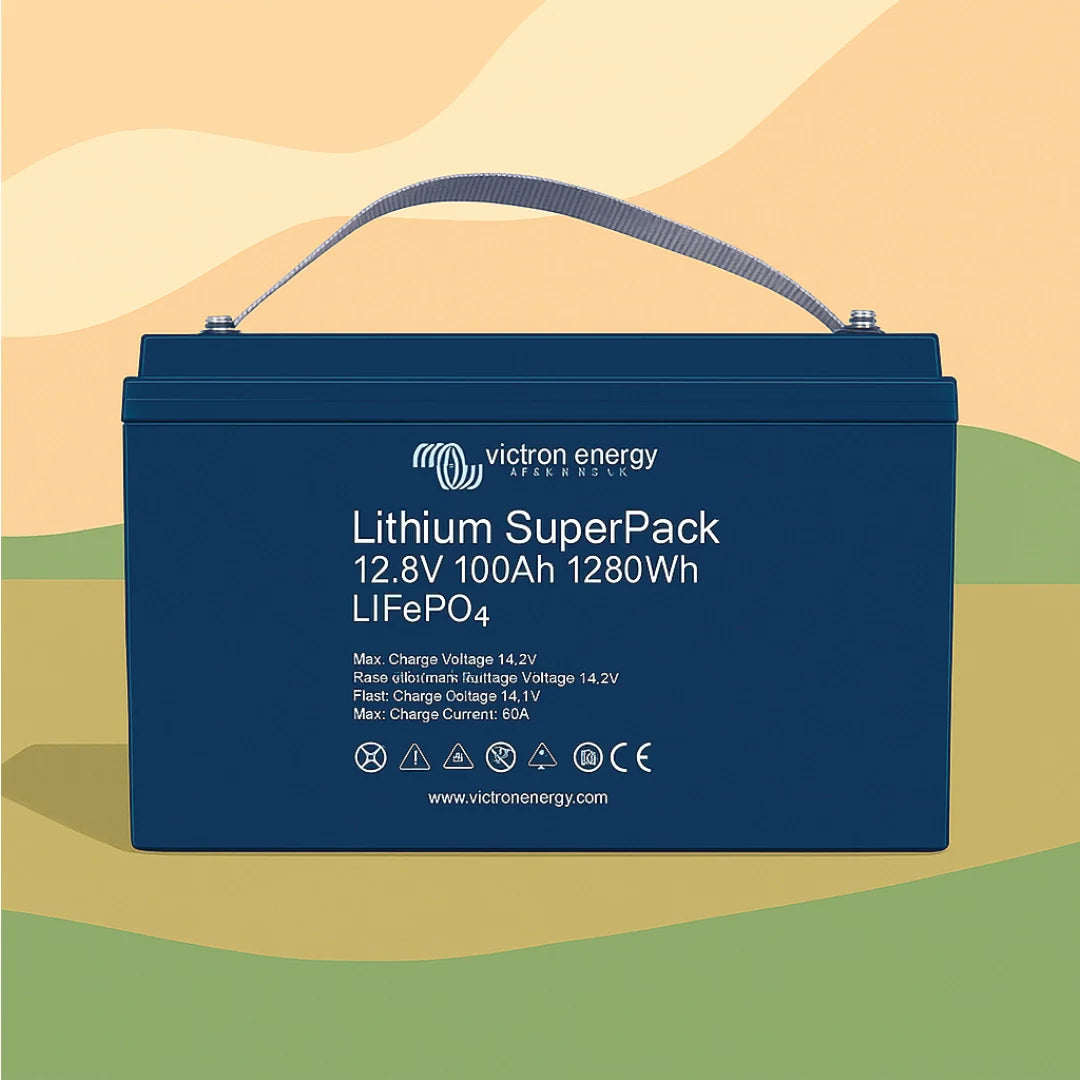
LiFePO4 batteries represent the current standard for off-grid and leisure vehicle use. LiFePO4 costs approximately £1.35 per cycle compared to £4.59–£5.27 per cycle for lead-acid alternatives. That cost advantage compounds significantly over a 10-year system lifespan. LiFePO4 also supports 80–100% depth of discharge versus the 50% recommended limit for lead-acid, meaning you get roughly twice the usable energy from the same rated capacity. For a deeper look at what makes LiFePO4 stand out, see Skyenergi’s guide on lithium iron phosphate batteries.
| Chemistry | Recommended DoD | Typical Cycle Life | Maintenance Level | Relative Cost |
|---|---|---|---|---|
| Flooded lead-acid | 50% | 300–500 cycles | High | Low |
| AGM | 50–60% | 400–700 cycles | Low | Medium |
| LiFePO4 | 80–100% | 2,000–6,000+ cycles | Very low | High upfront, low per cycle |
Key benefits of LiFePO4 over lead-acid for off-grid use:
- Roughly double the usable capacity per rated amp-hour
- No sulphation, no water topping, no equalisation charging required
- Stable chemistry with lower risk of thermal issues compared to other lithium types
- Lighter weight per kilowatt-hour, relevant for campervans and motorhomes
- Built-in BMS in most modern units handles cell balancing automatically
Pro Tip: When comparing battery prices, always calculate cost per cycle rather than upfront cost. A £300 LiFePO4 battery that lasts 3,000 cycles costs far less per cycle than a £100 lead-acid battery that lasts 400 cycles.
What maintenance tips maximise deep cycle battery lifespan?
Depth of Discharge management is the single most effective maintenance practice for extending battery life. Managing DoD carefully can extend lead-acid battery lifespan by up to 40%. Keeping lead-acid batteries within the 20–80% state-of-charge window, often called the “golden window,” doubles viable cycle life and prevents sulphation from forming on the plates.
Follow these maintenance steps for flooded lead-acid and AGM batteries:
- Check electrolyte levels monthly (flooded types only). Top up with distilled water only, never tap water. Low electrolyte exposes plates and accelerates degradation.
- Perform equalisation charges every 30–90 days for flooded lead-acid batteries. This dissolves sulphate crystals and restores chemical balance across all cells.
- Clean and torque terminals regularly. Consistent terminal torque within manufacturer specifications reduces resistance-induced overheating, a commonly overlooked but critical step. Use a wire brush to remove corrosion, then apply anti-corrosion spray.
- Monitor voltage after a full charge. A fully charged 12V lead-acid battery reads 12.6–12.7V. Capacity below 80% after discharge signals the battery is approaching end of life.
- Control operating temperature. Operating temperatures above 25°C halve service life for every 10°C increase in lead-acid batteries. Store and operate batteries in cool, ventilated spaces where possible.
For LiFePO4 batteries, the maintenance picture is considerably simpler. Battery Management Systems (BMS) monitor cell balance, temperature, and prevent damaging conditions automatically, reducing manual upkeep to near zero. BMS firmware updates and thermal controls handle the work that manual equalisation does in lead-acid systems. Skyenergi’s guide on BMS and off-grid energy independence covers this in detail.
Pro Tip: Avoid storing any deep cycle battery in a fully discharged state. Lead-acid batteries left discharged suffer rapid sulphation. LiFePO4 batteries should be stored at around 50% charge if not in use for extended periods.
What are the best applications for deep cycle batteries?
Deep cycle batteries are the correct choice wherever sustained, repeated power delivery is required rather than a single high-current burst. LiFePO4 is increasingly preferred for lifespan and performance in modern off-grid and RV setups, though lead-acid remains prevalent in budget-conscious or lower-demand applications.
Solar off-grid systems represent the most demanding use case. A solar array charges the battery bank during daylight hours, and the battery delivers power through the night or during overcast periods. Battery chemistry directly influences system design here. LiFePO4’s higher usable DoD means a smaller, lighter battery bank can deliver the same effective capacity as a larger lead-acid bank. Pairing a quality battery with a smart MPPT charge controller, such as those from Victron Energy, prevents overcharging and maximises charge efficiency. You can explore how solar battery storage integrates with different chemistries for further context.
Campervans and motorhomes require batteries that handle daily charge and discharge cycles reliably over years of use. Weight matters here. A 100Ah LiFePO4 battery weighs roughly half of an equivalent lead-acid unit, freeing payload for other equipment.
Marine applications demand spill-proof, vibration-resistant batteries. AGM and LiFePO4 both suit marine environments, though LiFePO4 offers superior cycle life for liveaboard or extended passage use. Skyenergi’s overview of deep cycle batteries for leisure vehicles covers marine and campervan specifics in more detail.
Key benefits of deep cycle batteries across all applications:
- Sustained power delivery without voltage sag under moderate loads
- Long cycle life reduces replacement frequency and total cost of ownership
- Multiple chemistry options to match budget, weight, and maintenance preferences
- Compatibility with solar MPPT controllers, DC/DC converters, and battery monitors
- Scalable capacity through parallel battery banks for larger energy demands
Key takeaways
Deep cycle batteries outperform starter batteries in sustained power applications because their thicker plates, chemistry-specific DoD limits, and BMS protection combine to deliver reliable energy across hundreds to thousands of cycles.
| Point | Details |
|---|---|
| Design distinguishes function | Thicker plates and denser active material make deep cycle batteries suited for repeated discharge, not starter batteries. |
| Chemistry determines cost per cycle | LiFePO4 costs significantly less per cycle than lead-acid over a full system lifespan. |
| DoD management extends life | Keeping lead-acid batteries within 20–80% state of charge can extend lifespan by up to 40%. |
| Temperature control matters | Operating above 25°C halves lead-acid service life for every 10°C rise; keep batteries cool and ventilated. |
| BMS reduces lithium maintenance | A built-in BMS handles cell balancing and thermal protection, removing most manual upkeep for LiFePO4 users. |
Why most people get deep cycle batteries wrong from the start
The most persistent misconception I encounter is that “deep cycle” means you can fully drain the battery without consequence. That misunderstanding is responsible for roughly 80% of off-grid battery failures. “Deep cycle” describes the battery’s ability to repeatedly discharge to a meaningful depth without structural damage. It does not grant permission to run the battery flat every day.
In practice, the people who get the longest life from their batteries are those who treat DoD limits as hard rules rather than guidelines. A lead-acid user who consistently stays above 50% state of charge will see dramatically better longevity than one who pushes to 20% regularly, even if both batteries carry the same capacity rating.
My honest observation after working with off-grid systems is that LiFePO4 has made the chemistry decision straightforward for most new installations. The upfront cost premium disappears quickly when you account for cycle life and the near-elimination of maintenance. For anyone building a campervan, motorhome, or residential solar setup from scratch, lead-acid is rarely the right choice in 2026 unless budget constraints are severe. Skyenergi’s article on lithium battery benefits for off-grid living sets out the comparison clearly.
The one area where I see even experienced users fall short is temperature management. A battery stored in an unventilated locker in a hot climate is losing service life every day, regardless of how carefully the DoD is managed. Thermal awareness is as important as charge management, and it costs nothing to address.
— John
Build a reliable system around your deep cycle battery
Selecting the right battery is only part of the equation. Pairing it with a quality charge controller and monitoring solution determines whether your system performs consistently over years of use.
Skyenergi stocks the Victron Energy Solar Home System 200 MPPT, an integrated solution combining MPPT charge control with battery management for off-grid installations. For users who want real-time visibility into battery health, the SRNE BS 48500 Battery Monitor provides accurate state-of-charge data and system diagnostics. Both products are available directly from Skyenergi, sourced from manufacturers to keep pricing competitive. Browse the full range at skyenergi.com to find the right components for your setup.
FAQ
What is a deep cycle battery used for?
Deep cycle batteries power sustained loads in solar off-grid systems, campervans, motorhomes, and marine applications. They are designed for repeated partial discharge rather than the brief high-current bursts that starter batteries deliver.
How does a deep cycle battery differ from a car battery?
A deep cycle battery uses thicker, denser plates built to withstand hundreds to thousands of discharge cycles. A car battery uses thin plates optimised for a single large current burst and fails within 50–100 cycles under daily deep discharge conditions.
What depth of discharge is safe for lead-acid deep cycle batteries?
Lead-acid deep cycle batteries should not be discharged below 50% state of charge. Staying within the 20–80% window can extend lifespan by up to 40% and prevents sulphation from forming on the plates.
Do LiFePO4 batteries require the same maintenance as lead-acid?
No. LiFePO4 batteries rely on a built-in BMS to manage cell balance and temperature automatically. There is no need for water topping, equalisation charging, or hydrometer testing, making them significantly lower maintenance than flooded lead-acid types.
How long does a deep cycle battery last?
Lifespan depends on chemistry and usage. Flooded lead-acid batteries typically deliver 300–500 cycles, AGM batteries 400–700 cycles, and LiFePO4 batteries 2,000 to over 6,000 cycles with proper DoD management and temperature control.
Recommended
Prev post

Battery maintenance checklist 2026: leisure and off-grid guide
Updated on 19 June 2026
Next post

Residential battery buying guide for UK homes
Updated on 17 June 2026


