






Why energy storage matters for marine vessels
Discover why energy storage matters for marine vessels. Learn how onboard systems enhance reliability, cut emissions, and support sustainability.
Marine energy storage is defined as the systems that store electrical energy onboard vessels to improve power reliability, reduce dependence on fossil fuels, and support sustainable operations. Understanding why energy storage matters for marine applications has never been more relevant. The IMO targets a 40% carbon emission reduction by 2035, and the maritime sector is under real pressure to act. Battery systems are now central to that response, whether you operate a leisure cruiser on the Thames or a commercial vessel working offshore wind farms.
Why energy storage matters for marine power management
Most leisure boats use a 12V DC system with leisure batteries designed for slow, sustained energy draw. That architecture differs fundamentally from a car battery, which delivers a short burst of power to start an engine. On a boat, the battery must power lighting, navigation electronics, bilge pumps, refrigeration, and communications for hours at a time.

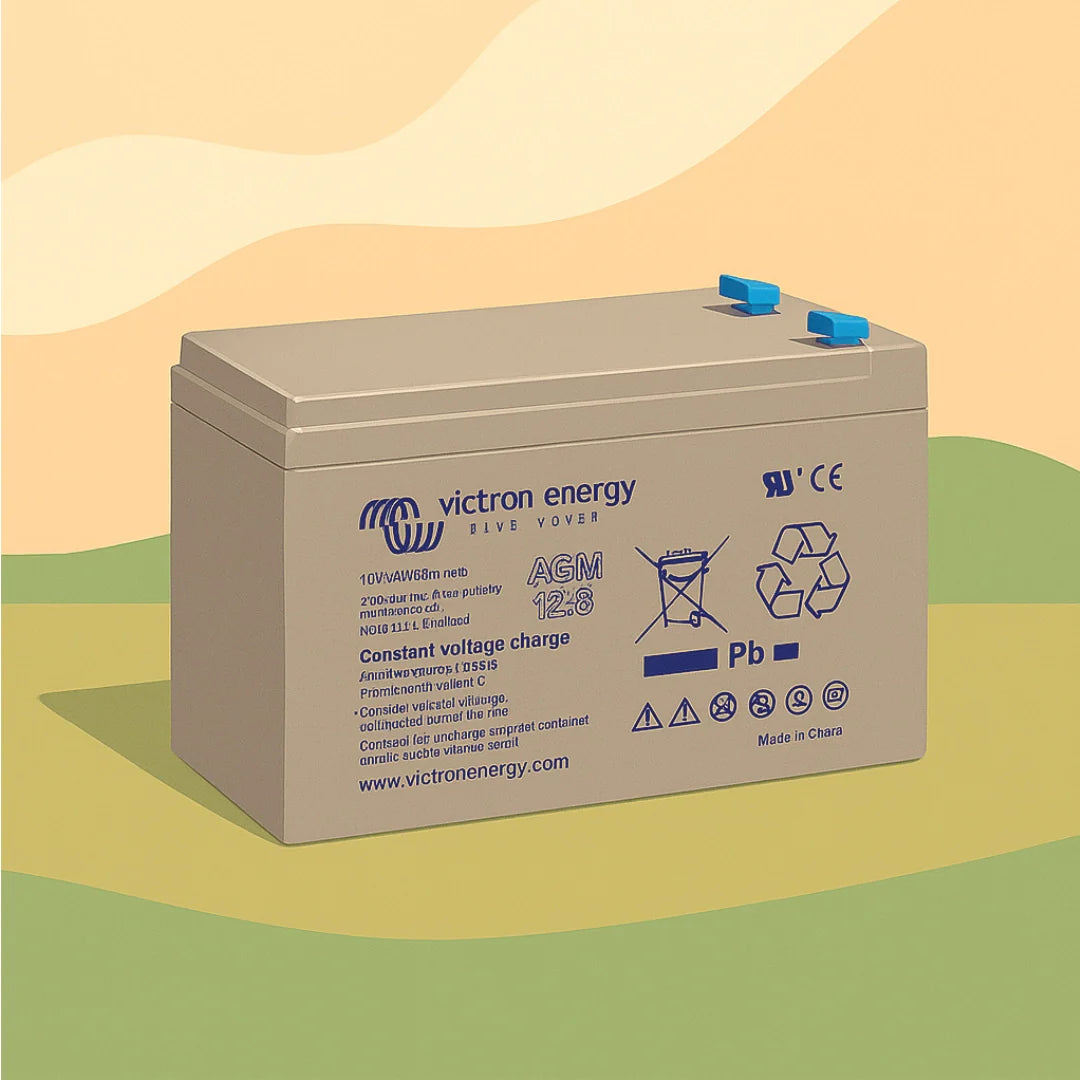
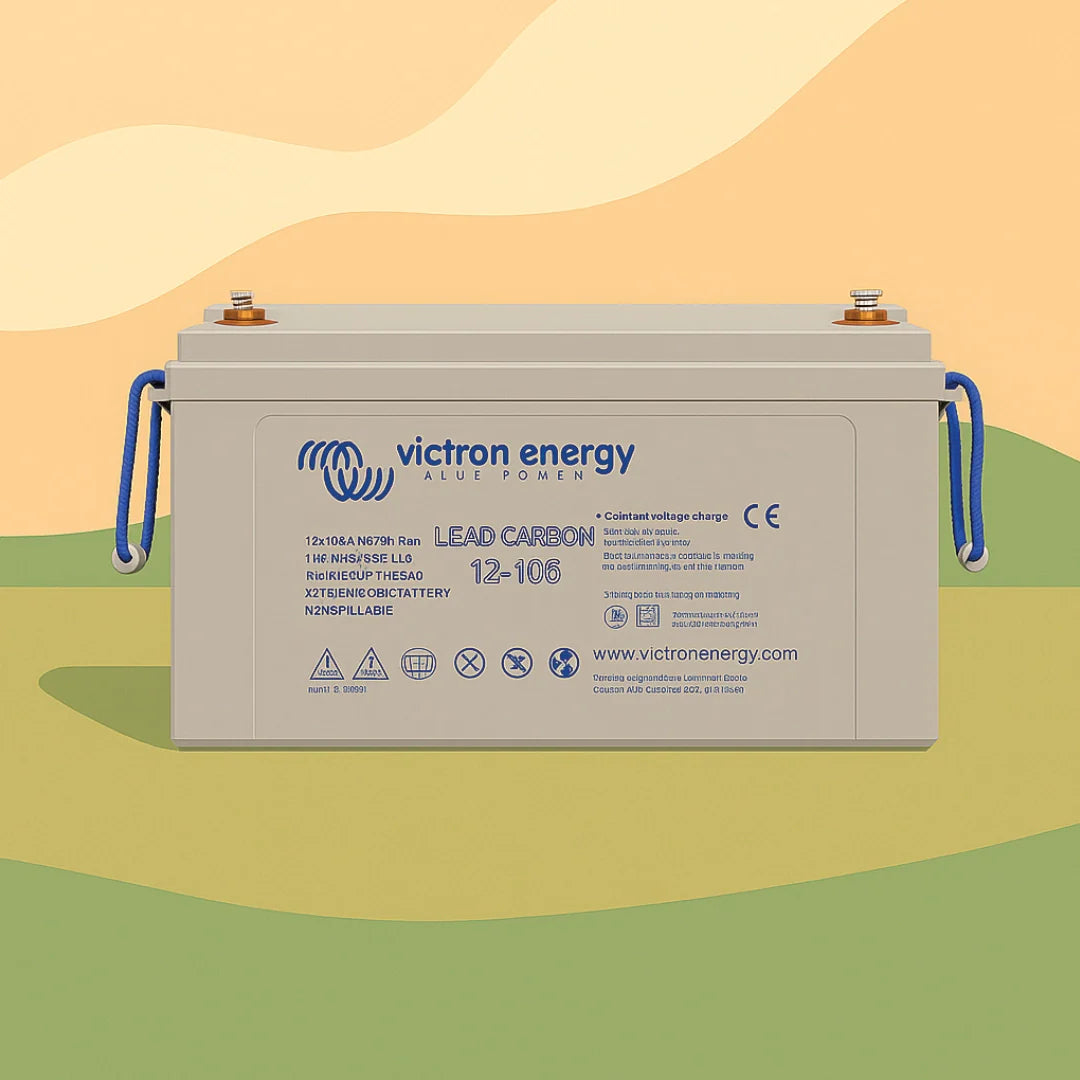
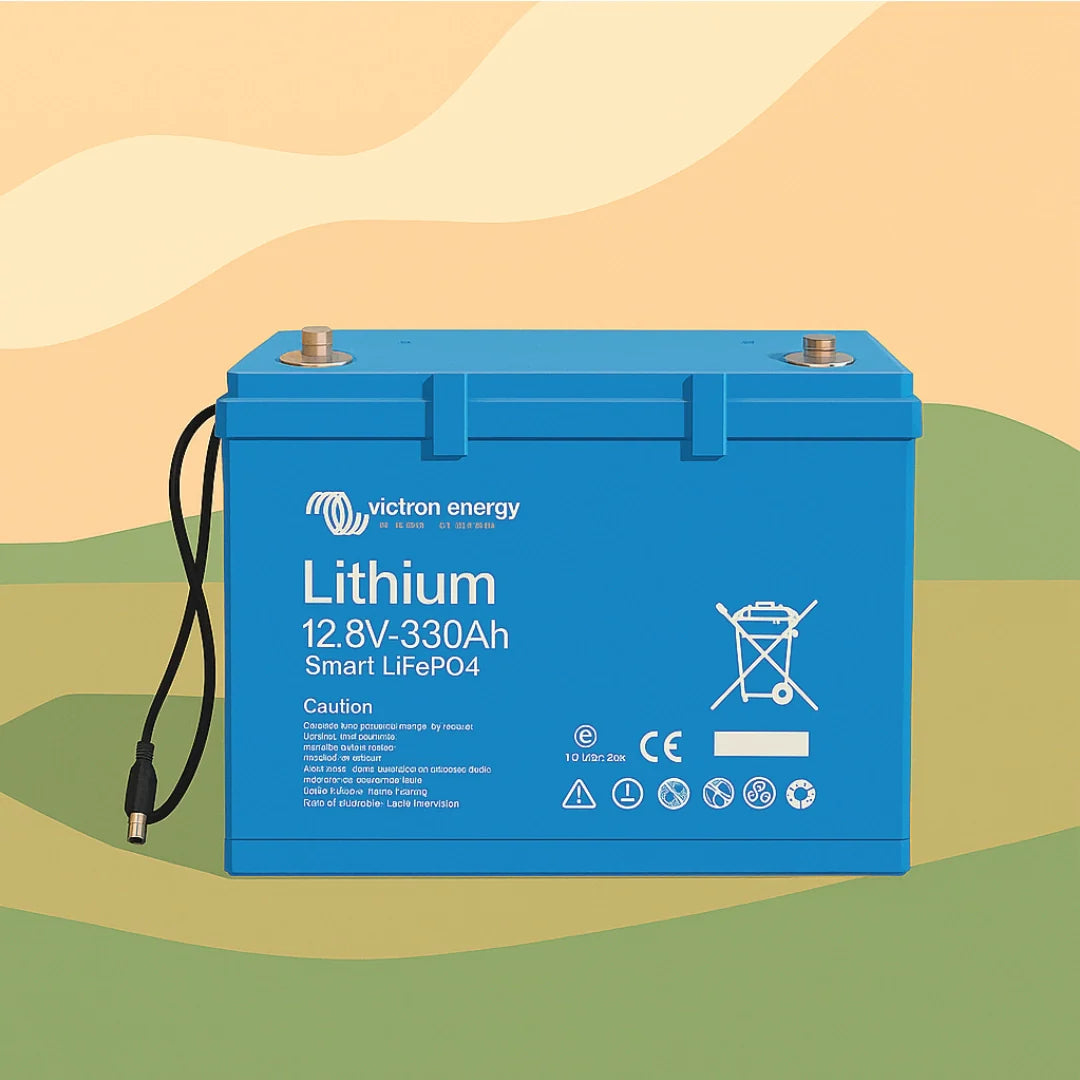
The three main battery types used onboard are lead-acid, AGM (absorbent glass mat), and lithium. Lead-acid is the oldest and cheapest option but carries the highest weight penalty and the shortest cycle life. AGM offers better vibration resistance and lower maintenance. Lithium batteries are increasingly preferred for their weight savings and significantly longer cycle life, though they require a compatible battery management system (BMS) to operate safely.
Charging sources on a typical vessel include:
- Alternator: The primary source while the engine runs; upgrading to a high-output alternator with an external regulator improves efficiency and protects lithium cells from damage.
- Shore power: Mains connection at a marina, feeding an onboard charger.
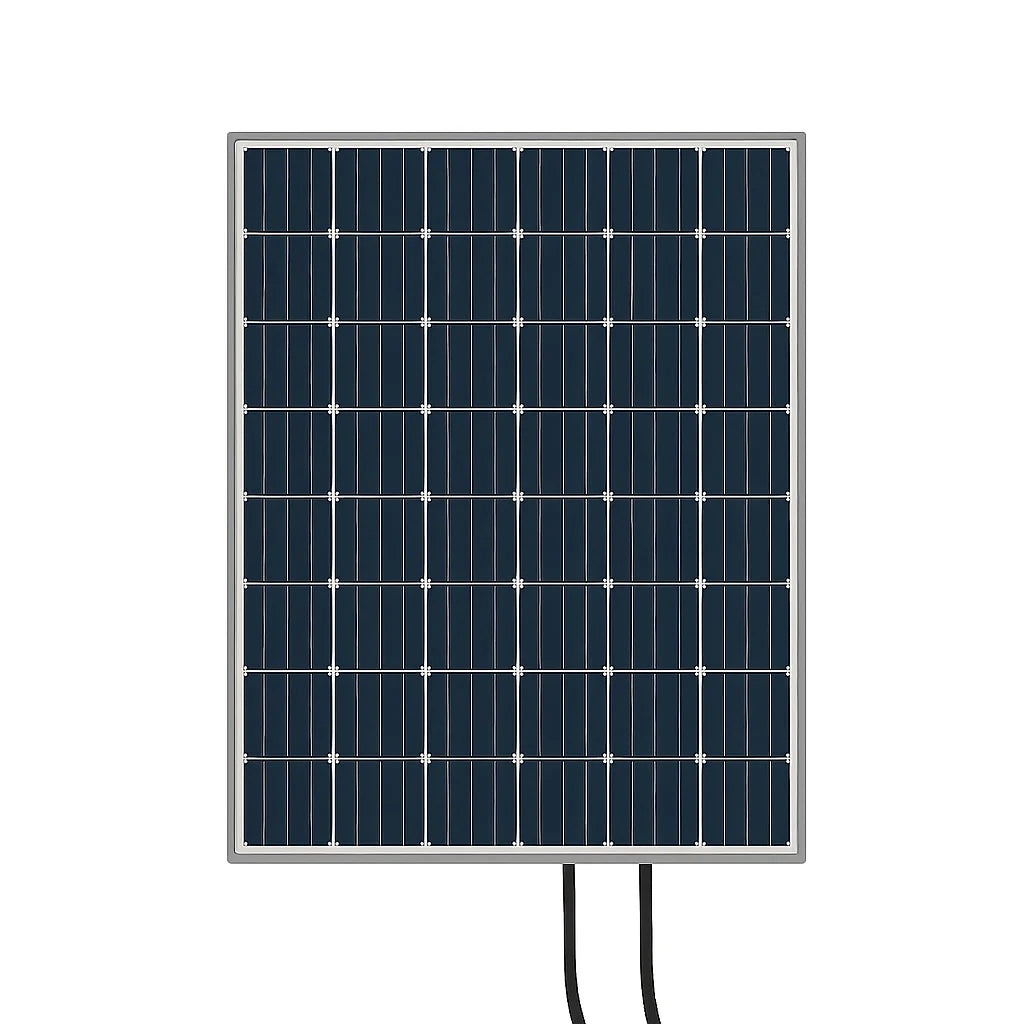
- Solar panels: A growing addition, particularly for boats at anchor or on long passages.
- Inverters: Convert DC battery power to 230V AC for domestic appliances; understanding how inverters work onboard is key to sizing your system correctly.
Marine-grade wiring is non-negotiable. Tinned copper cables must be used rather than domestic or automotive cable, because the tinning process resists the corrosion caused by salt air and moisture. Undersized or poorly rated cable is a leading cause of electrical fires onboard.
Pro Tip: Install a battery monitoring shunt at the negative terminal of your battery bank. It gives you accurate state-of-charge readings and prevents the guesswork that leads to deep discharges and premature battery failure.
How does energy storage reduce costs and emissions at sea?
The financial case for marine energy storage is well established at commercial scale. Electrifying offshore wind service vessels can reduce annual operating costs by up to 40% in hybrid mode and up to 70% in full electric mode with offshore charging. Full electric operation can deliver savings of around US$1.8 million per vessel annually. Those figures come from Bibby Marine’s analysis of crew transfer and service operation vessels working offshore wind sites.
For recreational boat owners, the savings are smaller in absolute terms but proportionally significant. Running a diesel generator for hours each day to power a fridge, a chart plotter, and cabin lighting is expensive and noisy. A properly sized battery bank with solar charging eliminates that cost entirely during settled weather.
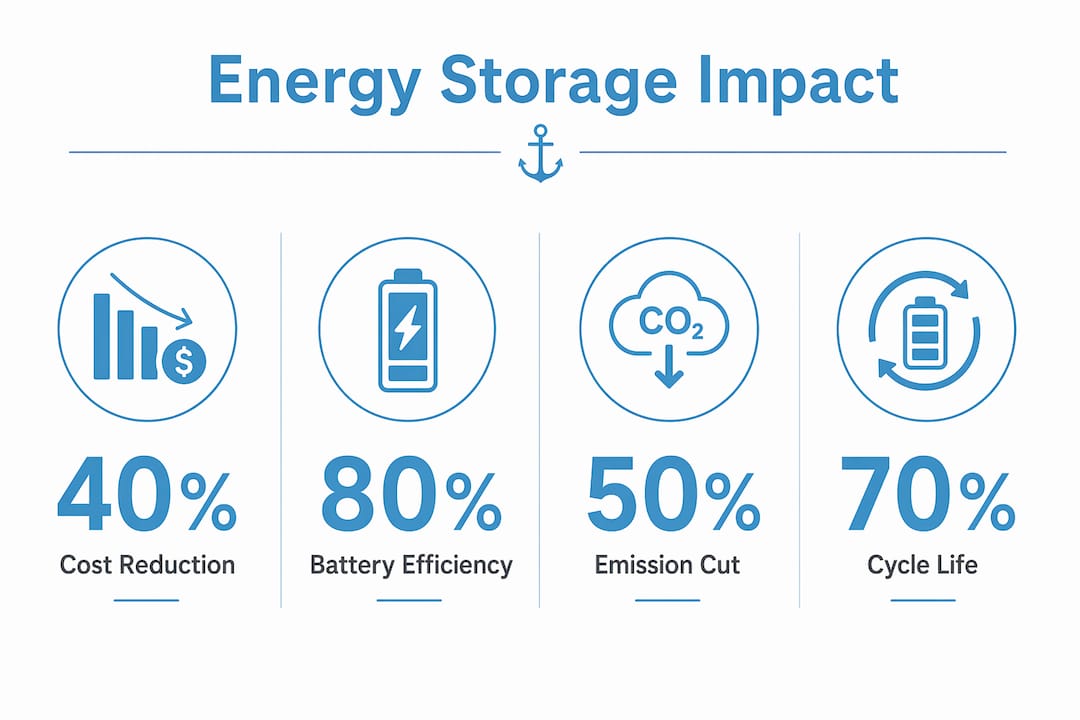
Electrification is technically feasible for 30% of maritime energy consumption and 20% of greenhouse gas emissions, with 90% economic feasibility for electrifiable fleets by 2030. That figure confirms the transition is not a distant aspiration. It is a near-term commercial reality for a substantial portion of the global fleet.
Key operational benefits of marine energy storage include:
- Silent port running: Vessels can operate on battery power alone in harbour, eliminating diesel noise and exhaust in sensitive areas.
- Peak shaving: Battery systems absorb demand spikes that would otherwise require a larger, less efficient generator.
- Fuel reduction: Hybrid systems combining diesel with batteries deliver immediate fuel savings and act as a practical bridge before full electrification.
- Reduced maintenance: Fewer engine hours mean lower servicing costs and extended engine life.
What practical considerations should boat owners know about energy storage?
Installing an energy storage system on a boat is not the same as fitting one in a campervan or a home. The marine environment adds corrosion, vibration, and moisture to every component. Getting the basics right protects both the vessel and the people aboard.
System sizing is the first decision. A battery bank that is too small will be discharged too deeply on a regular basis, shortening its life. A bank that is too large adds unnecessary weight and cost. Calculate your daily amp-hour consumption across all loads, then size the bank to cover at least two days of use without recharging. For lithium, you can use 80–90% of the rated capacity. For lead-acid, limit discharge to 50%.
Battery management systems monitor cell voltage, temperature, and state of charge in real time. A BMS protects lithium batteries from overcharge, over-discharge, and thermal runaway. Without one, a lithium bank is a genuine fire risk. Many modern BMS units include Bluetooth connectivity, so you can check battery health from a phone without opening the battery compartment.
Common pitfalls in DIY marine installations include:
- Using automotive rather than marine-grade tinned copper cable.
- Fitting fuses too far from the battery, leaving long unprotected cable runs.
- Mixing old lead-acid batteries with new ones in the same bank, which degrades the newer cells.
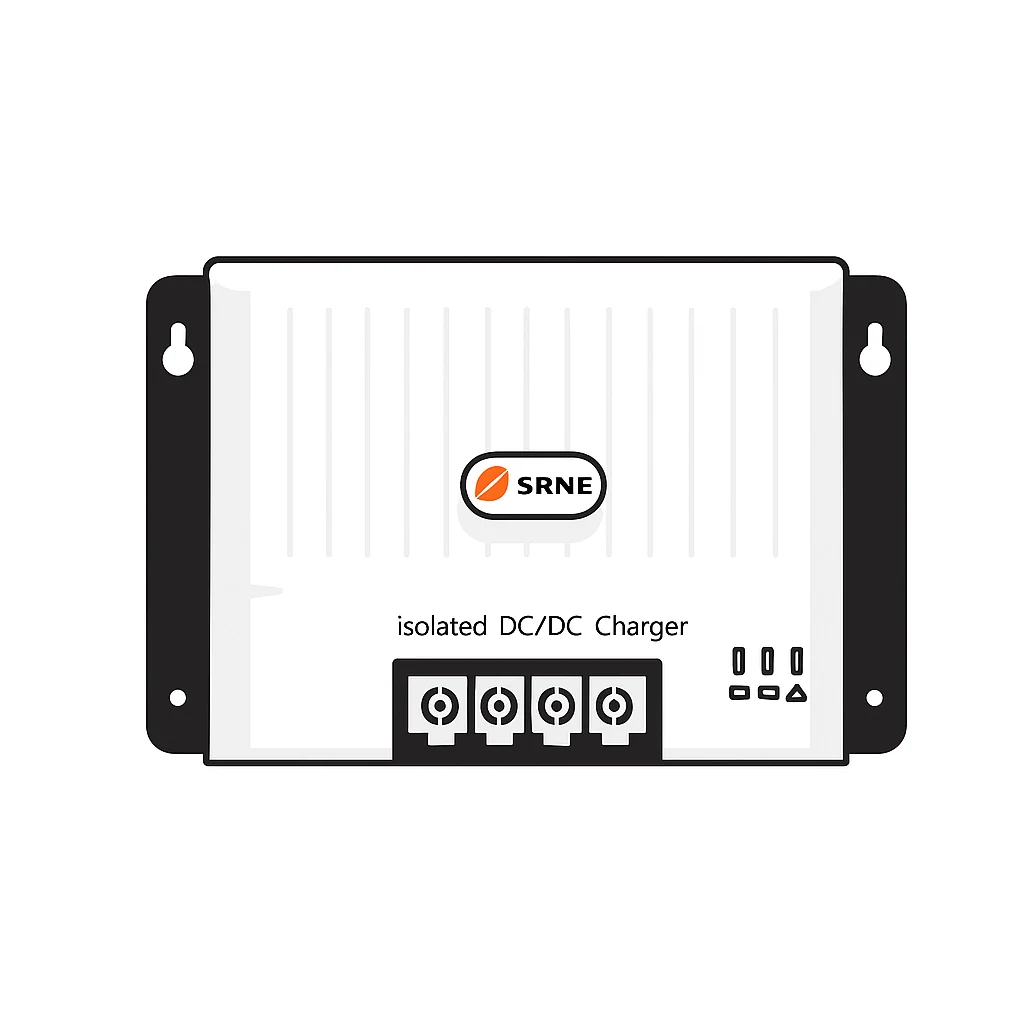
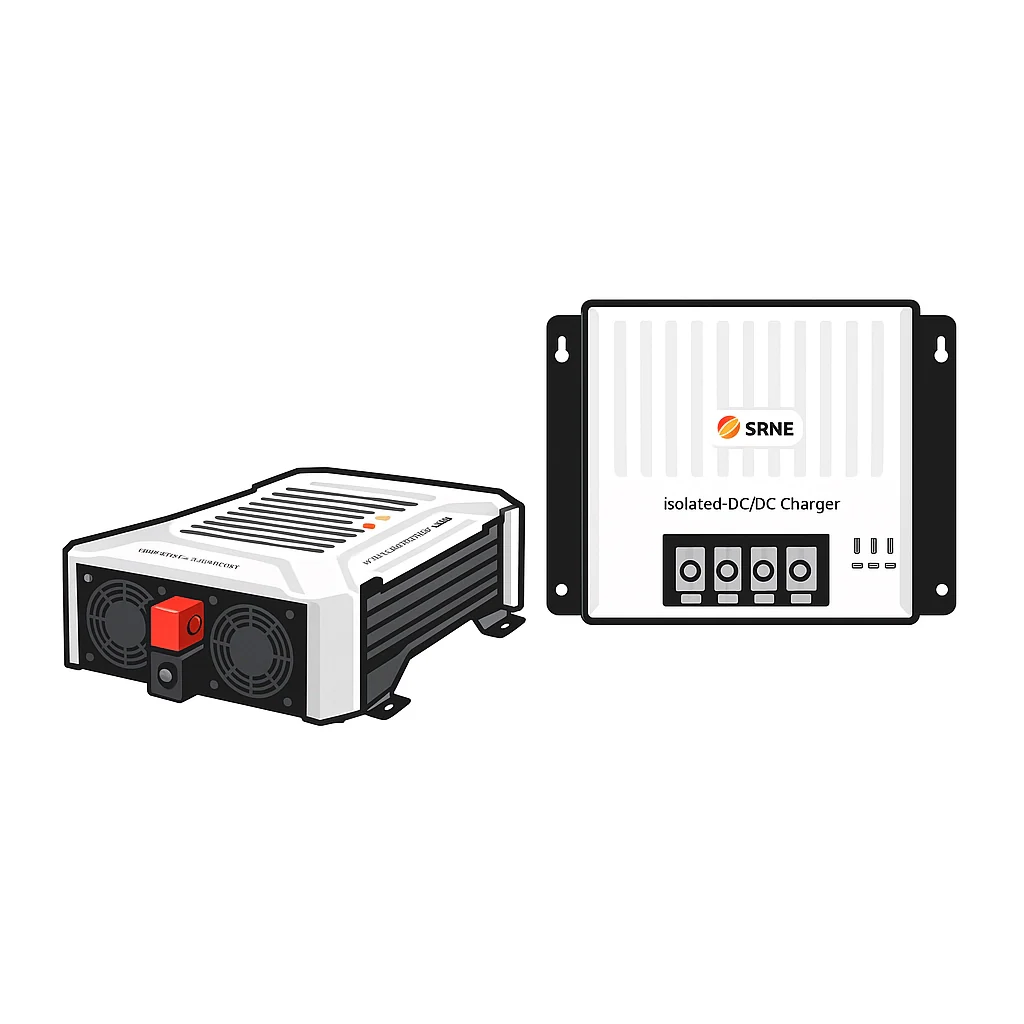
- Skipping a proper battery-to-battery charger when charging leisure batteries from the starter alternator.
The Boat Safety Scheme (BSS) inspection in the UK covers electrical systems on inland waterway vessels. Inspectors check for correct fusing, cable condition, and proper earthing. Failing a BSS inspection can prevent a boat from being licensed. Fitting marine-grade wiring components from the outset avoids costly remedial work later.
Pro Tip: Label every circuit at the fuse panel and keep a wiring diagram onboard. It saves hours of fault-finding and is a requirement under good seamanship practice.
What are the current trends in marine energy storage?
Port infrastructure is now a critical factor in the wider adoption of marine energy storage. Battery storage at ports overcomes grid limitations by enabling high-power vessel charging without expensive grid upgrades. The PINS project, led by Cenex, has demonstrated that shore-side battery buffers allow multiple vessels to charge simultaneously from a grid connection that would otherwise be inadequate. This removes one of the biggest barriers to fleet electrification at smaller harbours and marinas.
The policy environment is accelerating this shift. UK maritime goals aligned with IMO targets aim for a 40% carbon emission reduction by 2035. That deadline is close enough to affect purchasing decisions being made now. Vessel operators who invest in hybrid or full-electric systems today will be ahead of compliance requirements rather than scrambling to meet them.
Four developments are shaping the near-term future of marine energy storage:
- Offshore charging buoys and pontoons are being piloted to extend the range of electric vessels beyond marina infrastructure.
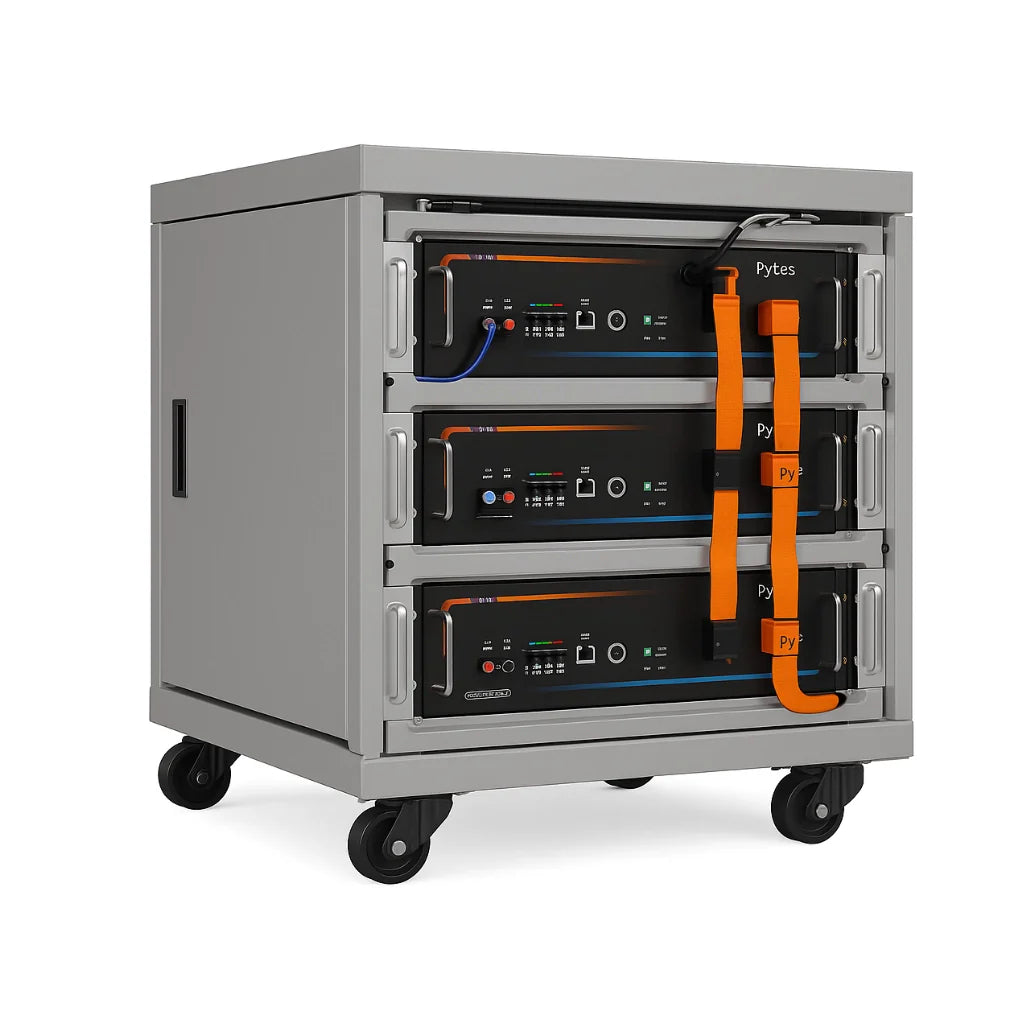
- Modular battery systems allow operators to add capacity as budgets allow, rather than committing to a full installation upfront.
- Renewable integration via solar and wind generation onboard reduces dependence on shore power and extends range.
- Digital monitoring platforms give fleet managers real-time visibility of energy consumption across multiple vessels, enabling smarter scheduling and maintenance.
Battery energy storage at ports is not just a convenience. It is the infrastructure layer that makes large-scale marine electrification possible without rebuilding the national grid connection at every harbour.
The recreational sector is following the commercial sector’s lead. Lithium battery banks paired with MPPT solar charge controllers are now standard on well-equipped cruising yachts. Solar charging for boat owners has moved from a niche upgrade to a practical necessity for anyone spending extended time away from marinas.
Key takeaways
Marine energy storage is the single most important technical investment a boat owner can make to reduce running costs, improve reliability, and meet tightening emissions standards.
| Point | Details |
|---|---|
| Lithium is the preferred technology | Lithium batteries offer superior cycle life and weight savings but require a compatible BMS to operate safely. |
| Marine-grade wiring is non-negotiable | Tinned copper cable prevents corrosion and fire risk; using automotive cable is a common and dangerous shortcut. |
| Hybrid systems deliver immediate savings | Combining diesel engines with battery storage cuts fuel consumption and emissions without waiting for full electrification. |
| Port battery buffers unlock fleet charging | Shore-side battery storage enables high-power vessel charging without costly grid upgrades at marinas. |
| Policy deadlines are approaching | UK and IMO targets require a 40% carbon reduction by 2035, making energy storage investment a compliance issue, not just an efficiency one. |
My view on energy storage and the future of boating
The boat owners I see getting the most from energy storage are not the ones with the biggest budgets. They are the ones who sized their system correctly from the start and invested in quality monitoring. A Bluetooth-enabled BMS costs very little relative to a lithium battery bank, yet most of the reliability problems I encounter trace back to owners who skipped it.
The commercial sector’s data is compelling, but recreational boat owners often dismiss it as irrelevant to their situation. That is a mistake. The same physics that saves a commercial operator US$1.8 million annually applies to your boat. Fewer engine hours, less generator noise, and a fridge that runs overnight without burning diesel are real, tangible gains.
The challenge I see most often is underestimating the importance of the whole system rather than individual components. High-quality wiring and system balance are more critical to reliability than the battery brand you choose. A premium lithium battery connected with undersized cable and no BMS will fail faster than a modest AGM bank wired correctly.
My honest recommendation is to treat energy storage as a system, not a product. Plan the cable runs, the fusing, the charge sources, and the monitoring before you buy a single battery. The boats that never have electrical problems are the ones where someone thought it through properly at the beginning.
— John
Skyenergi marine energy storage solutions
Boat owners looking to build or upgrade an onboard energy system will find a focused range of products at Skyenergi, selected specifically for marine applications.

The Victron 610W solar panel bundle pairs a high-output panel with a Victron Smart MPPT charge controller, cabling, mounting hardware, and a battery option in a single kit. For smaller deck spaces, the Victron 260W solar kit delivers the same integrated approach in a compact format. Both kits are compatible with lithium and AGM battery banks and integrate directly with Victron’s monitoring ecosystem. Skyenergi sources these products directly from the manufacturer, keeping prices competitive without compromising specification.
FAQ
What is marine energy storage?
Marine energy storage refers to battery systems installed onboard vessels to store electrical energy for propulsion, navigation, and domestic loads. These systems reduce reliance on diesel generators and support emissions reduction targets.
Why is lithium better than lead-acid for boats?
Lithium batteries offer a longer cycle life, lower weight, and the ability to discharge to 80–90% of capacity without damage. They require a battery management system but deliver significantly lower cost per cycle over their lifespan.
What is a BMS and why does a boat need one?
A battery management system (BMS) monitors cell voltage, temperature, and state of charge to protect lithium batteries from overcharge and over-discharge. Without a BMS, lithium batteries are a fire risk in the marine environment.
How much can energy storage reduce vessel operating costs?
Hybrid electric vessels can reduce annual operating costs by up to 40%, with full electric operation delivering savings of up to 70% compared to conventional diesel operation, based on Bibby Marine’s analysis of offshore wind service vessels.
What is the BSS and how does it affect onboard wiring?
The Boat Safety Scheme (BSS) is a UK inspection standard for inland waterway vessels that covers electrical systems, including cable condition, fusing, and earthing. Vessels that fail a BSS inspection cannot be licensed to operate on UK inland waterways.
Recommended
Prev post

7 Mistakes You're Making with Your Lithium Battery Install (and How to Fix Them)
Updated on 16 July 2026
Next post

How to Choose the Best Lithium Leisure Battery (Compared)
Updated on 15 July 2026


