





7 Mistakes You're Making with Your Lithium Battery Install (and How to Fix Them)
Switching to lithium is the single best upgrade you can make for your campervan, motorhome, or off-grid rig. Whether you're a professional converter or a dedicated DIYer, the move from heavy lead-acid to SkyEnergi Core LiFePO4 batteries is a game-changer. You get more power, less weight, and a battery that actually lasts.
But here’s the thing: lithium isn't a "drop-in and forget" technology in the way some marketing might suggest. Because these batteries are so efficient at moving energy, they are far less forgiving of poor installation habits. A small mistake that might have just caused a slight voltage drop on an AGM battery can lead to a total system shutdown: or worse: with lithium.
At SkyEnergi, we’ve seen it all. To help you get the most out of your investment, we’ve put together the seven most common mistakes installers make and exactly how to fix them.
Quick Tip: Designing a full system? We offer Free UK Shipping on all major orders and provide comprehensive trade support for professional converters. Get in touch today to discuss your project.
1. Using Undersized Cabling (The "Straw" Problem)
Think of your cables like a straw. If you’re trying to drink a thick milkshake (lots of current) through a tiny coffee stirrer (thin wire), you’re going to struggle.
Lithium batteries can discharge huge amounts of current very quickly. If you’re running a 2000W inverter, you could be pulling over 150A from your battery. If your cables are too thin, they will heat up, cause a massive voltage drop, and likely trigger your inverter's low-voltage cutoff: even if the battery is full.
How to fix it:
- Size for the surge: Don't just size cables for your average load; size them for the maximum potential surge.
- Use quality copper: Stick to high-strand, flexible copper cable designed for automotive/marine use.
- Keep it short: The longer the run, the thicker the cable needs to be. Keep your battery-to-inverter runs as short as possible.

2. Missing or Poorly Placed Fuses
A fuse is there to protect the cable, not the device. We often see systems where the main fuse is placed halfway down the line or, worse, omitted entirely. If a short circuit happens between the battery and the fuse, your cable effectively becomes a heating element.
How to fix it:
- The 7-inch rule: Place your main fuse (like a MEGA or ANL fuse) within 7 inches (approx. 20cm) of the battery’s positive terminal.
- Match the cable: The fuse rating must be lower than the maximum current capacity of the cable it is protecting.
- Don't forget the charging side: Ensure your solar controllers and DC-to-DC chargers are also fused correctly on both the input and output sides.
3. Sticking to "Lead-Acid" Charging Profiles
One of the fastest ways to shorten the life of your expensive lithium bank is to charge it using an old-school lead-acid or AGM profile. These profiles often include "desulfation" stages or high-voltage "equalization" pulses that can cause the Battery Management System (BMS) to disconnect to protect the cells.
How to fix it:
- Switch to LiFePO4: Ensure every charging source (Solar, DC-DC, and Mains) is set to a dedicated Lithium/LiFePO4 profile.
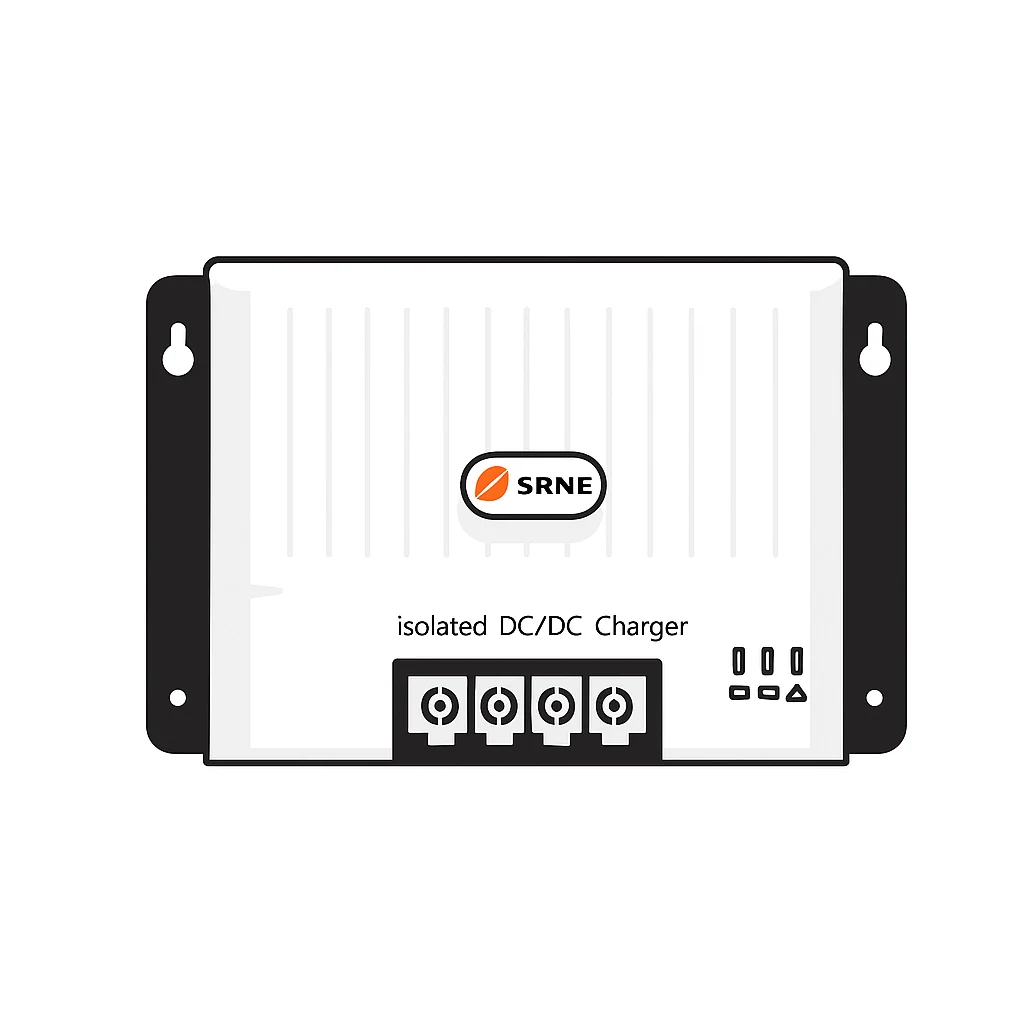
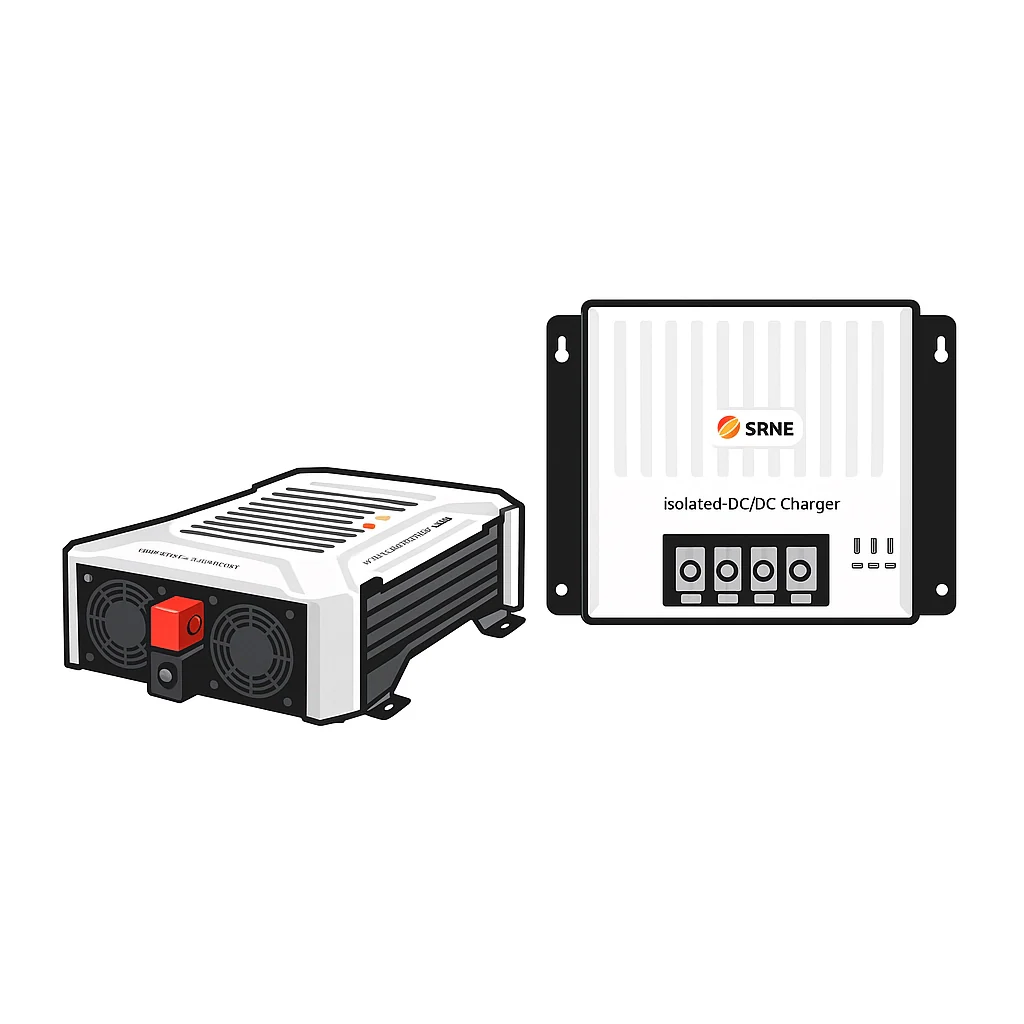
- Use the SRNE Ecosystem: Our SRNE power solutions are designed to work seamlessly with SkyEnergi Core batteries. They feature pre-set lithium profiles that ensure the correct absorption and float voltages (typically 14.4V and 13.5V-13.8V respectively).

4. Mixing and Matching Batteries
We get it: budgets are tight. You might be tempted to add a new 100Ah lithium battery to an older 100Ah battery you bought last year. Or worse, mix different brands or capacities. Don't do it.
Internal resistance changes as batteries age. If you mix old and new, or different brands, the "stronger" battery will end up doing all the work, leading to premature failure of both.
How to fix it:
- Buy in sets: Plan your capacity upfront. If you need 300Ah, buy our SkyEnergi Core 304Ah single unit or a matched pair at the same time.
- Balance before connecting: If you are connecting batteries in parallel, ensure they are within 0.1V of each other before you link them up to avoid a massive current surge between the units.

5. Ignoring Temperature (The "Cold Charge" Killer)
LiFePO4 cells are amazing, but they have one major weakness: they should never be charged when the internal cell temperature is below 0°C. Doing so can cause "lithium plating," which permanently damages the battery and creates a safety risk.
How to fix it:
- Mount inside: Keep your batteries in the heated living area of your van rather than under the chassis or in an uninsulated garage.
- Get the right battery: Our SkyEnergi Core range features integrated heat pads. When your charger sends current in cold weather, the BMS uses that energy to warm the cells to a safe temperature before allowing the charge to begin. It’s a literal lifesaver for winter adventures.
6. Loose Terminals and High Resistance
A "finger-tight" connection is a fire hazard. Lithium systems move high current, and any resistance at a terminal will generate heat. We've seen battery terminals literally melt because a bolt wasn't torqued correctly.
How to fix it:
- Use a torque wrench: Follow the manufacturer's specs (usually around 8-12Nm for M8 terminals).
- Check, then check again: After your first few trips, go back and re-check all your main high-current connections. Vibration from the road can loosen even the best installs.
- No "Spring Washers" between lugs: Ensure your cable lug is in direct contact with the battery terminal. Washers go on top of the lug, never underneath it.
7. "Flying Blind" Without Monitoring
Relying on a simple LED "voltmeter" on your dashboard is useless for lithium. Because lithium has such a flat discharge curve (it stays at 13.1V - 13.0V for almost 80% of its capacity), you won't know you're nearly empty until the lights go out.
How to fix it:
- Use the App: All SkyEnergi Core batteries come with integrated Bluetooth monitoring. Just open the app on your phone to see exactly how many Amps are going in or out and your true State of Charge (SOC).
- Install a Shunt: For the ultimate system overview, add an SRNE Battery Monitor. It tracks every milliamp leaving your system, including loads the battery BMS might not see if you have multiple units.

Summary: Do it once, do it right
A professional lithium installation isn't just about the battery; it’s about the ecosystem. By combining our high-capacity SkyEnergi Core batteries with SRNE power electronics, you create a system that is safer, more efficient, and backed by a comprehensive 6-year warranty.
Ready to start your build?
- Shop the Core Range: High-capacity lithium from 105Ah to 680Ah. Browse here.
- SRNE Ecosystem: MPPTs, DC-DC chargers, and Inverters. Explore the range.
- Trade Inquiries: Building vans for customers? Register for a trade account for exclusive pricing and technical support.
Can't find what you're looking for? Give us a call or drop us a message. We’d love to hear from you and help get your project off the grid!
Prev post

Dual battery system setup for leisure vehicles
Updated on 17 July 2026
Next post

Why energy storage matters for marine vessels
Updated on 16 July 2026


