





Role of inverters in marine power: a practical guide
Discover the essential role of inverters in marine power. Learn how they convert DC to AC, enabling your boat's appliances to run smoothly.
A marine inverter is defined as a device that converts 12V DC battery power into 240V AC mains power, enabling standard household appliances to run aboard a boat without shore power. The role of inverters in marine power systems is not decorative. It is the difference between a boat that can run a laptop, a kettle, or a medical device, and one that cannot. Marine power systems rely on two separate circuits: 12V DC for navigation lights, pumps, and instruments, and 240V AC for appliances. The inverter bridges these two worlds. Understanding how it does that, and how to manage it well, is what separates boat owners who run out of battery from those who do not.
What is the role of inverters in marine power systems?
An inverter takes stored DC electricity from your battery bank and converts it to AC electricity at mains voltage. On most UK boats, that means converting 12V DC to 240V AC at 50Hz, matching the standard used by household appliances. Without this conversion, you cannot safely run a laptop charger, a coffee maker, or a CPAP machine from your battery bank.
Marine power systems distinctively use 12V DC circuits for lighting and navigation and separate 240V AC circuits for appliances, connected via an inverter. This dual-circuit design is not an accident. It reflects the reality that some loads, such as bilge pumps and chart plotters, run most efficiently at 12V, while others, such as laptops and power tools, require AC.
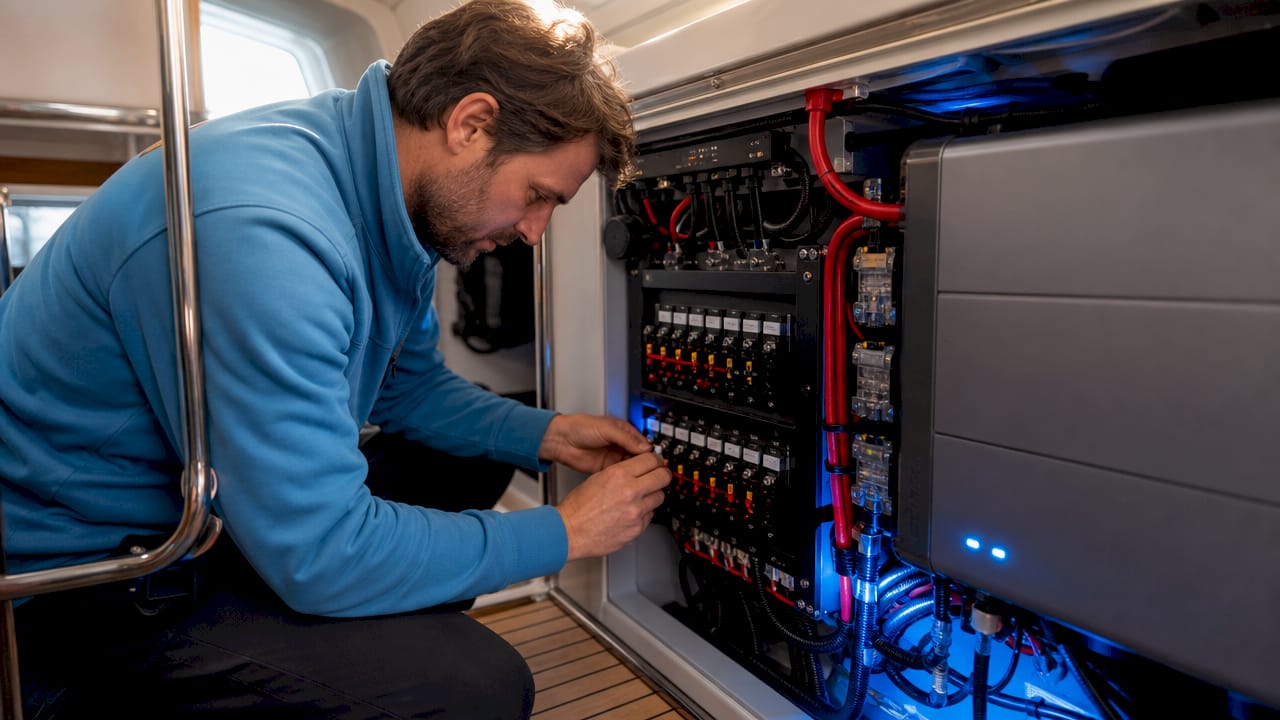
The inverter sits at the centre of this arrangement. It draws from the battery bank, converts the power, and feeds it to the AC distribution panel. When shore power is available via an IEC 60309 inlet, a quality inverter-charger will switch to that supply automatically and simultaneously recharge the batteries. That automatic switching is what makes inverter-charger units so practical for cruising boats.
Key components that work alongside the inverter include:
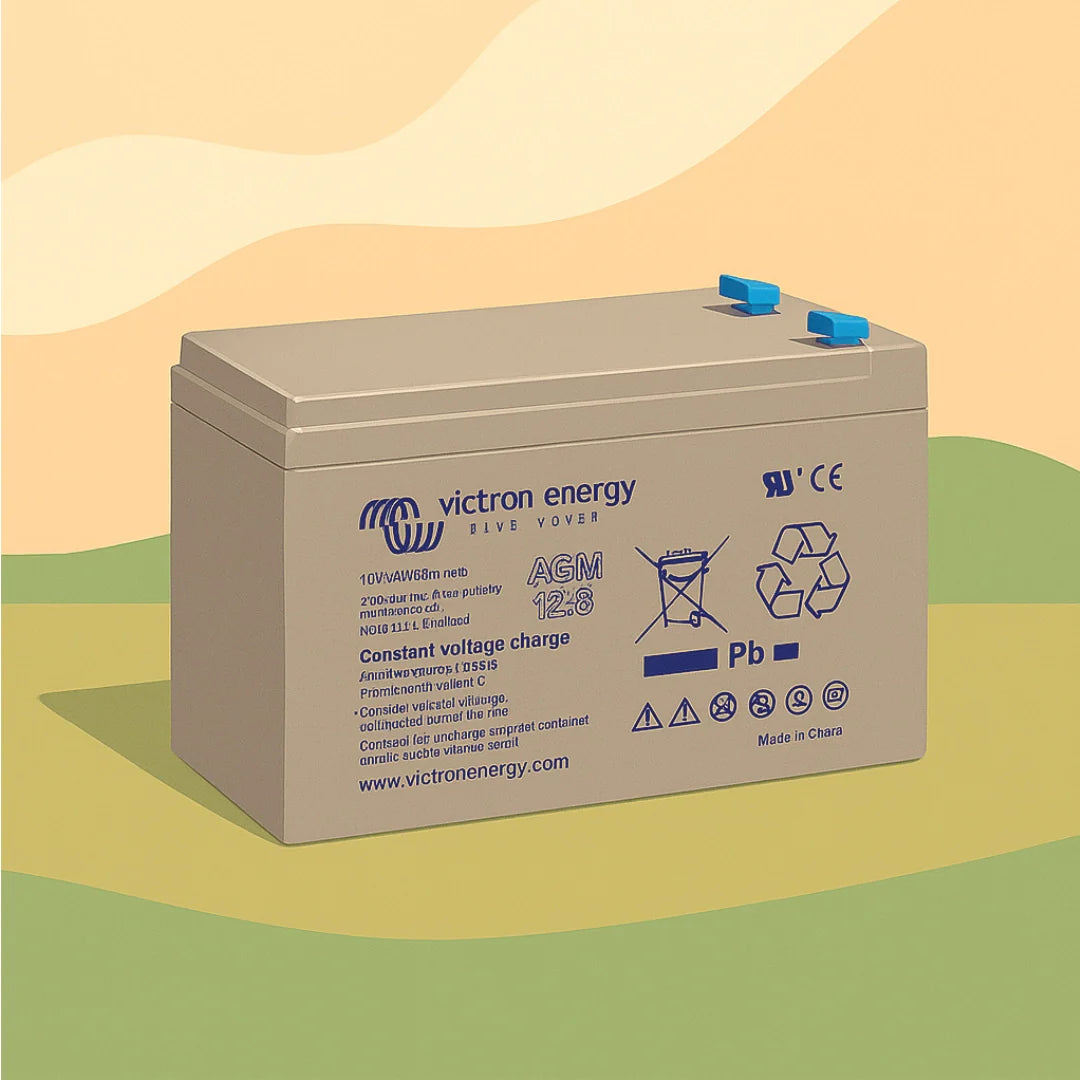
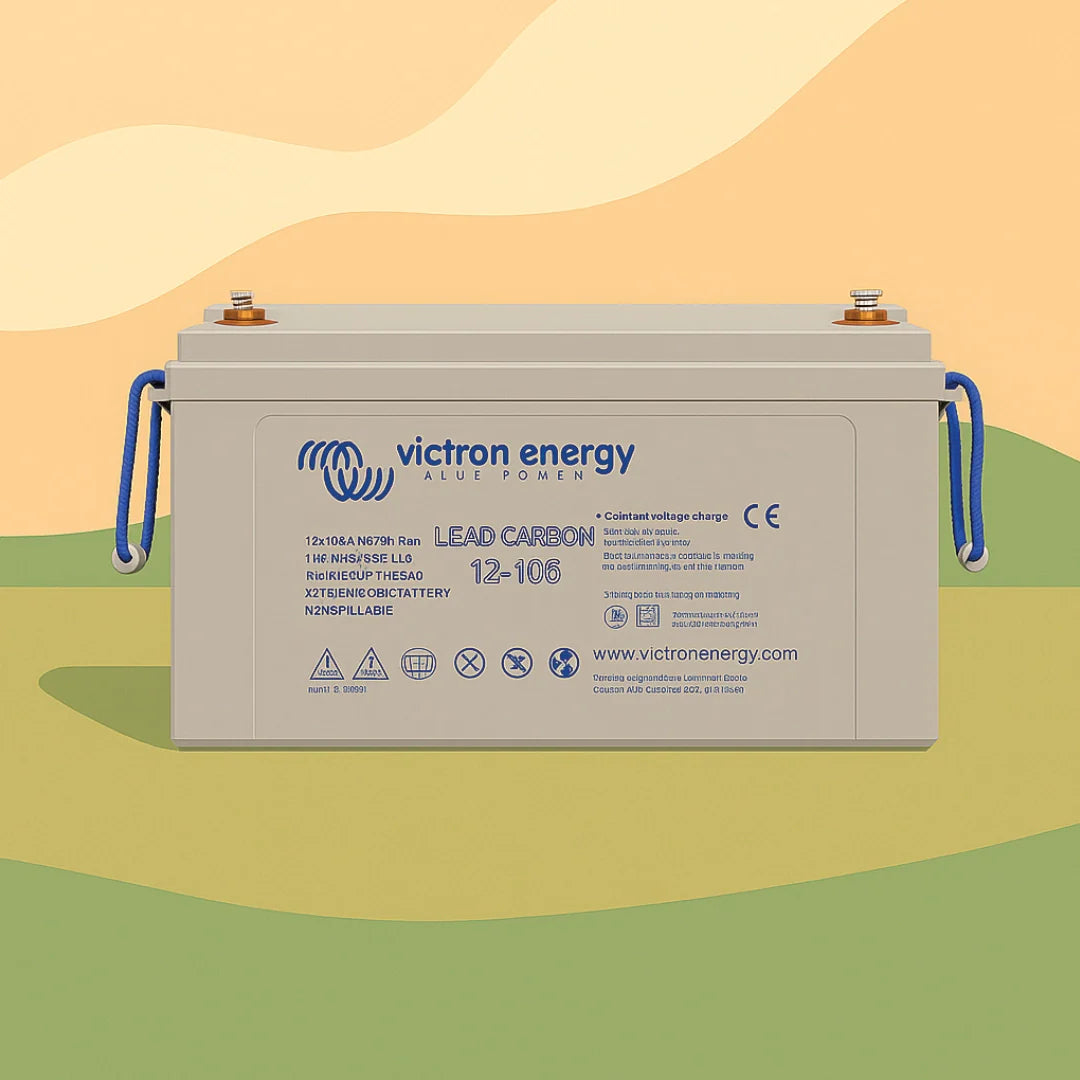
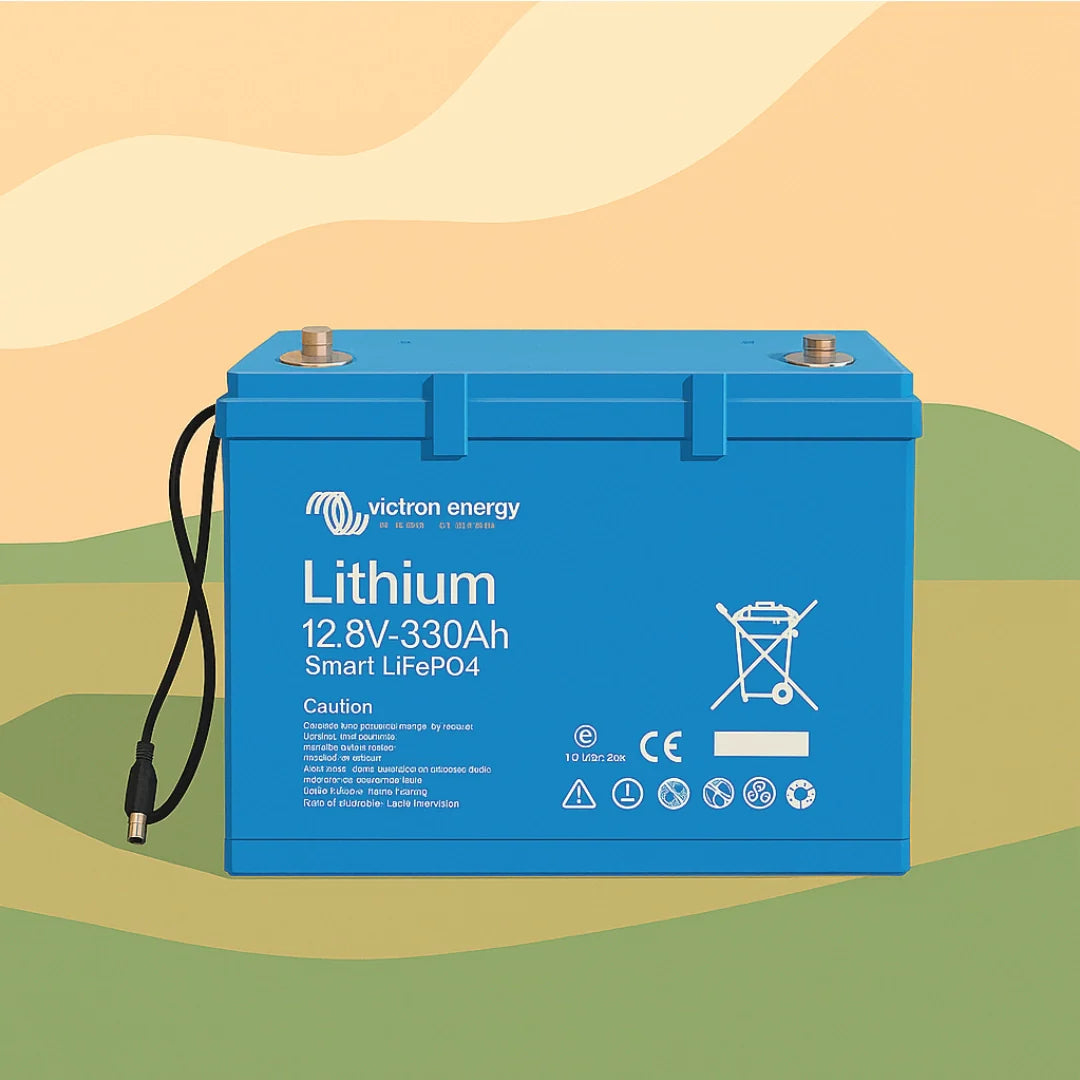
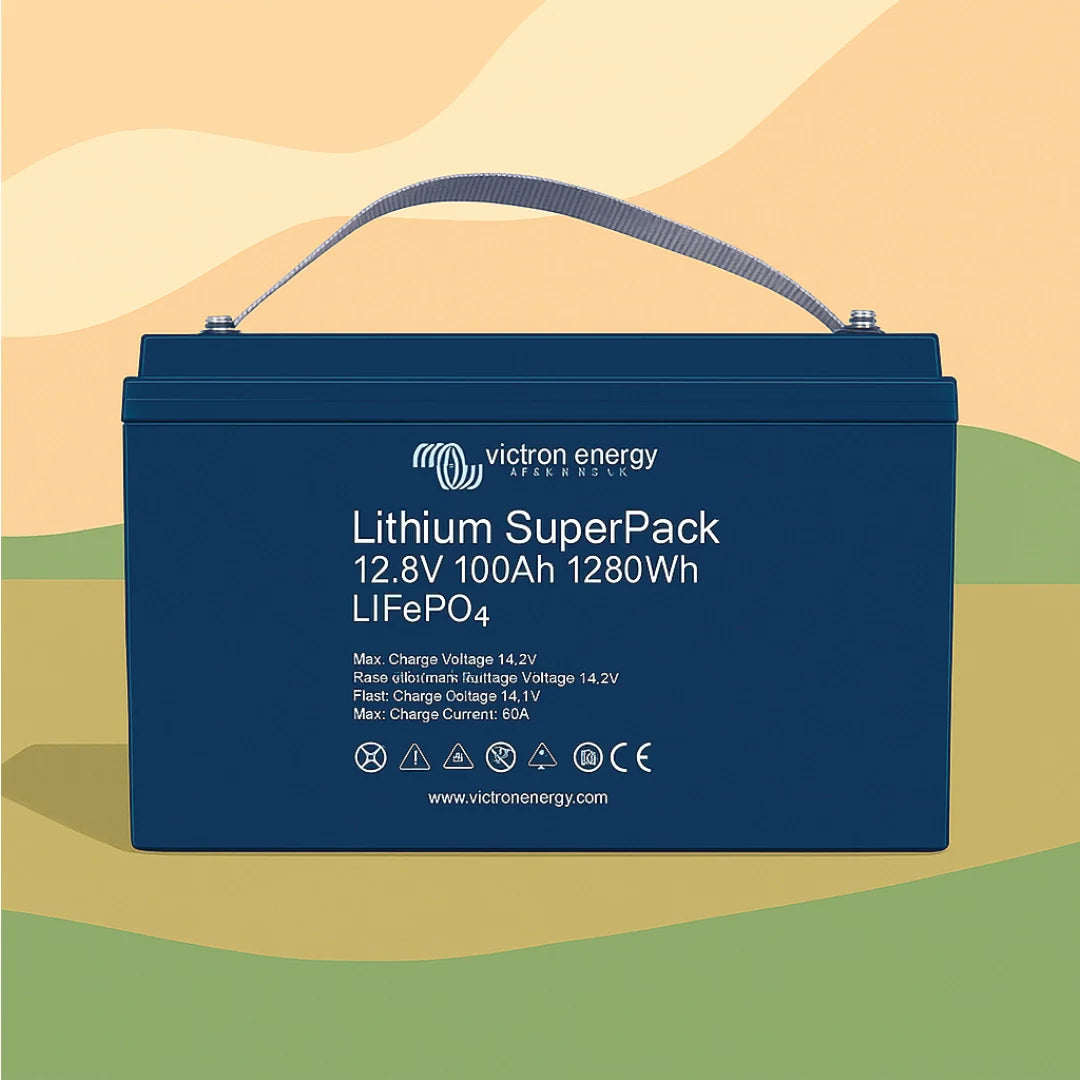
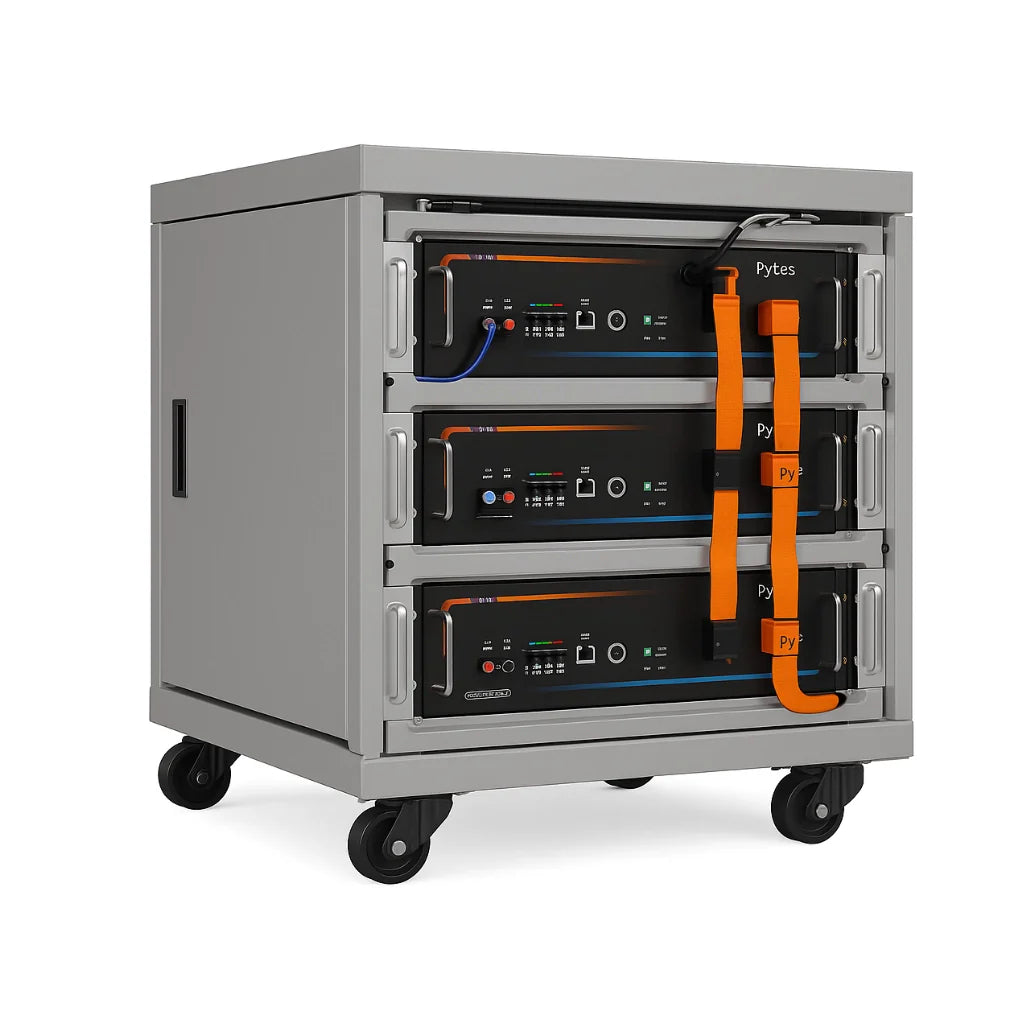
- Battery bank: The DC source, typically 12V or 24V lithium or AGM batteries.
- IEC 60309 shore power inlet: The standard connection point for marina electricity.
- RCD (Residual Current Device): Protects against electric shock on the AC side.
- Galvanic isolator: Prevents stray current corrosion when connected to shore power.
- AC distribution panel: Routes 240V power to individual circuits and sockets.
Each component depends on the others. A well-specified inverter without a galvanic isolator, for example, can accelerate hull corrosion when plugged into a marina.
What are the efficiency considerations for marine inverters?
Inverter efficiency directly determines how long your batteries last. Most marine inverters operate at 85%–95% efficiency, losing 5%–15% of energy during every conversion cycle. That loss is heat. You feel it when you touch the inverter casing after a long run.
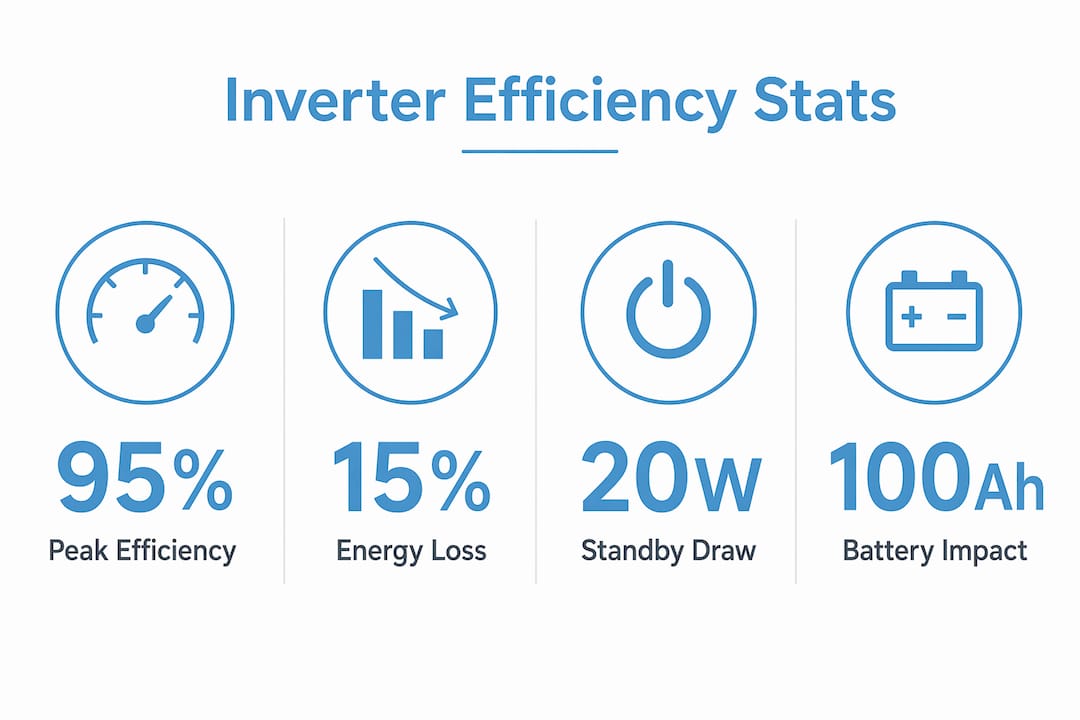
The efficiency figure matters most when you are running high-draw appliances. A 1,000W kettle drawing power through an 85% efficient inverter actually pulls around 1,176W from your battery bank. Over a day of regular use, that gap adds up quickly.
Standby draw is the less obvious problem. Inverter idle draw sits between 15W and 30W even when no appliance is running. Left on overnight, that idle draw can consume a meaningful portion of your stored energy before morning.
| Scenario | Approximate daily battery impact |
|---|---|
| Inverter off when not in use | Minimal standby loss |
| Inverter on standby 24 hours | 15W–30W continuous draw |
| Idle draw on liveaboards | 30Ah–60Ah battery loss per day |
| High-draw appliance via 85% inverter | 15% energy lost as heat per cycle |
That 30Ah–60Ah daily loss from standby alone is significant. It means a 100Ah battery bank could lose more than half its usable capacity to an inverter doing nothing.
Pro Tip: Switch your inverter off at the unit itself, not just at the appliance, when you are not actively using AC power. A switched-off inverter draws zero watts. A standby inverter does not.
The smarter approach is to balance 12V and 240V appliance use rather than running everything through the inverter. A 12V USB charger, for example, draws directly from the battery with no conversion loss. Use it instead of a 240V phone charger plugged into the inverter and you eliminate both the conversion loss and the standby draw for that task.
Why do boats need marine-specific inverters?
A standard home or caravan inverter will fail aboard a boat. The marine environment is categorically more hostile than any land-based setting, and the electrical consequences of failure at sea are severe.
Marine inverters differ from RV or home units by requiring resistance to salt corrosion, vibration, and stricter grounding for galvanic corrosion prevention. Salt air attacks unprotected circuit boards within months. Engine vibration loosens connections that would stay firm in a static installation. And the grounding requirements aboard a boat are fundamentally different from those in a house.
The key design differences in a marine-rated inverter include:
- Corrosion-resistant enclosures: Sealed or conformal-coated boards that resist salt and moisture ingress.
- Vibration-resistant mounting: Reinforced fixings and internal components rated for continuous movement.
- Neutral-ground bonding: Correct bonding prevents galvanic corrosion when switching between battery and shore power.
- Tinned copper cabling: Tinned copper cable prevents oxidation and maintains conductivity in humid conditions.
- Short, fused cable runs: Cables fused close to the battery source reduce fire risk and resistive losses.
Inverter installations must follow marine electrical standards, including IEC 60945 and certifications such as DNV GL, to confirm durability and safety aboard vessels. These standards exist because the consequences of an electrical fault at sea are not the same as at home. There is no fire brigade two minutes away.
Technology trends in marine safety and performance increasingly demand that inverter systems integrate with broader vessel monitoring, not just sit in isolation. Modern marine inverters with NMEA 2000 or Bluetooth connectivity allow you to track power flow from the helm or a smartphone, which changes how actively boat owners manage their energy.
Attempting to adapt a home inverter to a marine setting risks galvanic corrosion, electrical faults, and voided insurance. The cost difference between a marine-rated unit and a domestic one is small compared to the cost of hull damage or a fire.
How can boat owners optimise inverter usage?
Efficient inverter management is a habit, not a one-time setup decision. The boat owners who get the most from their battery banks are those who actively manage when and how the inverter runs.
-
Switch the inverter off when not in use. Switching off inverters when idle eliminates standby draw entirely. Make it a routine, the same way you switch off cabin lights.
-
Use 12V appliances for frequent low-power tasks. A 12V kettle, 12V fridge, or 12V USB hub draws directly from the battery with no conversion loss. Reserve the inverter for appliances that genuinely require 240V.
-
Schedule high-draw appliance use during charging periods. Run the washing machine or power tools when the engine is running or solar input is at its peak. This avoids drawing down the battery bank and then having to recover it later.
-
Monitor battery state of charge actively. A battery monitor shows you real-time consumption, state of charge, and estimated time remaining. Without one, you are guessing.
-
Match inverter size to actual load. An oversized inverter running a small load operates at lower efficiency than a correctly sized unit. Check the watt rating of your most common appliances and size accordingly.
-
Consider an inverter-charger with solar integration. Pairing an inverter-charger with a Victron MPPT controller allows solar energy to feed directly into the battery bank and offset inverter draw during daylight hours.
Pro Tip: If you are a liveaboard, calculate your inverter’s standby draw over a full winter month. At 20W standby for 30 days, that is 14.4kWh of energy consumed by an inverter doing nothing. On a boat with limited solar in winter, that figure is not trivial.
The off-grid boating guide from Skyenergi covers battery sizing and energy storage in detail, which directly affects how much inverter runtime you can sustain between charges.
Key takeaways
Marine inverters are the core of any boat’s AC power system, and managing their efficiency and standby draw is the single most impactful step boat owners can take to extend battery life.
| Point | Details |
|---|---|
| Inverter function | Converts 12V DC battery power to 240V AC, enabling standard appliances aboard. |
| Efficiency losses | Inverters lose 5%–15% of energy per conversion cycle; standby draw adds 15W–30W continuously. |
| Marine-specific design | Marine inverters require corrosion resistance, vibration tolerance, and correct neutral-ground bonding. |
| Compliance standards | IEC 60945 and DNV GL certification confirm a unit is rated for the marine environment. |
| Optimisation priority | Switching off the inverter when idle and using 12V appliances for low-power tasks reduces hidden energy waste. |
The overlooked cost of leaving the inverter on
I have spoken with dozens of boat owners who were convinced their battery bank was undersized. After reviewing their setup, the real problem was almost always the same: the inverter was running around the clock. The standby draw was quietly consuming 30Ah–60Ah per day, and nobody had noticed because there was no battery monitor in place.
The instinct is to focus on the big loads, the kettle, the power tools, the laptop charger. Those are visible. Standby draw is invisible, and that is exactly why it does the most damage over time. I have seen liveaboards in winter with 400Ah of lithium capacity struggling to make it through the night, not because their batteries were failing, but because their inverter never switched off.
My view is that the marine energy storage conversation needs to start with consumption habits, not battery capacity. Adding more batteries without addressing inverter management is expensive and largely ineffective. The smarter path is to fit a battery monitor, establish a routine of switching the inverter off when it is not needed, and audit which appliances genuinely require 240V.
The future of boating power is moving towards tighter integration between solar, battery management systems, and inverters. That is a good direction. But the fundamentals still apply: an inverter you do not need running is an inverter wasting your stored energy.
— John
Skyenergi marine power solutions
Pairing a quality inverter with the right solar and monitoring equipment makes a measurable difference to how long your batteries last and how independently you can cruise.

Skyenergi supplies Victron Energy MPPT solar systems, including the Victron 305W solar panel kit with Smart MPPT charge controller, designed to keep battery banks topped up and reduce inverter strain during daylight hours. The SRNE BS 48500 battery monitor gives you real-time visibility of consumption and state of charge, so you can manage inverter usage with actual data rather than guesswork. Browse the full range at Skyenergi to find the components that fit your vessel and energy targets.
FAQ
What does a marine inverter actually do?
A marine inverter converts 12V DC battery power into 240V AC mains power, allowing standard household appliances to run aboard a boat without a shore power connection.
How efficient are marine inverters?
Most marine inverters operate at 85%–95% efficiency, meaning 5%–15% of energy is lost as heat during every conversion. Standby draw adds a further 15W–30W even when no appliance is running.
Can I use a home inverter on a boat?
A home inverter lacks the corrosion resistance, vibration tolerance, and neutral-ground bonding required for safe marine use. Using one risks galvanic corrosion, electrical faults, and may void your boat insurance.
What standards should a marine inverter meet?
Marine inverters should comply with IEC 60945 and carry certifications such as DNV GL. These standards confirm the unit is rated for the temperature, humidity, and vibration conditions found aboard vessels.
How do I reduce inverter energy waste on a boat?
Switch the inverter off when not actively using AC appliances, use 12V alternatives for low-power tasks, and fit a battery monitor to track consumption in real time. These three steps address the majority of hidden energy losses.
Recommended
Prev post

Grid connection application for battery storage: UK guide
Updated on 09 July 2026
Next post

DC to DC charger guide for leisure vehicles
Updated on 07 July 2026


