





Are Lithium Batteries Worth the Money?
Lithium batteries worth: Explore whether lithium leisure batteries justify their upfront cost.
Table of Contents
- The Real Cost: Lithium vs Lead-Acid Leisure Batteries
- Lithium Leisure Battery Lifespan and Cycle Life
- Lithium Battery Charging Requirements and Speed
- Performance Advantages That Justify the Investment
- Hidden Costs and Compatibility Considerations
- How to Choose a Lithium Leisure Battery for Your Setup
- When Lithium Batteries Make Financial Sense
- Frequently Asked Questions
Last Updated: October 10, 2026
The Real Cost: Lithium vs Lead-Acid Leisure Batteries
When you're comparing battery options for your campervan or motorhome, the upfront cost of lithium batteries often feels like a barrier, but understanding whether lithium batteries worth the investment requires looking beyond the initial price tag. A Skyenergi Edge 100Ah lithium leisure battery costs £219, while a comparable lead-acid alternative might run £80-120. That gap stings. But are lithium batteries worth the money when you factor in lifespan, performance, and total cost of ownership?

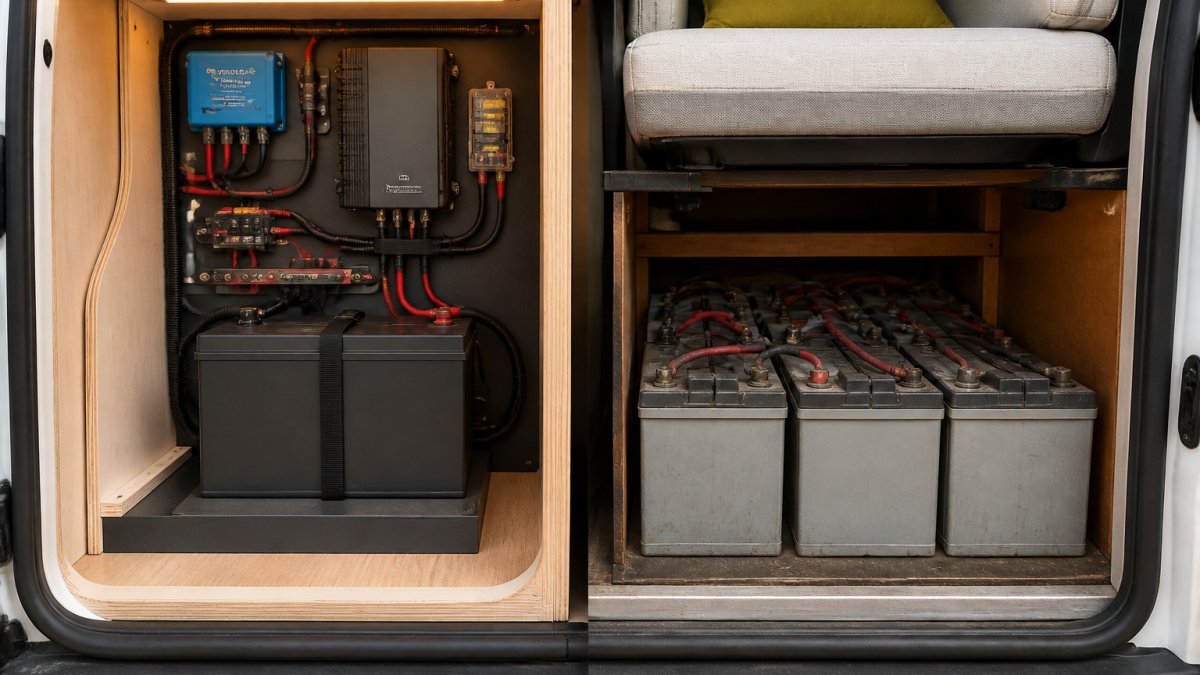
Lithium delivers 3,000-5,000 full cycles versus 300-500 for lead-acid, a tenfold difference. Divided by cycle count, lithium often becomes cheaper over time despite higher upfront cost.
Lithium Leisure Battery Lifespan and Cycle Life
Lithium batteries deliver 3,000-5,000 full cycles before dropping to 80% capacity; lead-acid manages 300-500 cycles, a fundamental chemistry difference.
At typical 30-50% daily use, lithium lasts 8-15 years versus 2-3 years for lead-acid.
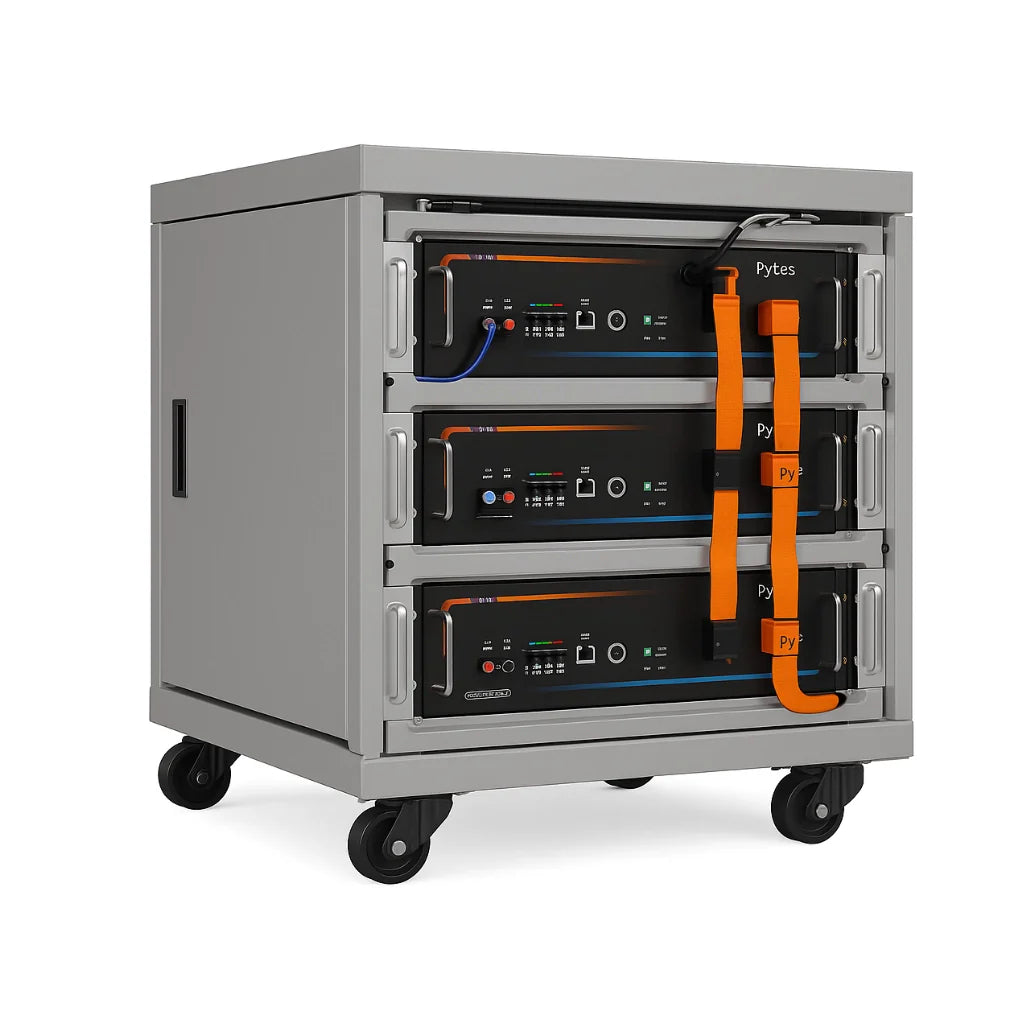
Skyenergi Edge and Elite batteries use Grade A EVE cells with JBD management systems that monitor cell health and prevent overcharge and thermal runaway.

Lithium Battery Charging Requirements and Speed
Lithium charges 3-5 times faster than lead-acid. A Skyenergi Edge 100Ah recharges 20-80% in under an hour versus 4-6 hours for lead-acid.
Fast charging captures more solar energy and keeps appliances powered reliably throughout the day.
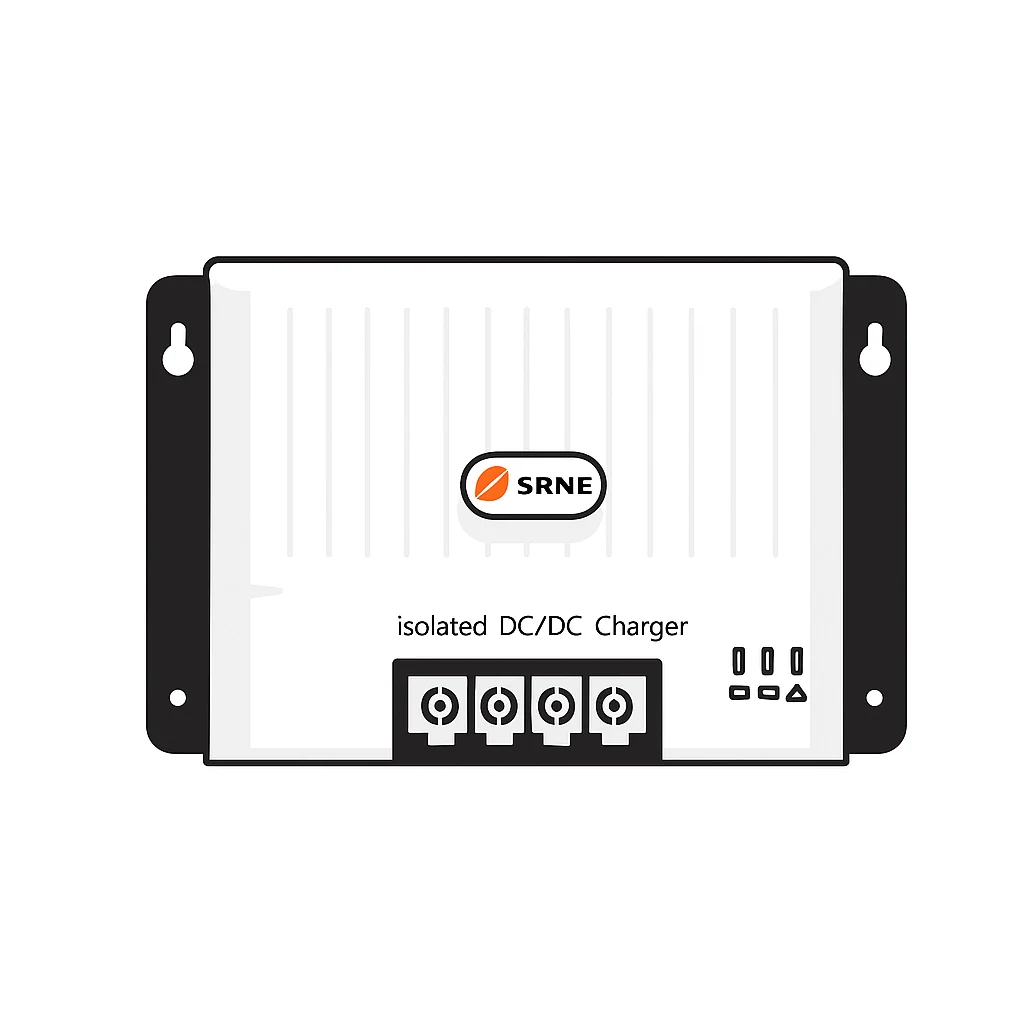
Skyenergi batteries work with MPPT solar controllers and SRNE DC-to-DC chargers. Elite models integrate with Victron Cerbo GX for real-time monitoring.
Performance Advantages That Justify the Investment
A 100Ah lithium battery weighs 12-15 kg versus 30-35 kg for lead-acid, saving 50-80 kg across a full system and increasing payload capacity.
Lithium allows 80-100% depth of discharge; lead-acid should stay above 50% to last. A 100Ah lead-acid provides only 50Ah usable energy versus full 100Ah for lithium, double the usable capacity.
Lead-acid voltage drops linearly from 13.2V to 10.5V, dimming appliances. Lithium maintains steady voltage until nearly depleted, keeping appliances at full power.
According to BloombergNEF battery pricing data, the average lithium-ion battery pack price fell to US$108 per kWh in 2025, an 8% reduction from 2024. This price decline reflects improving manufacturing efficiency and higher production volumes, making lithium more competitive with lead-acid on a cost-per-cycle basis.
Hidden Costs and Compatibility Considerations
Total system cost includes chargers, monitoring, and installation, not just the battery.
Charger and Charging Infrastructure
Never use a lead-acid charger on lithium, it damages cells permanently and voids warranty. Use a lithium-compatible charger or smart charger with profile switching.
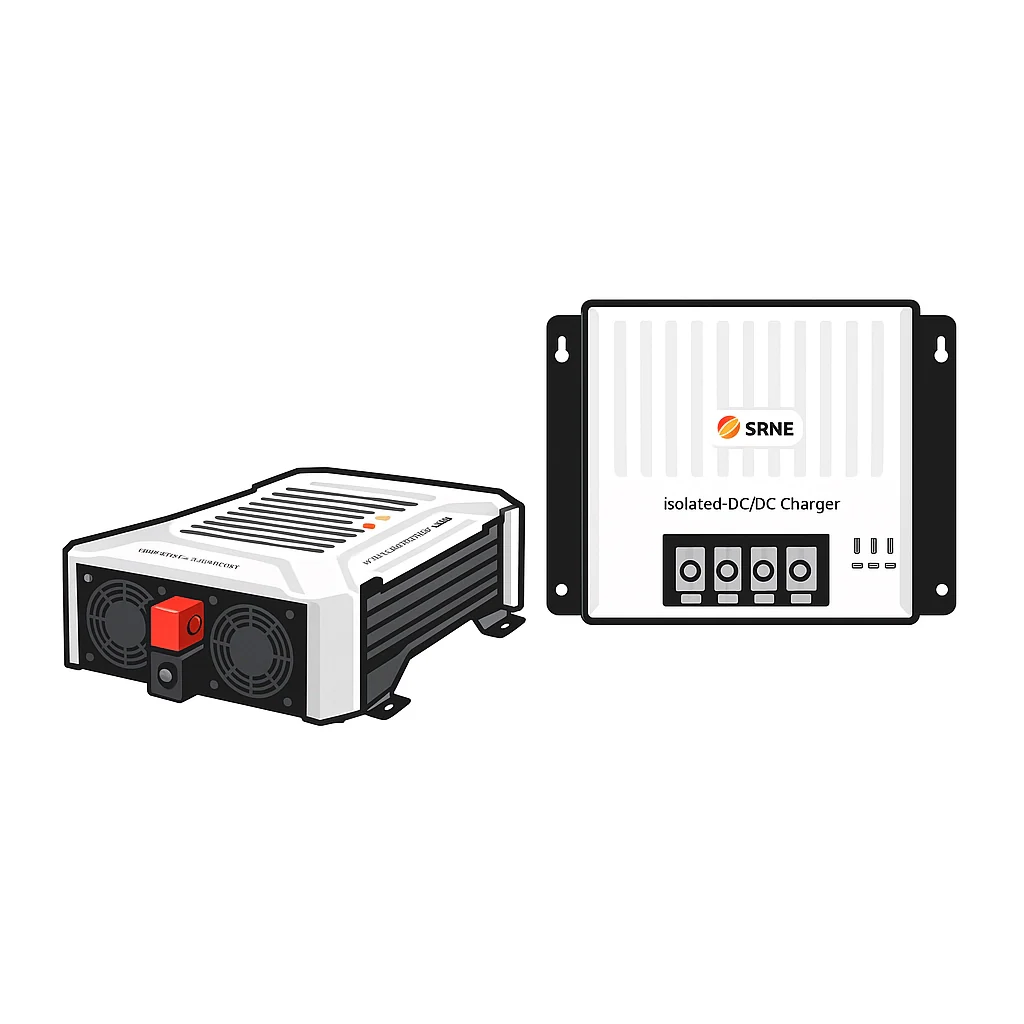
Dedicated lithium chargers cost £200-400. Skyenergi batteries work with Victron chargers and SRNE charging systems, verify compatibility before purchase.
An SRNE 100-amp DC-to-DC charger pulling from your vehicle alternator can supply 100A continuously (subject to alternator capacity). Alternator upgrades add £400-800 if needed.
Battery Monitoring and System Integration
Skyenergi Elite batteries integrate with Victron Cerbo GX via Can-Bus. Basic monitors cost £80-150; Cerbo GX costs £400-600.
An MPPT solar controller (100V/50A) costs £300-500 and prevents overcharge while maximizing energy capture.
Installation Labour and System Design
Single-battery swaps are DIY-friendly. Full system redesigns require professional expertise at £50-100/hour; 400Ah systems need 20-40 hours, adding £1,000-4,000.
Warranty and Degradation Costs
Skyenergi batteries carry 10-year warranties guaranteeing 80% capacity retention after 3,000-5,000 cycles, covering replacement if degradation exceeds limits.
Total System Cost Example
Upgrading a single-battery campervan from 100Ah lead-acid to 100Ah lithium:
- Skyenergi Edge 100Ah battery: £219
- Lithium-compatible charger (if upgrading): £250
- Battery monitor: £100
- Installation labour (DIY): £0
- Total: £569
Building a complete off-grid solar system with 400Ah lithium storage:
- Skyenergi Elite 280Ah + Elite 120Ah: £1,200
- MPPT solar controller (100V/50A): £400
- Victron Cerbo GX: £500
- Wiring, breakers, fuses: £200
- Installation labour (20 hours @ £75/hour): £1,500
- Total: £4,200
Compare this to a lead-acid equivalent: 800Ah of lead-acid (to account for 50% usable capacity) would cost £800-1,200 upfront, but you'd replace it every 2-3 years. Over 10 years, you'd buy 3-4 complete battery sets, plus chargers and monitors for each upgrade cycle. Total 10-year cost: £3,200-5,000, with ongoing maintenance labour.
The lithium system costs more initially but eliminates battery replacement, reduces maintenance, and delivers better performance. The hidden costs are real, but they're typically one-time investments, not recurring expenses.
How to Choose a Lithium Leisure Battery for Your Setup
Choose lithium by calculating daily energy demand, required usable capacity, and charging capacity needed.
Step 1: Calculate Daily Energy Requirement
Sum amp-hour draw for each appliance: fridge (2A × 20h = 40Ah) + water heater (50A × 1h = 50Ah) + pump (8A × 2h = 16Ah) = 106Ah daily.
Step 2: Determine Required Battery Capacity Based on Depth of Discharge
Lithium allows 80-100% depth of discharge; lead-acid should stay above 50%, fundamental to cost comparison.
With lithium at 100% DoD: You need a 318Ah battery. A Skyenergi Elite 280Ah + Elite 120Ah (total 400Ah) gives you headroom and accounts for real-world conditions where you won't always fully charge.
Skyenergi Edge 100Ah Lithium Leisure Battery →
With lead-acid at 50% DoD: You need 318Ah ÷ 0.5 = 636Ah of rated capacity. This is double the lithium requirement, double the weight (180-210 kg vs. 48-60 kg for lithium), and double the cost.
The usable capacity difference is the foundation of lithium's financial advantage. You're not just paying for longer lifespan; you're paying for energy you can actually use.
Step 3: Match Battery Capacity to Your Charging Sources
Your battery should be sized to store the energy your charging sources can provide without overcharging or sitting idle.
400W of solar panels generating 4 peak sun hours daily produces approximately 130Ah equivalent. A 280Ah lithium battery absorbs this daily charge while maintaining 150Ah remaining capacity, preventing overcharge stress.
If you rely on a vehicle alternator via DC-to-DC charger, calculate your typical driving pattern. A 100-amp SRNE DC-to-DC charger pulling from your vehicle alternator can supply 100A continuously (subject to alternator capacity). If you drive 2 hours daily, you generate approximately 200Ah of charging opportunity.
A 50-amp mains charger replenishes 50Ah per hour. A 280Ah battery fully depleted needs 5.6 hours to recharge; smaller batteries (100-150Ah) recharge faster.
Step 4: Account for Warranty Degradation and Cycle-Life Assumptions
Skyenergi's warranty guarantees 80% capacity retention after 3,000-5,000 cycles. At 130 cycles per year (typical use), 5,000 cycles represents 38 years. Most campervan owners see 50-100 cycles annually, extending lifespan far beyond ownership.
Lead-acid batteries need replacement every 2-3 years. Over 10 years, you'd purchase 3-4 complete battery sets.
Cost-Per-Usable-kWh Comparison
This is the transparent metric competitors often avoid. Here's how to calculate it:
Lithium (Skyenergi Elite 280Ah):
- Battery cost: £800
- Usable capacity: 280Ah × 12V = 3.36 kWh
- Warranty cycles: 5,000
- Total usable energy over lifespan: 3.36 kWh × 5,000 cycles = 16,800 kWh
- Cost per kWh: £800 ÷ 16,800 = £0.048 per kWh
Lead-acid equivalent (636Ah system, replaced every 2.5 years):
- Battery cost per cycle: £1,200 (initial) ÷ 400 cycles = £3.00 per cycle
- Usable capacity: 636Ah × 0.5 (50% DoD) × 12V = 3.82 kWh
- Cost per kWh per cycle: £3.00 ÷ 3.82 = £0.79 per kWh
- Over 10 years (4 replacements): £1,200 × 4 = £4,800
- Total usable energy: 3.82 kWh × 1,600 cycles (4 × 400) = 6,112 kWh
- Cost per kWh: £4,800 ÷ 6,112 = £0.79 per kWh
Lithium costs £0.048 per kWh; lead-acid costs £0.79 per kWh, a 16× difference. This is why lithium's higher upfront cost becomes irrelevant over time.
Physical Space and Configuration
Consider your physical constraints. The Skyenergi Edge 100Ah measures approximately 330 × 172 × 210mm. The Edge 280Ah is larger. If you're retrofitting into a tight motorhome locker, you might need multiple smaller batteries wired in parallel rather than one large unit.
Skyenergi's Edge range offers flexible configurations:
- Single 100Ah: Compact, lightweight, suitable for small campervans or supplementary power.
- Dual 100Ah in parallel: 200Ah total, moderate weight, fits most standard battery boxes.
- 280Ah or 560Ah: Single large batteries, ideal for dedicated battery compartments or professional installations.
Parallel configurations (multiple batteries connected positive-to-positive, negative-to-negative) share the load equally and are safer than series configurations. If you need 280Ah and space is tight, two 140Ah batteries in parallel is more practical than one 280Ah unit.
Choosing Between Skyenergi Edge and Elite

The Skyenergi Edge 100Ah delivers proven reliability for single-battery upgrades and works with SRNE DC-to-DC chargers. The Skyenergi Elite 280Ah or 560Ah with Victron Can-Bus integration offers plug-and-play monitoring, reducing wiring complexity for complete systems.
| Factor | Calculation Method | Your Number |
|---|---|---|
| Daily energy demand | Sum of (appliance amps × hours) | ___ Ah |
| Days autonomy needed | Days without charging | ___ days |
| Required usable capacity | Daily demand × days autonomy | ___ Ah |
| Lithium battery size (100% DoD) | Required capacity | ___ Ah |
| Lead-acid equivalent (50% DoD) | Required capacity ÷ 0.5 | ___ Ah |
| Annual cycles | (365 days × daily DoD) ÷ 100% | ___ cycles |
| Lifespan (years) | Warranty cycles ÷ annual cycles | ___ years |
| Cost per usable kWh | Battery cost ÷ (capacity × cycles ÷ 1,000) | £___ |
Fill in this table with your actual numbers, and the decision becomes clear. Most converters find that lithium's cost-per-kWh advantage outweighs the upfront price within 3-5 years of ownership.
When Lithium Batteries Make Financial Sense
Lithium batteries are worth the money if any of these apply to you:
You plan to keep your campervan for more than 5 years. Lithium eliminates battery replacement during ownership; lead-acid would need 2-3 replacements.
You rely on solar power. Fast charging and high usable capacity extract more energy from the same solar array, increasing independence from mains hookups.
You tow weight-sensitive trailers. The 50-80 kg weight saving increases payload capacity for water, fuel, and cargo.
You run high-power appliances. Lithium's voltage stability keeps appliances at full power; lead-acid voltage sag causes performance loss.
You value reliability and minimal maintenance. Lithium requires zero maintenance; lead-acid needs regular water top-ups, terminal cleaning, and careful charge management.
You're building a professional conversion or rental campervan. Lithium batteries deliver better guest experience through reliable power and faster charging. They also reduce your maintenance costs and liability.
Lead-acid makes sense only if you have a genuinely short ownership timeline (under 2 years), minimal power requirements, or a severe budget constraint with no flexibility. Even then, the lifespan disadvantage often outweighs the upfront savings.
The real value of lithium leisure batteries lies in their lifespan, usable capacity, and performance stability. Skyenergi's Edge and Elite ranges combine proven lithium chemistry with trusted battery management systems, delivering dependable power for campervans, motorhomes, and off-grid systems. Whether you're upgrading a single battery or designing a complete electrical installation, lithium's extended cycle life and fast charging justify the investment for most serious campervan users. Calculate your actual energy needs, match them to your charging sources, and you'll find that lithium saves money over the life of your system, not just in battery replacements, but in the freedom and reliability it delivers.
Frequently Asked Questions
Are lithium batteries worth it for a campervan?
Lithium leisure batteries suit campervan owners who use their vehicles regularly and value stable voltage, fast recharging, and minimal maintenance. The upfront cost is higher, a Skyenergi Edge 100Ah costs £219, but the longer lifespan, superior depth of discharge, and weight savings often justify the investment over 5-10 years of active use. For occasional users, lead-acid may remain more cost-effective.
How long do lithium leisure batteries last?
Lithium-ion leisure batteries typically deliver 3,000-5,000 full charge cycles, often translating to 8-15 years of real-world use depending on charging practices and temperature management. This far exceeds lead-acid batteries, which usually last 2-5 years. Skyenergi Elite batteries include heat pad technology for reliable cold-weather performance, extending lifespan in demanding conditions.
Why do lithium batteries cost more than lead-acid batteries?
Lithium-ion cells, battery management systems, and thermal protection add significant manufacturing cost. However, the price difference reflects superior performance: lithium batteries tolerate deeper discharge, charge faster, weigh less, require no maintenance, and last 2-3 times longer. When calculated per charge cycle, lithium costs less over time, making the higher upfront investment recoverable.
Can you use a lithium battery with your existing campervan charging system?
Most lithium leisure batteries integrate into existing 12V systems without major rewiring, though charger compatibility matters. Skyenergi Edge batteries work with standard leisure chargers via their 4S/4P configurations. However, Skyenergi Elite models offer plug-and-play Victron integration for seamless system monitoring. Always verify your existing solar controller, DC-to-DC charger, and inverter support lithium before upgrading.
Next post

Off-Grid Power System for Van: Complete 2026 Guide
Updated on 10 October 2026


