





Off-grid power: A complete guide to energy independence
Discover how off-grid power works in the UK, from LiFePO4 batteries to solar design. A practical guide for homes, campervans, and hybrid energy setups.
TL;DR:
- Advances in technology now make off-grid power feasible for UK homes and vehicles year-round.
- Proper system design, including oversizing batteries and backup generators, ensures reliability in cloudy winters.
- Lithium batteries and smart management systems are key to effective and sustainable off-grid energy independence.
Off-grid power in the UK is frequently written off as impractical, the preserve of remote smallholdings or extreme self-sufficiency enthusiasts. That view is increasingly outdated. Advances in lithium battery technology, more affordable solar panels, and smarter charge controllers have shifted the reality considerably. Whether you own a campervan, motorhome, or a residential property, a well-designed off-grid or hybrid system can deliver reliable, independent energy year-round. This guide covers the core concepts, essential components, UK-specific design challenges, and practical strategies to help you understand what genuine energy independence looks like in 2026.
Table of Contents
- Understanding off-grid power: What does it mean?
- Core components of an off-grid power system
- Designing for UK conditions: Weather, winter, and backup power
- Off-grid power in practice: Homes, campervans, and hybrid approaches
- Our perspective: Off-grid power myths, realities, and strategies
- Get started with proven off-grid solutions
- Frequently asked questions
Key Takeaways
| Point | Details |
|---|---|
| True energy independence | Off-grid power lets you break free from the national grid using solar and batteries tailored for UK conditions. |
| Winter resilience is vital | Effective systems in the UK need to account for low winter sun with larger batteries, backup generators, and smart energy habits. |
| Lithium batteries outperform | LiFePO4 lithium batteries are safer, longer-lasting, and more reliable than traditional lead-acid options for off-grid use. |
| Kits simplify upgrades | Modular kits streamline off-grid setup for homes and campervans, making it easier for newcomers to start or expand. |
Understanding off-grid power: What does it mean?
At its simplest, an off-grid power system generates, stores, and supplies electricity without drawing from the national grid. This contrasts with a grid-tied system, which connects to the mains and either supplements or feeds back into it. Off-grid setups must be entirely self-sufficient, relying on local generation and battery storage to meet all energy demands.
The appeal for UK homeowners and vehicle owners is straightforward. Rising energy bills, unreliable rural grid connections, and a desire for greater control over energy consumption all drive interest. For campervan and motorhome owners, off-grid capability means genuine freedom to park anywhere without needing an electrical hook-up.
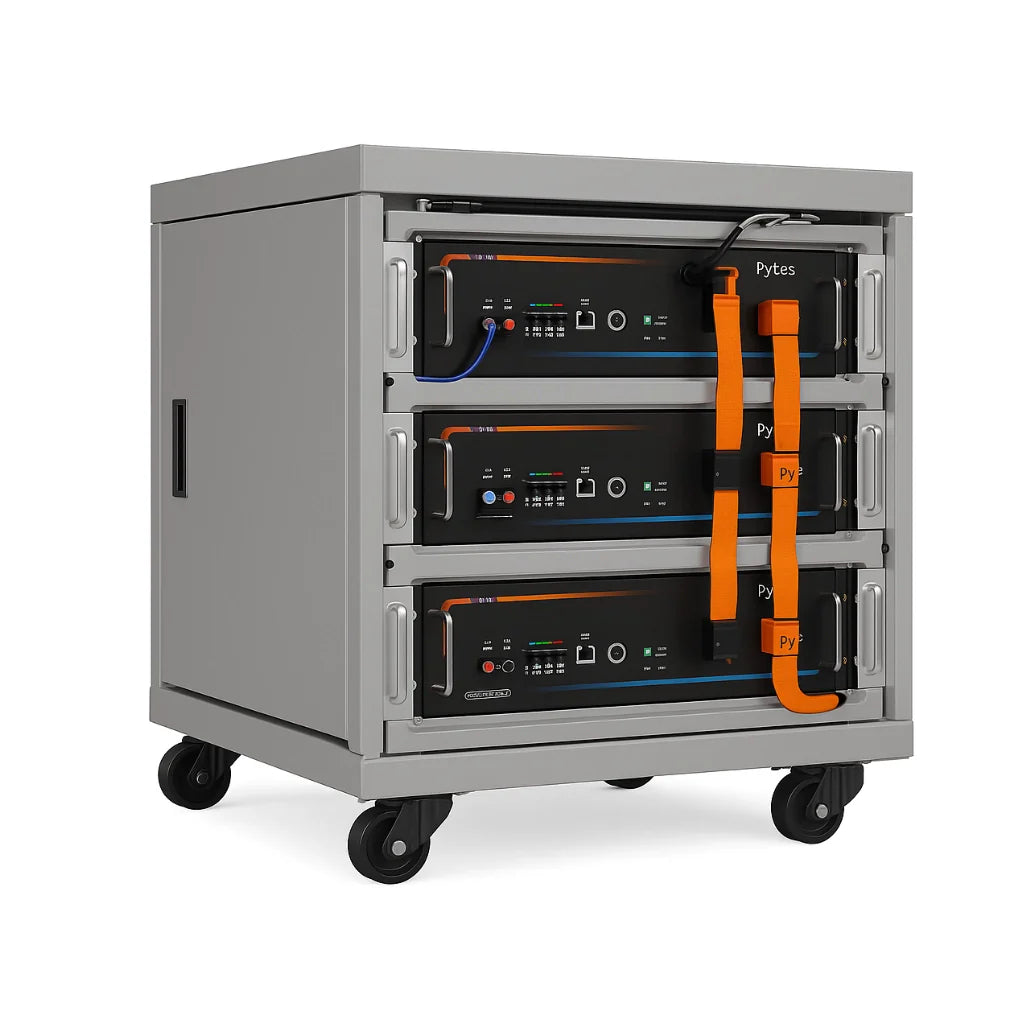
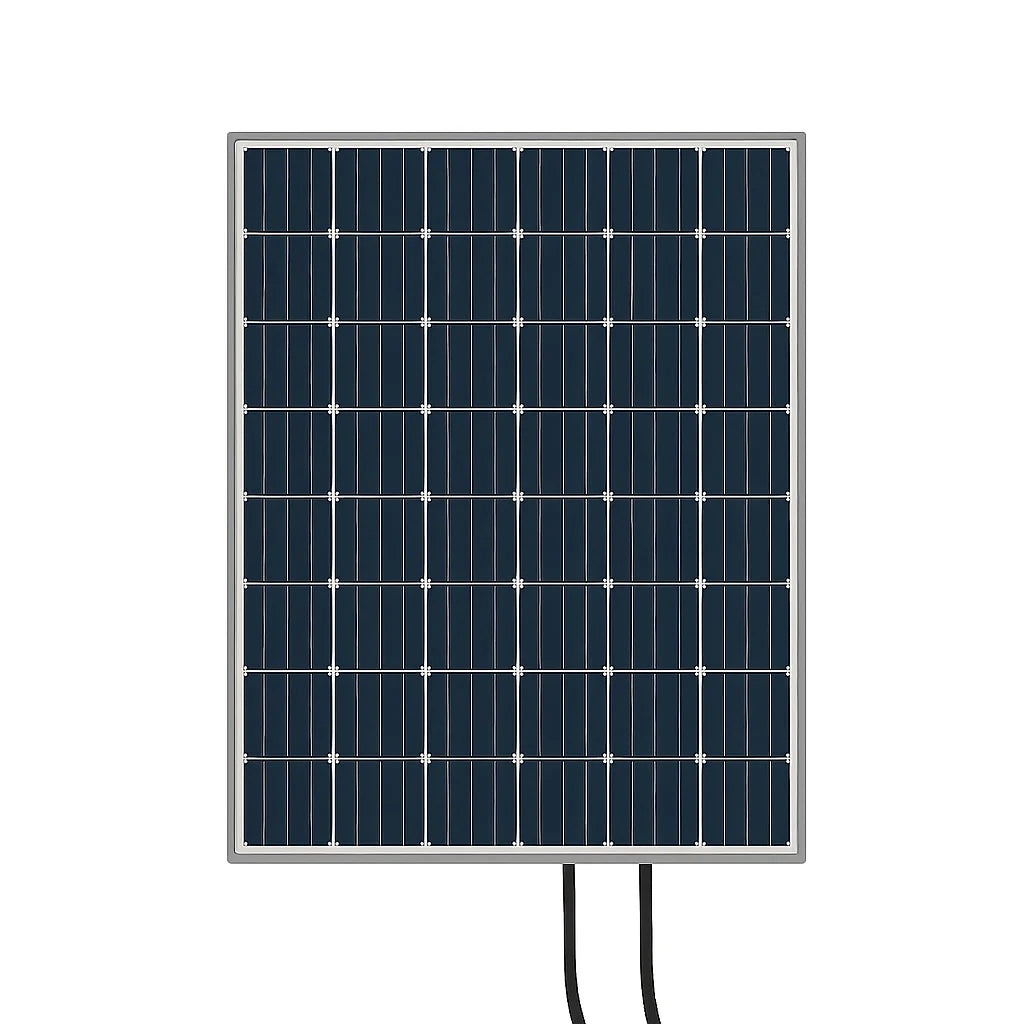
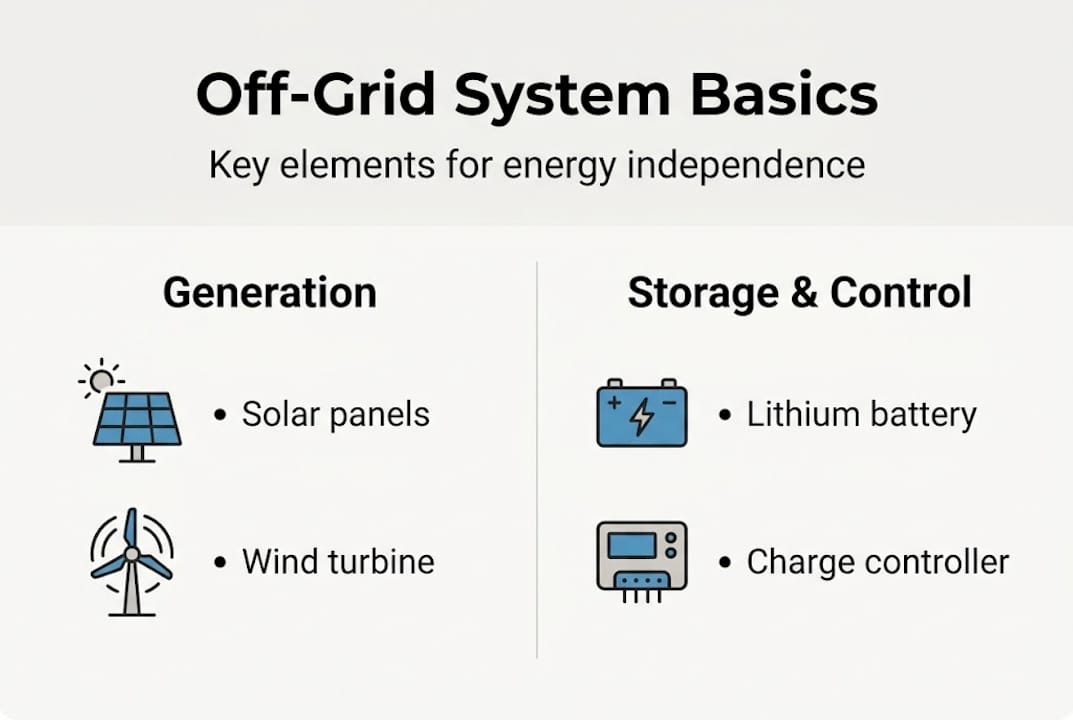
A functioning off-grid system typically includes several key technologies working in combination. Core components include solar PV panels for generation, lithium-ion batteries (LiFePO4 preferred) for storage rated at 100% depth of discharge and 3,000-plus cycles, MPPT charge controllers, pure sine wave inverters, and DC-DC chargers for vehicle applications.
Here is a quick overview of how off-grid compares to grid-tied systems:
| Feature | Off-grid | Grid-tied |
|---|---|---|
| Grid connection required | No | Yes |
| Battery storage essential | Yes | Optional |
| Energy independence | Full | Partial |
| Suitable for remote locations | Yes | Limited |
| Backup during grid outages | Yes | No (standard) |
Key terms worth knowing:
- LiFePO4 (lithium iron phosphate): A lithium battery chemistry prized for safety, long cycle life, and full depth of discharge. Learn more about lithium battery features for off-grid reliability.
- MPPT (Maximum Power Point Tracking): A charge controller technology that maximises solar energy harvest. See why MPPT charge controllers matter for campervans.
- Pure sine wave inverter: Converts DC battery power to clean AC output, compatible with sensitive electronics.
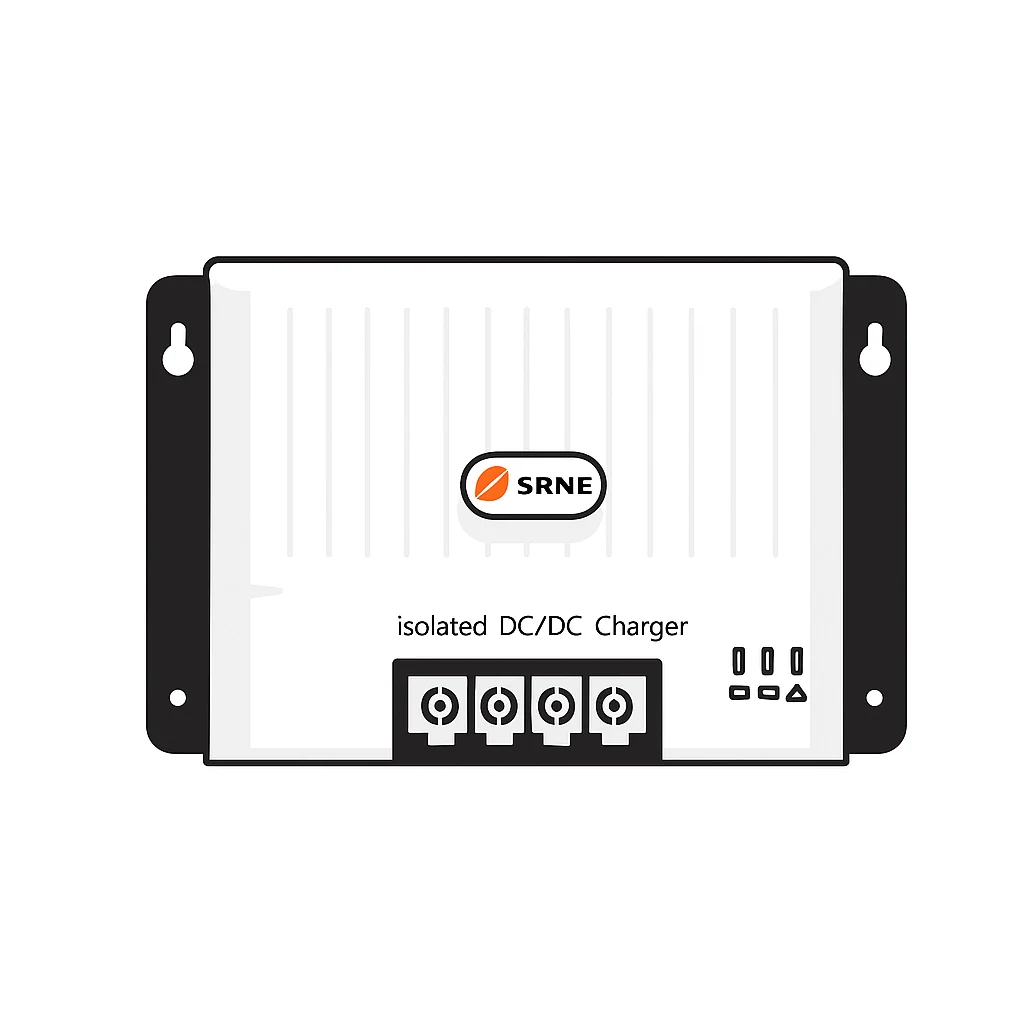
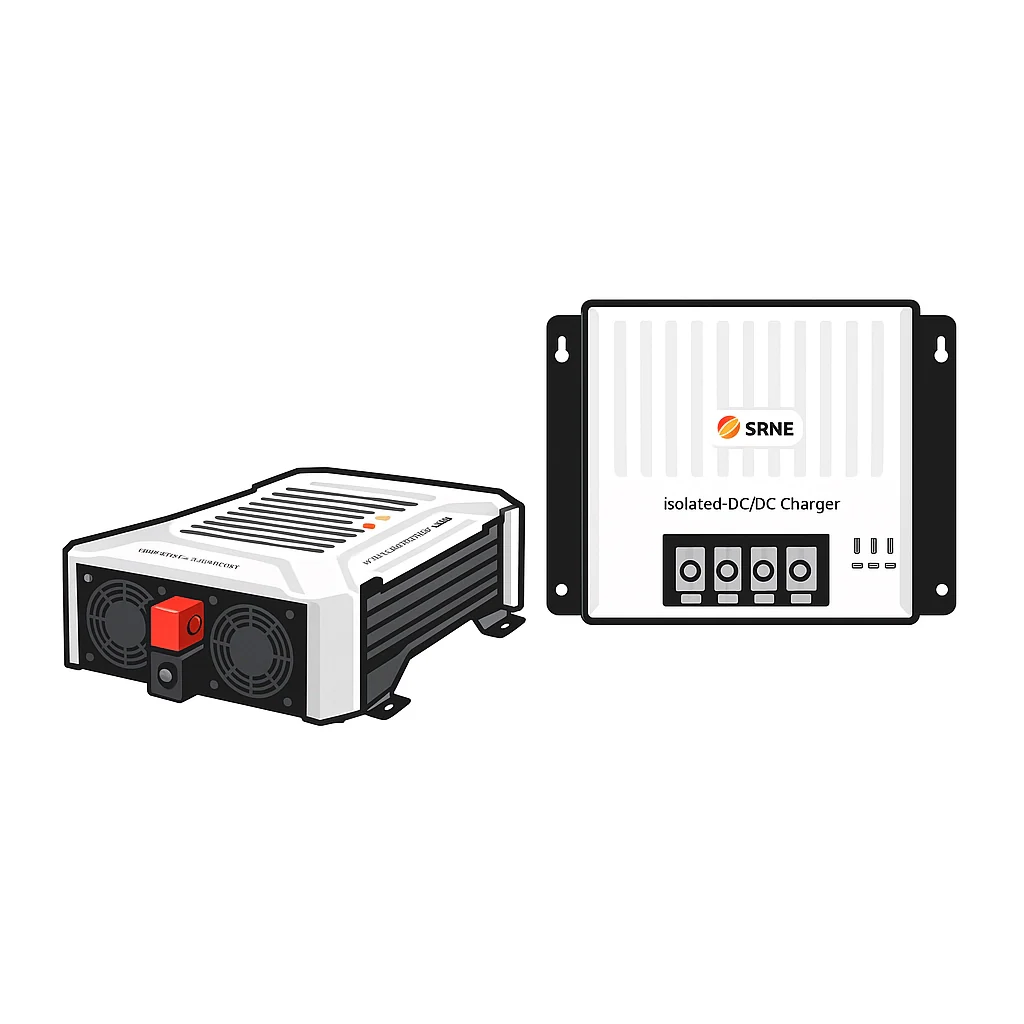
- DC-DC charger: Steps up or regulates voltage from a vehicle alternator to charge the leisure battery safely.
Understanding these components as a system, rather than isolated products, is the first step to designing something that actually works.
Core components of an off-grid power system
Each component in an off-grid system has a defined role, and matching them correctly determines efficiency, safety, and long-term cost. A weak link in one area affects the whole system.
Solar PV panels are the primary generation source. Their output varies significantly by season in the UK, making panel sizing a critical design decision. Lithium batteries, particularly LiFePO4, now dominate off-grid storage. The lithium battery benefits over lead-acid are significant: safer chemistry, 100% usable capacity, and a lifespan measured in thousands of cycles rather than hundreds.
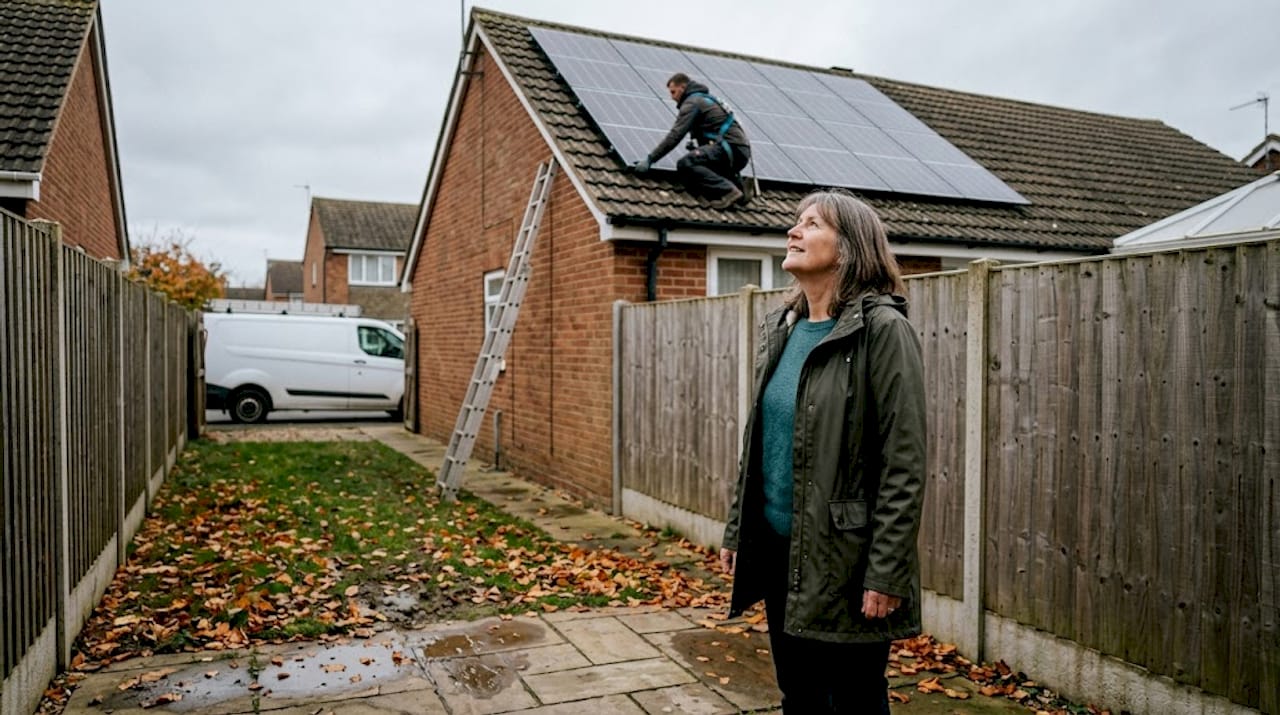
Here is a direct comparison of common battery technologies:
| Battery type | Usable capacity | Typical cycle life | Relative weight | Cost per kWh |
|---|---|---|---|---|
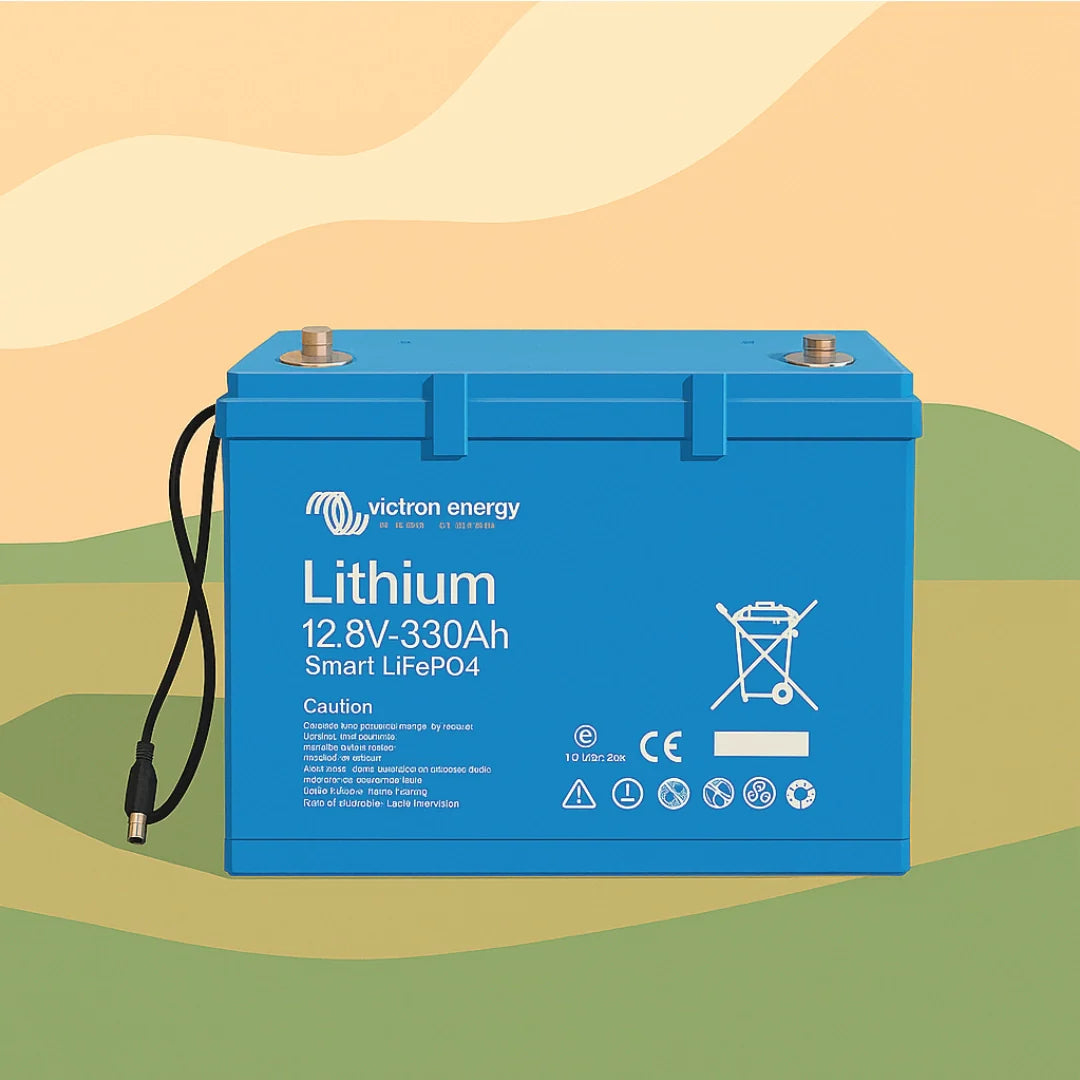
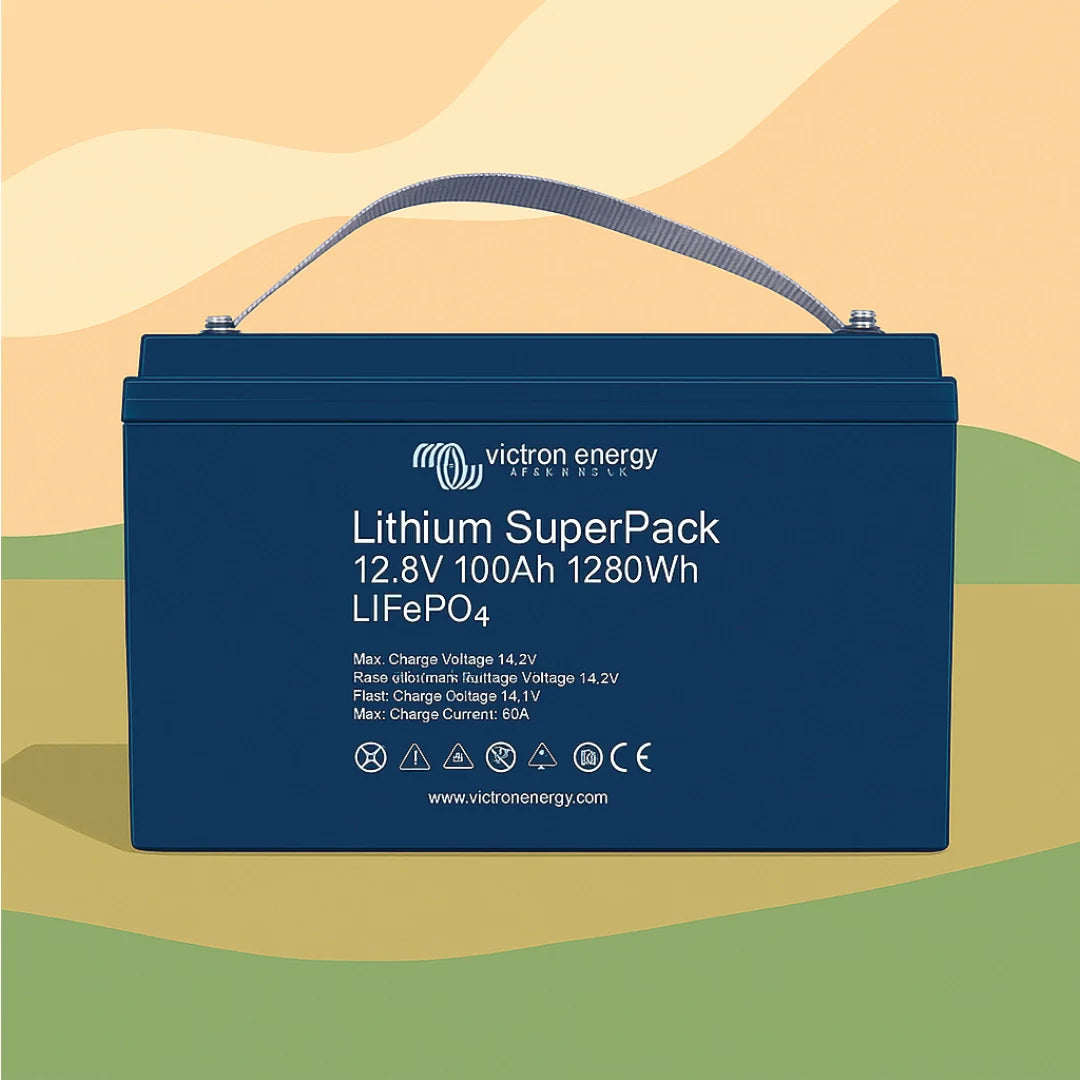
| LiFePO4 | ~100% | 3,000+ | Low | Higher upfront, lower lifetime |
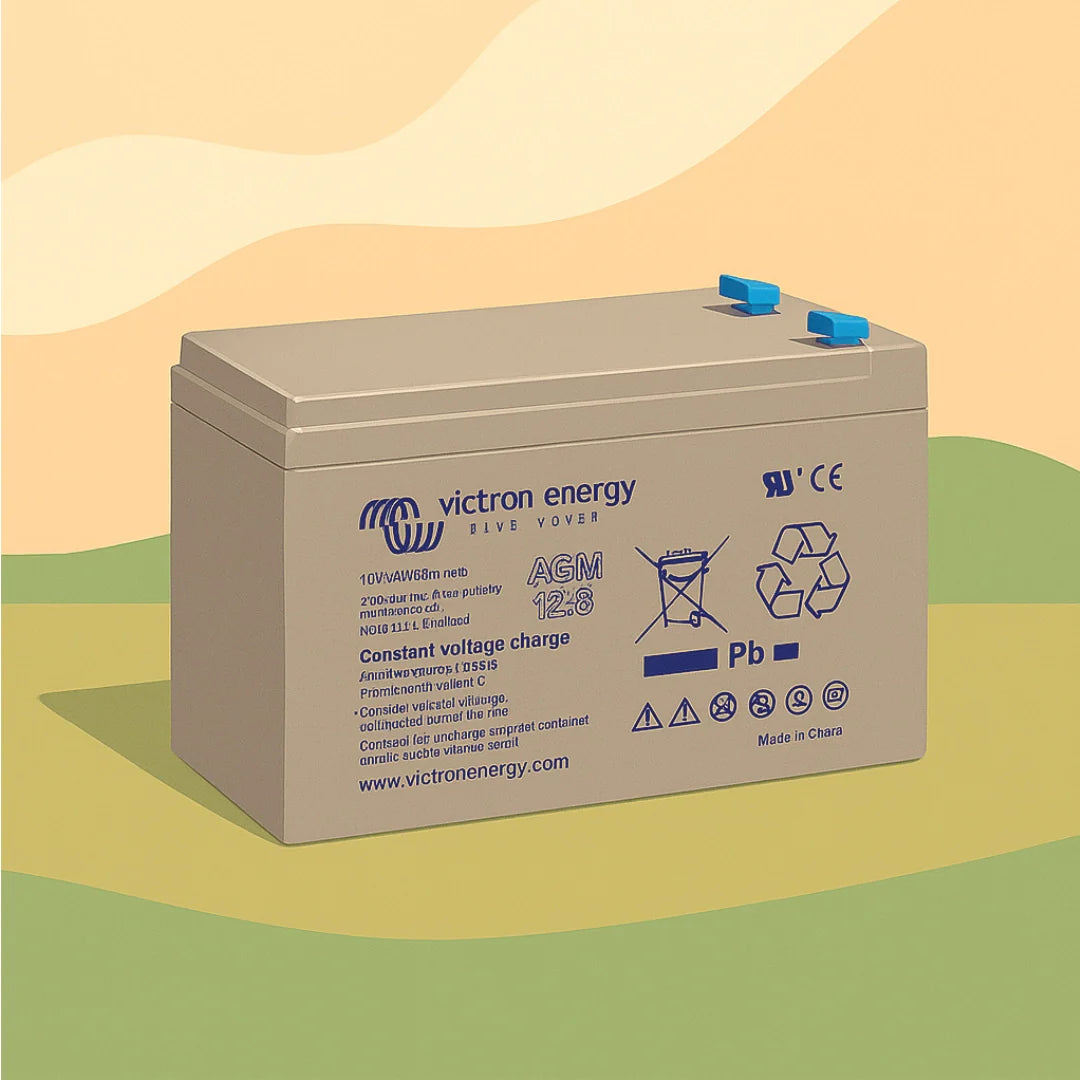
| AGM | ~50-60% | 400-700 | High | Moderate |
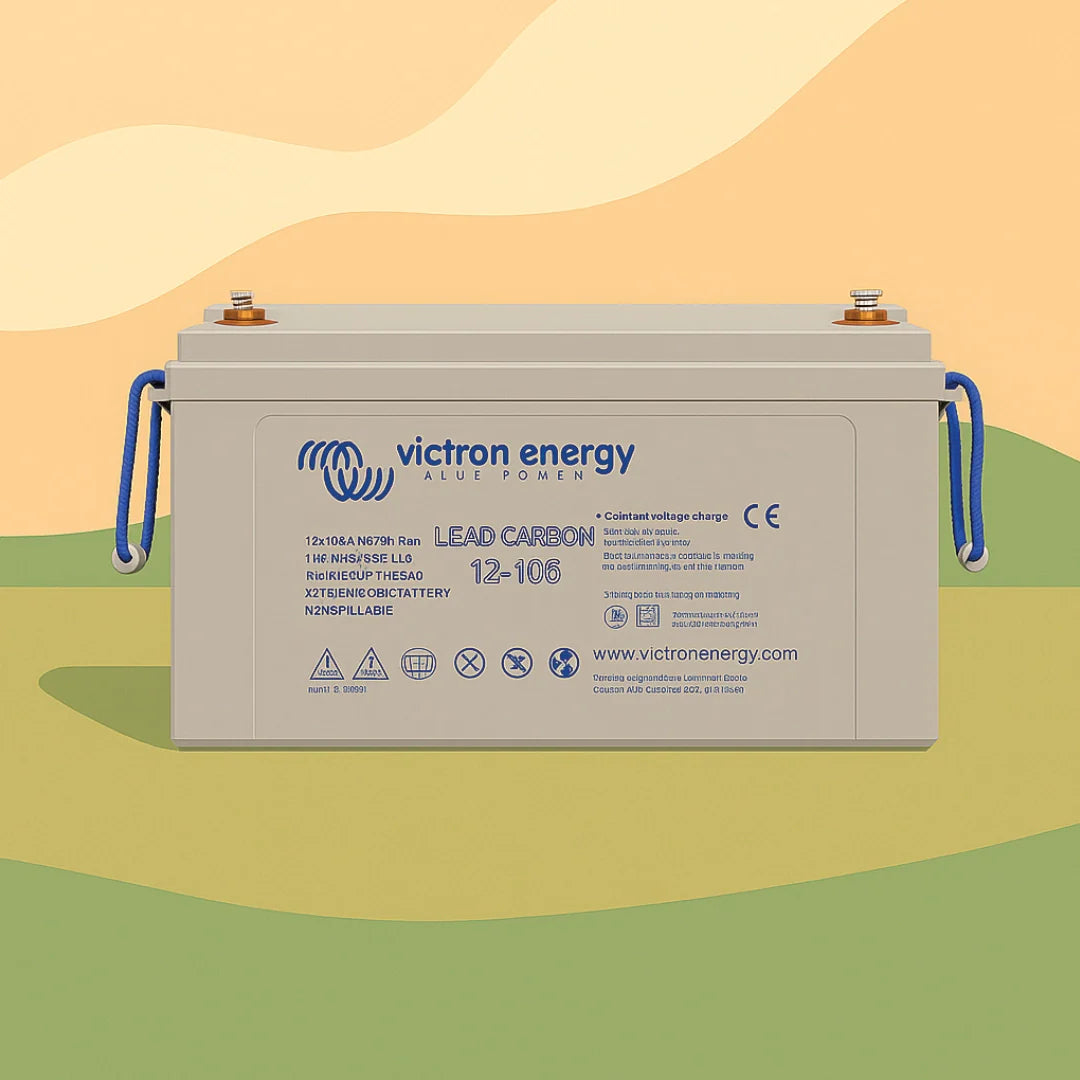
| Flooded lead-acid | ~40-50% | 200-500 | Very high | Low upfront, high lifetime |
MPPT charge controllers regulate power flow from panels to batteries, extracting maximum available energy even in low-light conditions. Pure sine wave inverters convert stored DC energy to AC for household appliances. Using a modified sine wave inverter risks damaging motors, compressors, and sensitive electronics, so pure sine wave inverters are the correct choice for off-grid setups. DC-DC chargers allow the vehicle alternator to contribute to battery charging without risking alternator damage.
A typical UK off-grid energy flow works as follows:
- Solar panels generate DC electricity from available sunlight.
- The MPPT charge controller regulates this input and directs it to the battery bank.
- The battery bank stores energy and supplies it on demand.
- The pure sine wave inverter converts DC to AC for standard appliances.
- DC-DC chargers supplement storage from alternator or shore power when available.
- A battery management system (BMS) monitors cell health, temperature, and state of charge throughout.
Pro Tip: When sizing for UK conditions, add at least 20 to 30 percent more battery capacity than your calculated daily need. Winter months deliver far less solar input, and undersized storage is the most common cause of system failure in the colder months.
Designing for UK conditions: Weather, winter, and backup power
The UK climate poses real challenges for off-grid design. Low solar irradiance from October through February, frequent cloud cover, and short daylight hours all reduce generation substantially. Any system designed around summer performance will underperform significantly when it matters most.
Key planning figure: UK winter generation drops to just 1 to 2 sun hours per day. A 4kW solar array producing 15 to 20kWh per day in summer may produce only 3 to 6kWh per day in winter, often requiring generator backup for 30 or more days per year.
This statistic alone should inform every sizing decision you make. Summer self-sufficiency is achievable for most setups. True year-round independence requires a more considered approach.
Practical strategies for UK-resilient off-grid systems include:
- Generator integration: A petrol or diesel generator provides reliable backup during extended low-solar periods. Many systems use an automatic transfer switch to activate the generator when battery levels drop below a set threshold.
- Battery oversizing: Storing more energy than your average daily use provides a buffer across consecutive cloudy days.
- Hybrid grid connection: For residential systems, maintaining a low-cost grid connection as emergency backup makes financial and practical sense.
- Smart energy management: Programmable inverter-chargers and monitoring systems let you shift high-draw tasks like washing or cooking to peak generation periods.
- Load reduction: Switching to LED lighting can cut lighting energy use by up to 80%. See practical advice on reducing energy use through lighting efficiency.
- Alternator charging for vehicles: For campervan and motorhome owners, DC-DC chargers allow the vehicle engine to contribute meaningfully to battery top-up during driving, filling the gap that winter solar cannot.
For vehicle-specific planning, our off-grid solutions for vehicles checklist covers the key decisions in sequence.
Off-grid power in practice: Homes, campervans, and hybrid approaches
Real-world off-grid systems in the UK vary considerably depending on whether the application is residential or vehicular. Both benefit from the same core technology but require different sizing and integration strategies.
For residential setups, a typical small off-grid home or cabin might pair a 3 to 5kW solar array with 10 to 20kWh of lithium storage and a hybrid inverter-charger that can accept both solar and generator input. Larger households need proportionally more. The key insight is that reducing consumption and improving insulation often provides more value than simply adding more panels.
For campervans and motorhomes, lithium kits with 1.6 to 8kWh storage combined with solar and alternator charging deliver reliable UK weather resilience across all seasons. A well-specified van system using a 200 to 400Ah LiFePO4 battery, roof-mounted solar panels, and an MPPT controller can sustain lighting, refrigeration, phone charging, and laptop use comfortably. See specific off-grid campervan solutions and how lithium battery storage integrates into a van build.
To plan your own system, follow these steps:
- Calculate your daily energy consumption in watt-hours, listing every device and its usage duration.
- Identify your primary generation source (solar, alternator, or both) and the realistic output for your location and season.
- Select a battery bank sized to cover at least two to three days of consumption without recharging.
- Choose an MPPT controller rated for your panel array voltage and current.
- Select a pure sine wave inverter rated above your maximum simultaneous AC load.
- Plan for backup charging via generator or DC-DC charger to cover winter shortfalls.
- Add monitoring so you can track real-time usage and system health.
Pro Tip: Modular kits from established manufacturers simplify both the initial setup and future upgrades. Starting with a well-matched kit avoids compatibility issues and makes it straightforward to expand capacity as your needs change.
Our perspective: Off-grid power myths, realities, and strategies
Most resources present off-grid power as a binary choice: either you’re connected to the grid or you’re not. That framing causes more problems than it solves. In practice, the most reliable and cost-effective setups in the UK are hybrid, using the grid or a generator as a safety net rather than a crutch.
The most common and costly mistake we see is undersized battery storage. People spec their systems for average conditions and then struggle through January and February. The fix is straightforward: budget for more storage from the outset. Lithium batteries are a long-term investment, not an ongoing cost, and the lithium battery insights on lifecycle costs make this case clearly.
Investing in quality charge controllers, inverters, and monitoring hardware upfront consistently outperforms buying cheaper components and replacing them repeatedly. Monitoring in particular is undervalued. Knowing your state of charge, generation rate, and consumption in real time changes how you use energy and catches faults early. Off-grid is a spectrum. You can achieve 80 to 90 percent independence with a well-sized system and still have a backup connection. That is not a compromise. It is a sensible strategy.
Get started with proven off-grid solutions
If you are ready to move from research to action, Skyenergi supplies a curated range of off-grid components and complete system kits designed for UK conditions. Our products are sourced directly from manufacturers, removing guesswork and ensuring compatibility across your entire setup.
For solar charging, the Victron solar panel kit pairs Victron Smart MPPT technology with high-output panels for reliable generation. For residential or larger vehicle setups, the 3kVa inverter-charger system provides a turnkey solution including monitoring. Browse the full Skyenergi off-grid solutions range to find the right fit for your home or leisure vehicle.
Frequently asked questions
Is it legal to live fully off-grid in the UK?
Yes, living off-grid is entirely legal in the UK. You will need to comply with planning permission requirements, building regulations, and rules covering water supply and sanitation.
How much solar power do I need to be off-grid in the UK?
Most UK homes require a 4kW or larger array with substantial battery storage. Winter generation drops to just 1 to 2 sun hours daily, so exact sizing depends heavily on your consumption and seasonal expectations.
Are lithium batteries worth the upgrade for off-grid systems?
Yes. LiFePO4 batteries offer 100% depth of discharge and 3,000-plus cycles, far exceeding AGM or lead-acid alternatives, making them the practical choice for UK off-grid setups despite higher upfront cost.
Do I still need a backup generator even with large batteries?
For most UK homes, yes. Generator backup for 30-plus days per year is typically needed to cover extended winter low-solar periods, even with a well-sized battery bank.
Can I power a campervan fully off-grid all year in the UK?
Yes. With the right lithium battery kit, solar and alternator charging together provide year-round energy resilience for UK leisure vehicles across all seasons.
Recommended
- Off-grid power terminology: UK energy independence guide – Skyenergi
- Off-Grid Power Systems: Enhancing Energy Freedom – Skyenergi
- Why choose off-grid power: Energy independence for UK leisure vehicles – Skyenergi
- Off-grid power solutions checklist for UK leisure vehicles – Skyenergi
- Zero Net Building - Everything You Should Know About It - Ofir Engineering
Prev post

Troubleshoot lithium leisure battery systems: 6 key steps
Updated on 23 April 2026
Next post

Top Bluetooth battery uses for off-grid leisure vehicles
Updated on 21 April 2026


