





The role of battery enclosures in energy storage systems
Discover the vital role of battery enclosures in energy storage systems. Learn how they protect, manage heat, and ensure safety.
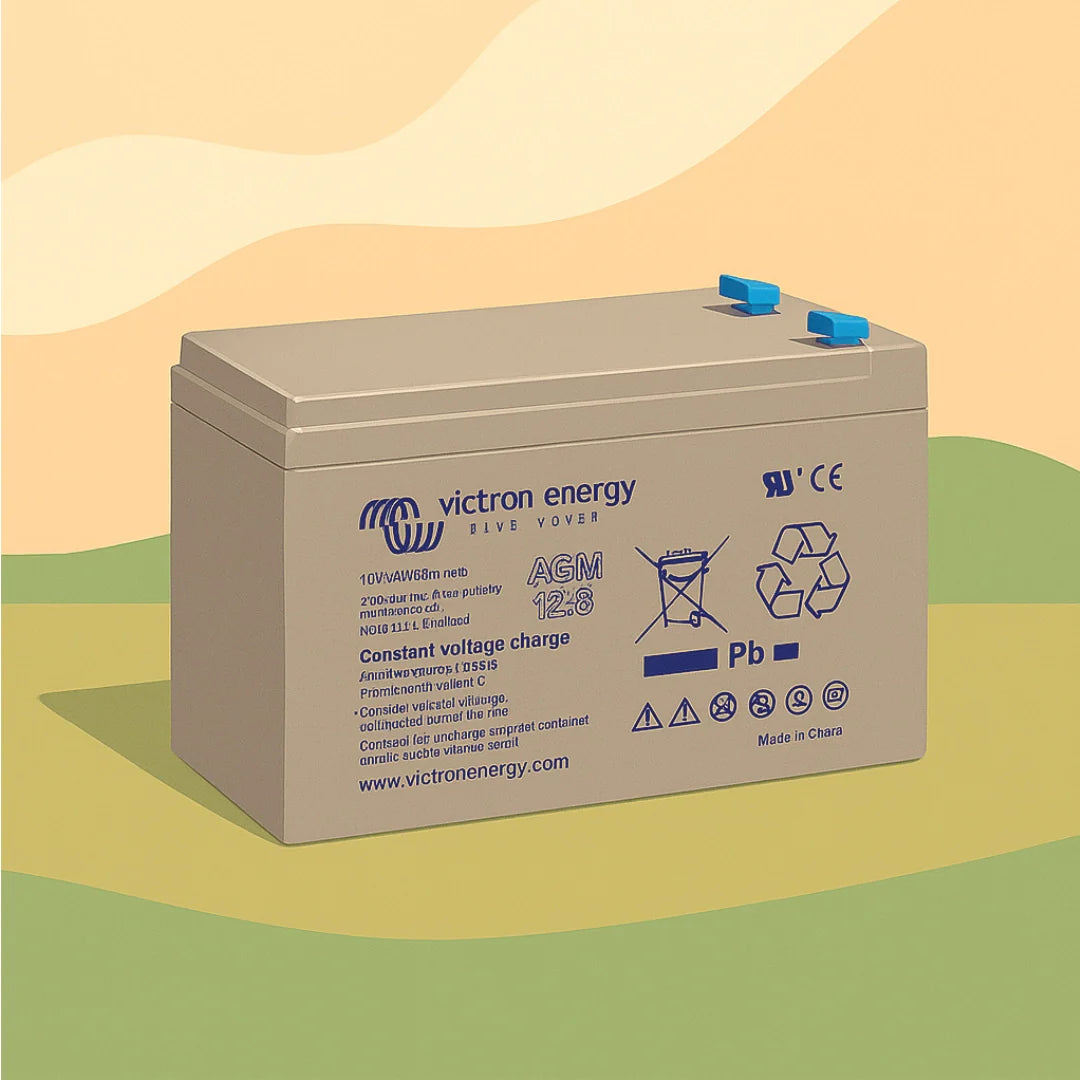
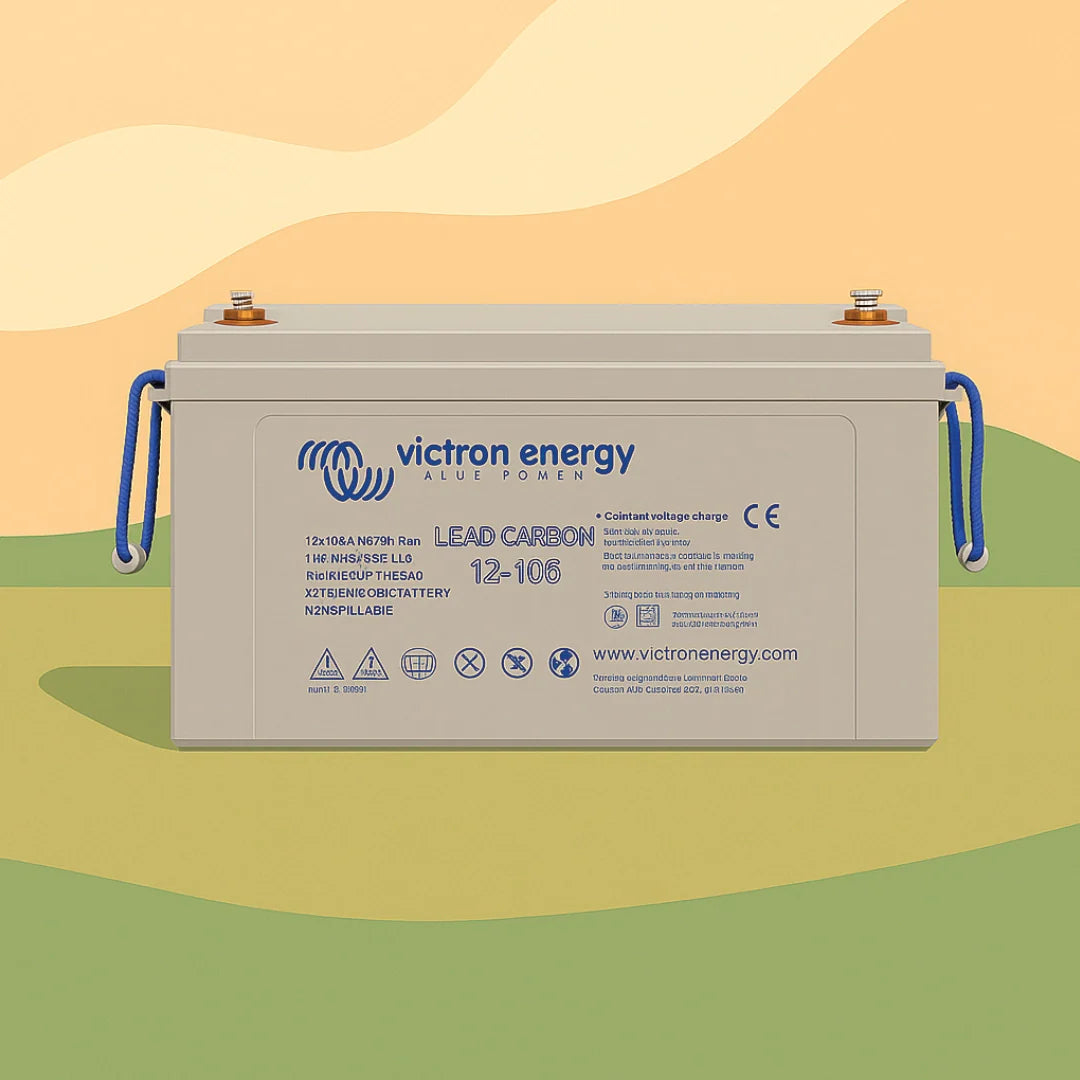
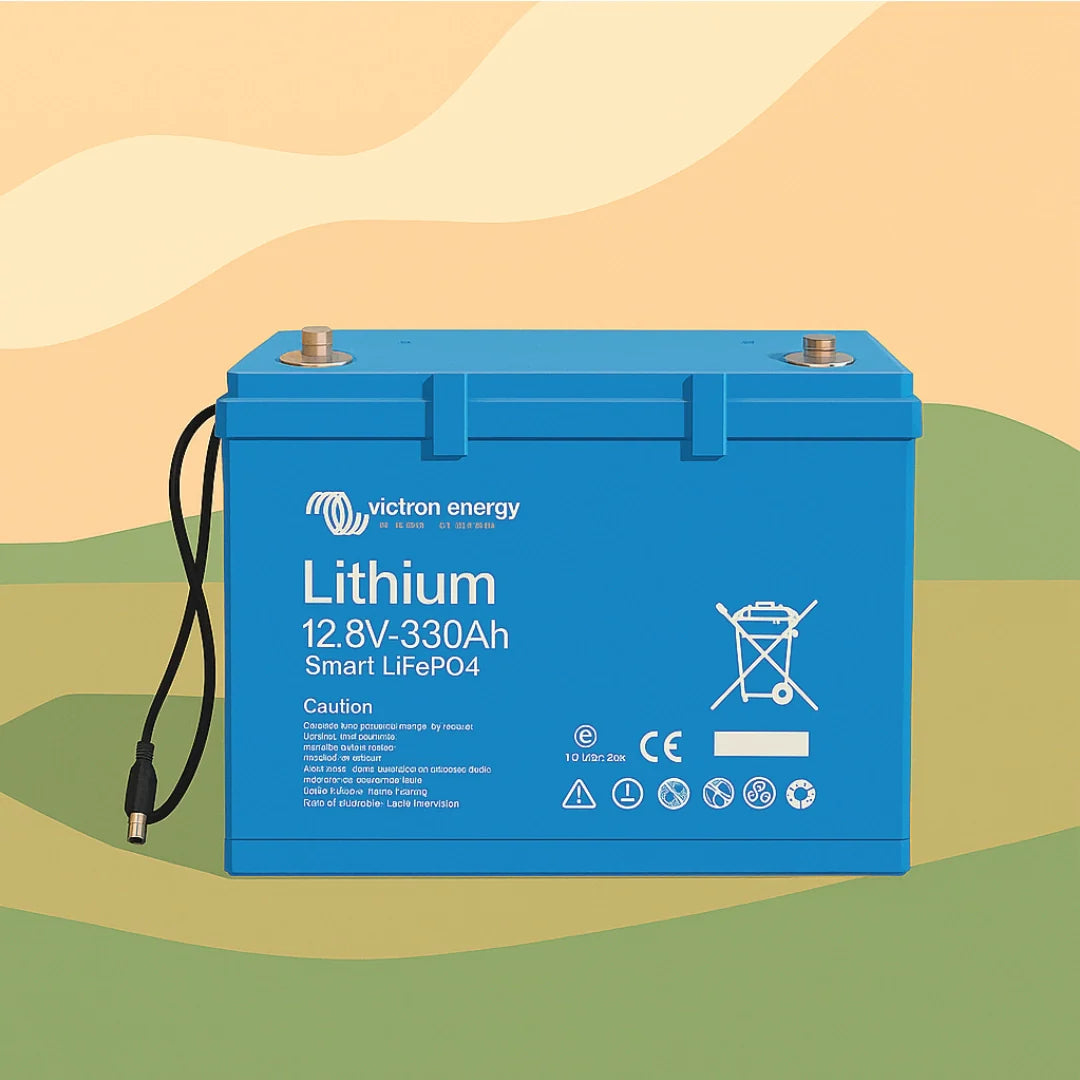
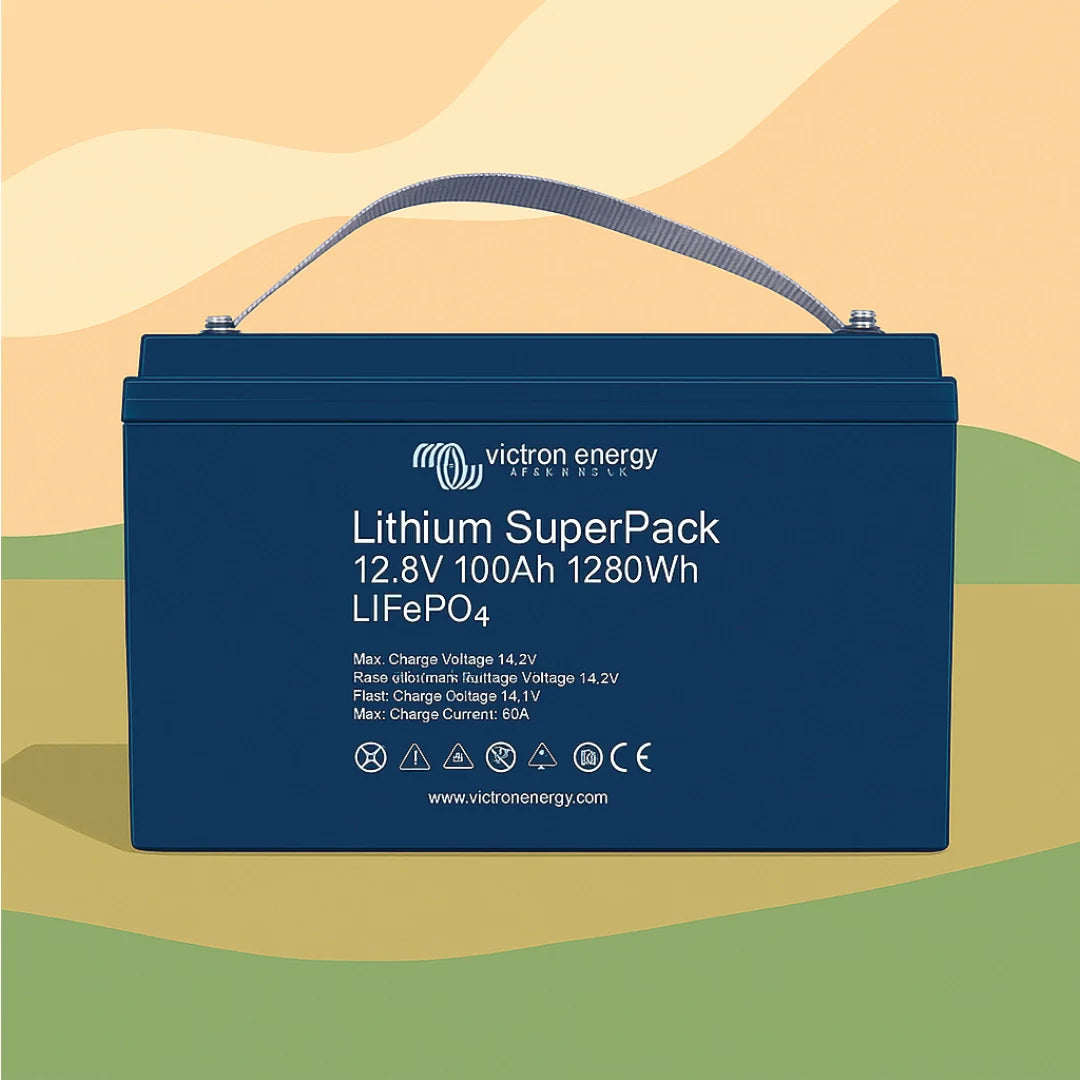
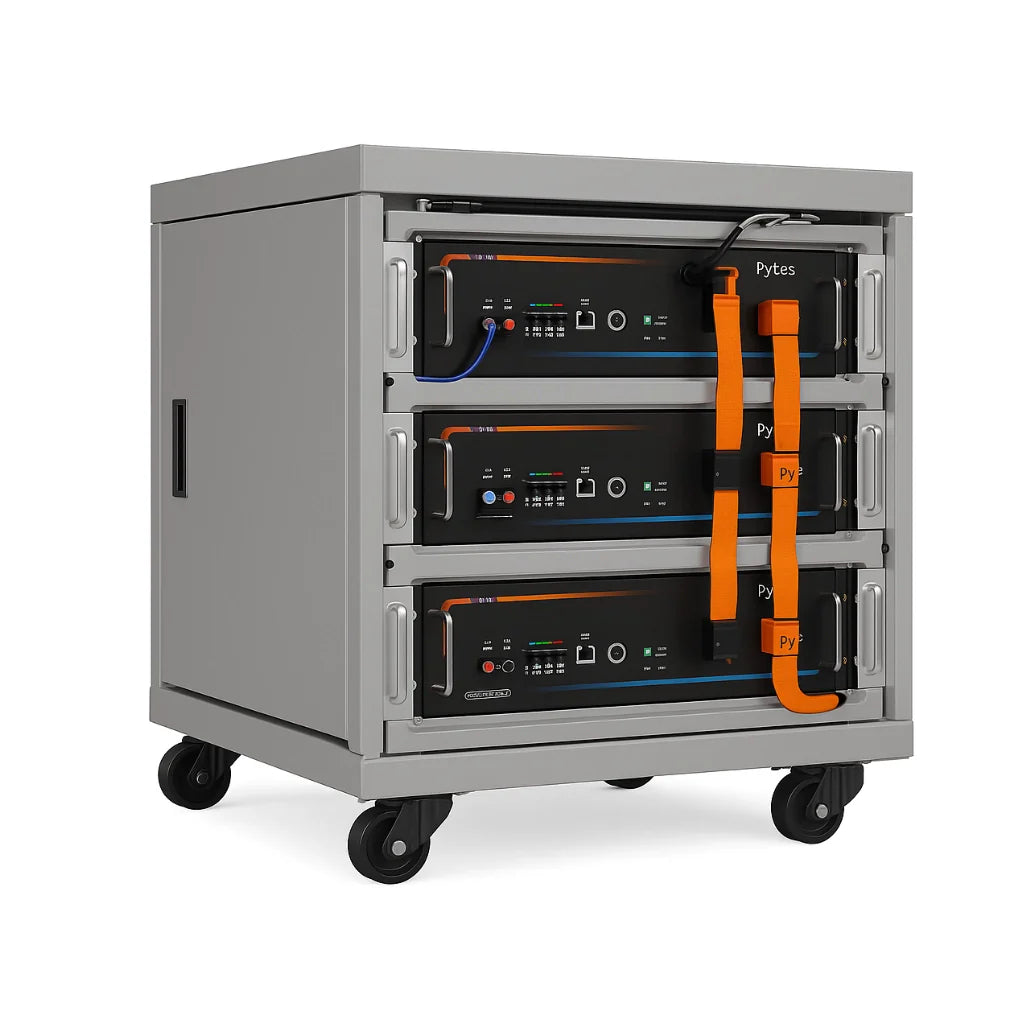
A battery enclosure is a specialised housing that protects battery cells from physical damage, environmental hazards, and thermal risks while maintaining safe and reliable operation. The role of battery enclosures extends far beyond simple containment. A well-specified enclosure manages mechanical loads, controls heat, seals against moisture and dust, and provides a compliant structure for electrical safety. Standards such as UL 94 for flame retardancy and IP67 or IP68 for ingress protection define the minimum performance thresholds that battery protective casings must meet across renewable energy, leisure vehicle, and marine applications.
What materials are used for battery enclosures and why they matter
Material selection is the first major decision in battery enclosure design. The choice directly affects weight, cost, thermal performance, corrosion resistance, and the ability to absorb impact energy in a collision or accident.
Aluminium is the most widely used material for battery housings. It offers a good balance of weight, machinability, and thermal conductivity. Aluminium dissipates heat effectively, which supports the enclosure’s role in thermal management. Its main limitation is energy absorption at very high impact speeds.
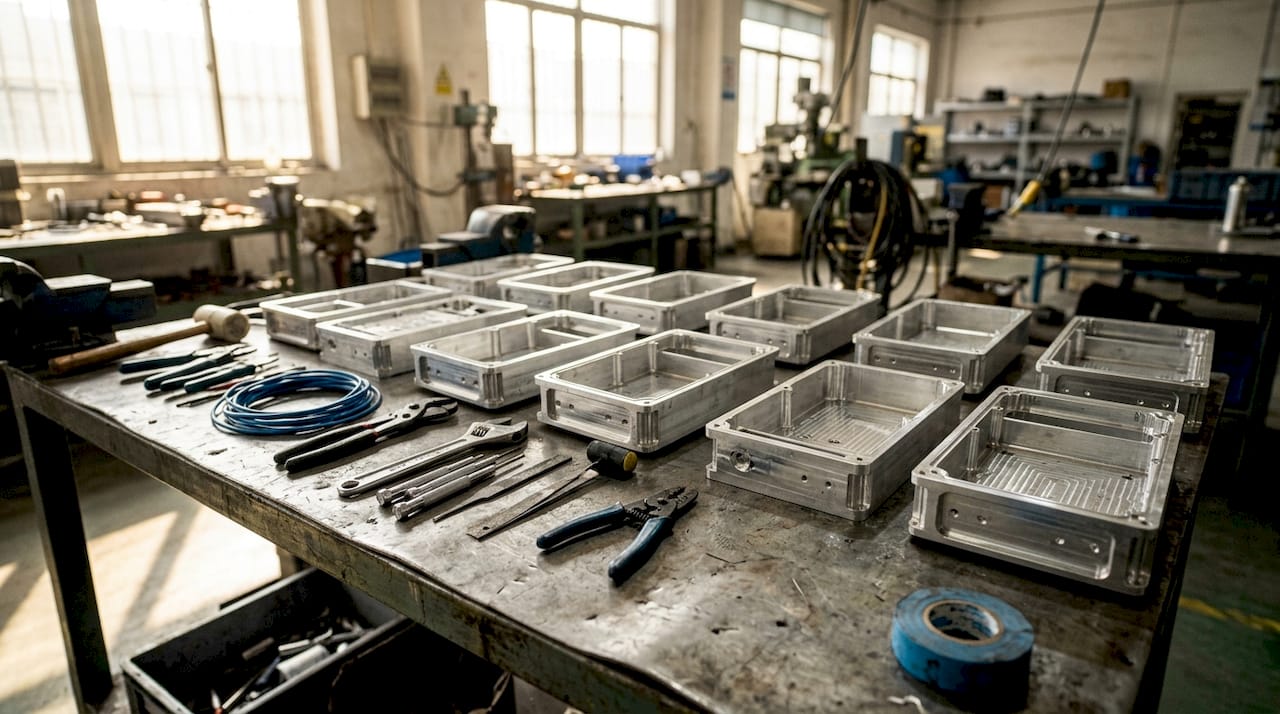
Carbon fibre reinforced polymer (CFRP) outperforms aluminium in energy absorption at collision speeds above 90 km/h. Beyond 100 km/h, CFRP absorbs significantly more impact energy, making it the preferred choice for high-performance or safety-critical applications. The trade-off is cost. CFRP is considerably more expensive to manufacture and repair than aluminium.
Stainless steel provides excellent corrosion resistance and structural rigidity. It is heavier than aluminium, which makes it less suitable for mobile applications such as campervans or marine vessels where weight is a constraint. Stainless steel suits static installations where durability and long service life outweigh weight concerns.
Thermoplastics are common in lower-voltage consumer and leisure applications. They are lightweight, cost-effective, and can be moulded into complex shapes. Their thermal conductivity is low, which limits their use in high-power systems that generate significant heat.
| Material | Weight | Thermal conductivity | Corrosion resistance | Impact absorption | Relative cost |
|---|---|---|---|---|---|
| Aluminium | Low | High | Good | Moderate | Medium |
| CFRP | Very low | Low | Excellent | High (above 90 km/h) | High |
| Stainless steel | High | Medium | Excellent | Moderate | Medium |
| Thermoplastic | Very low | Very low | Good | Low | Low |
Pro Tip: For off-grid and leisure vehicle installations, extruded aluminium enclosures with fastened rather than welded joints offer the best balance of weight, repairability, and cost. Welded units are harder to service and less compatible with ecodesign principles for 2026.
How do battery enclosures manage fire, thermal runaway, and pressure risks?
Thermal runaway is the most serious failure mode in lithium battery systems. It occurs when a cell overheats, triggering a chain reaction that generates gas, heat, and potentially fire. The enclosure is the last line of physical defence when battery management systems fail to prevent the event.
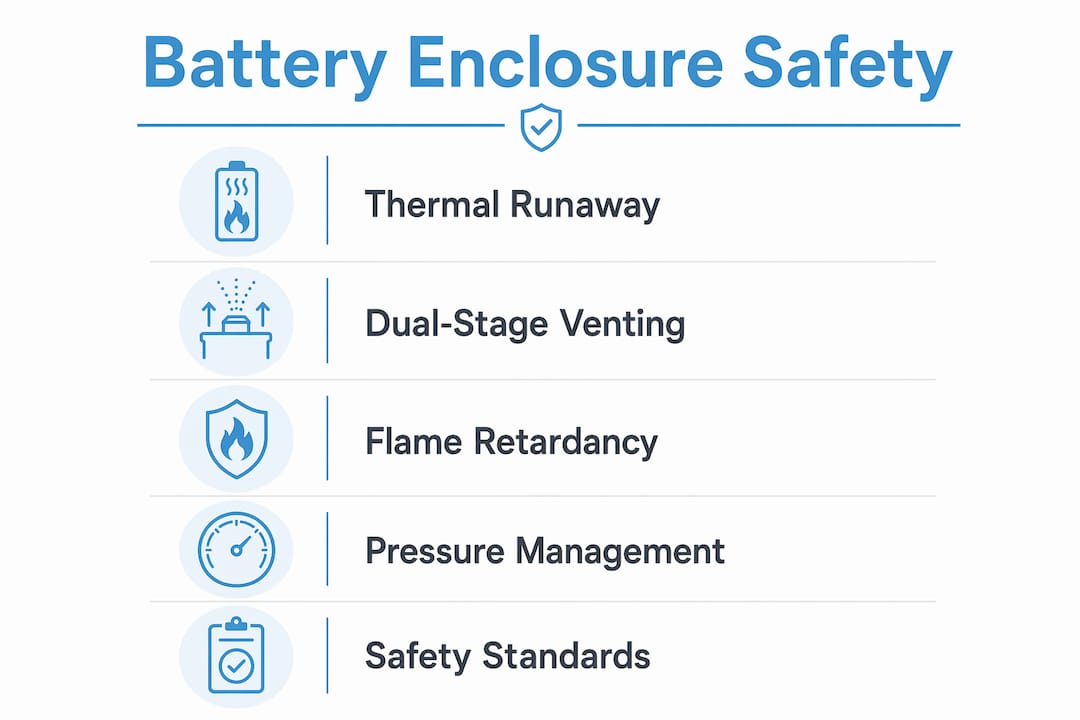
Dual-stage venting systems are the industry-standard approach to pressure management. During normal operation, the first stage equalises internal and external pressure to prevent moisture ingress. During thermal runaway, the second stage opens fully to allow rapid gas escape, reducing the risk of explosion. Many automotive battery packs use a single vent assembly that performs both functions.
Flame retardancy is governed by UL 94, which classifies materials by their ability to resist ignition and self-extinguish. Enclosures must achieve a UL 94 rating appropriate to their application. Combined with IP67 or IP68 ingress protection, a compliant enclosure prevents both dust and water from reaching cells, removing two common ignition triggers.
Electrical safety adds another layer of complexity. Above 60 V DC, creepage distances and electrical clearances must increase significantly to prevent arcing and shock hazards. Designers must account for these distances when routing busbars and connectors inside the enclosure.
Critical safety features in a well-specified battery enclosure include:
- Dual-stage pressure venting with defined burst thresholds
- UL 94 V-0 or V-1 rated enclosure materials
- IP67 minimum ingress protection for outdoor and marine use
- Adequate creepage distances for voltages above 60 V DC
- Cell holder vent alignment to ±0.1 mm tolerance to prevent charging safety hazards
- Thermal break layers between cell groups to slow runaway propagation
Pro Tip: Never assume that an IP-rated enclosure is automatically safe for thermal events. IP ratings address water and dust only. Verify UL 94 compliance and venting specifications separately before specifying an enclosure for lithium chemistry.
Key design functions of battery enclosures beyond basic protection
Battery enclosures serve four critical system paths: load transfer, sealing strategy, thermal conduction, and datum references. Vague definitions early in design increase cost and raise the risk of assembly failures. Getting these paths right from the start is the single most effective way to control project cost.
Thermal management integration
The enclosure is not a passive shell. Effective enclosures act as active parts of the thermal management system. In aluminium designs, the base plate conducts heat from cells to an external cooling surface. In marine and off-grid installations, natural convection through the enclosure wall is often sufficient for lower-power lithium iron phosphate (LiFePO4) systems. Neglecting thermal pathways in waterproof enclosure designs leads to heat accumulation and accelerated cell degradation.
Structural rigidity and cell mounting
Cells must be held firmly to prevent movement during vibration, acceleration, and impact. In a campervan or marine vessel, road and wave-induced vibration is continuous. Loose cells wear their terminals and can cause internal short circuits. Mounting strategies include foam compression pads, injection-moulded cell holders, and aluminium extrusion channels. Each approach balances cost, weight, and the dimensional tolerance required to keep vent pathways clear.
Modularity and serviceability
Modular single-material architectures with reversible joints allow cell-level repair and replacement without scrapping the entire pack. This approach aligns with 2026 ecodesign research and reduces whole-life cost. Extruded aluminium enclosures with bolted joints are preferred over welded units precisely because they can be opened, inspected, and reassembled. For professionals managing fleet vehicles or residential storage systems, serviceability directly affects the total cost of ownership.
Pro Tip: Define your load path, seal path, thermal path, and datum references before selecting materials or suppliers. Changing these definitions after tooling begins is expensive. Treat them as fixed constraints from day one.
What are the practical benefits of battery enclosures across key applications?
The benefits of battery enclosures vary by application, but the core functions remain consistent: protect cells, extend service life, and maintain safety under real-world conditions.
Renewable energy storage
In residential and off-grid solar installations, battery enclosures protect against moisture, insects, and temperature swings. A poorly sealed enclosure in an outdoor installation can allow condensation to form on busbars, leading to corrosion and eventual failure. Proper IP-rated housings prevent this. Professionals specifying energy storage upgrades for off-grid systems should verify that enclosures are rated for the ambient temperature range of the installation site.
Leisure vehicles: campervans and motorhomes
Campervans and motorhomes subject battery systems to continuous vibration, temperature variation, and occasional water exposure. The enclosure must handle all three simultaneously. A well-designed housing keeps cells aligned, prevents terminal wear, and maintains the seal integrity needed to meet UK safety requirements. Skyenergi’s energy storage checklist for UK leisure vehicles covers the specific enclosure criteria that apply to 2026 UK regulations.
Marine applications
Marine environments are the most demanding. Salt water, humidity, and constant motion combine to attack every weak point in an enclosure. IP68 is the minimum practical rating for below-deck installations. Cable exit points and strain relief are as important as the enclosure body itself. A watertight case with poorly sealed cable glands will fail within months in a marine environment.
Key benefits of correctly specified battery enclosures across all three sectors:
- Extended battery lifespan through controlled thermal and mechanical conditions
- Reduced risk of fire, gas release, and electrical faults
- Compliance with UK and international safety standards
- Lower maintenance costs through sealed, vibration-resistant construction
- Simplified system integration with defined mounting and cable management points
Key takeaways
Battery enclosures are integral systems that must address mechanical protection, thermal management, and safety compliance simultaneously to deliver reliable energy storage performance.
| Point | Details |
|---|---|
| Material selection matters | CFRP outperforms aluminium above 90 km/h; aluminium suits most leisure and off-grid applications. |
| Venting is a safety-critical function | Dual-stage venting systems manage pressure during normal use and thermal runaway events. |
| IP rating alone is insufficient | UL 94 flame retardancy and venting specifications must be verified separately from ingress protection. |
| Design paths must be defined early | Load, seal, thermal, and datum paths set early prevent costly redesigns and assembly failures. |
| Modularity reduces whole-life cost | Reversible joints and single-material construction support repair, serviceability, and recycling. |
Why enclosure design deserves more attention than it gets
Most professionals I speak with focus on cell chemistry, capacity, and charge controllers when specifying an energy storage system. The enclosure is treated as an afterthought. That is a mistake I have seen cause real problems, particularly in marine and leisure vehicle installations where the operating environment is unforgiving.
The shift toward higher-voltage lithium systems in campervans and residential storage has raised the stakes considerably. Above 60 V DC, electrical clearances inside the enclosure become a genuine safety concern, not a box-ticking exercise. I have reviewed installations where busbars were routed without adequate creepage distance simply because the enclosure was not designed with that voltage in mind.
The 2026 ecodesign direction is also worth taking seriously now. Modular, reversible enclosure designs are not just good for the environment. They reduce the cost of servicing a pack three years into its life, which matters to anyone running a fleet or a residential system on a budget. Welded aluminium packs look tidy, but opening one for a cell replacement is a significant undertaking.
My practical advice: treat the enclosure as a system component with the same rigour you apply to the battery management system. Define your thermal path, your seal strategy, and your mounting approach before you commit to a housing. The cost of getting it right at the design stage is a fraction of the cost of getting it wrong in the field.
— John
Skyenergi’s energy storage solutions for every application
Skyenergi supplies energy storage systems designed for real-world conditions in campervans, motorhomes, marine vessels, and residential off-grid setups. Every system is specified with the enclosure, thermal management, and safety compliance in mind.
For solar-powered installations, the Victron 610W solar and MPPT bundle integrates directly with lithium battery systems housed in compliant enclosures, providing a complete and standards-ready energy solution. Skyenergi sources products directly from manufacturers, which means competitive pricing without compromising on engineering quality. Contact Skyenergi for guidance on enclosure selection, system design, and compliance with 2026 UK battery safety requirements.
FAQ
What is the primary role of a battery enclosure?
A battery enclosure protects cells from mechanical damage, environmental hazards, and thermal events while providing structural support and electrical safety compliance. It is an integral system component, not simply a container.
What IP rating do battery enclosures need for marine use?
IP68 is the minimum practical rating for below-deck marine installations. Cable exit points and strain relief must also be sealed to the same standard, as these are common failure points in waterproof designs.
Do battery enclosures need to meet fire safety standards?
Battery enclosures must comply with UL 94 flame retardancy standards in addition to IP ingress protection ratings. UL 94 governs how quickly a material self-extinguishes, which is separate from and complementary to water and dust protection.
How does enclosure design affect battery lifespan?
A well-designed enclosure controls heat, prevents moisture ingress, and holds cells firmly to reduce vibration wear. Failing to integrate these functions leads to reduced service life and accelerated performance degradation.
What is a dual-stage venting system in a battery enclosure?
A dual-stage venting system equalises internal pressure during normal operation and opens fully to release gas during thermal runaway, reducing the risk of explosion. Many automotive battery packs use a single vent assembly that performs both functions.
Recommended
Prev post

Top 5 Mowgli Adventures Alternatives 2026
Updated on 03 July 2026
Next post

Important off-grid system upgrades for 2026
Updated on 01 July 2026


