





Important off-grid system upgrades for 2026
Discover important off-grid system upgrades for 2026 to maximize energy capture and ensure reliable power delivery for your setup.
Important off-grid system upgrades are those that maximise energy capture, storage, and reliable power delivery to achieve true energy independence. Whether you run a residential off-grid setup or a leisure vehicle, the core upgrade categories remain the same: MPPT charge controllers, LiFePO4 batteries, pure sine wave inverters, expanded solar arrays, and disciplined load management. Getting these right in the correct sequence determines whether your system performs reliably for a decade or fails within a few seasons. This guide covers each upgrade category with the technical detail you need to plan confidently.
1. Important off-grid system upgrades: start with MPPT charge controllers
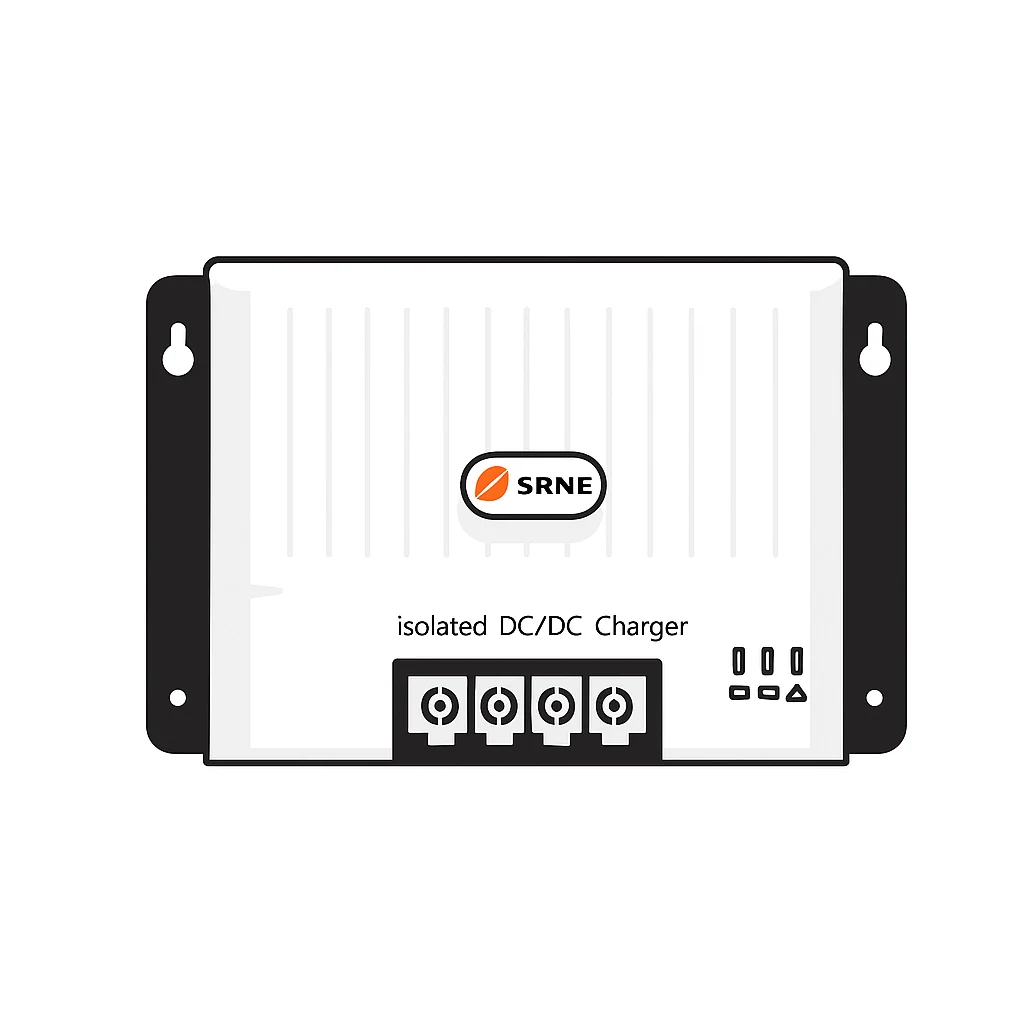
Switching from a PWM controller to an MPPT charge controller is the single highest-return upgrade for any solar system above 400W. MPPT controllers improve energy harvest by 20–30% over older PWM models by decoupling panel voltage from battery voltage. That efficiency gain means your existing panels produce more usable power without adding a single extra panel.
PWM controllers force the panel to operate at battery voltage, which wastes the panel’s peak power potential. MPPT controllers track the panel’s maximum power point continuously and convert the surplus voltage into additional current. For a system producing 5 kWh per day on PWM, that translates to roughly 6–6.5 kWh per day on MPPT with no hardware changes beyond the controller itself.
Key reasons to upgrade to MPPT:
- Works with higher-voltage panel strings, reducing cable losses
- Handles partial shading better than PWM
- Supports mixed panel configurations during phased upgrades
- Provides accurate battery charge profiling for LiFePO4 chemistry
Pro Tip: Size your MPPT controller for 125–150% of your current panel wattage. That headroom lets you add panels later without replacing the controller.
2. Upgrade to LiFePO4 batteries for long-term storage gains
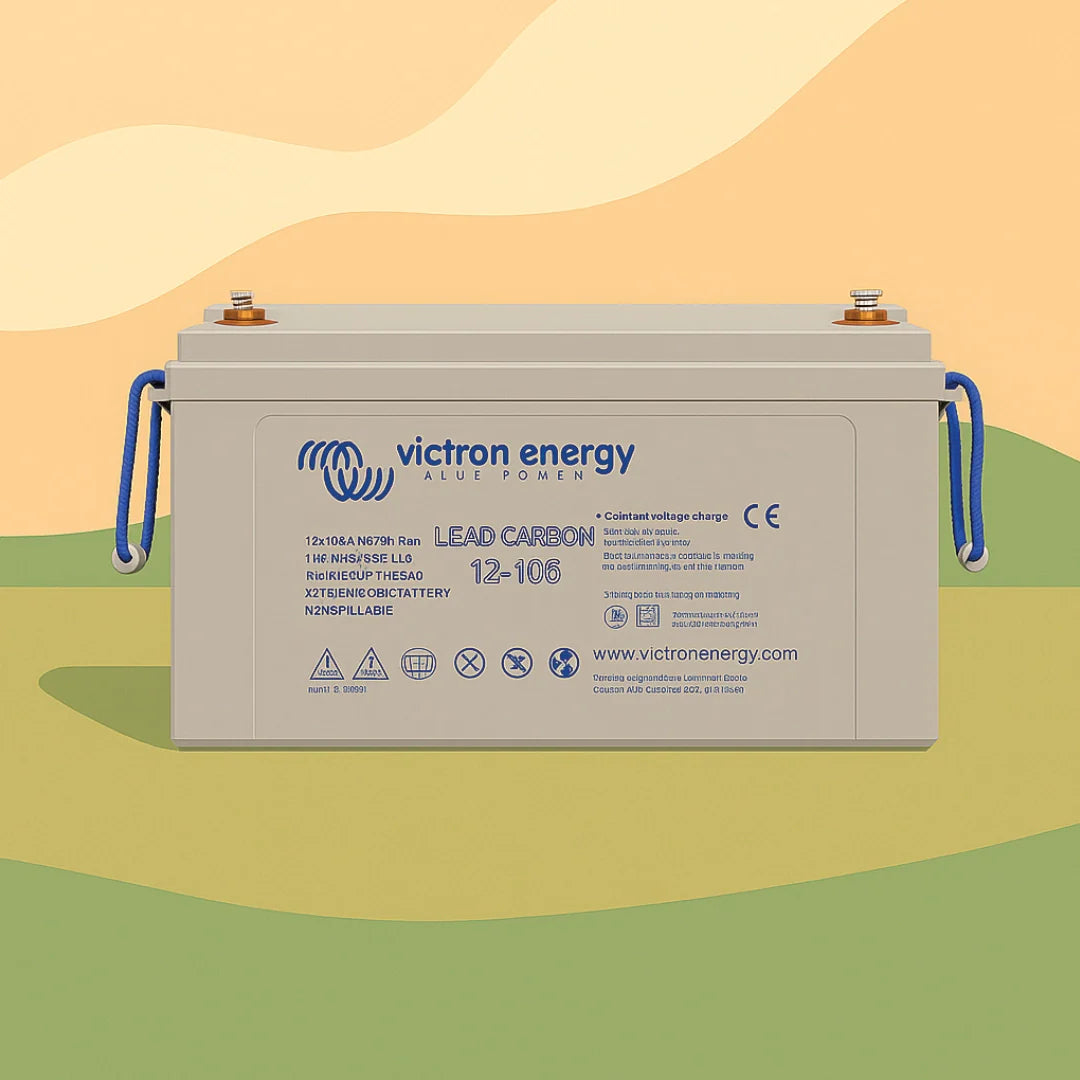
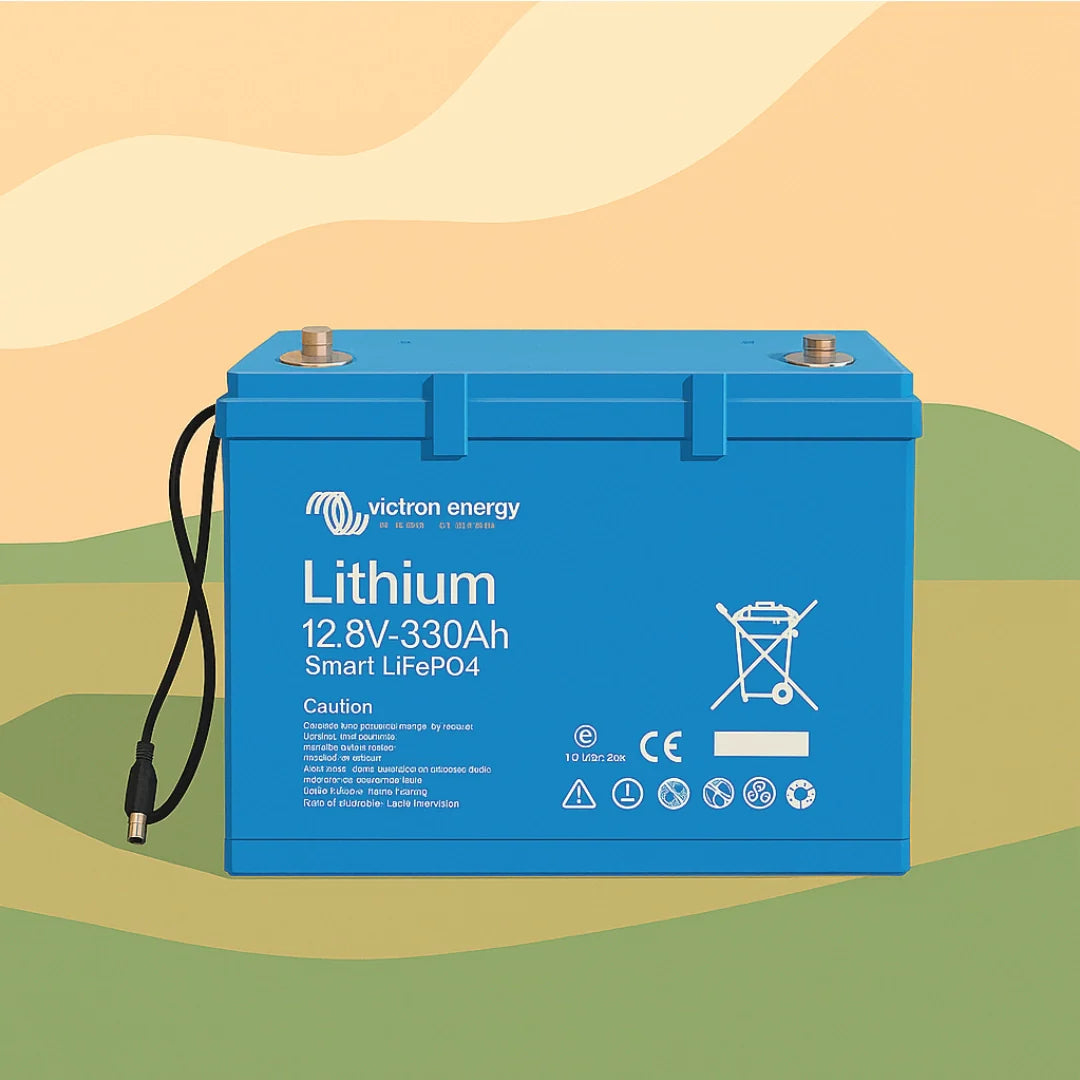
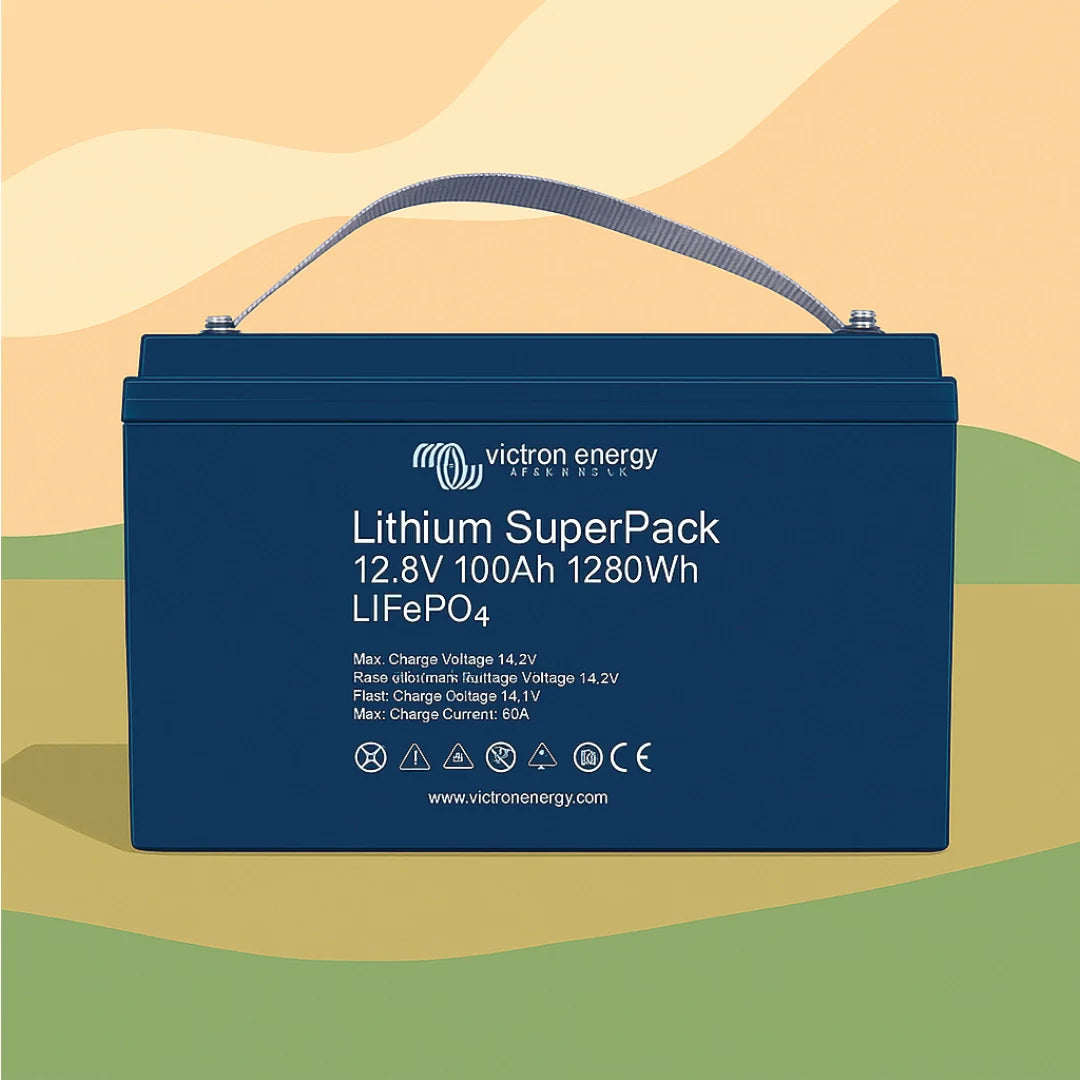
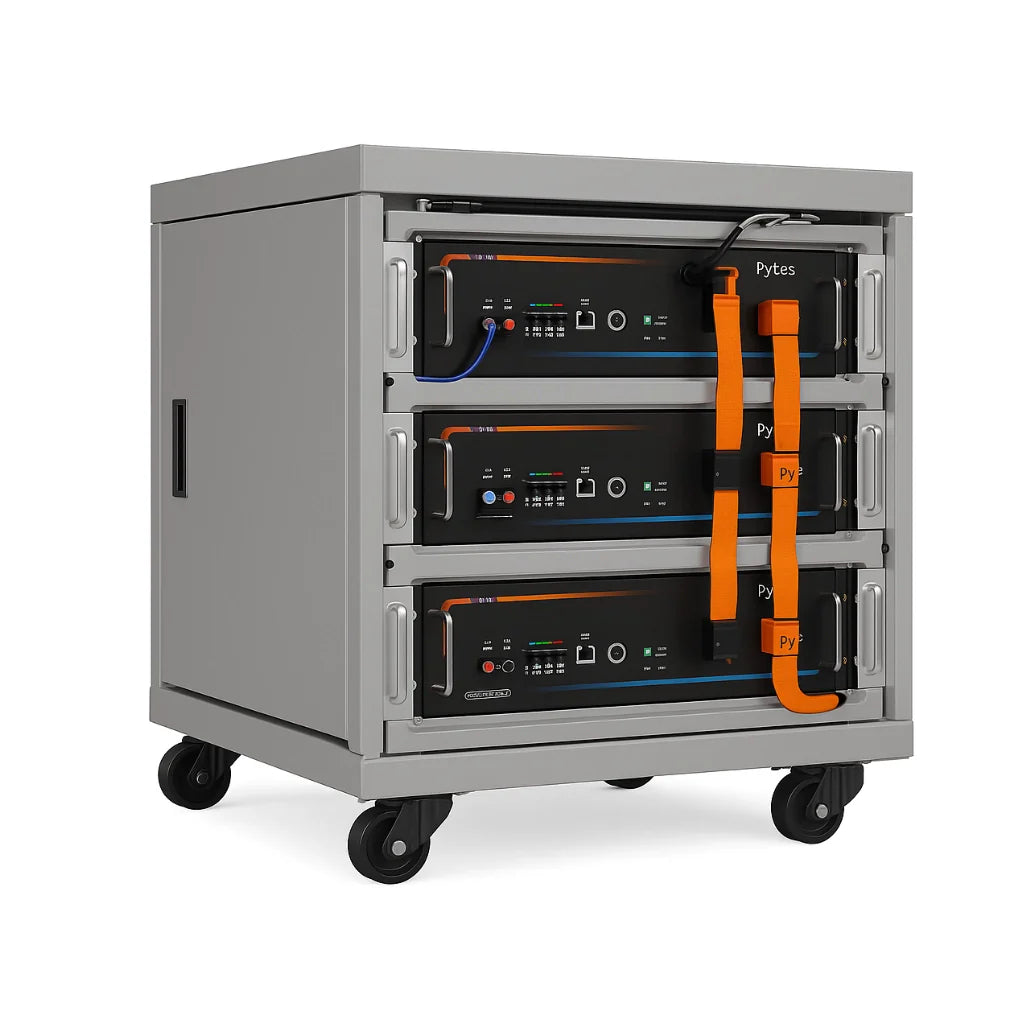
LiFePO4 (lithium iron phosphate) batteries are the definitive storage upgrade for off-grid systems. They deliver 3,000–6,000+ charge cycles and an 80–100% usable depth of discharge, compared to 500–1,000 cycles and 50% usable capacity from lead-acid batteries. That difference means a LiFePO4 bank lasts 10–15 years where a lead-acid bank typically needs replacing every 3–5 years.
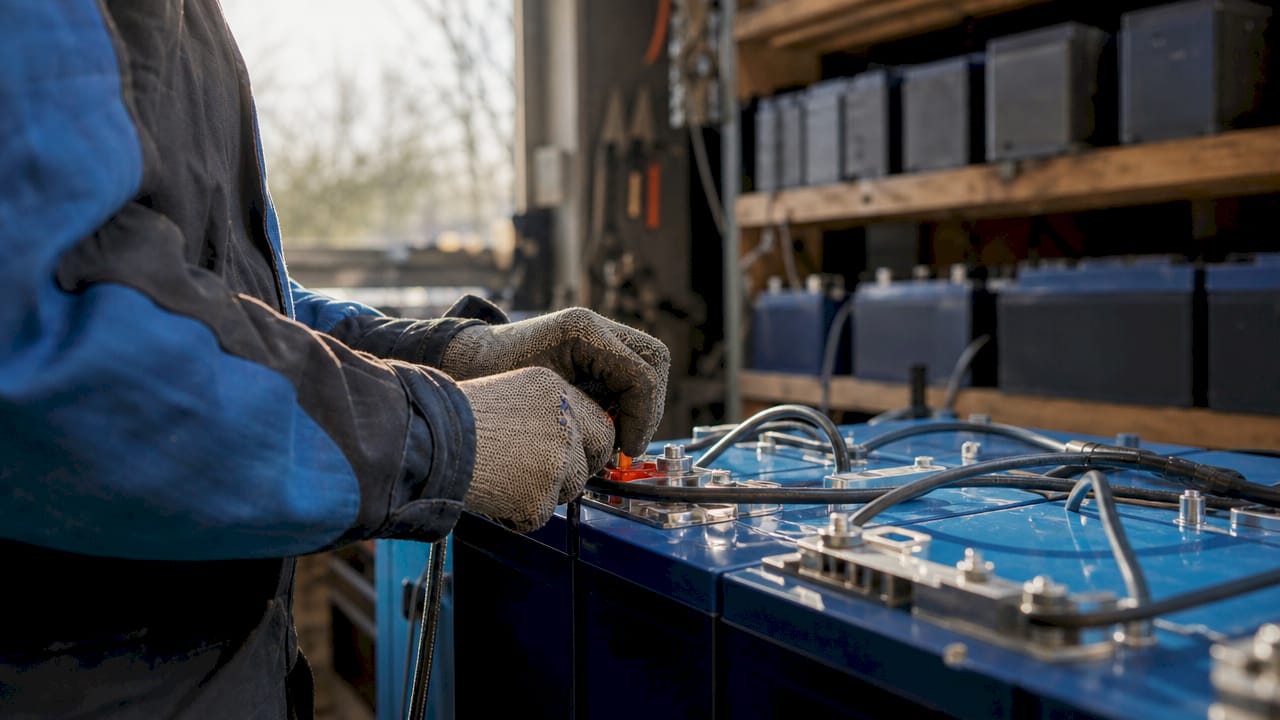
The practical impact goes beyond lifespan. Because you can use 80–100% of a LiFePO4 battery’s rated capacity, you need fewer kilowatt-hours of installed storage to meet the same daily demand. A 200Ah LiFePO4 battery delivers roughly the same usable energy as a 400Ah lead-acid battery. That halves the physical weight and space requirement, which matters enormously in campervans and motorhomes.
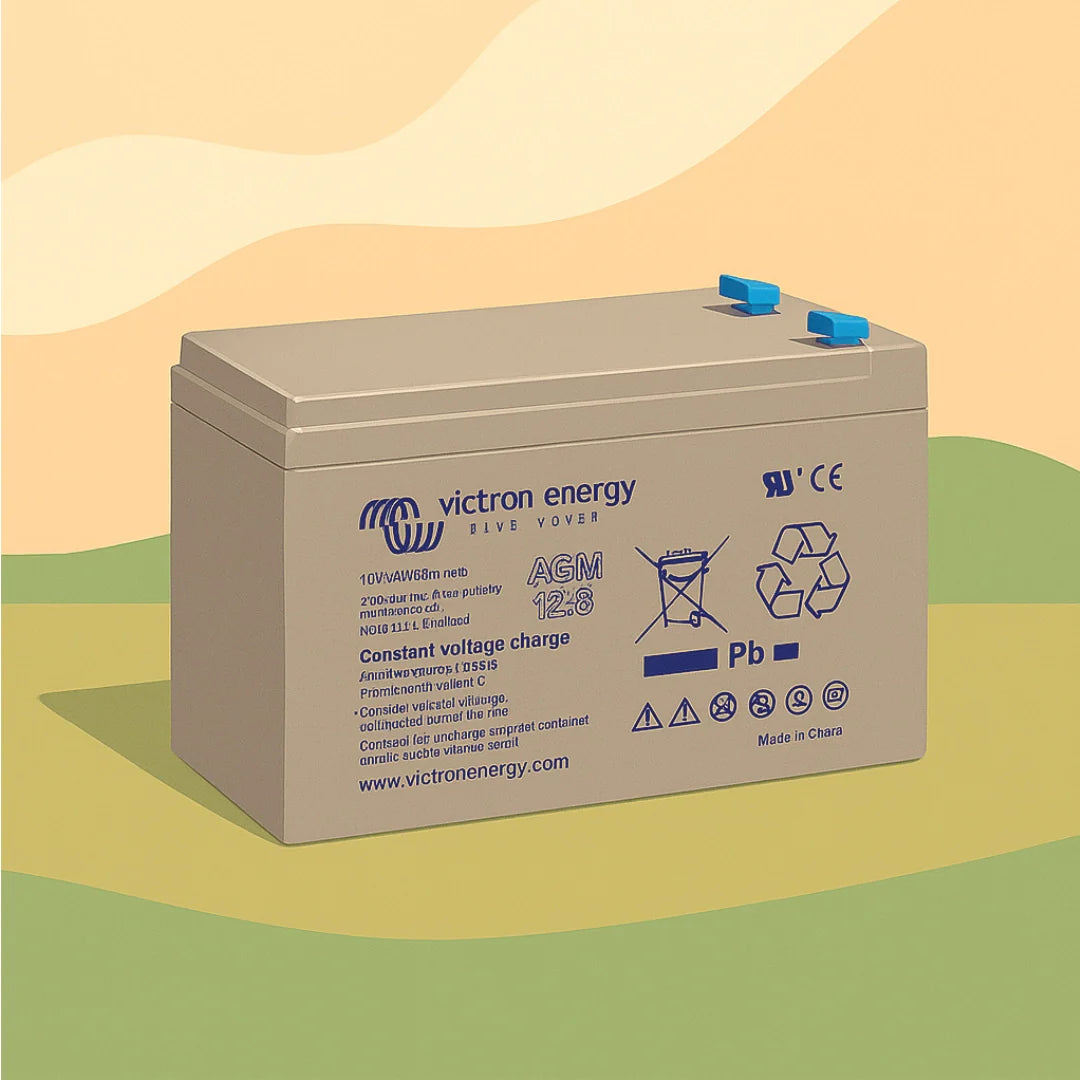
LiFePO4 batteries also perform better in temperature extremes. Lead-acid batteries lose significant capacity below 5°C, while LiFePO4 cells maintain performance down to around 0°C and recover fully once warmed. For UK winters, that reliability difference is material.
Benefits at a glance:
- Up to 10x longer cycle life than lead-acid
- Half the weight for equivalent usable capacity
- Flat discharge curve maintains stable voltage throughout the cycle
- Built-in battery management systems (BMS) protect against overcharge and over-discharge
Pro Tip: When sizing a LiFePO4 bank, calculate your daily kWh need and divide by 0.8 to account for the recommended 80% depth of discharge limit. This gives you the minimum rated capacity to install.
For a deeper look at battery technology upgrades and how LiFePO4 fits into a full system plan, Skyenergi’s 2026 best practices guide covers the topic in detail.
3. Replace modified sine wave inverters with pure sine wave units
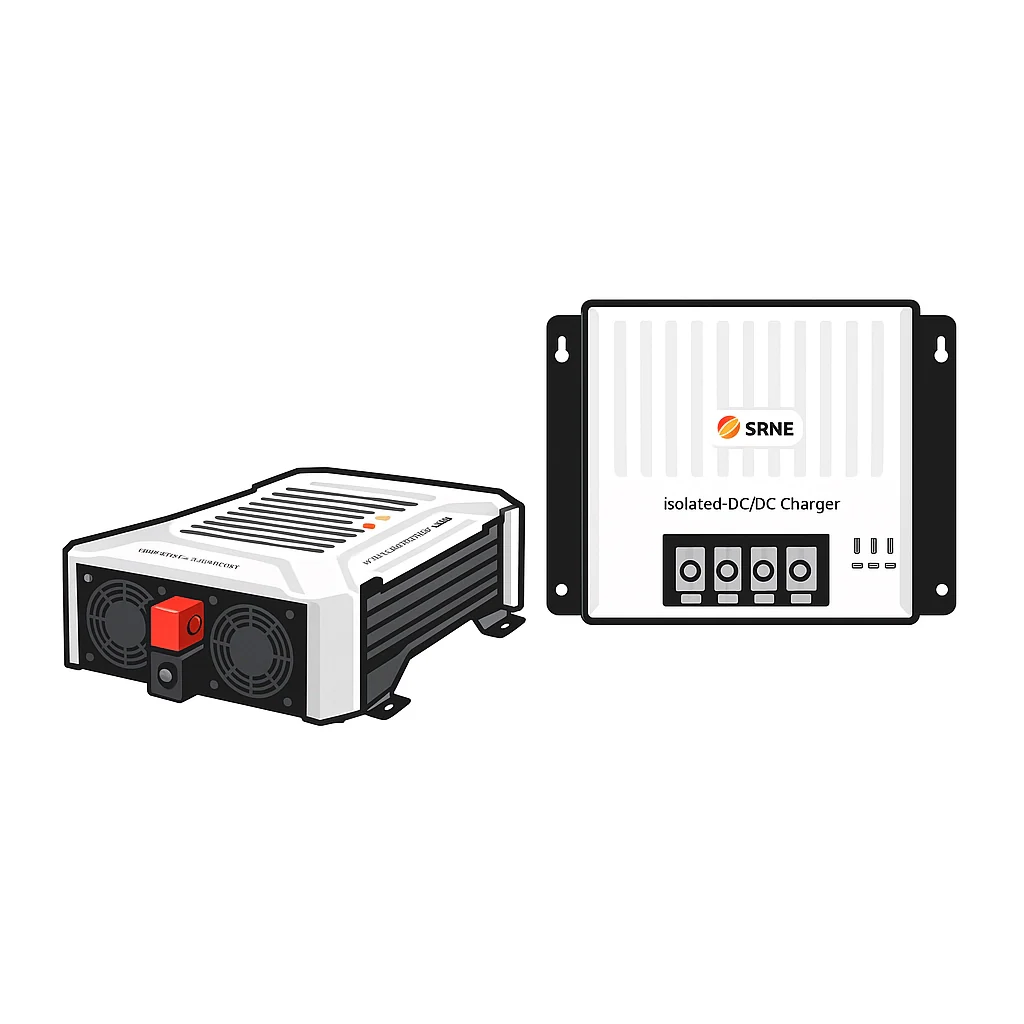
Pure sine wave inverters are a mandatory upgrade for any modern off-grid system. Modified sine wave inverters damage motors and induction appliances by delivering a stepped waveform that causes excess heat in motor windings. Variable-speed motors, induction cooktops, and sensitive electronics all require a clean sine wave to operate safely and efficiently.
The damage from modified sine wave units is often gradual and invisible until a motor fails prematurely. Appliances such as washing machines, refrigerators, and air conditioning units run hotter, draw more current, and wear out faster. The cost of replacing a compressor or motor far exceeds the price difference between inverter types.
Sizing a pure sine wave inverter correctly requires accounting for surge loads. Appliance starting currents are consistently underestimated. A refrigerator compressor rated at 150W continuous may draw 600–900W at startup. An inverter sized only for continuous load will trip or fail under that surge.
Comparison of inverter types:
| Feature | Pure sine wave | Modified sine wave |
|---|---|---|
| Waveform quality | Clean, grid-equivalent | Stepped approximation |
| Motor compatibility | Full compatibility | Risk of overheating |
| Sensitive electronics | Safe | Potential interference |
| Efficiency | Higher | Lower |
| Recommended for 2026 | Yes | No |
Pro Tip: Size your inverter for at least 2x the continuous wattage of your largest motor-driven appliance to handle startup surge without tripping.
The Skyenergi blog on pure sine wave benefits explains the technical differences in plain terms if you want to go further.
4. Expand solar array capacity with headroom for future loads
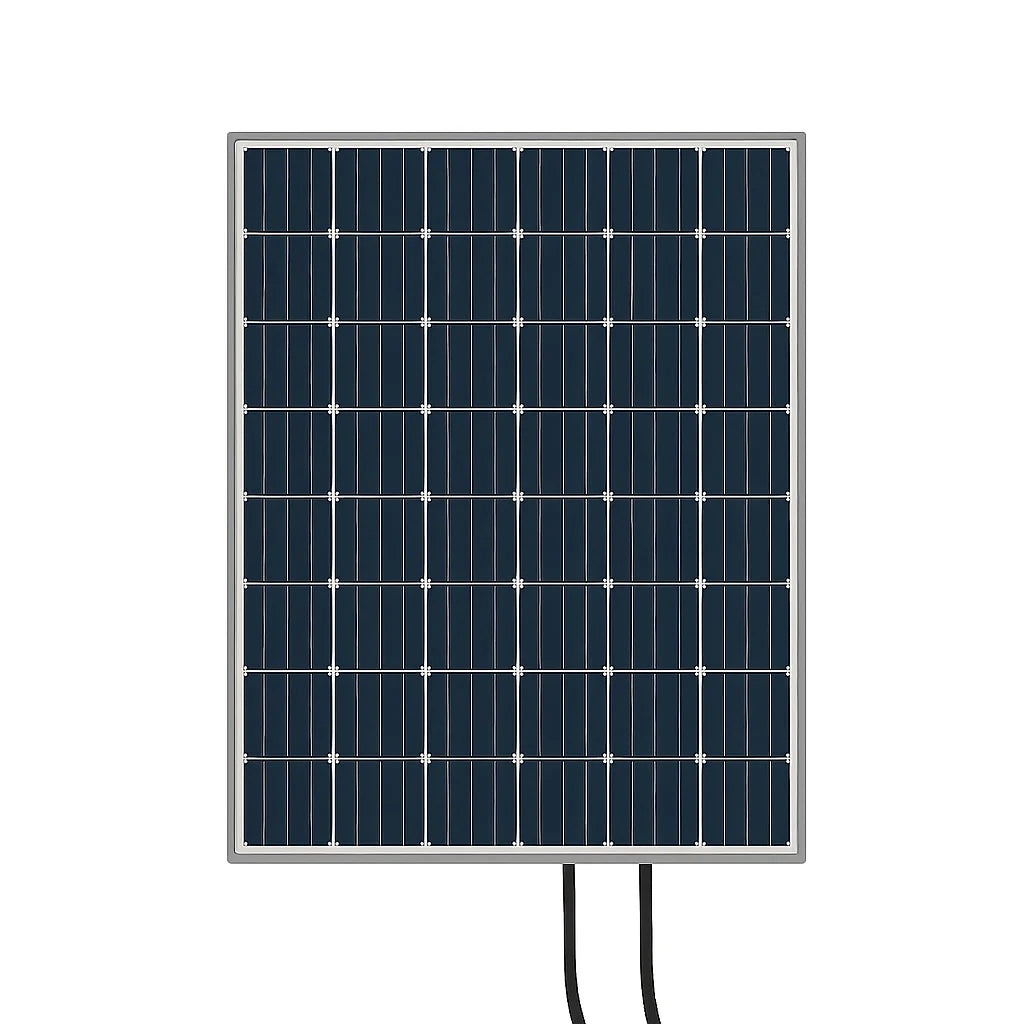
Solar array sizing is where most off-grid owners underplan. Experts recommend adding 20–30% headroom to battery and solar array sizes to accommodate future loads such as EV charging or heat pump installation. Sizing only for current needs is the most common and costly planning mistake in off-grid upgrades.
The correct sizing process starts with your daily kWh consumption, adjusted for your worst-month peak sun hours. In the UK, december and january typically deliver 1.5–2.5 peak sun hours per day depending on location. Your array must cover daily demand at that minimum solar input, not the summer average.
A practical sizing framework:
- Calculate total daily load in Wh (sum all appliances multiplied by hours of use)
- Divide by worst-month peak sun hours to get required array output in watts
- Apply a system efficiency derate of 0.75–0.80 for wiring, temperature, and soiling losses
- Add 20–30% headroom for future load growth
Panel selection matters too. Higher-efficiency monocrystalline panels produce more power per square metre, which is critical when roof or roof-rack space is limited. Mounting angle and orientation directly affect yield. A south-facing array at 35° tilt maximises annual output across most UK locations.
For detailed guidance on solar array capacity planning, Skyenergi’s dedicated article covers sizing calculations and mounting considerations.
5. Conduct a full load audit before any hardware upgrade
A load audit is the correct starting point for any off-grid system enhancement. Reducing daily load by 30% through LED lighting and efficient appliances reduces total system upgrade cost by 25–30%. That saving comes directly from smaller required battery banks, solar arrays, and inverters.
The audit process is straightforward. List every electrical load, its wattage, and its daily hours of use. Identify the highest-consumption items first. Lighting, water heating, and refrigeration typically account for 60–70% of off-grid energy demand. Switching to LED lighting and an A-rated 12V refrigerator can cut daily consumption significantly before you spend anything on generation or storage hardware.
Energy Star-rated appliances and DC-native devices (which avoid the conversion losses of AC appliances running through an inverter) compound the savings further. A 12V DC compressor fridge uses roughly half the energy of an equivalent AC fridge running through an inverter.
Pro Tip: Complete your load audit and implement efficiency measures before purchasing any new hardware. Every watt-hour you remove from daily demand reduces the size and cost of every component you need to buy.
6. Plan for cascade failures when upgrading components
Increasing system capacity without re-assessing related components leads to cascade failures where new parts overload existing controllers or wiring. This is the most expensive mistake in off-grid upgrades and the one most owners discover too late.
A common example: adding a larger LiFePO4 battery bank to an existing system without checking whether the charge controller can deliver sufficient charge current. An undersized controller will charge the new bank too slowly, reducing its effective capacity and potentially causing cell imbalance over time. Similarly, upgrading solar panels without checking cable ratings can cause wiring to overheat under the increased current.
The solution is a whole-system audit before any upgrade. Check that every component downstream of the upgrade can handle the new capacity. Wiring gauge, fuse ratings, busbar capacity, and charge controller current limits all need verification. Skyenergi’s troubleshooting guide for battery systems covers the most common cascade failure points in detail.
7. Size generator backup for charging, not peak household load
A backup generator is a practical complement to any off-grid solar system, particularly during extended low-sun periods. A generator sized at 7–12kW handles inverter charge rates and critical loads during cloudy periods without the inefficiency of an oversized unit running at low load.
The key insight is that generator sizing should match battery charging requirements and critical loads, not the theoretical maximum household demand. Running a large generator at 20–30% load wastes fuel and accelerates engine wear. A correctly sized unit runs at 70–80% load during charging cycles, which is the most efficient and reliable operating range.
Backup generator sizing should account for the inverter-charger’s maximum AC input current, not simply the sum of all appliances. Most modern inverter-chargers allow you to set a maximum generator input limit, which prevents overloading a smaller generator while still charging the battery bank efficiently.
Key takeaways
The most effective off-grid system upgrades follow a clear sequence: audit loads first, then upgrade storage and charge control, then expand generation capacity with headroom for future demand.
| Point | Details |
|---|---|
| MPPT controllers first | MPPT delivers 20–30% more energy harvest than PWM for systems above 400W. |
| LiFePO4 for storage | LiFePO4 batteries last 10–15 years and offer 80–100% usable depth of discharge. |
| Pure sine wave mandatory | Modified sine wave inverters damage motors; replace them before adding any new loads. |
| Size with 20–30% headroom | Plan solar and battery capacity for future EV or heat pump loads, not just current demand. |
| Audit before you buy | A 30% load reduction cuts total upgrade cost by 25–30% before any hardware is purchased. |
Why upgrade sequencing matters more than component choice
The off-grid owners I see struggle most are not those who chose the wrong battery chemistry or the wrong inverter brand. They are the ones who upgraded components in the wrong order. Adding a large LiFePO4 bank to a system still running a PWM controller and modified sine wave inverter does not fix the underlying inefficiencies. It just makes them more expensive.
My consistent recommendation is to start with the load audit, then address power quality with a pure sine wave inverter, then upgrade the charge controller to MPPT, and only then expand battery and solar capacity. Each step informs the next. The load audit tells you how much storage you actually need. The MPPT controller tells you how efficiently your panels can fill that storage. The inverter upgrade tells you what your appliances can safely draw.
The other pitfall I see regularly is ignoring surge loads. A system that runs perfectly under steady-state conditions will trip the moment a compressor or pump starts. Surge loads cause inverter trips and equipment damage that could be avoided entirely by sizing the inverter correctly from the start. Build in the headroom. It costs less than the callout.
— John
Skyenergi’s off-grid upgrade solutions
Skyenergi stocks a full range of components for the upgrades covered in this article, sourced directly from manufacturers to keep prices competitive.

For solar array upgrades, the Victron MPPT solar systems combine high-efficiency panels with Victron Smart MPPT controllers in a single kit. Skyenergi also carries complete panel and controller bundles at multiple capacity points to match your system size. LiFePO4 battery options, pure sine wave inverters, and the SRNE battery monitor for real-time system health tracking are all available through the Skyenergi shop. Contact the Skyenergi team directly for guidance on component compatibility before purchasing.
FAQ
What is the first upgrade to make on an off-grid system?
Conduct a load audit first to identify inefficiencies and reduce daily demand. Every watt-hour removed from consumption reduces the size and cost of every hardware upgrade that follows.
How much more efficient is MPPT over PWM?
MPPT charge controllers improve energy harvest by 20–30% over PWM models for systems above 400W. The gain comes from decoupling panel voltage from battery voltage to operate panels at their maximum power point.
Can I keep my modified sine wave inverter if I upgrade my batteries?
No. Modified sine wave inverters damage motors and induction appliances regardless of battery type. Replacing the inverter with a pure sine wave unit is a mandatory step before adding new loads or expanding storage.
How much headroom should I add when sizing solar and batteries?
Add 20–30% above your calculated current demand. That margin accommodates future loads such as EV charging or heat pumps without requiring a full system replacement.
What causes cascade failures in off-grid upgrades?
Cascade failures occur when one component is upgraded without checking whether related components can handle the increased capacity. Always audit wiring, fuse ratings, and controller current limits before installing larger batteries or additional solar panels.
Recommended
Prev post

The role of battery enclosures in energy storage systems
Updated on 02 July 2026
Next post

Solar array configuration explained for DIY builders
Updated on 30 June 2026


