





Best practices for off-grid systems: 2026 guide
Discover the best practices for off-grid systems in 2026. Ensure reliable energy with LiFePO4 batteries, pure sine wave inverters, and more.
Off-grid energy systems are defined as self-contained power setups that operate entirely independently of the national grid, relying on local generation and storage to meet all household demand. Following the best practices for off-grid systems is the difference between a reliable, long-term energy solution and a costly series of failures. The core components that determine success are lithium iron phosphate (LiFePO4) batteries, pure sine wave inverters, correctly sized solar arrays, and hybrid backup sources. Get these right from the start and your system will deliver consistent, sustainable off-grid solutions for decades.
1. Why LiFePO4 batteries lead off-grid energy storage
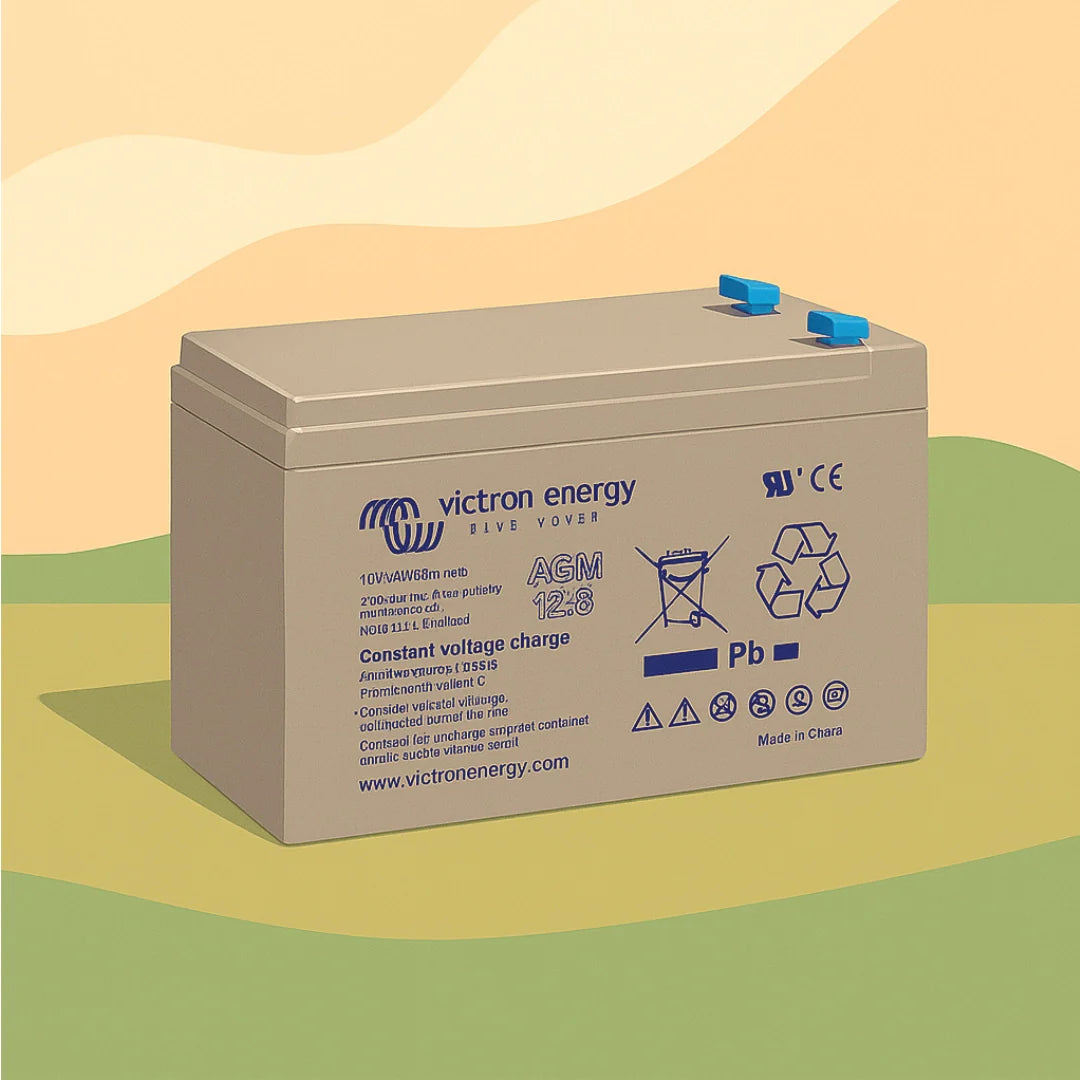
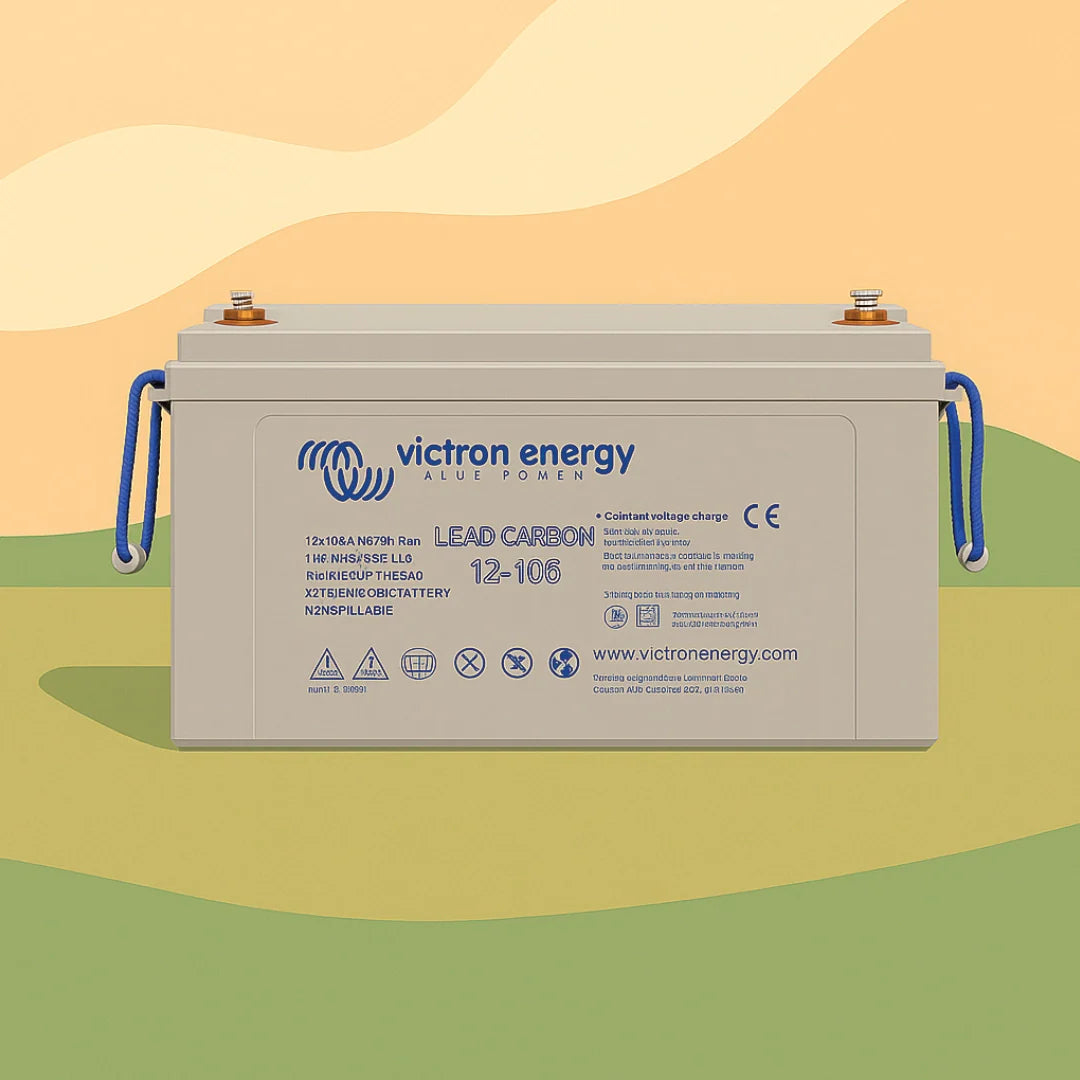
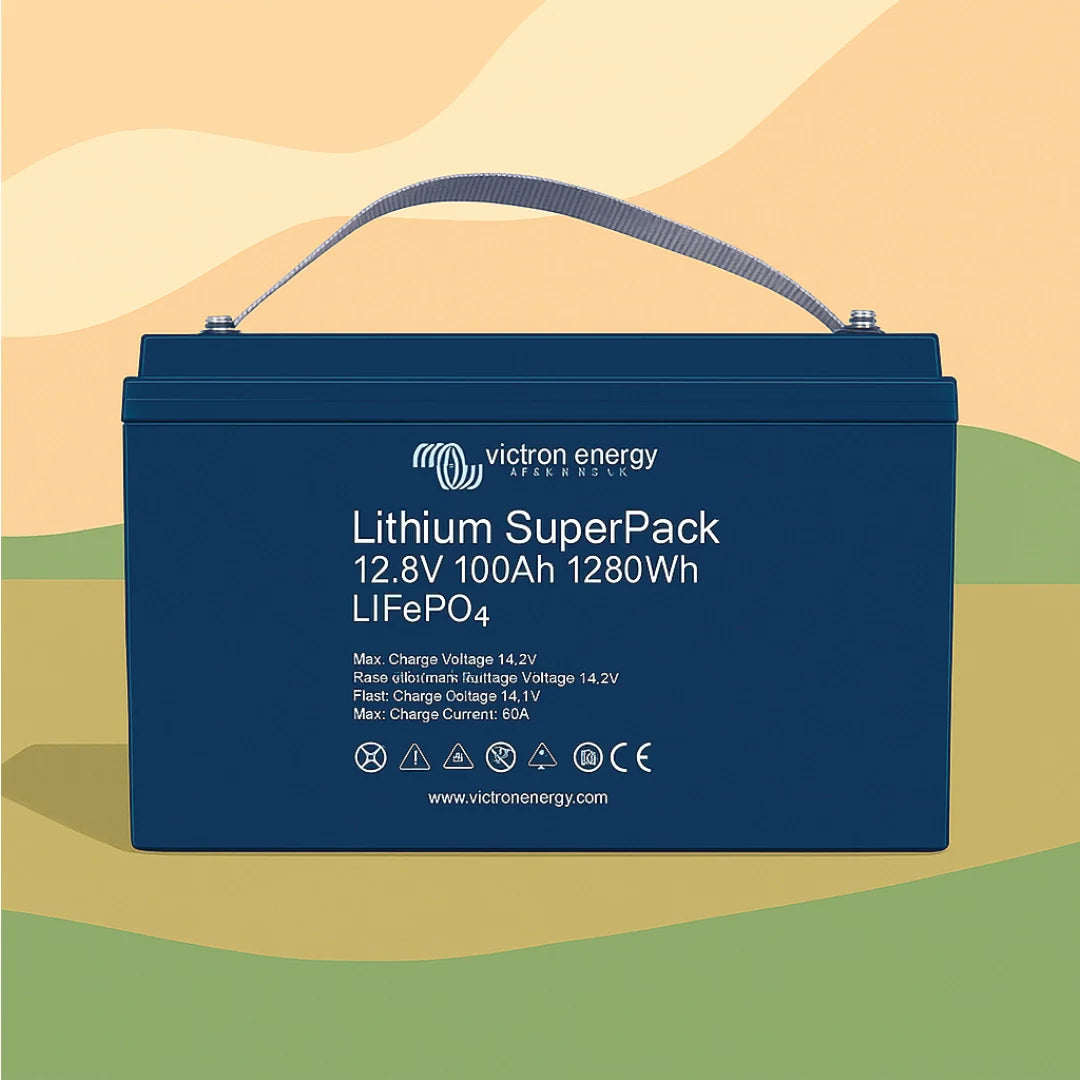
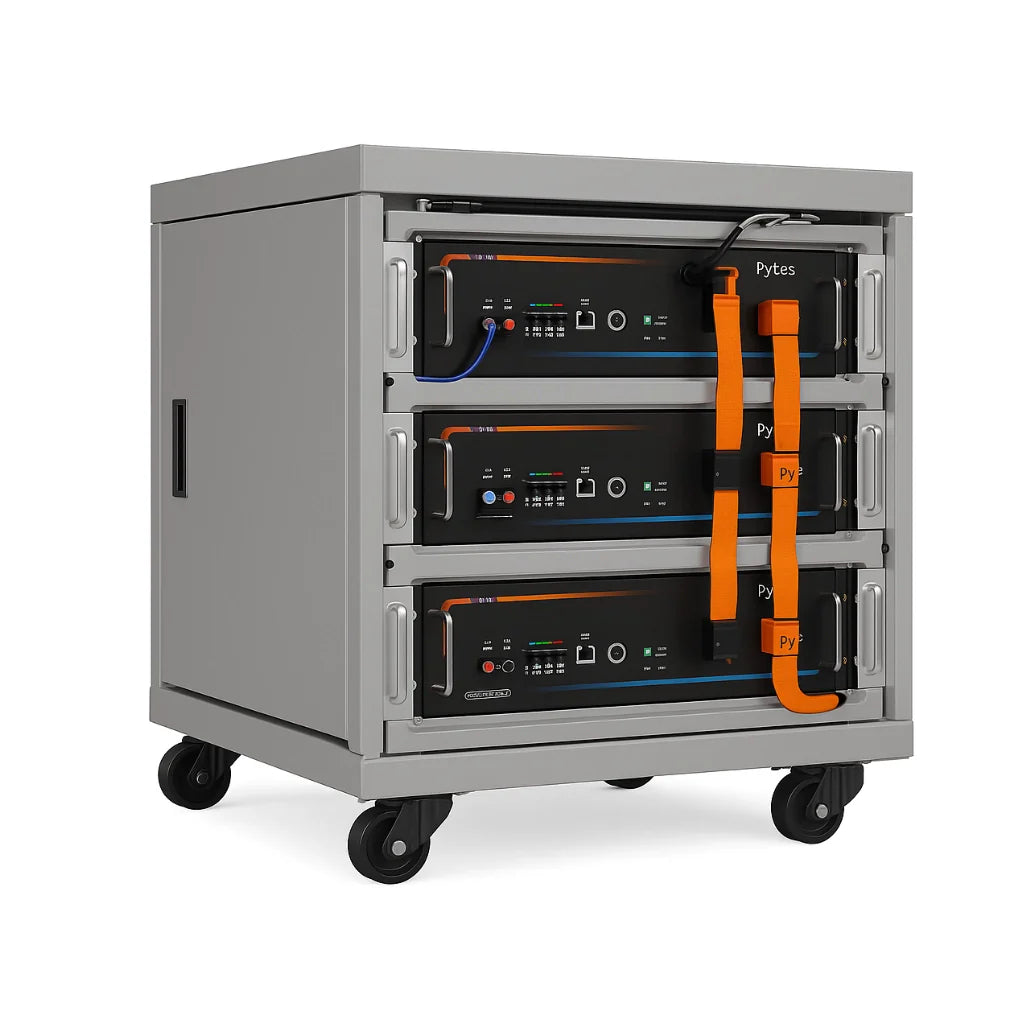
LiFePO4 batteries are the correct choice for off-grid energy storage in 2026. LiFePO4 supports 90% depth of discharge and delivers 6,000 or more charge cycles, compared to lead-acid batteries which are limited to 50% depth of discharge and far shorter service lives. That difference means you get roughly twice the usable capacity from the same rated bank size.
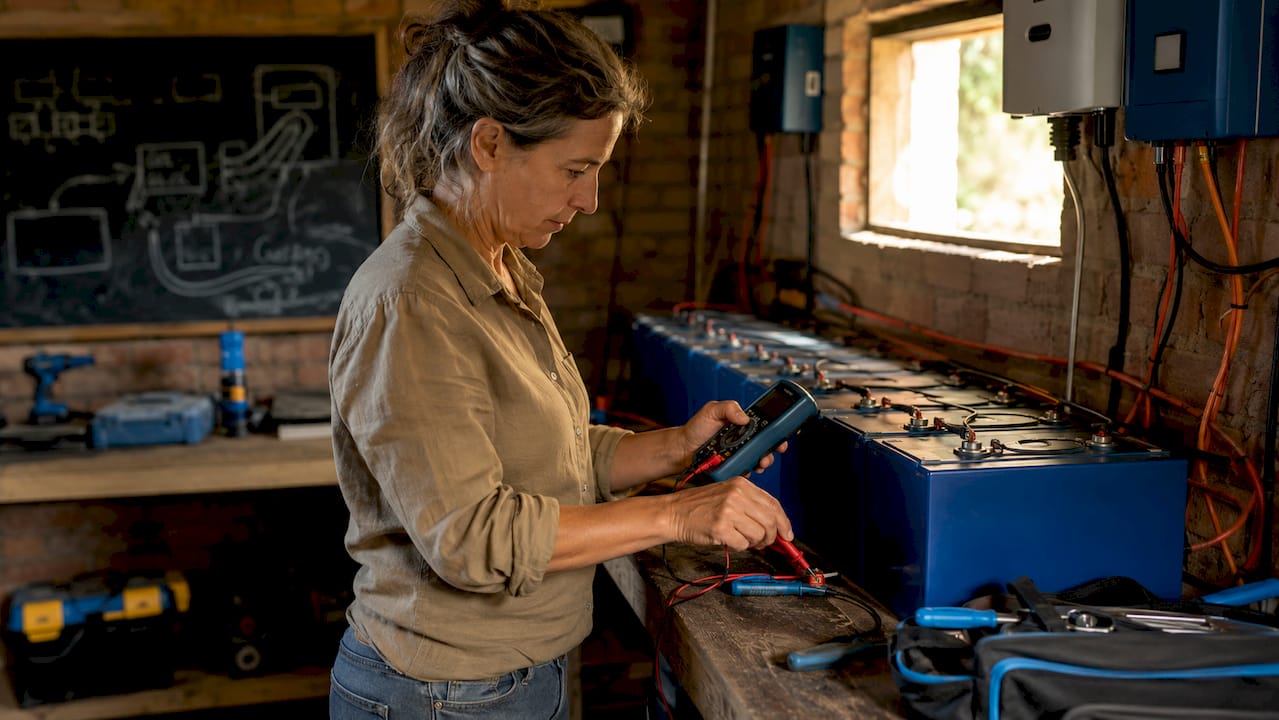
The lifecycle cost advantage is significant. A lead-acid bank may need replacing every three to five years. A quality LiFePO4 bank, managed correctly, can last fifteen years or more. Over that period, the higher upfront cost of lithium reverses into a clear saving.
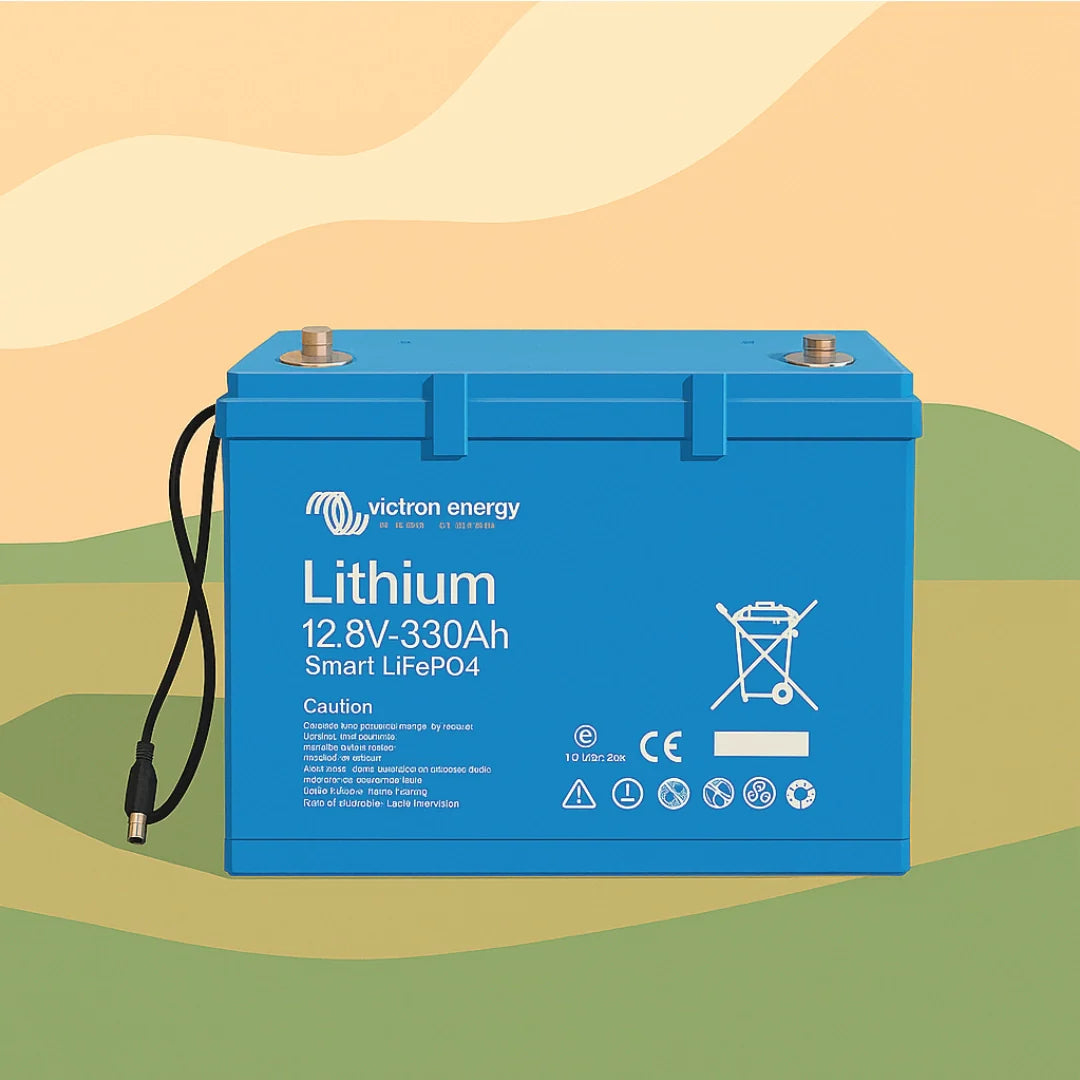
Weight and space matter too, particularly for households with limited installation room. LiFePO4 cells are substantially lighter and more compact than equivalent lead-acid units. Skyenergi’s own lithium leisure batteries include intelligent battery management systems (BMS) with Bluetooth monitoring, so you can track state of charge and system health in real time without specialist equipment.
- Depth of discharge: 90% usable capacity vs 50% for lead-acid
- Cycle life: 6,000+ cycles vs typically 500–1,200 for lead-acid
- Weight: significantly lighter per usable kWh
- Safety: integrated BMS prevents overcharge, over-discharge, and thermal events
- Monitoring: Bluetooth-enabled BMS gives live data on cell voltage and temperature
Pro Tip: Size your LiFePO4 bank to cover two to three days of autonomy without solar input. This buffer handles poor weather without stressing the cells or triggering deep discharge events.
For a detailed breakdown of chemistry and performance, Skyenergi’s guide on lithium iron phosphate technology covers the fundamentals clearly.
2. How to select and size the right inverter
Pure sine wave inverters are mandatory for residential off-grid systems. Modified sine wave inverters cause equipment failures in sensitive electronics including variable-speed motors, medical devices, and modern appliances. The cost saving on a modified sine wave unit is not worth the risk of damaging expensive equipment.
Surge loads are the most common cause of inverter shutdowns. Pumps, compressors, and refrigerator motors draw three to four times their running wattage at start-up. Inverters must be sized with a 20–30% buffer above the peak simultaneous load to handle these surges safely. Undersizing here leads to repeated shutdowns and premature inverter failure.
Inverter sizing by household scale:
| Household type | Continuous load | Recommended inverter size |
|---|---|---|
| Small cabin or van | Up to 1,500 W | 2,000–3,000 W |
| Medium off-grid home | 1,500–3,000 W | 4,000–5,000 W |
| Large off-grid home | 3,000 W+ | 6,000–8,000 W |
- Calculate total running wattage of all simultaneous loads
- Identify the highest surge load in the system (typically a pump or compressor)
- Add 20–30% buffer to the combined peak figure
- Choose a pure sine wave unit rated above that total
Pro Tip: Check the inverter’s surge rating, not just its continuous rating. A 3,000 W continuous inverter may only handle a 6,000 W surge. Some pumps require more than that at start-up.
Skyenergi’s article on pure sine wave inverter benefits explains the technical differences in plain terms.
3. Sizing your system for real-world conditions
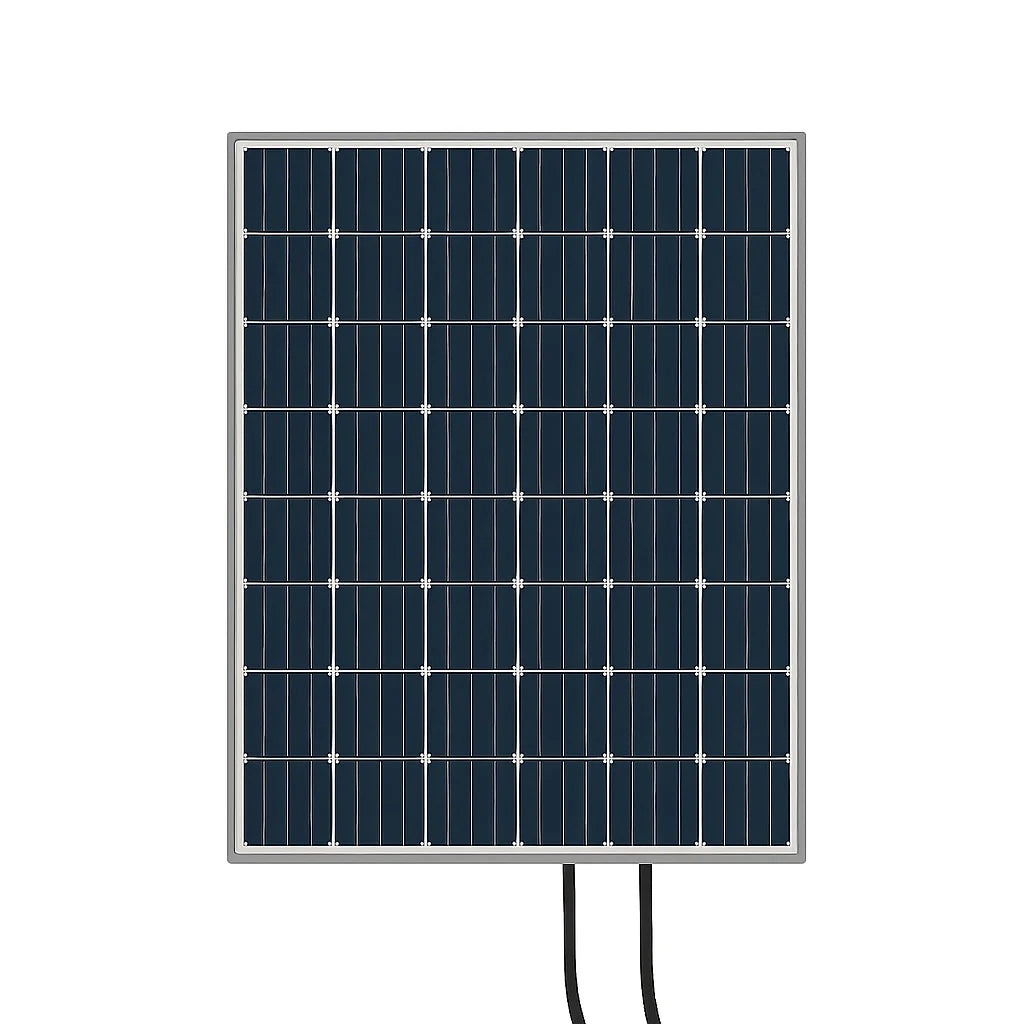
Size your solar array to the worst month, not the annual average. In the UK and Northern Europe, december delivers the lowest peak sun hours of the year. A system sized to the annual average will run short of power every winter. That is the single most common design error in new off-grid installations.
Autonomy days matter as much as array size. Build your battery bank to cover at least two to three days of full household consumption without any solar input. This covers extended overcast periods without forcing the generator to run constantly.
Hybrid systems combining solar, wind, and biomass CHP improve reliability and reduce fossil fuel backup needs in variable climates. Wind generation complements solar well in the UK because wind speeds tend to be higher in winter, precisely when solar output drops. Adding even a small wind turbine to a solar array significantly reduces the number of generator run hours per year.
- Calculate daily consumption in watt-hours across all seasons
- Identify your worst-month peak sun hours for your location
- Divide daily consumption by worst-month peak sun hours to find minimum array size
- Add 20–25% to account for system losses and panel degradation
- Size battery bank for two to three days of autonomy
- Assess shading from trees, buildings, and terrain at all times of day
- Plan generator integration as a firm backup, not an afterthought
Site assessment checklist:
| Factor | What to check |
|---|---|
| Solar irradiation | Worst-month peak sun hours for your postcode |
| Shading | Morning, midday, and afternoon shadow mapping |
| Temperature | Panel derating at high temperatures |
| Wind resource | Average wind speed at hub height if adding turbine |
| Planning permission | Local authority rules for panels and turbines |
4. Essential setup and maintenance practices
Routine maintenance prevents faults and extends component life. Solar panels accumulate dust, bird droppings, and lichen over time. A dirty panel can lose a meaningful portion of its rated output. Cleaning panels two to four times per year, more often in dusty or coastal locations, keeps generation at full capacity.
Battery enclosures need adequate ventilation and temperature management. LiFePO4 batteries perform best between 10°C and 35°C. Temperatures below 0°C reduce charge acceptance significantly. Insulating the battery enclosure in cold climates and shading it in hot ones extends cell life.
- Panel cleaning: remove debris and biological growth regularly
- Electrical connections: check torque and inspect for corrosion every six months
- Battery state of charge: monitor via BMS app and avoid persistent low-charge states
- Generator servicing: change oil and filters per manufacturer schedule
- Wiring inspection: look for chafing, UV degradation, and loose terminals annually
Pro Tip: Set a low-voltage disconnect on your BMS or charge controller to cut loads before the battery reaches a damaging state of charge. This single setting prevents the most common cause of premature battery failure.
For a structured fault-finding process, Skyenergi’s guide on troubleshooting off-grid power covers the most frequent failure points and their fixes.
5. Cost-effective strategies for budget-conscious off-grid living
Start modular and expand deliberately. A smaller LiFePO4 bank bought now costs less upfront and can be expanded as budget allows, provided you choose a battery with a compatible BMS architecture from the outset. Buying a large lead-acid bank to save money initially often costs more over five years once replacement cycles are factored in.
Load management is more cost-effective than hardware oversizing. Running washing machines, dishwashers, and power tools during peak solar hours reduces the draw on stored energy. Automatic load-shedding relays can be configured to drop non-critical loads before the battery reaches a low state of charge. This protects the battery bank without requiring a larger, more expensive system.
- Modular battery banks: start with a smaller LiFePO4 bank and add capacity later
- Efficient appliances: A-rated white goods and LED lighting cut daily consumption significantly
- Behavioural load shifting: schedule heavy loads for midday when solar output peaks
- Automatic load shedding: use relays to protect batteries during extended low-production periods
- Affordable pure sine wave inverters: entry-level pure sine wave units from reputable brands cost far less than they did five years ago and are now accessible for most budgets
Inadequate planning on sun exposure, zoning laws, and water rights is the main cause of new off-grid system failures. Spending time on local due diligence before purchasing equipment saves far more money than any component discount.
Key takeaways
Reliable off-grid energy independence requires correct battery chemistry, surge-rated pure sine wave inverters, worst-month system sizing, and consistent maintenance.
| Point | Details |
|---|---|
| Choose LiFePO4 batteries | LiFePO4 delivers 90% usable capacity and 6,000+ cycles, outperforming lead-acid on every metric. |
| Use pure sine wave inverters | Modified sine wave inverters damage sensitive electronics; pure sine wave is the only safe choice. |
| Size to the worst month | Design your array for december solar output, not annual averages, to avoid winter power failures. |
| Integrate backup generation | A correctly sized generator covers extended low-production periods and protects battery health. |
| Maintain regularly | Clean panels, check connections, and monitor battery state of charge to prevent premature failures. |
What I have learned from real off-grid installations
The mistakes I see most often are not technical. They are planning failures. People buy good equipment, install it reasonably well, and then discover in january that their system is undersized for winter. They sized it to a sunny week in august and assumed that would be representative. It never is.
The second most common error is skipping the generator entirely. A backup generator sized to the inverter charger’s maximum charging current plus critical load is not optional for a serious off-grid home. It is the safety net that makes the whole system viable. Integrating a correctly sized generator is fundamental, not a luxury addition.
My strongest recommendation is to treat load management as a design tool, not an afterthought. Before spending money on a larger battery bank or more panels, look at what you are running and when. Shifting heavy loads to solar peak hours and fitting automatic load-shedding relays often delivers more resilience than adding hardware. The system becomes more reliable and the cost stays lower. That combination is hard to argue with.
— John
Ready to build a reliable off-grid setup with Skyenergi?
Skyenergi supplies a complete range of off-grid energy components, from high-performance lithium battery systems to Victron Energy solar solutions. The Victron Energy Solar Home System 200 MPPT is a feature-complete solution for households starting their off-grid journey, combining a smart MPPT charge controller with proven Victron reliability. For larger setups, the Victron 305 W solar panel bundle includes a smart MPPT controller, cabling, mounting hardware, and gland fittings in a single order.

All Skyenergi products are sourced directly from manufacturers, keeping prices competitive without compromising on quality. Browse the full catalogue at skyenergi.com to find the right components for your system.
FAQ
What battery type is best for off-grid systems?
LiFePO4 (lithium iron phosphate) is the best battery type for off-grid systems. It supports 90% depth of discharge, delivers 6,000 or more cycles, and includes built-in battery management for safe, long-term operation.
Do I need a pure sine wave inverter for off-grid living?
Yes. Pure sine wave inverters are required for residential off-grid systems to protect sensitive electronics. Modified sine wave inverters cause failures in modern appliances, variable-speed motors, and medical devices.
How do I size an off-grid solar system correctly?
Size your solar array to the lowest peak sun hours of the year, typically december in the UK, not the annual average. Size your battery bank to cover two to three days of consumption without solar input.
How often should I maintain my off-grid system?
Clean solar panels two to four times per year, check electrical connections every six months, and monitor battery state of charge continuously via a BMS app. Annual wiring inspections catch degradation before it causes failures.
Can I expand an off-grid system after installation?
Yes, provided you choose modular LiFePO4 batteries with a compatible BMS architecture from the outset. Skyenergi’s lithium battery range is designed with expandability in mind, allowing capacity to be added as needs or budget grow.
Recommended
Prev post

Top 3 baymarinesupply.com Alternatives 2026
Updated on 22 June 2026
Next post

Understanding battery C-rate: a practical guide
Updated on 20 June 2026


