





Understand expandable power systems for off-grid adventures
Discover expandable power systems explained for off-grid adventures! Learn how to adapt your energy needs with modular solutions and avoid costly mistakes.
TL;DR:
- Expandable power systems allow capacity and output to grow by adding modules, avoiding complete replacements as energy needs change. Open modular architectures offer greater flexibility and future upgrade options compared to proprietary solutions, making them ideal for full-time off-grid use and evolving lifestyles. Proper planning, system auditing, and compatibility considerations are essential to maximize long-term benefits and energy independence.
Portable power stations and fixed battery banks look similar on paper, yet they behave very differently when your energy needs change mid-trip. Many UK campers, van lifers, and marina dwellers buy a single-unit solution, only to discover it cannot grow with them. True expandable power systems are not simply larger batteries—they are architectures designed to accept new modules, additional storage, and upgraded components as real-life demands evolve. This guide breaks down how expandable systems work, the key differences between proprietary and open modular approaches, practical applications, and the mistakes most buyers make before spending wisely.
Table of Contents
- What are expandable power systems?
- Types of expandable power systems: proprietary vs open modular
- How expandable power systems empower off-grid living
- Common mistakes and pro tips when expanding your power system
- Why true energy independence demands modular thinking
- Find the right expandable system for your adventure
- Frequently asked questions
Key Takeaways
| Point | Details |
|---|---|
| Not all systems are equal | Proprietary and open modular expandable power systems differ greatly in flexibility and upgrade potential. |
| Plan for future needs | Choose an expandable system that can adapt as your off-grid ambitions or appliances grow. |
| Real-life benefits | Expandable solutions help leisure travellers and marine users extend trips, power more gear, and enjoy true freedom. |
| Avoid expansion pitfalls | Watch for compatibility traps, capacity limits, and ensure proper system monitoring as you add components. |
What are expandable power systems?
An expandable power system is any energy storage and delivery setup that allows capacity or output to be increased by adding components—additional battery modules, extra solar input, or upgraded inverters—without replacing the entire system. This is fundamentally different from fixed-capacity solutions, where the unit you buy is the unit you keep, regardless of how your needs change.
Fixed systems have their place. A compact 500Wh station suits a weekend cyclist carrying minimal kit. But for anyone running a campervan full-time, keeping a narrowboat powered through winter, or managing a remote off-grid cabin, a single fixed unit will hit its ceiling quickly. Expandable systems solve this by building growth into the design from day one.
Key components that make up a typical expandable power system include:
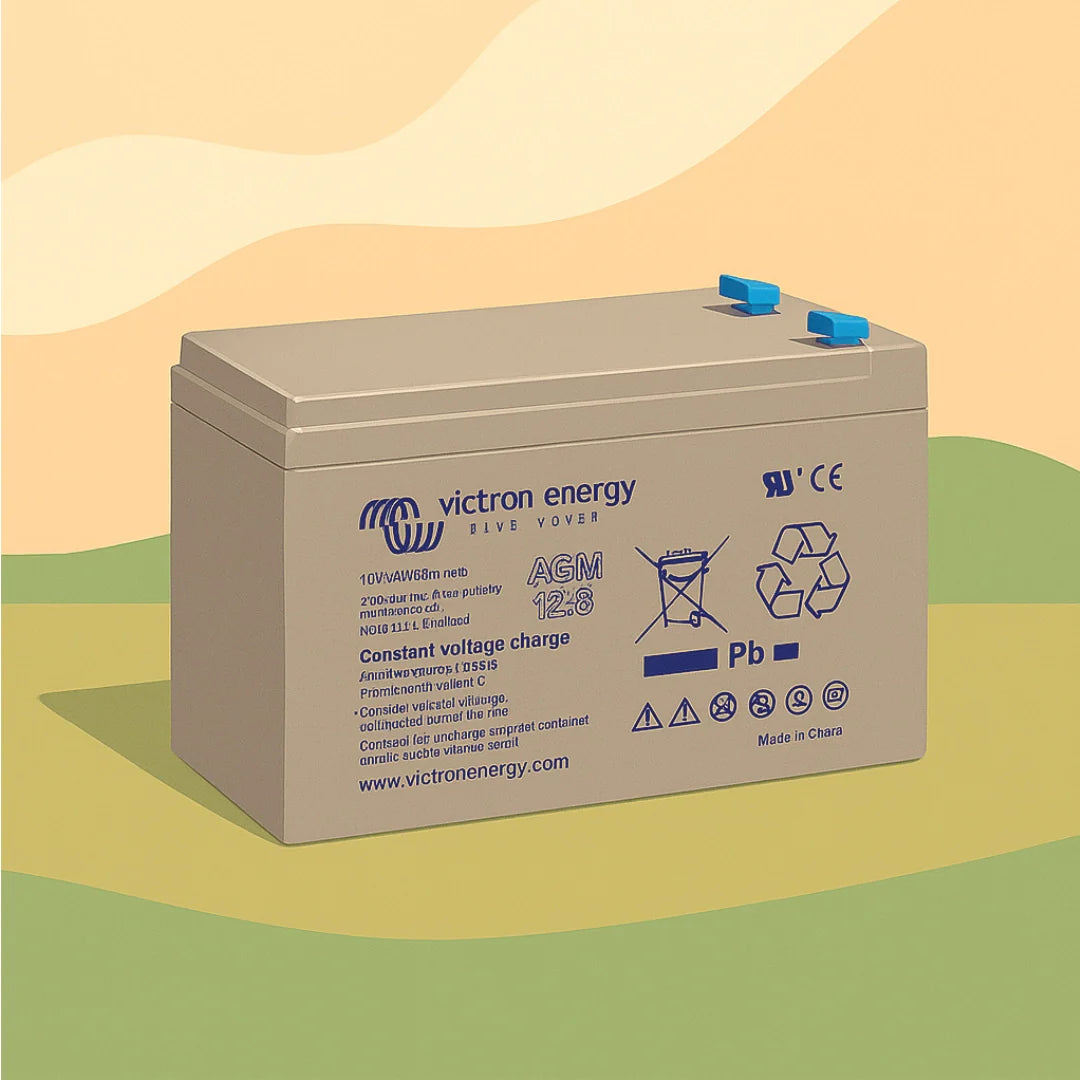
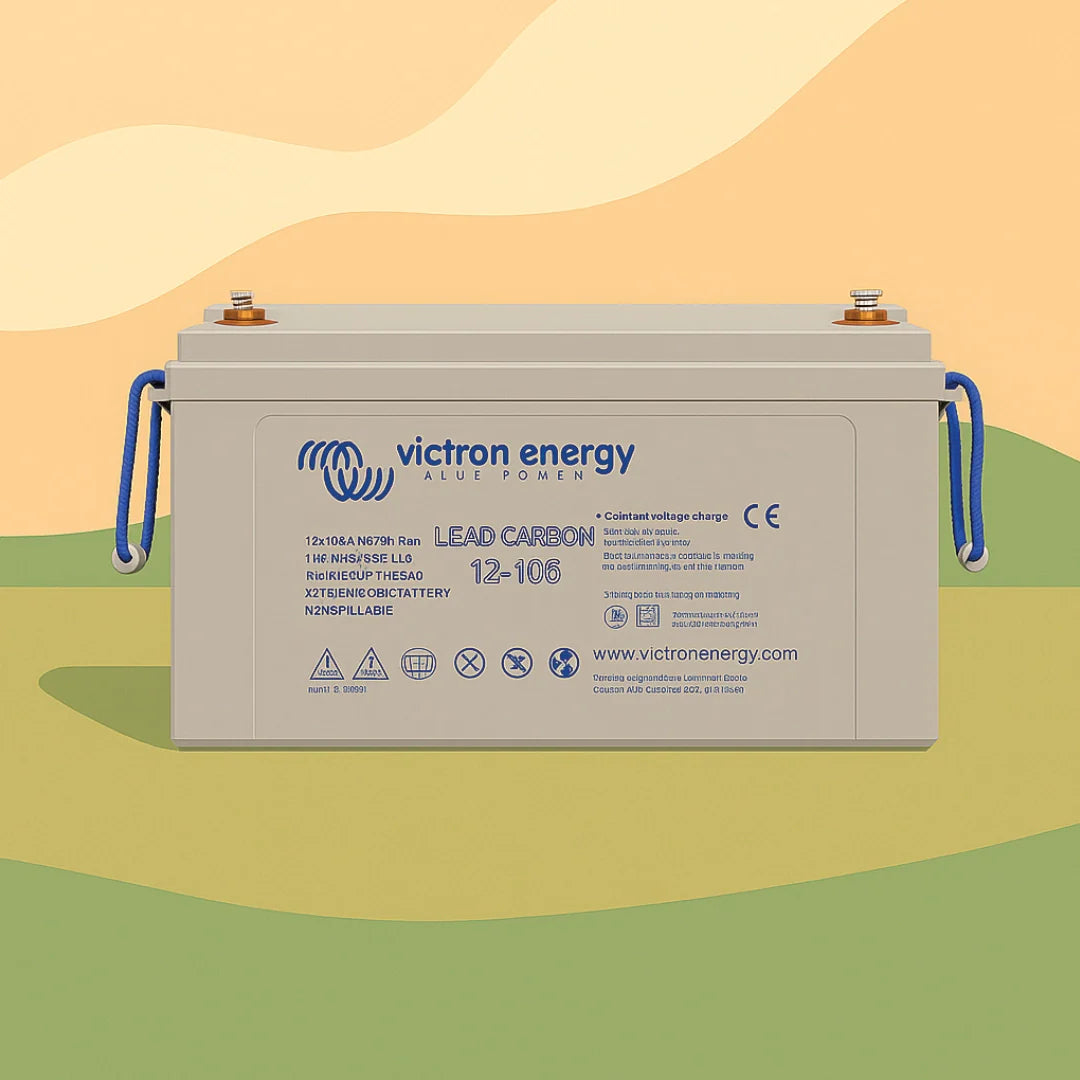
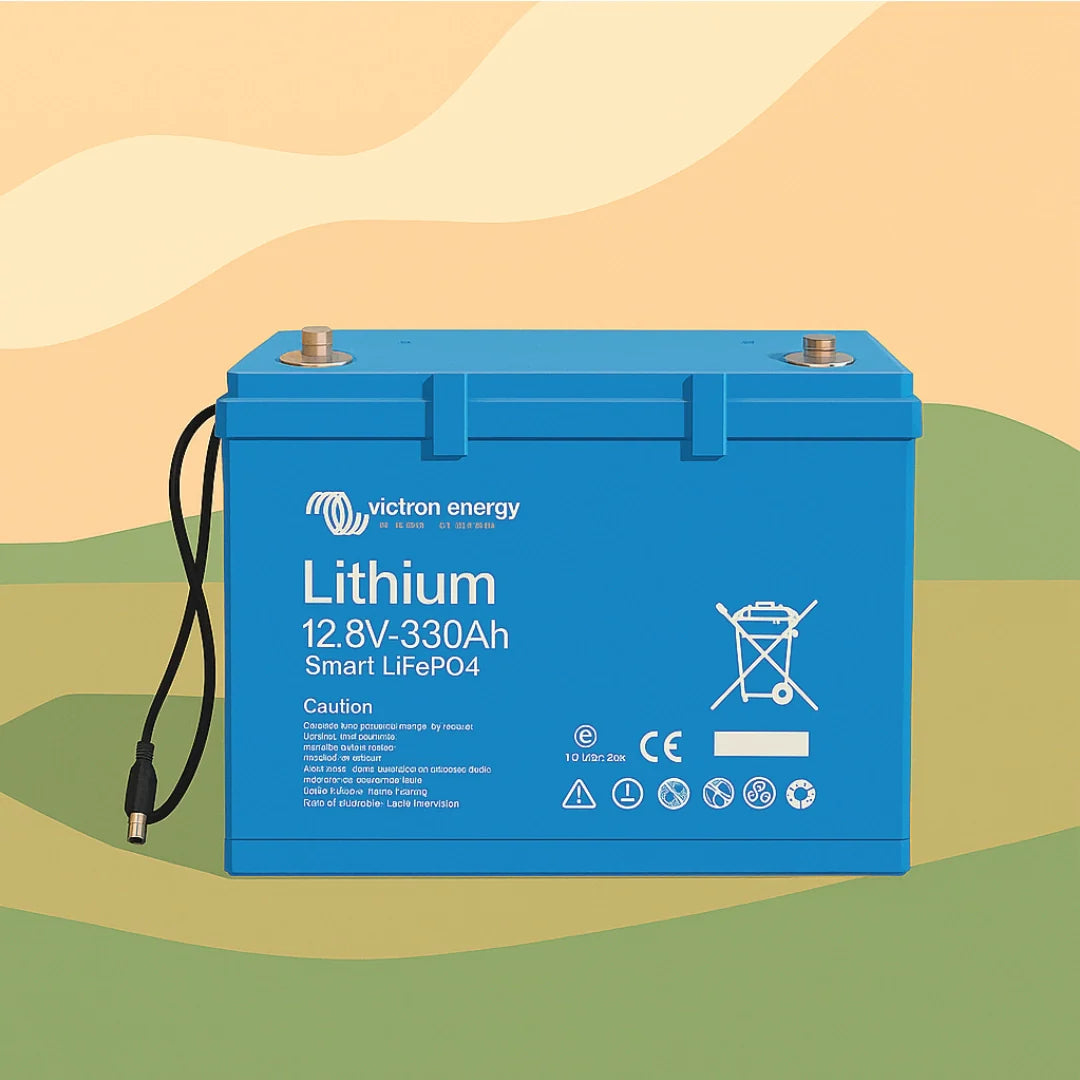
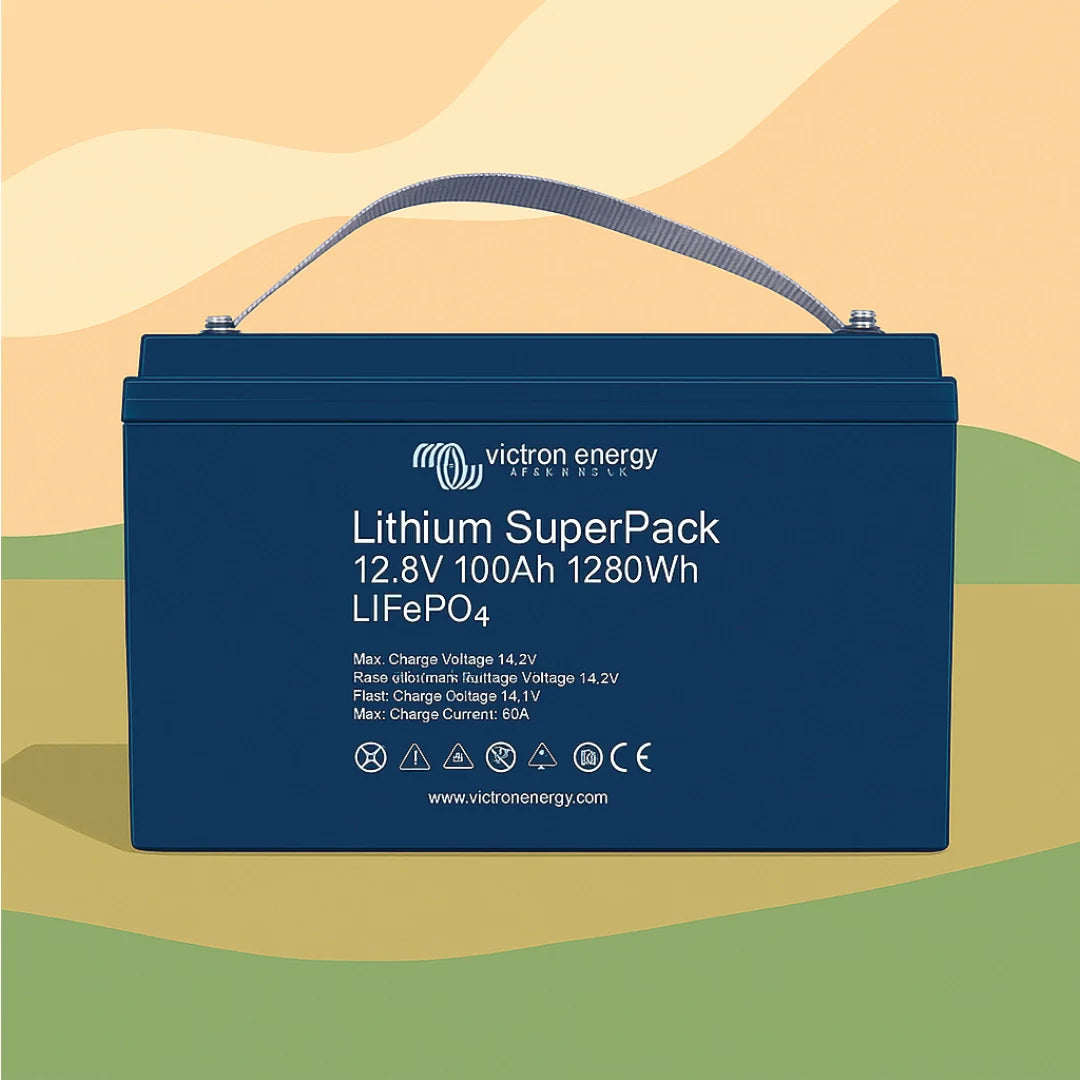
- Lithium battery modules (LiFePO4 chemistry is standard for leisure and marine use)
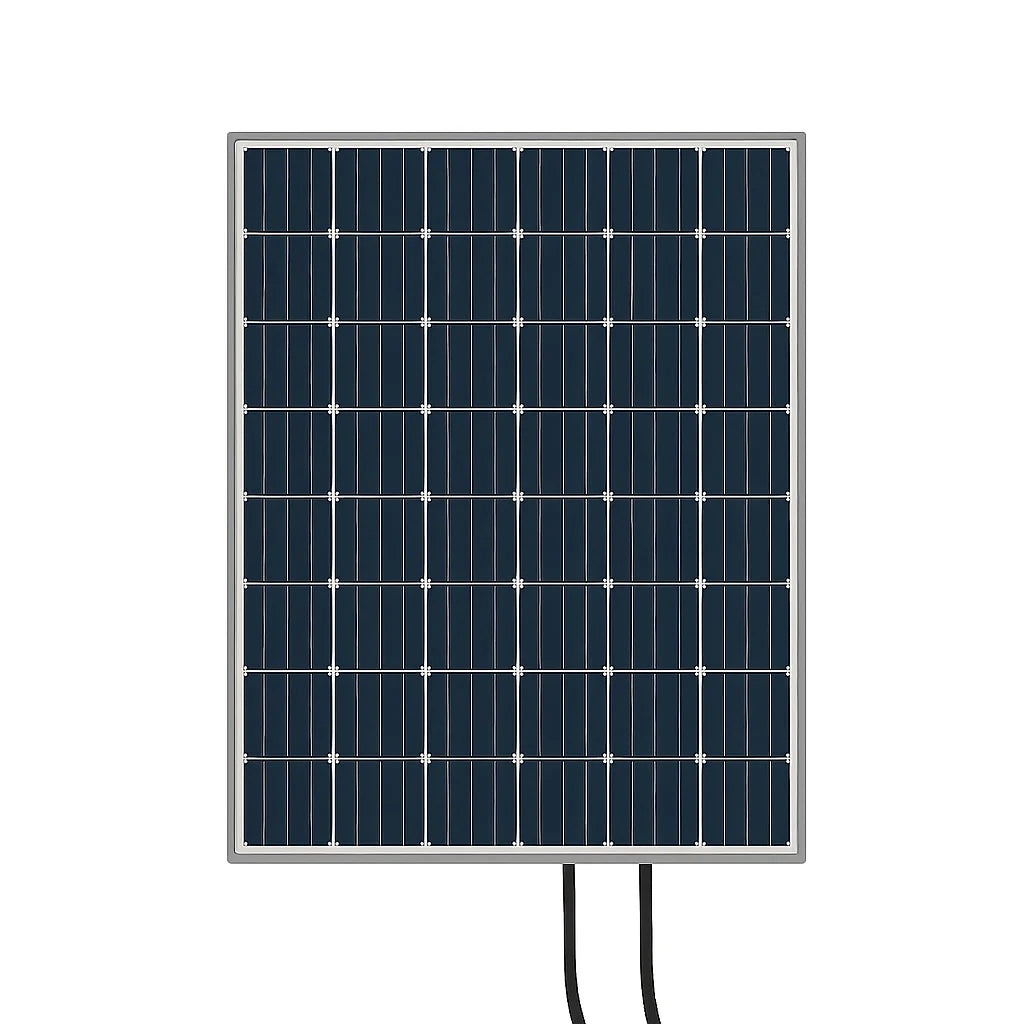
- MPPT charge controllers to manage solar input efficiently
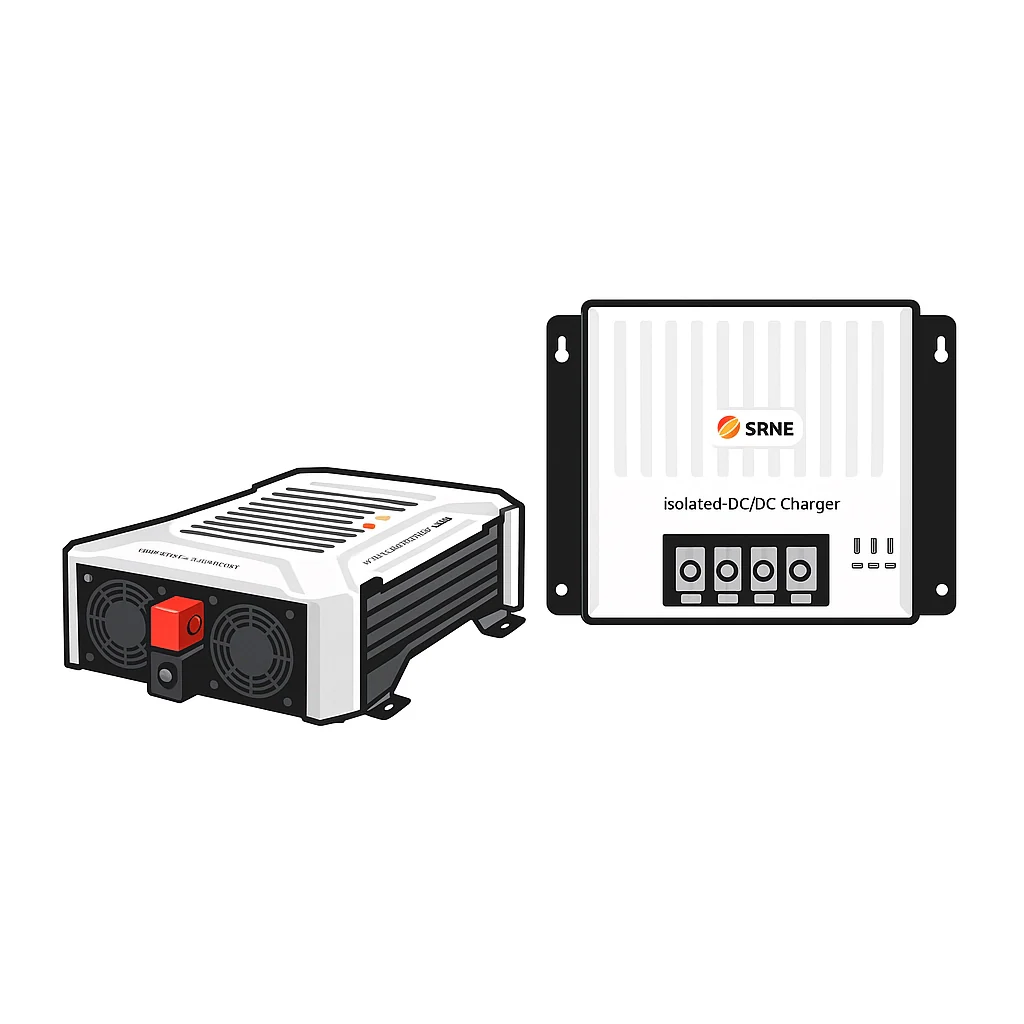
- Inverter/charger units converting DC battery power to 230V AC
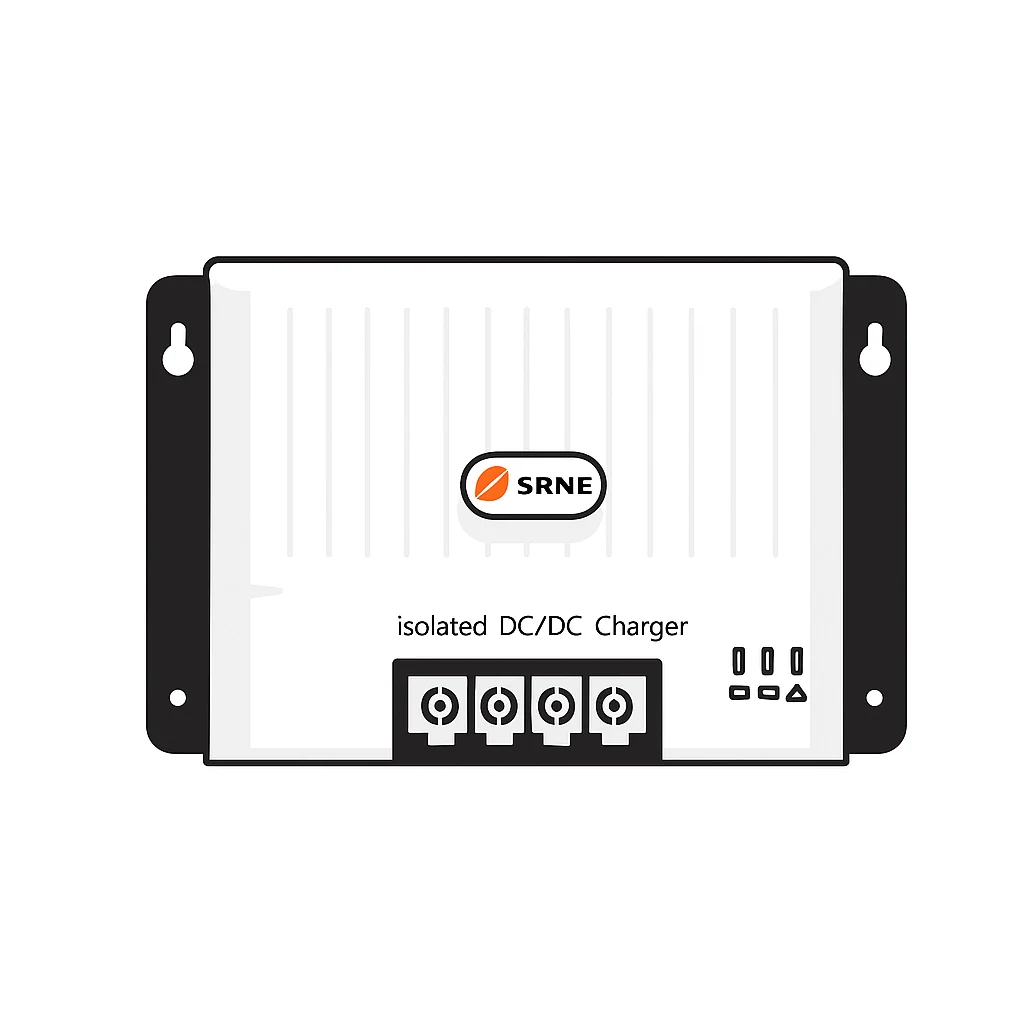
- DC/DC converters for vehicle alternator charging
- Battery management systems (BMS) monitoring cell health and preventing overcharge or deep discharge
- System monitors with Bluetooth or CANBUS connectivity for real-time data
“Expandable power is not just about capacity—it is about designing a system where every component can be updated, replaced, or scaled independently as your requirements change.”
You can read more about the principles behind expandable energy storage in Skyenergi’s dedicated guide. The short version: real flexibility comes from choosing a system architecture, not just a product.
Portable stations such as the EcoFlow Delta, Bluetti AC200L, and Anker SOLIX are expandable via proprietary battery packs, with systems like the Bluetti AC200L scaling to 8kWh or beyond and outputting between 1800W and 3600W. These figures make them genuinely viable for camping and marine applications—but the architecture matters as much as the numbers.
Types of expandable power systems: proprietary vs open modular
Not all expandable systems are created equal—so let’s compare the main approaches you’ll see on the UK market.
The two dominant architectures are proprietary expandable systems and open modular systems. Each has a clearly defined set of trade-offs.
Proprietary expandable systems
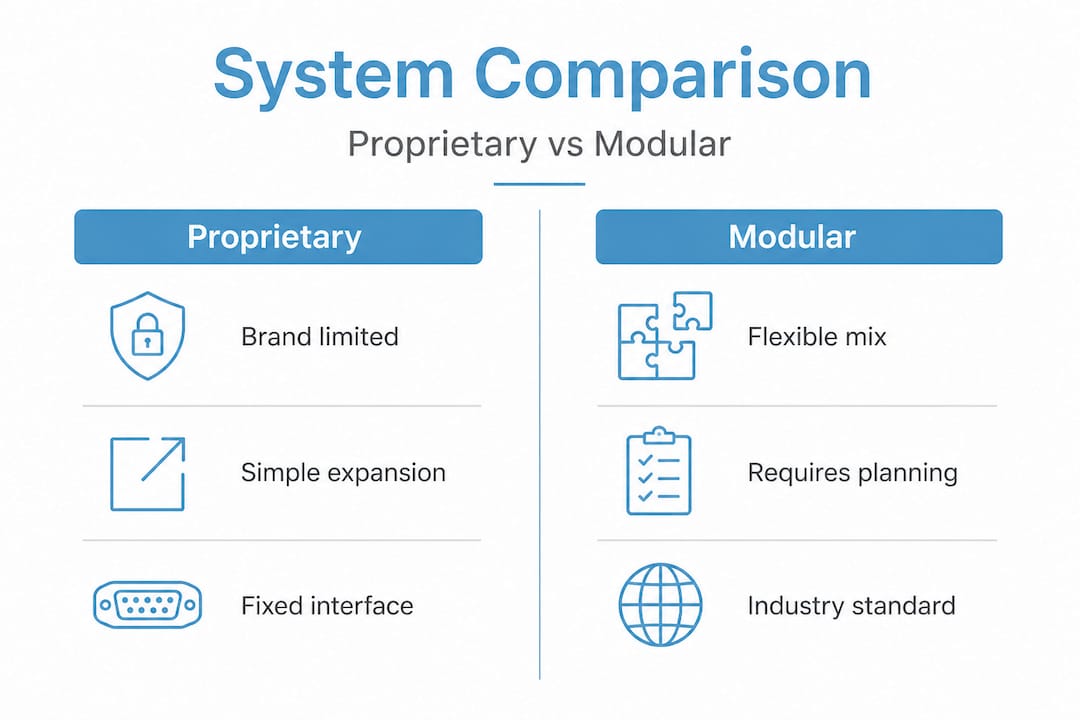
Brands like Bluetti, EcoFlow, and Anker build their own expansion battery packs that connect directly to their base stations. The process is typically straightforward—plug in, and the system recognises the extra capacity automatically. For users who want simplicity, this is a genuine advantage. No configuration, no compatibility research, no wiring knowledge needed.
However, proprietary systems limit flexibility significantly. You can only add batteries from the same brand’s range, at the price that brand sets, and only for as long as that product line exists. If the manufacturer discontinues your battery pack model in three years, your expansion options disappear with it. You are, in effect, renting capacity growth within a closed ecosystem.
Open modular systems
Open modular systems, exemplified by Victron Energy components, use industry-standard interfaces and communication protocols. A Victron MultiPlus inverter/charger can work alongside third-party lithium batteries, Skyenergi’s own LiFePO4 modules, various MPPT controllers, and custom wiring configurations. This approach demands more technical knowledge up front, but it removes the ceiling on what your system can become.

| Feature | Proprietary system | Open modular system |
|---|---|---|
| Ease of expansion | Very simple | Requires planning |
| Brand flexibility | Single brand only | Multi-brand compatible |
| Cost of expansion | Often higher per kWh | Competitive, more choice |
| Long-term upgrade path | Limited by product range | Adaptable indefinitely |
| Best for | Weekend users, occasional camping | Full-time off-grid, marine, van life |
| Integration with solar | Basic or fixed | Full MPPT/solar flexibility |
Pro Tip: If you plan to use your system for more than two seasons or intend to add solar input over time, start with an open modular architecture from day one. Retrofitting a proprietary system into an open one is rarely cost-effective and often means starting from scratch.
For more context on where expandable system trends are heading in the UK, Skyenergi’s blog covers the wider market landscape in practical detail.
How expandable power systems empower off-grid living
So, why does flexibility matter? Let’s look at how expandable systems really shine in demanding UK off-grid environments.
Standard kits, whether a fixed-output generator or a basic leisure battery setup, are designed for a fixed load profile. The moment your needs change—a new fridge, a second occupant, a longer trip, a cold winter week on the water—the system either struggles or fails entirely. Expandable systems are architected to absorb that change without crisis.
Here are four real-world scenarios where expandable power proves its worth:
-
Weekend marina stay. A 2kWh portable station handles lighting, phone charging, and a small 12V fridge. Adding a 2kWh expansion pack extends autonomy through a full weekend without shore power, covering an additional fridge cycle overnight and a slow cooker for Saturday evening.
-
Four-season van life. A campervan starting with a 100Ah LiFePO4 battery and a basic MPPT controller works well in summer. Winter adds heating loads—a diesel heater fan, a heated blanket, a laptop for remote work. Expanding to 200Ah or 300Ah, and adding a second solar panel, brings the system back into balance without replacing the existing components.
-
Off-grid cabin build. A cabin starts with a single 5kWh battery and a small inverter. As the owner adds a washing machine, an electric oven, and a hot water immersion heater, the system expands to 15kWh with a larger inverter and additional solar panels—all without replacing the original battery or charge controller.
-
Narrowboat winter liveaboard. Solar input drops significantly in December and January in the UK. Expanding battery capacity from 200Ah to 400Ah provides additional buffer between engine-charging sessions, maintaining power for heating controls, lighting, and navigation equipment.
Key performance figures worth knowing: expandable stations can scale to 8kWh with inverter outputs ranging from 1800W to 3600W, which covers the majority of leisure appliances including electric kettles, low-power induction hobs, and CPAP machines.
For more on how these principles apply specifically to motorhome setups, the Skyenergi guide on motorhome modular energy is a practical reference. And for those weighing up whether the investment makes sense, the article on campervan energy storage benefits covers the operational and financial case in detail.
Common mistakes and pro tips when expanding your power system
Expanding a power system is not just about plugging in extra batteries—here’s how to sidestep common pitfalls.
The most frequent errors are not technical; they are planning failures. Buyers assume that because a product is labelled “expandable,” any battery can be added at any time. The reality is more constrained, and these constraints have real costs.
Common mistakes to avoid:
- Assuming brand-neutral compatibility. As noted, proprietary systems restrict mixing with components from other manufacturers. Always verify the expansion specification before purchasing.
- Ignoring charge controller capacity. Adding batteries beyond the rated capacity of your MPPT controller or inverter/charger creates a bottleneck. The system accepts the extra storage but cannot charge it at the correct rate, reducing usable capacity and risking BMS faults.
- Underestimating inverter size. A 1000W inverter running a 900W appliance is operating at near-maximum load continuously. When you expand battery capacity and add appliances, the inverter becomes the limiting factor. Size for peak demand, not average draw.
- Neglecting system monitoring. A BMS without a readable interface means faults go unnoticed until something fails. Bluetooth-enabled monitoring, as found on Skyenergi’s lithium battery range, provides real-time state-of-charge, cell balance, and fault alerts directly to a smartphone.
- Staged investment without a plan. Buying a cheap starter system with the intention of upgrading later often leads to incompatible components and wasted expenditure. A clear system plan from the outset saves money even if it means spending slightly more on the first purchase.
Pro Tip: Before expanding, audit your current load. List every device, its wattage, and daily runtime. This gives you an accurate figure for daily energy consumption in Wh (watt-hours), which determines how much extra capacity you actually need—rather than guessing.
The Skyenergi overview of energy storage workflow for campervans walks through this audit process step by step, with practical worked examples for common van configurations.
Wiring capacity is another area buyers overlook. Adding battery modules increases the potential current flow in the system. Cable cross-sections and fuse ratings must be reassessed at each expansion stage. Under-rated cables create heat, voltage drop, and fire risk. This is a non-negotiable area of compliance, particularly in marine environments where moisture and vibration compound electrical hazards.
Why true energy independence demands modular thinking
There is a persistent conflation in the market between “expandable” and “modular,” and it costs buyers money and frustration in roughly equal measure.
Expandable means the capacity can grow. Modular means the architecture can evolve—individual components can be swapped, upgraded, or replaced without disturbing the rest of the system. These are not synonyms, and treating them as such leads to poor purchasing decisions.
A proprietary expandable station that scales to 8kWh is genuinely useful. But when the base unit’s inverter becomes undersized for new appliances, or the battery chemistry becomes outdated as LiFePO4 technology improves, the entire unit must be retired. The expansion batteries go with it. That is not energy independence—that is deferred replacement.
Open modular systems allow seamless mixing of solar, inverters, and batteries from multiple manufacturers, which is how genuinely future-proofed systems are built. When Victron releases a more efficient MPPT controller, you add it. When a higher-capacity LiFePO4 cell format arrives at a better price point, you upgrade the battery. The rest of the system remains intact.
Most buyers think about year one: “Will this cover a weekend trip?” The better question is: “Where will my energy needs be in year three or five?” Off-grid living evolves. A weekend camper becomes a full-time liveaboard. A seasonal narrowboat becomes a year-round residence. A cabin generator becomes a full solar-plus-storage system.
Choosing systems with genuine modularity from the start is not over-engineering—it is avoiding a full reinstall in 24 months. The expandable power guide at Skyenergi covers the decision framework in more detail for those comparing specific product categories.
The practical recommendation: if your use case might change, and for most UK off-grid users it will, start with an open architecture. Use a reputable BMS, size the inverter for future loads, and choose a charge controller with headroom for additional solar panels. Pay more now, replace less later.
Find the right expandable system for your adventure
Armed with clarity and insider knowledge, it’s time to make your power system work for you.
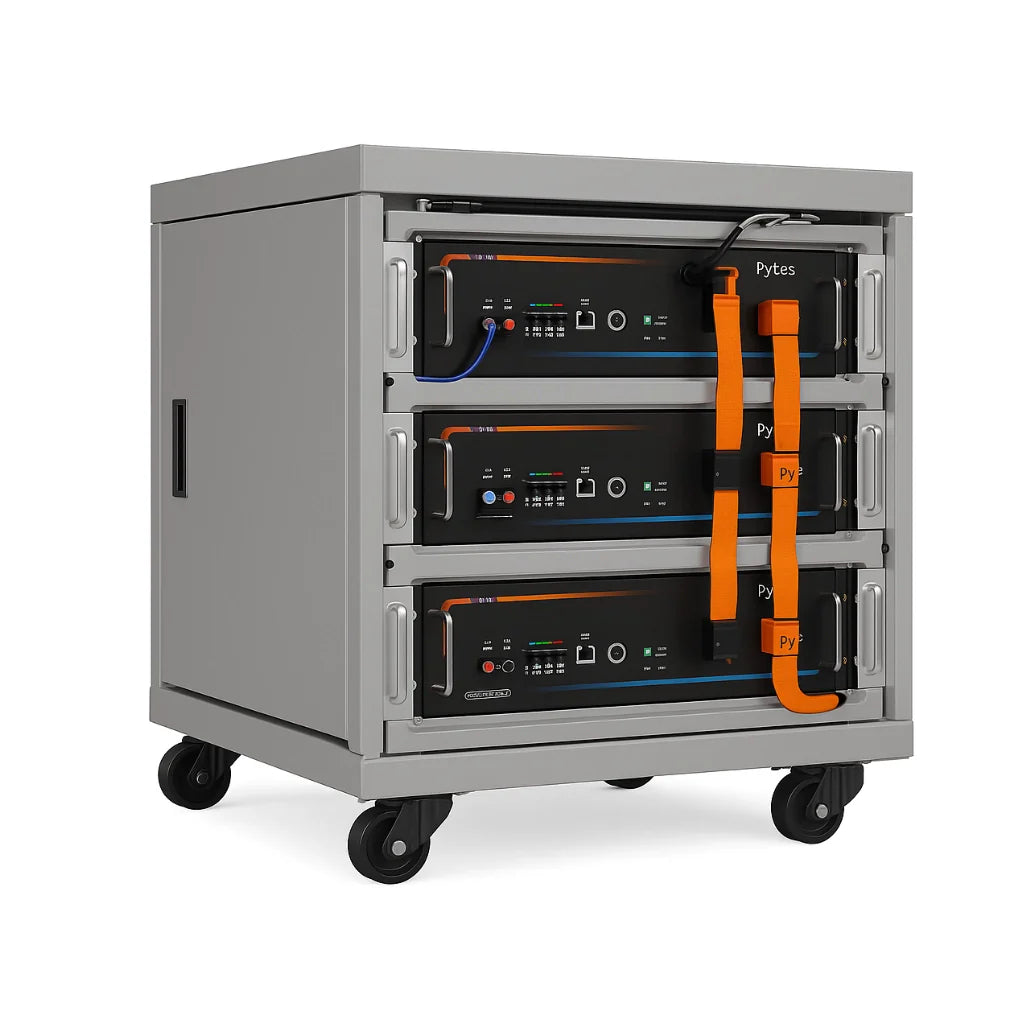
Skyenergi supplies a full range of expandable and modular energy solutions for campervans, motorhomes, marine applications, and off-grid residential setups. The product catalogue covers Skyenergi’s own LiFePO4 lithium leisure batteries, SRNE turnkey leisure vehicle systems, Pytes home energy storage, Victron-compatible components, and solar charging accessories—all selected for compatibility and long-term reliability.
Whether you are specifying a first build or expanding an existing setup, Skyenergi’s team provides compatibility guidance and system planning support. The solar power systems category is a useful starting point for users ready to configure a complete, expandable solution with inverter/charger, MPPT control, and battery-to-battery charging in a single coherent package.
Frequently asked questions
Can I mix different brands of batteries when expanding my power system?
It is usually best to stay with the same brand and battery chemistry, as proprietary systems restrict mixing with other manufacturers’ components; genuinely open modular systems like those built around Victron components offer considerably more flexibility.
How much power do I really need for off-grid camping or marine trips?
A typical expandable station delivers up to 8kWh and 1800 to 3600W of inverter output, which covers several days of standard leisure use; adding expansion capacity extends autonomy further, particularly in winter when solar harvest is lower.
What happens if I outgrow my current expandable system?
With a proprietary system, expansion limits are brand-defined, so outgrowing it may mean replacing the entire setup; open modular systems allow individual component upgrades—battery, inverter, or charge controller—without a full replacement.
Is an expandable system worth the extra cost?
For most off-grid enthusiasts, the ability to scale the system as energy needs evolve makes the investment clearly worthwhile—particularly when the alternative is buying a fixed system twice.
Recommended
- Expandable power systems: energy independence in 2026 – Skyenergi
- Expandable Energy Storage Systems: Off-Grid Power Made Simple – Skyenergi
- Expandable motorhome energy: modular power for off-grid UK travel – Skyenergi
- What is expandable energy storage? A 2026 UK guide – Skyenergi
- Portable energy solutions for better mental performance – IQ Pouch
Prev post

How Bluetooth monitoring transforms off-grid energy
Updated on 07 May 2026
Next post

Troubleshooting off-grid power: practical steps for reliable energy
Updated on 03 May 2026


