





Lithium battery lifespan factors: what you need to know
Discover essential lithium battery lifespan factors that enhance performance and longevity, ensuring your investment lasts longer and costs less.
TL;DR:
- Battery lifespan is primarily affected by temperature and proper SOC management, not just cycle count. Maintaining optimal temperatures and limiting discharge to 40–80% can significantly extend lithium battery life. A high-quality BMS and correct storage conditions further protect the pack from premature degradation.
Most lithium battery owners expect consistent performance across years of use. What they get instead is unpredictable capacity fade, reduced range, and early replacement costs. Understanding the core lithium battery lifespan factors is not a matter of technical curiosity. It directly determines whether your battery investment lasts three years or twelve. This article breaks down each factor clearly, with practical guidance for campervans, marine systems, residential storage, and any application where reliable power matters.
Table of Contents
- Key takeaways
- 1. Temperature effects on lithium battery lifespan
- 2. State of charge and depth of discharge management
- 3. Charge and discharge rates (C-rate)
- 4. Battery management systems (BMS) role and importance
- 5. Calendar aging and storage conditions
- 6. Internal resistance growth
- 7. Manufacturing quality and formation conditions
- My take on what most people get wrong
- How Skyenergi helps you protect your battery investment
- FAQ
Key takeaways
| Point | Details |
|---|---|
| Temperature is critical | Operating or storing batteries outside 15–25°C accelerates degradation significantly. |
| SOC window matters | Keeping charge between 40% and 80% can increase cycle life by up to 300%. |
| BMS quality is non-negotiable | A capable BMS with cell balancing prevents premature pack failure and protects longevity. |
| Calendar aging is real | Batteries degrade even when unused, particularly at high charge levels in warm conditions. |
| C-rate affects wear | Frequent fast charging, especially in cold conditions, accelerates lithium plating and capacity loss. |
1. Temperature effects on lithium battery lifespan
Temperature is one of the most significant lithium battery lifespan factors, yet it is also one of the most frequently underestimated in real-world use.
The optimal operating range for lithium cells is 15–25°C. Below or above this window, degradation accelerates. High temperatures are particularly destructive. Above 35°C, electrolyte decomposition and growth of the solid electrolyte interphase (SEI) layer both accelerate, reducing the battery’s capacity to hold charge over time. At temperatures above 60°C, capacity loss becomes rapid and largely irreversible.
Cold temperatures present a different problem. Charging below 0°C causes irreversible lithium plating on the anode, which increases the risk of short circuits and permanent capacity loss. Many users charge their systems overnight without considering ambient van or cabin temperatures during winter months.
Practical temperature management:
- Store batteries in insulated compartments away from direct heat sources or cold external walls
- Avoid charging in sub-zero conditions without a battery heater or BMS low-temperature cutoff
- During summer, ensure adequate ventilation around battery enclosures in campervans or engine bays
- Do not leave lithium packs in direct sunlight or sealed metal enclosures during hot weather
Pro Tip: If your application involves outdoor or vehicle use, choose a battery with a built-in low-temperature charge protection function. This single feature prevents lithium plating and can add years of usable life in UK winters.
2. State of charge and depth of discharge management
State of Charge (SOC) refers to how full your battery is as a percentage. Depth of Discharge (DoD) refers to how much of that capacity you have used. Managing both is one of the most practical battery lifespan extension techniques available.
Restricting DoD to the 40%–80% SOC window can increase cycle life by up to 300%. At 80% DoD, a lithium cell typically delivers around 1,000 cycles. Limit discharge to 40% DoD and you can expect 3,000 or more cycles from the same cell. That is not a marginal difference. For a residential storage system or a motorhome used regularly, that gap translates directly into years of additional service life.
Storing a battery at full charge is equally damaging. Prolonged high SOC in warm settings accelerates calendar aging more than frequent modest top-ups. Users who consistently charge to 100% and leave the battery idle are shortening its life without realising it.
Recommended habits:
- Set your charger or BMS to target an 80% charge ceiling for daily use
- Avoid discharging below 20% SOC where possible
- If you must store the battery for several weeks, charge to 50–60% rather than full
- For leisure vehicles used seasonally, this is especially relevant during winter storage
Pro Tip: Many modern BMS controllers allow you to set charge limits directly. Configuring an 80% ceiling for everyday use, with 100% reserved only for trips requiring maximum range, protects the cells without meaningfully affecting daily usability.
For further guidance on maintaining good SOC habits in off-grid systems, the lithium battery maintenance workflow from Skyenergi covers practical steps in detail.
3. Charge and discharge rates (C-rate)
C-rate describes how quickly a battery is charged or discharged relative to its total capacity. A 1C rate charges a 100Ah battery in one hour. A 0.5C rate takes two hours.

Fast charging increases local heating and the risk of lithium plating, particularly when temperatures are low. Slow charging enables uniform lithium insertion into the anode and allows the SEI layer to stabilise more effectively. This is why a battery charged at 0.5C in moderate temperatures consistently outperforms the same battery subjected to frequent 1C or higher charges.
For businesses running vehicle fleets or residential BESS installations, balancing charge speed with longevity is a practical trade-off. A system that charges in six hours rather than three loses little operational flexibility but gains significantly in cell lifespan.
Key points on C-rate management:
- Avoid charging at high C-rates in cold conditions whenever possible
- Use MPPT solar charge controllers to regulate input and avoid overloading cells during peak generation hours
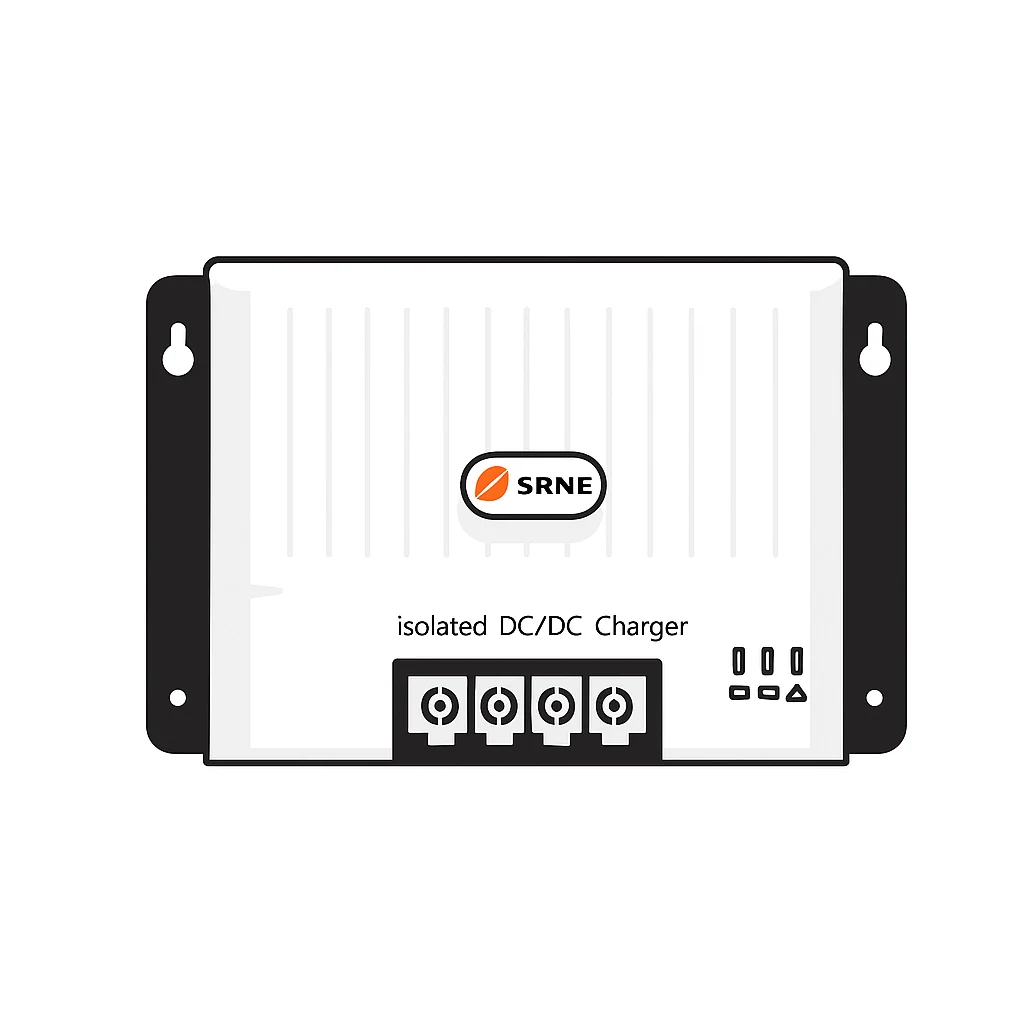
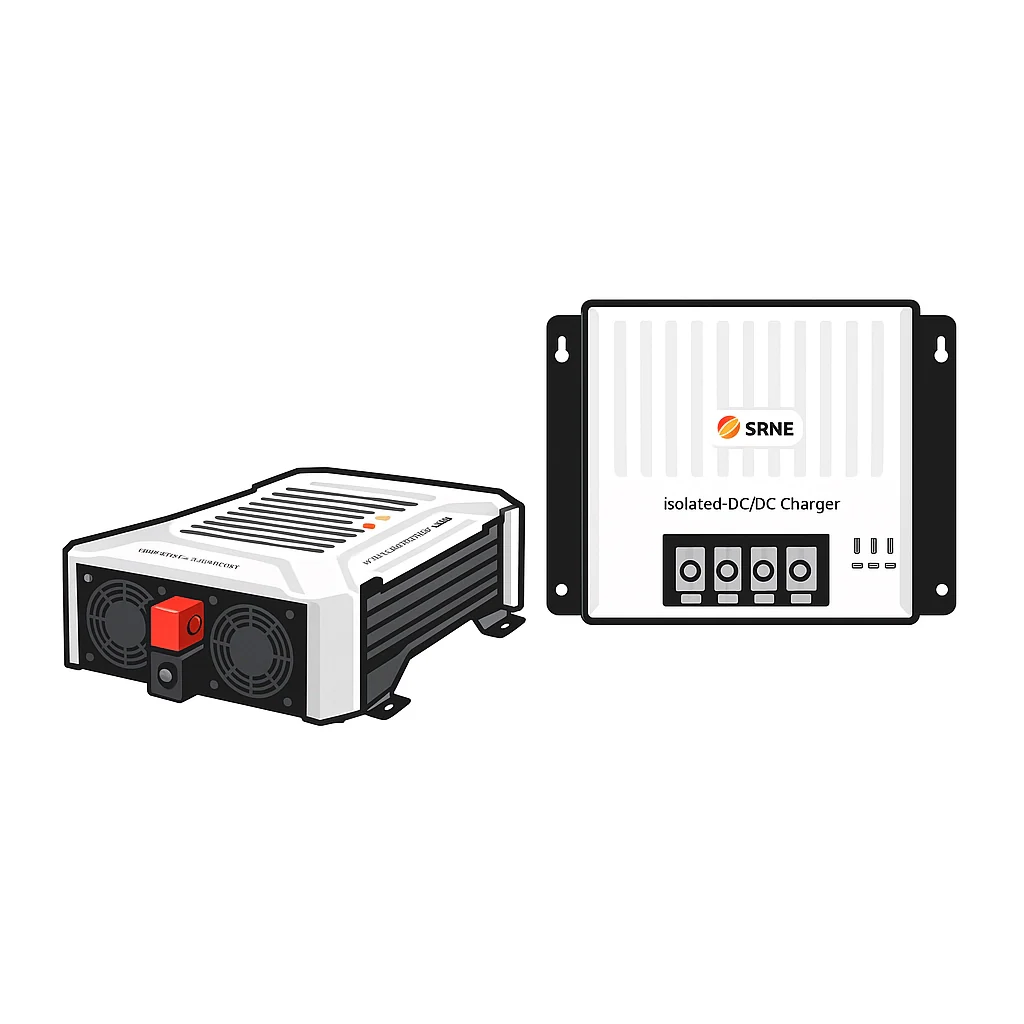
- For vehicle applications, DC-to-DC chargers manage alternator input at safe rates rather than dumping unregulated current into the pack
Pro Tip: For solar-based systems, an MPPT controller naturally limits charge rate to what the panel can produce at any given moment. This is generally a gentler charge profile than shore power or generator charging and benefits the battery over time.
4. Battery management systems (BMS) role and importance
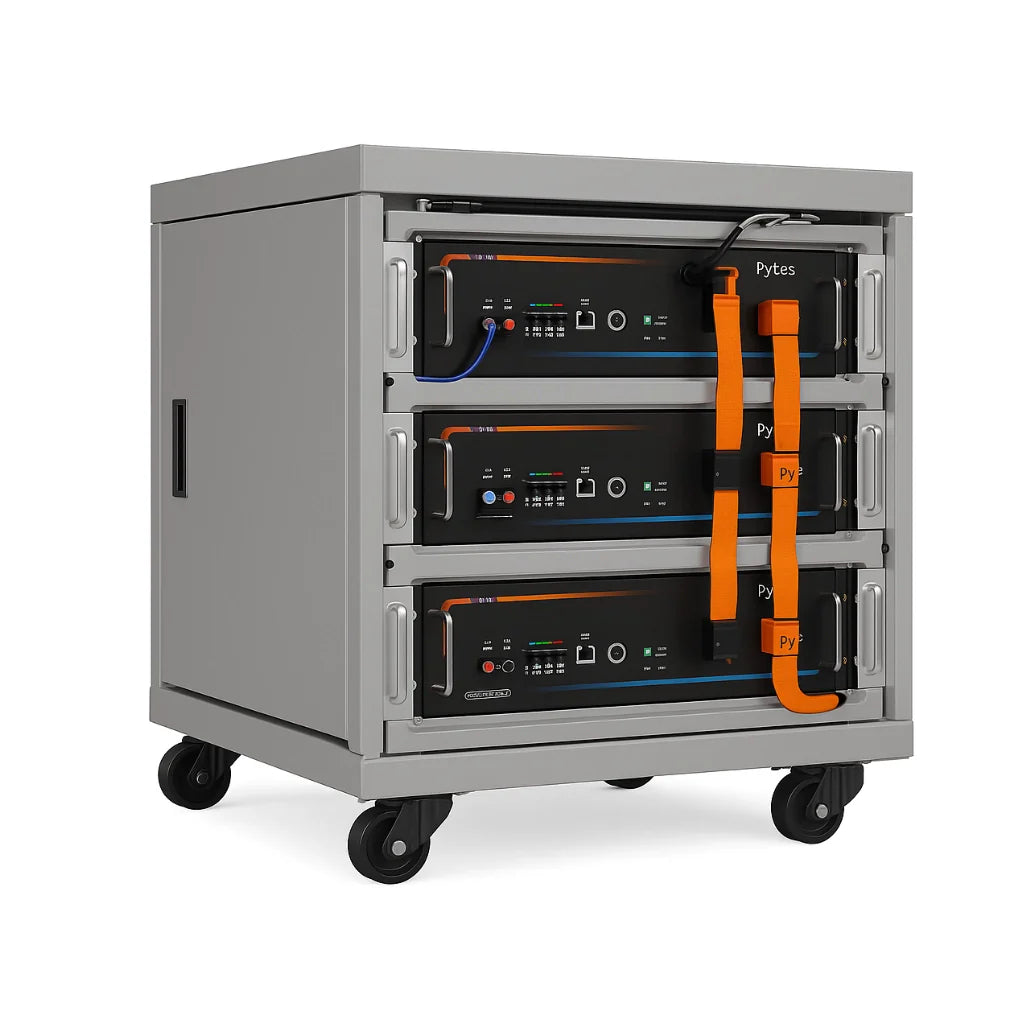
The BMS is the control layer that sits between your battery cells and your load. It monitors voltage, temperature, and current, and intervenes when conditions risk damaging the cells. A capable BMS is one of the most impactful factors affecting lithium battery life in multi-cell pack applications.
Core BMS functions include:
- Cell balancing: Distributes charge evenly across all cells to prevent any single cell from ageing faster than the rest
- Low-voltage cutoff: Disconnects the load before cells drop below a safe threshold
- High-voltage cutoff: Stops charging before cells are pushed beyond their upper voltage limit
- Temperature protection: Pauses charging or discharging when temperatures fall outside safe bounds
Without active cell balancing, the weakest cell in a pack reaches its voltage limit first, causing the whole pack to be treated as depleted even though the other cells still have capacity. This compounds over time, shrinking usable capacity prematurely and causing asymmetric degradation.
Setting a conservative low-voltage cutoff of 2.8–3.0V per cell protects the anode from over-discharge damage and extends cycle life. Low-voltage cutoffs with a buffer of 0.3–0.5V prevent the electrochemical damage that occurs in deeply discharged cells.
| BMS type | Balancing method | Best suited for |
|---|---|---|
| Passive balancing | Dissipates excess charge as heat | Budget packs, moderate cycling |
| Active balancing | Transfers charge between cells | High-cycle applications, larger packs |
Pro Tip: When evaluating a lithium battery purchase, check whether the BMS uses passive or active balancing and what the low-voltage cutoff is set to. These two specifications tell you more about long-term pack health than the headline capacity figure.
For a deeper look at BMS functions, Skyenergi’s article on what a BMS does covers the mechanisms in practical terms.
5. Calendar aging and storage conditions
Calendar aging is the degradation that occurs even when a battery is not being used. It is driven by two primary variables: storage SOC and storage temperature. Both accelerate SEI layer growth and lead to irreversible capacity loss.
Storage at high SOC and elevated temperature causes continuous electrochemical reactions within the cell, even with no current flowing. A lithium battery stored at 100% SOC in a warm garage will lose measurable capacity over a season, regardless of whether it was cycled at all. This is a common issue for seasonal leisure vehicle users who charge fully before winter and return to find a noticeably weaker pack in spring.
Storage best practices:
- Target a storage SOC of 40%–60%, not full charge
- Store in a cool, dry location, ideally below 20°C
- Check stored batteries every four to six weeks and recharge to 50% if they have self-discharged below 30%
- Avoid storing near heat sources, in direct sunlight, or in unventilated metal enclosures
Calendar aging is as destructive as cyclic aging over time. Treating storage conditions with the same attention as active use habits is one of the most underused battery lifespan extension techniques for seasonal or backup applications.
6. Internal resistance growth
Capacity fade is visible and measurable. Internal resistance growth is less obvious but equally significant as a factor affecting battery lifespan. As a lithium battery ages, internal resistance increases. This wastes energy as heat, limits peak power delivery, and reduces efficiency even when remaining capacity appears acceptable.
Internal resistance rise impairs performance in ways that raw capacity figures do not reveal. A battery that tests at 85% capacity but has doubled its internal resistance will perform poorly under high loads, such as inverters, thrusters, or compressor fridges. The cell is technically there, but it cannot deliver the current cleanly.
Monitoring internal resistance requires a battery analyser or a BMS with resistance tracking. Some Skyenergi products include Bluetooth monitoring that surfaces this data in real time, allowing users to identify degradation before it becomes a problem.
7. Manufacturing quality and formation conditions
Not all lithium cells are built equally, and the conditions under which cells are formed during manufacture directly influence their long-term stability. Formation at elevated temperatures during production, such as 80°C, produces a more chemically stable SEI layer. This limits lithium loss during normal cycling and contributes to longer usable life from the first charge onward.
Battery health is largely determined by these early manufacturing conditions, which is why sourcing from reputable manufacturers with documented quality control matters as much as how you use the battery. For those evaluating energy storage purchases, understanding the supply chain and manufacturer standards is a factor affecting lithium battery life that sits entirely outside the user’s control once the cell is produced.
My take on what most people get wrong
I’ve spent a significant amount of time working through lithium battery data and real-world user feedback, and the pattern that stands out most is this: people obsess over cycle count and completely overlook the two factors that actually shorten battery life the fastest. Temperature and SOC management. Both are largely invisible in everyday use, and both compound silently.
The second misconception I see repeatedly is the belief that frequent charging damages batteries. Frequent charging is actually less damaging than leaving a battery at 100% SOC in a warm environment for days at a time. Top-ups are fine. Leaving the battery baking at full charge is not.
What I’ve also found is that BMS quality is the silent multiplier. You can follow perfect charging habits, manage your temperatures well, and still watch a pack fail early because the BMS is not balancing cells effectively. When I look at lithium battery purchases, I look at the BMS specification before I look at the headline capacity. The internal resistance growth issue reinforces this: performance degradation happens below the surface long before the capacity number moves. If you’re not monitoring resistance, you’re working with incomplete data.
Pragmatically, no one manages every variable perfectly. But getting temperature and SOC management right covers the majority of avoidable degradation. The rest follows.
— John
How Skyenergi helps you protect your battery investment
Understanding lithium battery lifespan factors is the first step. Having the right hardware to act on that understanding is the second.
Skyenergi supplies a range of products specifically chosen to support correct charging, BMS protection, and thermal management across campervan, marine, and residential applications. The Victron 610W solar panel with Smart MPPT controller delivers regulated, temperature-aware charging that avoids the high C-rate stress associated with unregulated inputs. For larger systems, the 3kVa solar power and electrics system integrates inverter/charger, battery-to-battery charging, and system monitoring in a single package, giving you active control over the variables that matter most. Browse the full range at Skyenergi to find the right configuration for your setup.
FAQ
What is the ideal temperature range for lithium batteries?
The optimal range is 15–25°C for both operation and storage. Temperatures above 35°C accelerate degradation, and charging below 0°C causes irreversible lithium plating.
How does depth of discharge affect battery lifespan?
Limiting discharge to 40% DoD can yield over 3,000 cycles compared to around 1,000 cycles at 80% DoD. Shallower cycling significantly extends the usable life of lithium cells.
Is frequent charging bad for lithium batteries?
Frequent charging is less harmful than maintaining a battery at 100% SOC in warm conditions for extended periods. Modest top-ups are preferable to prolonged full-charge storage.
What does a BMS do to extend battery life?
A BMS protects cells through voltage cutoffs, temperature monitoring, and cell balancing. Without balancing, the weakest cell degrades fastest and reduces the whole pack’s usable capacity prematurely.
Do lithium batteries degrade when not in use?
Yes. Calendar aging driven by high storage SOC and elevated temperature causes SEI layer growth and capacity loss even without any cycling. Storing at 40%–60% SOC in a cool location minimises this.
Recommended
Prev post

Lithium battery charging explained: a practical guide
Updated on 20 May 2026
Next post

Why balance lithium cells: a leisure vehicle guide
Updated on 18 May 2026


