





Campervan Lithium Battery Size Guide: 2026 UK Sizing
Work out the right lithium battery size for your campervan. Energy audits, Ah vs Wh, DoD and real UK examples to get your 12V system right first time.
Table of Contents
- How to Work Out Your Daily Power Consumption
- Understanding Ampere-Hours, Watt-Hours and Usable Capacity
- Using a 12V Lithium Battery Capacity Calculator
- Matching Lithium Battery Size to Your Travel Style
- Inverter Sizing and Cold Weather: Two Things Sizing Guides Miss
- Choosing the Best Lithium Leisure Battery for Motorhomes
- DC-to-DC Charger Sizing Guide for Your Battery Bank
- Campervan Solar Power System Design: Matching Panels to Battery Size
- Frequently Asked Questions
Last Updated: September 22, 2026
How to Work Out Your Daily Power Consumption
The correct campervan lithium battery size starts with one number: your daily power consumption in watt-hours. Everything else, capacity, charging, inverter rating, follows from it. Get this wrong and you either carry weight you never use or run flat on day two.
At Skyenergi, we see more sizing errors caused by guesswork than by any technical fault.
Building a Simple Energy Audit
List every appliance, its power draw in watts, and its daily runtime in hours. Multiply watts by hours to get watt-hours (Wh), then add a 20% margin for inverter losses and incidental loads.
| Appliance | Power Draw | Realistic Daily Runtime | Daily Wh |
|---|---|---|---|
| 12V compressor fridge (50L) | 45W | 8 hrs (duty cycle) | 360Wh |
| Diesel heater (2kW) | 30W running, 120W start-up | 6 hrs running, 4 starts | 180Wh + 8Wh |
| LED lighting (4 x 3W) | 12W | 5 hrs | 60Wh |
| Laptop charging (65W USB-C) | 65W | 3 hrs | 195Wh |
| Water pump | 60W | 0.5 hrs | 30Wh |
| Phone and tablet charging | 20W | 4 hrs | 80Wh |
| Inverter standby loss | 5W | 24 hrs | 120Wh |
| Total | 1,033Wh |
Seasonal Variation You Cannot Ignore
A winter audit is not the same as a summer audit. The fridge works harder in July, but the heater dominates December through February. Lighting hours roughly double in winter. If you travel year-round, size for the worst month, not the average. Most practitioners find that a system sized for summer leaves them 30% to 50% short in January.
Why the 20% Margin Matters
Inverter losses are typically 10% to 15% at moderate load and higher at low load. Cable voltage drop, BMS quiescent draw, and the occasional forgotten light add the rest. A 20% margin is not padding; it is the difference between a system that works and one that shuts down at 3am.
Understanding Ampere-Hours, Watt-Hours and Usable Capacity
Ampere-hours (Ah) measure charge; watt-hours (Wh) measure energy. To compare a lithium battery size against your audit, divide your daily Wh by the system voltage: 840Wh ÷ 12V = 70Ah of usable energy needed per day.
Depth of Discharge and Why It Changes the Maths
Lithium iron phosphate (LiFePO4) batteries tolerate far deeper discharge than lead-acid. Where an AGM battery should not go below 50% state of charge, LiFePO4 units routinely run to 80% DoD without meaningful damage. That single difference halves the physical capacity you need to buy.
Using a 12V Lithium Battery Capacity Calculator
A 12V lithium battery capacity calculator converts your energy audit into a recommended bank size in seconds. Enter daily Wh, days of autonomy, and your target DoD; the calculator returns minimum Ah and suggests a parallel configuration.
Matching Lithium Battery Size to Your Travel Style
Capacity recommendations map cleanly onto how you actually travel. Hook-up dependent weekenders need a fraction of what full-time off-grid vanlifers require, and oversizing costs money and payload. But the capacity band is only half the decision. The other half is whether your chosen bank can support the inverter you want and whether it will charge when the temperature drops below freezing.
Weekend and Light Users
A 100Ah to 200Ah LiFePO4 bank covers a fridge, lights, device charging, and a diesel heater across a weekend, especially with any solar input at all. A 100Ah unit paired with 200W of solar and a 30A DC-to-DC charger will recover most of a weekend's consumption during a two-hour drive home.
Full-Time Off-Grid Vanlifers
For moderate users, 200Ah to 300Ah is the typical range. A 300Ah bank delivers roughly two days of autonomy without any charging input, which is the practical benchmark for off-grid living. Pair it with 400W to 600W of solar and a 60A DC-to-DC charger and you can live indefinitely in reasonable light. Extended autonomy allows for more flexibility when planning overlanding trips into remote regions where reliable navigation remains essential.
Heavy Users and the 400Ah+ Question
A 400Ah bank paired with a 3,000W inverter achieves heavy-load autonomy, but the same community that runs these systems cautions that 400Ah+ wastes space and budget unless you genuinely run high-draw appliances daily. The weight penalty is real: a 400Ah LiFePO4 bank adds roughly 40kg to 50kg over a 200Ah bank, which matters on a 3,500kg gross vehicle weight limit.
The Cold-Weather Caveat Competitors Skip
LiFePO4 cells cannot charge below 0°C without risk of permanent damage. This is not a minor edge case in the UK and northern Europe; it is a December-to-February reality for anyone who camps without hook-up. A battery with an integrated heat pad will warm the cells to a safe charging temperature before accepting current. A battery without one will either refuse to charge or, worse, accept a small charge and degrade.
Skyenergi Elite 304Ah Smart Lithium →
Matching the Bank to the Inverter
A simple rule: the battery's continuous BMS discharge rating should exceed the inverter's continuous draw by at least 20%. A 2,000W inverter draws roughly 180A at 12V after losses, so you want a BMS rated at 220A or more. A 3,000W inverter draws roughly 270A, so you want 320A or more. If the BMS rating is too close to the inverter draw, the battery will shut down under sustained load, usually at the worst possible moment.
Inverter Sizing and Cold Weather: Two Things Sizing Guides Miss
Inverter rating and battery capacity are locked together. The minimum is 100Ah of lithium capacity to support a 1000W inverter, because sustained draw at that output pulls roughly 85A at 12V once inverter losses are included.
Choosing the Best Lithium Leisure Battery for Motorhomes
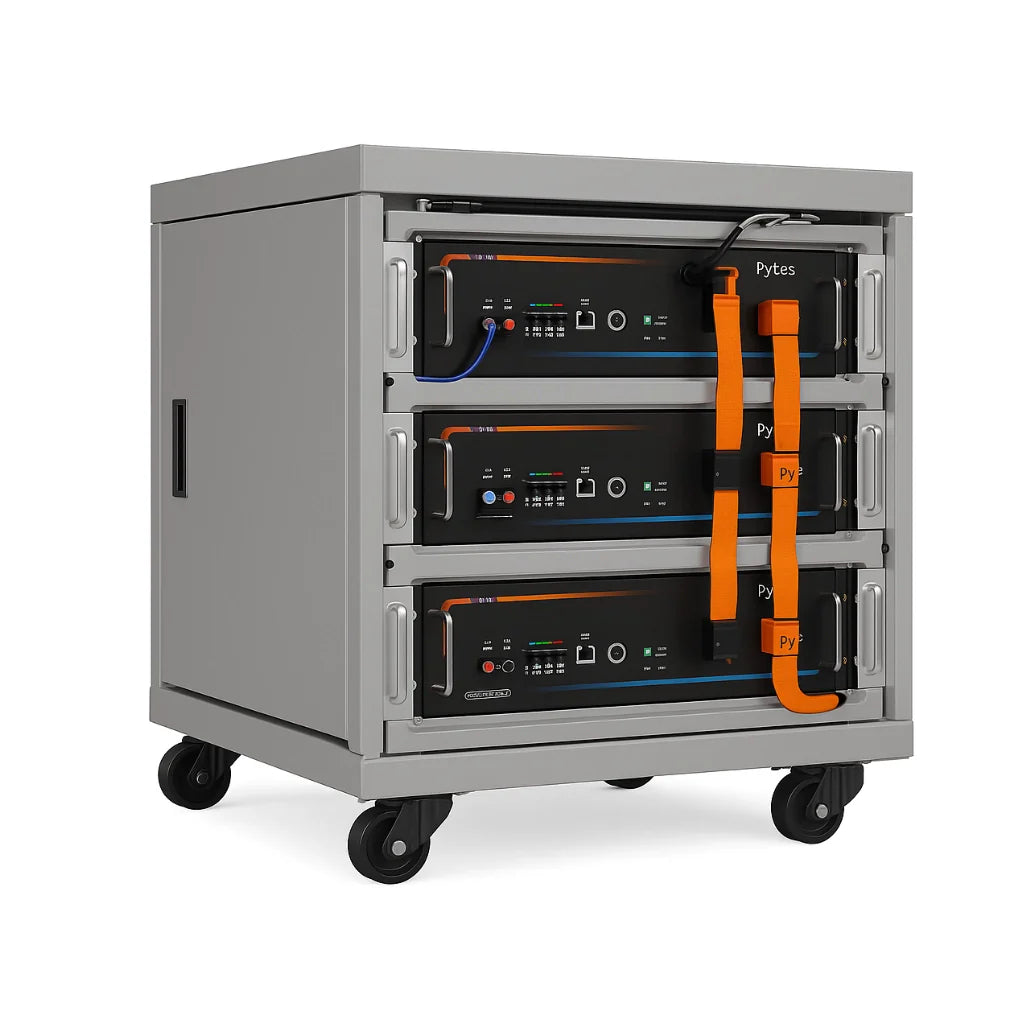
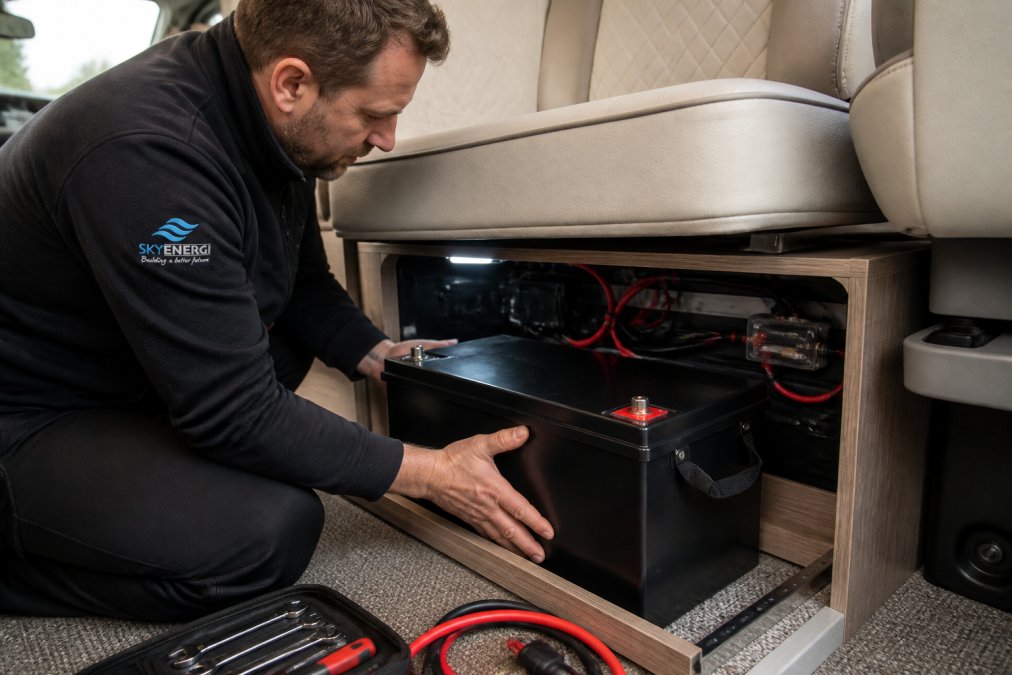
The best lithium leisure battery for motorhomes balances usable capacity, BMS current rating, and charging integration against the space you actually have. Weight savings over lead-acid are substantial, and LiFePO4 cycle life runs to thousands of cycles rather than hundreds.
DC-to-DC Charger Sizing Guide for Your Battery Bank
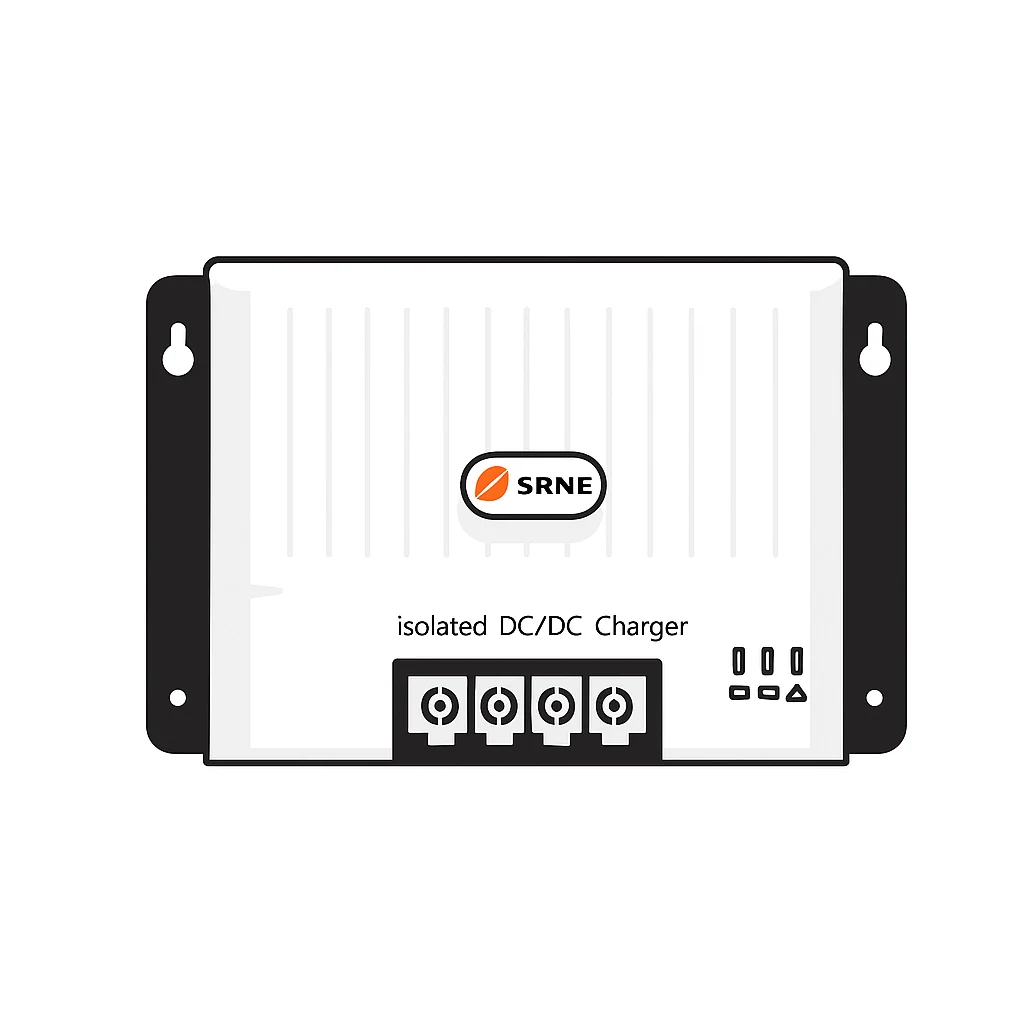
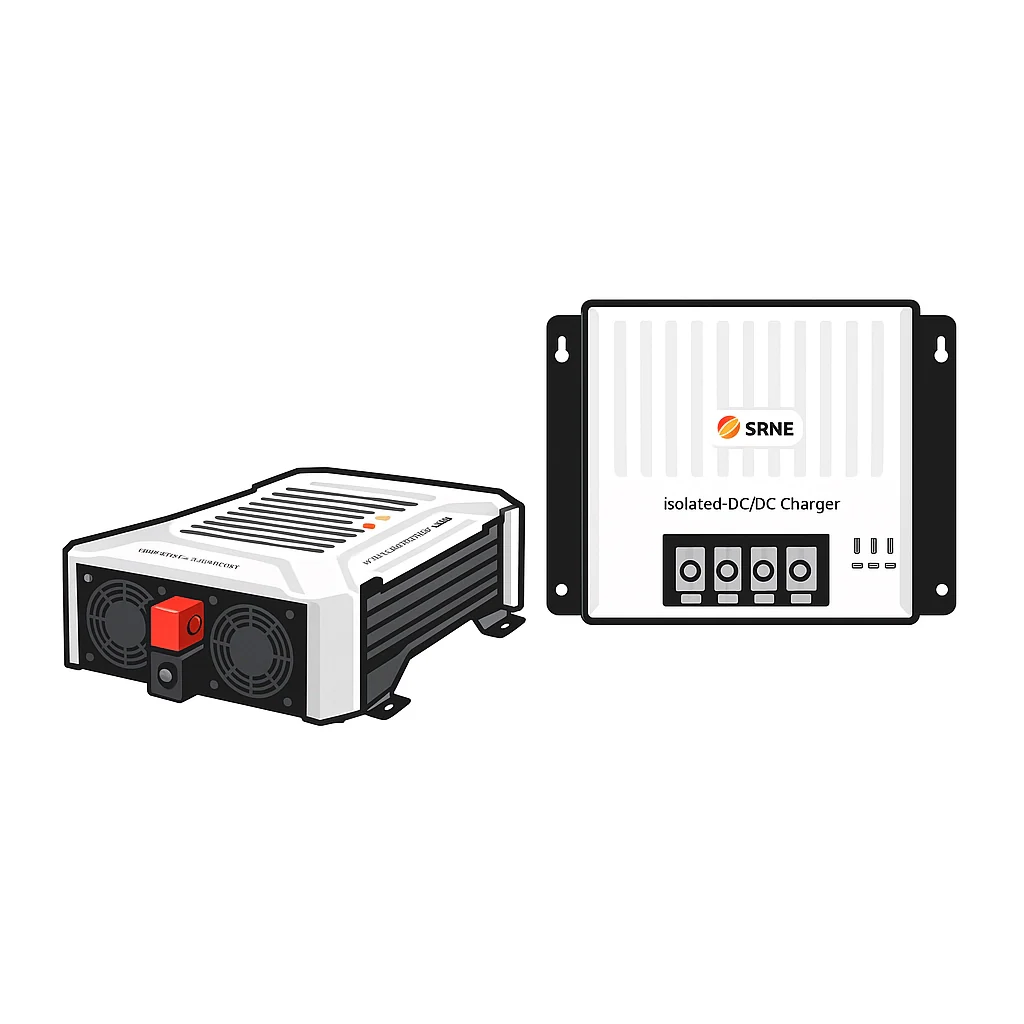
A DC-to-DC charger should be rated at 30% to 50% of your battery bank's Ah capacity for reasonable recharge times. A 200Ah bank pairs well with a 50A to 60A charger; a 100Ah bank is fine on 30A.
Campervan Solar Power System Design: Matching Panels to Battery Size
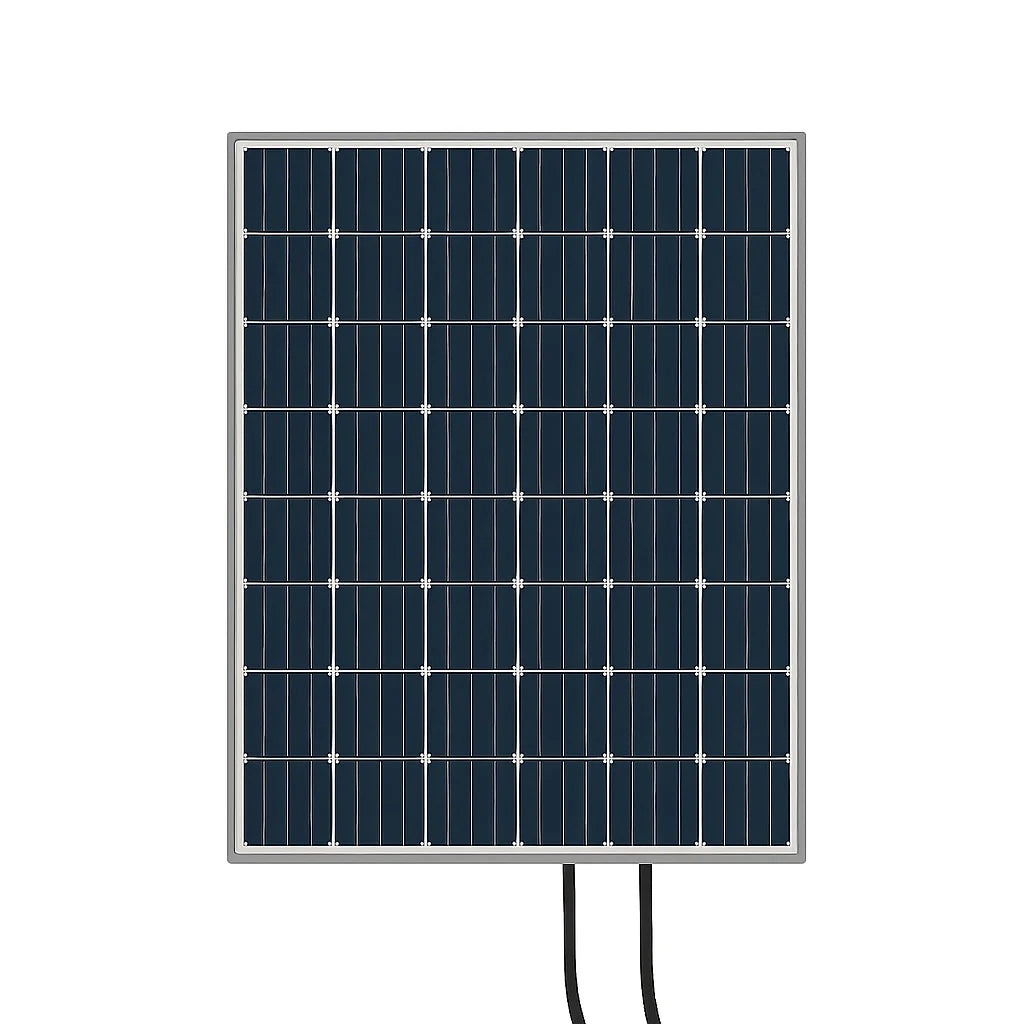
Campervan solar power system design follows a simple ratio: aim for 100W to 200W of panel per 100Ah of battery capacity for typical use. That gives a 200Ah bank 200W to 400W of solar, enough to recover a full day's consumption in reasonable light.
Frequently Asked Questions
How do I know what size lithium battery I need for my campervan?
Start with an energy audit: list every 12V appliance, its wattage and daily hours, then total the watt-hours. Divide by 12 to get amp-hours, multiply by 1.75 to cover inverter losses and depth of discharge, then divide by 0.8. A standard daily usage profile works out at roughly 155Ah, so a 200Ah lithium battery gives comfortable headroom for most couples.
Is 100Ah enough for a campervan?
For light users it can be. 100Ah to 200Ah is the starting range for light campervan users, and 100Ah is the minimum capacity needed to support a 1000W inverter. If you run a compressor fridge, diesel heater and charge laptops daily, 100Ah will feel tight and you will be recharging constantly.
How long will a 100Ah lithium battery run a 12V fridge?
A typical 12V compressor fridge draws around 45W and runs roughly 8 hours per day in mild conditions, so about 360Wh daily. A 100Ah lithium battery at 12V holds 1,200Wh, and at 80% depth of discharge that is 960Wh usable. In practice that is two to three days of fridge-only running before you need charging input.
What capacity should I choose for full-time off-grid living?
A 300Ah lithium battery provides approximately two days of autonomy for off-grid vanlifers, and 300Ah-plus systems are increasingly common among full-timers. A 400Ah bank with a 3000W inverter can provide high-capacity autonomy for heavy loads. Bear in mind that oversizing adds weight and cost if you do not run high-draw appliances.
How does a 100Ah lithium battery compare to lead-acid in usable capacity?
Lead-acid batteries should only be discharged to around 50% regularly, so a 100Ah lead-acid unit gives roughly 50Ah usable. Lithium iron phosphate (LiFePO4) can safely use 80% or more, so a 100Ah lithium battery delivers around 80Ah usable. That is roughly 60% more usable energy from the same nominal rating, plus significant weight savings.
Can I mix different battery brands in my campervan electrical system?
It is not recommended. Batteries in a bank share charge and discharge current, and mismatched BMS behaviour, cell quality or age causes uneven loading. One battery ends up doing more work and degrades faster. If you need to expand, add identical units in the same state of charge, or replace the bank entirely with matched cells such as Grade A EVE lithium cells used across the Skyenergi range.
Why choose SRNE or Skyenergi components for a campervan build?
Skyenergi supplies complete 12V power systems, from Edge and Elite lithium batteries to solar panels, MPPT charge controllers and DC-to-DC chargers, with SRNE charging and monitoring systems handling the control side. Buying matched components from one supplier means the BMS, charger and monitoring all communicate correctly, and you get UK-based technical support if something needs troubleshooting mid-trip.
Prev post

Achieve true energy independence for van life in the UK
Updated on 23 September 2026
Next post

Solar Panel with Battery: Essential Guide for Off-Grid Power
Updated on 21 September 2026


