





How to Safely Dispose of Lithium Batteries
Learn how to dispose of lithium batteries properly, whether you run SRNE or Skyenergi gear. Keep your campervan power system safe and compliant.
Last Updated: October 29, 2026
Quick Summary
Never put lithium batteries in household bins, recycling bins, or kerbside collections. Take them to a retail collection point, a local recycling centre, or a manufacturer take-back scheme, and tape the terminals first to prevent short circuits.
- Tape both terminals with plastic or clear insulating tape before storage or drop-off.
- Keep damaged, swollen, or leaking batteries in their own labelled, non-flammable container.
- Do not press, puncture, flatten, or charge a swollen lithium battery.
- Call the fire service if a battery is hot, hissing, smoking, or venting.
- Ring ahead, as not every recycling centre accepts damaged batteries.
Table of Contents
- Why Lithium Batteries Need Special Disposal
- Can Lithium Batteries Go in the Bin?
- How to Identify Lithium-Ion Batteries and Prepare Them for Recycling
- How to Store Lithium Batteries Before Recycling
- How to Dispose of a Swollen Lithium Battery
- Where to Recycle Lithium Batteries
- What Happens After Collection and How to Plan Your Next Battery Upgrade
- Frequently Asked Questions
Why Lithium Batteries Need Special Disposal
Lithium batteries are not like the old alkaline cells you used to toss in the bin. They store a lot of energy in a small space, and that energy does not switch off when the battery dies. At Skyenergi, we sell lithium leisure batteries for campervans and off-grid systems. Here is the short version: a dead lithium battery is still a live fire risk if you handle it badly.
Fire Risk and Thermal Runaway
Thermal runaway is the chain reaction that makes a damaged lithium battery so dangerous.
Watch out: a single damaged cell in a bag of loose batteries can ignite the whole bag. Never store scrap lithium batteries loose in a drawer or a carrier bag.
If you keep batteries in a van, read our guide on whether lithium batteries are safe in a van before you store anything.
The Environmental Cost of Improper Disposal
Lithium batteries contain metals and chemicals that should be recovered, not buried. Batteries in general waste can cause fires in collection vehicles and at waste sites (How batteries contribute to fires in recycling and waste management facilities). When a battery goes to landfill, those materials are lost and can leach into soil and water over time. Recycling recovers the valuable metals and keeps batteries out of general waste. For a fuller explanation of the recovery process, see our guide on what lithium battery recycling involves.
Can Lithium Batteries Go in the Bin?
No. Lithium batteries must never go in a household bin, a recycling bin, or a kerbside collection. Proper handling of these hazardous components serves as a critical first step toward reducing electronic waste by ensuring that materials are recovered responsibly rather than discarded into the environment.
They need separate collection at a proper drop-off point. That means a retail collection point, a local recycling centre, or a manufacturer take-back scheme.
How to Identify Lithium-Ion Batteries and Prepare Them for Recycling
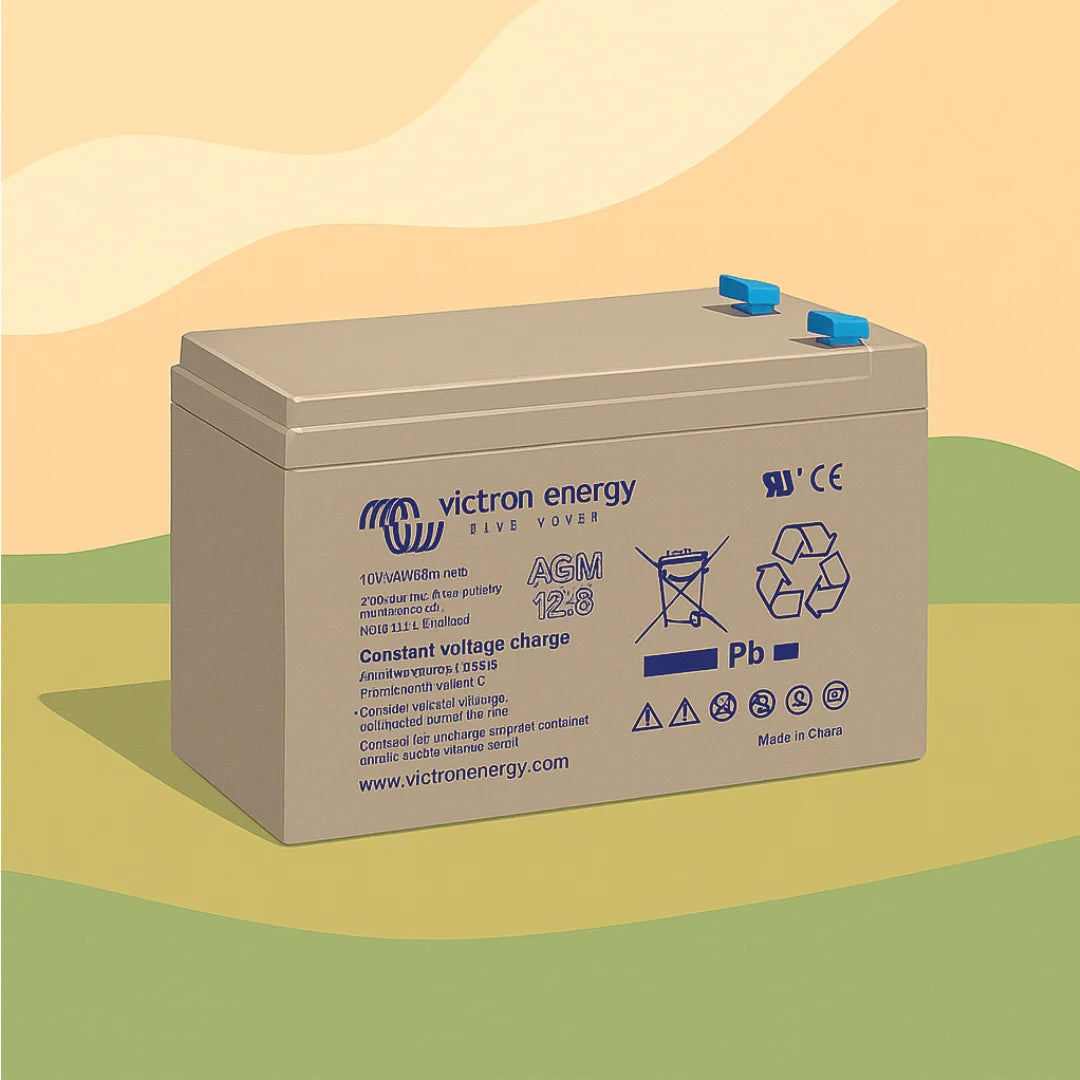
Start by working out what you actually have. Lithium-ion batteries are rechargeable and turn up in phones, laptops, power tools, e-bikes, and leisure battery systems. Single-use lithium cells look like normal household batteries but are marked "lithium" on the label.
Battery Chemistry and Format Identification
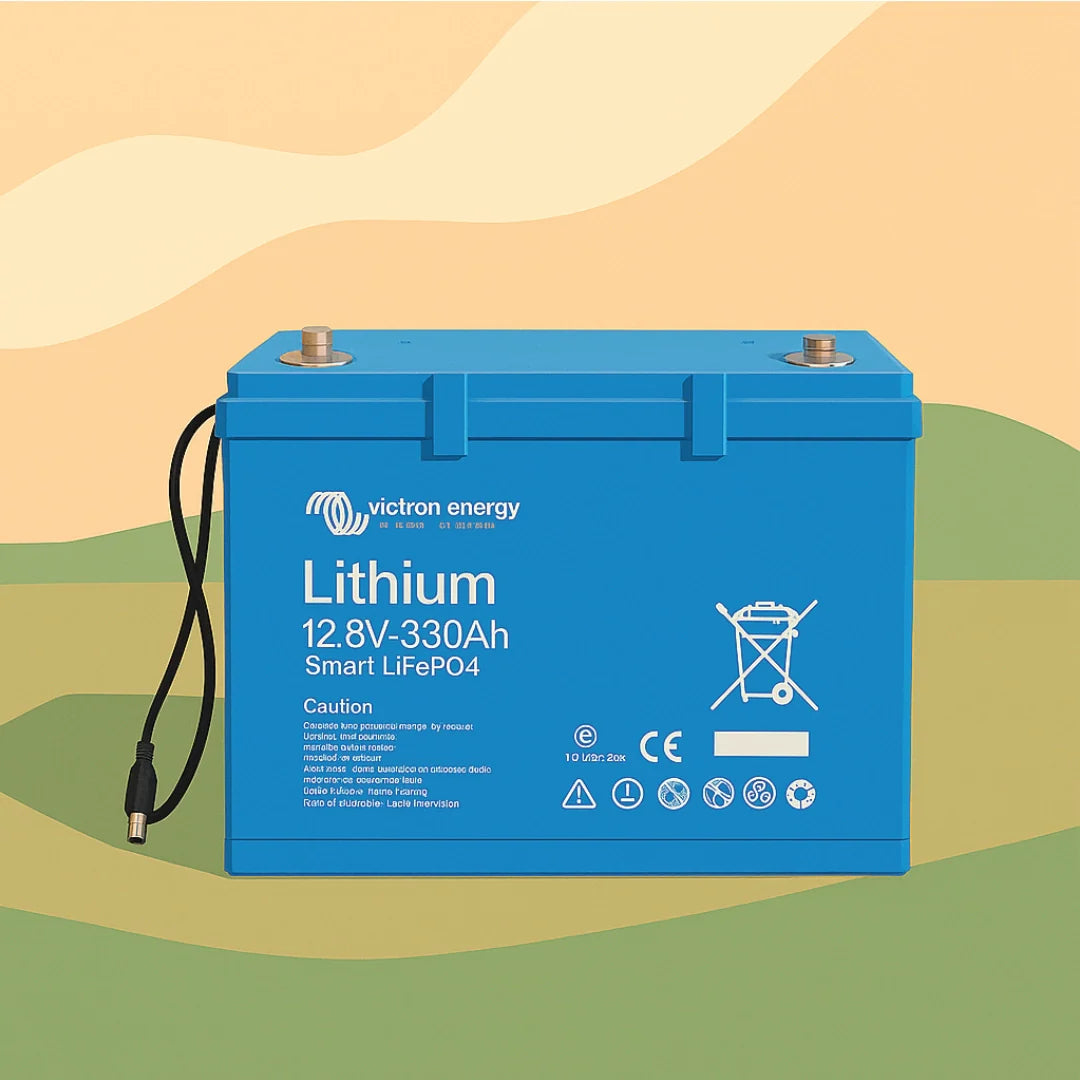
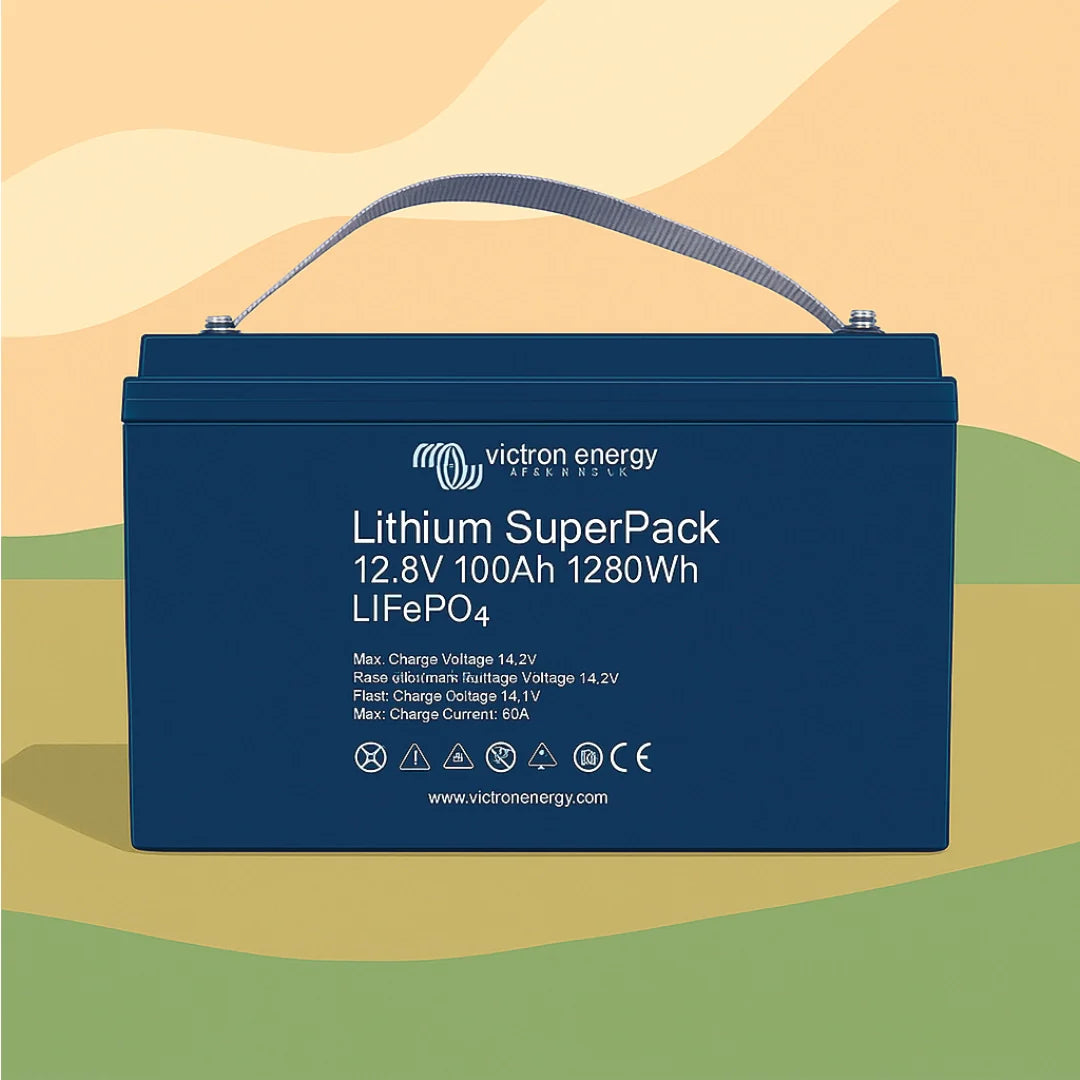
Check the label for the chemistry. You will usually see "Li-ion", "LiFePO4", or "lithium" printed on the casing. The format matters too:
- Coin and button cells: watches, key fobs, small remotes
- Cylindrical cells: power tools, torches, some e-bikes
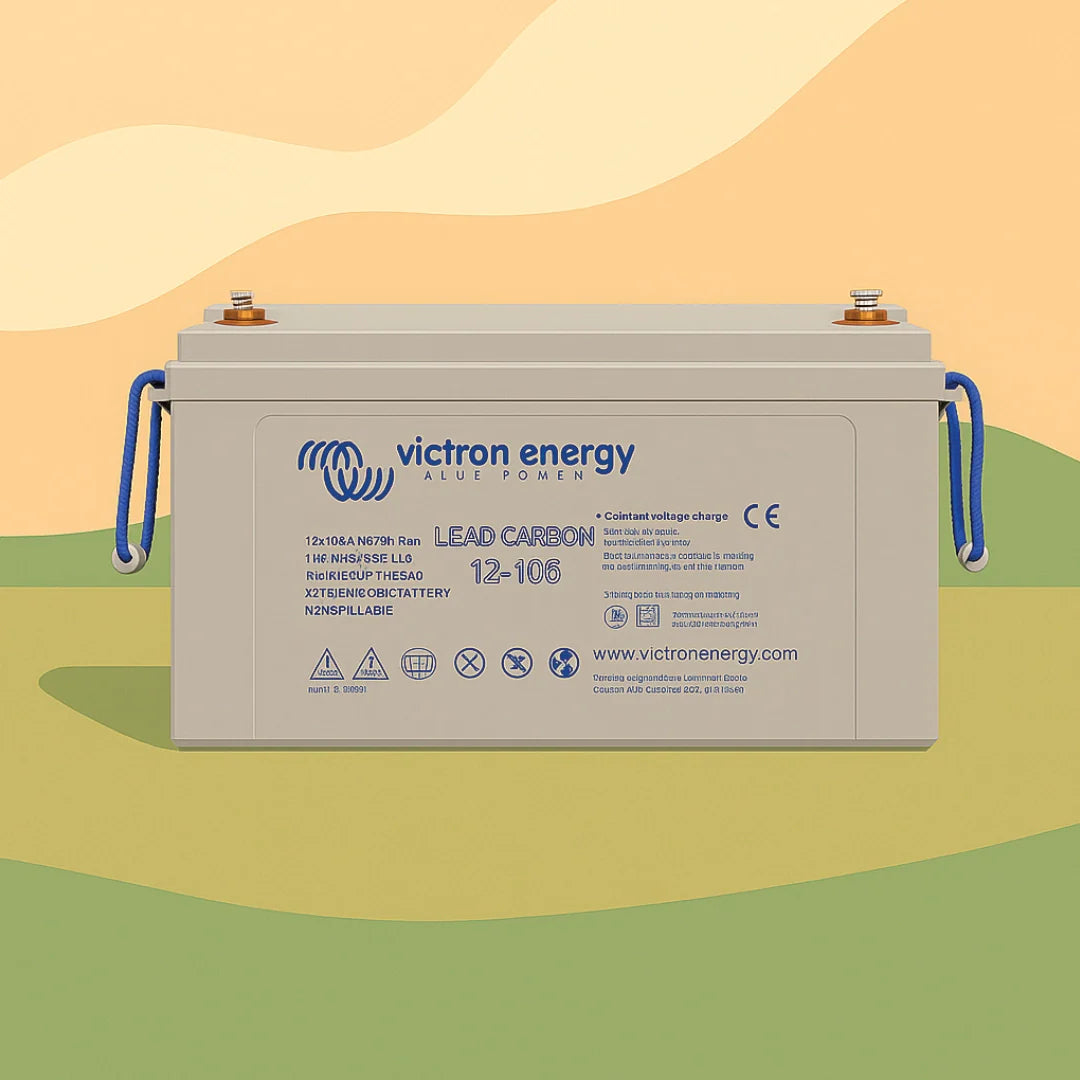
- Pouch and prismatic cells: phones, tablets, leisure battery packs
- Battery packs: sealed units in tools, vacuums, and e-scooters
If the label is worn off, treat it as lithium and take it to a drop-off point anyway.
Removing Batteries from Devices and Taping Terminals
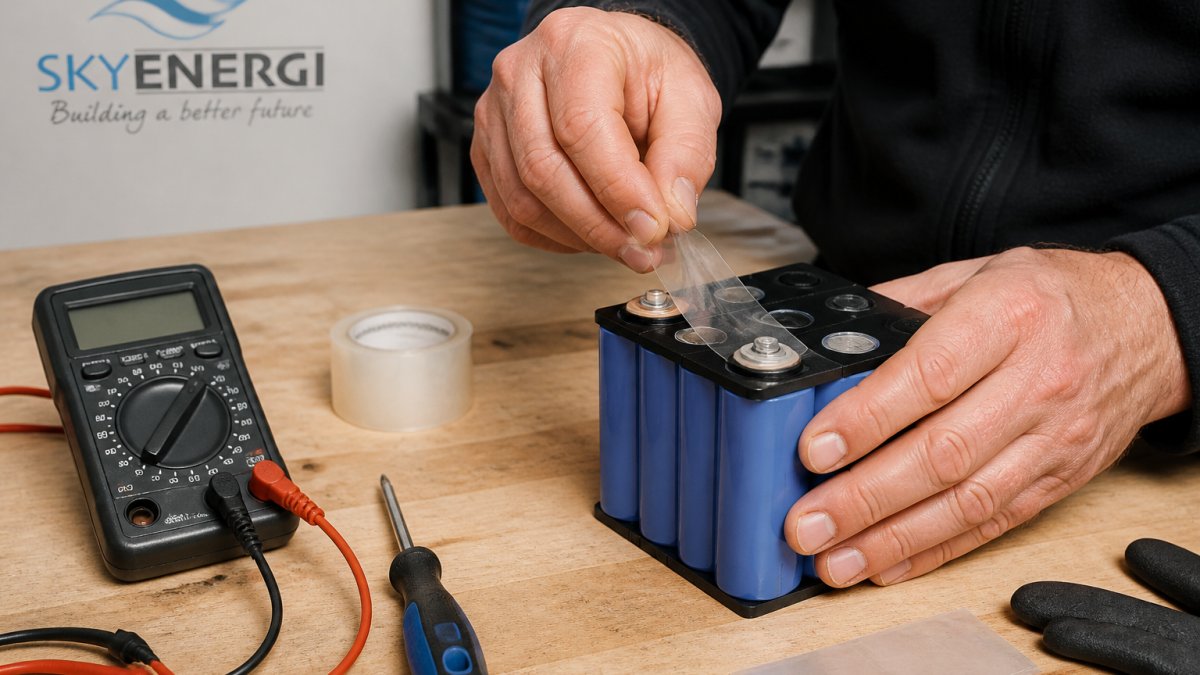
Remove the battery from the device where you can. Then cover the terminals with insulating tape. Plastic tape or clear tape over the electrical contacts helps prevent a short circuit if the terminals touch metal or another battery.
- Remove the battery from the device
- Check for swelling, leaks, or damage
- Cover both terminals with plastic tape
- Bag each damaged battery separately
- Keep batteries cool and dry until drop-off
Some devices have built-in batteries you cannot remove. Do not prise them out. Take the whole device to an electrical recycling point instead.
How to Store Lithium Batteries Before Recycling
Storage is the step most people rush, and it is where avoidable fires start. The goal is to keep batteries cool, dry, separated, and protected from short circuits until you can get them to a drop-off point. Keep them out of direct sunlight and away from radiators.
A simple pre-drop-off protocol
Treat the wait between removal and recycling as a short, controlled storage period rather than a loose pile in the garage.
- Separate by condition. Keep damaged, swollen, or leaking batteries in their own container, away from healthy ones. Never stack them together.
- Tape exposed terminals. Cover both terminals with plastic or clear insulating tape so they cannot touch metal or each other.
- Bag each damaged battery individually. A sealed plastic bag inside a non-flammable tin gives you a second layer of containment.
- Label the container. Write “damaged lithium, do not charge” on the outside so nobody in the household mistakes it for a spare.
- Keep the container cool and dry. A shaded, ventilated spot is better than a sealed cupboard. Do not store scrap batteries in a vehicle for long periods, summer heat inside a van can push a damaged cell into thermal runaway.
- Set a drop-off date. Batteries should not sit for months. Put the trip in the diary within a couple of weeks.
Storage temperature and the cold-weather trap
Cold slows a battery down but does not make it safe. A frozen damaged cell can still short when it warms up. If you are storing batteries in a cold garage or shed over winter, our guide on lithium leisure batteries in cold weather covers the temperature limits. The same limits apply to scrap batteries: keep them above freezing where you can, and bring them indoors in a sealed container if the shed drops below zero.
Transporting to the drop-off point
On the day, carry the container upright and secured so it cannot slide or tip. Do not put loose batteries in a carrier bag on the passenger seat. If you are taking a large leisure battery or a sealed pack, check with the recycling centre first, some sites ask you to book ahead for larger units, and not all accept damaged batteries.
How to Dispose of a Swollen Lithium Battery
A swollen lithium battery is a damaged battery, and it needs handling with care. Swelling can mean gas has built up inside the cell. The battery may still hold charge, so do not press it, puncture it, try to flatten it, or charge it. Do not put it in the bin.
Swollen, leaking, hot, or smoking: match the response to the condition
- Swollen but cool and quiet: stop using the device, unplug it, and move the battery to a cool, well-ventilated spot away from anything flammable. Place it in a non-flammable container such as a metal tin if you can do so safely, bag it separately, and tape any exposed terminals. Take it to a household hazardous waste site or a recycling centre that accepts damaged batteries. Ring ahead, not every site takes damaged units.
- Leaking: put on gloves, keep the battery away from skin and eyes, and place it in a sealed plastic bag inside a non-flammable container. Do not wipe the leak with a paper towel and leave it in a bin. Take it to a staffed recycling centre and tell staff what it is.
- Hot to the touch, hissing, or smoking: do not touch it, do not move it, and do not cover it. Move people away, open a window if you can do so safely, and call the fire service. A battery in this state can enter thermal runaway within seconds.
- Already on fire: evacuate, call the fire service, and do not attempt to move the battery. If you must pass a small burning battery, a Class D extinguisher or a large volume of water may be used by trained staff, but untrained handling is not advised.
Containment and transport limits
A swollen battery should travel alone. Do not put it in a bag with healthy batteries, tools, or metal objects.
If the battery is part of a sealed leisure or campervan system, do not attempt to cut it out yourself. Isolate the system at the main fuse or breaker, and take the whole unit to a specialist recycler or your installer.
When to escalate rather than recycle
Recycling is for batteries that are damaged but stable. Escalate to the fire service if the battery is hot, hissing, smoking, or visibly venting. Escalate to a qualified installer or the manufacturer if the battery is part of a fixed system and you cannot isolate it safely. And if you are unsure whether a battery is swollen or just a tight-fitting case, treat it as damaged until a professional confirms otherwise.
Where to Recycle Lithium Batteries
You have three main routes, and the right one depends on the battery size and its condition.
| Route | Best for | What to expect |
|---|---|---|
| Retail collection point | Small cells and battery packs | In-store drop-off bins |
| Local recycling centre | Larger packs and damaged batteries | Staffed site, separate battery bay |
| Manufacturer take-back | Branded power tool and device batteries | Post-back or in-store scheme |
Retail Collection Points and Local Recycling Centres
Most supermarkets, DIY stores, and electrical retailers have a battery collection bin near the entrance. These suit small cells and standard battery packs. For larger leisure batteries or anything damaged, use a staffed local recycling centre with a separate battery bay. Ring ahead if you are unsure whether they accept damaged units.
Mail-In and Manufacturer Take-Back Programmes
Some manufacturers run take-back schemes for their own branded batteries. Check the brand's website for a post-back option or an in-store drop-off. Mail-in programmes usually restrict damaged or swollen batteries, so read the terms before you post anything.
What Happens After Collection and How to Plan Your Next Battery Upgrade
Once collected, batteries are processed to recover metals. Those recovered materials go back into the supply chain instead of into landfill.
When you are ready to replace an old battery, browse the Skyenergi lithium battery range to match capacity to your setup. Skyenergi's Edge and Elite batteries are designed for campervan and off-grid power systems.
Frequently Asked Questions
What is the lifespan of a lithium battery?
Capacity fades gradually, so you may notice shorter runtimes before the battery fails completely. Always dispose of the old unit through a proper recycling route rather than storing it indefinitely.
Can damaged lithium batteries be taken to a recycling point?
Yes, but you must tell staff at the recycling centre that the battery is damaged, swollen, or leaking before you hand it over. Never put a damaged battery in a standard collection bin or leave it unattended. If the battery is hot, smoking, or visibly ruptured, do not transport it yourself; call your local council's hazardous waste team for advice.
How can I tell whether a battery is lithium-ion?
Check the label or casing for the words 'lithium-ion', 'Li-ion', or 'LiFePO4'. Lithium batteries are typically lighter than lead-acid equivalents and often have a nominal voltage of 3.6V to 3.7V per cell. If the label is missing, look at the device: phones, laptops, power tools, and campervan leisure batteries are almost always lithium-ion. When in doubt, treat it as lithium and take it to a dedicated battery recycling point rather than putting it in the bin.
Where can I recycle lithium batteries?
Most supermarkets and electrical retailers provide collection bins for small lithium batteries. Your local household waste recycling centre should accept larger battery packs and e-bike batteries. For campervan leisure batteries, check with the retailer you bought from. Some manufacturers run mail-in programmes, but damaged or swollen batteries are often excluded from these services, so always confirm before posting.
Disposing of lithium batteries safely comes down to three habits: identify the chemistry, tape the terminals, and use a proper drop-off point. Get those right and you remove the fire risk from your bin and your van. At Skyenergi, we supply lithium leisure batteries alongside the SRNE charging and monitoring systems that keep them running efficiently, with fast delivery and UK-based support. Get started with Skyenergi and build a power system you can rely on, from first install to final disposal.

Prev post

Are You Seeing Signs of Lithium Battery Thermal Runaway?
Updated on 31 October 2026
Next post

Safe Ventilation for Campervan Battery Banks: A How-To
Updated on 29 October 2026


