





Is It Safe to Use Lithium Leisure Batteries in Cold Weather?
Is it safe to use lithium leisure batteries in cold weather? Learn charging limits, low-temperature cut-offs, and winter storage for LiFePO₄ batteries.
Table of Contents
- Lithium Leisure Batteries in Cold Weather: What Actually Changes
- LiFePO₄ Battery Charging Temperature: Why Charging Is the Real Risk
- Lithium Leisure Battery Low-Temperature Cut-Off: How the BMS Protects You
- How to Keep a Leisure Battery Warm in Winter
- Lithium Leisure Battery Winter Storage: Doing It Right
- Cold-Weather Safety Checklist for Campervans, Motorhomes and Boats
- Conclusion: Safe Cold-Weather Use Comes Down to the Right Battery and Charging Setup
- Frequently Asked Questions
Last Updated: October 6, 2026
Lithium Leisure Batteries in Cold Weather: What Actually Changes
Yes, it is safe to use lithium leisure batteries in cold weather, provided you understand one hard rule: most LiFePO₄ batteries can discharge below freezing, but cannot be charged below 0°C without risking permanent damage.

Cold affects lithium chemistry differently to the lead-acid batteries many campervan owners are replacing: capacity drops, internal resistance rises, and the charging window narrows. In most leisure vehicles the real problem is the charging setup, not the battery.
Three things change as temperatures fall:
- Usable capacity falls. You get less energy out of the same battery.
- Acceptable charge current falls. Charging must slow down or stop near freezing.
- Voltage sags under load. Fridges and inverters can cut out earlier.
LiFePO₄ Battery Charging Temperature: Why Charging Is the Real Risk
Charging is where cold weather turns from an inconvenience into a repair bill.
Most manufacturers set a charge cut-off around 0°C, below which the BMS should block charging entirely. Some allow a reduced "trickle" charge just above freezing, but this varies by model.
Two rules matter here:
- Discharge: usually safe down to around -20°C for many LiFePO₄ designs.
- Charge: blocked at or near 0°C on most leisure batteries.
The gap between those two numbers is the whole story. A battery sitting at -5°C overnight is fine to draw power from.
What Happens If You Charge Below Freezing
If your BMS is working, nothing happens. It simply refuses the charge, and your solar or DC-to-DC charger has nowhere to send current.
If your BMS is absent, faulty, or bypassed, lithium plating builds up on the anode, capacity drops, and cells can short internally.
According to guidance on lithium battery charging safety, battery systems should always be operated within the manufacturer's stated temperature range.
Charging-System Compatibility in Leisure Vehicles
A cold battery does not care where charge current comes from. Alternator, solar, mains, or DC-DC, if cells are below the low-temperature threshold, every source must be prevented from charging.
Here is how each source behaves and what to check:
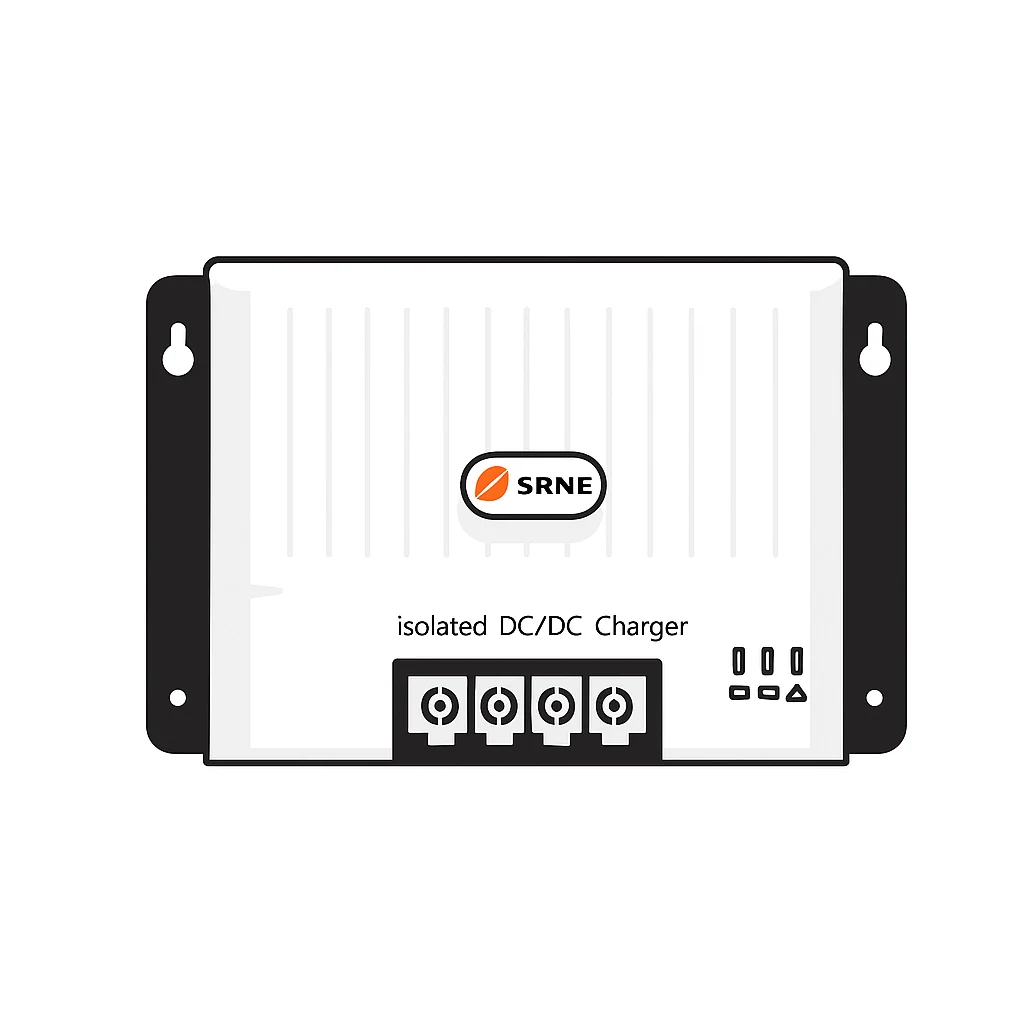
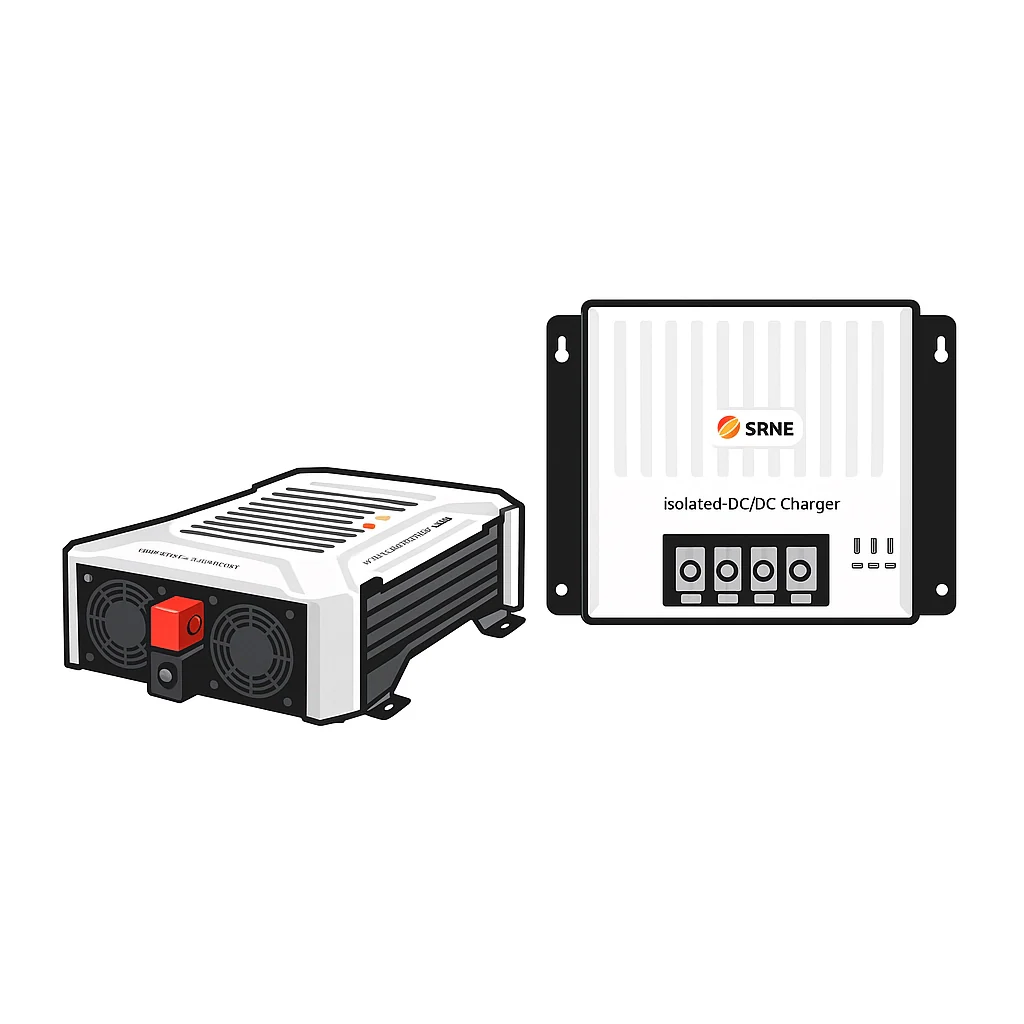
- Alternator charging via split-charge relay or DC-DC charger. A smart alternator or voltage-sensing relay may push current into the leisure battery as soon as the engine runs. If the battery is cold, the BMS blocks it, but repeated blocked attempts can stress the charging system. A DC-DC charger with a temperature input or isolation switch is safer.
- Solar controllers. MPPT and PWM controllers harvest whatever the panels produce, in winter, a small current at exactly the wrong temperature. Many have no battery temperature sensor and will try to charge a frozen bank. A controller with a temperature sensor, or one set to stop below a set temperature, prevents this.
- Mains chargers. A standard charger will attempt to charge regardless of battery temperature unless it has a temperature probe or a link to the BMS. A cold battery brought inside should reach above freezing before the charger is connected.
A practical pattern many installers use is a manual isolation switch on the charging circuit, or a BMS with a charge-disable output that signals the charger to stop. SRNE charging and monitoring systems work with this logic, keeping charge current within safe limits automatically.
Temperature Thresholds at a Glance
Use this as a quick decision guide. Always check your battery manual, because exact limits vary by model and cell supplier.
| Battery temperature | Charging | Discharging | What to do |
|---|---|---|---|
| Below 0°C | Blocked by BMS on most LiFePO₄ | Usually allowed, reduced capacity | Do not charge. Warm the battery or wait. |
| 0°C to 5°C | Often restricted or trickle only | Allowed | Check manual. Prefer to warm before charging. |
| 5°C to 10°C | Usually allowed at reduced current | Allowed | Monitor for slower acceptance. |
| Above 10°C | Normal charging | Normal discharging | Standard operation. |
If your battery has an integrated heat pad, the BMS warms the cells to a safe charging temperature before allowing charge current. That removes the need to monitor the table manually, but you still need enough residual charge to run the heater.

Lithium Leisure Battery Low-Temperature Cut-Off: How the BMS Protects You
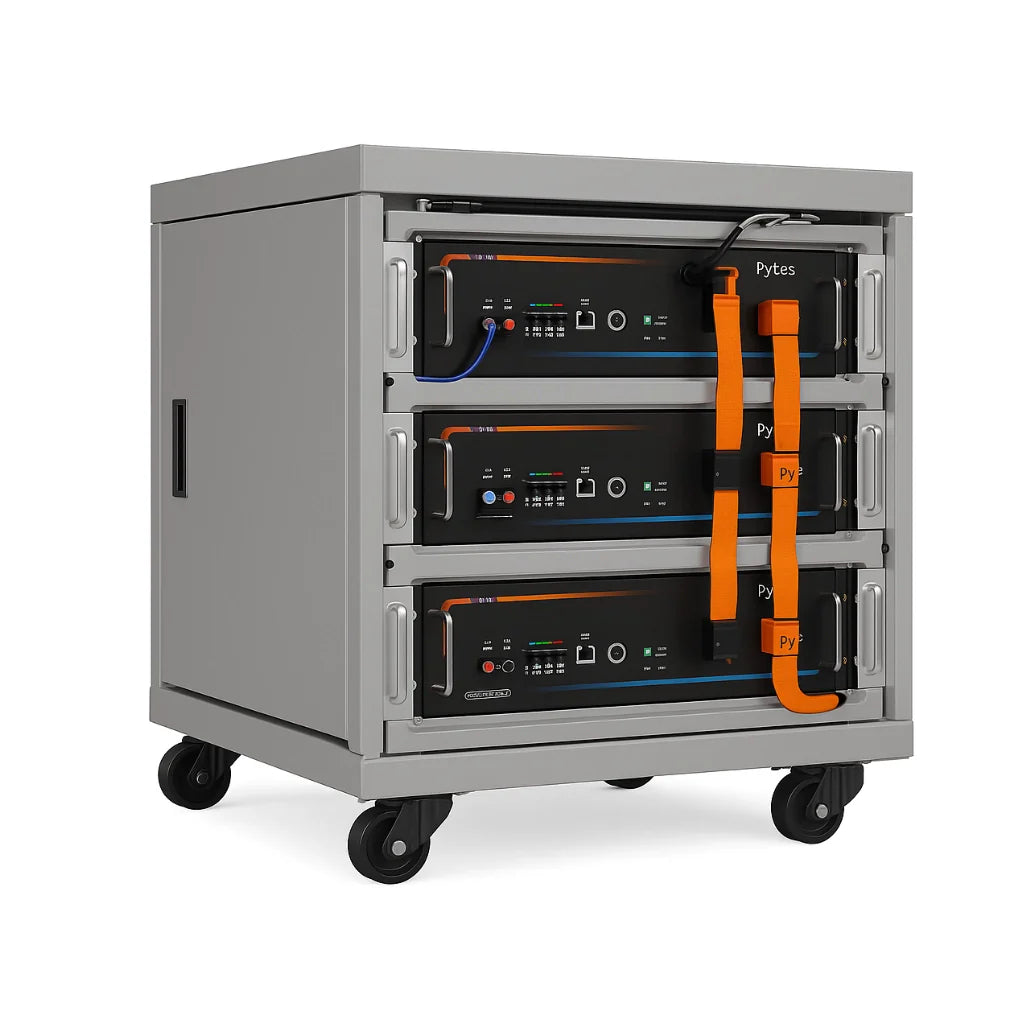
The battery management system (BMS) is the electronic control board inside a lithium battery that monitors voltage, current and temperature, and disconnects the cells when conditions fall outside safe limits. On a cold morning, the BMS is why your battery survives.
A good BMS does four things in cold weather:
- Blocks charging below the low-temperature threshold
- Allows discharging down to a lower, separate threshold
- Reports cell temperatures so you can see what is happening
- Re-enables charging once the cells warm back up
This is why we specify premium JBD BMS boards across our range. They handle the cold-weather logic automatically, so you do not need to babysit the system.
Discharging in Cold Conditions: A Different Set of Limits
Discharging in cold is much less risky. LiFePO₄ cells handle sub-zero discharge well, though you will notice reduced capacity and lower voltage under load.
Practical effects you may see:
- Your fridge runs for fewer hours overnight
- An inverter may trip earlier than expected on a heavy load
- State of charge readings can look lower than they really are
None of these are failures. They are normal cold-weather behaviour. The battery is protecting itself.
How to Keep a Leisure Battery Warm in Winter
Keeping a leisure battery warm in winter comes down to two approaches: buy a battery with a built-in heater, or insulate and warm the space around a standard one.
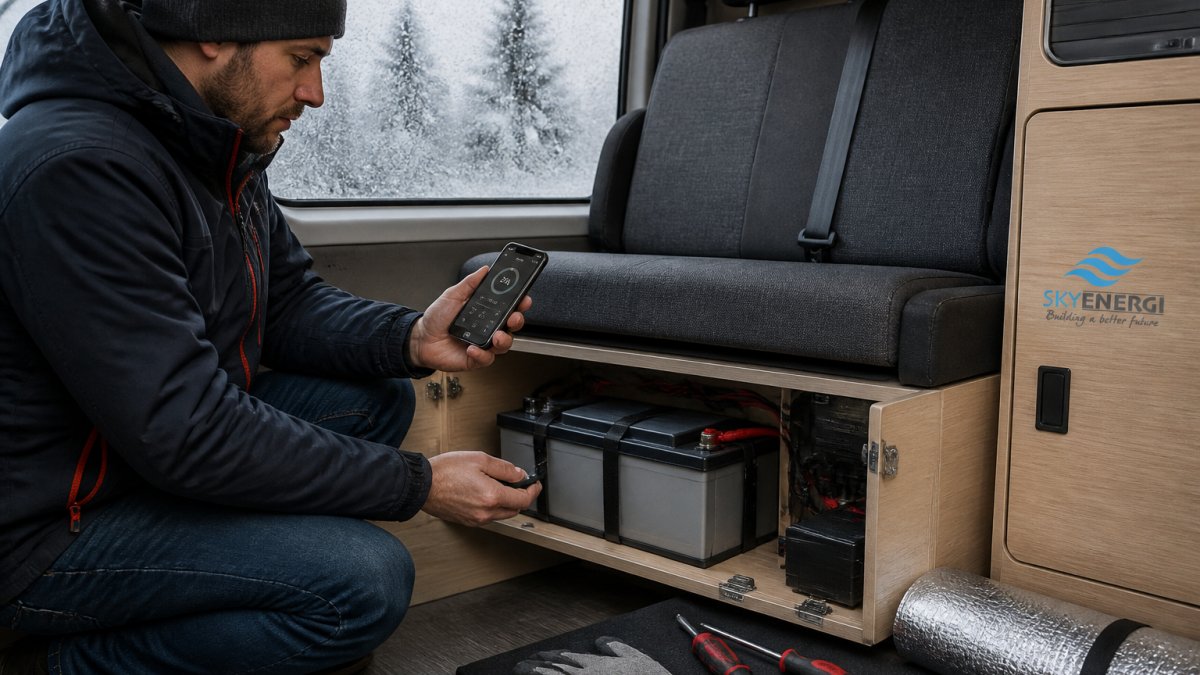
Simple, low-cost steps that work well:
Skyenergi Elite 304Ah Smart Lithium Leisure Battery - Victron Can-Bus →
- Mount the battery inside the heated living space, not in an external locker
- Add closed-cell insulation around the battery enclosure
- Avoid positioning batteries against cold external panels
- Run heavy loads during the day when temperatures peak
If your battery lives in an unheated garage or external box, insulation alone will not save you. You need active heating.
Heated Batteries vs External Heating Setups
A heated battery has a heat pad built into the case, controlled by the BMS.
An external heating setup uses a separate pad, mat, or enclosure heater. It works, but needs its own thermostat and power source, and must not run off the battery it is trying to warm.
| Approach | Best For | Watch Out For |
|---|---|---|
| Integrated heat pad | Year-round off-grid use, cold lockers | Higher upfront cost |
| External heater pad | Existing batteries, tight budgets | Needs separate thermostat and power |
| Insulation only | Mild winters, indoor-mounted batteries | No help in hard frost |
| Move battery inside | Simple conversions | Space and ventilation limits |
Our view is straightforward: if you camp or live off-grid through winter, buy a battery with an integrated heat pad. It removes an entire category of user error.
Lithium Leisure Battery Winter Storage: Doing It Right
Winter storage is where most cold-weather damage actually happens. A battery left flat and frozen for months will not thank you in spring.
Do this before you park up:
- Charge the battery to roughly 50-60% state of charge
- Disconnect all loads, including alarms and trackers where possible
- Store indoors or in a frost-free space if you can
- Check the state of charge every 4-6 weeks
If the battery must stay in the vehicle, insulate it and check it more often. A Bluetooth-enabled battery makes this easy, read state of charge and cell temperature from the app without climbing into a cold van.
Cold-Weather Safety Checklist for Campervans, Motorhomes and Boats
Run through this before any winter trip or cold-weather charge cycle.
Before you charge:
- Confirm your battery has low-temperature charge protection
- Check the BMS is not bypassed or disabled
- Verify cell temperature before connecting a charger
- Never charge below 0°C
During cold-weather use:
- Check state of charge weekly in storage
- Insulate the battery enclosure where practical
- Run heavy loads during the day when temperatures peak
- Watch for earlier-than-expected inverter cut-offs
If something goes wrong:
- If charging is blocked, do not bypass the BMS. Warm the battery or wait.
- If the BMS disconnects, note the temperature and state of charge, then let the battery warm naturally.
- If the battery has been exposed to freezing temperatures, bring it indoors or to a frost-free space and let it reach above freezing before charging.
- If the battery will not accept charge after warming, check the charger settings and BMS status before assuming a fault.
For charging hardware, SRNE charging and monitoring systems keep charge current within safe limits automatically, removing the guesswork from cold-weather charging.
Cold-Weather Troubleshooting and Recovery
Even with good equipment, cold weather can trigger a shutdown. Here is what to do, and what not to do.
Charging is blocked. The most common cold-weather event: the BMS has detected a cell temperature below the charge threshold and opened the charge path.
The battery has been frozen. A LiFePO₄ battery exposed to freezing temperatures is not automatically damaged.
What not to do:
- Do not bypass the BMS to force a charge.
- Do not apply external heat directly to the cells with a naked flame or high-power heater.
- Do not assume a cold battery is dead. Warm it first, then test.
- Do not leave a flat battery in a freezing vehicle for months.
Conclusion: Safe Cold-Weather Use Comes Down to the Right Battery and Charging Setup
Cold weather is not a reason to avoid lithium. It is a reason to buy the right battery and pair it with charging gear that respects the temperature limits.
At Skyenergi, we build our Elite and Core2 ranges with integrated heat pad technology, premium JBD BMS protection, and Bluetooth monitoring so you can see exactly what your battery is doing.

Get started with Skyenergi and keep your power system running safely all winter.
Frequently Asked Questions
Can you charge a LiFePO₄ battery below 0°C?
No. Charging a LiFePO₄ battery below 0°C risks permanent damage through lithium plating on the anode. Most quality lithium leisure batteries have a low-temperature cut-off that blocks charging until the cells warm up. Always check your specific battery maker's instructions, because cold-weather operating limits vary between manufacturers and cell types.
Do lithium leisure batteries lose capacity in cold weather?
Yes, temporarily. Cold temperatures slow the chemical reactions inside lithium-ion cells, which reduces usable capacity and increases internal resistance. A lithium leisure battery that delivers 100Ah at 20°C may only deliver 80-85Ah at 0°C. This capacity loss is reversible: once the battery warms back up to normal operating temperature, performance returns to normal. It is not permanent damage, provided you stay within the manufacturer's charging and discharging limits.
Is a heated lithium leisure battery worth it for winter use?
For anyone using a campervan, motorhome or boat through winter, an integrated heat pad is one of the most practical features you can buy. It warms the cells so charging can start safely in freezing conditions without you having to intervene. Skyenergi's Elite and Core2 ranges include heat pad technology as standard, so charging and discharging continue reliably even in sub-zero temperatures. If you only use your leisure vehicle in summer, a heated battery is less critical.
How should I store a lithium leisure battery over winter?
Charge it to roughly 50-60% state of charge, disconnect it from all loads and charging sources, and store it somewhere dry that stays above freezing, ideally between 5°C and 20°C. Check the voltage every few months; if it drops noticeably, top it back up to around 50%. Avoid leaving it fully charged or fully discharged for long periods. A garage that regularly drops below 0°C is not ideal unless the battery has built-in low-temperature protection.
Prev post

5 Best 12V Power Distribution Solutions for DIY Van Conversions
Updated on 07 October 2026
Next post

How to Choose a 12V Lithium Battery for a Small Campervan
Updated on 05 October 2026


