





7 Benefits of Lithium Batteries for Remote Cabin Power
Lithium cabin power systems run lights and fridges through cloudy spells. Learn how to size your battery bank in four steps.
Last Updated: November 1, 2026
Quick Summary
Lithium batteries give remote cabins more usable energy, lighter weight and longer life than lead-acid. Lithium cabin power systems tolerate deeper discharges, charge faster and hold a steadier voltage, so they keep the lights and fridge running through cloudy spells. Sizing the bank to your daily load and autonomy days is the key step.
- Lithium batteries let more of the rated capacity be used each day.
- Lead-acid batteries are heavier and need more regular maintenance.
- Multiply daily watt-hours by autonomy days, then divide by voltage and depth of discharge to size the bank.
- Add a 15-25% margin for future appliances and real-world solar yield.
- Charging is paused below freezing, so choose a battery with low-temperature protection or self-heating.
Table of Contents
- Why Remote Cabins Need a Better Battery
- Lithium vs Lead-Acid Batteries for Solar
- Usable Capacity, Depth of Discharge and Efficiency
- Solar Battery Sizing for a Cabin
- Pairing Lithium Batteries with an MPPT Charge Controller
- Lithium Battery Cold-Weather Charging and Protection
- Choosing Your Skyenergi Battery for Your Cabin
- Frequently Asked Questions
Why Remote Cabins Need a Better Battery
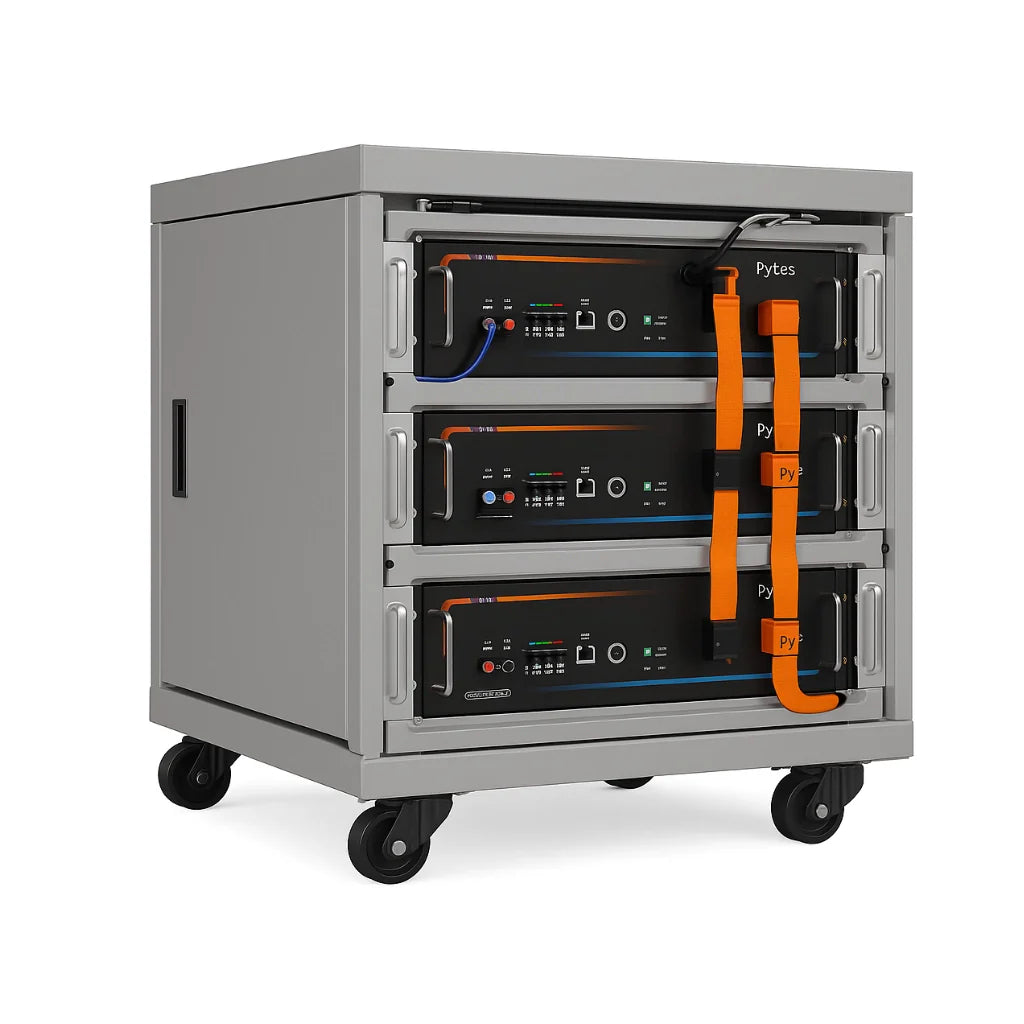
A remote cabin lives or dies by its battery bank. When the sun drops and the wind dies, the stored energy is all you have. A lead-acid battery can struggle to keep the fridge running through a cloudy week, which is why a modern lithium cabin power setup is worth considering.
Lithium batteries change that picture. They hold more usable energy, weigh less and tolerate deeper discharges. This guide, from Skyenergi, walks through seven benefits and shows how to put them to work in a real off-grid cabin.
Lithium-ion battery costs have fallen sharply over the last decade. International Energy Agency battery report describes how that trend has made lithium storage far more affordable for off-grid users than it was even a few years ago.
The reasons lithium suits cabins come down to a few points:
- More of the stored energy is actually usable
- Charging is faster and more efficient
- Lifespan is longer, so fewer replacements
- Less weight to haul into a remote site
- Stable voltage for sensitive appliances
Our product range is built around these needs, from the Skyenergi Edge to the Skyenergi Elite.
Lithium vs Lead-Acid Batteries for Solar
Lead-acid batteries have served off-grid systems for decades, but they have clear limits. For a wider view of how batteries fit into a complete off-grid setup, see off-grid solar battery essentials. They are heavier, need careful charging and lose capacity faster when repeatedly drained.
Lithium batteries handle the same job with fewer trade-offs.
A typical comparison looks like this:
| Feature | Lead-Acid | Lithium (LiFePO4) |
|---|---|---|
| Usable capacity | Around half of rated | Most of rated |
| Weight | Heavy | Considerably lighter |
| Maintenance | Regular checks | Maintenance-free |
| Charging speed | Slower | Faster |
Watch out: lead-acid and lithium batteries should never be mixed on the same bank, as their charging profiles differ.
Usable Capacity, Depth of Discharge and Efficiency
Usable capacity is the figure that matters in any lithium cabin power system. A battery rated at 100Ah does not give you 100Ah of power if you can only safely draw half of it.
Depth of discharge (DoD) describes how far a battery is emptied before recharging. Lithium batteries tolerate deeper discharges than lead-acid, so more of the rated capacity is available to you each day.
Charge and discharge efficiency also matter.
The Skyenergi Edge 100Ah Lithium Leisure Battery, priced at £219.00, is available for smaller cabin loads, and the Skyenergi Edge 280Ah Lithium Leisure Battery at £445.00 offers greater storage.
Solar Battery Sizing for a Cabin
Sizing is where most cabin systems succeed or fail. A battery bank that is too small will run flat in the first cloudy spell; one that is too large wastes money and space. The method below turns a vague sense of "enough power" into a specific capacity figure you can shop against.
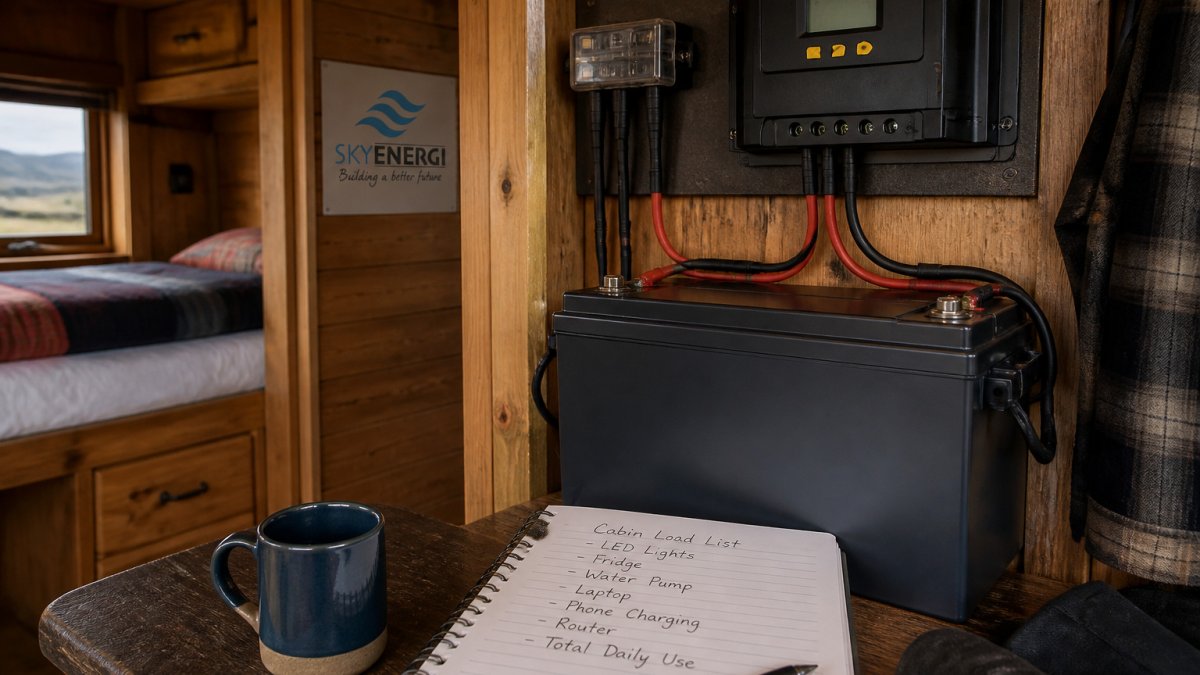
Step 1: Build a daily load audit
List every appliance, its power draw in watts and the hours per day it runs. Multiply watts by hours to get watt-hours (Wh), then add the rows. A realistic small-cabin example:
| Appliance | Power (W) | Hours/day | Daily Wh |
|---|---|---|---|
| LED lighting (6 fittings) | 30 | 5 | 150 |
| Fridge (compressor, cycling) | 60 | 8 | 480 |
| Laptop and phone charging | 65 | 3 | 195 |
| Water pump | 400 | 0.5 | 200 |
| Router and small electronics | 20 | 24 | 480 |
| Daily total | 1,505 Wh |
Add 10-15% for inverter losses and standby draw. That brings the working figure to roughly 1,700 Wh per day.
Step 2: Account for peak loads
Daily watt-hours do not capture start-up surges. A fridge compressor or water pump can draw two to three times its running wattage for a second or two. Check that the battery's continuous discharge current and the inverter's surge rating can cover the largest simultaneous load. For the example above, the pump's 400 W running load might surge to 1,200 W briefly, well within a 100 A BMS on a 12 V battery, but worth confirming before you buy.
Step 3: Choose autonomy days
Autonomy is how long the bank must carry the cabin without meaningful solar input. Two to three days suits most cabins in milder months; three to five days is safer where winter cloud cover is persistent. Multiply daily Wh by autonomy days:
Skyenergi Edge 100Ah Lithium Leisure Battery →
- 2 days: 1,700 × 2 = 3,400 Wh
- 3 days: 1,700 × 3 = 5,100 Wh
- 5 days: 1,700 × 5 = 8,500 Wh
Step 4: Convert to battery capacity
Lithium batteries should not be run to zero. A common practice is to plan around 80-90% depth of discharge for LiFePO4, leaving a margin for BMS cut-off and longevity. Divide the required Wh by the nominal voltage and by the usable fraction:
Required Ah = Wh ÷ V ÷ DoD
For a 12 V system and 3 days of autonomy at 85% DoD:
5,100 Wh ÷ 12 V ÷ 0.85 ≈ 500 Ah
That points to a bank of roughly 500 Ah at 12 V, or the equivalent in a higher-voltage system. In practice you would round up and split across multiple batteries for redundancy.
Step 5: Add a margin
Add 15-25% headroom for future appliances, battery ageing and the fact that real-world solar yield is lower than panel ratings suggest. Undersizing is the most common cabin mistake; a modest margin costs little and prevents the familiar mid-winter shortfall. Planning for this extra capacity ensures your system remains resilient through long periods of low light, highlighting why understanding solar battery benefits remains essential for consistent off-grid performance in challenging climates.
Once you have your target capacity, match it to a battery whose BMS, voltage and discharge rating suit your inverter and charge controller. Our Skyenergi Edge and Elite ranges cover a spread of capacities, and the team can check your figures against a specific model before you commit.
Pairing Lithium Batteries with an MPPT Charge Controller
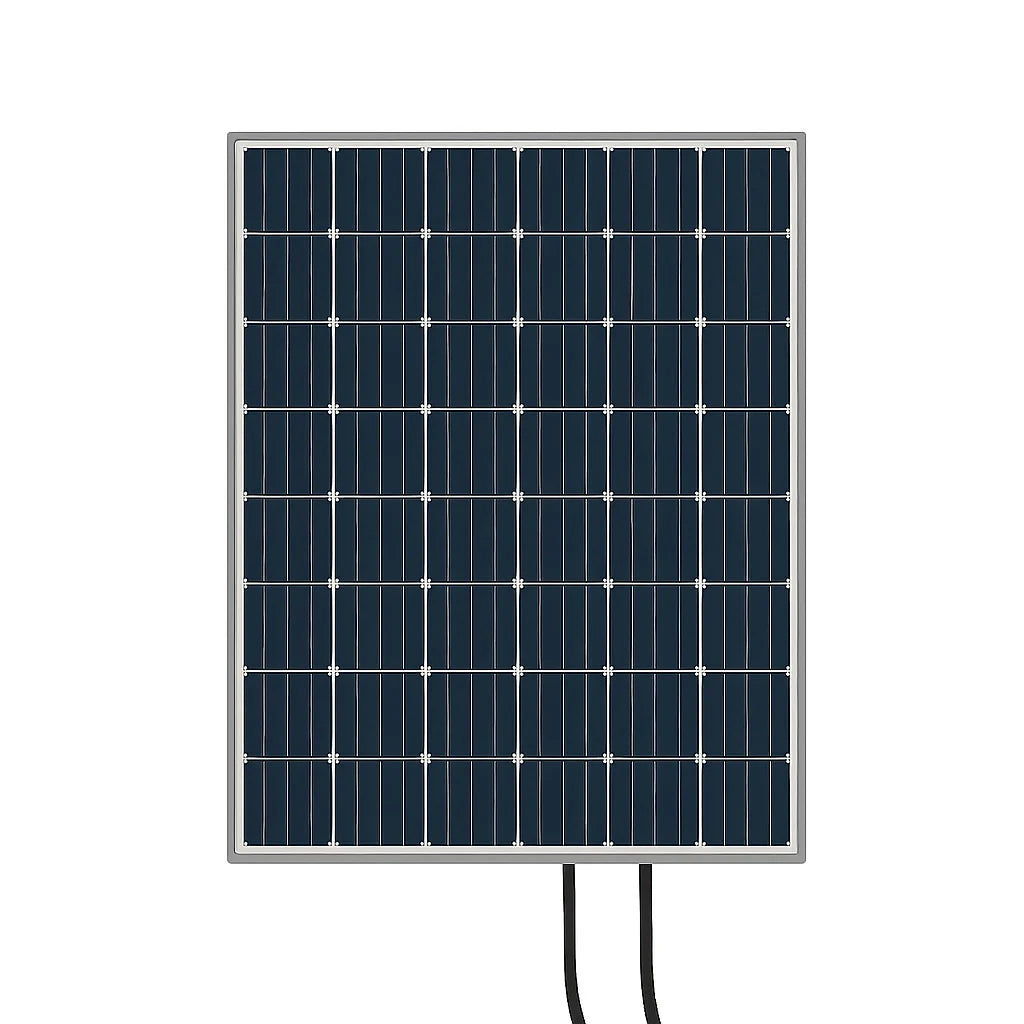
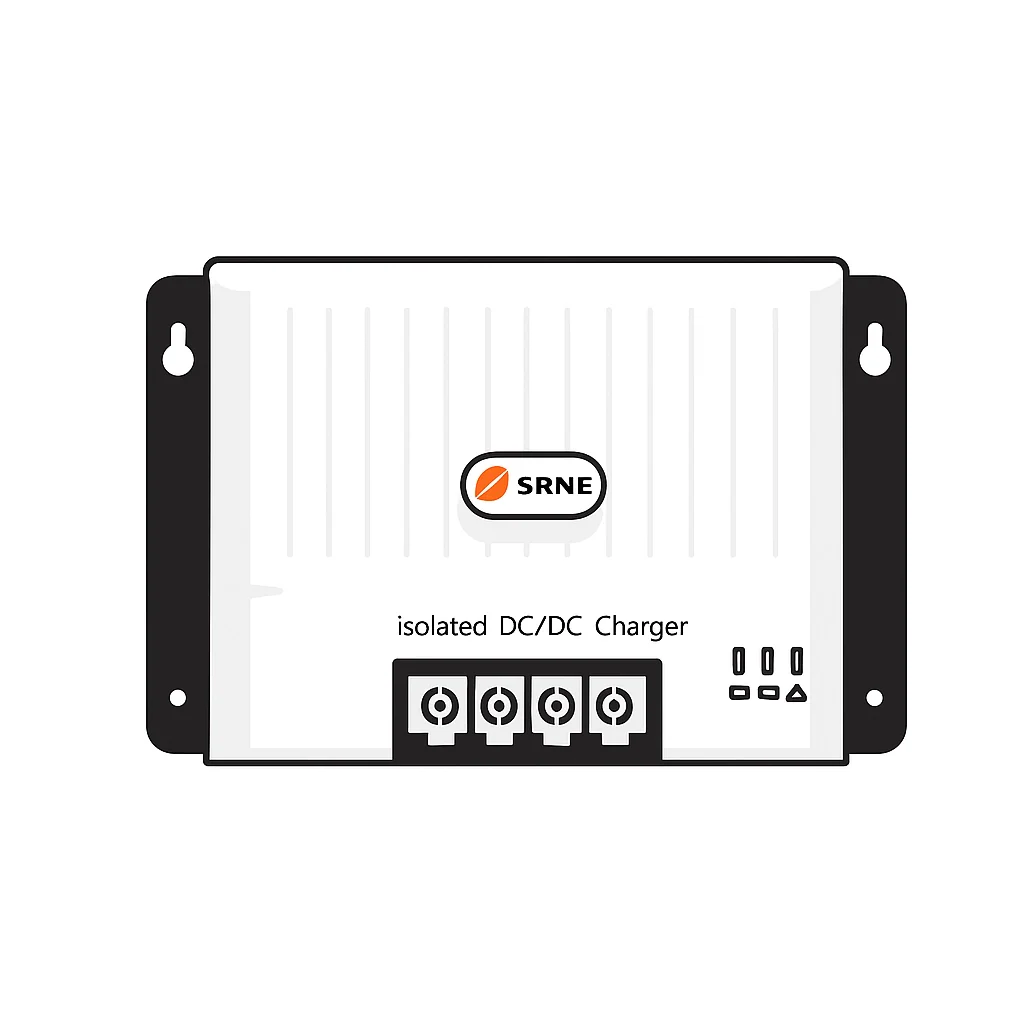
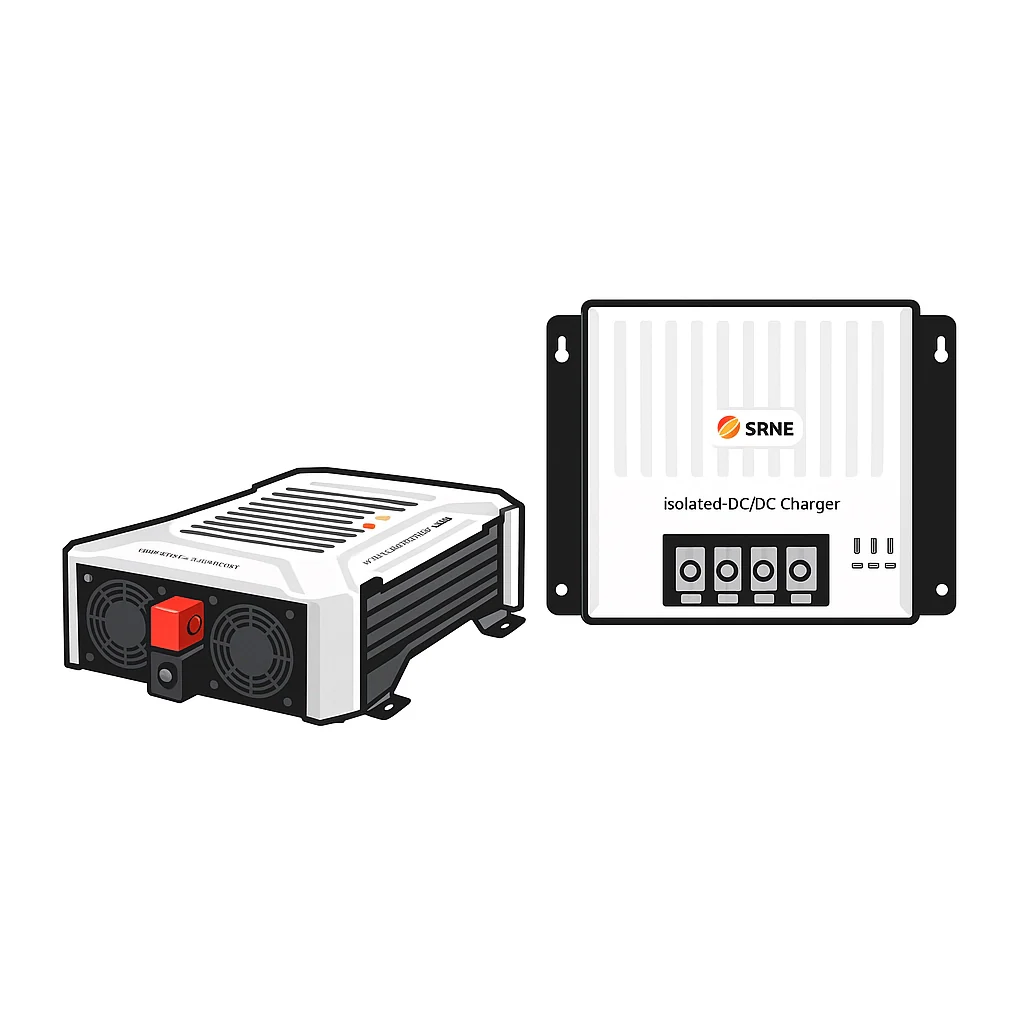
An MPPT charge controller extracts more power from your solar panels than a basic PWM controller, especially in cold or low-light conditions. Pairing one with a lithium battery gives the best charging performance.
Lithium batteries accept a steady, controlled charge, so the controller must be set to the correct lithium profile. To find a controller suited to lithium chemistry, read the best solar controllers for lithium. Check the battery's charge voltage limits before setting up the system.
Watch out: a wrong charge profile can shorten a lithium battery's life, so always confirm settings against the battery specification.
Lithium Battery Cold-Weather Charging and Protection
Cold is the one condition that catches out more lithium cabin systems than any other. The chemistry itself tolerates discharge at low temperatures reasonably well, but charging below freezing is a different matter. Pushing charge into a cold LiFePO4 cell encourages lithium plating on the anode, which permanently reduces capacity and can, in the worst case, create an internal short. That is why almost every quality lithium battery includes a low-temperature charging cut-off in its battery management system (BMS).
What the BMS actually does
A typical LiFePO4 BMS monitors cell temperature through internal sensors. When the pack falls below a set threshold, commonly around 0 °C, though some models allow a narrow margin, the BMS opens the charge path and refuses current until the cells warm up. Discharge usually remains available, so lights and small loads keep working even when charging is paused. The practical consequence is that a solar array can be producing well on a bright, freezing morning while the battery politely declines the charge. Without an alternative, that energy is lost.
Three ways to keep charging in the cold
- Self-heating batteries. Some packs include internal heat pads that draw a small amount of power from the battery itself (or from the charge source) to warm the cells to a safe charging temperature. This is the cleanest solution for cabins that see regular frost. The Skyenergi Elite range includes heat pad technology.
- Insulated enclosure. Even a simple insulated box around the battery slows heat loss and keeps the pack above the cut-off for longer. Avoid sealing it so tightly that ventilation is compromised; LiFePO4 is thermally stable, but the BMS and wiring still need reasonable airflow.
- Charge-source management. If your charge controller allows it, set charging to begin only once the battery is warm, or use a controller with a temperature sensor input. Some installers route a small diversion load to warm the space before bulk charging starts.
Insulation and placement in practice
Place the battery inside the thermal envelope of the cabin rather than in an unheated outbuilding or shed. A cupboard against an internal wall, away from draughts and direct ground contact, is usually better than a floor-level position. If the battery must live in a cold space, build an insulated enclosure and consider a thermostatically controlled heat source, but keep it modest and safe.
What to check before you buy
- The BMS low-temperature charge cut-off figure, not just the operating range in the headline spec.
- Whether heating is built in, and whether it runs from the battery or the charge source.
- The charge profile your controller will apply, and whether it can be set to a lithium profile with temperature compensation disabled.
- Ventilation and fusing around the installation, even for a thermally stable chemistry.
A cold-climate cabin does not rule out lithium, it simply means choosing a battery whose protection and heating match the conditions. The Skyenergi Elite range includes heat pad technology for freezing conditions.
Choosing Your Skyenergi Battery for Your Cabin
The right battery depends on your load, space and budget. If you are still deciding between chemistries, lithium and lead-acid compared for motorhome and cabin use sets out the trade-offs. The Skyenergi Edge range includes a 100A JBD BMS and an IP65-rated housing. The Skyenergi Elite range includes Victron integration, RS485/CAN inputs and heat pad technology.
Start with your sized load, then pick a capacity that covers it with margin.
For cabin owners ready to upgrade, the step is simple: complete your load audit, choose your capacity and fit a battery that holds up in the weather you actually face. Explore the Skyenergi range to find a lithium system built for remote power.
Frequently Asked Questions
What are the benefits of lithium batteries for a remote cabin?
Lithium batteries can offer higher usable capacity and a longer cycle life than lead-acid batteries. For a remote cabin that relies on solar, that means more reliable power for lights, fridges and pumps through cloudy spells, and fewer replacements over the life of the system.
Are lithium batteries better than lead-acid batteries for off-grid solar?
Lithium batteries are often considered an option for off-grid solar setups. The trade-off is a higher upfront cost, so the decision rests on how many years you plan to use the system and how often you rely on deep discharge.
What size battery do I need for an off-grid cabin?
Start by listing every appliance, its power draw in watts and how many hours a day it runs. Convert that to daily watt-hours, then add a margin for cloudy days and a reserve. Divide the total by the usable capacity you need, allowing for the depth of discharge you plan to use.
Can you use lithium batteries in cold weather?
Lithium batteries should not be charged below freezing unless they have built-in heating or a battery management system that blocks low-temperature charging. Skyenergi Elite batteries include heat pad technology for charging in freezing conditions, while Edge batteries do not include heat pads. Check the temperature rating of any battery before installing it in an unheated cabin or outbuilding.

Prev post

How to Balance Campervan Weight for Better Handling?
Updated on 03 November 2026
Next post

Optimising Solar Charging for Slimline Lithium Batteries
Updated on 01 November 2026


