





Solar Products UK: A 2026 Guide to Panels, MPPT & Batteries
Compare solar products in the UK for 2026, from MPPT controllers to lithium batteries, with specs, prices and a full buying guide.
Table of Contents
- What the UK Solar Market Looks Like in 2026
- Choosing the Best MPPT Solar Charge Controller for Your System
- Lithium Leisure Battery Benefits for Campervans and Off-Grid Use
- SRNE Solar Controller Setup: Pairing Charging and Monitoring
- Solar Panels and Mounting Systems for Vehicle Roofs
- Grants, Export Tariffs and Planning Rules for Solar Products
- Maintenance, Warranty and Long-Term Return on Investment
- Choose the Right Solar Products for Your Build
- Frequently Asked Questions
Last Updated: October 1, 2026
What the UK Solar Market Looks Like in 2026
Solar generation hit 17TWh by the end of August 2026, a 13% jump on the same period in 2025, according to Carbon Brief's analysis of summer solar performance. The country passed two million installations in March, with total capacity at 22.3GW by April. Public support sits at 84% in the latest government tracker. For anyone buying solar products, that scale matters: component pricing has firmed up, stock is deeper, and the technical gap between budget and premium kit has narrowed.
Choosing the Best MPPT Solar Charge Controller for Your System
The best MPPT solar charge controller matches your array's peak voltage and current with headroom to spare, then holds that array at its maximum power point as light and temperature shift. Two numbers decide it: maximum PV input voltage must exceed your array's open-circuit voltage even on a cold morning, and rated output current must cover peak wattage divided by battery voltage, plus margin.
Victron SmartSolar MPPT 100/30 and 100/50 Compared
Both share ultra-fast maximum power point tracking, Bluetooth monitoring through VictronConnect, and protection against over-temperature, PV short circuit, reverse polarity and reverse current. The difference is current handling.
| Controller | Max PV Voltage | Rated Output | Price | Best For |
|---|---|---|---|---|
| Victron SmartSolar MPPT 100/30 | 100V | 30A | £93.38 | Arrays up to roughly 400W at 12V |
| Victron SmartSolar MPPT 100/50 | 100V | 50A | £134.04 | Arrays up to roughly 700W at 12V |
Lithium Leisure Battery Benefits for Campervans and Off-Grid Use
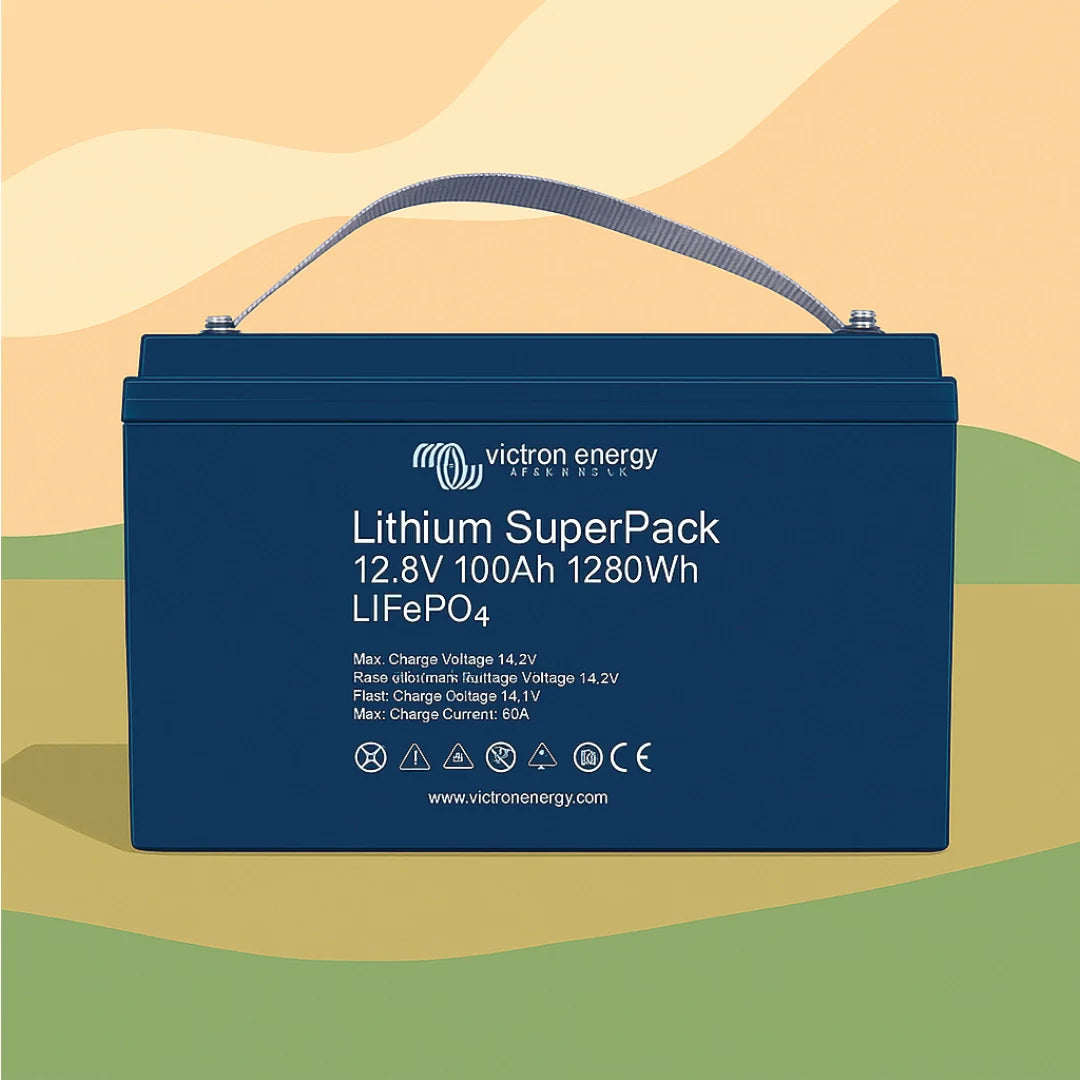
Lithium leisure batteries deliver more usable capacity from less space and weight than lead-acid, hold voltage steady under load, and accept charge far faster, which keeps a fridge running when a lead-acid equivalent would be sagging toward cut-off.


The practical differences stack up:
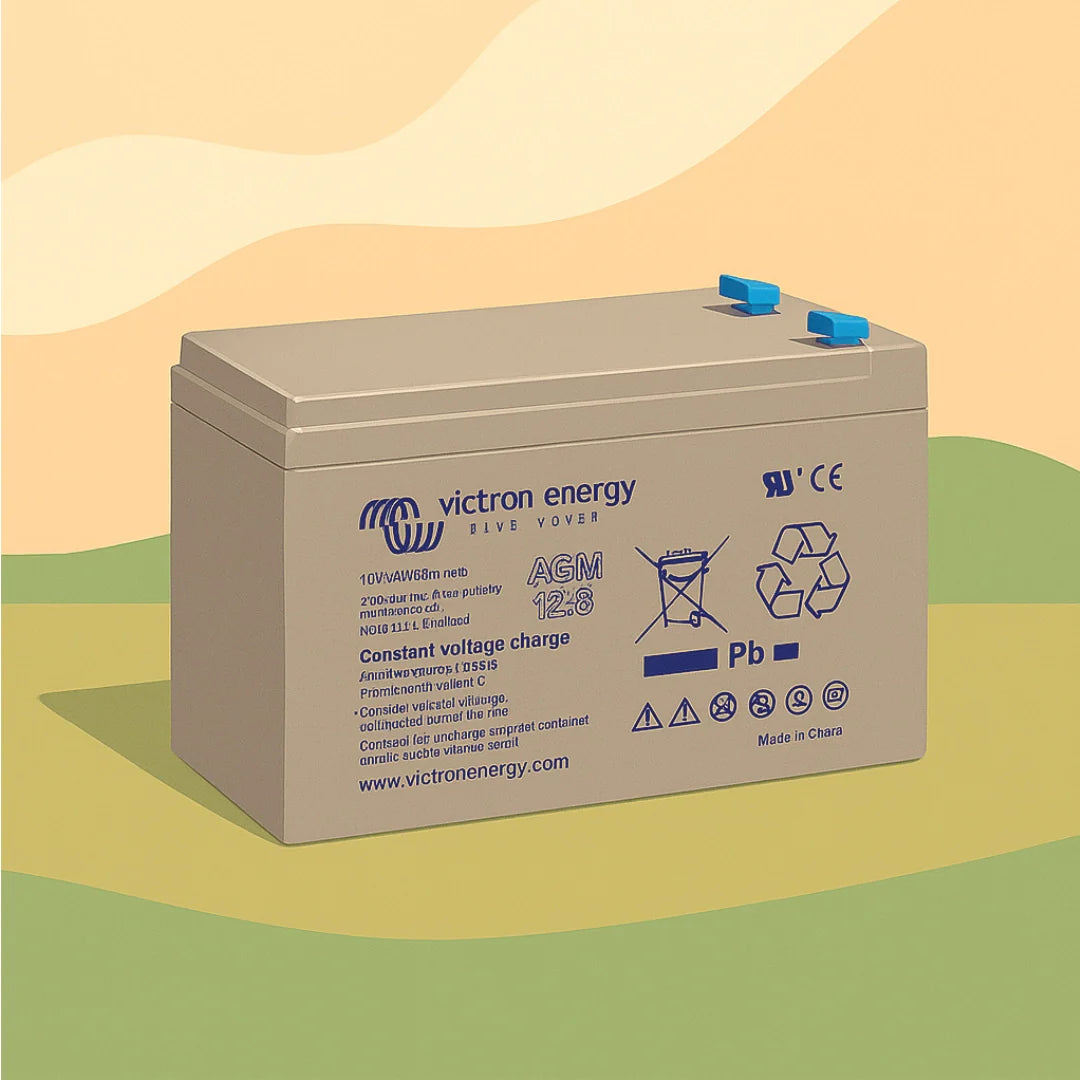
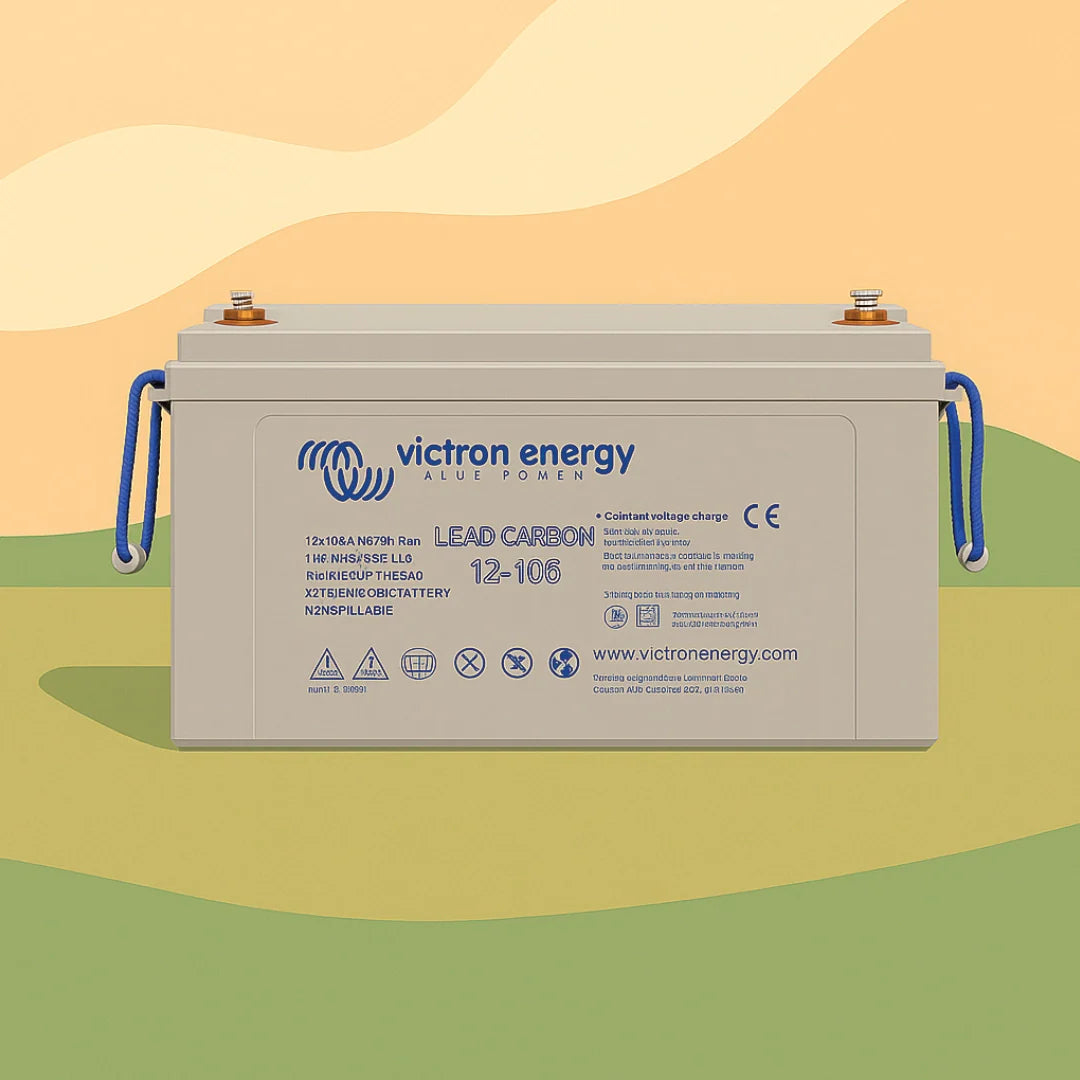
- Usable capacity: a 100Ah lithium bank gives close to 90Ah usable, while a 100Ah lead-acid bank should only be drawn to about 50Ah.
- Weight and footprint: a 100Ah lithium battery weighs around 12-14kg versus 25-30kg for lead-acid, critical where every kilogram counts against payload.
- Voltage stability: lithium holds above 12.8V for most of its discharge curve, so a compressor fridge keeps running at full efficiency instead of labouring as voltage drops.
- Charge acceptance: a 200W solar array can refill a 100Ah lithium bank in a day of good sun, whereas lead-acid would take two or three days because it tapers acceptance early.
SRNE and Skyenergi Battery Options
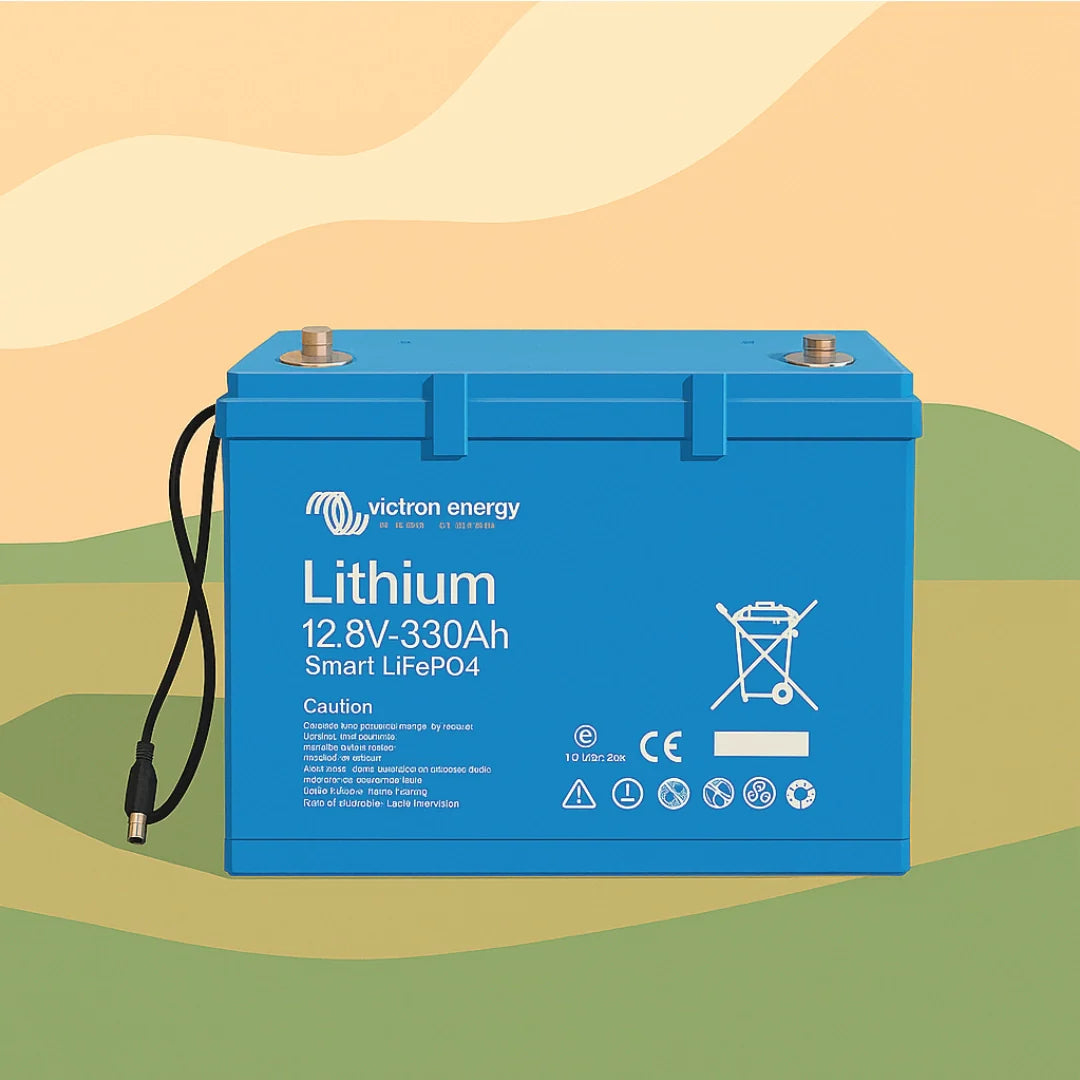
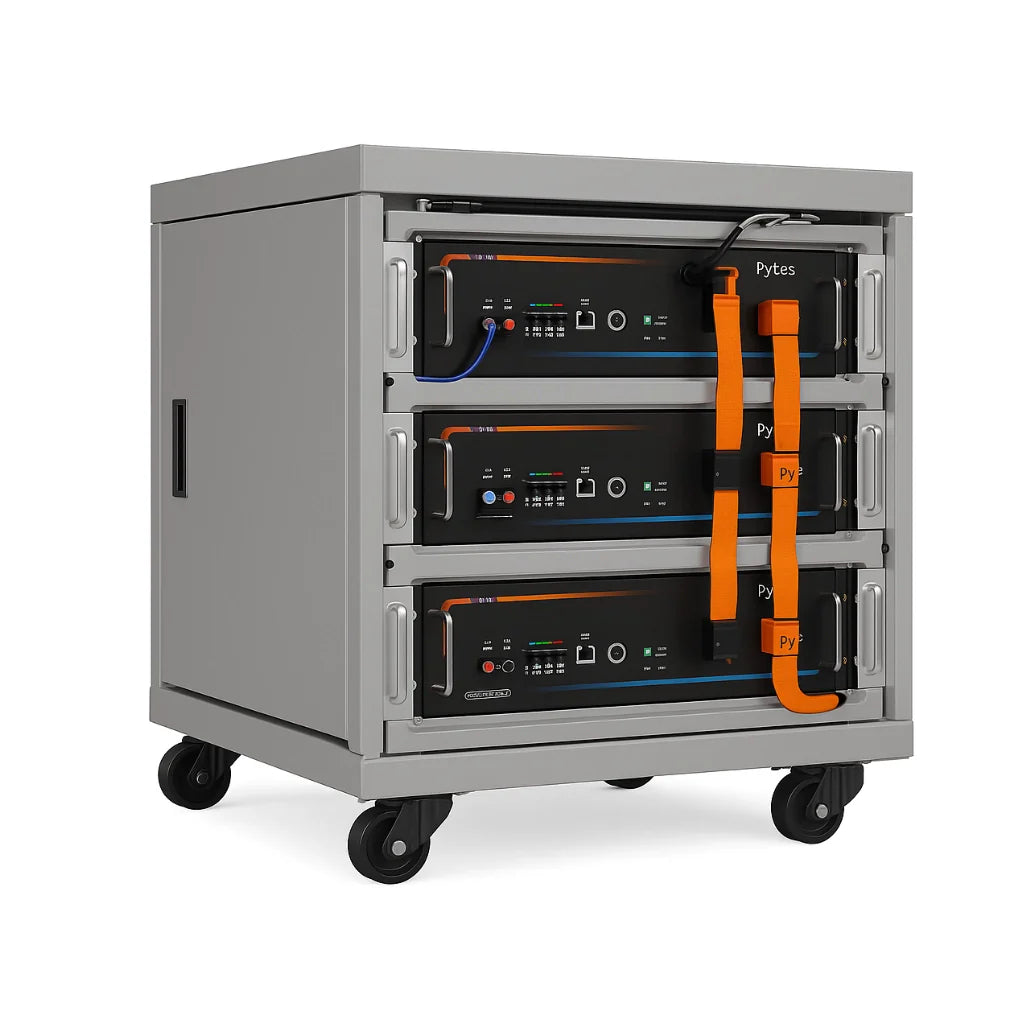
Skyenergi supplies two lithium ranges for vehicle and off-grid use: the Edge and Elite series. Both ranges pair directly with SRNE solar charge controllers. The charge profile is matched to the battery's BMS at the factory, so you are not guessing whether the lithium setting is correct.
What Nobody Tells You About Switching
Your existing charging hardware may already be compatible. Lithium needs charge profiles that match its chemistry, so check your controller supports them before ripping anything out. Many modern MPPT controllers, including the SRNE range, have a dedicated lithium mode. Older PWM controllers often do not, and using one can leave your lithium bank chronically undercharged, just as damaging as overcharging.
Real-World Capacity Planning
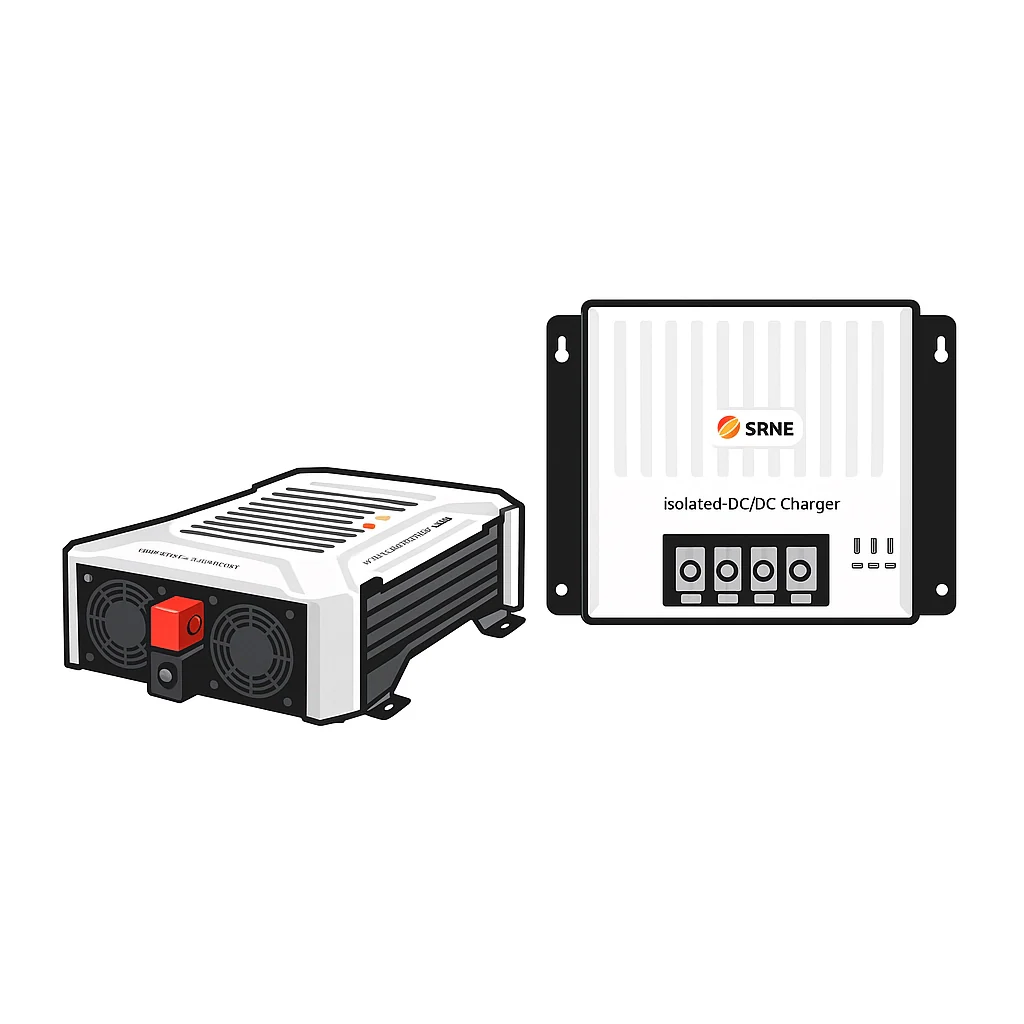
Size the lithium bank around daily consumption rather than available space. Add up your daily amp-hour draw, fridge, lights, phone charging, water pump, inverter losses, then double it for a two-day autonomy buffer. A typical two-person campervan with a compressor fridge lands around 100-150Ah. A 200W solar array paired with an SRNE MPPT controller replenishes that in a good summer day, with a DC-to-DC charger covering winter shortfall.
SRNE Solar Controller Setup: Pairing Charging and Monitoring
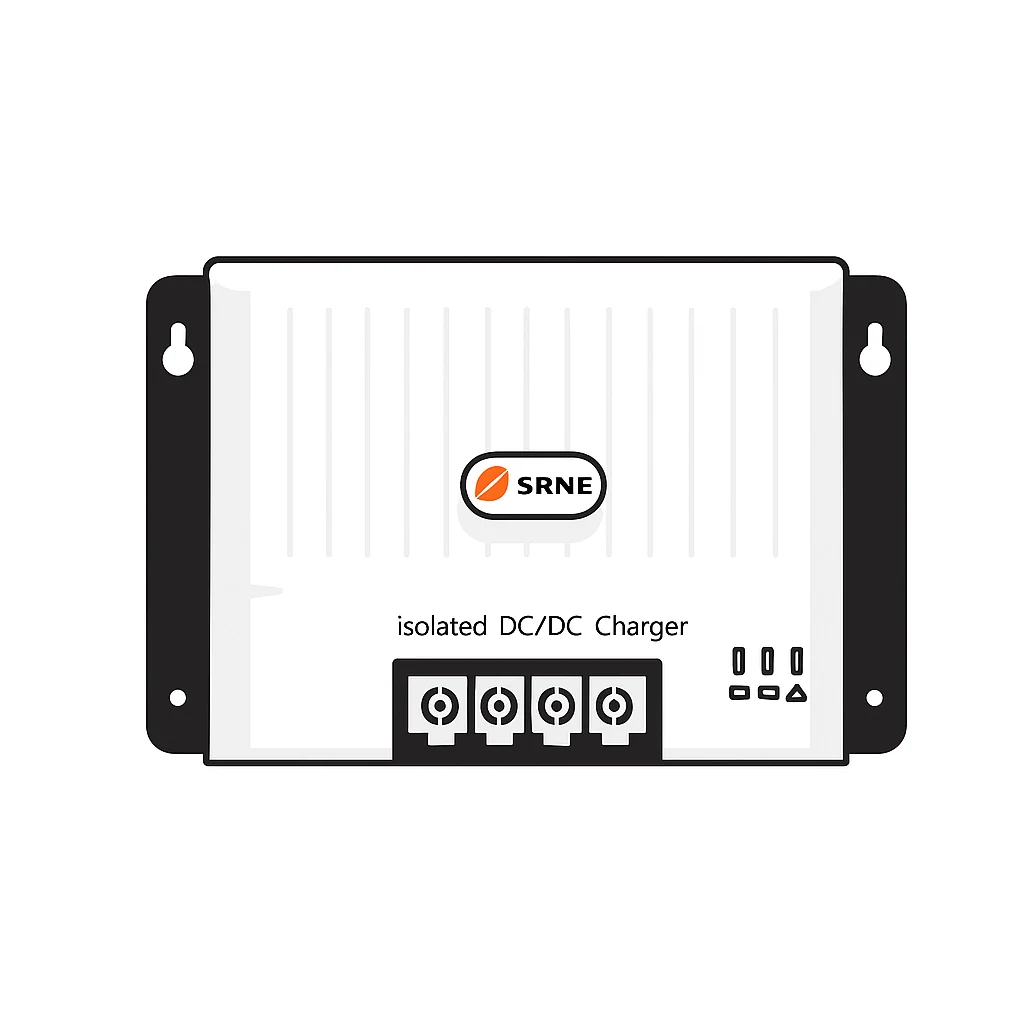
SRNE solar controller setup is straightforward once sequenced correctly: connect the battery first, then the solar array, then configure charge parameters through the monitoring interface. Connecting panels first leaves the controller without a reference voltage.
The sequence that works:
- Isolate the array at the breaker
- Connect the battery bank and confirm the controller powers up
- Set battery type and charge voltage to match your lithium specification
- Connect the PV array and verify input voltage reads correctly
- Pair the monitoring app and log a full charge cycle
Solar Panels and Mounting Systems for Vehicle Roofs
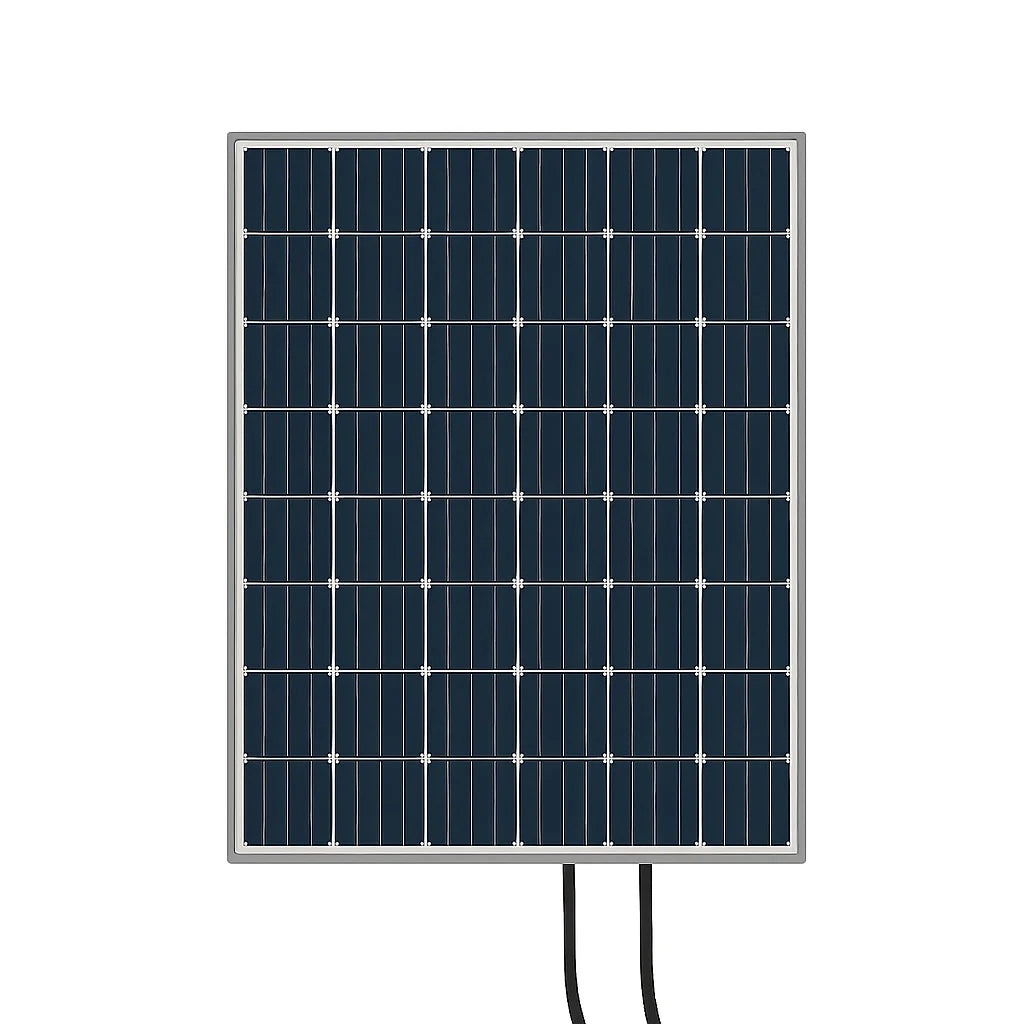
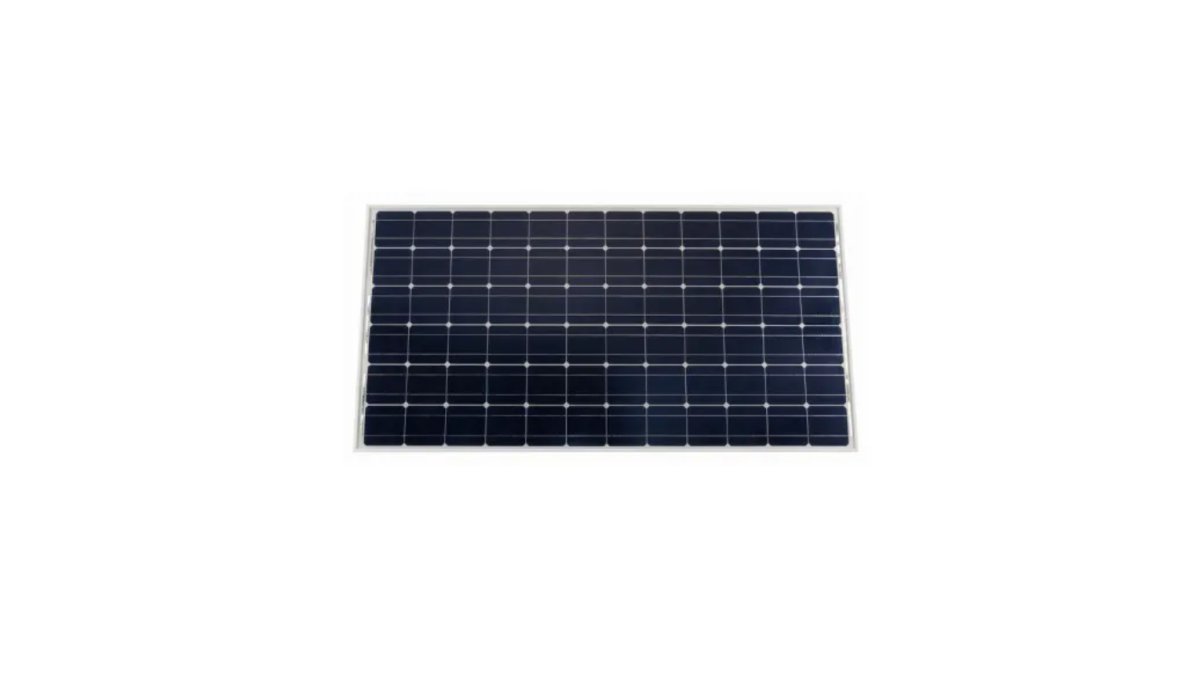
Roof-mounted solar on a vehicle comes down to three constraints: available area, weight, and shade handling. Curved or cluttered roofs punish full-size panels, which is why narrow-format modules exist.
Matching Panels to Your Controller and Battery
Panel choice is not just about wattage. The array's open-circuit voltage (Voc) must stay below your MPPT controller's maximum PV input voltage, even on a cold morning. A single 190W panel has a Voc around 45V, so two in series would be around 90V, fine for a 100V controller, but too close for comfort on a frosty day. Three in series would exceed it.
Victron Energy SmartSolar MPPT 100/30 →

Mounting Systems: Brackets, Rails and Adhesive Options
Mounting choice matters as much as the panel. Three main approaches exist for vehicle roofs:
- Roof bars and cross rails: the most flexible option. Bolt the bars to the roof or existing mounting points, then clamp the panels on. You can adjust position and add or remove panels later. The downside is added height and wind noise.
- Bonded brackets: aluminium brackets glued to the roof with Sikaflex or similar structural adhesive. Lowest-profile and avoids drilling, which matters if leasing the vehicle or avoiding water ingress risk. The trade-off: panels cannot easily be removed or repositioned, and surface preparation must be perfect or the bond fails.
- Drilled and sealed brackets: the traditional approach. Drill through the roof, bolt the bracket down, and seal generously with marine-grade sealant. Most secure and the only method some installers will warranty, but it introduces permanent holes that must be sealed correctly or you get water damage.
Cable Routing and Entry
Getting cable from the roof into the vehicle is where most DIY installations go wrong. You need a cable entry gland, a waterproof box that seals around the cables. Drill slightly larger than the gland, fill the void with sealant, and mount it so the cable exits downward, creating a drip loop that stops water tracking into the roof.
Panel Performance in Real Conditions
Manufacturer wattage ratings assume standard test conditions: 1,000W/m² irradiance and 25°C cell temperature. In real use, panels on a vehicle roof get hot, often 50-60°C in summer sun, and output drops. A 190W panel might produce 160-170W on a hot day, and closer to 190W on a cold, bright morning.
Grants, Export Tariffs and Planning Rules for Solar Products
Financial incentives change often enough that any figure quoted today can be wrong by install day. Know which schemes exist and check current terms on the official source before you commit.
Maintenance, Warranty and Long-Term Return on Investment
Solar hardware is close to maintenance-free, but not entirely. Panels need occasional cleaning, and performance degradation is normal over any module's life. The real long-term risk isn't the panel, it's the connections.
The maintenance routine that actually protects your investment:
- Inspect MC4 connectors and cable entries annually for corrosion or water ingress
- Check mounting fixings and sealant after winter
- Review controller logs for unexpected drops in harvest
- Confirm battery charge profiles still match the installed chemistry
- Clean panels two to three times a year, more if parked under trees
Choose the Right Solar Products for Your Build
Designing a system that performs means matching controller, battery and panels as one unit rather than shopping for parts in isolation. Skyenergi supplies the full chain: Edge and Elite lithium leisure batteries, Victron SmartSolar MPPT controllers, monocrystalline solar panels, SRNE charging and monitoring systems, and the 12V accessories that tie it together, with fast delivery and specialist support from a team that works with converters and installers every day.
Frequently Asked Questions
What components are essential for an off-grid solar power system?
A working off-grid set-up needs four core parts: solar panels to generate power, an MPPT charge controller to convert and regulate it, a battery bank to store energy, and an inverter if you need mains voltage for appliances. Cabling, fuses, mounting systems and monitoring complete the build. A typical campervan system might pair a 185W Victron panel with a SmartSolar MPPT 100/30 and a lithium leisure battery, giving stable 12V power for fridges, lighting and charging.
Are lithium leisure batteries better than AGM for campervans?
For most campervan owners, yes. Lithium batteries deliver usable capacity close to their rated figure, whereas lead-acid and AGM types should only be discharged to around 50% to avoid damage. That means a 100Ah lithium battery can supply roughly double the usable energy of a 100Ah AGM unit. Lithium also charges faster, holds voltage more steadily under load, and lasts through far more charge cycles, which matters if you run a compressor fridge overnight or spend extended periods off-grid.
How does an MPPT charge controller improve solar efficiency?
An MPPT controller constantly tracks the voltage and current coming from your panels and adjusts the operating point to extract maximum power, then converts that to the correct voltage for your battery. This is most noticeable in partial cloud, when panel output fluctuates. Models like the Victron SmartSolar MPPT 100/30 also include Bluetooth monitoring and can recharge a battery discharged as low as 0 volts, provided the cells are not permanently damaged.
How do I calculate the solar capacity needed for my van conversion?
Start with a daily energy budget in watt-hours. Add up each appliance's wattage multiplied by hours used: a 45W fridge running 24 hours draws roughly 1,080Wh, plus lighting, charging and any inverter loads. Then divide by your expected peak sun hours, typically 2 to 4 in the UK depending on season. A 200W to 400W panel array suits most full-time van builds, paired with an MPPT controller rated above the array's maximum current.
Prev post

MPPT vs DC-to-DC Chargers: Which Suits Your Motorhome
Updated on 03 October 2026
Next post

12V Fridge Runtime on 100Ah Lithium Battery
Updated on 01 October 2026


