





12V Fridge Runtime on 100Ah Lithium Battery
12V fridge 100Ah lithium battery: Find out how long a 12V fridge runs on a 100Ah lithium battery. Real-world runtime estimates, factors affecting.
Table of Contents
- Understanding 12V Compressor Fridge Power Consumption
- Battery Capacity and Depth of Discharge in Lithium Leisure Batteries
- Real-World Runtime Estimates for 100Ah Lithium Systems
- Extending Runtime with Solar Panel Charging for 100Ah Lithium Batteries
- Key Factors That Reduce Fridge Runtime
- Choosing the Right Lithium Battery for Your Fridge Setup
- Frequently Asked Questions
Last Updated: September 30, 2026
12V Fridge Runtime on 100Ah Lithium Battery
A 12V fridge 100Ah lithium battery will typically power your fridge for between 1.5 and 3 days on a single charge, depending on the fridge's power consumption and operating conditions. This runtime estimate assumes a standard compressor fridge drawing around 30 amp-hours per day at a 40% duty cycle. However, real-world performance varies significantly based on ambient temperature, fridge efficiency, and how deeply you discharge the battery.
At Skyenergi, we help campervan owners understand how long their lithium systems will last. The answer isn't simple because so many variables affect runtime. But with the right battery and setup, you can achieve consistent, reliable power for your fridge wherever you travel.
Below, we'll break down the factors that determine runtime, show you real-world performance data, and explain how to extend your battery life with solar charging and smart energy management.
Understanding 12V Compressor Fridge Power Consumption
Your fridge doesn't run continuously. The compressor cycles on and off depending on internal temperature and how often you open the door. This cycling pattern is called the duty cycle, and it's the single biggest factor affecting how long your battery lasts.
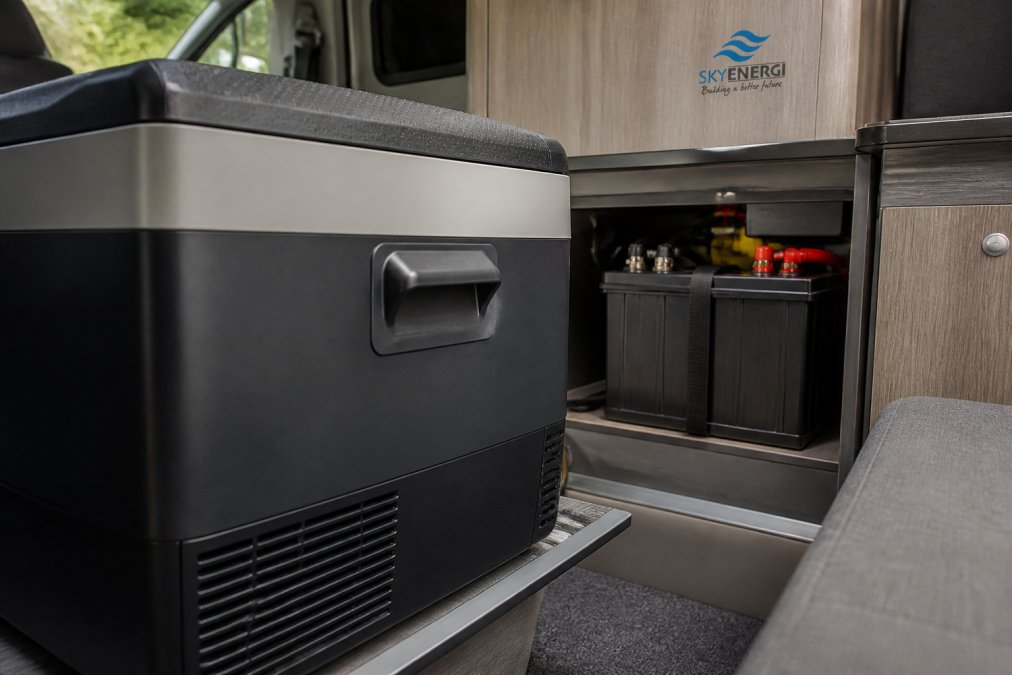
A typical 12V compressor fridge draws between 20 and 50 watts when running. Most modern models sit around 30-40 watts. At a 40% duty cycle, your fridge runs roughly 10 hours per day. This translates to approximately 30 amp-hours of daily consumption from your battery.
Typical Wattage and Duty Cycle
Most 12V RV fridges consume between 20-50 watts when the compressor is active. The actual power draw depends on the fridge's size, insulation quality, and compressor efficiency.
A 50W fridge at a 40% duty cycle reduces runtime to approximately 1.5 days compared to a 20W model, according to Temgot's lithium battery analysis. This matters because a larger fridge forces your battery to work harder.
Duty cycle is where most people get it wrong. Your fridge doesn't consume 30 amp-hours because it runs at full power all day. It consumes 30 amp-hours because the compressor cycles on and off. A well-insulated fridge with a low ambient temperature might cycle only 20% of the time. A poorly insulated fridge in hot weather might cycle 60% or more.
How Ambient Temperature Affects Runtime
Temperature is the hidden killer of fridge runtime. A 100Ah battery that runs your fridge for 3 days in cool weather might manage only 1.5 days in heat.
When the ambient temperature rises, your fridge's compressor works harder to maintain the internal temperature. In hot conditions (30°C+), the duty cycle can double or triple. This is why real-world testing often shows runtime as low as 7 hours in high-load conditions, according to YouTube 12V 100Ah battery fridge tests.
The difference between theoretical calculations and real-world performance comes down to temperature. Calculated theoretical maximum runtime for a 12V fridge consuming 30Ah per day is 3.3 days, but this assumes ideal conditions.
Battery Capacity and Depth of Discharge in Lithium Leisure Batteries
Not all of your 100Ah battery capacity is usable. Lithium batteries have a maximum safe depth of discharge (DoD), the percentage of the battery you can safely drain before recharging.
LiFePO4 batteries, which are the standard for 12V fridge applications, safely handle 80-100% depth of discharge. This means a 100Ah LiFePO4 battery gives you approximately 80-100 usable amp-hours before the battery management system (BMS) cuts off power.
Lead-acid batteries, by contrast, should only be discharged 50% to maintain longevity. This is one reason lithium batteries have become the standard for off-grid refrigeration, you get nearly double the usable capacity.
Usable Capacity vs Rated Capacity
Your 100Ah battery rating is the total capacity. The usable capacity is what you can actually draw without damaging the battery.
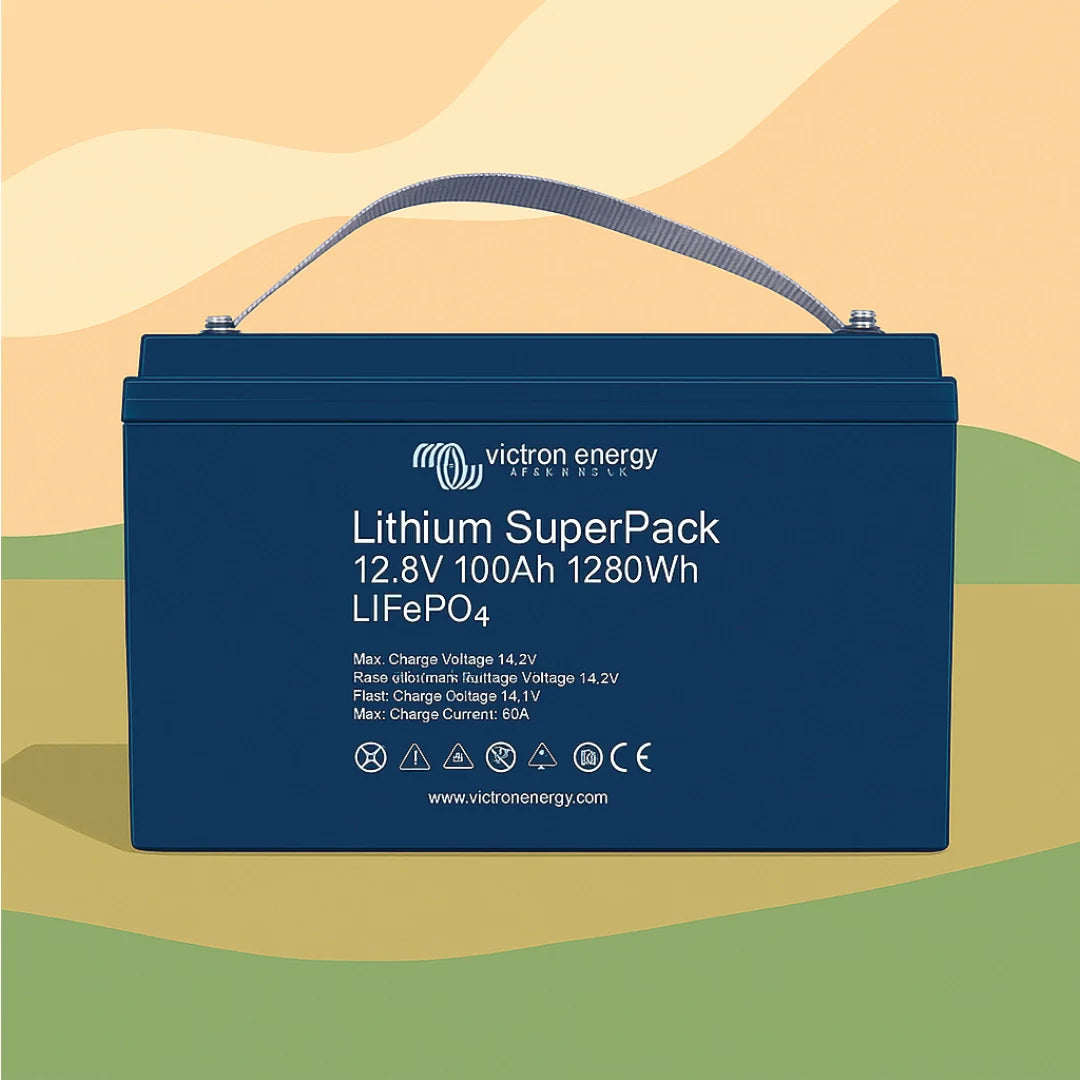
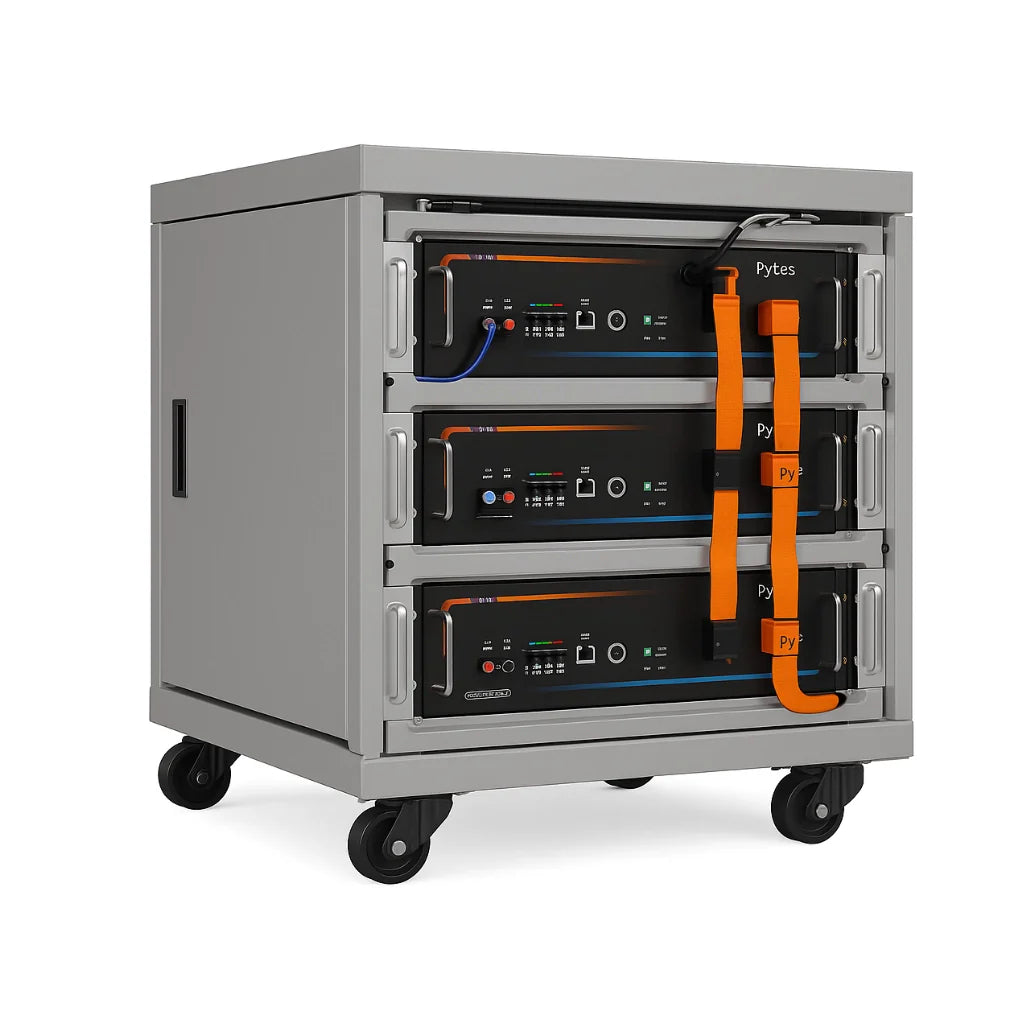
With a LiFePO4 battery like the Skyenergi Edge 100Ah Lithium Leisure Battery, you can safely use 80-100Ah before the BMS cuts power. This gives you genuine usable capacity of 80-100 amp-hours.

Most manufacturers recommend keeping your depth of discharge between 20-80% for maximum battery lifespan. This means using 60Ah of your 100Ah battery, then recharging. However, for off-grid systems where you're relying on solar input, pushing to 80-90% DoD is acceptable if you're recharging regularly.
Skyenergi Edge 100Ah Lithium Leisure →
The BMS (Battery Management System) in modern lithium batteries automatically cuts off discharge when the battery reaches its minimum safe voltage. You'll know this has happened because your fridge will stop running abruptly. This protection keeps your battery safe but can be frustrating in the field.
Real-World Runtime Estimates for 100Ah Lithium Systems
Let's translate theory into practice. Here's what you can actually expect from a 100Ah lithium battery powering a 12V fridge.
Typical Runtime Range
Under normal conditions, a 100Ah battery supports a 12V RV fridge for approximately 2-3 days, according to AVE Battery's baseline estimate. This assumes:
- 30Ah daily consumption (typical for a 30-40W fridge at 40% duty cycle)
- 80% usable capacity (80Ah from your 100Ah battery)
- Moderate ambient temperature (15-20°C)
- Standard insulation quality
Most setups will run a fridge for one to two days depending on the size of the unit and the external environment, according to Power Queen's knowledge base.
If your fridge consumes 20Ah per day, you'll get 4 days. If it consumes 40Ah per day, you'll get 2 days. The math is straightforward once you know your actual daily consumption.
Best-Case and Worst-Case Scenarios
Best case: A small, highly efficient fridge (20W, 20% duty cycle) in cool weather (10°C) with a well-charged 100Ah battery can run for 4-5 days.
| Fridge Type | Daily Consumption | Runtime on 100Ah |
|---|---|---|
| Small efficient fridge (20W) | 15-20Ah | 4-5 days |
| Standard fridge (30-40W) | 25-35Ah | 2-3 days |
| Large fridge (50W+) | 40-50Ah | 1.5-2 days |
Extending Runtime with Solar Panel Charging for 100Ah Lithium Batteries
A 100Ah battery alone won't sustain your fridge indefinitely. But add solar input, and your runtime becomes unlimited.
Sizing Your Solar Array
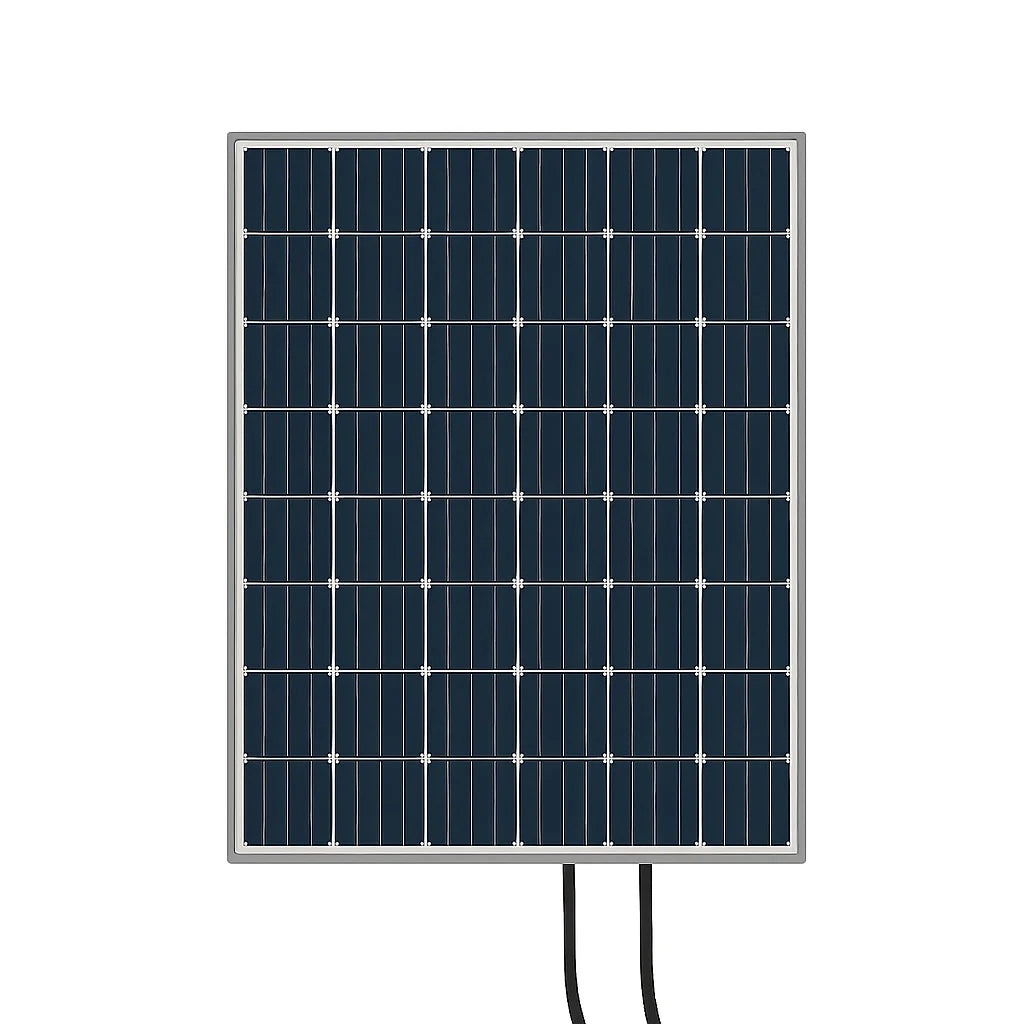
To maintain your fridge indefinitely, your solar array needs to generate at least as much energy as your fridge consumes daily.
- Fridge consuming 30Ah/day = 360Wh/day needed
- 3 peak sun hours average in the UK
- 360Wh ÷ 3 hours = 120W minimum solar array
- Add 30% buffer = 150-160W recommended
MPPT Charge Controllers and Efficiency
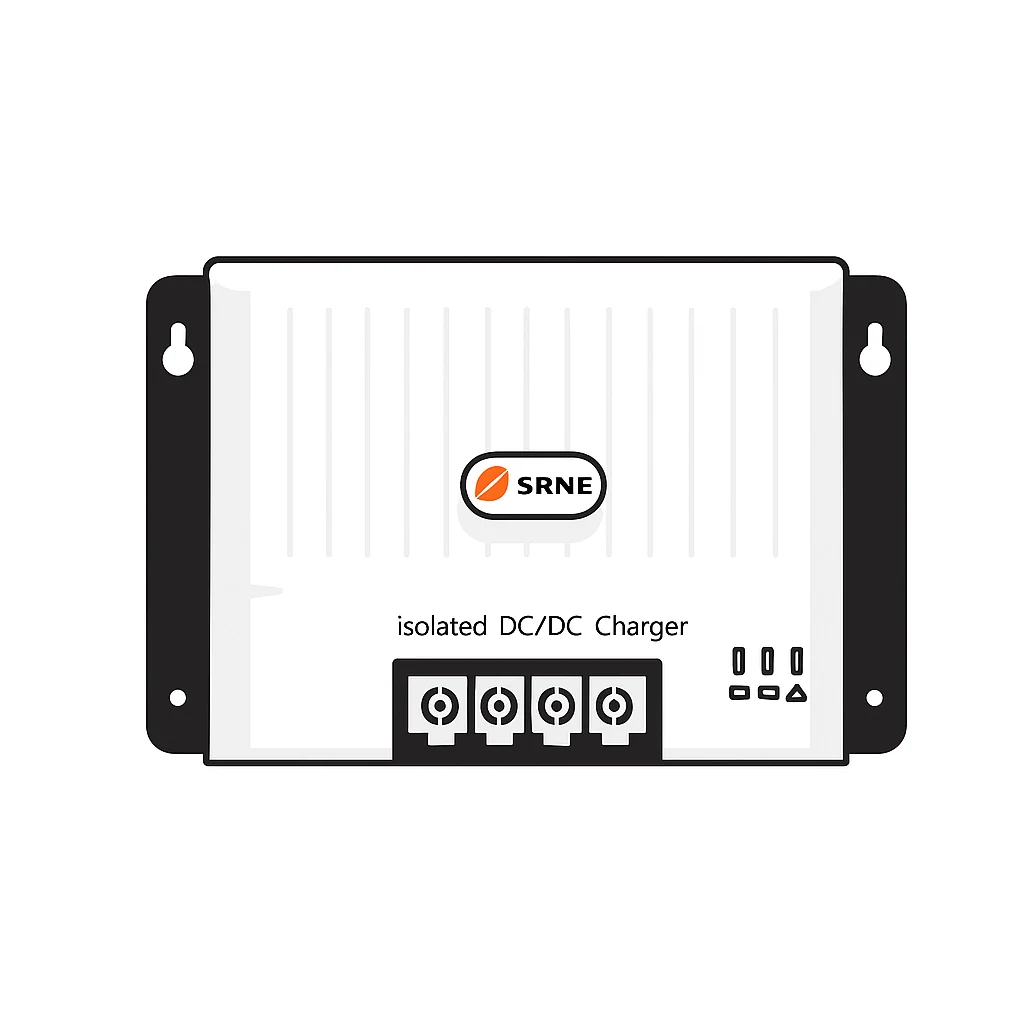
An MPPT (Maximum Power Point Tracking) charge controller is essential for efficient solar charging. It converts excess solar voltage into charging current, maximizing the energy your panels deliver to your battery.
Key Factors That Reduce Fridge Runtime
Beyond duty cycle and temperature, several technical factors silently drain your battery faster than expected.
Voltage Drop and BMS Cut-Offs
Voltage drop in wiring and connectors reduces the power reaching your fridge. If you're using thin cables or have corroded connections, your battery voltage drops as current flows. Your fridge sees lower voltage and works harder to maintain temperature, increasing duty cycle.
Inverter Idle Draw and System Losses
If you're using a DC-to-AC inverter to power your fridge, the inverter itself draws power even when the fridge is off. This idle draw (typically 5-20W depending on inverter quality) eats into your battery capacity.
Choosing the Right Lithium Battery for Your Fridge Setup
A 100Ah battery works for most campervan fridges, but your actual needs depend on your fridge's power consumption and how long you want to run between charges.
Your choice depends on:
- Daily consumption of your fridge
- Desired runtime between charges
- Whether you're adding solar input
- Integration requirements with existing systems
- Budget constraints
Frequently Asked Questions
How many days can a 100Ah lithium battery power a 12V compressor fridge?
A 100Ah lithium battery typically runs a 12V compressor fridge for 1.5 to 3 days on a single charge, depending on fridge wattage and ambient temperature. A controlled test on a 12.8V 100Ah LiFePO4 battery demonstrated 61 hours of continuous operation. Most setups with a standard 20-30W fridge will achieve 2-3 days of runtime under normal conditions, whilst higher-wattage models (50W+) may reduce this to 1.5 days or less.
Does ambient temperature affect 12V fridge power consumption?
Yes, significantly. Warmer ambient temperatures force the compressor to run more frequently and longer to maintain internal temperature, increasing daily energy consumption. At 30°C or higher, a fridge may consume 40-50% more power than at cooler temperatures, drastically reducing battery runtime. This is why real-world testing often shows lower runtime than theoretical calculations, which typically assume moderate conditions.
What is the usable capacity of a 100Ah lithium leisure battery?
Most lithium leisure batteries are designed to discharge to 80% depth of discharge (DoD), meaning a 100Ah battery provides approximately 80Ah of usable energy. This protection extends battery lifespan and prevents damage to the battery management system. When calculating runtime, use the usable capacity (80Ah) rather than the rated capacity (100Ah) for accurate estimates.
How can solar panels extend the runtime of a 12V fridge?
Solar panels connected via an MPPT charge controller can recharge your 100Ah battery during daylight hours, enabling indefinite fridge operation if solar input matches daily consumption. A typical setup requires 100-200W of solar capacity to offset a 30Ah daily fridge load, depending on location and season. Pairing solar with an intelligent charge controller ensures efficient energy management and maximises usable battery capacity throughout the day.
Next post

Sizing Solar Panels: A Campervan and Off-Grid Guide
Updated on 29 September 2026


