





7 Best Flexible Solar Panels for Campervans UK (2026)
Compare the 7 best flexible solar panels for campervans UK. Find lightweight options, real specs, and installation advice to pick the right panel.
Table of Contents
- Quick Comparison: 7 Best Flexible Solar Panels for Campervans UK
- How We Evaluated These Flexible Solar Panels
- 1. Skyenergi 200W Semi-Flexi Solar Panel Black Rear Exit
- 2. Skyenergi 250W Semi-Flexi Solar Panel Black Rear Exit
- 3. Skyenergi 170W Lightweight Solar Panel
- 4. Which MPPT Solar Charge Controller for Campervan Works Best?
- 5. How to Install Flexible Solar Panels on Van Roof
- 6. Best Lithium Leisure Battery for Off-Grid Power
- Frequently Asked Questions
Last Updated: September 13, 2026
Quick Comparison: 7 Best Flexible Solar Panels for Campervans UK
Flexible solar panels have become the default choice for van roofs that curve, taper or simply cannot take the weight of glass. According to Energy Guide UK's 2026 campervan solar guide, semi-flexible panels weigh roughly 50% less than rigid equivalents and can bend up to 240°, which is why converters keep specifying them for aerodynamic van roofs. At Skyenergi, we supply three panels built specifically for this job, and this guide compares them honestly: wattage, weight, output, mounting and the supporting kit you will actually need.
Quick picks:
- Best all-rounder: Skyenergi 200W Semi-Flexi Solar Panel Black Rear Exit, £264.00
- Best for high demand: Skyenergi 250W Semi-Flexi Solar Panel Black Rear Exit, £312.00
- Best lightweight option: Skyenergi 170W Lightweight Solar Panel, £192.00
How We Evaluated These Flexible Solar Panels
Every panel here was scored on five criteria: real-world daily output in UK conditions, weight and profile, mounting method, controller compatibility, and warranty length. Output figures come from the manufacturers' own weather-dependent estimates rather than laboratory peak ratings, because a 200W panel does not deliver 200W in Cumbria in January.

The honest caveat first. Cheaper flexible panels have a reputation problem, and it is deserved: users on MotorhomeFun forum threads report premature degradation when budget panels are permanently bonded to hot roofs. Construction quality, not wattage, is what separates a panel that lasts three years from one that lasts fifteen.
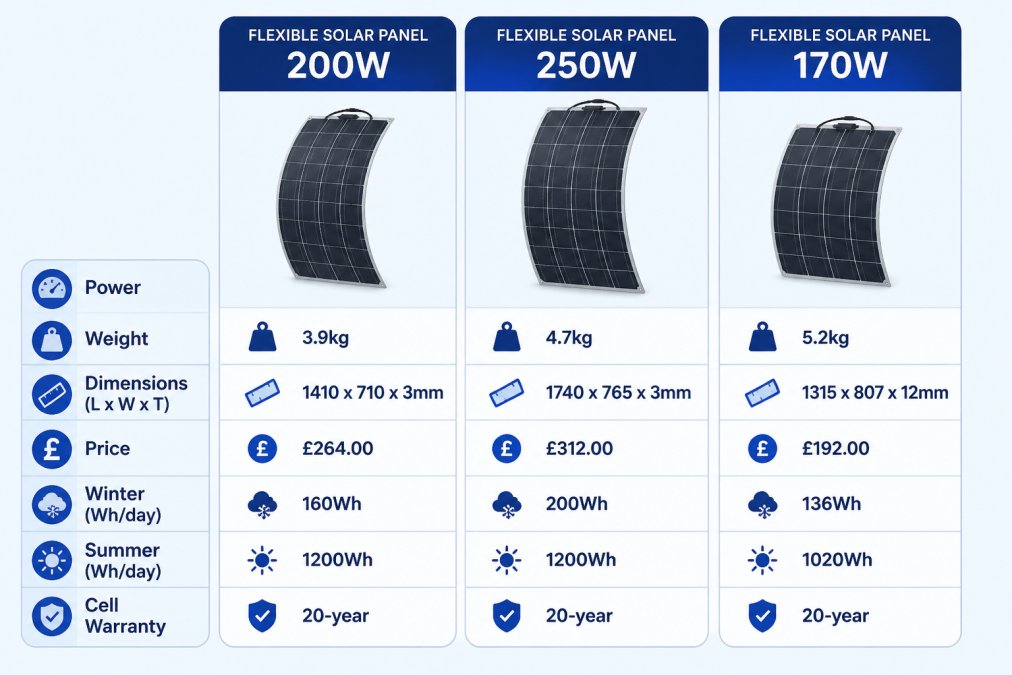
| Panel | Power | Weight | Price | Best For |
|---|---|---|---|---|
| 200W Semi-Flexi | 200Wp | 3.9kg | £264.00 | Most van builds |
| 250W Semi-Flexi | 250Wp | 4.7kg | £312.00 | High consumption |
| 170W Lightweight | 170Wp | 5.2kg | £192.00 | Tight budgets |
1. Skyenergi 200W Semi-Flexi Solar Panel Black Rear Exit
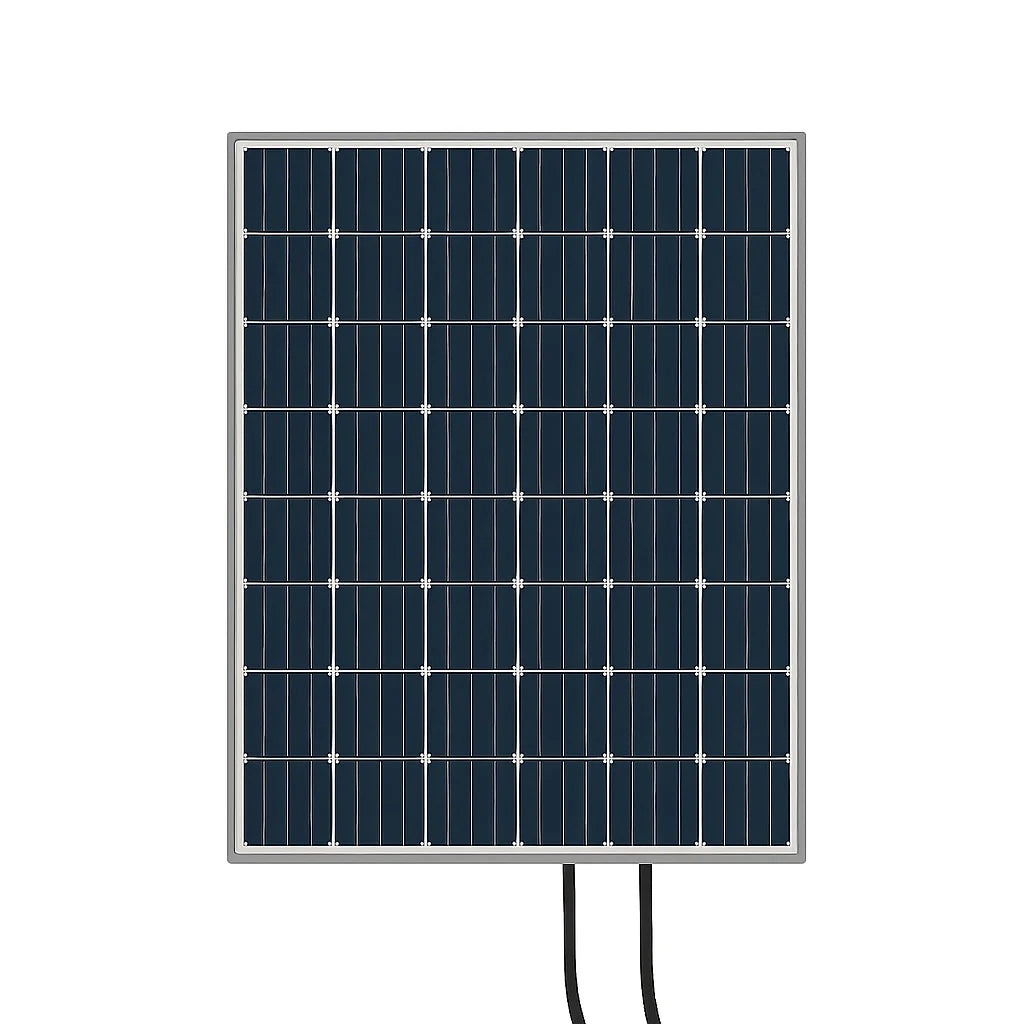
Our top pick for most conversions. The 200W Semi-Flexi uses A-grade monocrystalline cells behind an ETFE diamond surface with a polymer composite back, and it measures just 1410 x 710 x 3mm at 3.9kg. The rear cable exit threads straight through the roof, so nothing sits on top of the panel to catch wind or trip you on a ladder.
Output is where it earns its place. Expect roughly 68.2Ah (1200Wh) per day in summer and 9.01Ah (160Wh) per day in winter, weather depending. That summer figure comfortably runs a compressor fridge, lights and phone charging with headroom to spare.
The second-generation design flexes more along the long edge, bending up to 40 degrees on tighter curves without stressing the cells. Five metres of 2.5mm² UV-stable cable is included, which is generous enough for most van layouts without a join.
Pros: 20-year cell performance warranty at 80% of day-one output, genuine 3.9kg weight, stealthy rear exit. Cons: Higher voltage than a basic 12V panel, so check your controller first.
2. Skyenergi 250W Semi-Flexi Solar Panel Black Rear Exit
If you run an inverter, a compressor fridge and a laptop, the 250W is the panel that stops you rationing power. It delivers around 35.88Ah (1500Wh) per day in summer and 7.47Ah (200Wh) in winter, from a 1740 x 765 x 3mm sheet weighing 4.7kg.
One thing to flag before you buy: this panel operates at a higher voltage than a standard 12V charging panel, with a 48.9V open circuit rating. It needs a controller rated for the input. MPPT models extract noticeably more from it.
Pros: Highest output in the range, same ETFE construction, 20-year cell warranty. Cons: At 1740mm long it will not fit every short-wheelbase roof, so measure before ordering.
3. Skyenergi 170W Lightweight Solar Panel
The 170W takes a different approach: an aluminium-framed, non-glass panel weighing 5.4kg including brackets, just 12mm deep. A-Grade Monocrystalline PERC cells sit on a patented low-conductivity backplate that keeps cell temperatures down, which matters because heat is the quiet killer of solar output.
Daily yield is around 48.84Ah (1020Wh) in summer and 6.51Ah (136Wh) in winter. Integrated mounting brackets make fitting quick, and there is no glass to crack from vibration on rough roads. It carries a 10-year product warranty alongside the 20-year cell performance cover.
Pros: Fastest to install, no glass to shatter, 10-year product warranty. Cons: Heavier than the semi-flexi panels and slightly lower output.
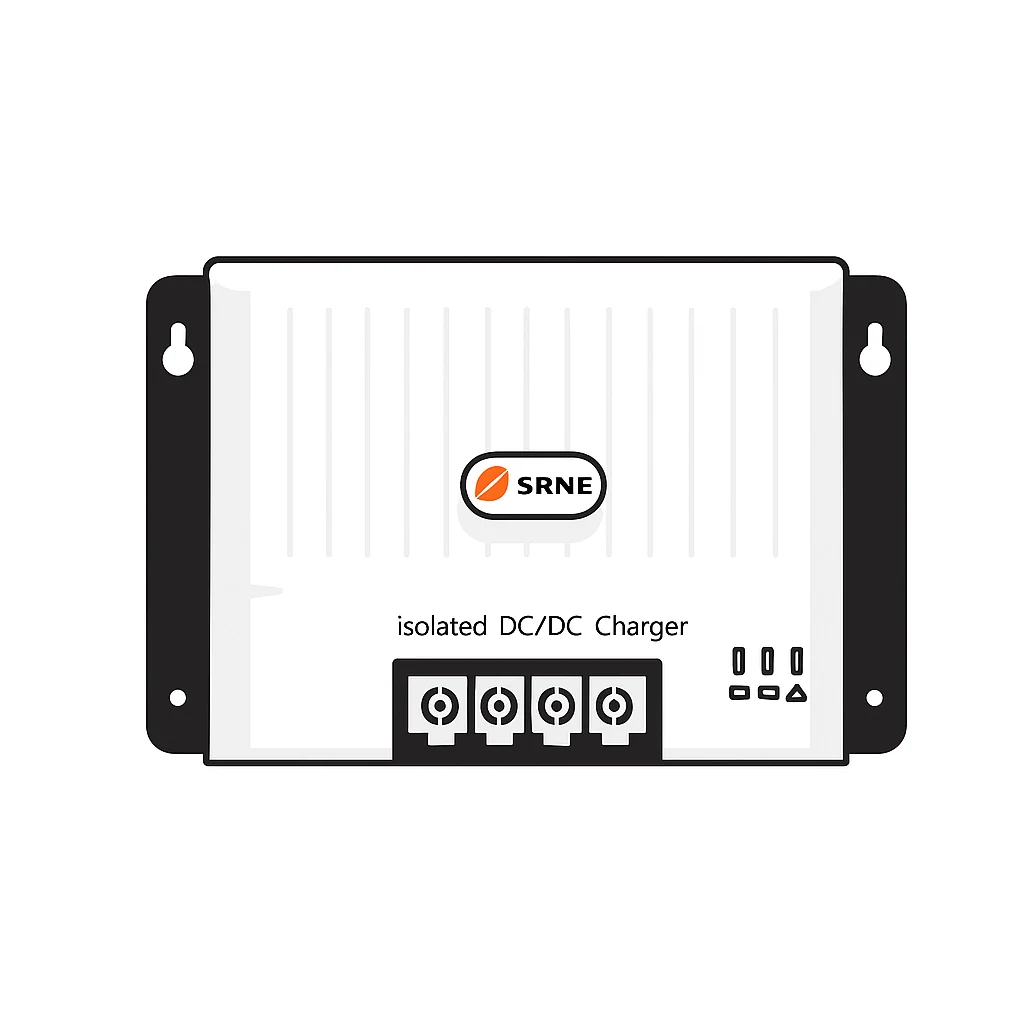
4. Which MPPT Solar Charge Controller for Campervan Works Best?
An MPPT solar charge controller for campervan systems is the component that converts your panel's higher voltage down to a safe battery charging voltage while capturing the extra energy a PWM controller throws away. For a 200W or 250W semi-flexi panel, MPPT is not optional, it is the difference between a system that keeps up in winter and one that does not.
Industry guidance for 2026 off-grid builds recommends pairing solar arrays with MPPT controllers and lithium battery banks to optimise energy management, as set out in Happy Camper Group's 2026 off-grid power guide. Match the controller's rated current to your array: a 250W panel at roughly 14V charging voltage can push close to 18A in peak conditions, so a 20A controller is the sensible minimum and 30A gives you room to add a second panel.
5. How to Install Flexible Solar Panels on Van Roof
Installing flexible solar panels on a van roof comes down to three decisions: how you fix the panel, how you get the cable inside without leaks, and how you keep the panel cool enough to perform.
Adhesive bonding has become the preferred method because it preserves roof integrity, a trend documented by The Van Conversion's no-drill mounting case study, where 150W flexible panels were fitted without structural drilling. A DIY build using two 130W flexible panels bonded with adhesive achieved the same result: secure attachment, no holes.
The practical sequence:
- Clean and degrease the roof area, then test-fit the panel
- Apply a suitable adhesive in beads, leaving drainage gaps under the panel
- Bond the panel and weight it for the full curing time
- Fit a double cable entry gland for a watertight cable route
- Seal the gland, then connect via MC4 connectors to the controller
- Test open circuit voltage before connecting the battery
For the cable entry, a double gland rated for 3-7mm cables bonded with sealant gives a clean, waterproof finish without drilling. Budget around £4.75 for the gland and £2.99 for a five-pair MC4 connector set.

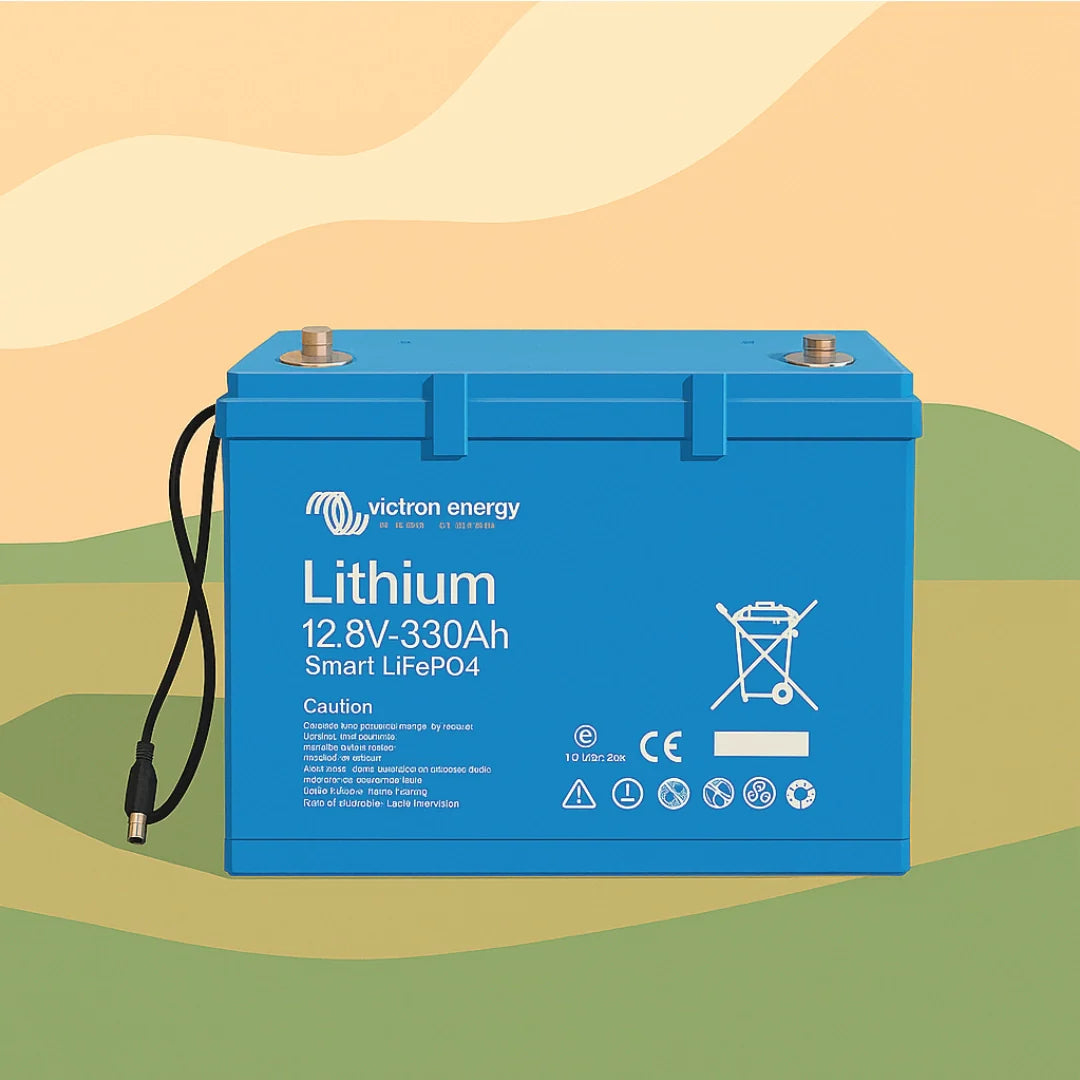
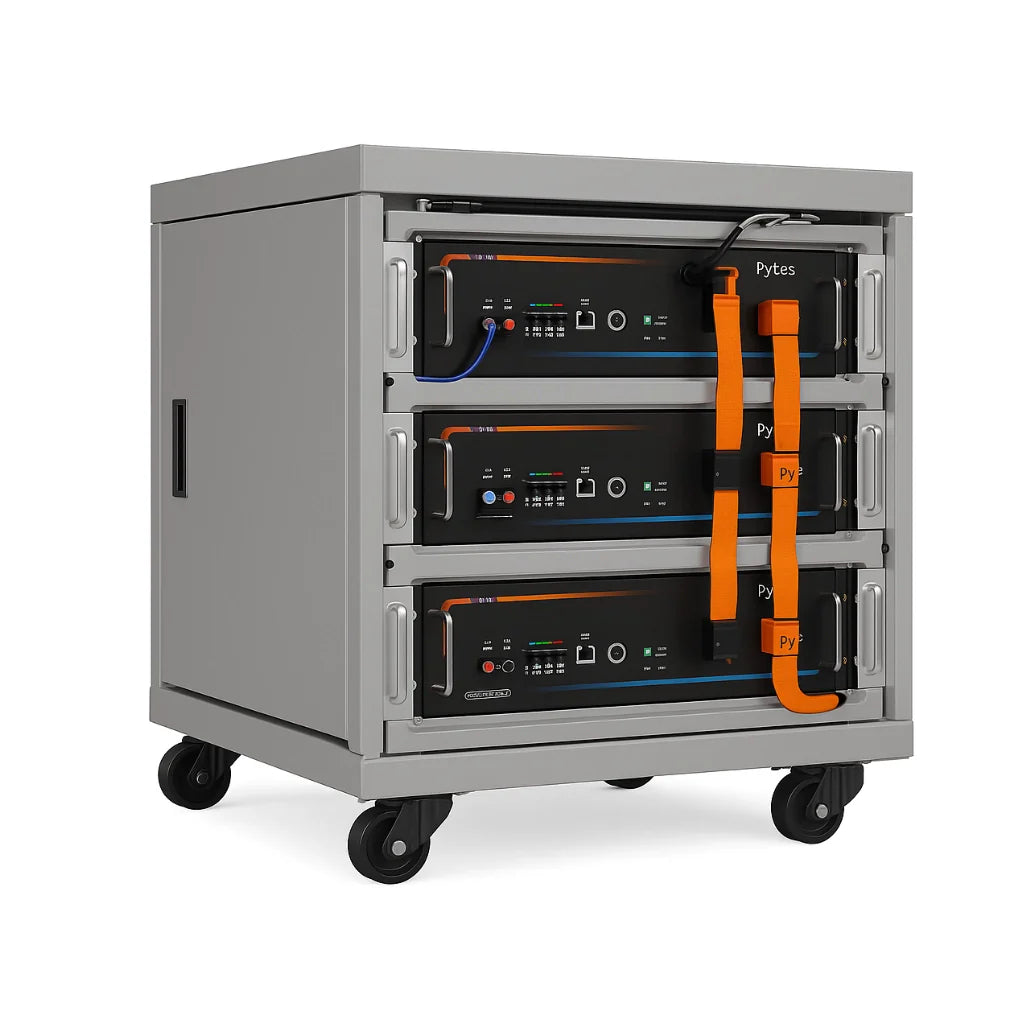
6. Best Lithium Leisure Battery for Off-Grid Power
The best lithium leisure battery for off-grid power is one sized to your real daily consumption, not your panel's peak rating. A 200W panel generating 1200Wh on a good summer day needs storage that can absorb it and release it overnight without voltage sag.
Voltage sag is the reason fridges cut out on lead-acid setups. Lithium holds a far flatter discharge curve, so appliances see stable voltage until the battery is genuinely empty. Field reports from T6 Forum owners running 250W semi-flexible setups show that level of array keeps a fridge running continuously through summer without hookup, provided the battery bank is lithium.
Sizing rule of thumb: take your daily consumption in Wh, double it for two days of autonomy, then divide by your battery's usable capacity. A compressor fridge at roughly 500Wh per day plus 300Wh of other loads needs about 1600Wh of usable storage.
The hard part of a campervan solar build is not choosing a panel, it is making the panel, controller and battery work as one system. Skyenergi supplies all three: the 200W and 250W Semi-Flexi panels with ETFE construction and 20-year cell warranties, MPPT charge controllers matched to their voltage characteristics, and Edge and Elite lithium leisure batteries designed for campervan and off-grid use. Get started with Skyenergi and build a power system that keeps your fridge running through a British winter, not just a Spanish summer.
Frequently Asked Questions
Are flexible solar panels worth it for campervans?
For curved or low-profile van roofs, flexible solar panels are often the only practical option. They weigh about 50% less than rigid panels and can bend up to 240°, letting them contour to most van roofs without drilling. They generally produce slightly less power per square metre than rigid panels, but the weight saving and low-profile fit make them worthwhile for most campervan builds.
How long do flexible solar panels last on a campervan roof?
Quality flexible panels last well over a decade when mounted correctly. Skyenergi's SolarGo2 panels carry a 20-year cell performance warranty at 80% of day-one output plus a 3-year product construction warranty. Cheaper panels bonded permanently to a roof can degrade faster, so mounting method and airflow matter.
Do I need an MPPT controller for flexible solar panels?
You do not strictly need one, but MPPT controllers deliver noticeably more charge than PWM types, especially in UK weather where light levels shift constantly. The 250W Skyenergi panel runs at a higher voltage than a standard 12V panel, so you need a controller rated for the input voltage. MPPT models extract better performance from the same panel.
How do you mount flexible solar panels without drilling?
Most installers bond flexible panels directly to the roof using a suitable adhesive, which avoids drilling and preserves roof integrity. For cable entry, a double cable entry gland like the Skyenergi Solar Panel Entry Gland creates a watertight seal without cutting large holes.
Can you walk on flexible solar panels?
No, you should not walk on flexible solar panels. Even though they have a tough ETFE surface, the cells underneath can crack under foot traffic. If you need roof access, plan a walkway around the panels or choose a layout that keeps them off your normal route. This is one reason semi-flexible panels with a rear cable exit are popular: they sit flush and reduce trip hazards.
Prev post

How to Install a Lithium Campervan Battery: 2026 Guide
Updated on 14 September 2026
Next post

Benefits of Lithium for Off-Grid: 2026 Guide
Updated on 12 September 2026


